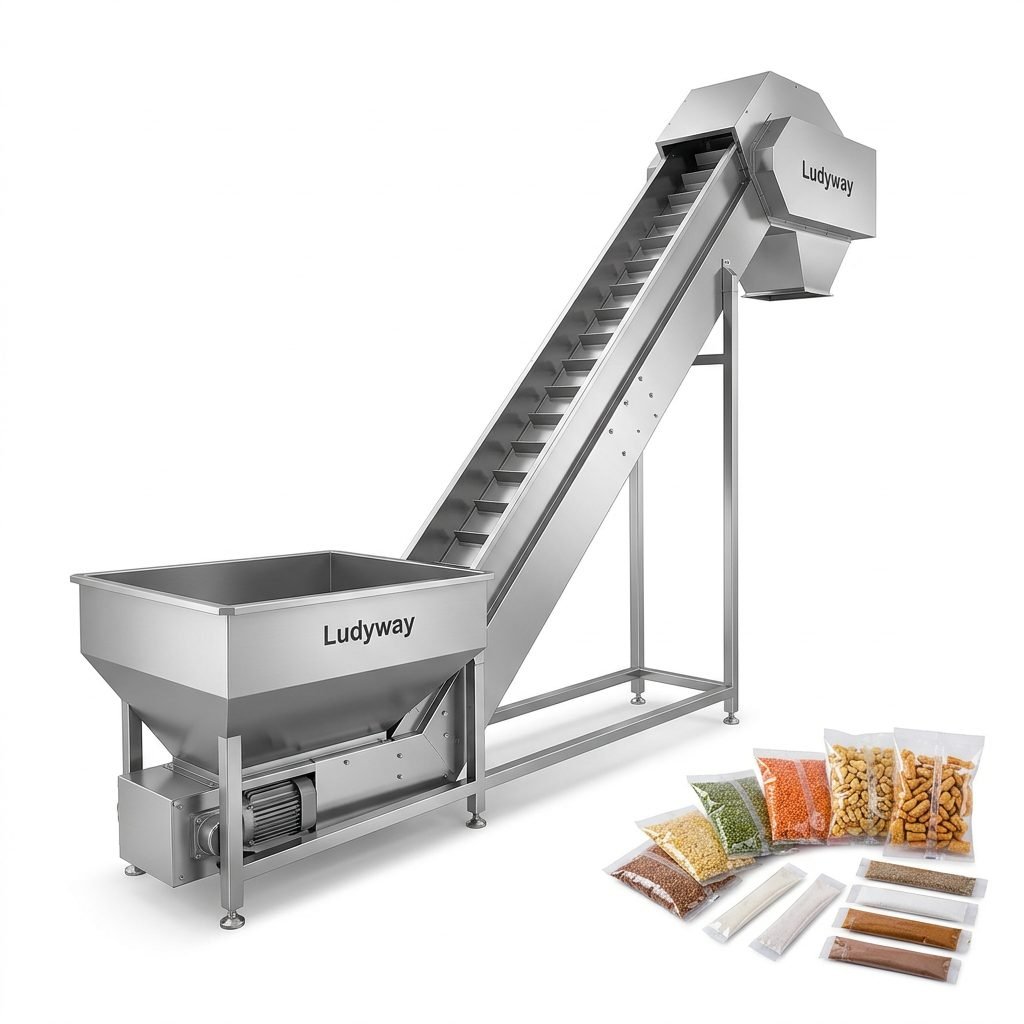
The Southeast Asian coffee market is experiencing unprecedented growth. With rising domestic consumption in countries like Vietnam, Indonesia, Thailand, and the Philippines, the demand for high-quality coffee vacuum packaging machines has surged. Whether you are an exporter shipping roasted beans internationally or a local roaster preserving freshness for retail, selecting the right vacuum packaging equipment is critical to your business success.
Why Vacuum Packaging Matters for Coffee in Southeast Asia
Southeast Asia’s tropical climate presents unique challenges for coffee preservation. High humidity and temperatures accelerate oxidation, leading to rapid flavor degradation. Vacuum packaging removes oxygen, the primary catalyst for staling, effectively extending shelf life and protecting aromatic compounds. For exporters navigating long shipping routes from Vietnam or Indonesia to Europe and North America, a reliable vacuum sealing system is not optional—it is a necessity.

Types of Coffee Vacuum Packaging Machines Available
The Southeast Asian market primarily utilizes three categories of vacuum packaging equipment. Understanding the differences will help you align your investment with production goals:
- External Vacuum Sealers (Nozzle Type): Ideal for small to medium roasters. These machines extract air from bags using an external nozzle, then heat-seal the opening. They are cost-effective and suitable for whole bean and ground coffee in pre-made bags.
- Chamber Vacuum Machines: The entire product bag is placed inside a sealed chamber, and air is evacuated from the chamber itself. This method achieves a higher vacuum level and is preferred for premium single-origin coffees and larger pack sizes commonly exported from Sumatra or Da Lat.
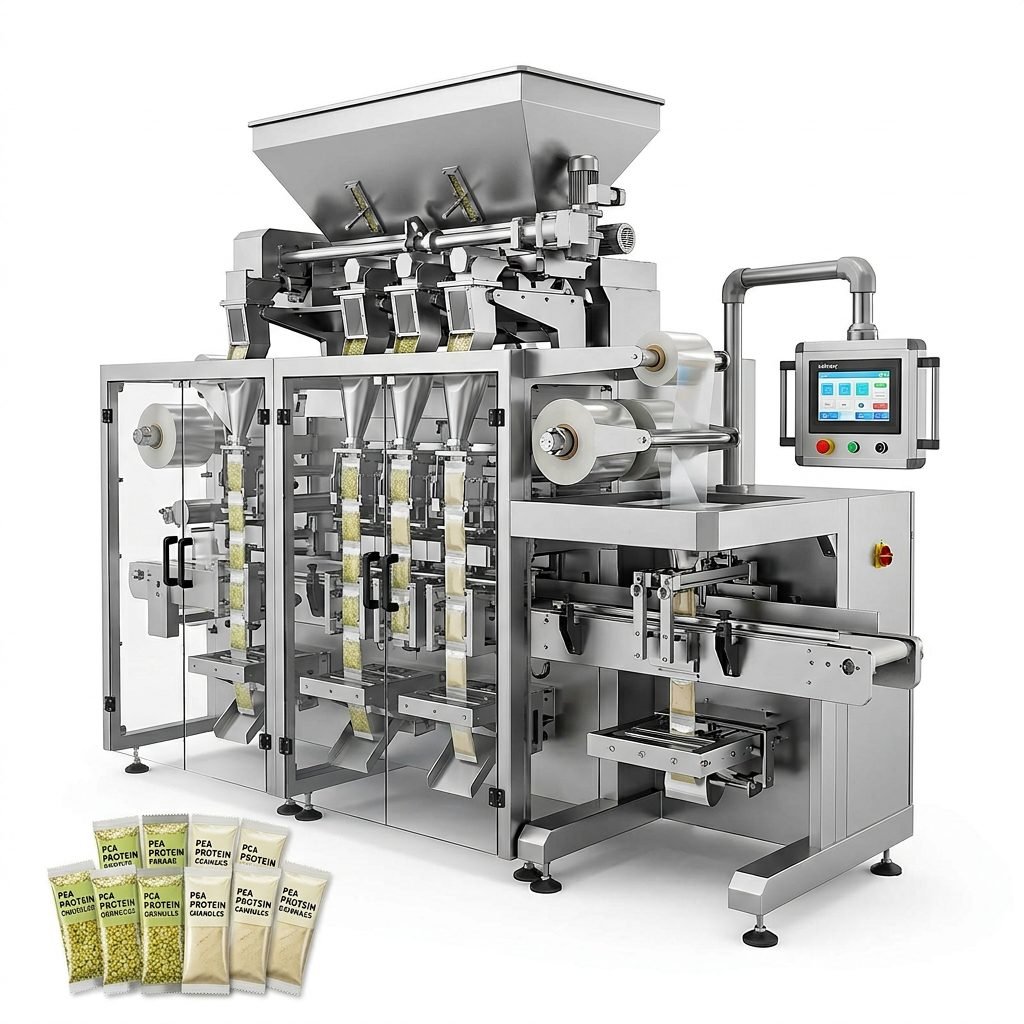
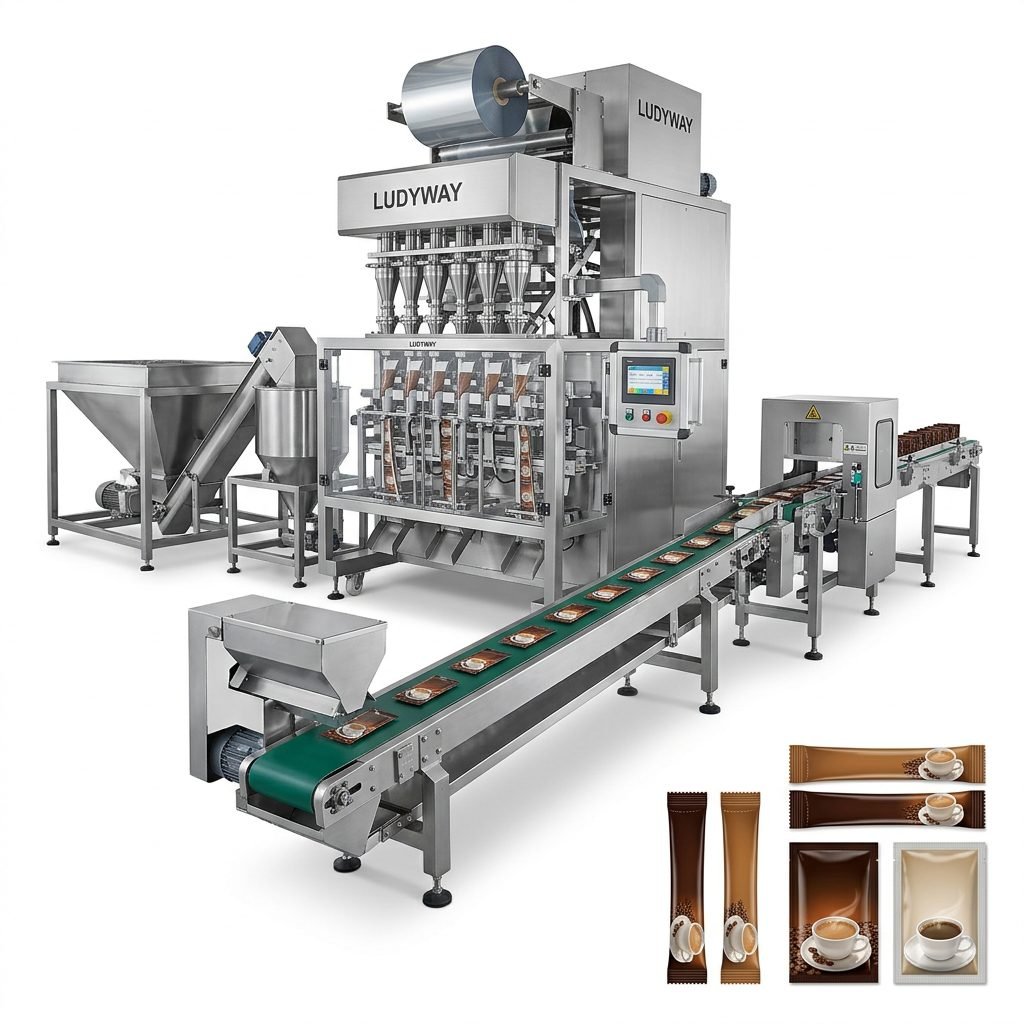
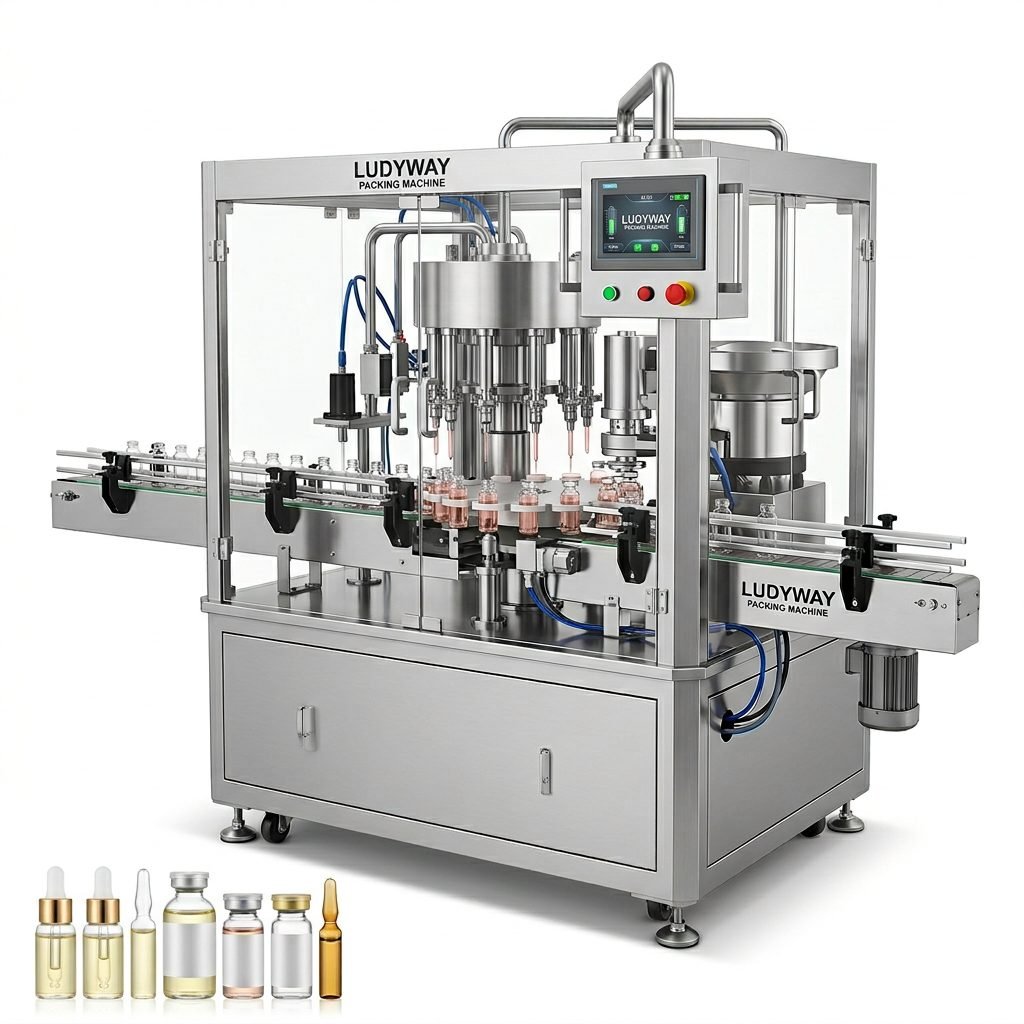
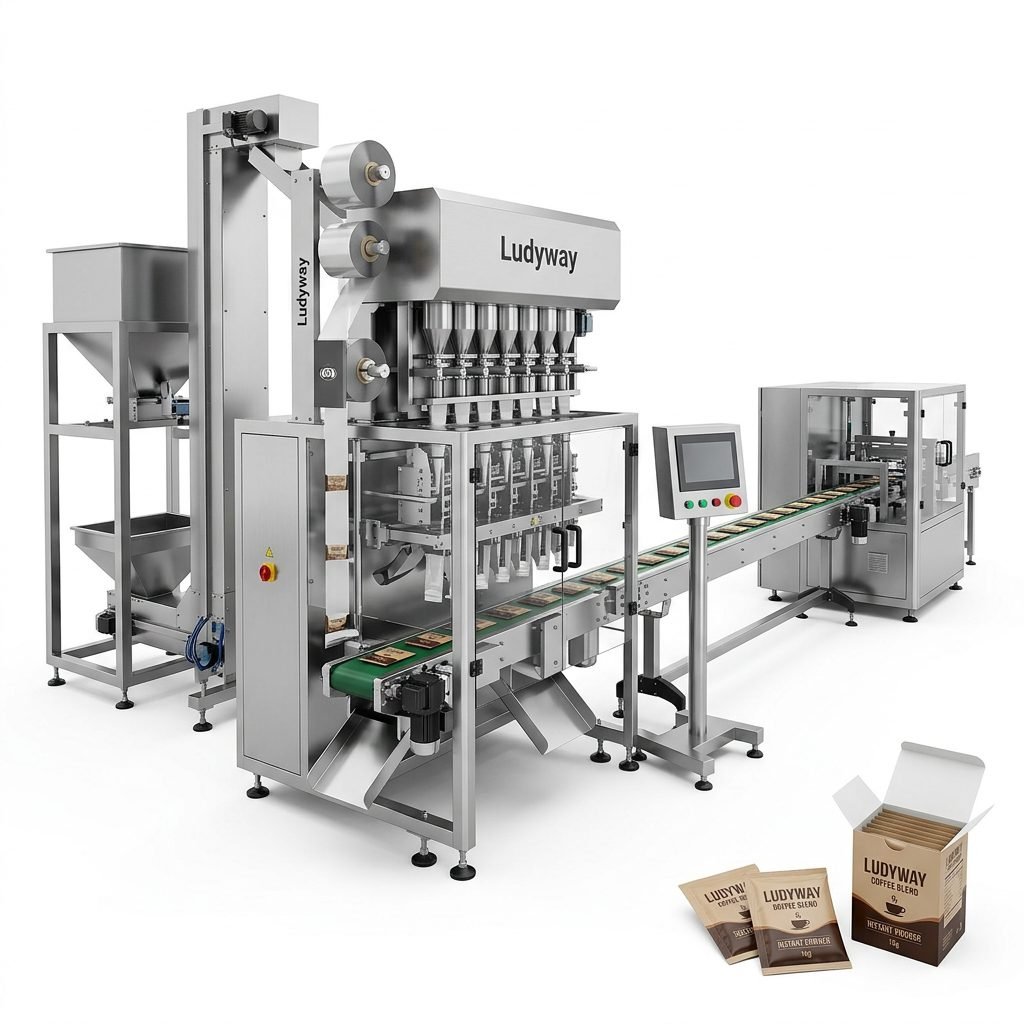
- Automatic Form-Fill-Seal (FFS) Vacuum Lines: For high-volume producers, these integrated systems form the bag, fill the coffee, create a vacuum, and seal—all in one continuous process. Automated coffee packaging lines are essential for major export operations across the ASEAN region.
Key Features to Evaluate Before Purchasing
When investing in a coffee vacuum packaging machine for Southeast Asian operations, several technical specifications demand careful attention:
| Feature | Why It Matters | Recommendation for SEA |
|---|---|---|
| Vacuum Pressure Level | Determines residual oxygen levels; critical for shelf life | Minimum 99.5% vacuum efficiency |
| Sealing Bar Length | Dictates maximum bag width capacity | 600mm–800mm for bulk export bags |
| Stainless Steel Construction | Resists corrosion in high-humidity environments | 304 or 316L grade stainless steel |
| Gas Flushing Capability | Allows nitrogen injection for degassing fresh roasts | Integrated MAP (Modified Atmosphere Packaging) option |
| Cycle Speed | Impacts daily throughput and labor costs | 15–30 cycles per minute for medium operations |
Humidity and Temperature Considerations
Coffee processing facilities in Ho Chi Minh City, Bangkok, or Jakarta frequently experience ambient humidity above 80%. Electronic components in vacuum packaging machinery must be adequately sealed and protected. Look for machines with IP65-rated control panels and tropicalized electrical systems.
Navigating Import Regulations and Standards
Southeast Asian coffee exporters must comply with both regional and destination-market regulations. Food-grade packaging standards vary across jurisdictions:
- FDA Compliance: Required for coffee entering the United States. Packaging materials must meet FDA food contact substance regulations.
- EU Regulations: The European Packaging and Packaging Waste Directive sets strict guidelines for imported packaged goods.
- ISO Standards: Adherence to ISO packaging standards ensures international acceptance and quality assurance.
- ASEAN Harmonization: Intra-regional trade benefits from standardized packaging requirements under ASEAN economic agreements.
Cost Analysis and ROI for Coffee Packaging Equipment
Investing in a coffee vacuum packaging machine requires balancing initial capital expenditure with long-term operational savings. Entry-level external vacuum sealers start around $2,000–$5,000, while fully automated FFS lines can range from $50,000 to over $200,000. However, the return on investment manifests through several channels:
| ROI Factor | Impact Description |
|---|---|
| Extended Shelf Life | Vacuum-packed coffee lasts 12–24 months vs. 2–4 weeks for non-vacuum |
| Reduced Product Returns | Fewer complaints about stale product; stronger distributor relationships |
| Premium Pricing | Vacuum-sealed coffee commands 15–25% higher wholesale pricing in export markets |
| Lower Logistics Costs | Compact vacuum packs reduce shipping volume and associated freight expenses |
Maintenance and Spare Parts Availability
One often-overlooked factor when purchasing packaging machinery in Southeast Asia is after-sales support. Machines from manufacturers with regional service centers or authorized distributors in Singapore, Malaysia, or Thailand offer significantly reduced downtime. Key consumable parts—heating elements, sealing bars, vacuum pump oil—should be readily available locally or shippable within 48 hours.
Automation Levels: Manual vs. Semi-Automatic vs. Fully Automatic
Your choice of automation level directly affects production capacity, labor requirements, and consistency. Here is how they compare:
- Manual Vacuum Sealers: Operator places each bag manually. Best for micro-roasteries producing under 100kg per day. Advantage: low cost, simple operation. Disadvantage: inconsistent vacuum levels, high labor dependency.
- Semi-Automatic Systems: Automated vacuum and sealing cycles with manual bag placement. Suitable for medium-sized roasters processing 200–500kg daily. These represent the sweet spot for many growing Southeast Asian coffee businesses.
- Fully Automatic FFS Lines: Complete automation from film roll to finished vacuum pack. Designed for large-scale export operations exceeding 1,000kg per day. These systems deliver unmatched consistency and throughput but require significant capital and skilled maintenance personnel.
Choosing the Right Supplier for Southeast Asian Markets
The packaging machinery supply landscape is diverse. European manufacturers offer precision engineering but at premium prices. Chinese manufacturers have made significant strides in quality while maintaining competitive pricing. When evaluating suppliers, consider their track record in tropical climates. A machine that performs flawlessly in a temperate European factory may struggle in the humidity of a Sumatran processing facility.
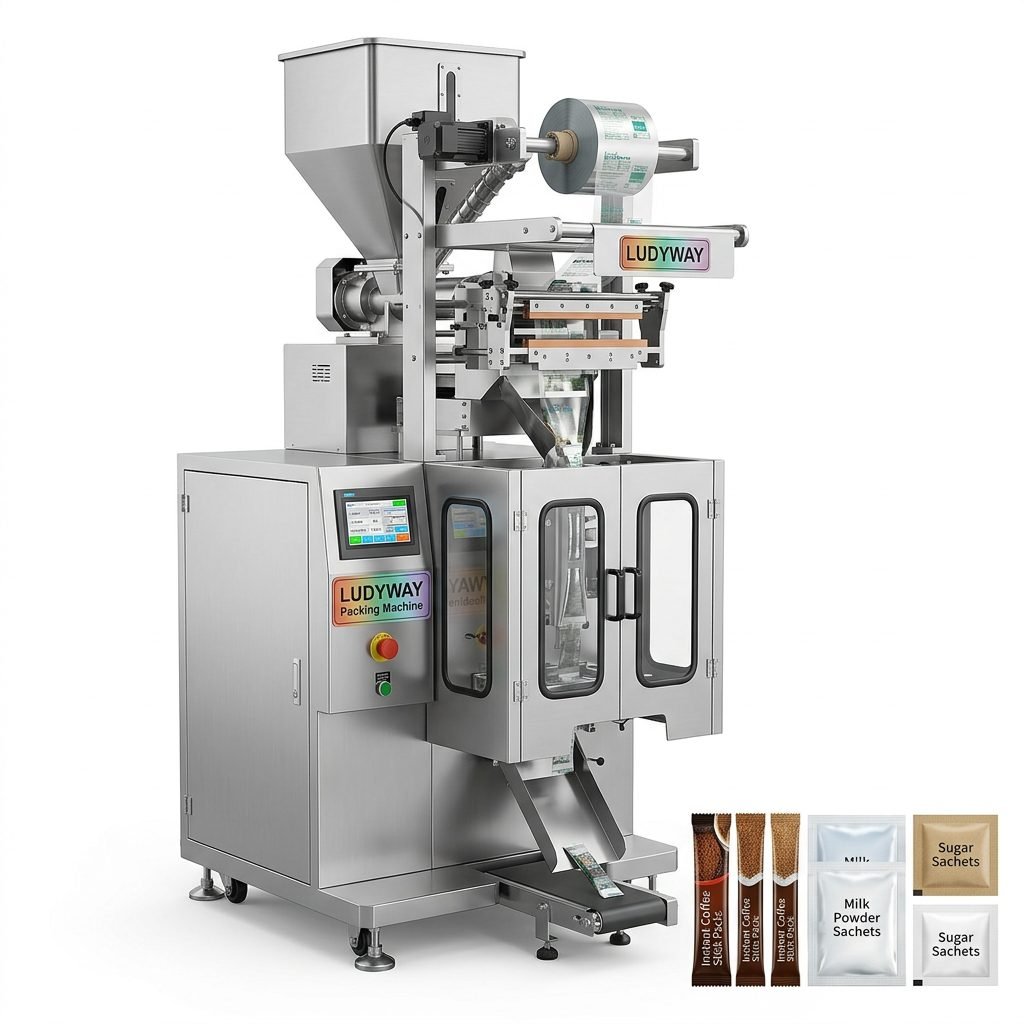
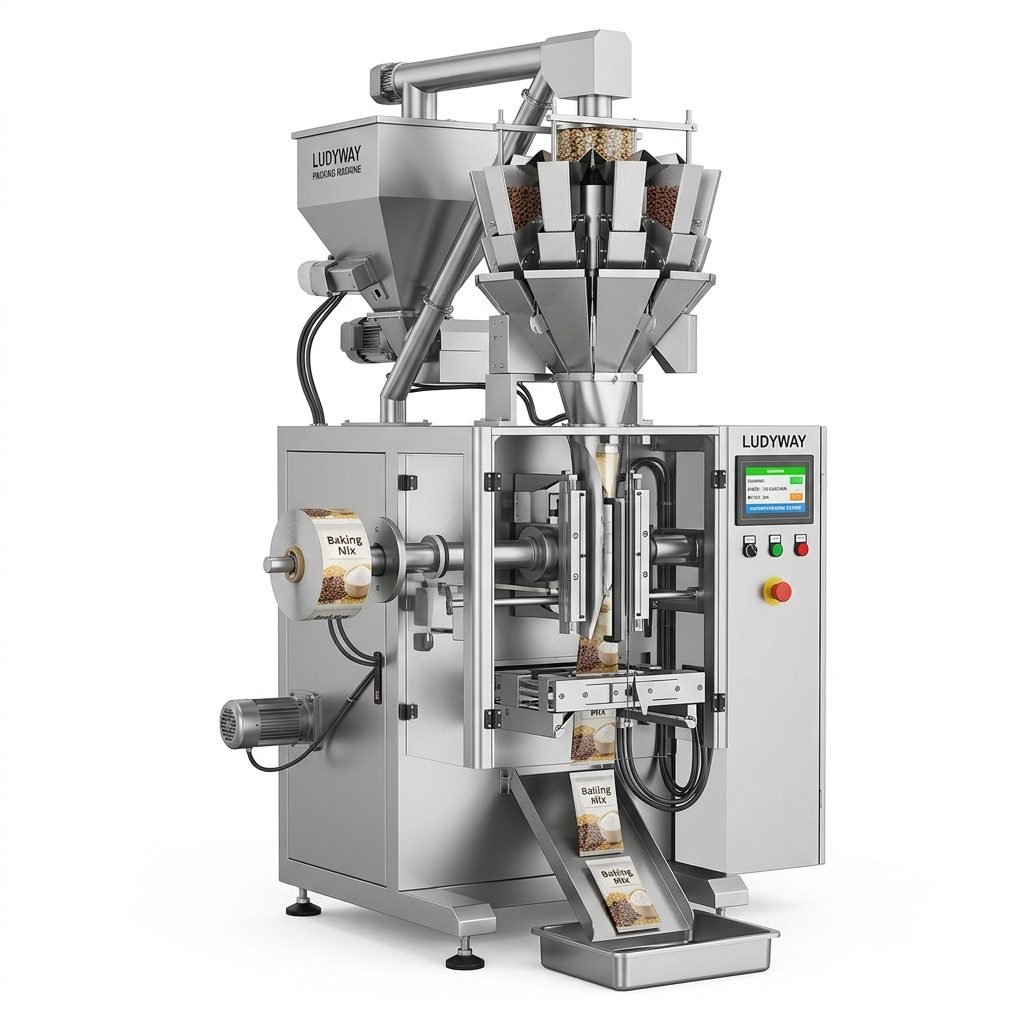
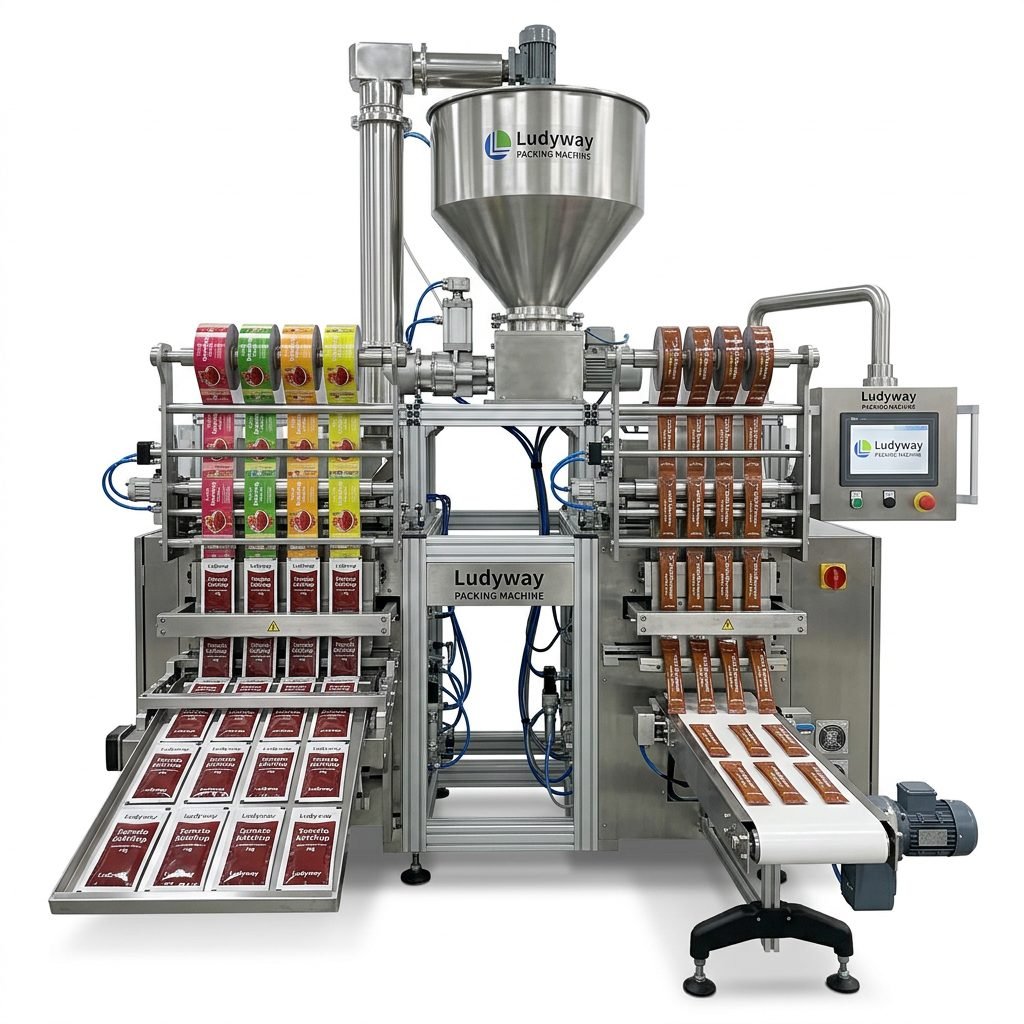
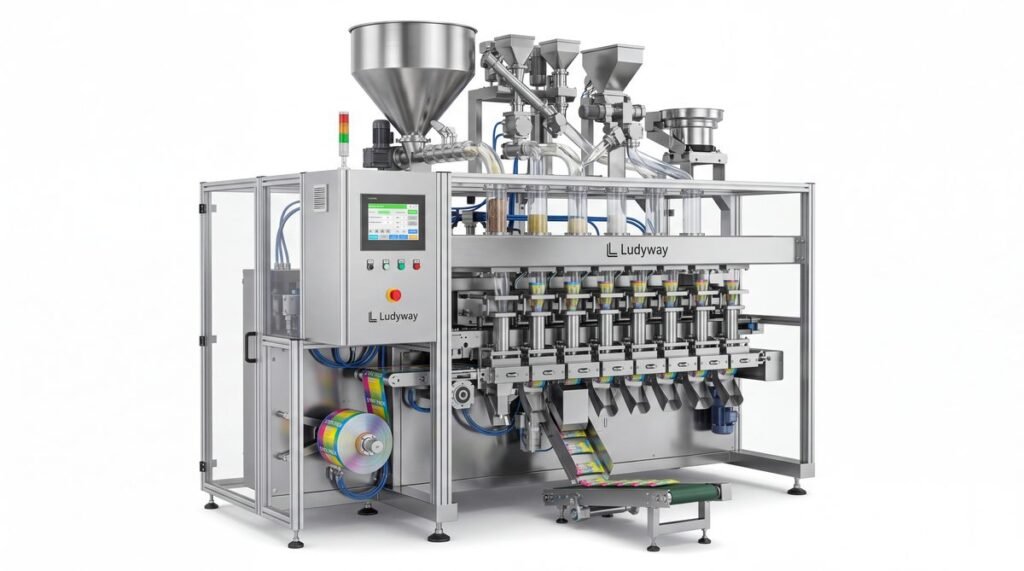
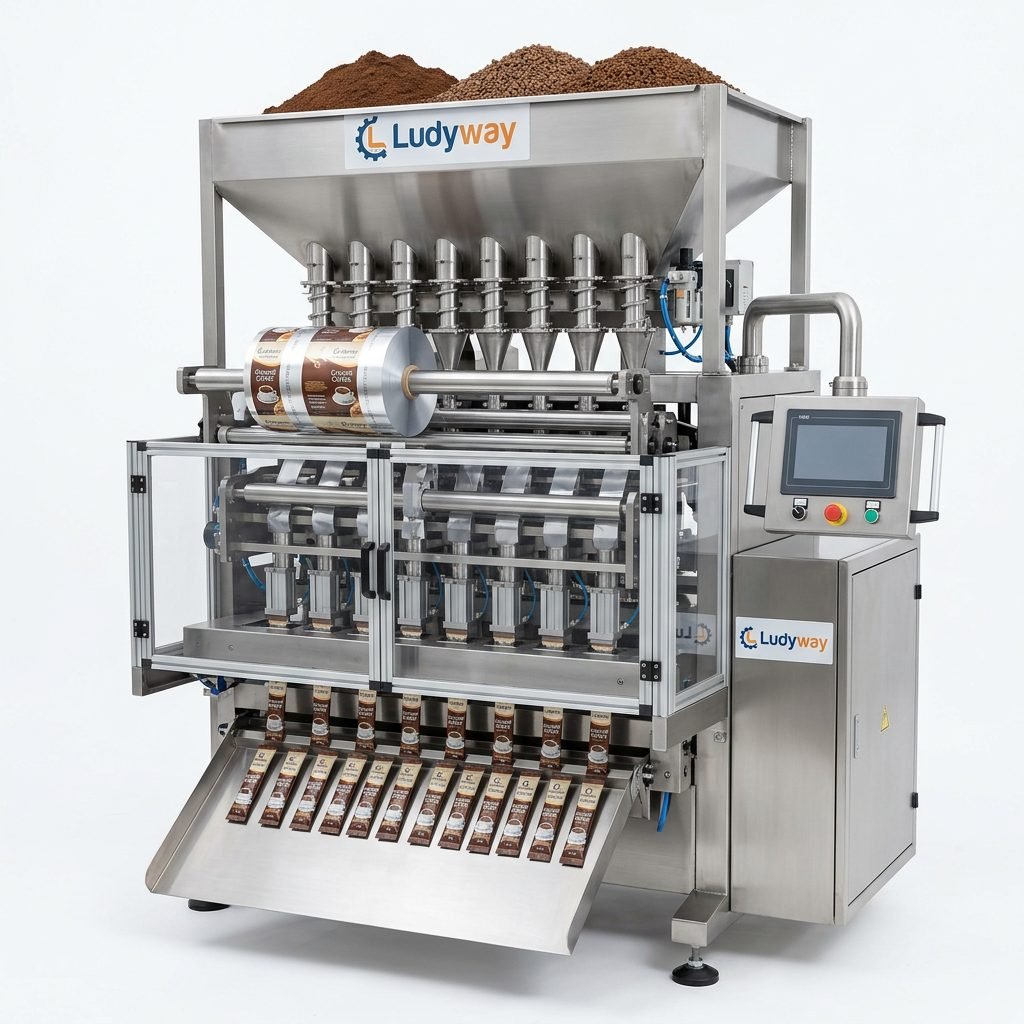
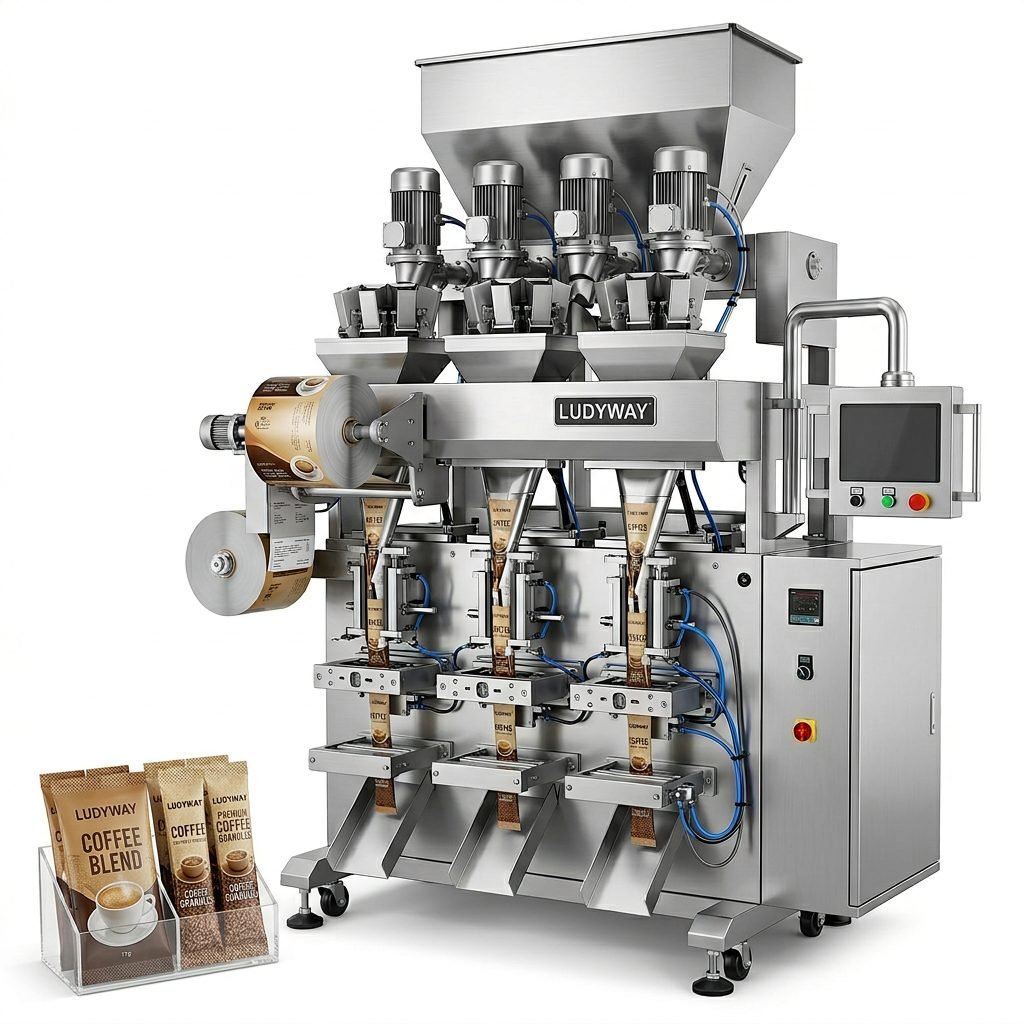
Leading packaging equipment providers such as Ludyway have developed specialized solutions for granule and powder products, including comprehensive coffee packaging lines designed for the rigorous demands of international export markets. Their turnkey systems integrate vacuum technology with multi-lane filling capabilities, serving customers across over 100 countries.
Questions to Ask Potential Suppliers
- Do you have existing installations in tropical or high-humidity environments?
- What is the typical lead time for spare parts delivery to our specific country?
- Can the machine handle both whole bean and ground coffee without cross-contamination?
- Does your warranty cover corrosion-related damage in coastal or high-humidity areas?
- Is remote technical support available, and in what languages?
Future Trends in Coffee Vacuum Packaging
The packaging machinery industry continues to evolve rapidly. Several trends are reshaping coffee vacuum packaging in Southeast Asia:
- Sustainable Materials: Biodegradable and compostable vacuum bags are gaining traction as environmental regulations tighten across the EU and North America.
- Smart Packaging Integration: QR codes, NFC tags, and freshness indicators embedded in vacuum packs provide consumers with transparency about origin and roast date.
- Energy Efficiency: New-generation vacuum pumps reduce electricity consumption by up to 30%, critical for operations in regions with high energy costs.
- Industry 4.0 Connectivity: Remote monitoring and predictive maintenance capabilities minimize unplanned downtime in high-volume production environments.
Final Recommendations for Southeast Asian Buyers
Selecting the right coffee vacuum packaging machine demands a holistic evaluation of your production scale, export targets, and local operating conditions. For small artisanal roasters in Chiang Mai or Bandung, a chamber vacuum sealer with nitrogen flushing capability provides an excellent entry point. Medium-sized exporters shipping container loads to Europe should prioritize semi-automatic systems with robust construction and verified after-sales support. Large-scale industrial operations require fully automated FFS lines with integrated quality control systems.
Regardless of your scale, investing in quality vacuum packaging technology protects the value embedded in every batch of carefully sourced, roasted, and processed coffee. In the competitive global specialty coffee market, packaging excellence is not an expense—it is a strategic advantage.
For detailed specifications and consultation on coffee packaging solutions tailored to your production requirements, contact our team at info@ludyway.com or reach us via WhatsApp: +8613129592456.