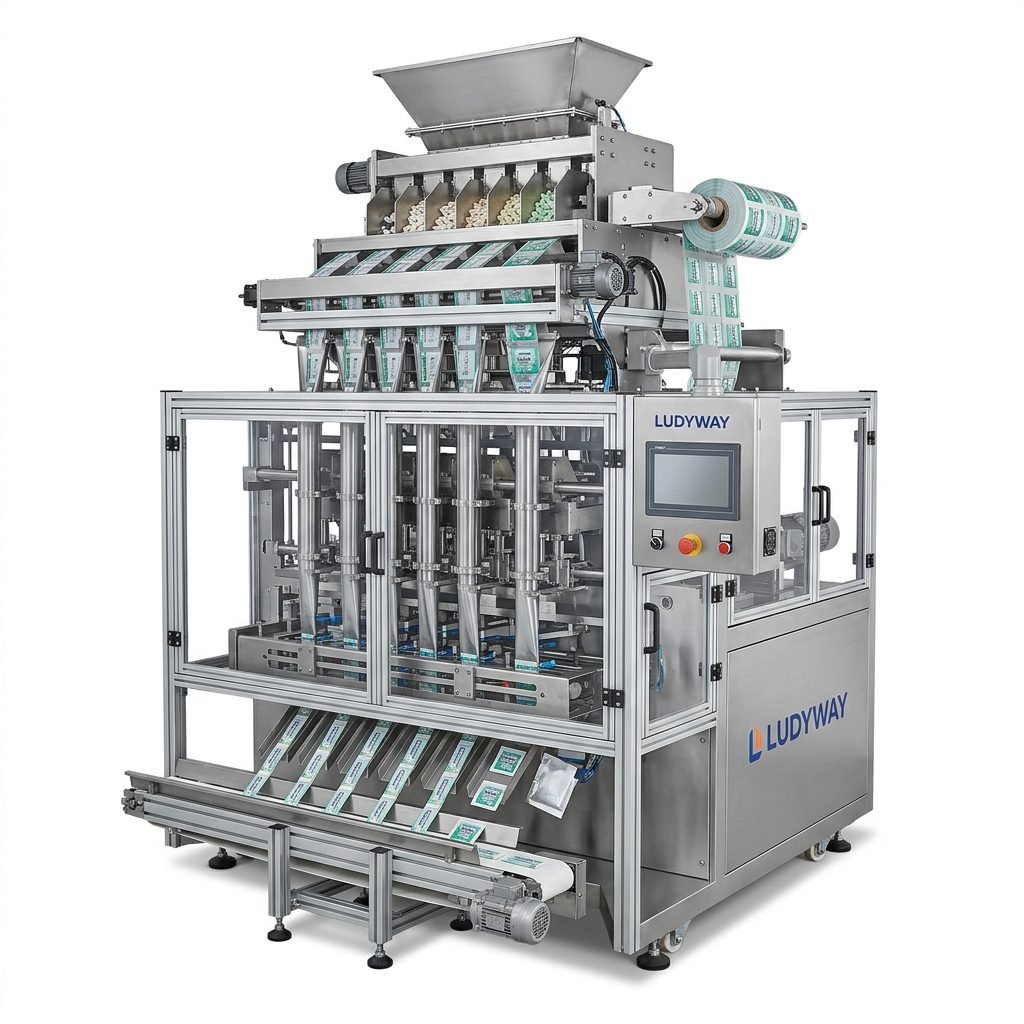
Choosing the right Tetra Pak packaging machine is one of the most critical investment decisions for food and beverage manufacturers. Whether you are launching a new dairy line, expanding a juice production facility, or upgrading an existing aseptic filling system, the packaging equipment you select will directly affect product quality, production efficiency, shelf life, and long-term operational costs. A well-chosen machine can deliver consistent performance for a decade or more, while a poorly matched system can lead to costly downtime, material waste, and compromised product safety. This comprehensive buyer’s guide walks you through every essential factor — from understanding packaging formats and production capacity to evaluating automation features, supplier qualifications, and total cost of ownership — so you can make a confident, informed decision.
Understanding Tetra Pak Packaging Technology
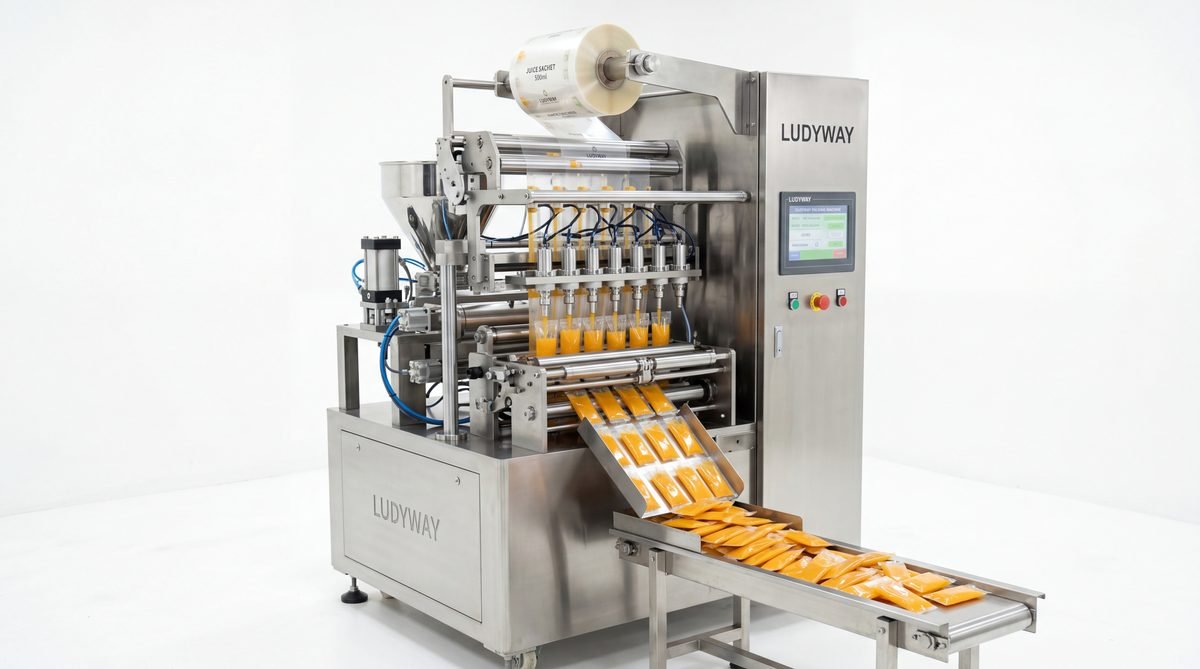
Tetra Pak systems are synonymous with aseptic carton packaging — a technology that allows perishable liquid foods to be stored at ambient temperature for extended periods without preservatives. The core principle involves sterilizing both the packaging material and the product separately, then combining them in a sterile environment. This process, known as ultra-high temperature (UHT) processing combined with aseptic filling, is what gives products like milk, juice, broth, and plant-based beverages their long shelf life.
Modern Tetra Pak packaging machines are available in a range of configurations, from compact table-top units suitable for small-scale dairy operations to fully automated high-speed lines capable of filling thousands of cartons per hour. According to industry data from the PMMI 2026 State of the Industry report, the aseptic packaging segment continues to expand globally, driven by consumer demand for convenient, shelf-stable, and preservative-free products.
Key Factors to Consider When Selecting a Tetra Pak Packaging Machine
Purchasing a packaging machine is not a one-size-fits-all decision. Manufacturers must evaluate multiple variables to ensure the equipment aligns with their specific product characteristics, production goals, and regulatory requirements. Below are the most critical factors to examine during the selection process.
1. Product Type and Compatibility
The physical and chemical properties of your product directly determine which machine configuration is appropriate. Key considerations include:
- Viscosity: Low-viscosity liquids like milk and juice require different filling nozzles and flow control systems compared to high-viscosity products like yogurt drinks, smoothies, or cream-based sauces.
- Particulate content: Products containing fruit pulp, seed pieces, or other particles need specialized filling valves that can accommodate solids without clogging or damaging the packaging material.
- pH level and acidity: High-acid products (pH below 4.6) have different sterilization and packaging material requirements compared to low-acid products, which are more susceptible to microbial spoilage.
- Foaming tendencies: Products prone to foaming during filling may require bottom-up filling mechanisms or vacuum-assisted systems to ensure accurate fill levels.
- Temperature sensitivity: Heat-sensitive formulations may need alternative sterilization methods or rapid cooling integrated into the filling process.
2. Packaging Format and Carton Specifications
Tetra Pak machines accommodate a wide variety of carton shapes, sizes, and opening features. Common formats include Tetra Brik®, Tetra Prisma®, Tetra Rex®, Tetra Top®, and Tetra Gemina®. Each format serves different market positioning and consumer convenience needs. When evaluating formats, consider:
- Volume range: Machines can typically handle carton sizes from 80ml to 2,000ml, but not all machines support the full range. Define your current and future volume needs before selecting a model.
- Carton shape and shelf presence: The shape of your package influences branding, stacking efficiency, and retail display. Premium products may benefit from distinctive shapes that stand out on shelves.
- Closure and opening systems: Screw caps, pull tabs, straw holes, and resealable closures each require specific applicator modules integrated into the packaging line.
- Material structure: The number of layers in the packaging material — typically including paperboard, aluminum foil, and polyethylene — affects barrier properties, recyclability, and cost.
3. Production Speed and Capacity Requirements
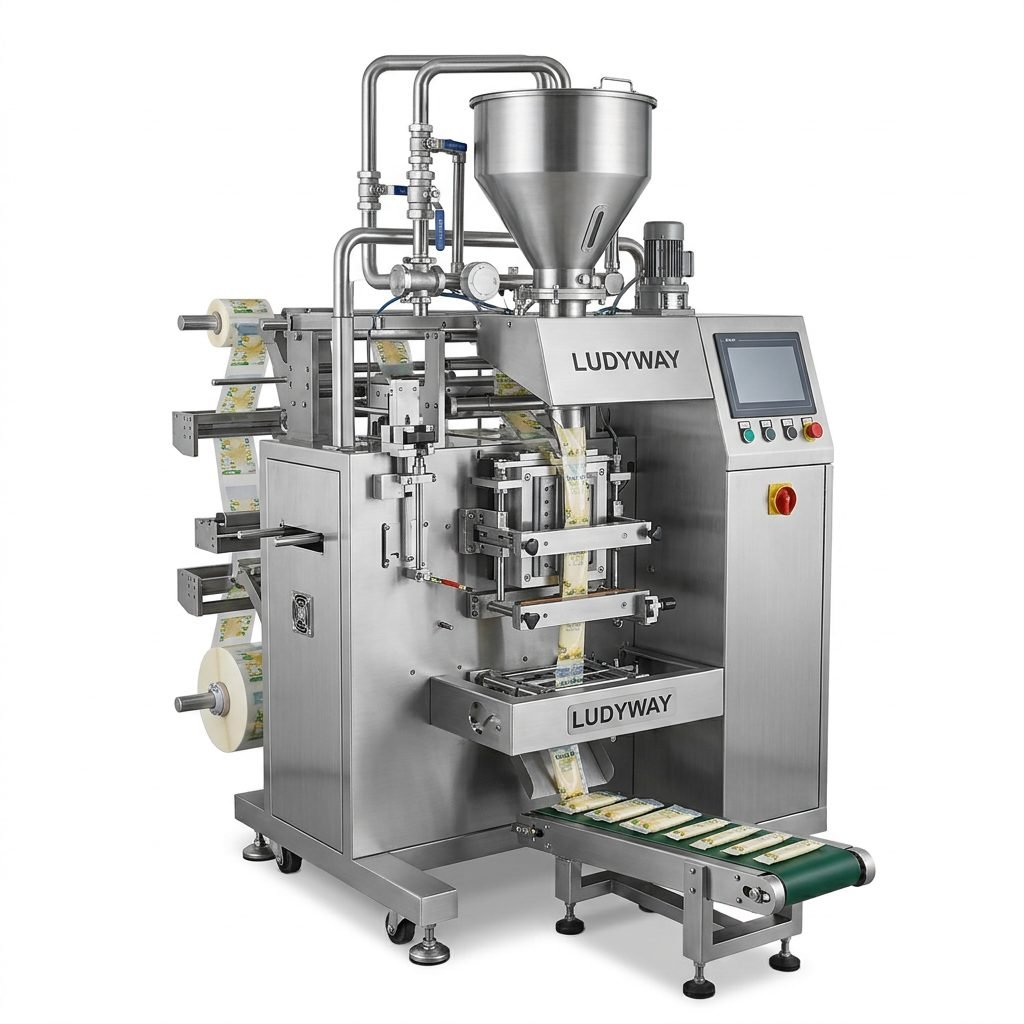
Production throughput is one of the most straightforward yet consequential specifications to evaluate. Tetra Pak filling machines are available across a broad speed spectrum:
- Small-scale / entry-level: 1,000 to 4,000 packages per hour — suitable for niche brands, test markets, or facilities with limited space.
- Mid-range production: 4,000 to 9,000 packages per hour — ideal for regional manufacturers and growing brands looking to scale.
- High-speed industrial lines: 9,000 to 24,000+ packages per hour — designed for large-scale dairy and beverage producers serving national or international markets.
When determining your speed requirement, factor in not only current demand but also projected growth over the next 3 to 5 years. Undersizing your machine can create bottlenecks, while oversizing can lead to unnecessary capital expenditure and underutilization. The Flexible Packaging Association recommends conducting a thorough demand forecast analysis before finalizing equipment specifications.
4. Automation and Control Systems
The level of automation in your packaging line affects labor requirements, operational consistency, and overall equipment effectiveness (OEE). Modern Tetra Pak machines feature programmable logic controllers (PLCs), human-machine interfaces (HMIs), and integrated sensor networks that enable real-time monitoring and adjustment. Key automation features to evaluate include:
- Automatic cleaning-in-place (CIP) systems: Essential for maintaining hygiene standards and reducing downtime between production runs.
- Servo-driven filling systems: Provide precise fill accuracy and reduce product giveaway, which directly impacts profitability.
- Remote monitoring and diagnostics: Allow technical teams to troubleshoot issues without on-site visits, reducing response times and service costs.
- Integration with upstream and downstream equipment: Seamless connectivity with pasteurizers, homogenizers, straw applicators, shrink wrappers, and palletizers creates a continuous, efficient production flow.
- Data acquisition and traceability: Systems that log production parameters, quality data, and batch records support compliance with FDA food safety regulations and other international standards.
5. Hygiene, Cleanability, and Compliance Standards
For food and beverage applications, hygienic design is non-negotiable. Your Tetra Pak packaging machine must comply with applicable food safety regulations and industry standards in your target markets. Critical aspects include:
- Material construction: All product-contact surfaces should be made of food-grade stainless steel (typically AISI 304 or 316L) with smooth, crevice-free finishes that prevent bacterial harborage.
- Cleanability: Equipment should be designed for easy disassembly, cleaning, and sanitation, with sloped surfaces, adequate drainage, and minimal dead zones.
- Aseptic integrity: The sterile zone within the machine must maintain positive pressure with HEPA-filtered air to prevent contamination during filling.
- Certifications: Depending on your market, you may need machines that comply with FDA, EU, ISO, or 3-A Sanitary Standards. For medical and pharmaceutical applications, refer to ISO 11607 packaging standards for guidance on sterile barrier systems.
Evaluating Machine Types: Which Configuration Is Right for You?
Tetra Pak machines are not limited to a single form factor. Different product categories and production environments call for different machine architectures. Below is a comparison of the main categories to help narrow your search.
| Machine Type | Best Suited For | Typical Speed Range | Key Advantage |
|---|---|---|---|
| Roll-Fed Aseptic Fillers | Milk, juice, liquid dairy | 6,000 – 24,000 pcs/hr | Highest throughput, lowest per-unit cost |
| Blank-Fed Aseptic Fillers | Premium shapes, smaller volumes | 3,000 – 12,000 pcs/hr | Greater carton shape flexibility |
| Gable-Top Fillers | Fresh pasteurized products | 2,000 – 14,000 pcs/hr | Lower capital investment |
| Table-Top / Compact Units | Niche brands, pilot production | 800 – 2,500 pcs/hr | Minimal footprint, lower cost |
Working with a Qualified Packaging Machinery Supplier
Selecting the right equipment partner is just as important as selecting the right machine. A capable supplier provides not only the hardware but also engineering support, installation, commissioning, training, and after-sales service. When evaluating suppliers, look for the following indicators of reliability and capability:
- Industry experience: Suppliers with decades of experience across multiple product categories bring valuable insights that can help you avoid common pitfalls and optimize your packaging process.
- Manufacturing and engineering depth: Companies that design and manufacture their own equipment in-house typically offer better customization options, faster technical support, and more competitive pricing compared to distributors or resellers.
- Global service network: If you operate in multiple regions or plan to export, a supplier with international technical support capabilities ensures your equipment remains operational wherever you do business.
- Customization and integration: Your product and production requirements are unique. A supplier that offers customized packaging solutions and turnkey line integration can deliver a system tailored to your exact needs rather than forcing you to adapt to a standardized machine.
- Compliance documentation: For regulated markets, your supplier should be able to provide certification documents, validation protocols, and material traceability records.
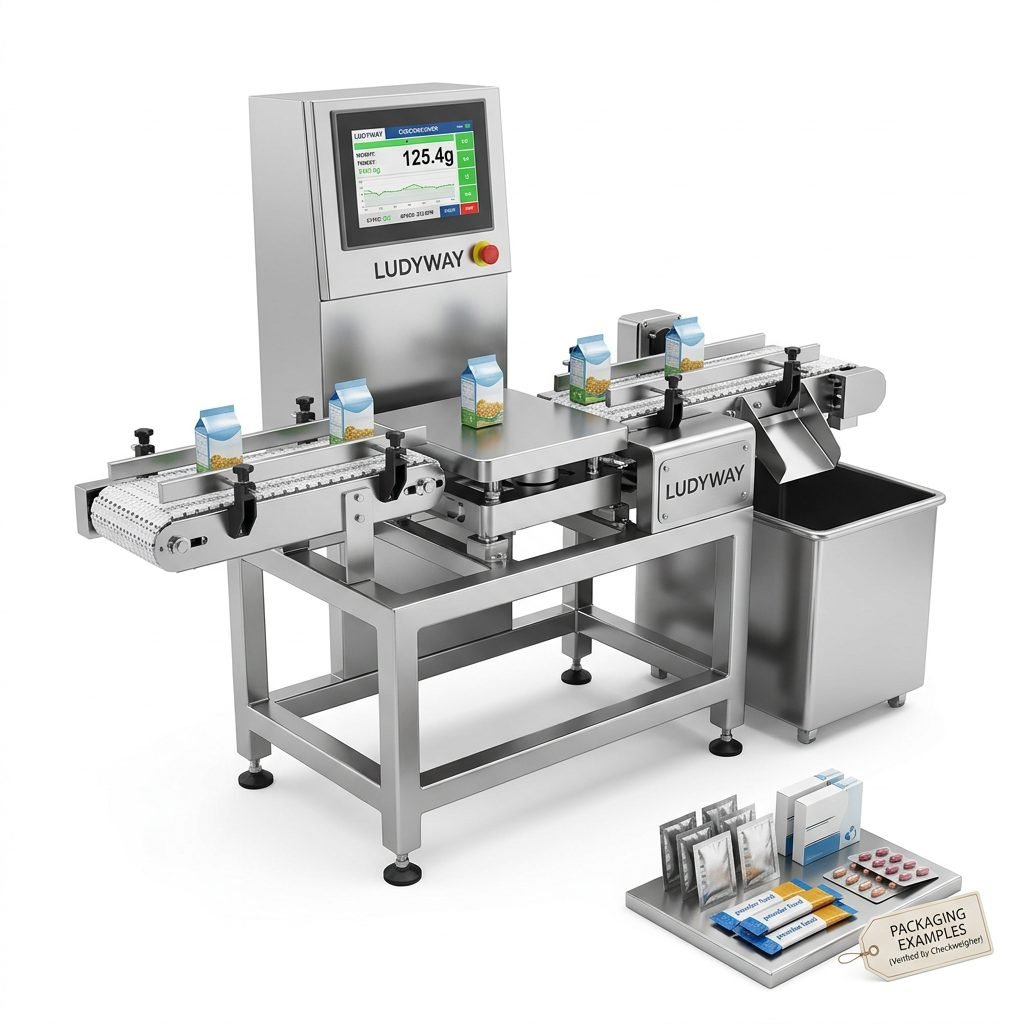
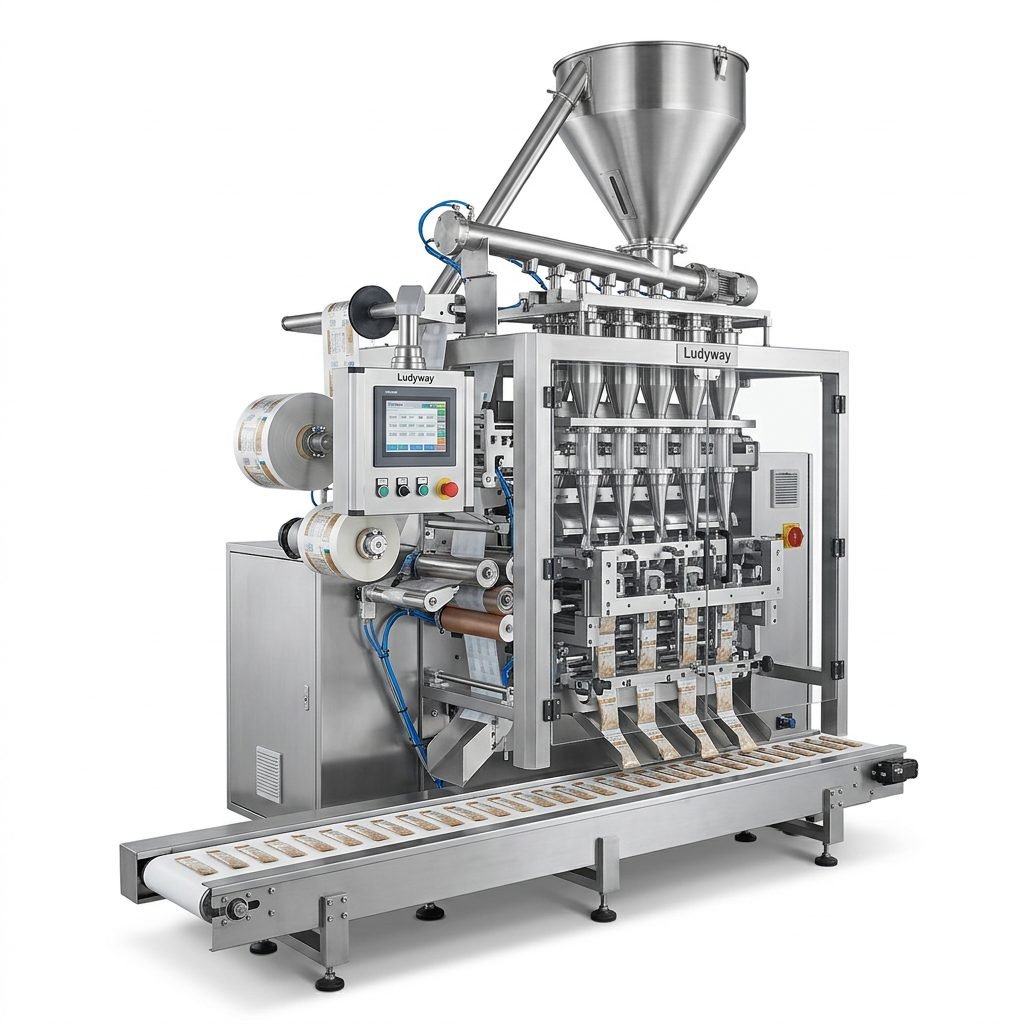
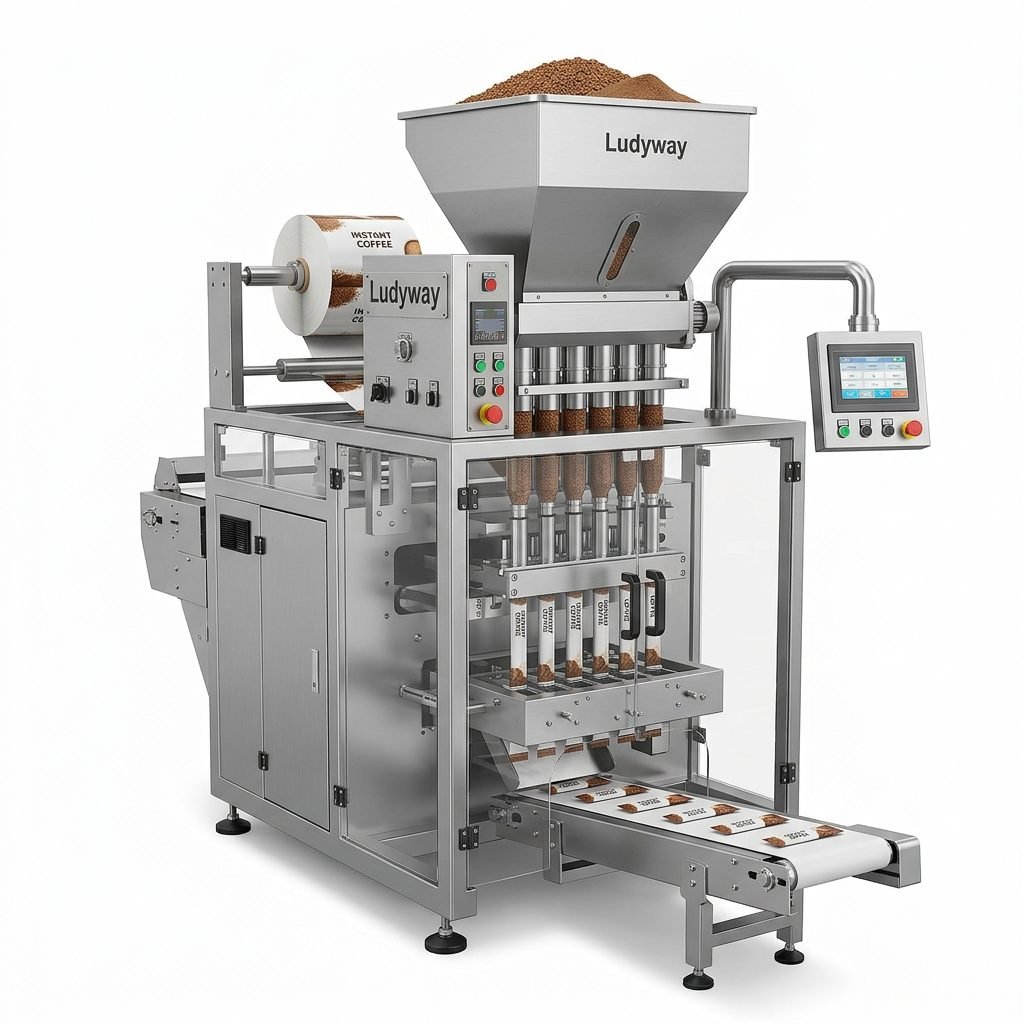
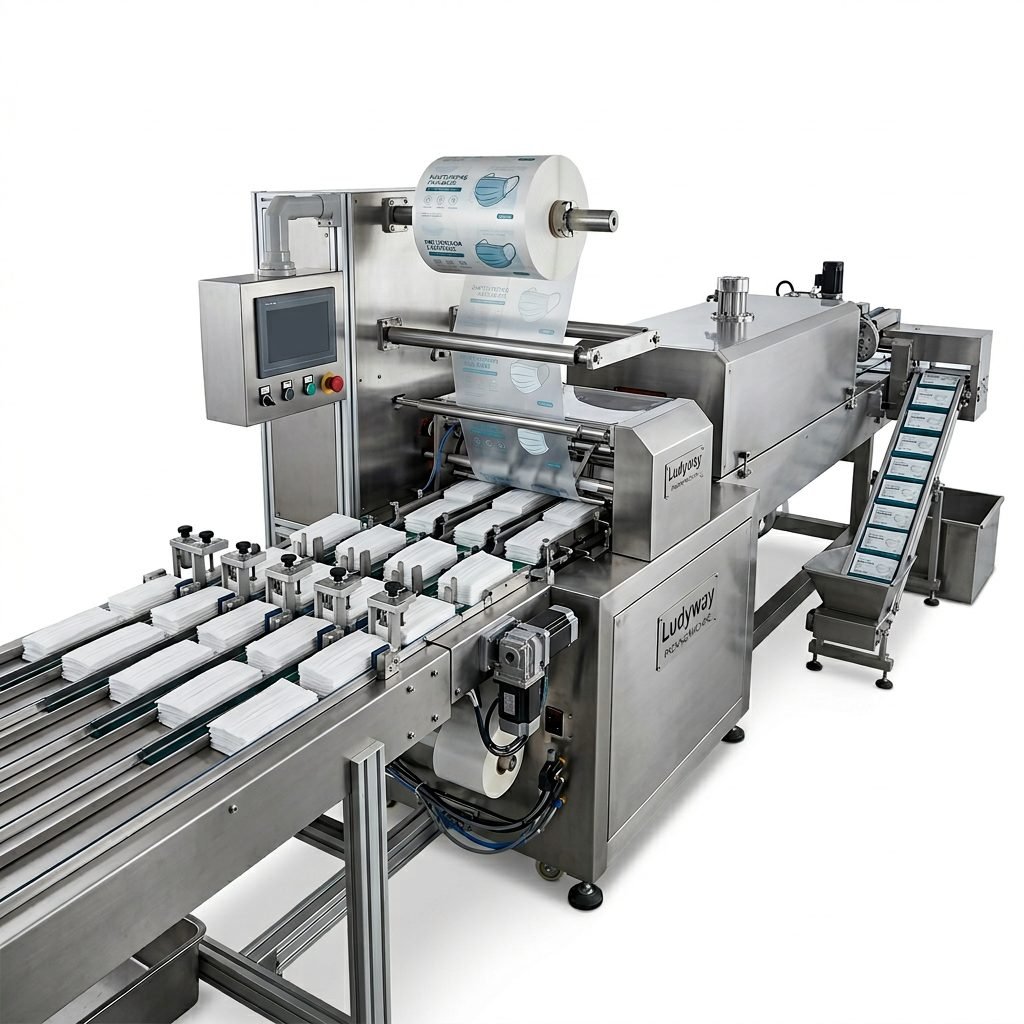
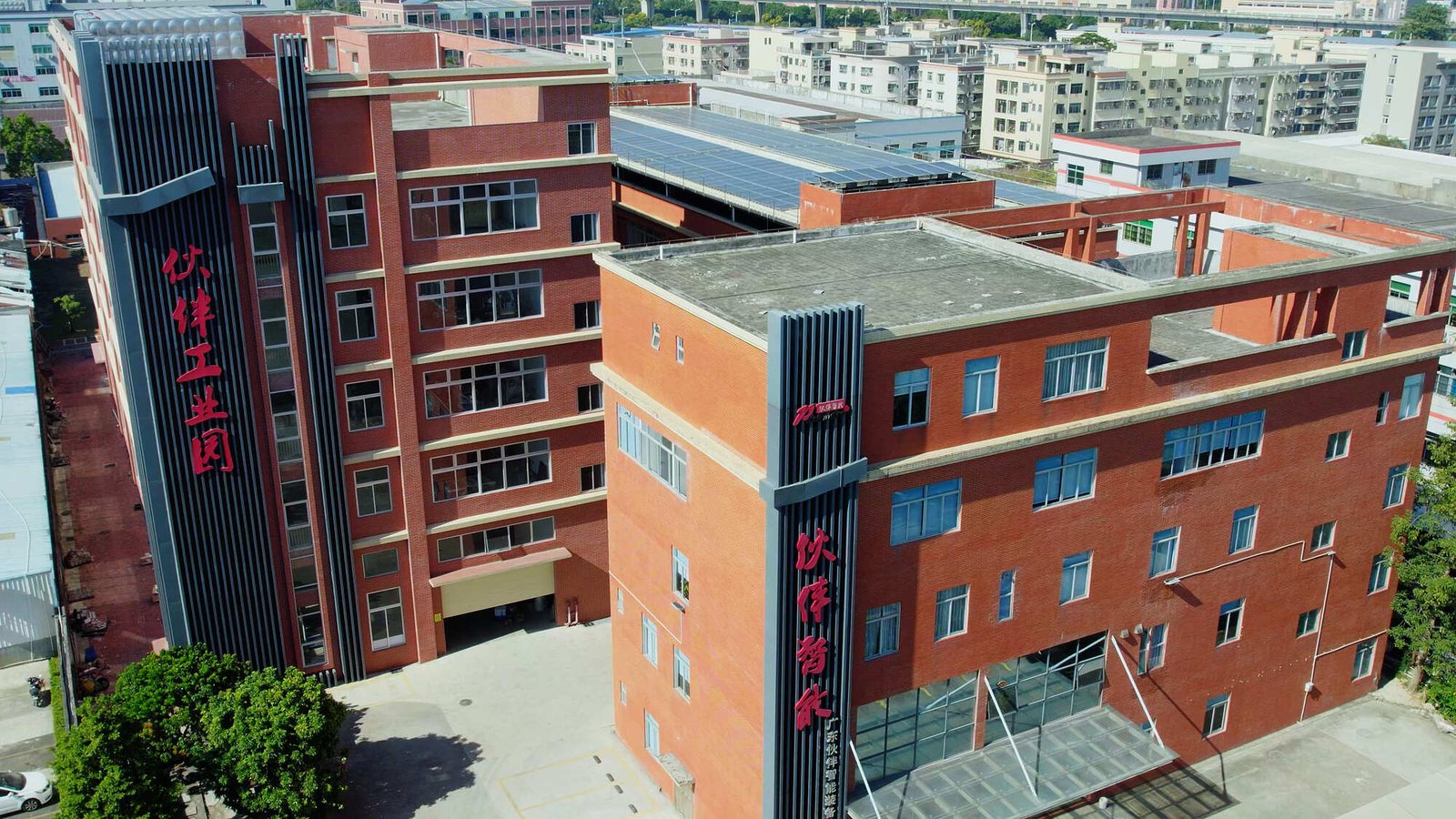
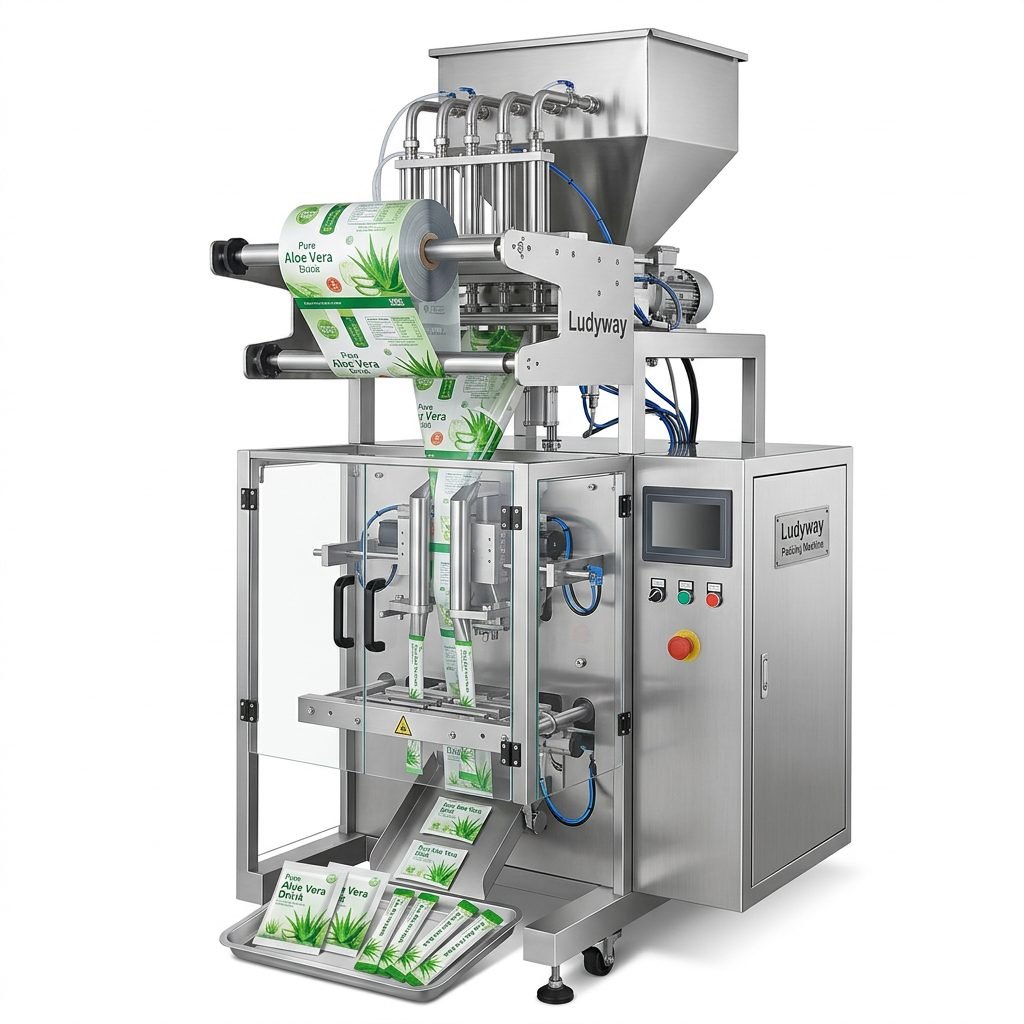
For example, Ludyway Machinery — a China-based packaging machinery manufacturer with more than 30 years of industry experience — provides automated packaging equipment and integrated turnkey packaging solutions to manufacturers in over 100 countries. With a 20,000-square-meter manufacturing facility and a team of more than 130 professionals, Ludyway combines in-house engineering, automation expertise, and application experience to support manufacturers across food and beverage, pharmaceutical, cosmetic, and chemical industries.
Questions to Ask Potential Equipment Suppliers
- Can you provide references from manufacturers producing similar products?
- What is the typical lead time for machine delivery, installation, and commissioning?
- Do you offer on-site operator training and technical support after installation?
- What spare parts are recommended to keep on hand, and what is the typical availability and delivery time?
- How do you handle machine customization for unique product or packaging requirements?
- What warranty terms do you offer, and what after-sales support packages are available?
- Can your equipment be integrated with our existing upstream and downstream production equipment?
Total Cost of Ownership: Beyond the Purchase Price
The upfront price of a Tetra Pak packaging machine is only one component of its total cost of ownership (TCO). A comprehensive TCO analysis should account for the following cost categories over the expected service life of the equipment:
- Packaging material costs: Different carton formats, material structures, and suppliers can result in significant per-unit cost differences. Evaluate material yield rates and waste percentages for each machine under consideration.
- Energy consumption: Machines with efficient motors, optimized heating systems, and intelligent standby modes can reduce electricity costs substantially over years of operation.
- Maintenance and spare parts: Understand the recommended preventive maintenance schedule, the cost of common wear parts, and the availability of local service support.
- Labor requirements: Higher automation levels typically reduce the number of operators needed per shift, which can offset a higher initial machine price over time.
- Downtime costs: Every hour of unplanned downtime represents lost production and revenue. Machines with robust design, reliable components, and accessible service support minimize this risk.
- Product loss and giveaway: Precise filling systems reduce overfill, which translates directly to improved margins — especially important for high-value products.
A machine with a lower purchase price may have significantly higher operating costs over a 10-year lifespan. The PMMI Business Intelligence library offers comprehensive resources for evaluating the long-term economics of packaging equipment investments.
Future-Proofing Your Investment
Packaging technology continues to evolve rapidly, driven by sustainability initiatives, smart manufacturing trends, and changing consumer preferences. When selecting a Tetra Pak packaging machine, consider how the equipment will adapt to future requirements:
- Sustainability and recyclability: Regulatory pressure and consumer demand are pushing the industry toward more recyclable and renewable packaging materials. Verify that your chosen machine can handle evolving material structures, including those with higher fiber content, bio-based polymers, or reduced aluminum layers. The European Commission’s Packaging and Packaging Waste Regulation is one of several policy frameworks shaping material requirements.
- Digital integration and Industry 4.0: Machines with open communication protocols, IoT connectivity, and data export capabilities enable integration with manufacturing execution systems (MES) and enterprise resource planning (ERP) platforms, supporting predictive maintenance and real-time production optimization.
- Format flexibility: As your product portfolio expands, the ability to run multiple carton sizes or shapes on the same machine with minimal changeover time preserves capital efficiency and market responsiveness.
- Modular design: Equipment that supports modular upgrades — such as adding closure applicators, coding systems, or inspection modules — allows you to enhance capabilities incrementally without replacing the entire machine.
Making the Final Decision
Choosing the right Tetra Pak packaging machine requires balancing technical specifications, commercial considerations, and long-term strategic goals. Start by clearly defining your product parameters, production volume requirements, and target market regulations. Then evaluate machines and suppliers against objective criteria: technical capability, build quality, service support, customization flexibility, and total cost of ownership. Request detailed proposals from multiple suppliers, visit reference installations where possible, and conduct pilot trials with your actual product before committing to a purchase.
A well-chosen packaging machine is more than a piece of equipment — it is a long-term production asset that directly impacts your brand reputation, operational efficiency, and competitive position in the marketplace. Investing the time to conduct a thorough evaluation will pay dividends for years to come.