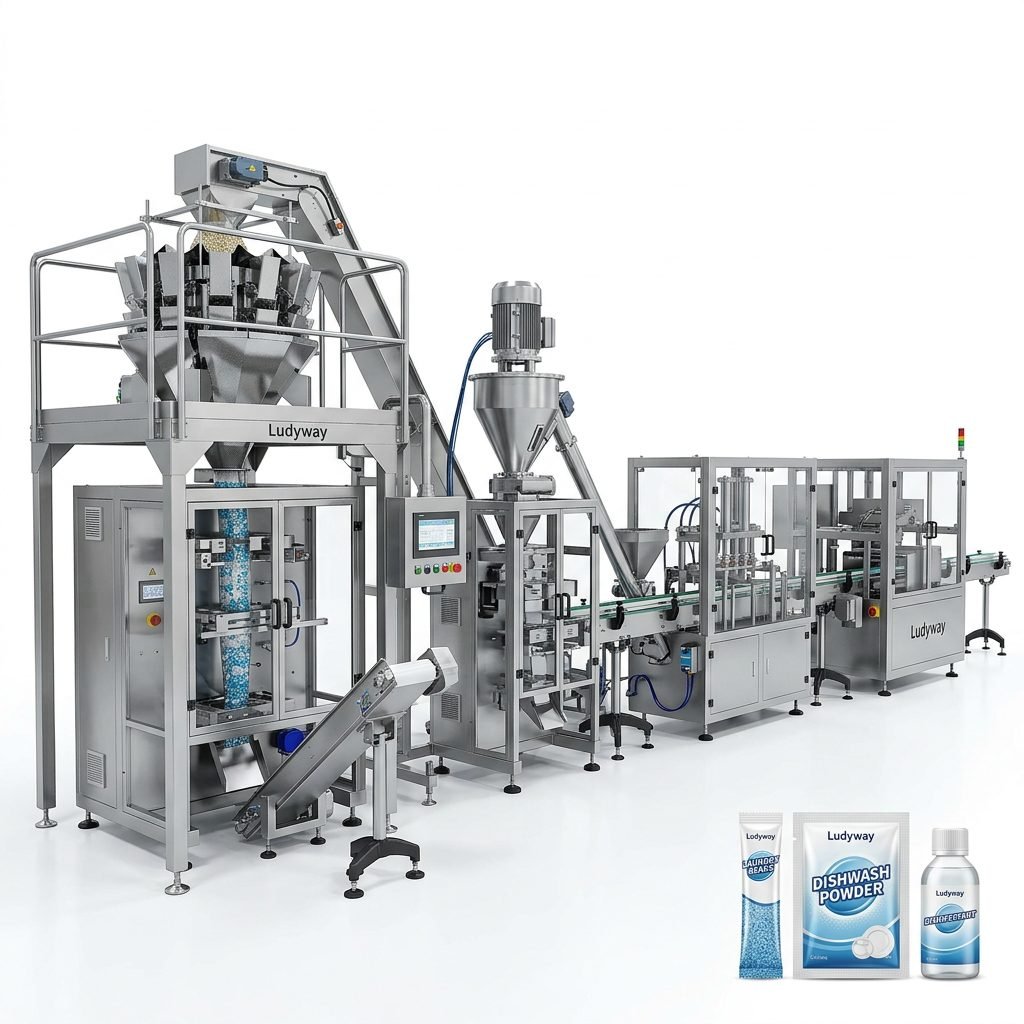
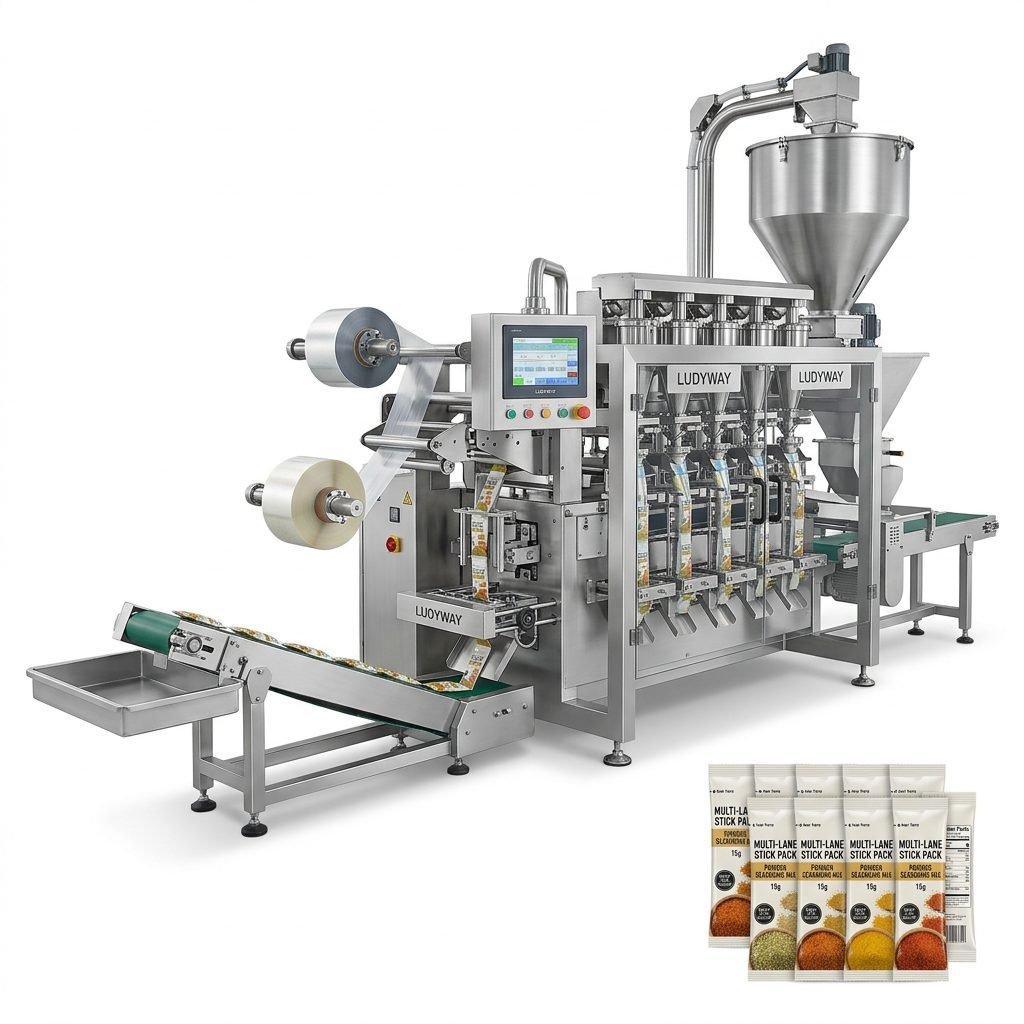
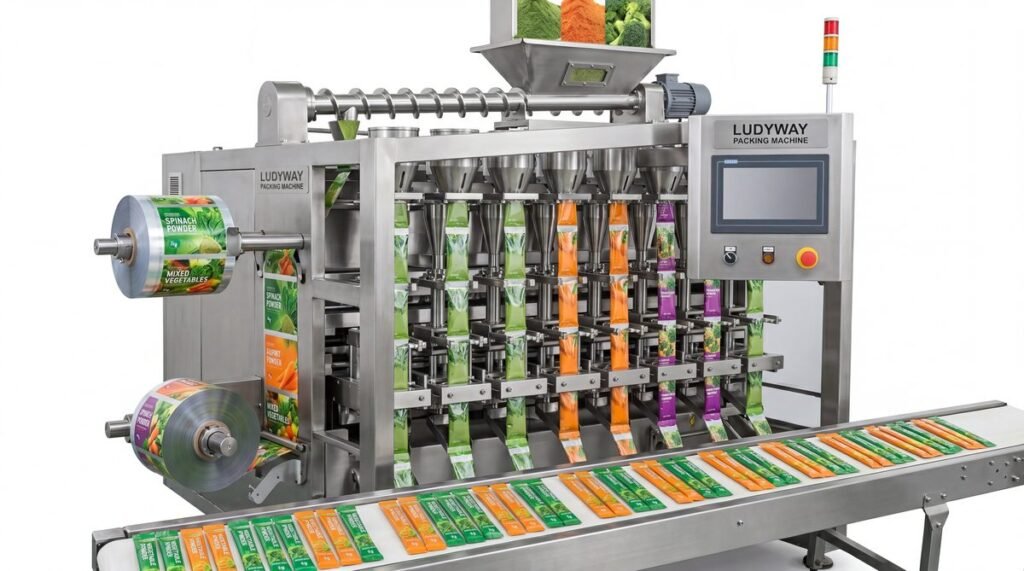
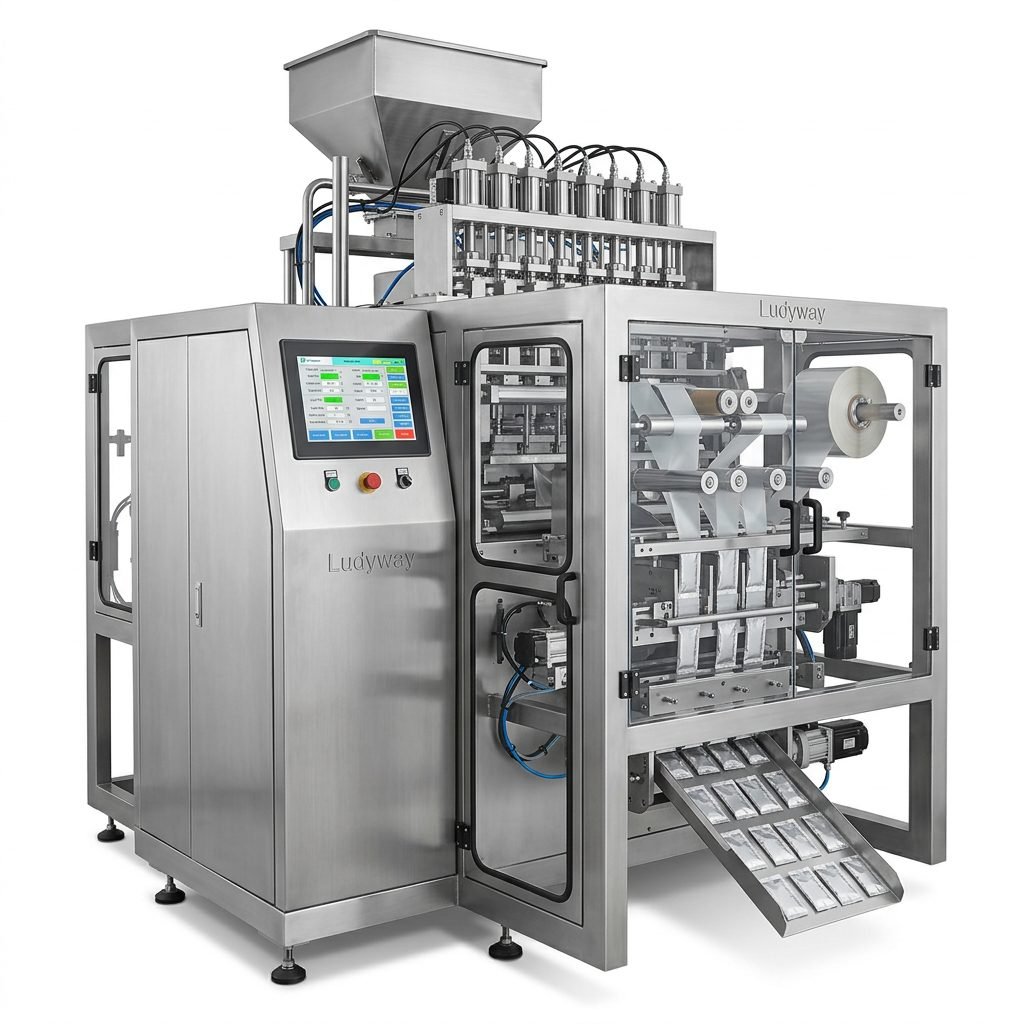
Choosing the right commercial packaging machine can directly affect output, labor cost, product consistency, packaging quality, and long-term profitability. Whether you produce food, pharmaceuticals, cosmetics, chemicals, pet products, or health supplements, the best machine is the one that matches your product form, package style, hygiene requirements, and production goals.
In this guide, you will learn the most common machine types, the features that matter most, how to compare options, and what to check before making an investment.
What Is a Commercial Packaging Machine?
A commercial packaging machine is industrial equipment designed to measure, fill, seal, wrap, label, code, count, or cartoning products at a consistent speed and quality level. These machines are used in factories, processing plants, contract packing facilities, and high-volume production workshops.
They can be configured for different product formats, including:
- Powders
- Granules
- Liquids
- Pastes and creams
- Tablets and capsules
- Pouches, sachets, bottles, tubes, and bags
For many manufacturers, automation is no longer optional. It helps reduce manual handling, improve traceability, and support scalable production.
Best Types of Commercial Packaging Machines
Different products require different packaging technologies. Below are the main machine categories used across modern industries.
1. Vertical Form Fill Seal Machines
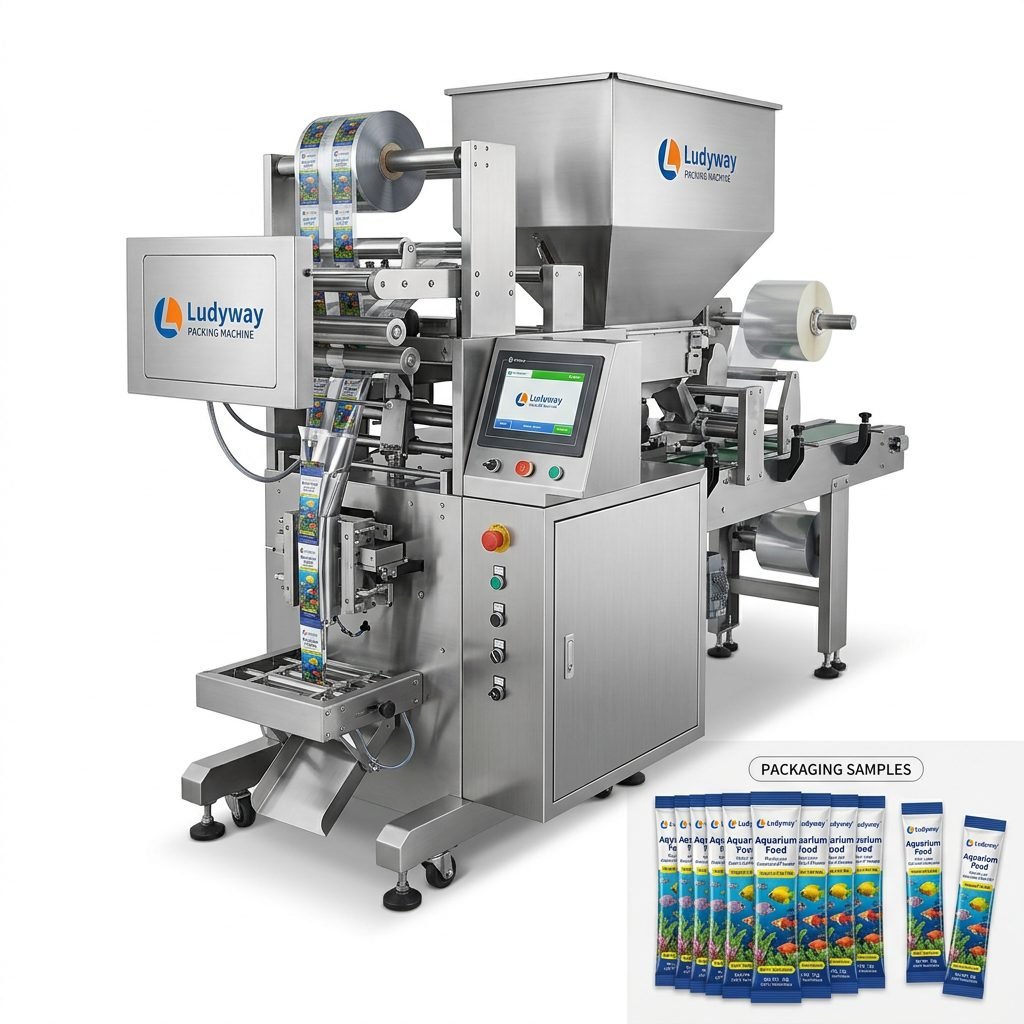
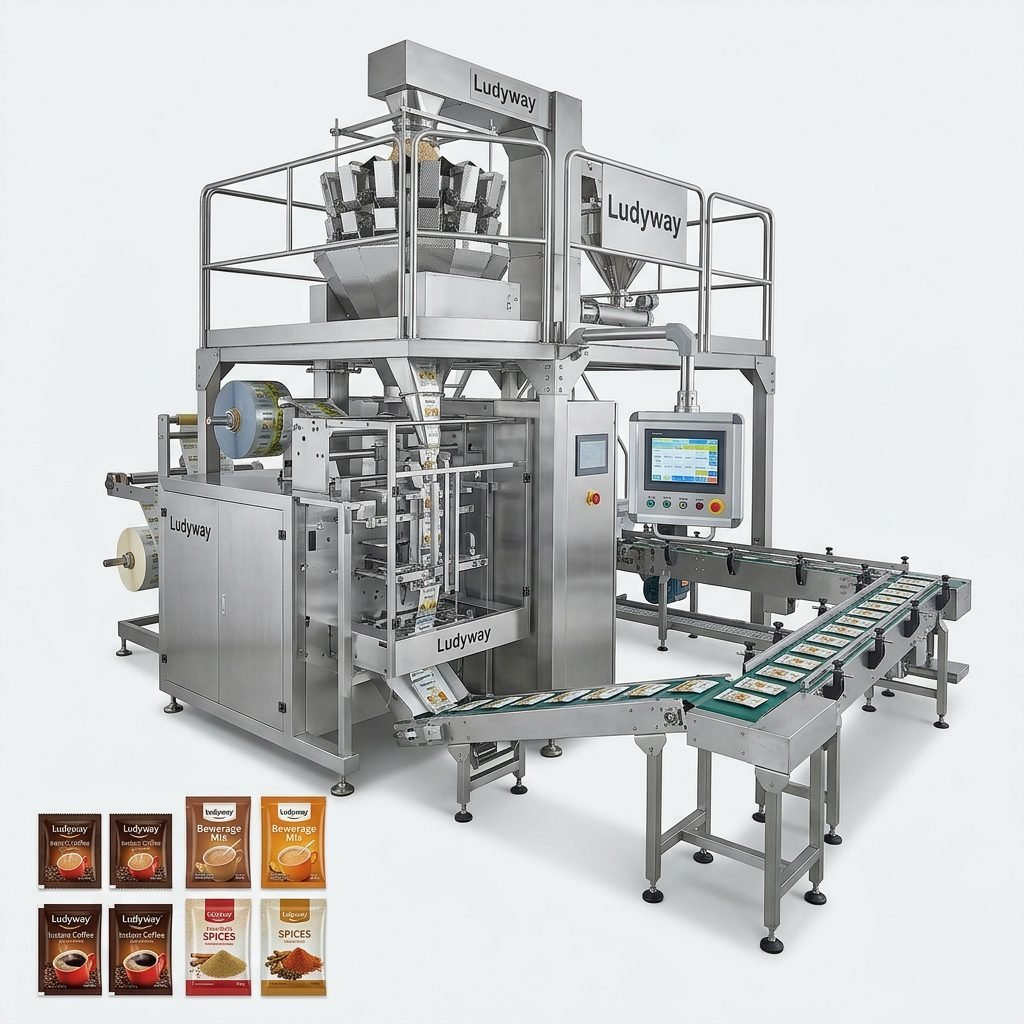
Vertical form fill seal machines, often called VFFS machines, form the package from roll film, fill it with product, and seal it automatically. They are popular for food, powders, granules, and some liquid or paste applications.
Best for: snacks, grains, sugar, coffee, seasoning powders, pet food, and similar products.
- Suitable for pillow bags, gusset bags, and some quad-seal formats
- Compact footprint
- Good speed-to-cost ratio
- Easy to integrate with weighing and feeding systems
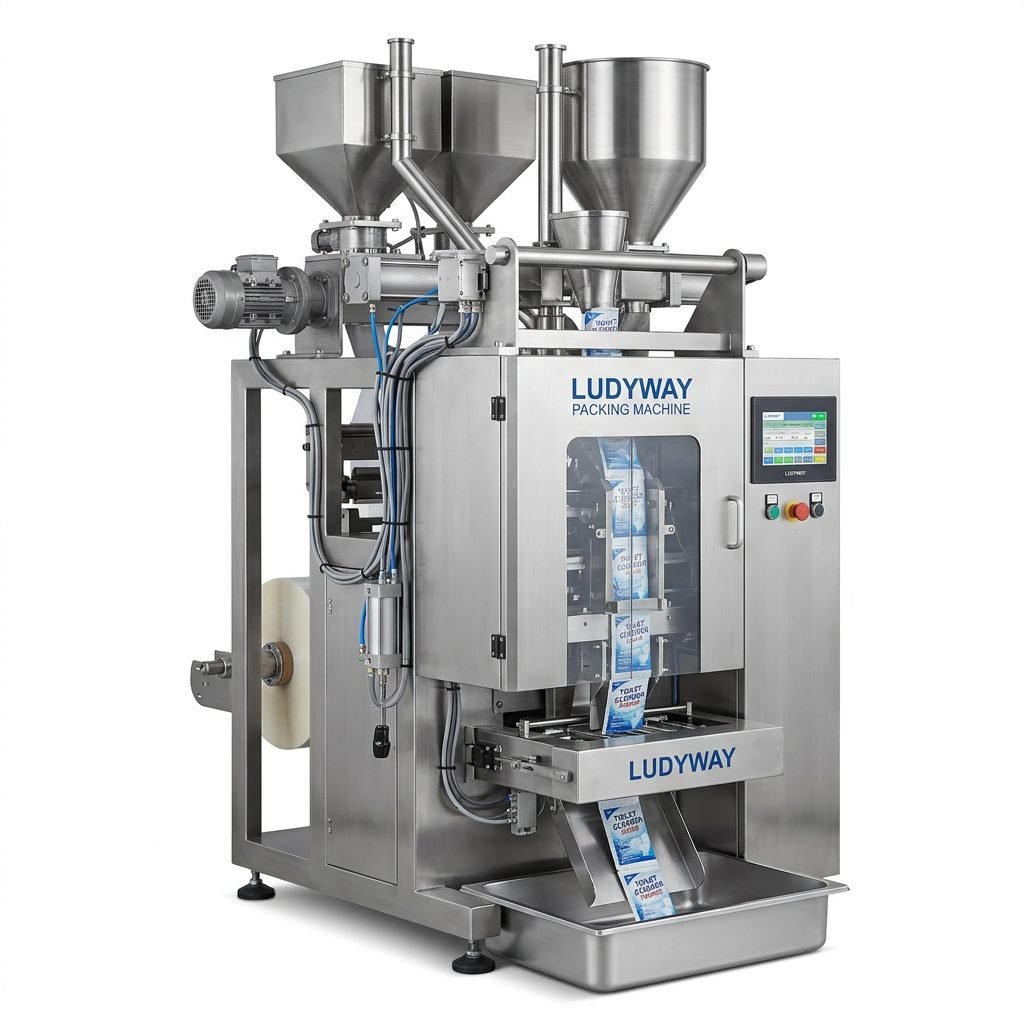
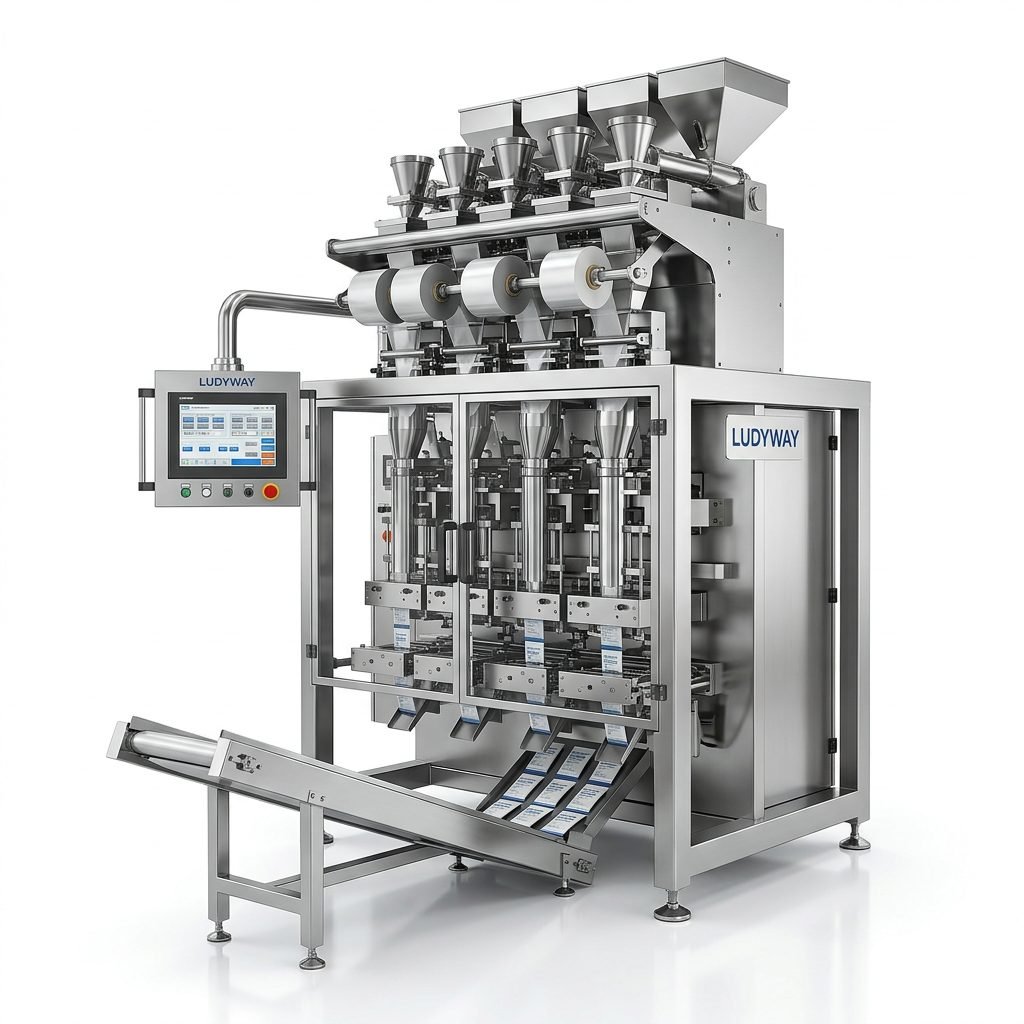
2. Sachet Packaging Machines
Sachet machines are designed for small, single-use or small-dose packages. They are widely used in foodservice, personal care, pharmaceutical, and nutraceutical markets.
Best for: sauce, ketchup, cream, shampoo, powder supplements, instant drink mixes, and pharmaceutical powders.
- Works well for small-dose packaging
- Supports high-volume retail or travel-size products
- Available in single-lane and multi-lane configurations
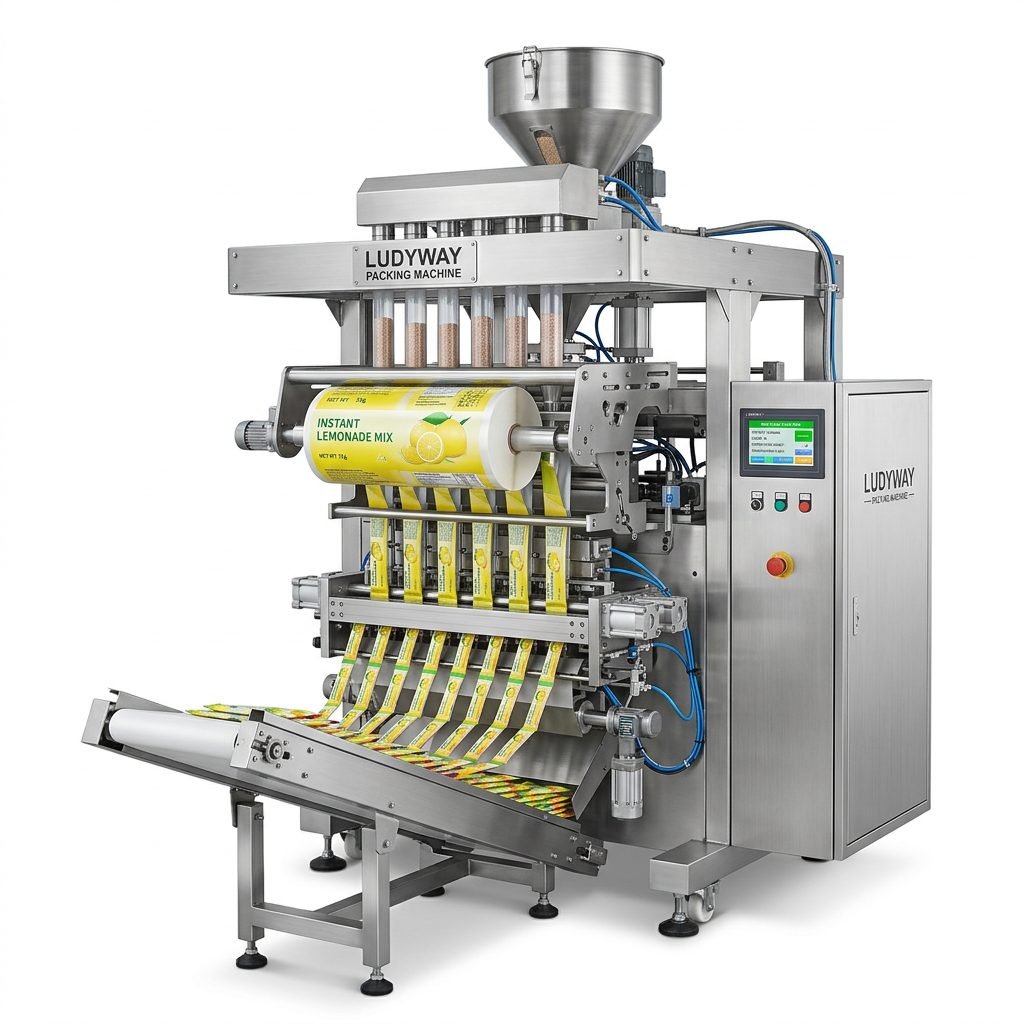
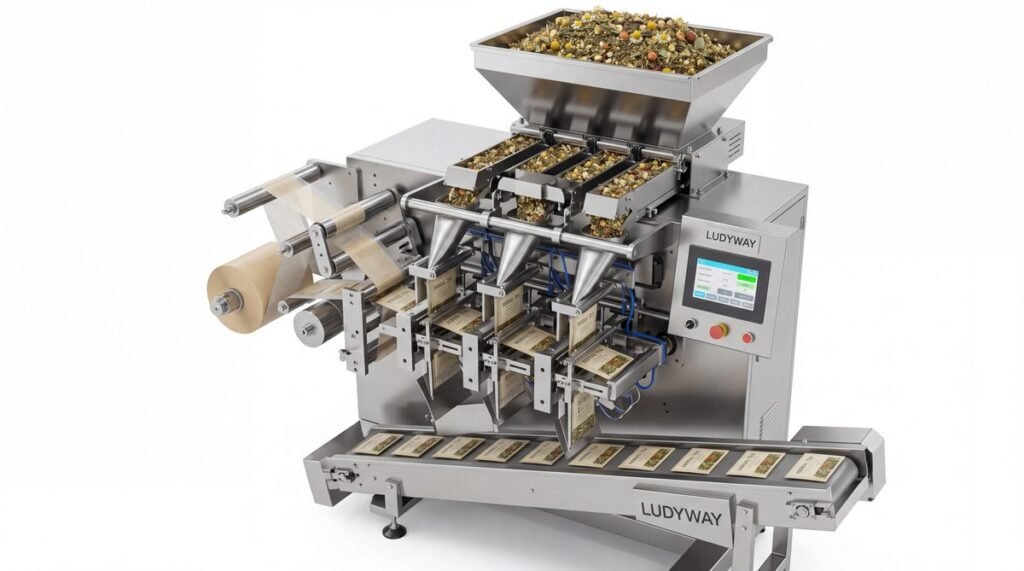
3. Stick Pack Machines
Stick pack machines produce slim, tube-like packets that are especially popular for on-the-go use and premium portion control.
Best for: drink powders, sweeteners, coffee, collagen, electrolyte powder, and liquid concentrates.
- Excellent for retail convenience packaging
- High output with multi-lane design
- Material-efficient format
4. Premade Pouch Packaging Machines
These machines fill and seal preformed pouches rather than making packages from rollstock film. They are ideal for premium packaging formats and products that need stronger shelf appeal.
Best for: stand-up pouches, zipper pouches, spouted pouches, and specialty food or chemical products.
- Strong visual presentation
- Flexible pouch designs
- Suitable for granules, powders, liquids, and mixed products
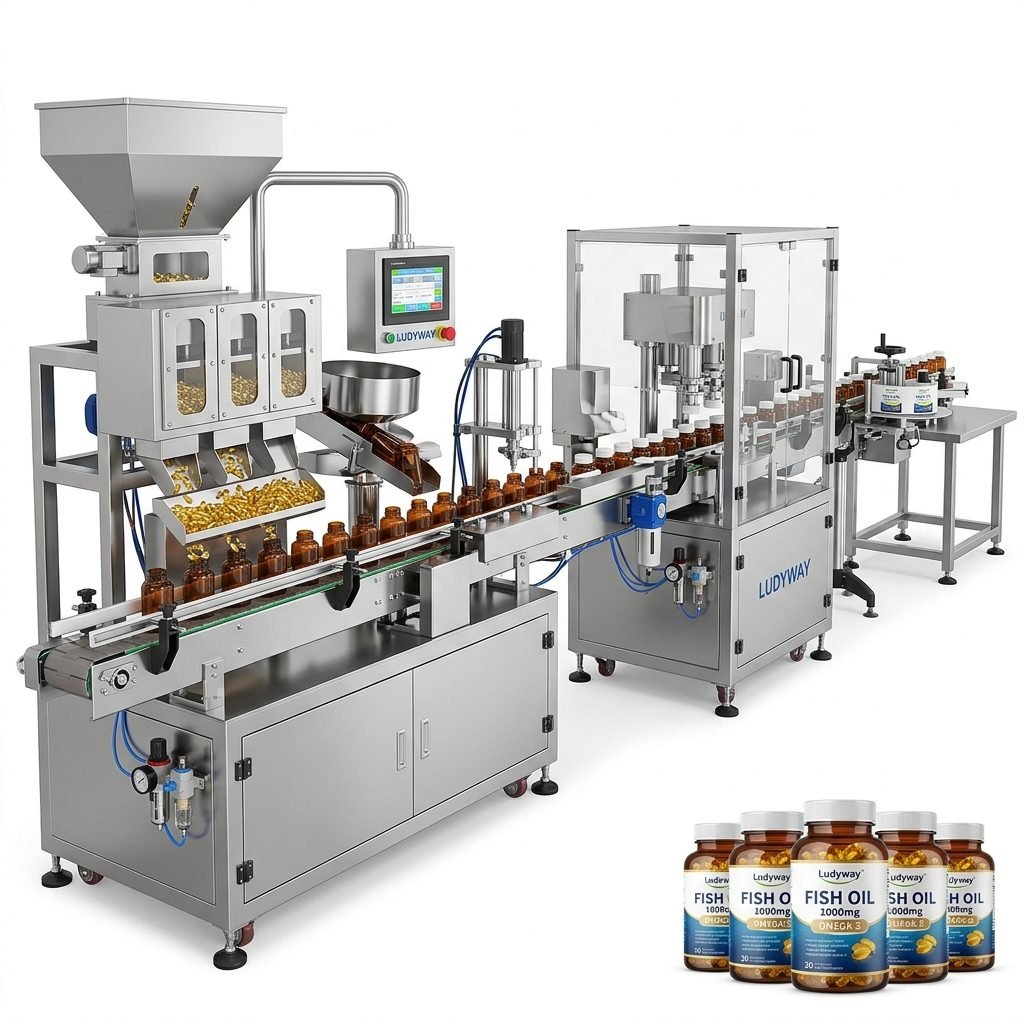
5. Bottle Filling and Capping Machines
For liquid, syrup, lotion, capsule, tablet, and powder products packed in bottles, this machine type is essential.
Best for: beverages, pharmaceutical liquids, health supplements, cosmetics, detergents, and edible oils.
- Can include filling, capping, induction sealing, and labeling
- Suitable for different bottle sizes
- Supports hygienic and accurate filling
6. Tube Filling and Sealing Machines
Tube fillers are used for semi-viscous and viscous products such as creams, gels, ointments, and cosmetic formulations.
Best for: toothpaste, hand cream, sunscreen, pharmaceutical ointments, and skincare products.
- Works with plastic, laminated, or aluminum tubes
- Supports clean and attractive sealing
- Useful for cosmetics and pharma compliance needs
7. Blister Packaging Machines
Blister machines package tablets, capsules, and medical products in individually sealed cavities for protection and dosing convenience.
Best for: pharmaceutical tablets, capsules, and medical consumables.
- High product protection
- Improved tamper evidence
- Widely accepted in regulated industries
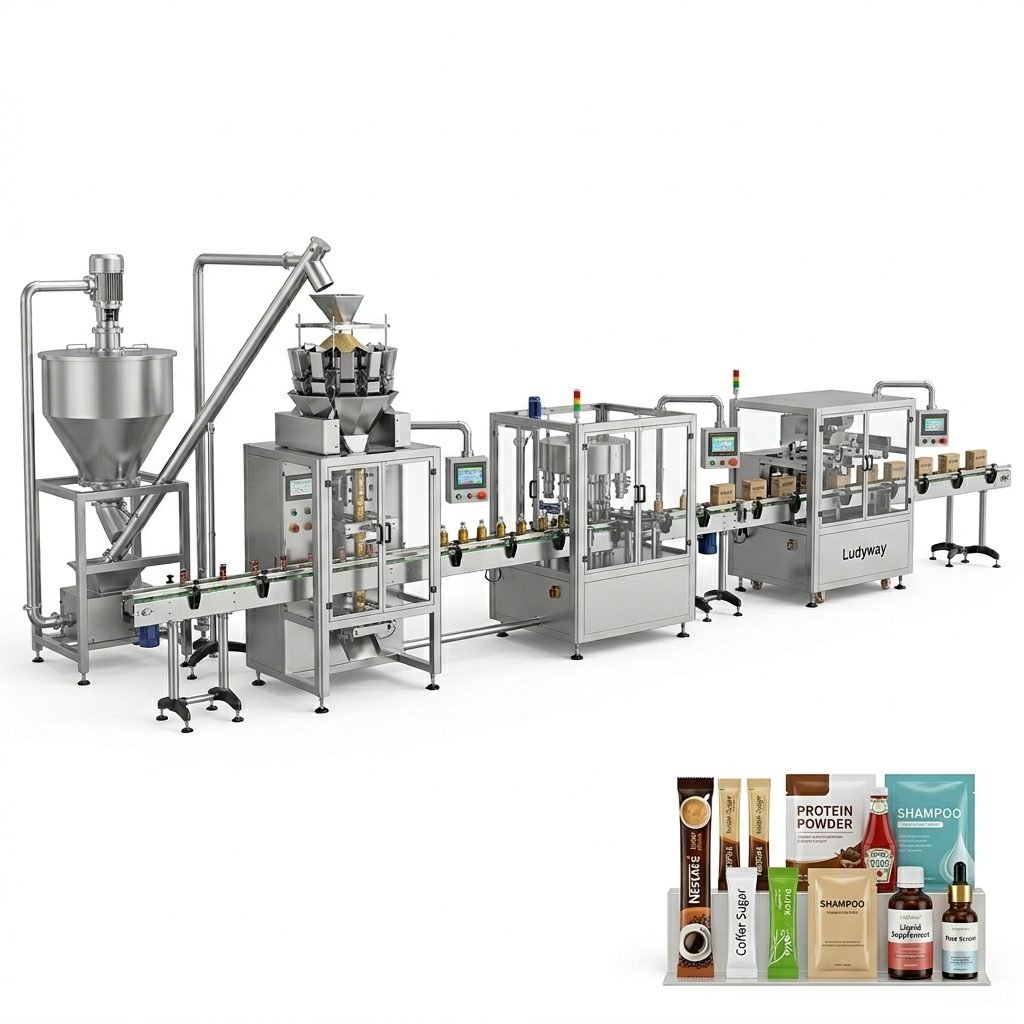
8. Cartoning and End-of-Line Packaging Machines
These machines handle secondary packaging after primary filling and sealing. They may include cartoning, case packing, coding, labeling, inspection, palletizing, and wrapping.
Best for: manufacturers scaling from standalone packaging to a complete automated line.
How to Match Machine Type to Product Category
| Product Type | Recommended Machine | Typical Package Format |
|---|---|---|
| Powders | Sachet machine, stick pack machine, VFFS | Sachets, stick packs, pillow bags |
| Granules | VFFS, premade pouch machine, weigh-fill-seal system | Bags, pouches, sachets |
| Liquids | Liquid sachet machine, bottle filling line | Sachets, pouches, bottles |
| Pastes/Creams | Sachet machine, tube filling machine | Sachets, tubes |
| Tablets/Capsules | Blister machine, bottle counting line | Blisters, bottles |
| Bulk materials | Bagging machine, jumbo bag filling line | Open-mouth bags, valve bags, big bags |
Key Features to Look For
Not every packaging machine with a good speed rating will be the right investment. Focus on the features that affect daily operations and long-term reliability.
Packaging Accuracy
Filling accuracy matters for cost control, product compliance, and customer trust. Overfilling wastes product, while underfilling may create legal or quality issues.
Production Speed
Look at actual working speed under your product conditions, not just the maximum advertised speed. Viscosity, powder flowability, granule size, and package dimensions all affect real output.
Machine Stability
Stable operation is often more valuable than extreme speed. Frequent downtime, sealing issues, tracking errors, or inaccurate dosing can quickly erase any productivity gains.
Changeover Flexibility
If you run multiple SKUs, choose a system that supports quick format changes, recipe storage, and easier adjustment of filling volume, sealing length, and package width.
Sanitary Design
For food, pharmaceutical, and cosmetic applications, contact parts should be easy to clean and made from suitable materials such as stainless steel. Hygienic construction can simplify compliance and reduce contamination risk.
Control System and Automation
Modern machines often include PLC control, touchscreen HMI, servo-driven motion, fault alarms, production counting, and parameter memory. These functions improve ease of use and repeatability.
Sealing Quality
Good sealing performance is critical for shelf life, leakage prevention, and package appearance. This is especially important for liquid sachets, moisture-sensitive powders, and pharmaceutical products.
Integration Capability
The best commercial packaging machine should connect smoothly with upstream and downstream equipment, such as:
- Feeders and conveyors
- Auger fillers or weighers
- Metal detectors and checkweighers
- Inkjet coders and labelers
- Cartoners and case packers
- Palletizing systems
Buying Guide: How to Choose the Right Commercial Packaging Machine
1. Define Your Product Characteristics
Start with the basics:
- Is the product powder, granule, liquid, paste, tablet, or capsule?
- Does it flow freely or bridge easily?
- Is it dusty, sticky, corrosive, or fragile?
- Does it require special hygienic handling?
These factors determine the dosing method, machine design, and sealing approach.
2. Choose the Package Format
The package style affects both machine type and material cost. Common formats include sachets, stick packs, pouches, bottles, tubes, blisters, and large industrial bags.
3. Estimate Output Requirements
Think in terms of current production and future expansion. A machine that only meets today’s demand may become a bottleneck sooner than expected.
4. Consider Industry Compliance
Food, pharmaceutical, and cosmetic packaging may require stricter material standards, validation support, batch traceability, and controlled manufacturing conditions.
5. Check Customization Options
Many buyers need more than a standard machine. Customization may include:
- Special dosing devices
- Non-standard bag sizes
- Nitrogen flushing
- Dust collection systems
- Vision inspection
- Multi-language control interfaces
6. Evaluate Total Cost of Ownership
The purchase price is only part of the cost. Also compare:
- Energy use
- Spare parts cost
- Film waste
- Maintenance frequency
- Operator training time
- Expected service life
7. Review Supplier Experience
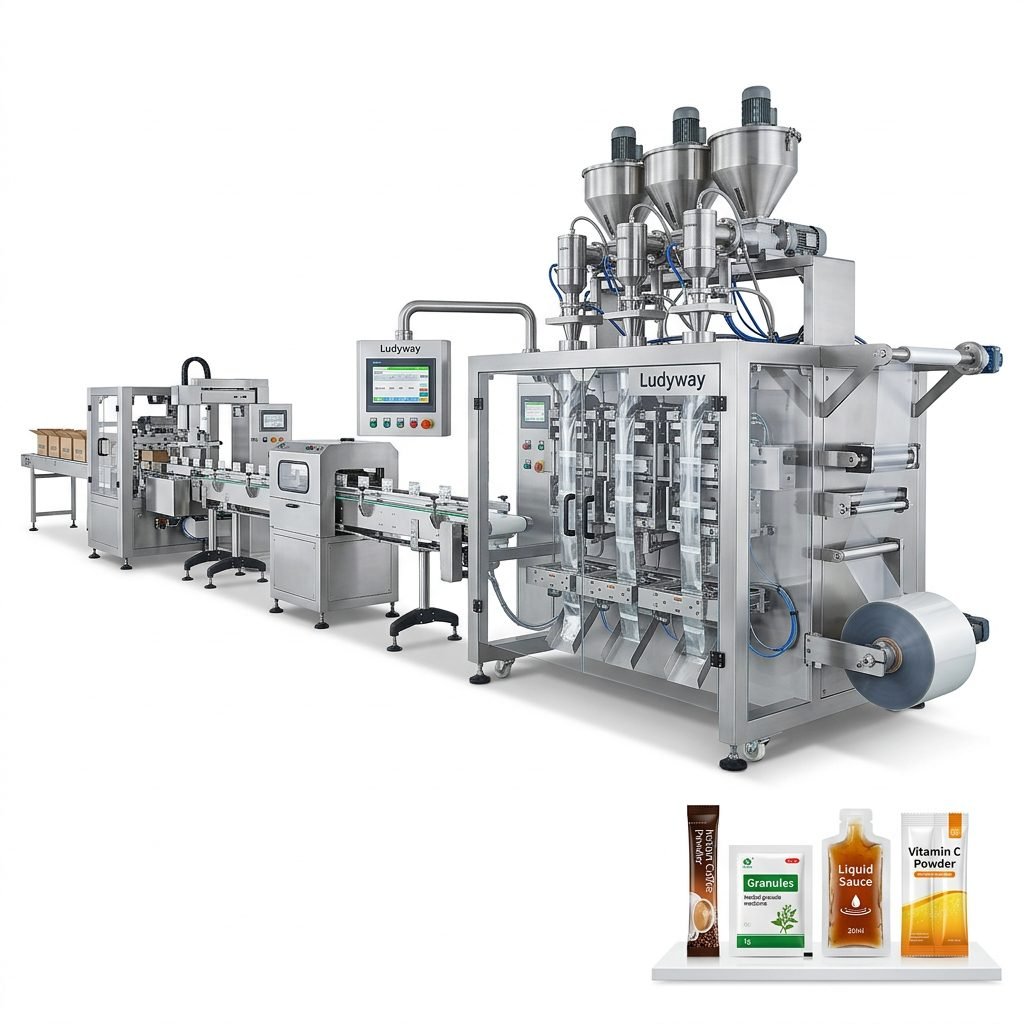
A strong supplier should understand your application, offer realistic recommendations, and provide technical support after delivery. If you need integrated equipment, it is often better to work with a company that can supply both standalone machines and turnkey lines, such as Ludyway packaging machine manufacturer.
Standalone Machine or Turnkey Packaging Line?
This depends on your production stage.
| Option | Best For | Advantages |
|---|---|---|
| Standalone machine | Startups, low-to-mid volume production, simple packaging needs | Lower upfront investment, easier installation, fast deployment |
| Turnkey line | Growing factories, multi-step automation, export-oriented production | Higher efficiency, lower labor dependence, better line coordination |
If your goal is long-term scaling, a turnkey packaging line can often provide better workflow efficiency than buying separate machines from different suppliers.
Industries That Commonly Use Commercial Packaging Machines
- Food industry: coffee, sugar, spices, snacks, grains, sauces, dairy powders
- Pharmaceutical industry: granules, oral liquids, syrups, tablets, capsules, medical supplies
- Cosmetics and personal care: shampoo, lotion, serum, face cream, wipes, sunscreen
- Chemical industry: detergents, additives, solvents, fertilizers, cleaning agents
- Pet food and animal nutrition: pellets, powders, supplements, wet and dry food
- Health supplement sector: collagen, vitamins, probiotics, electrolyte powders
Common Mistakes Buyers Should Avoid
- Choosing based only on price
Low purchase cost can lead to higher maintenance, poor accuracy, and shorter machine life. - Ignoring future growth
A machine should support reasonable output expansion and product diversification. - Underestimating material compatibility
Some products require anti-corrosion design, dust control, or special sealing structures. - Overlooking after-sales support
Installation guidance, spare parts supply, and remote troubleshooting are highly important. - Not testing real samples
Whenever possible, request sample testing to confirm fill accuracy, sealing integrity, and final package quality.
Questions to Ask Before You Buy
- What products and package sizes can the machine handle?
- What is the actual production speed with my product?
- How accurate is the filling system?
- How long does changeover take?
- What materials are used in product-contact parts?
- Can the machine connect with coders, checkweighers, or cartoners?
- What training and technical support are available?
- Which spare parts should be stocked in advance?
- Can the supplier provide layout planning for a full packaging line?
Who Should Invest in a Commercial Packaging Machine?
A commercial packaging machine is a smart investment for businesses that want to:
- Increase daily production capacity
- Reduce labor dependence
- Improve package consistency and sealing quality
- Support export-grade production standards
- Expand into sachet, stick pack, pouch, or bottle packaging
- Build a more automated and scalable factory operation
Final Selection Checklist
| Checklist Item | Confirmed |
| Product type and flow characteristics are clear | ✓ |
| Package format is defined | ✓ |
| Target speed and capacity are estimated | ✓ |
| Compliance and hygiene requirements are reviewed | ✓ |
| Customization needs are listed | ✓ |
| Sample testing is requested | ✓ |
| After-sales and spare parts support are confirmed | ✓ |
| Future expansion and line integration are considered | ✓ |
Conclusion
The best commercial packaging machine is not simply the fastest or cheapest option. It is the system that best fits your product characteristics, package style, capacity goals, and industry standards. By understanding the major machine types, comparing key features carefully, and evaluating long-term operating value, you can make a more confident and profitable buying decision.
If your business is planning to upgrade packaging efficiency, improve automation, or build a complete packaging line, starting with the right machine selection will save time, reduce risk, and support sustainable growth.