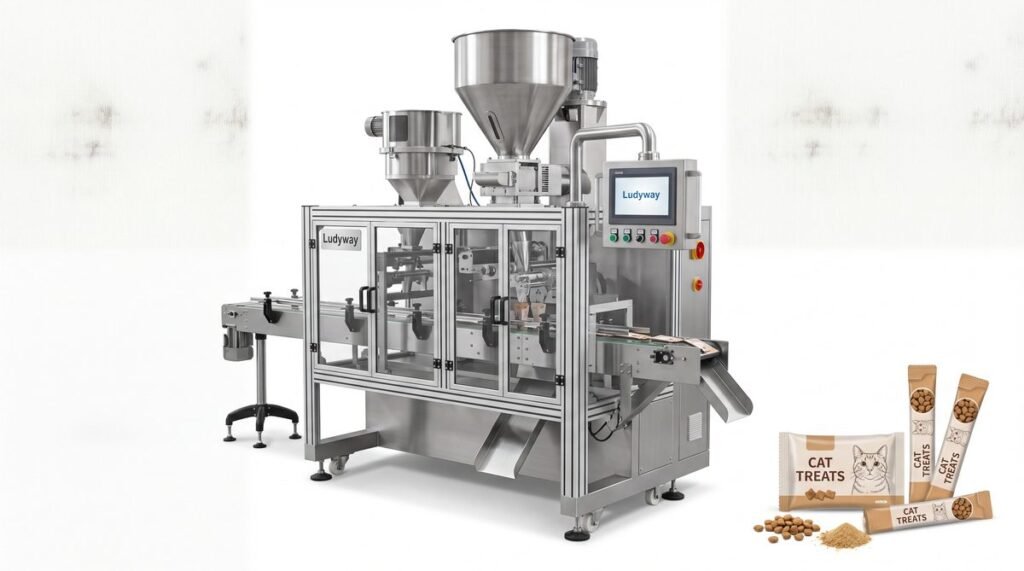
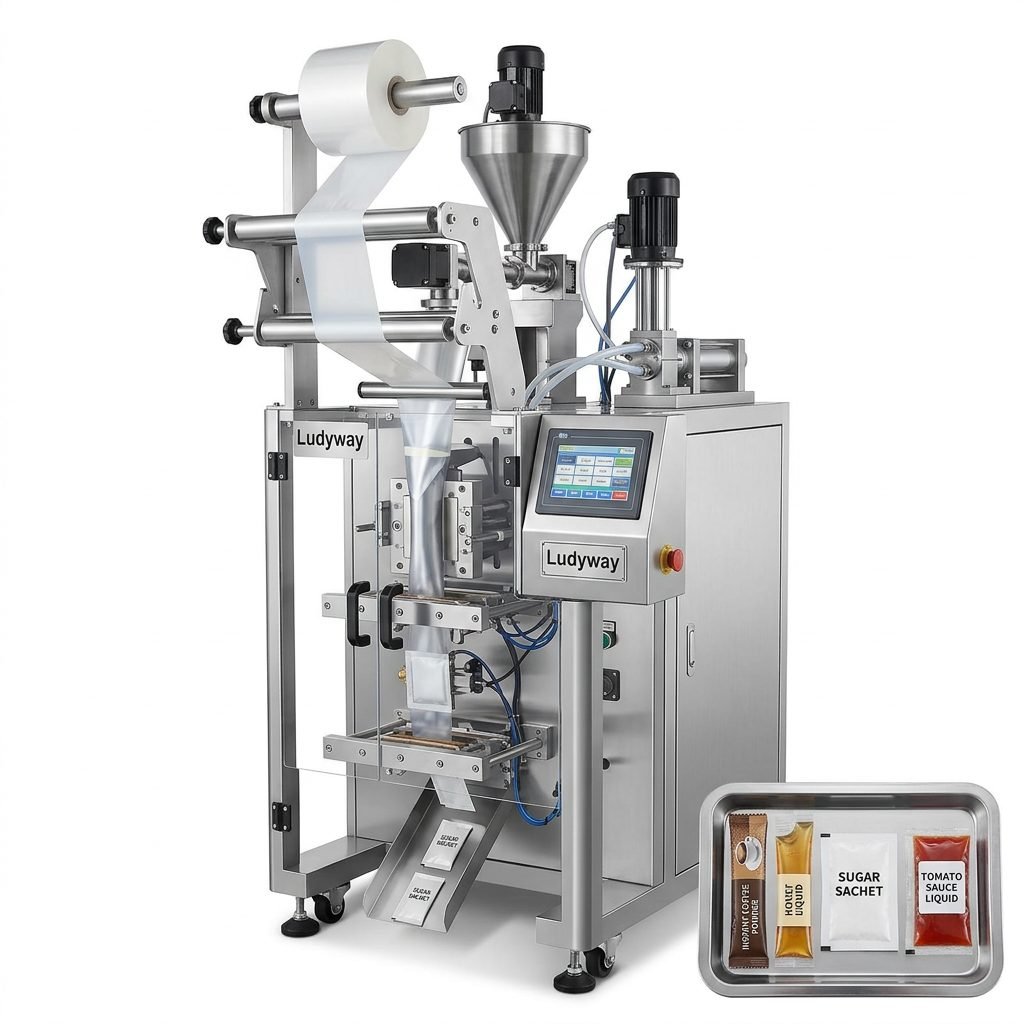
Establishing a seasoning packaging machine production line in Germany requires careful planning around equipment selection, regulatory compliance, and cost management. Germany’s food processing sector is one of the most advanced in Europe, with strict quality standards and a strong emphasis on automation. Whether you are packaging granule spices, powdered seasonings, or liquid condiments, a well-integrated packaging line ensures consistent product quality and operational efficiency. This guide covers the essential costs, equipment, and regulations you need to understand before setting up your packaging operation in Germany.
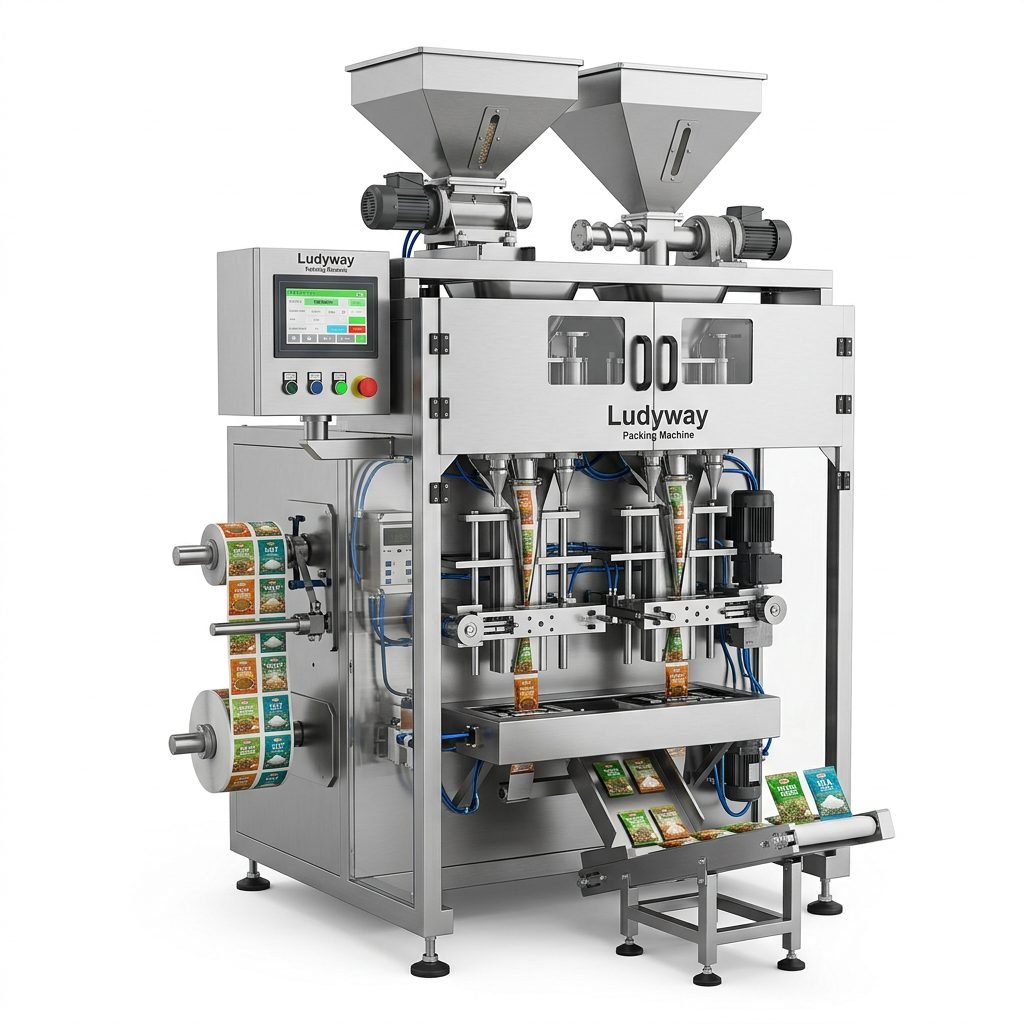
Understanding Germany’s Food Packaging Landscape
Germany is home to a robust food manufacturing industry, with seasoning and spice processing representing a significant market segment. According to industry data from the PMMI Business Intelligence Library, European packaging machinery demand continues to grow, driven by automation trends and sustainability requirements. German manufacturers prioritize precision, hygiene, and compliance with EU-wide regulations. When setting up a seasoning packaging line, operators must navigate a complex framework of food contact material standards, machinery safety directives, and environmental packaging waste regulations.
Key German and EU Regulations for Seasoning Packaging
Compliance is non-negotiable when operating a packaging production line in Germany. The following regulatory bodies and standards govern every aspect of equipment design, material handling, and finished product safety.
- CE Marking & Machinery Directive 2006/42/EC: All packaging machines installed in Germany must carry CE certification, confirming conformity with EU health, safety, and environmental protection standards.
- Food Contact Materials Regulation (EC) No 1935/2004: Packaging films and materials that come into contact with seasonings must meet strict migration limits. The FDA guidelines on food contact substances provide a useful parallel framework, though EU standards apply directly in Germany.
- German Packaging Act (VerpackG): This legislation mandates registration with the Central Packaging Register (ZSVR) and compliance with recycling quotas for all packaging placed on the German market. More details are available from the European Commission’s packaging waste portal.
- HACCP & Hygiene Requirements: Seasoning packaging lines must follow Hazard Analysis and Critical Control Points principles, ensuring clean-in-place (CIP) compatibility and sanitary design throughout the production process.
- ISO Standards: Adherence to ISO packaging standards such as ISO 22000 for food safety management systems is strongly recommended for German market access.
Core Equipment for a Seasoning Packaging Line
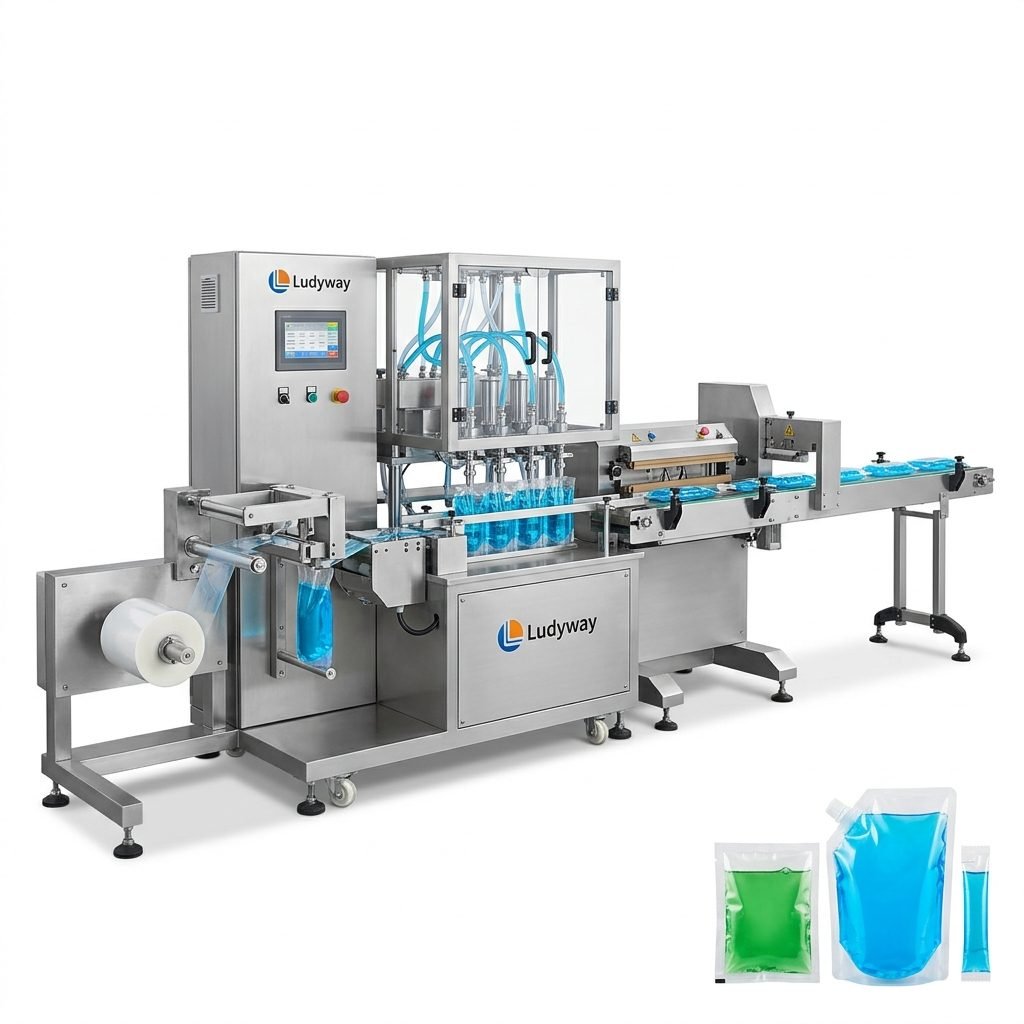
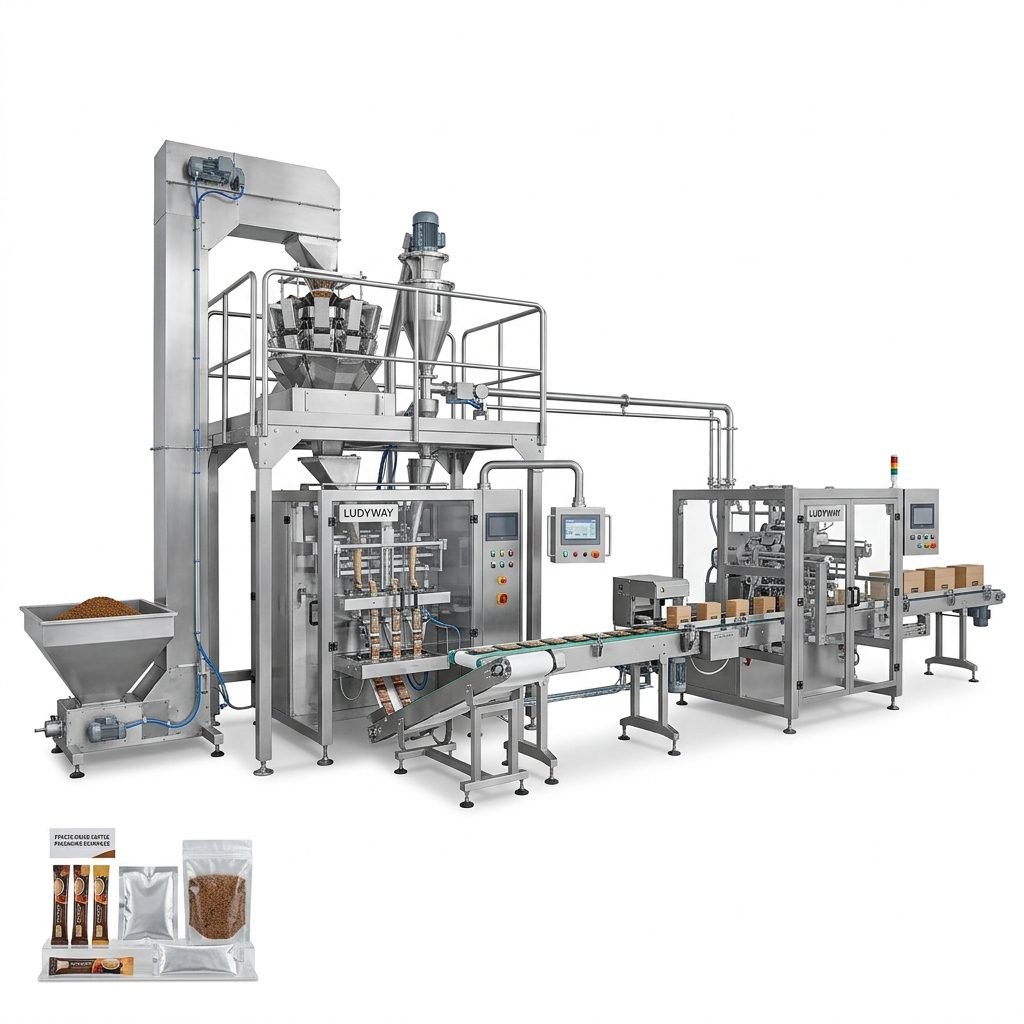
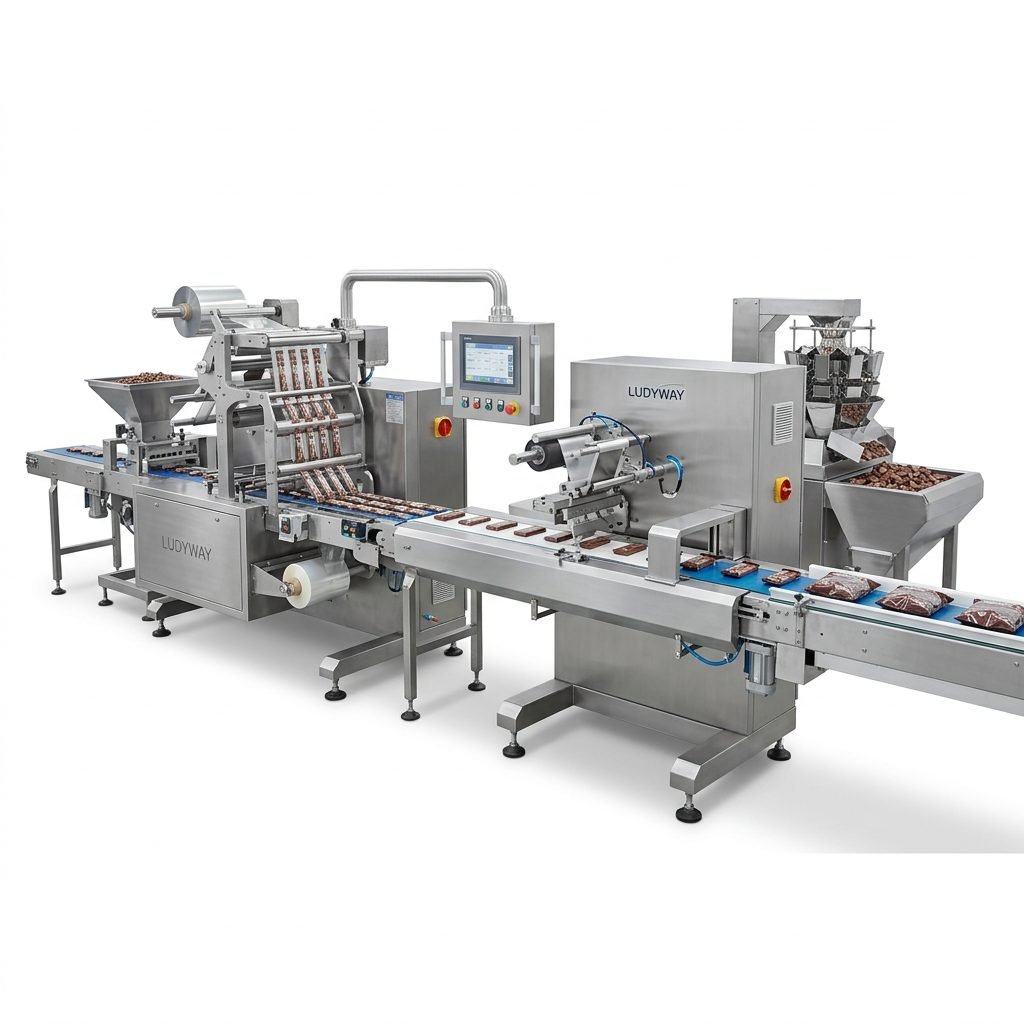
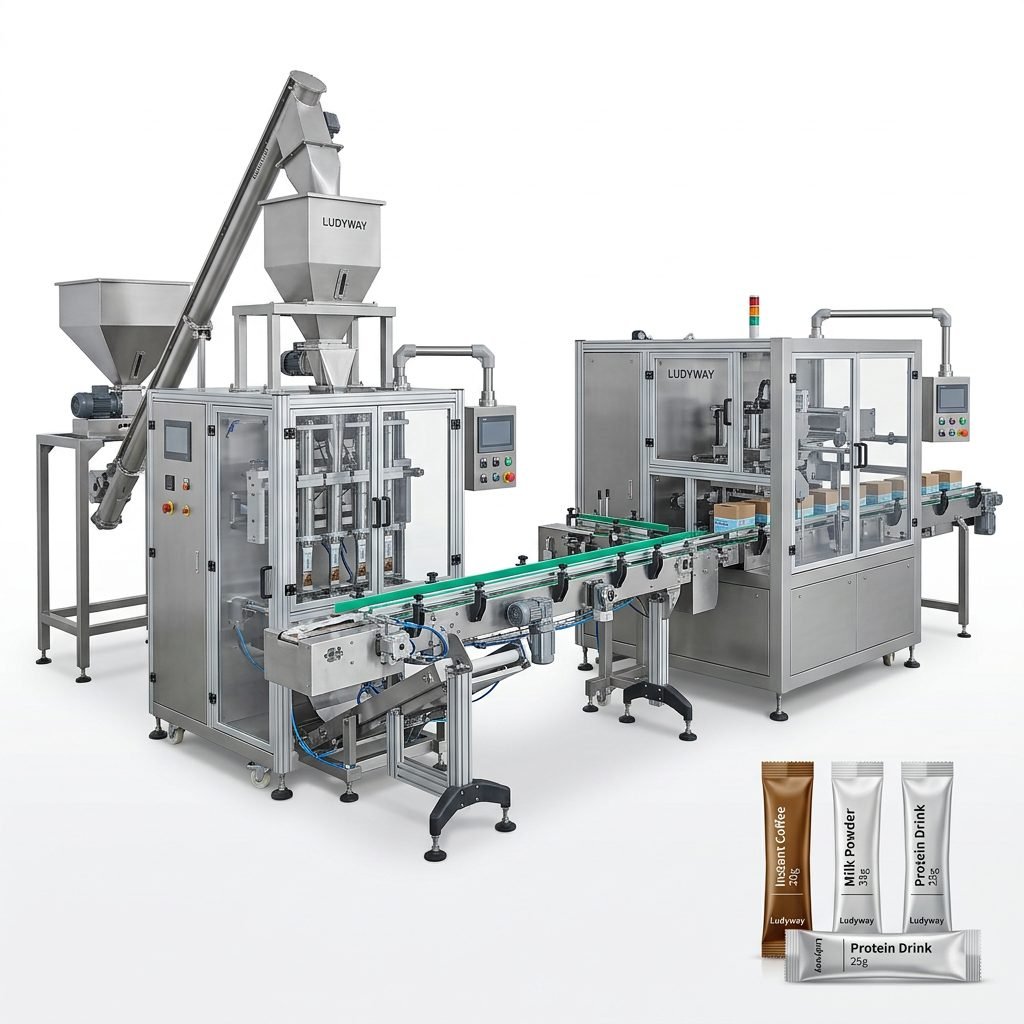
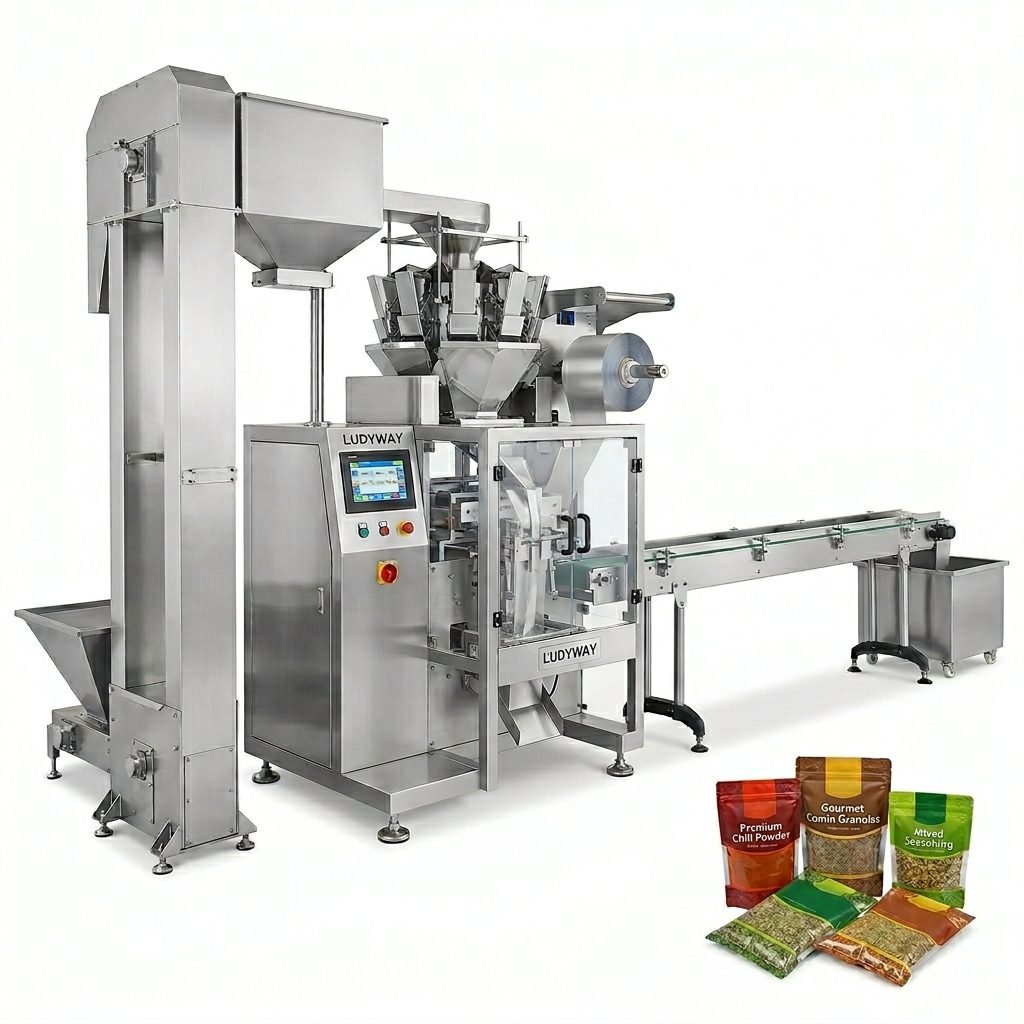
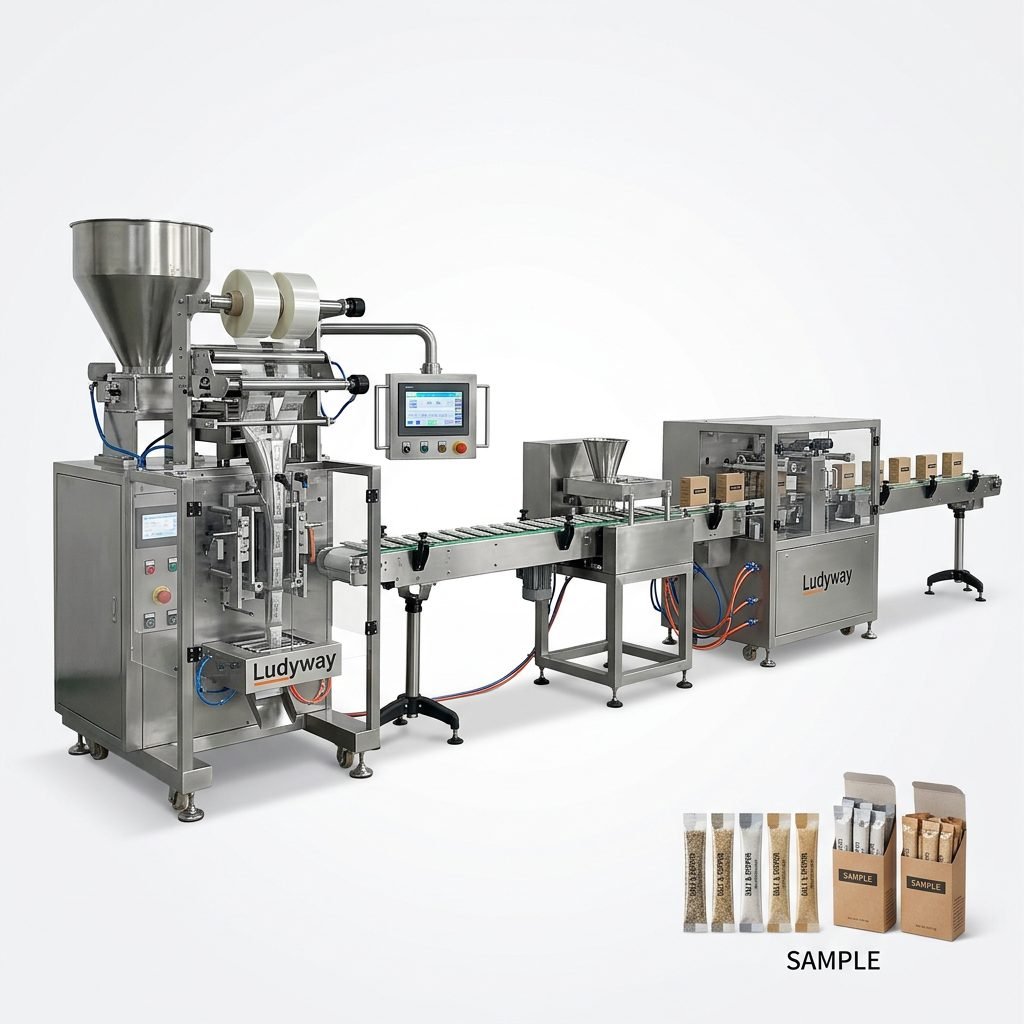
A complete seasoning packaging machine production line typically includes several integrated modules. The exact configuration depends on your product characteristics — whether you handle free-flowing granules, cohesive powders, or liquid seasonings. Below is a breakdown of the essential machinery.
| Equipment Module | Function | Key Considerations for Germany |
|---|---|---|
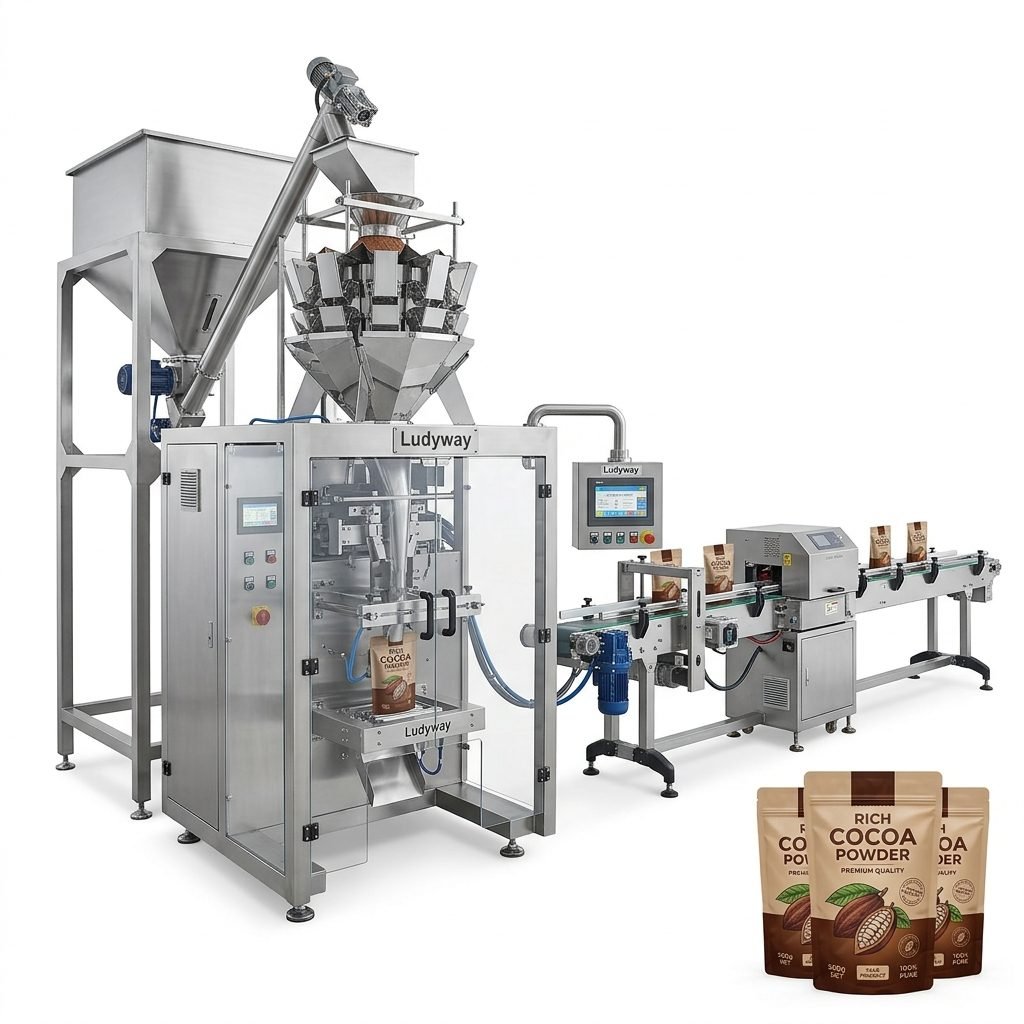
| Multi-Head Weighing System | Precise portioning of granule and powder seasonings | Must meet MID (Measuring Instruments Directive) for trade-approved weighing |
| Vertical Form Fill Seal (VFFS) Machine | Forms pouches or sachets from roll stock film | Stainless steel construction, IP65 washdown rating required |
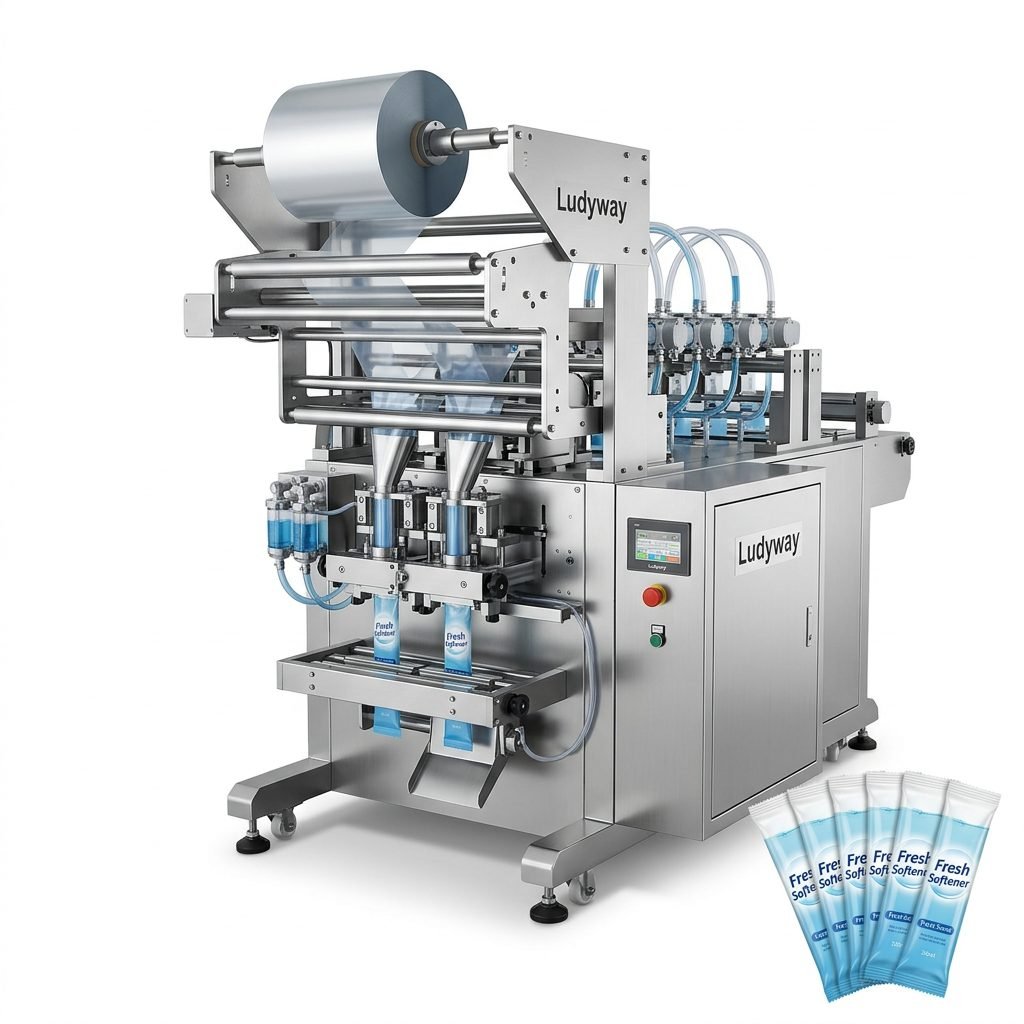
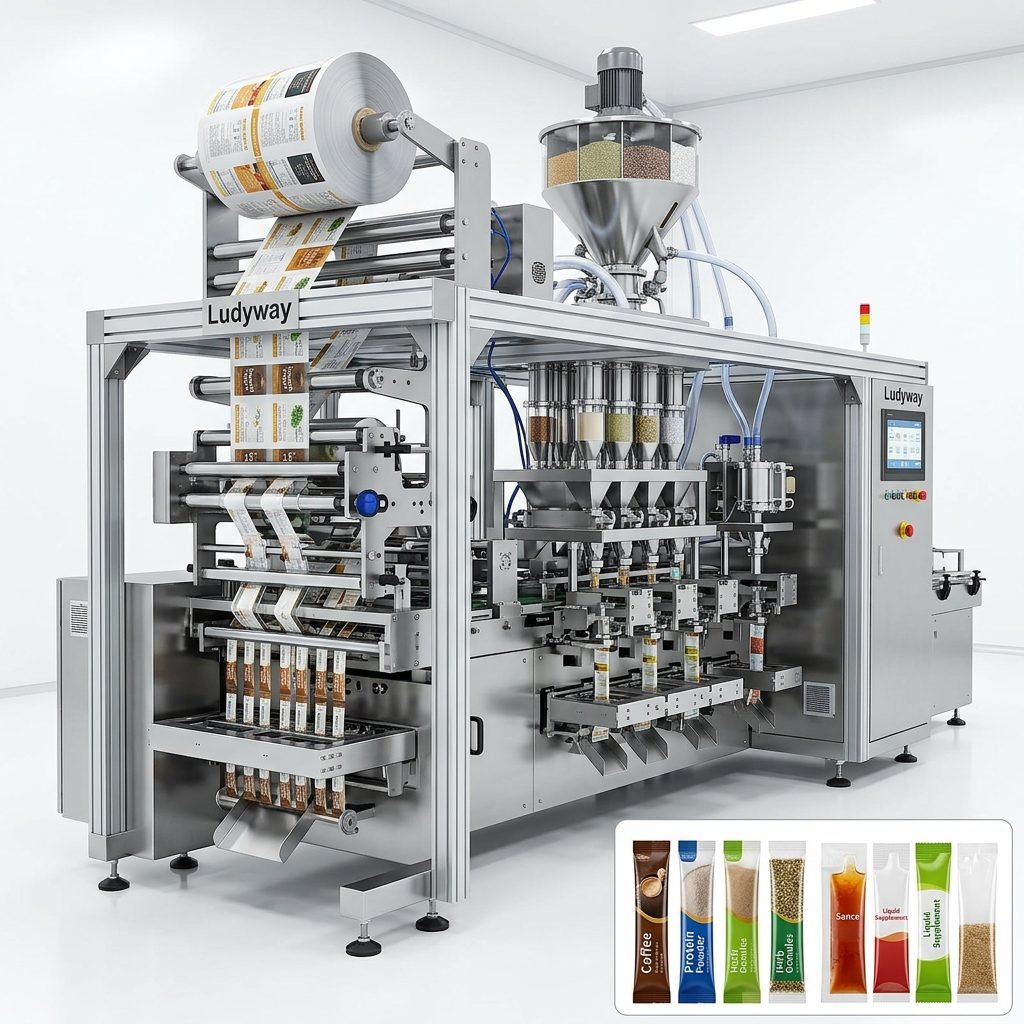
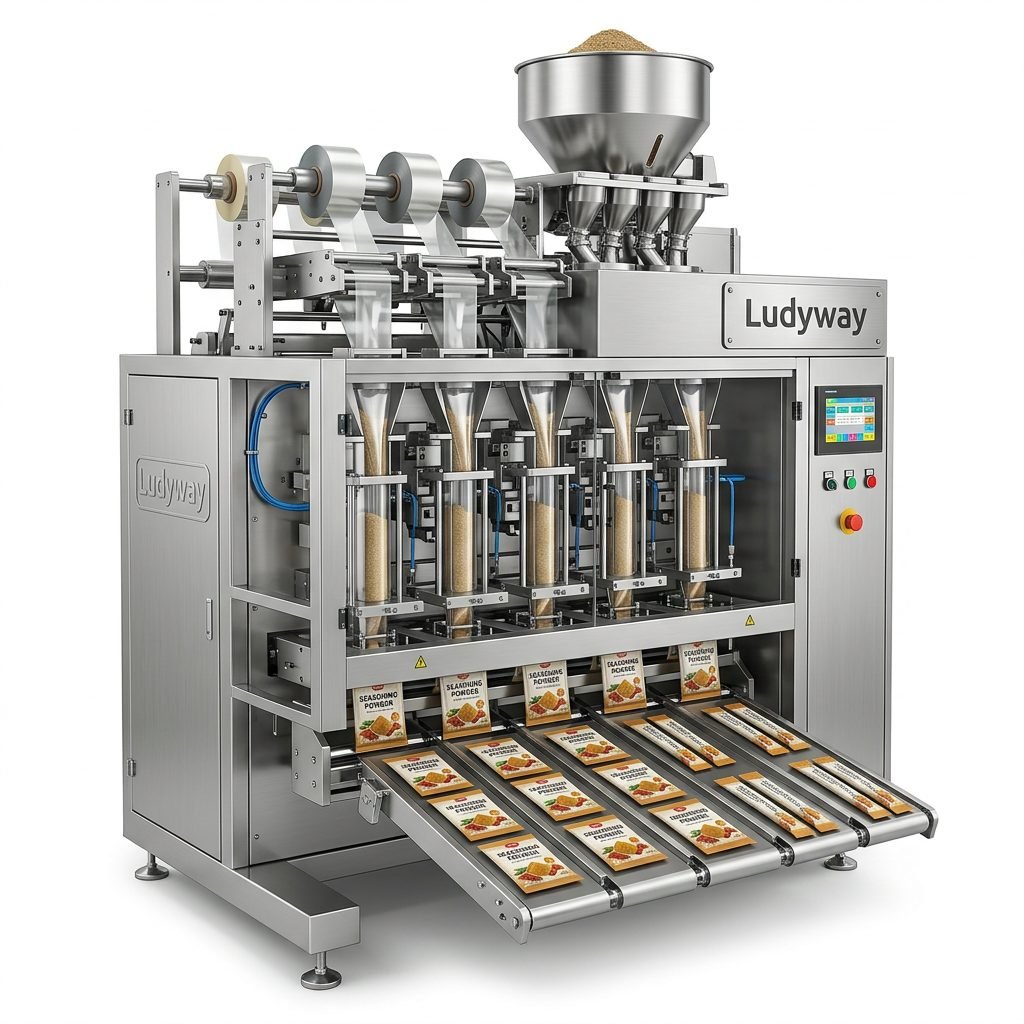
| Multi-Lane Stick Pack Machine | High-speed stick pack production for single-serve seasonings | Ideal for food service and retail portions; must integrate with checkweighers |
| Auger Filler / Volumetric Filler | Accurate powder dosing into pre-made pouches or sachets | Dust-tight design essential for German workplace safety regulations |
| Checkweigher & Metal Detector | Quality control for weight compliance and contaminant detection | IFS Food Standard and BRCGS certification requirements |
| Cartoning & Case Packing | Secondary packaging into retail or wholesale units | Packaging Act compliance for recyclability of cartons |
| Palletizing System | Automated pallet stacking for logistics | Ergonomic and safety standards per German Betriebssicherheitsverordnung |
Cost Breakdown for a Seasoning Packaging Line in Germany
Understanding the total investment required is critical for budgeting. Costs vary depending on the level of automation, production capacity, and whether you opt for a fully integrated turnkey packaging solution or assemble components from multiple suppliers.
| Cost Category | Estimated Range (EUR) | Remarks |
|---|---|---|
| Primary Packaging Machine (VFFS/Multi-Lane) | €80,000 – €250,000 | Depends on lane count and speed requirements |
| Weighing & Filling Systems | €25,000 – €80,000 | Multi-head weighers are more expensive but offer higher accuracy |
| Quality Control Equipment | €15,000 – €50,000 | Checkweighers, metal detectors, vision inspection |
| Secondary & End-of-Line Equipment | €60,000 – €200,000 | Cartoners, case packers, palletizers |
| Installation, Commissioning & Training | €15,000 – €40,000 | Includes CE documentation and safety validation |
| Annual Maintenance & Spare Parts | €10,000 – €30,000 | Ongoing operational cost |
Total Estimated Investment: A mid-range, fully automated seasoning packaging line suitable for German market standards typically requires an initial investment between €195,000 and €620,000, depending on throughput capacity and customization needs.
Step-by-Step Setup Process in Germany
- Define Product Specifications: Determine the seasoning type (granule, powder, liquid), target sachet or pouch size, and desired output per minute. This drives equipment configuration decisions.
- Select Equipment Supplier: Choose a manufacturer with proven experience in food-grade packaging machinery and familiarity with EU regulatory requirements. Request detailed technical documentation and CE certificates.
- Plan Facility Layout: Ensure adequate floor space, utility connections (compressed air, electrical supply), and hygienic zoning per German standards. Consider future expansion possibilities.
- Obtain Necessary Permits: Register with local German trade supervisory authorities (Gewerbeaufsichtsamt) and ensure compliance with the German Ordinance on Industrial Safety and Health (BetrSichV).
- Install and Validate: Commission the complete line, perform IQ/OQ/PQ (Installation, Operational, Performance Qualification) protocols, and conduct HACCP validation.
- Train Personnel: Provide comprehensive operator and maintenance training in German, covering safety procedures, cleaning protocols, and troubleshooting.
- Begin Production and Continuous Monitoring: Implement ongoing quality checks and maintain detailed records for traceability, as required by IFS or BRC standards.
Choosing the Right Equipment Partner for German Compliance
German food manufacturers increasingly seek packaging machine suppliers who can deliver not just equipment, but complete documentation packages, including CE declarations, risk assessments, and operating manuals in German. Working with a partner that understands both technical machinery requirements and regional regulatory frameworks can significantly reduce project timelines and compliance risks.
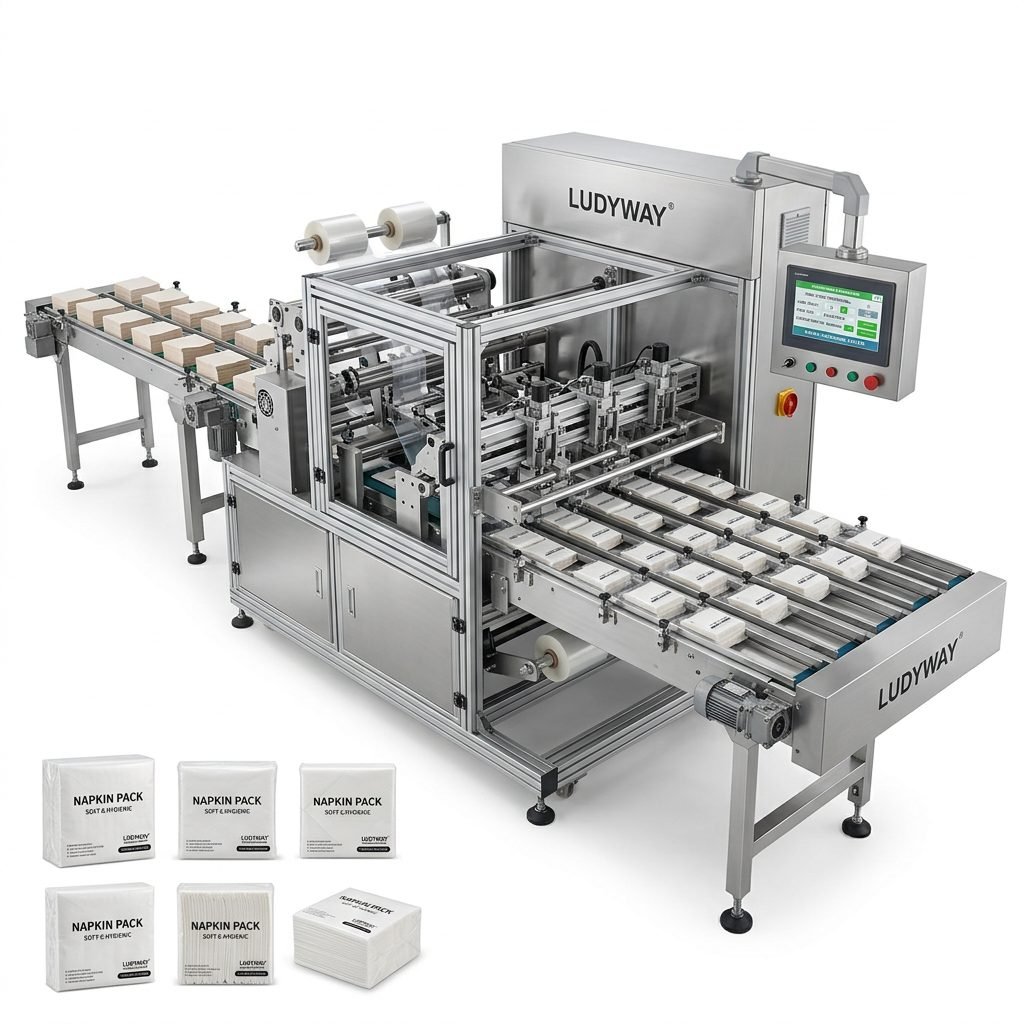
For companies looking to establish or upgrade their seasoning packaging operations, Ludyway offers a comprehensive range of automated packaging solutions designed to meet international standards. As one of the largest packaging machine manufacturers in China with over 30 years of industry experience, Ludyway provides turnkey production lines that include multi-lane stick pack systems, sachet packaging machines, and fully integrated end-of-line automation. The company’s equipment is engineered for granule, powder, and liquid seasoning applications, helping food manufacturers achieve high productivity and consistent product quality while maintaining compliance with global food safety requirements. More information about global packaging trends can be found through the Flexible Packaging Association’s knowledge hub.
Frequently Asked Questions
What are the most common seasoning formats packaged in Germany?
The German market favors stick packs, sachets, and stand-up pouches for retail seasonings. Single-serve stick packs are particularly popular in the food service sector, while larger pouches cater to household consumers. The PACK EXPO International showcases many of these packaging trends.
How long does it take to set up a seasoning packaging line in Germany?
From initial order to full production, a typical timeline ranges from 4 to 8 months. This includes equipment manufacturing (8-12 weeks), shipping and customs clearance (4-6 weeks), installation and commissioning (2-4 weeks), and operator training (1-2 weeks).
Is CE certification mandatory for all packaging machines in Germany?
Yes, all machinery placed on the German market must carry CE marking and come with a Declaration of Conformity. This applies to both complete production lines and individual modules. Retrofit equipment also requires conformity assessment per the ISO 11607 series.
What are the ongoing regulatory obligations after setup?
Operators must maintain packaging license registrations with the ZSVR, submit annual declaration of completeness for packaging volumes, and ensure continued compliance with updated food safety standards. The PMMI packaging industry resources provide regular updates on regulatory changes.
Key Takeaways for Your German Packaging Project
Setting up a seasoning packaging machine production line in Germany is a strategic investment that requires thorough preparation. Focus on selecting CE-certified equipment that meets the Machinery Directive, budget realistically for both capital expenditure and ongoing compliance costs, and partner with an experienced equipment supplier who can provide the necessary documentation and support. With proper planning, your seasoning packaging operation can achieve high efficiency, regulatory compliance, and strong market acceptance in Germany’s competitive food industry.