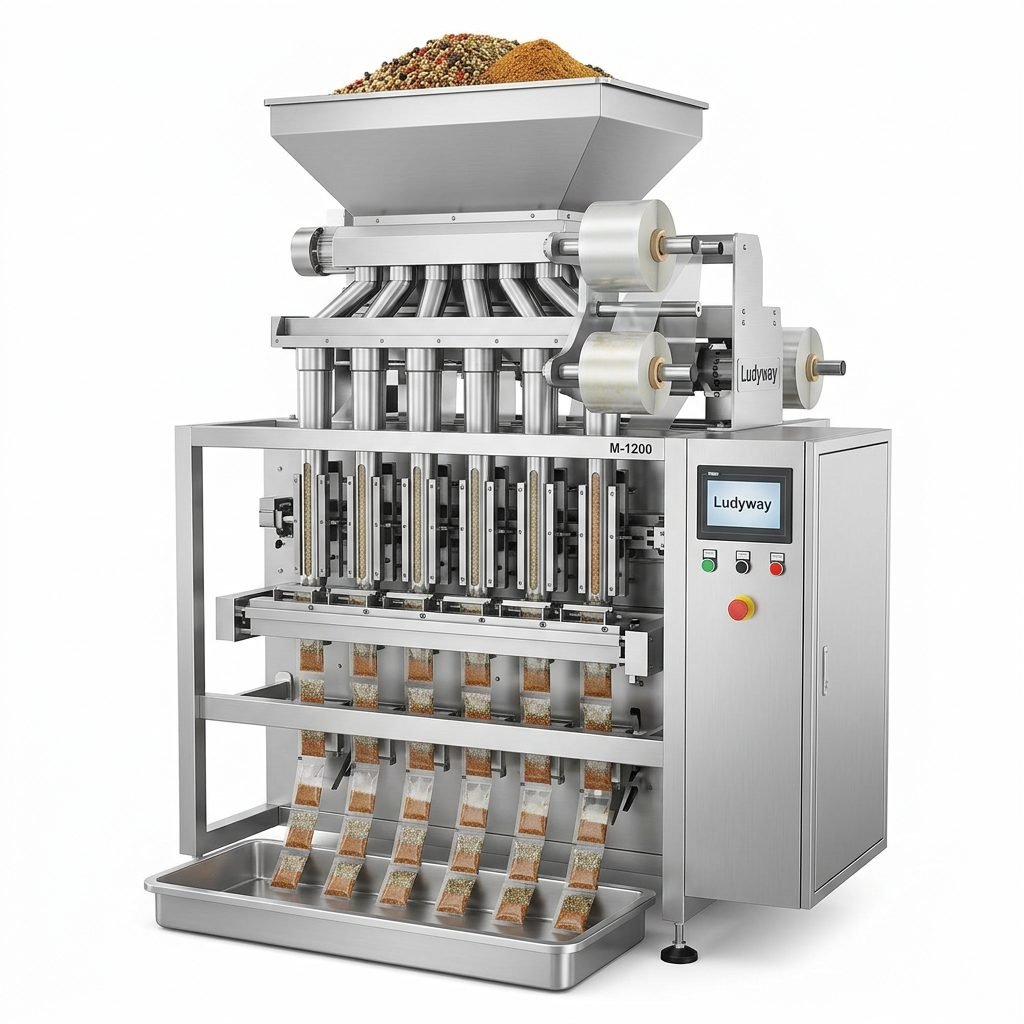
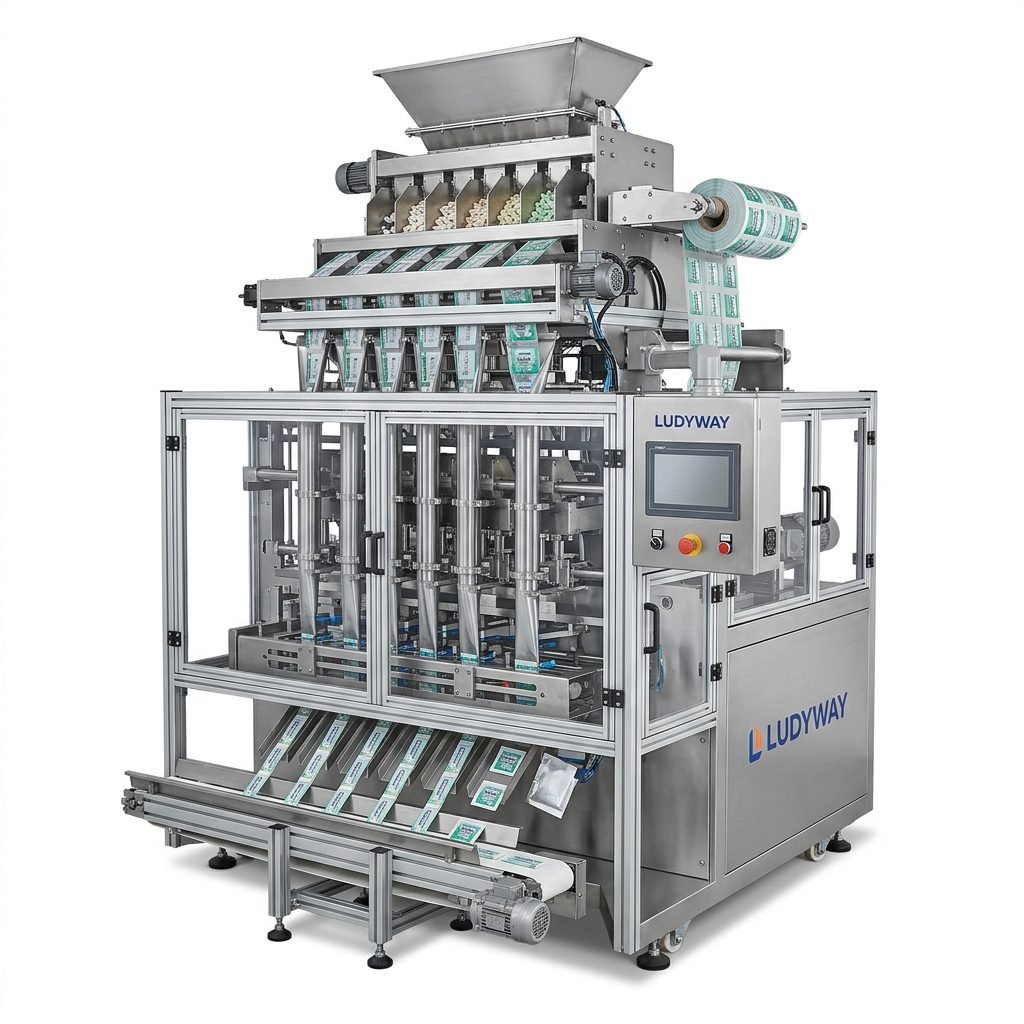
The Middle East has emerged as one of the fastest-growing markets for packaged dry foods. With increasing demand for convenient, shelf-stable products like spices, grains, coffee, powdered beverages, nuts, and dehydrated ingredients, manufacturers across the GCC region are investing heavily in automated packaging solutions. Choosing the right dry food packaging machine is a critical decision that impacts product quality, production efficiency, and long-term profitability.
Understanding the Middle East Dry Food Packaging Landscape
The Middle East food packaging industry is projected to grow at a CAGR of over 5% through 2030, driven by population growth, urbanization, and changing consumer lifestyles. Countries like Saudi Arabia, UAE, Qatar, and Kuwait are seeing surging demand for packaged dry foods. Key segments include:
- Spices and seasonings — a staple in Middle Eastern cuisine requiring precise portion packaging
- Coffee and tea — the GCC’s thriving café culture fuels demand for single-serve stick packs
- Dates and dried fruits — premium products needing hygienic, high-speed packaging
- Grains and pulses — bulk and retail packaging for traditional Middle Eastern staples
- Powdered milk and beverage mixes — fast-growing segments in the convenience food sector
Types of Dry Food Packaging Machines Available
Understanding the different machine types is essential when selecting equipment for your production line. Each type offers distinct advantages depending on your product characteristics and packaging requirements.
Multi-Lane Stick Pack Machines
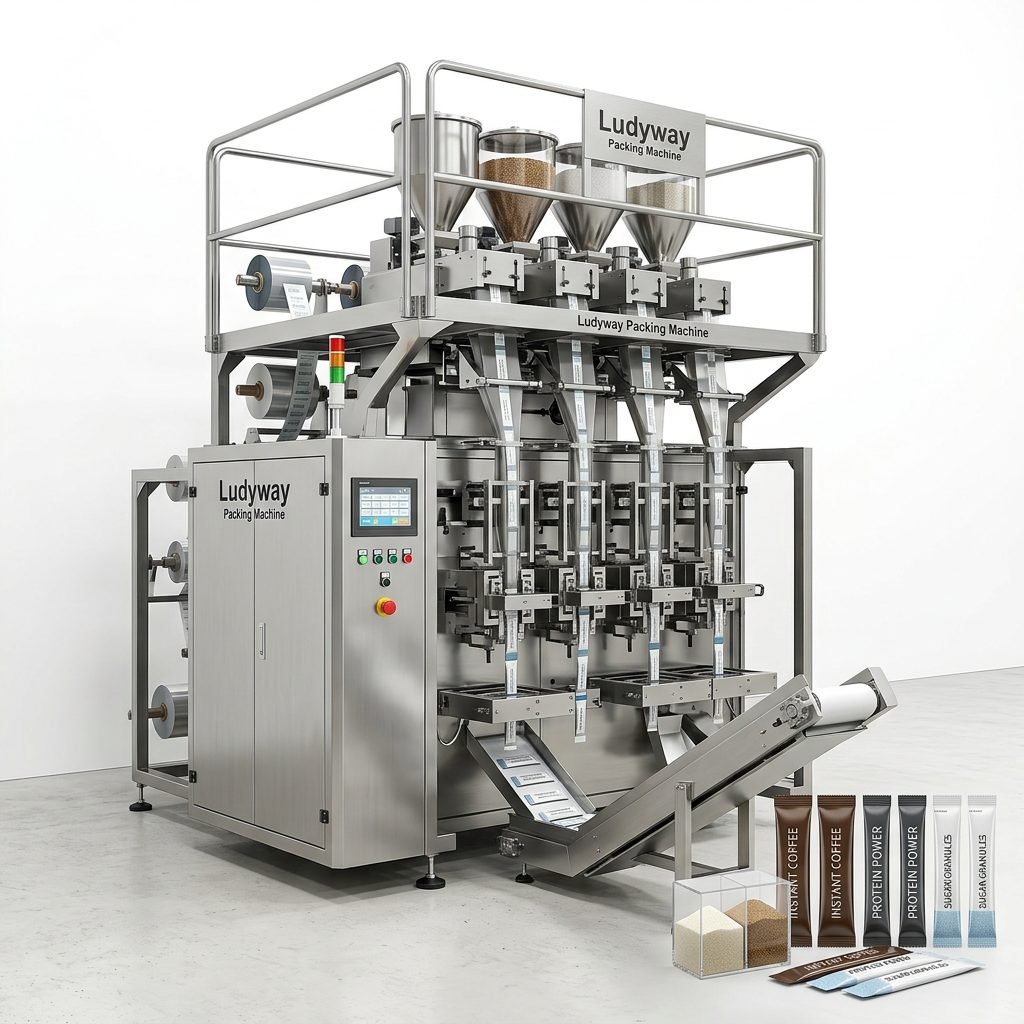
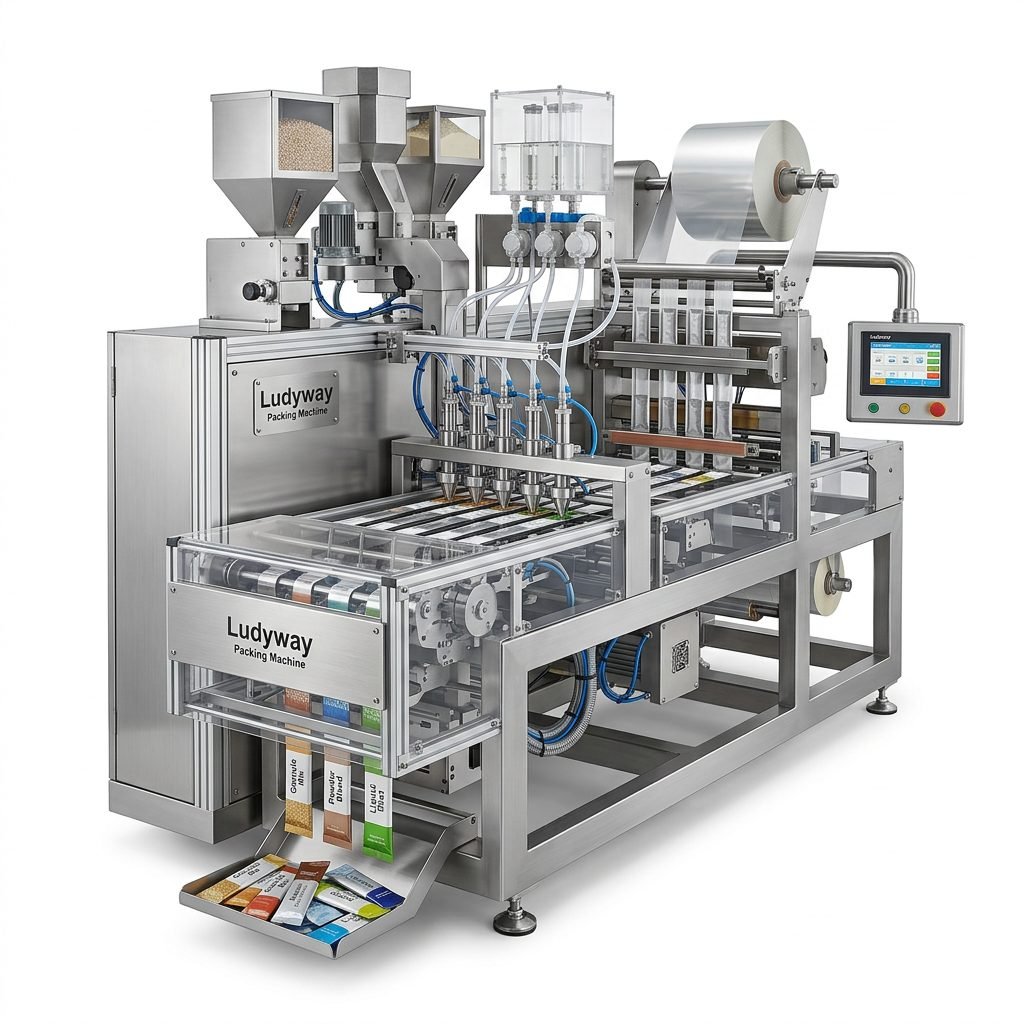
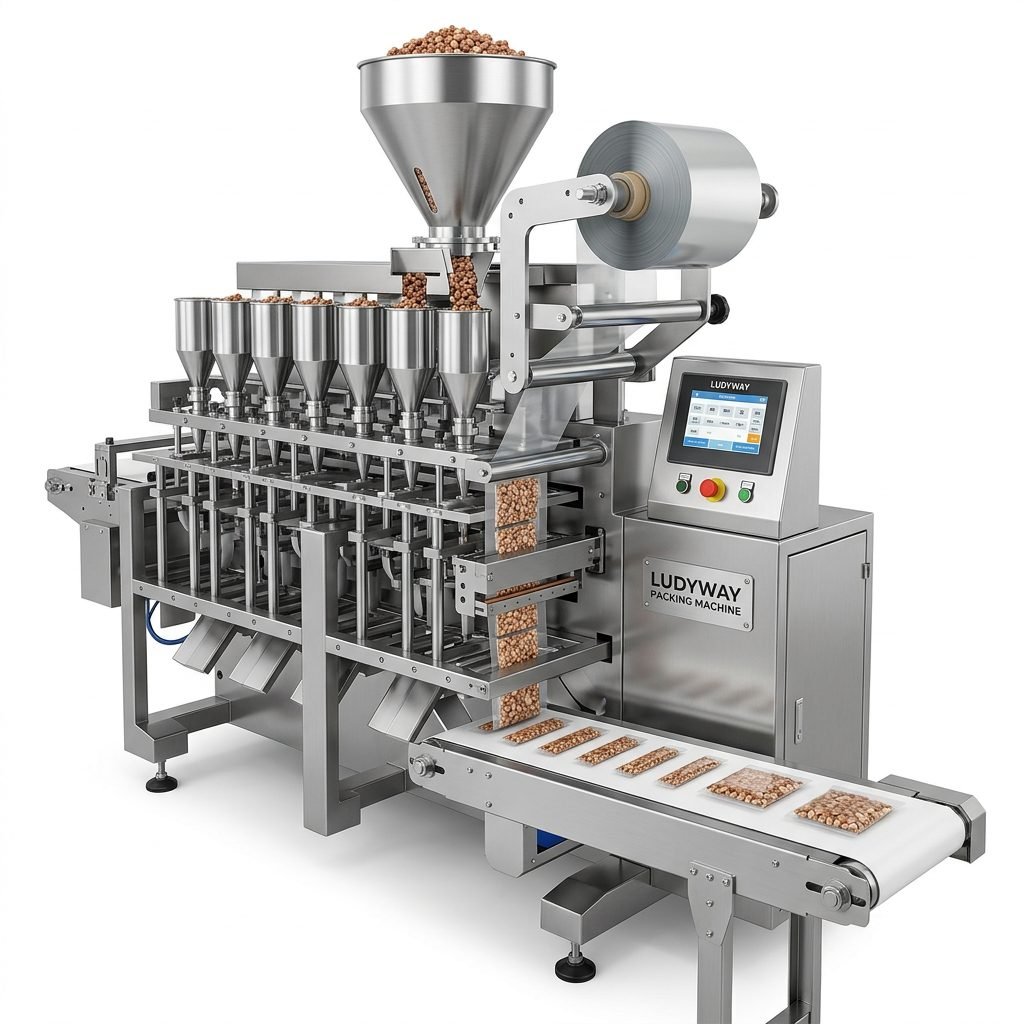
These high-speed systems are ideal for powders and granules in narrow, elongated sachet formats. A multi-lane stick pack machine can produce up to 600-800 packs per minute across multiple lanes, making them perfect for coffee, sugar, salt, and spice packaging operations in the Middle East. The compact format is highly popular for food service and hospitality applications.
Sachet and Pouch Packaging Machines
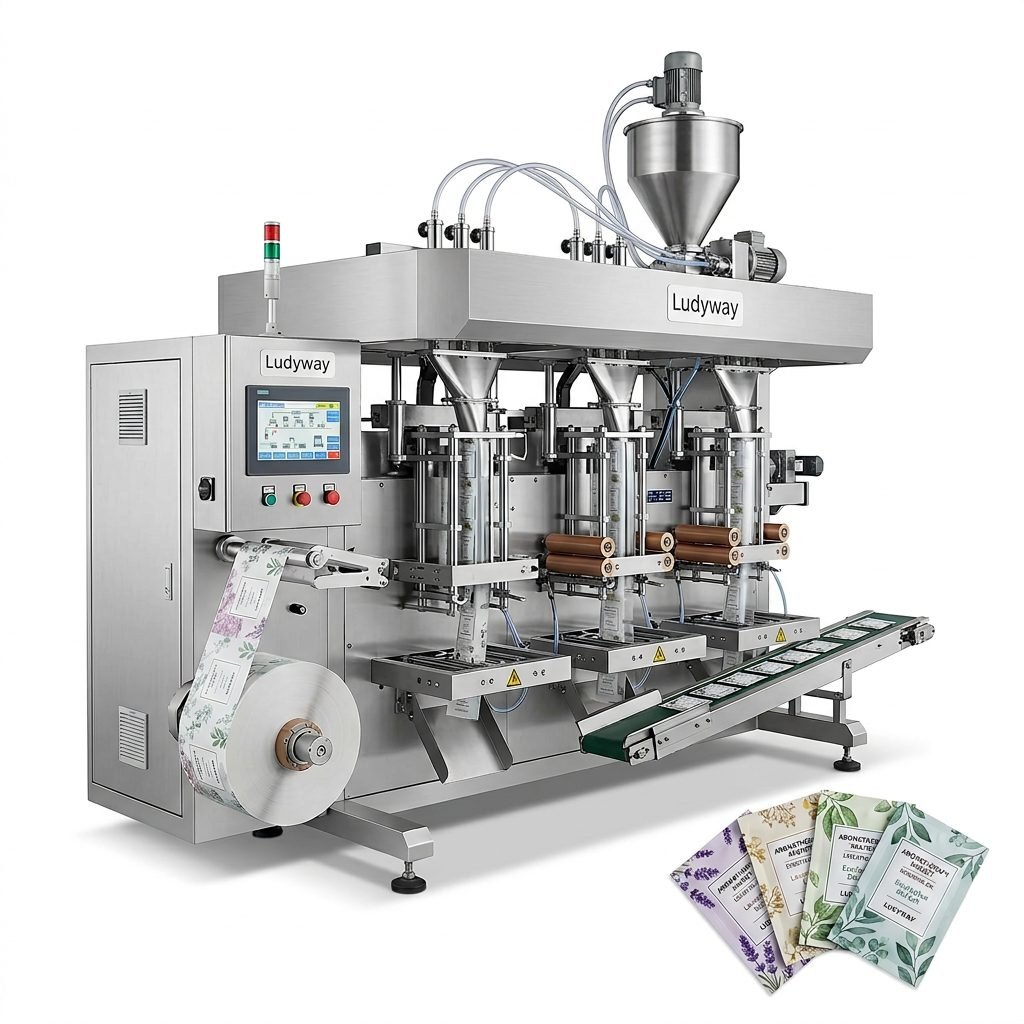
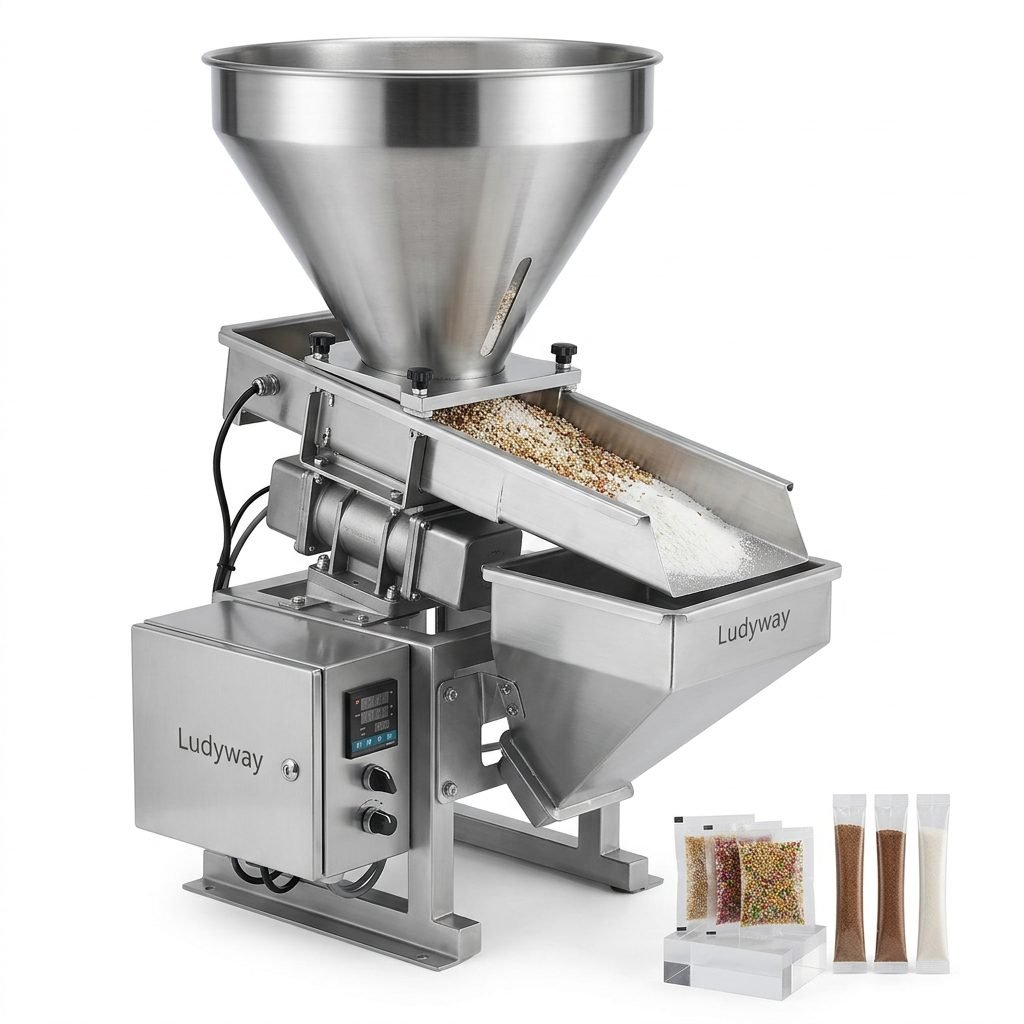
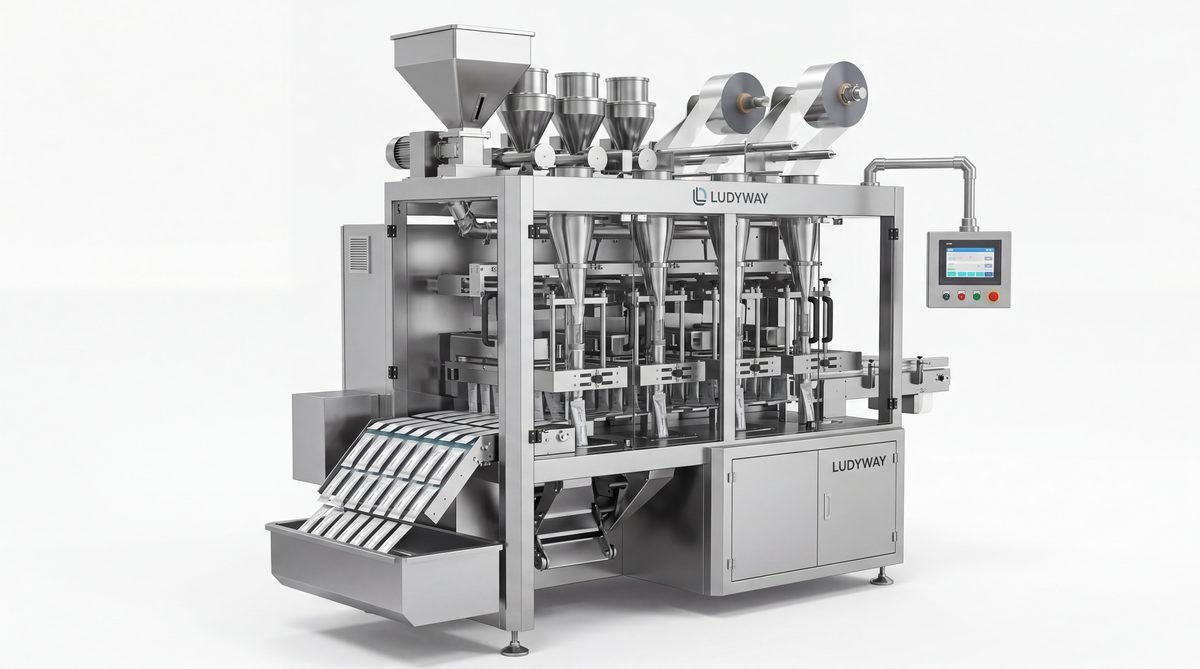
For products requiring larger fill volumes or premium presentation, sachet packaging systems offer versatility across pillow, gusseted, and shaped pouch formats. These machines handle everything from 3-gram salt sachets to 500-gram grain pouches, accommodating the diverse dry food portfolio common in Middle Eastern markets.
Vertical Form Fill Seal (VFFS) Machines
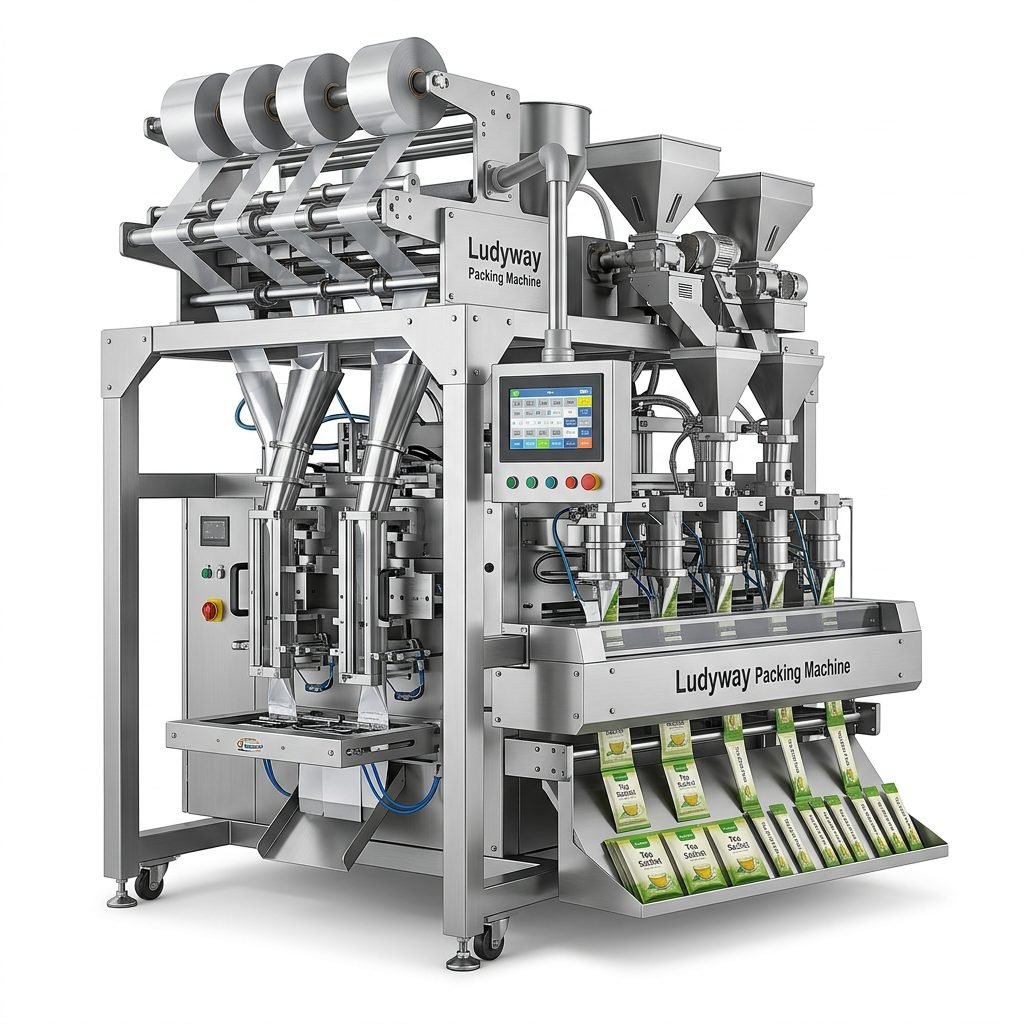
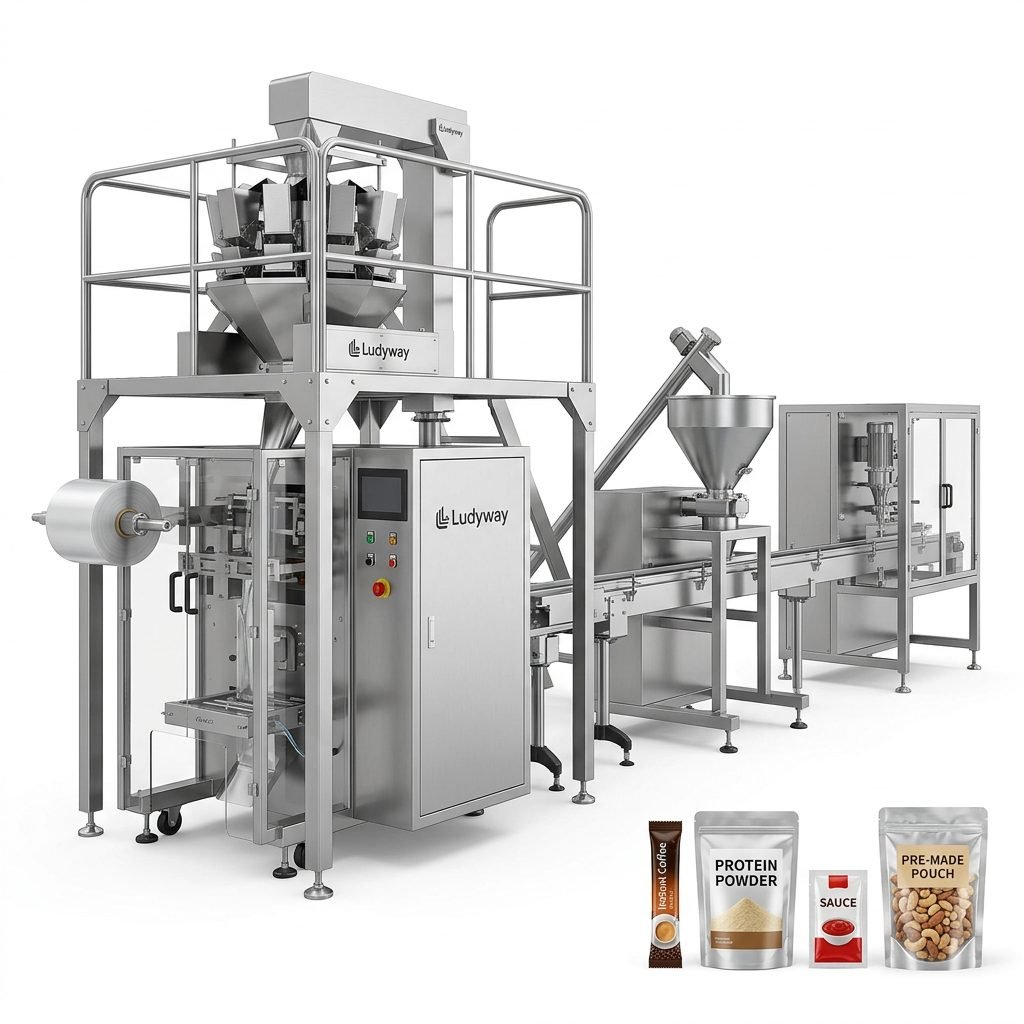
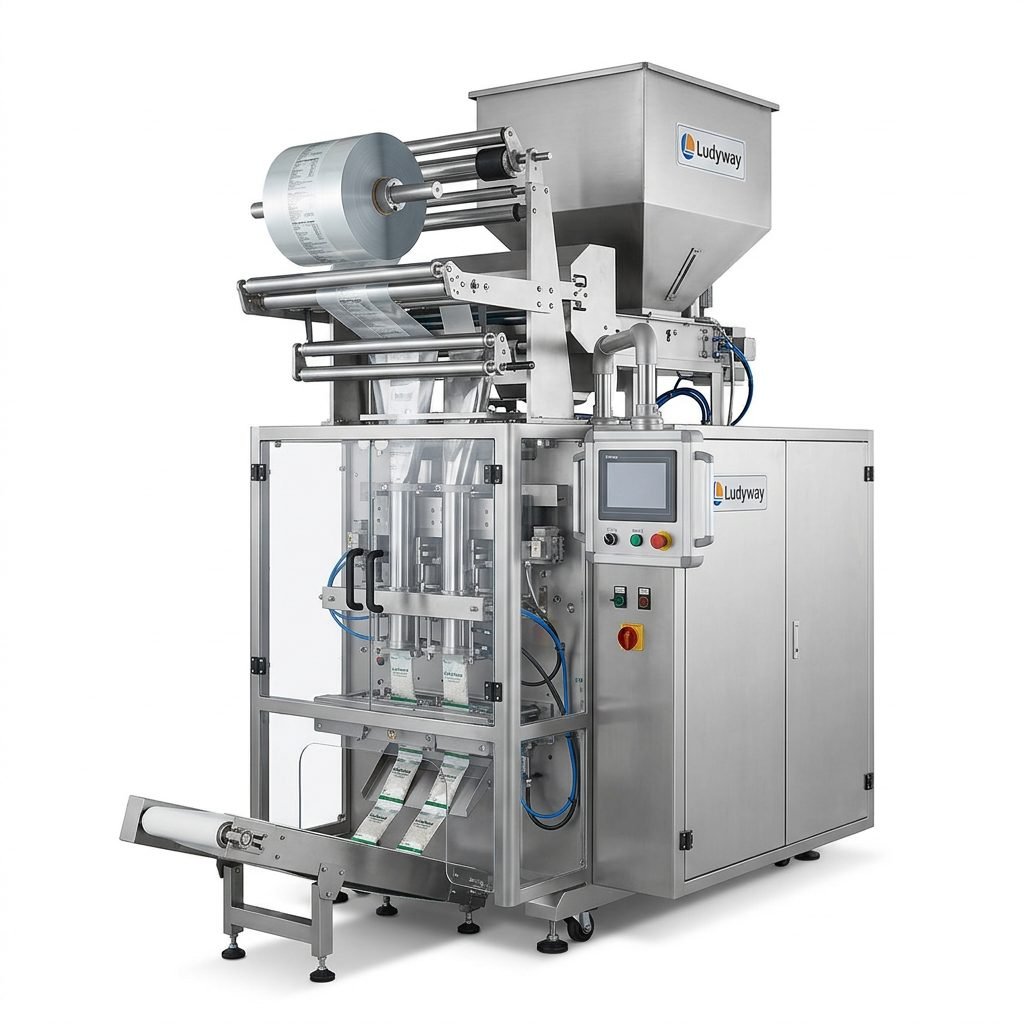
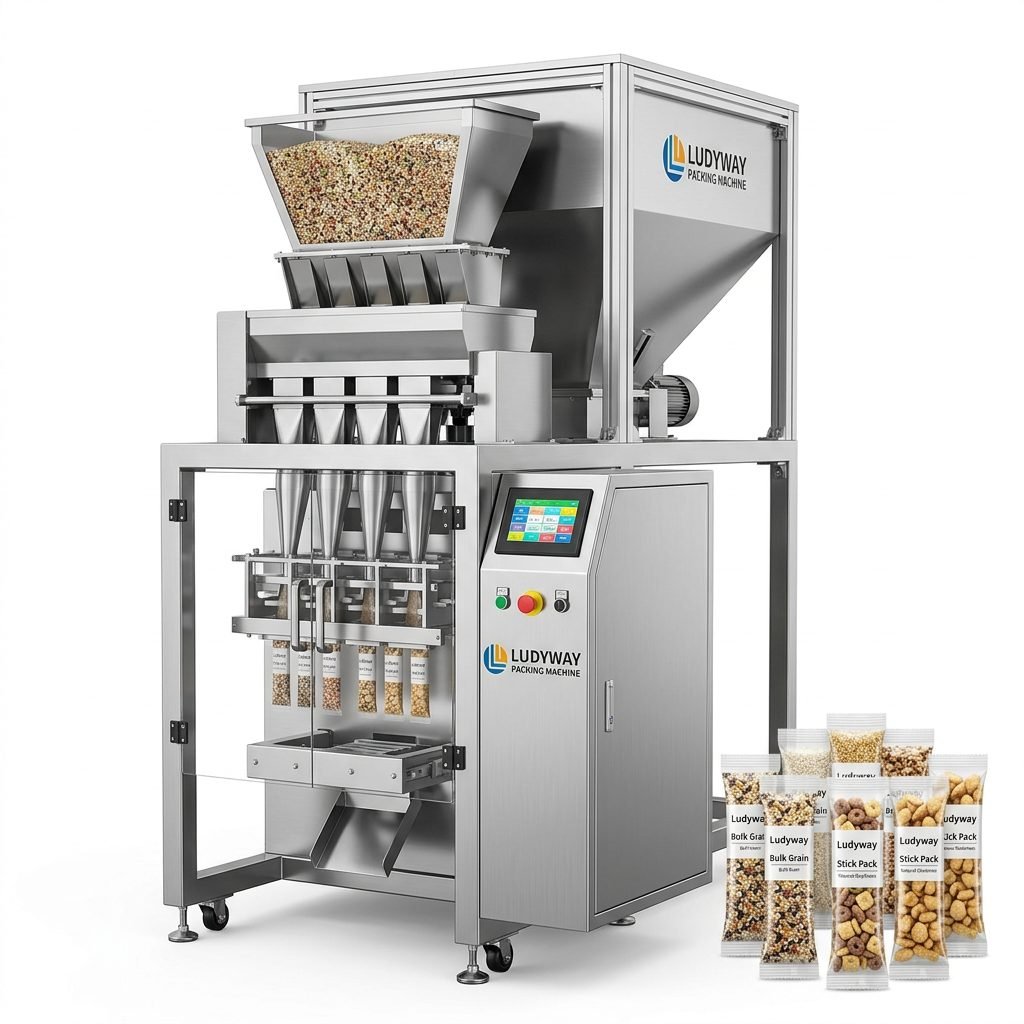
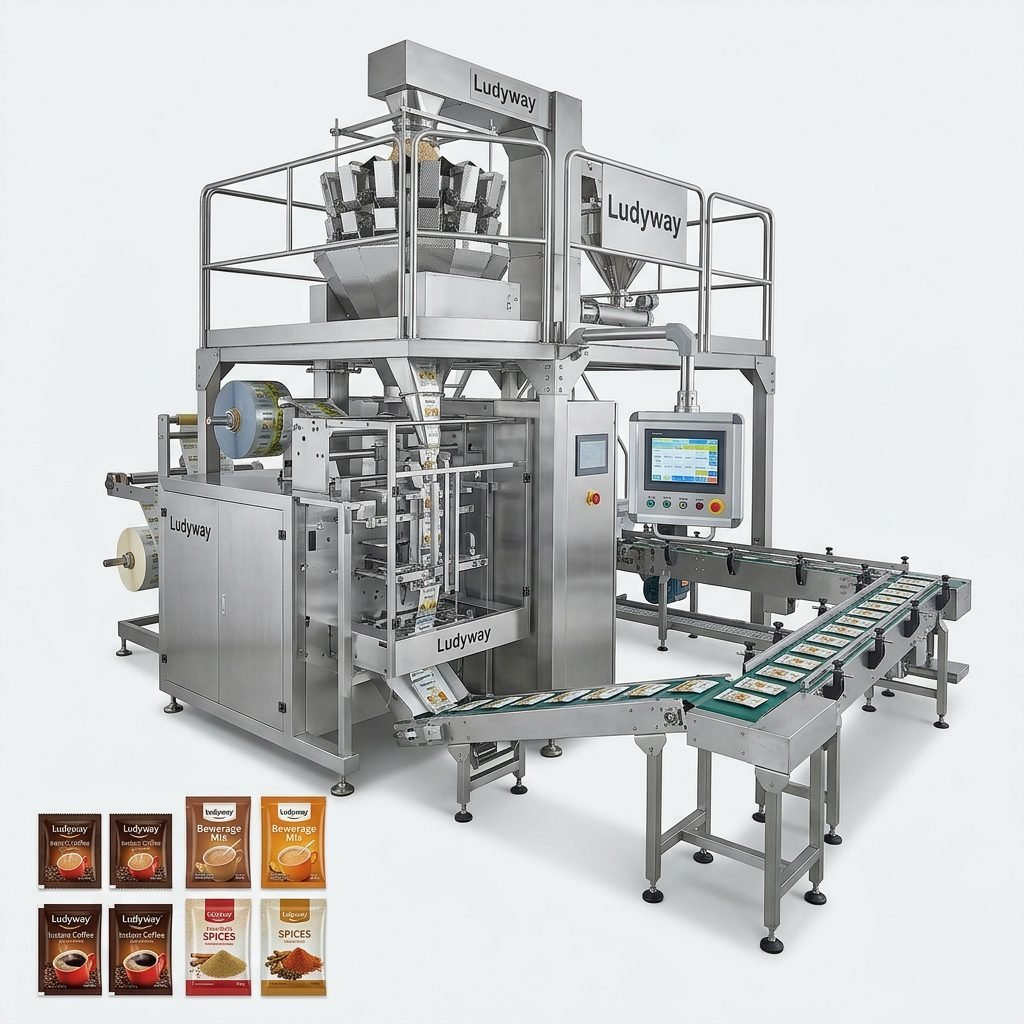
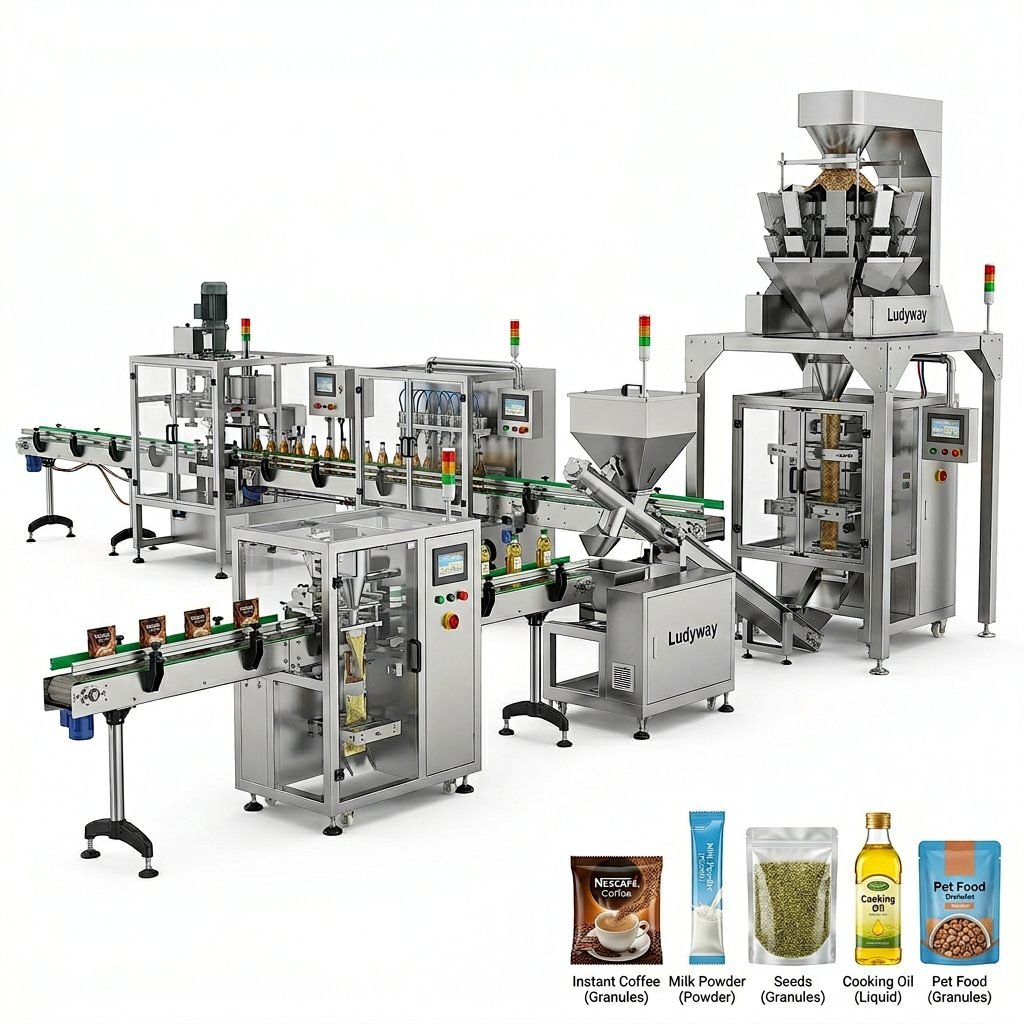
VFFS technology remains the workhorse of dry food packaging. These machines form bags from roll stock film, fill product, and seal — all in a continuous vertical motion. Modern VFFS systems with multi-head weighers achieve exceptional accuracy for products like nuts, dried fruits, and granola mixes that are widely consumed across the Gulf region.
Key Factors to Evaluate Before Purchasing
Making an informed investment requires careful evaluation of several critical parameters. Here is a structured overview of what to assess:
| Evaluation Factor | What to Look For | Why It Matters |
|---|---|---|
| Product Characteristics | Granule size, flowability, moisture content, abrasiveness | Determines feeder type, weighing mechanism, and seal requirements |
| Production Capacity | Packs per minute, lane count, shift hours | Ensures machine matches current and future output needs |
| Packaging Format | Stick pack, sachet, pouch, bag-in-box | Aligns with brand positioning and retail channel requirements |
| Film Compatibility | Heat-sealable, multi-layer barrier films, eco-friendly materials | Impacts shelf life and compliance with Middle Eastern climate conditions |
| Automation Level | Semi-automatic vs fully automatic with cartoning integration | Affects labor costs and overall line efficiency |
| Changeover Speed | Tool-free adjustments, recipe memory, quick-release parts | Minimizes downtime for multi-product manufacturing environments |
Beyond these technical factors, Middle East buyers should also consider voltage and frequency compatibility (typically 380V/50Hz in GCC countries), ambient operating temperature ranges, and the availability of local technical support.
Regulatory Compliance and Food Safety Standards
The Middle East enforces rigorous food safety regulations. Packaging equipment must comply with:
- GSO (GCC Standardization Organization) standards for food contact materials
- Halal certification requirements that extend to packaging processes
- ESMA (Emirates Authority for Standardization and Metrology) guidelines in the UAE
- SFDA (Saudi Food and Drug Authority) regulations for imported packaged foods
- ISO 22000 and HACCP compliance for food safety management
When selecting a dry food packaging machine, ensure the manufacturer provides stainless steel construction (preferably SS304 or SS316L for food contact parts), validated sealing integrity, and documentation supporting GMP compliance. Refer to FDA food packaging standards and ISO packaging standards as international benchmarks that often align with GCC requirements.

Total Cost of Ownership and ROI Analysis
The purchase price is only one component of the total investment. A comprehensive Total Cost of Ownership (TCO) analysis should account for:
- Initial capital expenditure — machine cost, shipping, import duties, and installation
- Consumables — packaging film, spare parts, lubricants, and wear components
- Energy consumption — electricity costs which vary significantly across GCC states
- Labor requirements — operator training and staffing levels per shift
- Maintenance contracts — preventive and corrective service agreements
- Downtime costs — lost production during repairs or changeovers
Most Middle Eastern food manufacturers achieve ROI within 18-36 months on a well-specified packaging line. The key is matching machine capabilities precisely to your product range and volume projections — avoiding both undersized equipment that bottlenecks growth and oversized machinery that wastes capital.
Climate Considerations for Packaging Machinery in the Gulf
The Middle East presents unique environmental challenges that directly affect packaging machine performance. High ambient temperatures (often exceeding 45°C in summer) and elevated humidity levels in coastal areas require special attention to:
- Cooling systems with adequate capacity for sustained high-temperature operation
- Moisture-resistant electrical enclosures and sealed control panels
- Corrosion-resistant materials for coastal and high-humidity installation environments
- Film storage and handling protocols to prevent material degradation before use
Machines with IP65-rated electrical protection and tropicalized components are strongly recommended for Gulf-based operations. Discuss climate adaptation features with your equipment supplier before finalizing specifications.
After-Sales Support and Service Networks
One of the most overlooked aspects of purchasing a dry food packaging machine is the availability of responsive after-sales support. For Middle East operations, consider:
- Local distributor or service partner presence in GCC countries
- Remote diagnostic capabilities for rapid troubleshooting
- Spare parts inventory stocked regionally to minimize lead times
- Operator training programs delivered in Arabic and English
- Warranty terms that cover parts and labor for at least 12 months
A manufacturer with established Middle Eastern service infrastructure can significantly reduce production risks. Industry resources like PMMI — The Association for Packaging and Processing Technologies and the Flexible Packaging Association offer valuable benchmarks for evaluating equipment suppliers and staying current with packaging technology trends.
Choosing the Right Manufacturing Partner
Selecting a reliable equipment manufacturer is as important as choosing the machine itself. Look for suppliers with proven experience exporting to Middle Eastern markets, documented success with dry food applications, and the engineering capability to customize solutions for your specific products. A manufacturer offering turnkey packaging solutions — from feeding and weighing through to cartoning and palletizing — can simplify project management and ensure seamless line integration.
Ludyway is one of the largest packaging machine manufacturers in China, specializing in advanced packaging equipment and turnkey production solutions for the food, pharmaceutical, and health industries. With over 30 years of industry expertise, the company provides reliable and efficient dry food packaging machines for granule, powder, and pouch packaging applications, supported by a modern 20,000㎡ manufacturing facility and an experienced engineering team serving customers in over 100 countries including the Middle East.
Future Trends in Middle East Dry Food Packaging
The market is evolving rapidly. Key trends shaping future equipment investments include:
- Sustainable packaging — demand for recyclable mono-materials and reduced plastic usage
- Smart factory integration — IoT-enabled machines with real-time production monitoring
- Flexible manufacturing — quick-changeover systems for diverse product portfolios
- E-commerce ready formats — packaging optimized for online retail and last-mile delivery
- Energy efficiency — machines designed for lower power consumption to reduce operational costs
For the latest industry data and market projections, consult resources such as the PMMI Business Intelligence Library and PMMI State of the Industry reports, which provide comprehensive packaging machinery market research relevant to global and regional planning.