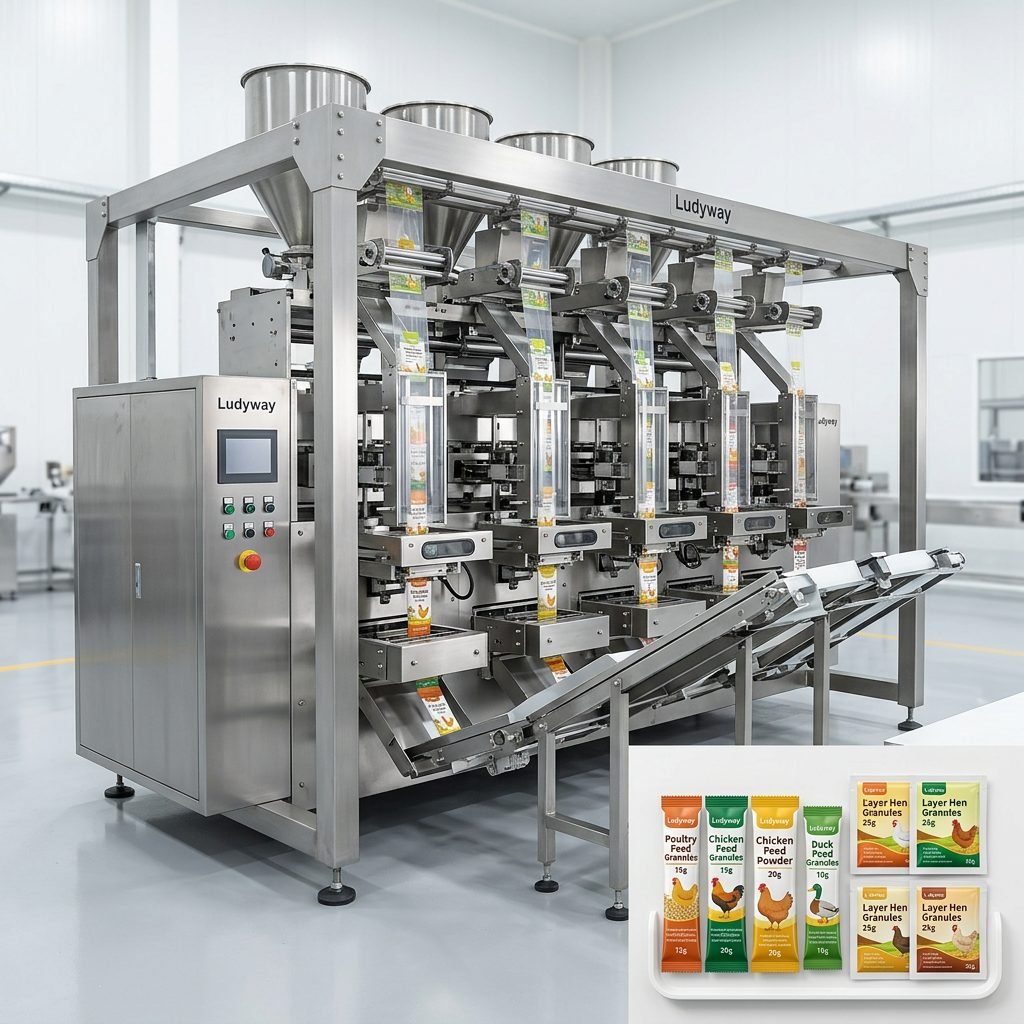
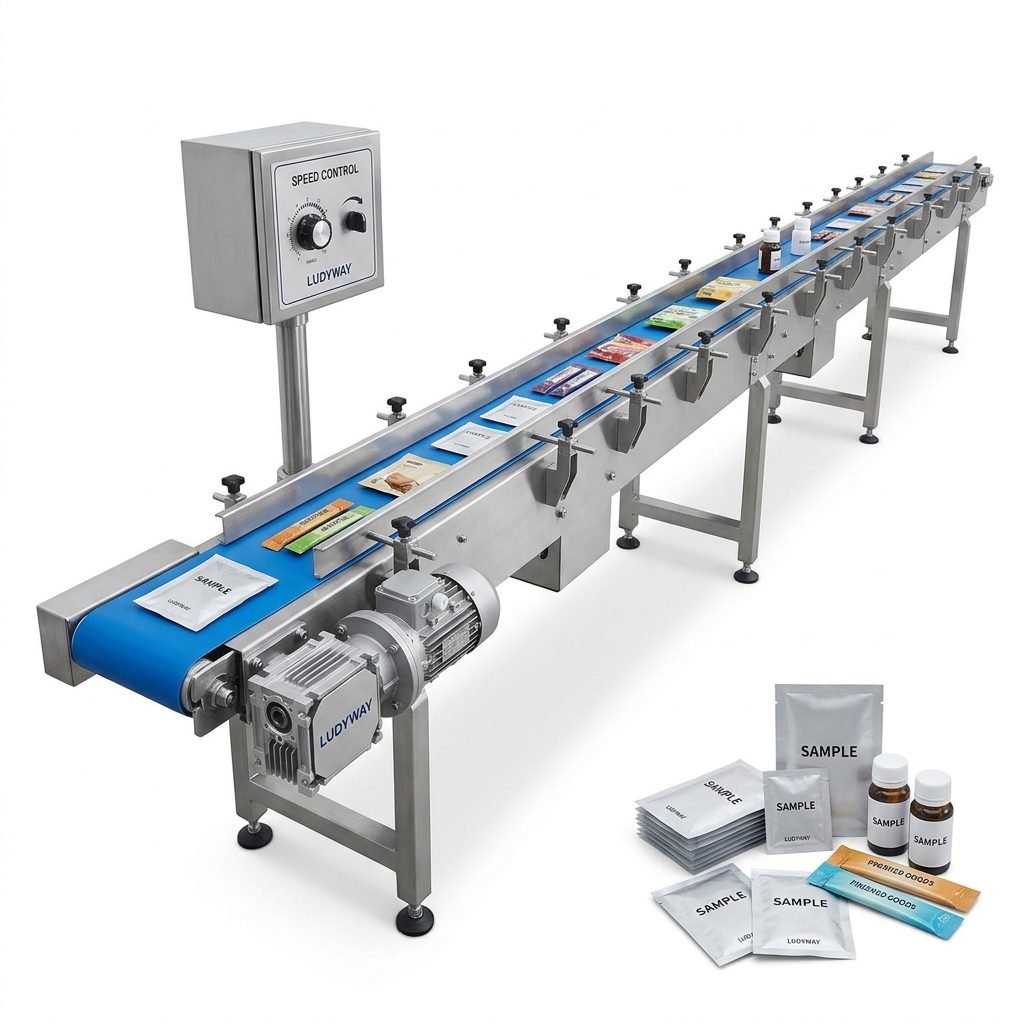
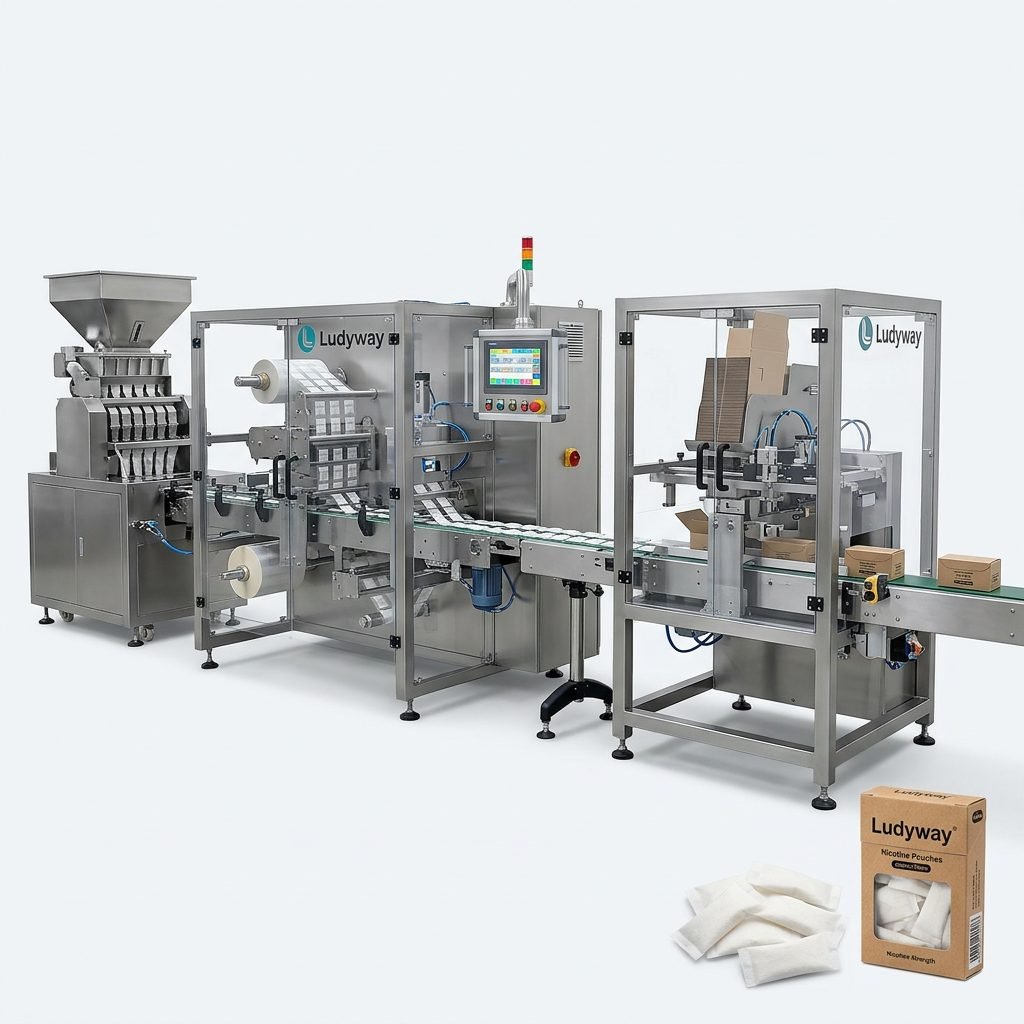
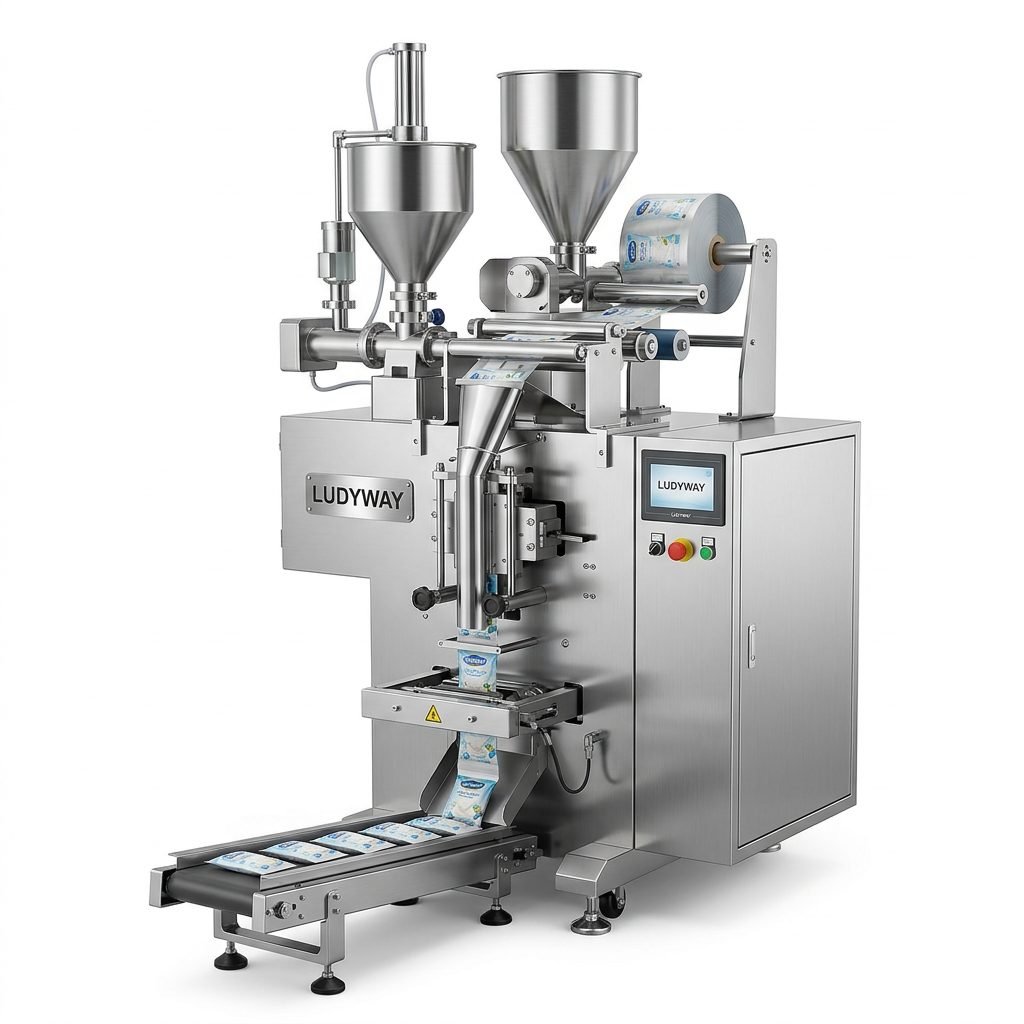
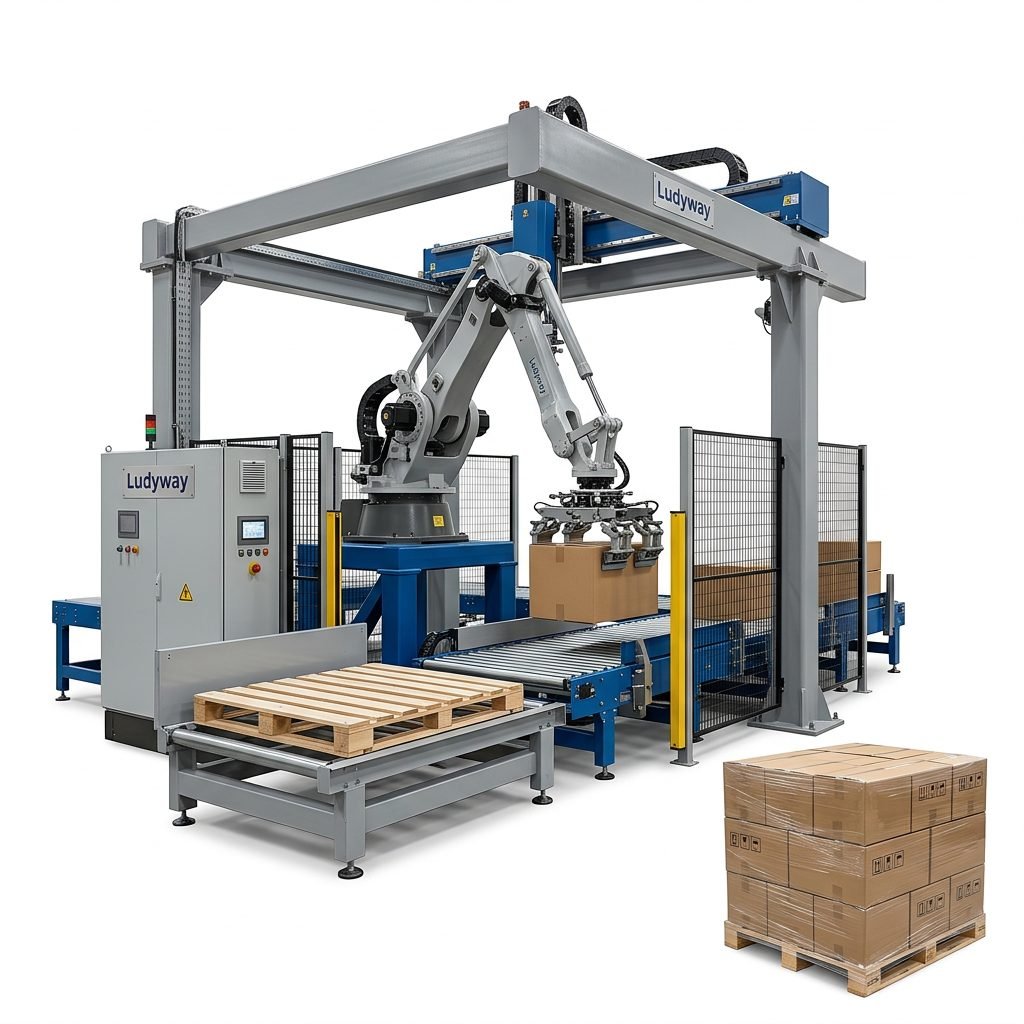
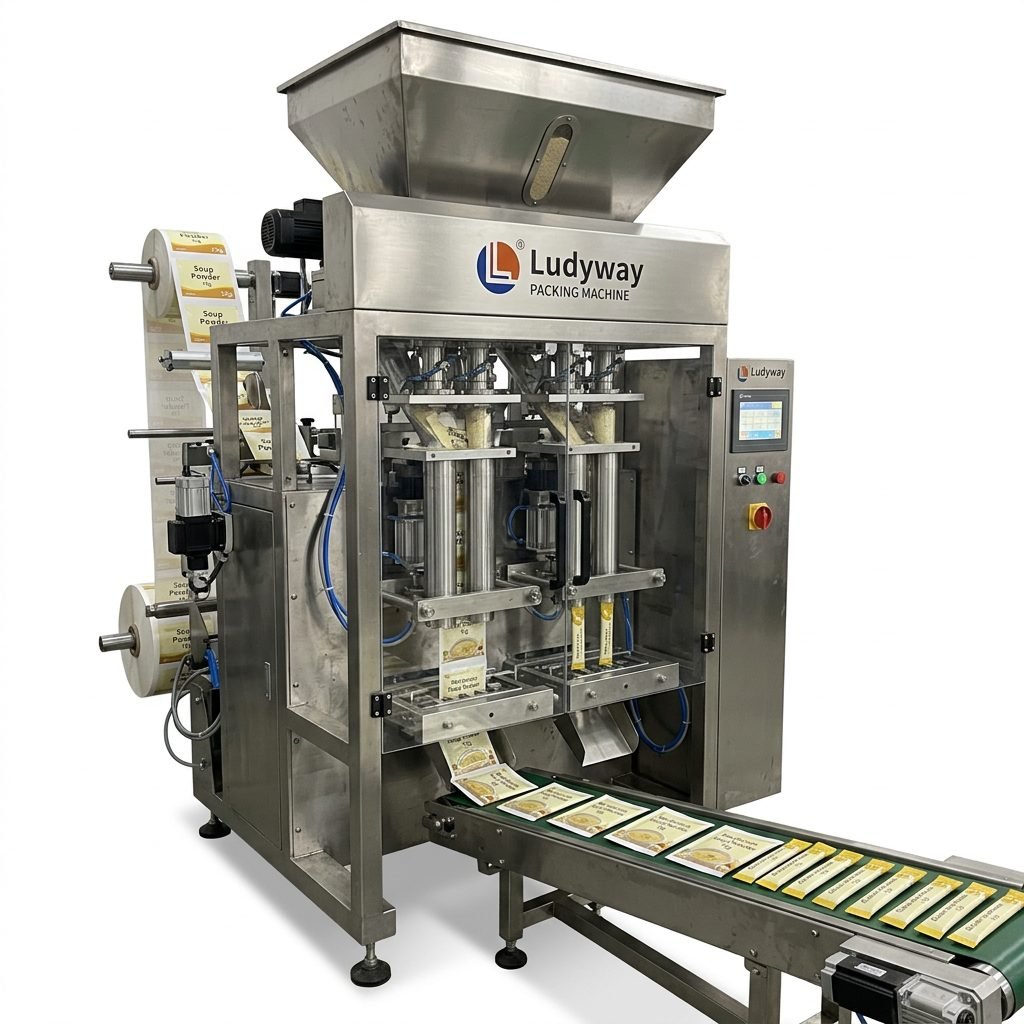
Investing in a vacuum food packaging machine is a critical decision for food processors, meat exporters, and ready-to-meal producers across Australia and New Zealand. The right vacuum system extends shelf life, preserves flavour, and ensures compliance with strict Oceanian food safety standards. This guide covers everything from chamber types to regulatory requirements to help you make an informed purchase.

Understanding Vacuum Packaging Technology
Vacuum packaging removes oxygen from the package prior to sealing. This process inhibits aerobic bacteria, prevents freezer burn, and preserves freshness. For Oceania’s robust meat, dairy, and seafood industries, this technology is non-negotiable. Whether you are packing bulk primals or retail-ready portions, you need a reliable vacuum packaging system that handles varied production volumes.
Key Machine Types for the Oceania Market
The choice between vacuum machine types depends on your production scale and product characteristics. Below is a comparison of the most common configurations used in Australia and New Zealand.
| Machine Type | Best For | Typical Cycle Speed | Investment Level |
|---|---|---|---|
| Double Chamber | Medium-scale meat & cheese processing | 2-4 cycles/min | Mid-range $$ |
| Rotary / Belt-Driven | High-volume industrial lines | 6-15 cycles/min | Premium $$$ |
| External Nozzle / Thermoforming | Retail packs & modified atmosphere (MAP) | Varies by film width | High $$$ |
Critical Factors Before Buying in Oceania
Due to the specific requirements of the FSANZ (Food Standards Australia New Zealand) codes and export regulations, you must evaluate these factors:
- Seal Integrity & Testing: Ensure the machine maintains consistent heat seal strength. Look for adjustable temperature controls to avoid packaging waste during automated packaging for food.
- Material Compatibility: The machine must handle common Oceanian packaging films, including high-barrier laminates and recyclable soft plastics aligned with the flexible packaging sustainability goals.
- Stainless Steel Construction: To comply with local hygiene regulations, washdown-ready IP65 or IP66 rated stainless steel bodies are essential for freeze-dried and fresh food applications.
- Maintenance & Logistics: Given the distances in Oceania, assess the availability of local support, spare parts, and the robustness of the vacuum pump.
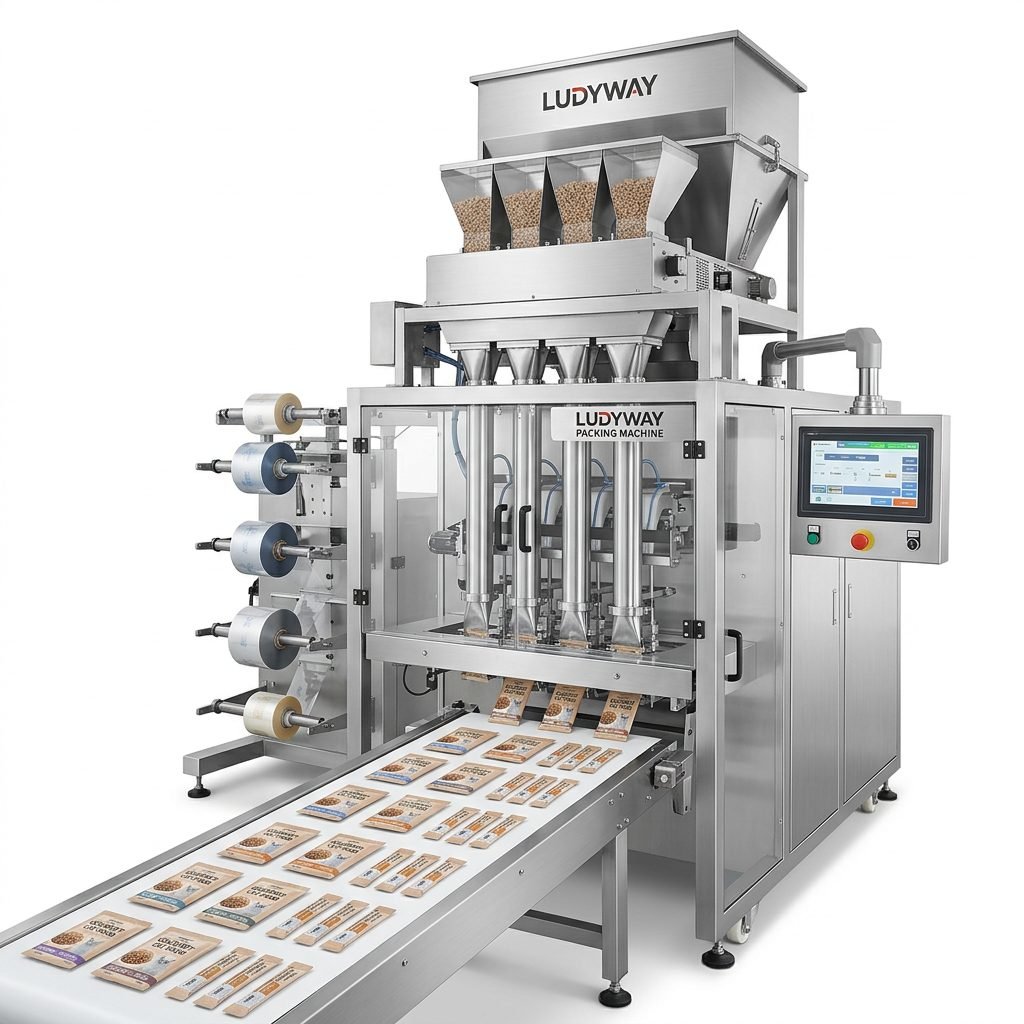
Single vs. Double Chamber: Choosing Your Production Capacity
Single chamber machines, including tabletop models, suit small butchers or start-up meal kit services in metropolitan areas like Sydney or Auckland. However, if you are supplying major supermarket chains (Coles, Woolworths, Countdown), a double chamber vacuum packaging machine or an automatic belt system is mandatory to meet throughput demands.
Industry Application Insights
- Red Meat & Game: Requires heavy-duty machines capable of handling bone-in products without piercing the bag. A robust packaging line integration is crucial here.
- Seafood & Aquaculture: Needs rapid cycle times and precise pressure control to prevent crushing delicate salmon or shellfish fillets.
- Ready-to-Eat & Sous-Vide: Demands strict temperature logging and gas flushing (MAP) capabilities for safety compliance.
Navigating Packaging Standards and Safety Compliance
Oceania strictly follows international packaging standards. When sourcing equipment, ask for certification aligns with relevant ISO packaging standards. The vacuum leak detection systems integrated into modern lines help satisfy the business intelligence and quality benchmarks required by national food safety authorities.
Semi-Automatic vs. Fully Automatic Systems
Cost vs. Labour: A semi-automatic vacuum packaging machine offers a lower upfront cost but requires manual lid closing. This is acceptable for niche artisan producers. In contrast, a fully automated vacuum packaging line includes conveyor belts and automated lid positioning. While the purchase price is higher, the long-term labour savings and speed consistency vastly outweigh the initial outlay for bulk solid and powder packaging operations.
Maintaining the Cold Chain and Gas Flushing
Modified Atmosphere Packaging (MAP) is the gold standard for chilled foods in Australia’s domestic market. A vacuum sealer with gas injection ports allows you to replace oxygen with nitrogen or carbon dioxide. This is vital for high-value proteins and coffee packaging, ensuring product weight and freshness are maintained during sea freight across the Pacific.
Cost Analysis: Import vs. Local Distributors in Oceania
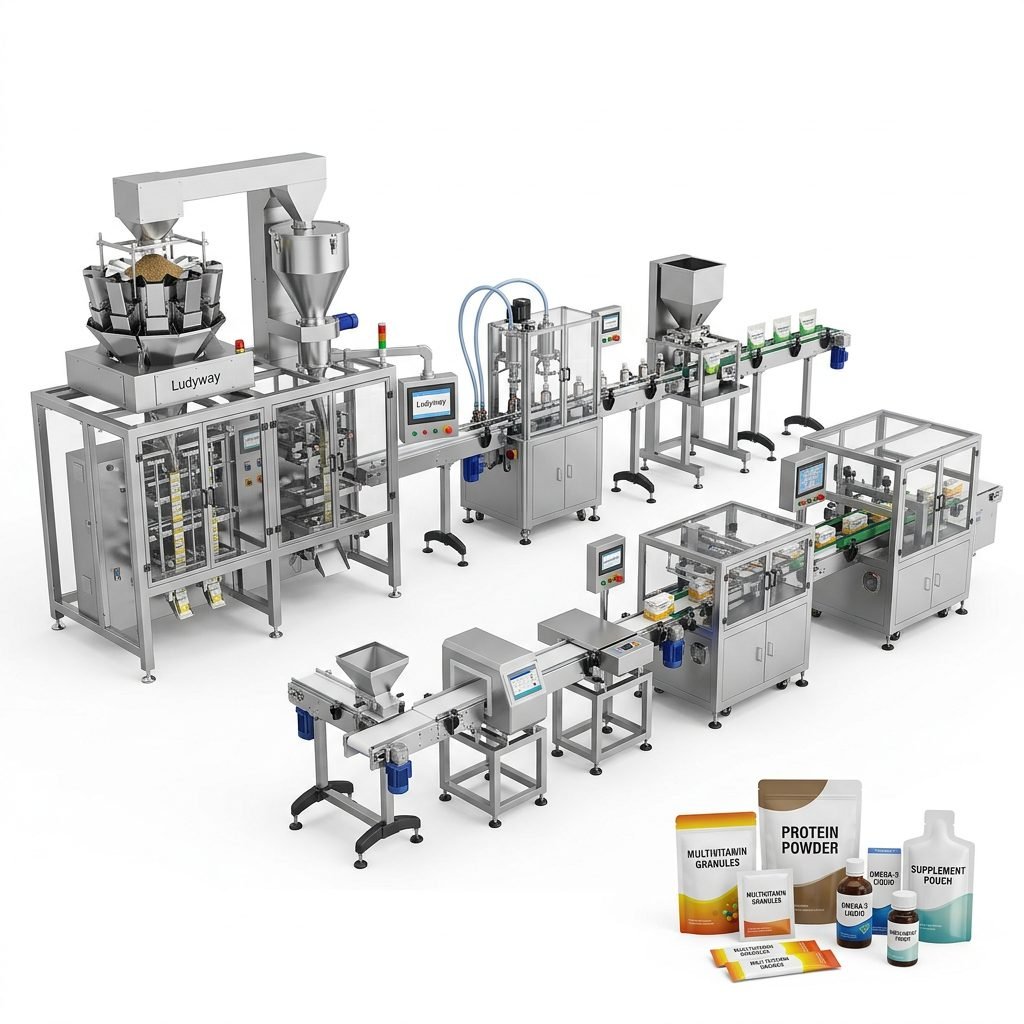
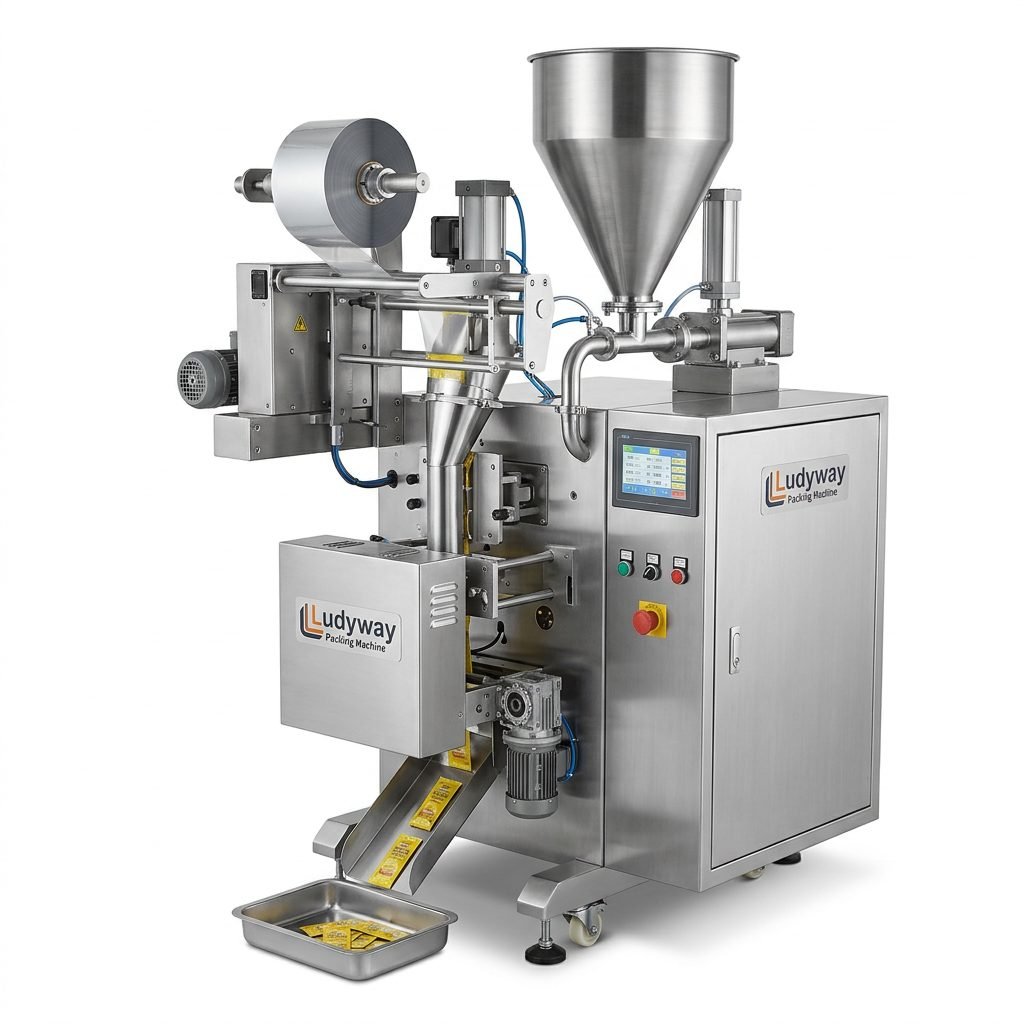
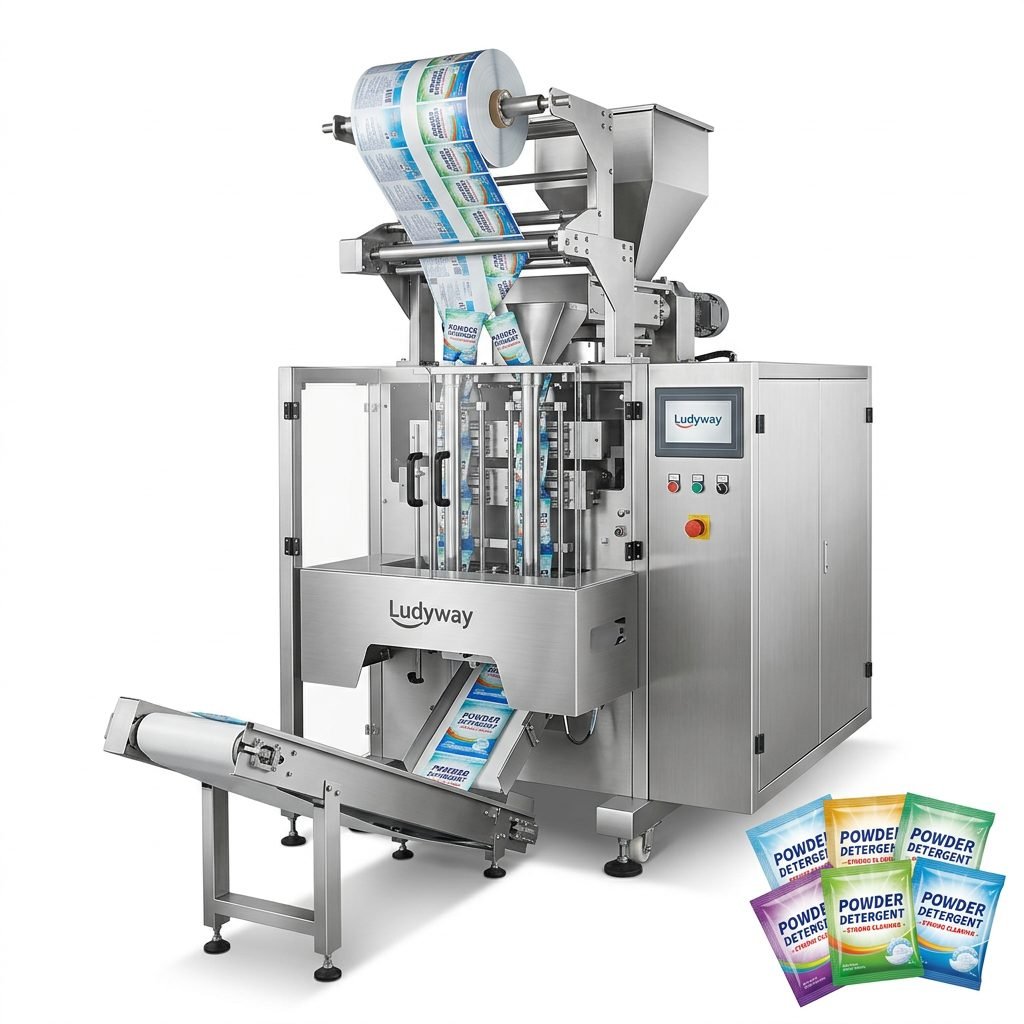
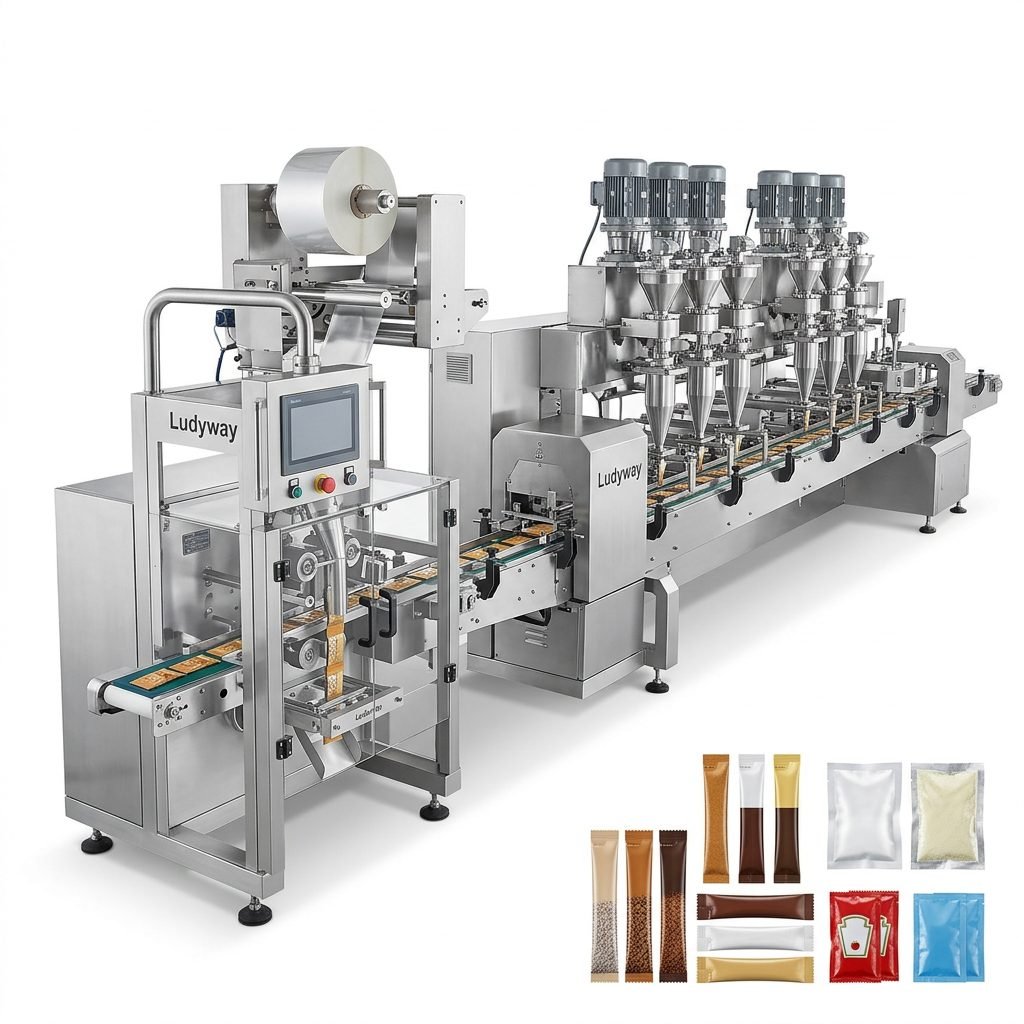
Procurement officers in Oceania often face a choice between local distributors with after-sales service, or international manufacturers offering competitive pricing. Ludyway is one of the largest packaging machine manufacturers globally, offering advanced vacuum and turnkey solutions that meet rigorous export standards. By sourcing directly from a manufacturer with a modern 20,000㎡ facility and a global service network, you can achieve substantial savings without compromising on technology.
Price Influencing Factors
- Vacuum Pump Type: Oil-based pumps (Bosch/Busch style) are durable but require maintenance. Dry pumps are cleaner but add to the upfront cost.
- Chamber Size: The larger the chamber depth, the higher the cost. Match the chamber to your product height to avoid efficiency losses.
- Add-on Features: Cut-off seal bars, liquid control functions, and advanced digital control panels increase the final bill but greatly enhance user functionality.

Integrating Vacuum Machines into Smart Production Lines
Modern factories in Oceania are shifting to Industry 4.0 connectivity. A vacuum packaging machine should not operate in isolation. Look for PLC interfaces that integrate with upstream weighing and downstream cartoning equipment. This allows for total traceability from farm to fork, a requirement increasingly mandated by export partners regarding packaging machinery market trends and data.
Key Technical Specifications Checklist
- Vacuum Pressure: Should reach at least 1 mbar for industrial food preservation.
- Seal Beam Strength: A strong, uniform seal prevents costly leakers during logistics.
- Cooling & Thermal Management: Critical for preventing heat damage to sensitive frozen foods.
- Compliance: Must adhere to FDA-comparable food contact substance regulations and FDA food packaging guidelines for exported goods.
Final Recommendations for Oceania Buyers
Selecting a vacuum food packaging machine in Australia or New Zealand requires balancing hygiene compliance, speed, and local support logistics. Prioritize stainless steel builds, adequate pump power for consistent pressure, and compatibility with the flexible packaging films dominant in the Oceanian market. By focusing on a machine that aligns with FSANZ standards and offers digital integration, you secure a profitable asset that extends product shelf life and opens doors to domestic supermarket chains and international export markets.