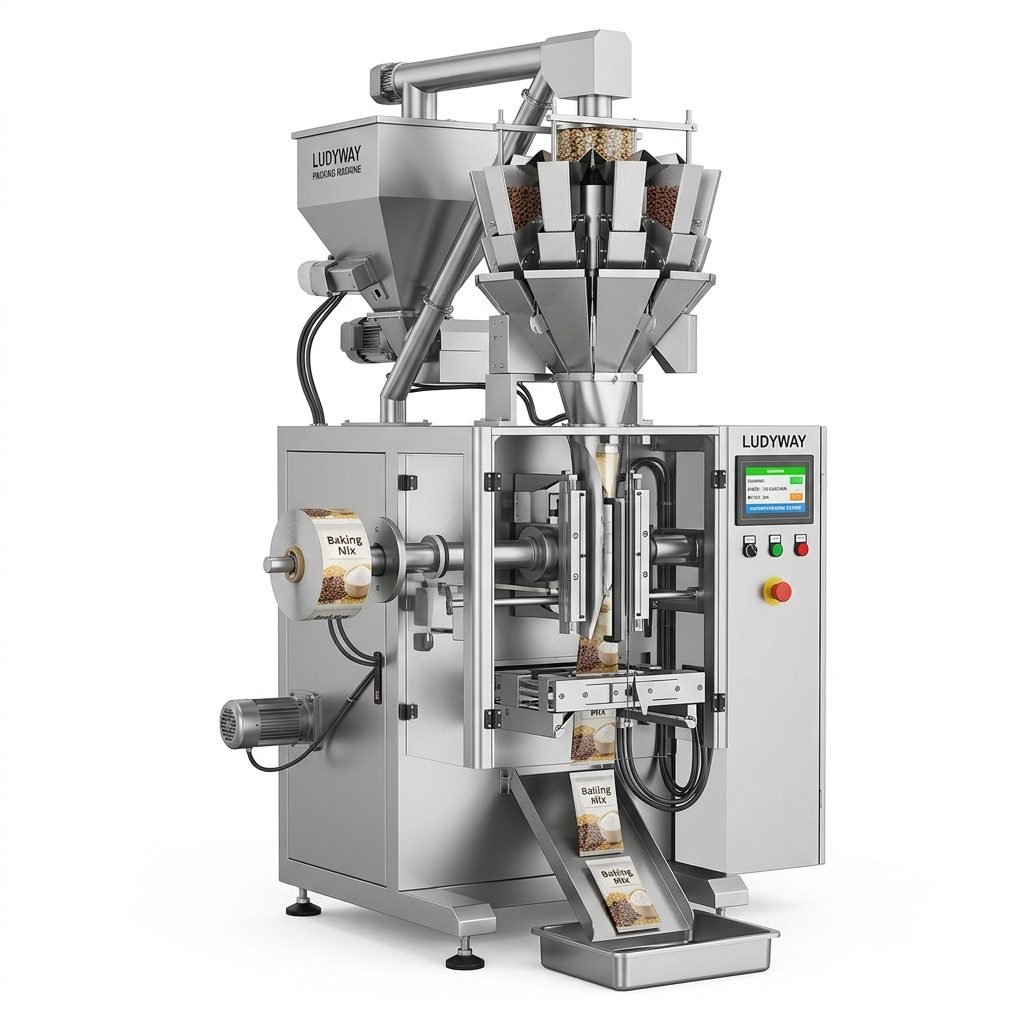
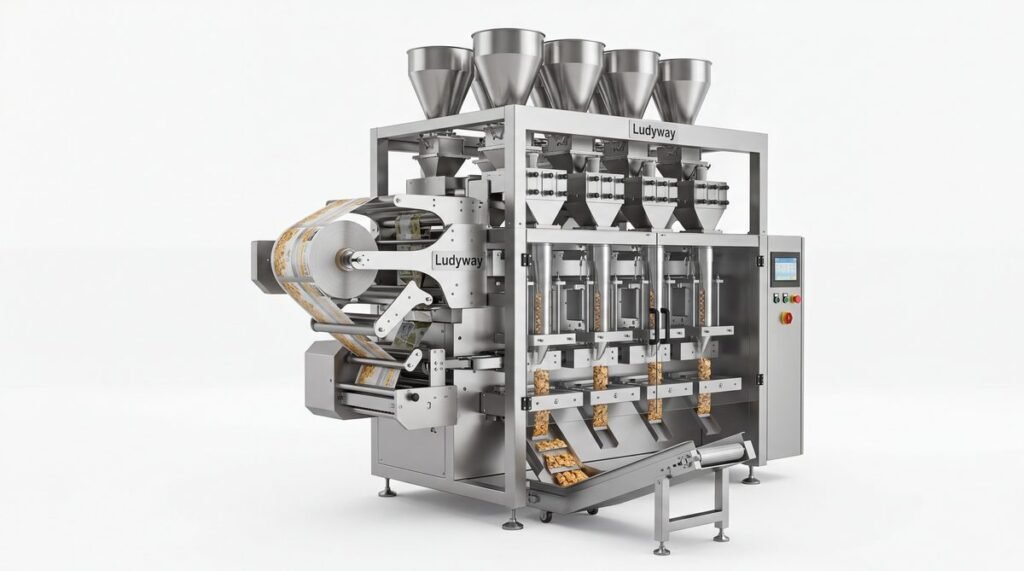
Establishing a coffee pod packaging machine production line in Germany requires careful planning, adherence to strict EU regulations, and the selection of high-performance equipment. Germany is Europe’s largest coffee market, and the demand for single-serve coffee capsules continues to rise, making it a strategic location for automated packaging operations. This guide walks you through the essential steps to set up a successful production line, from initial concept to full-scale manufacturing.
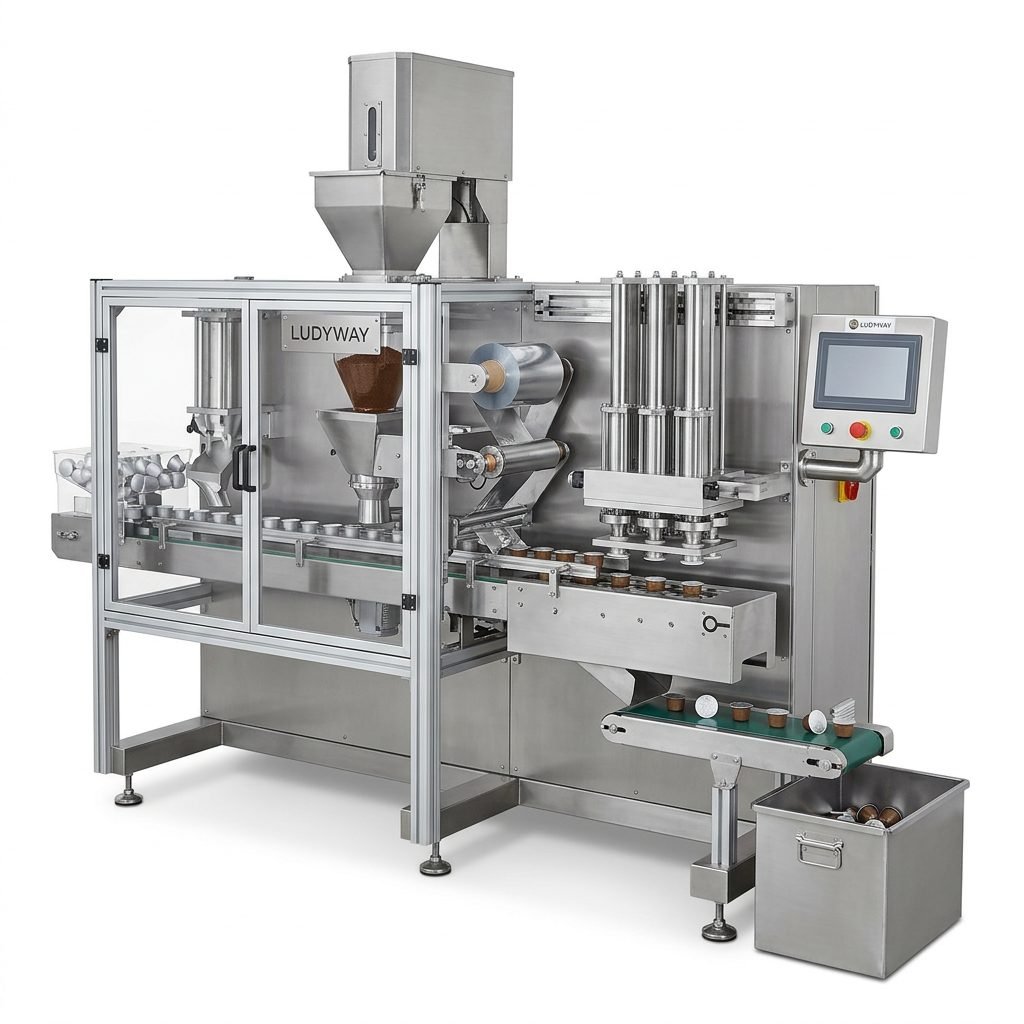
1. Understanding the German Coffee Pod Market and Regulatory Landscape
Before investing in machinery, it is critical to understand the market dynamics. Germany has a mature coffee culture with a strong preference for portion-pack coffee systems. The Flexible Packaging Association highlights sustained growth in single-serve formats across Europe. Additionally, all equipment must comply with EU Machinery Directive 2006/42/EC and relevant food contact material regulations. Ensuring your production line meets food safety standards and local GS (Geprüfte Sicherheit) or CE marking requirements is non-negotiable.
2. Selecting the Right Coffee Pod Packaging Machine
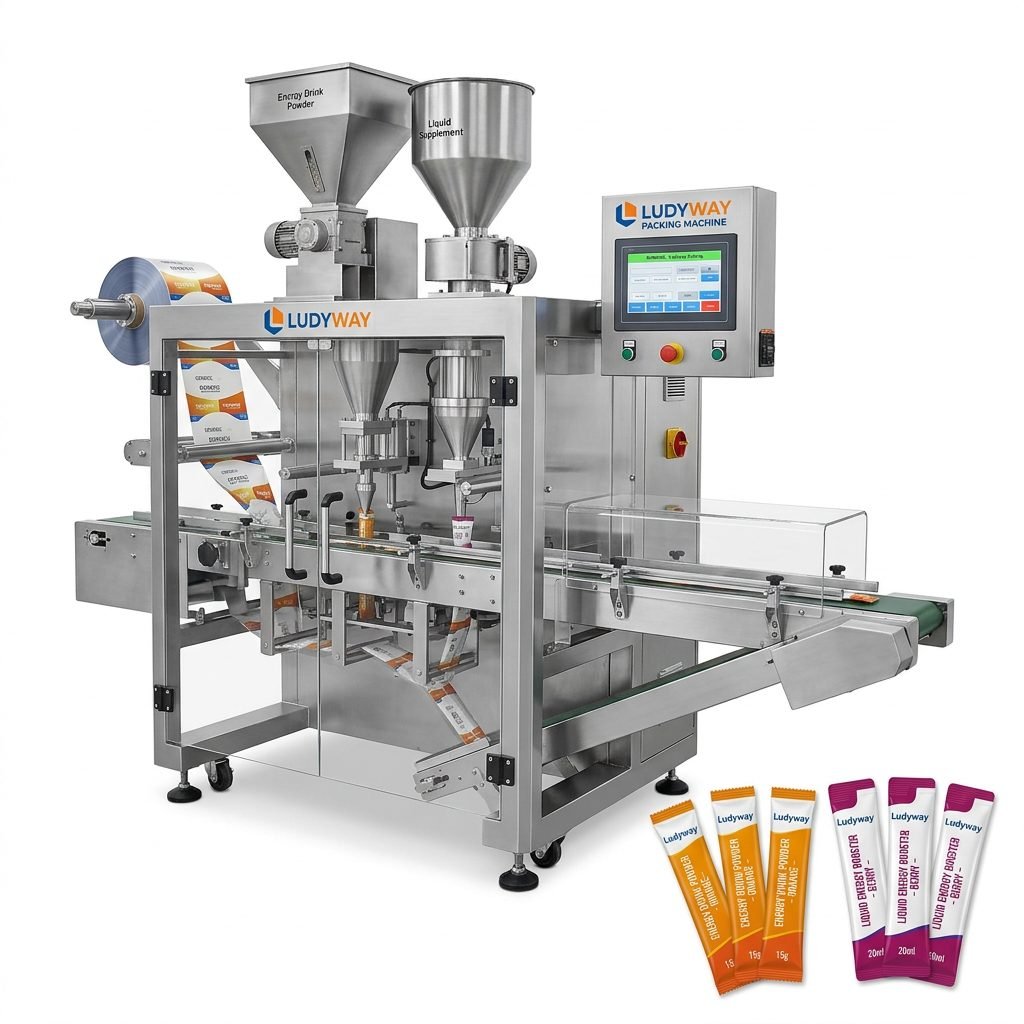
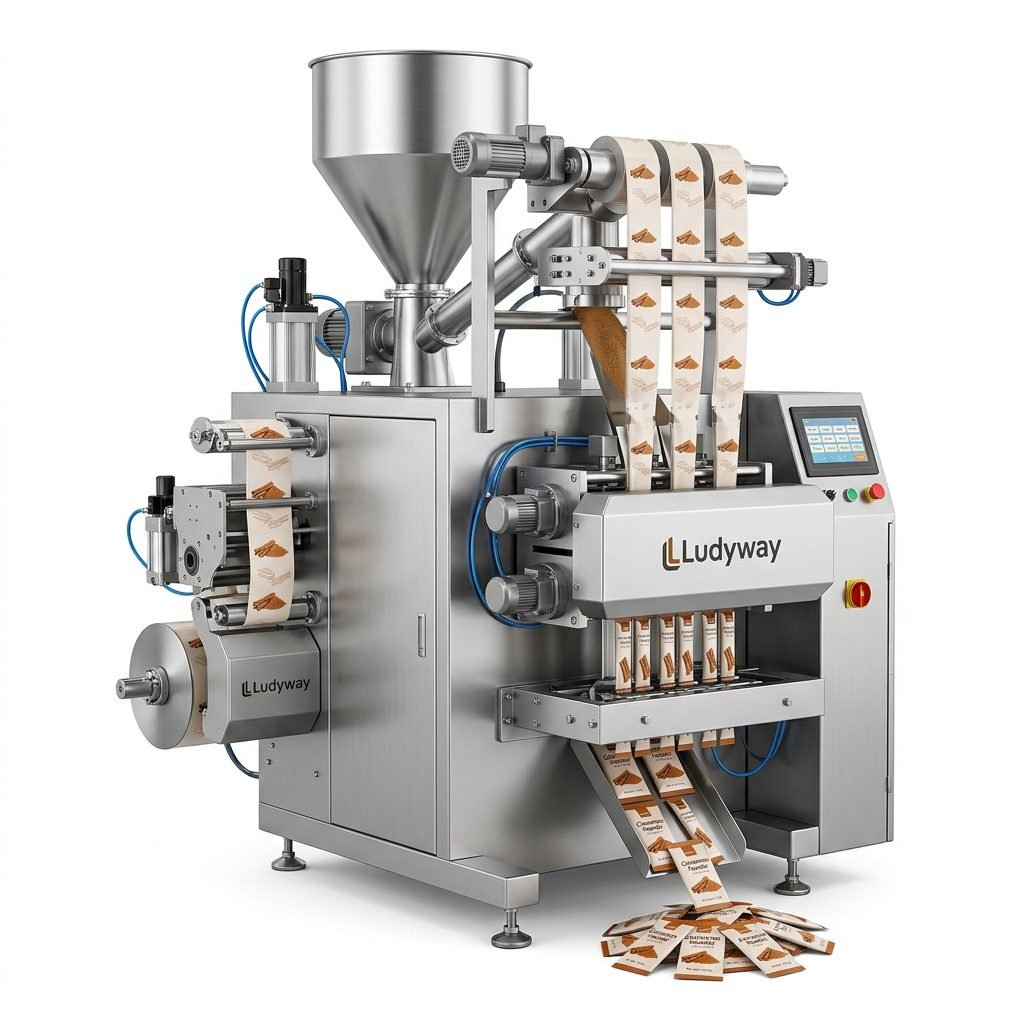
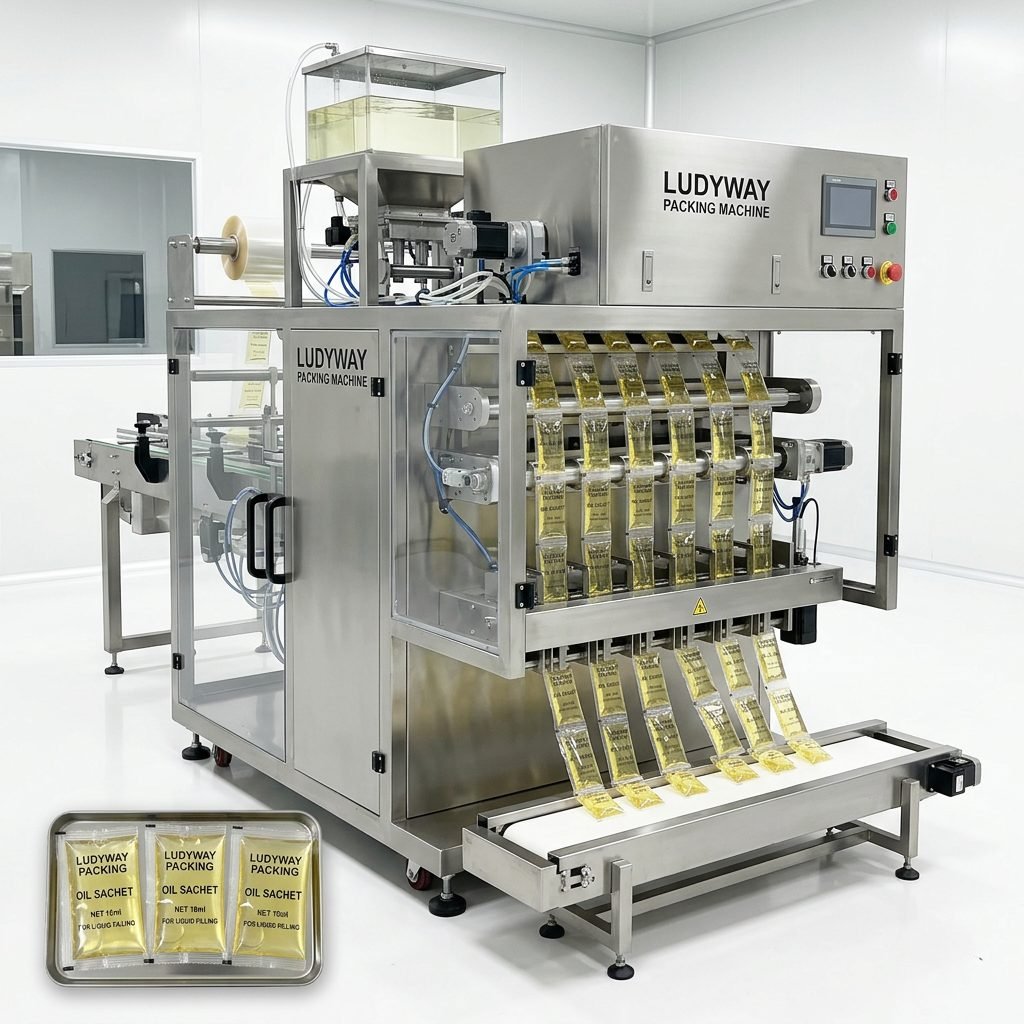
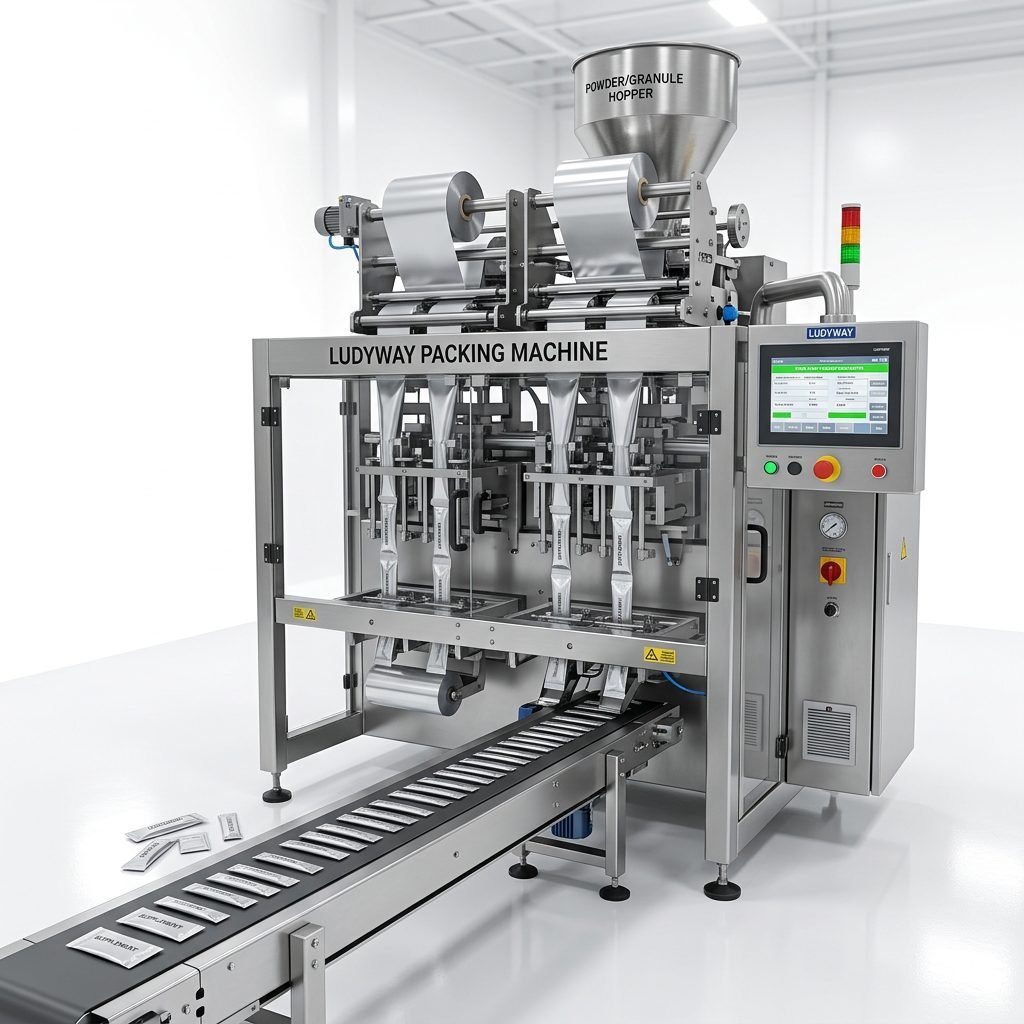
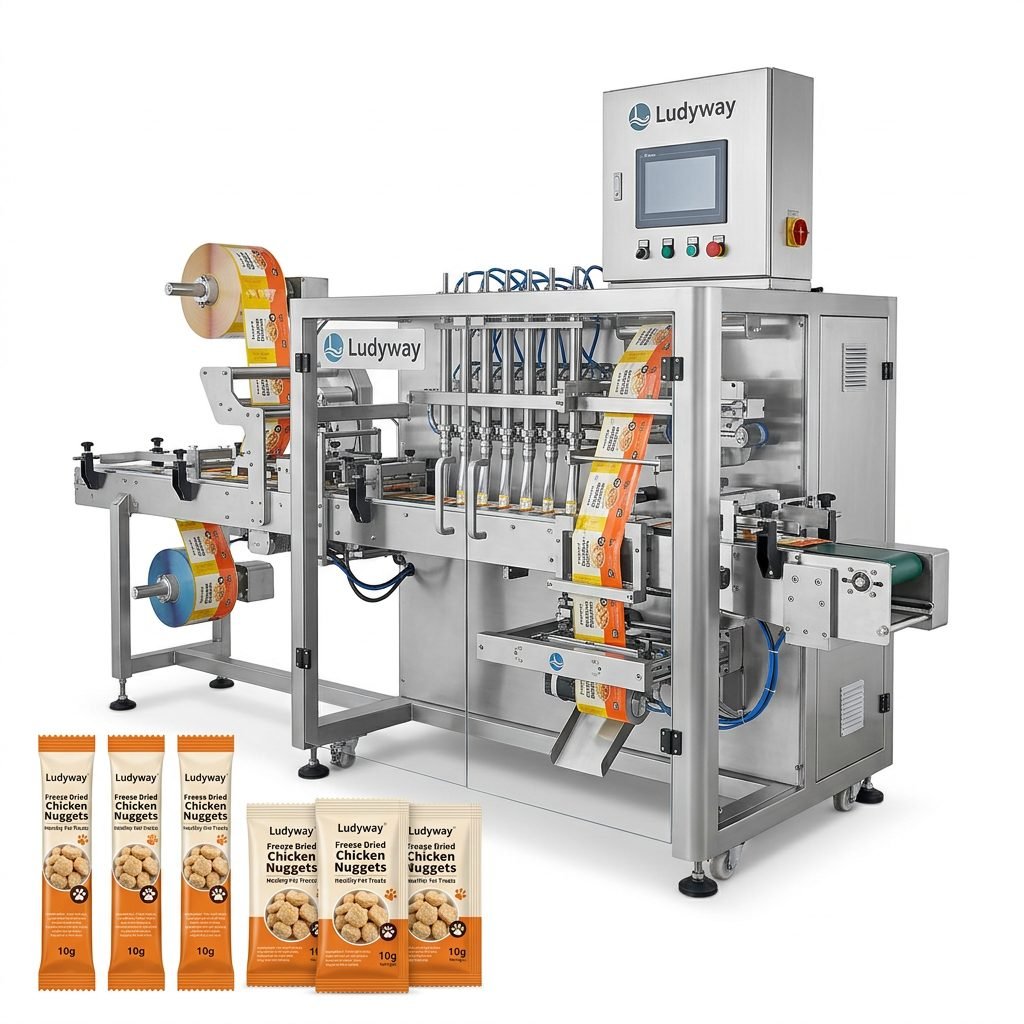
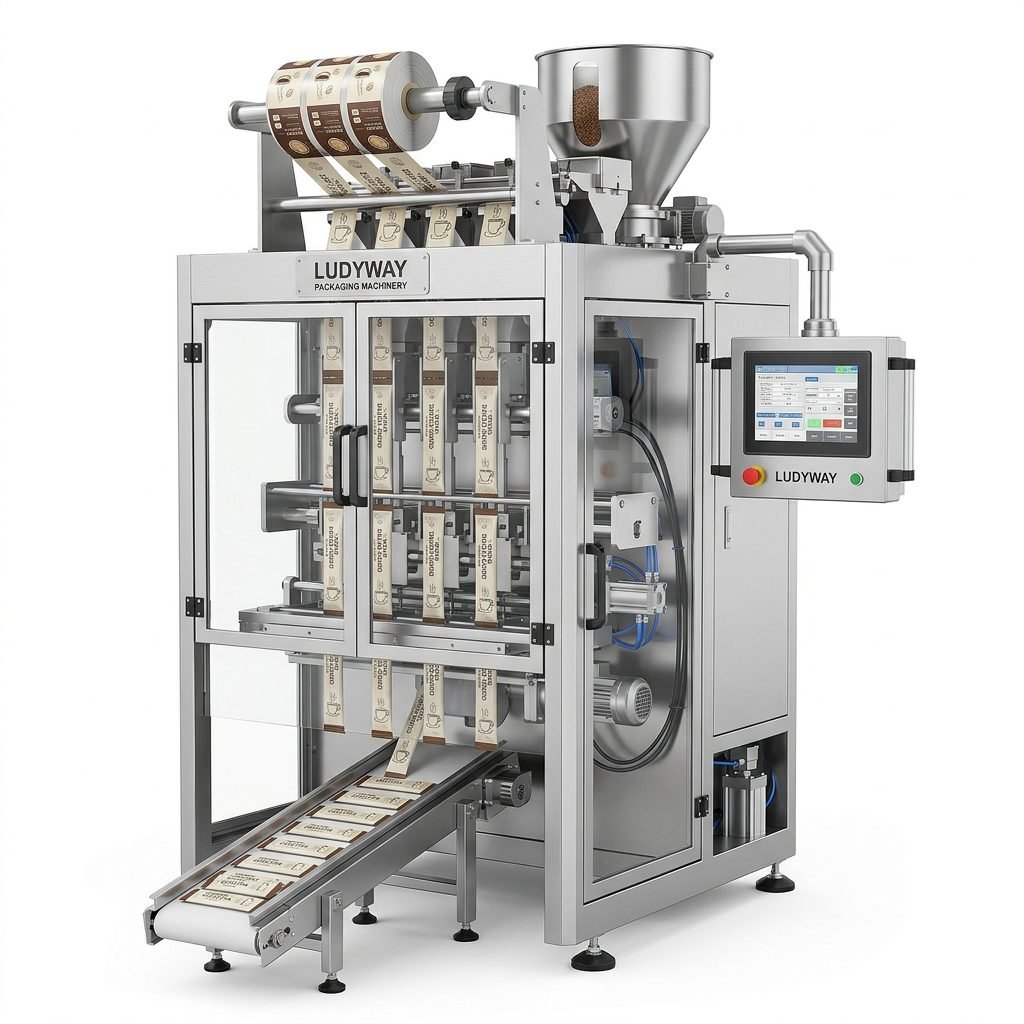
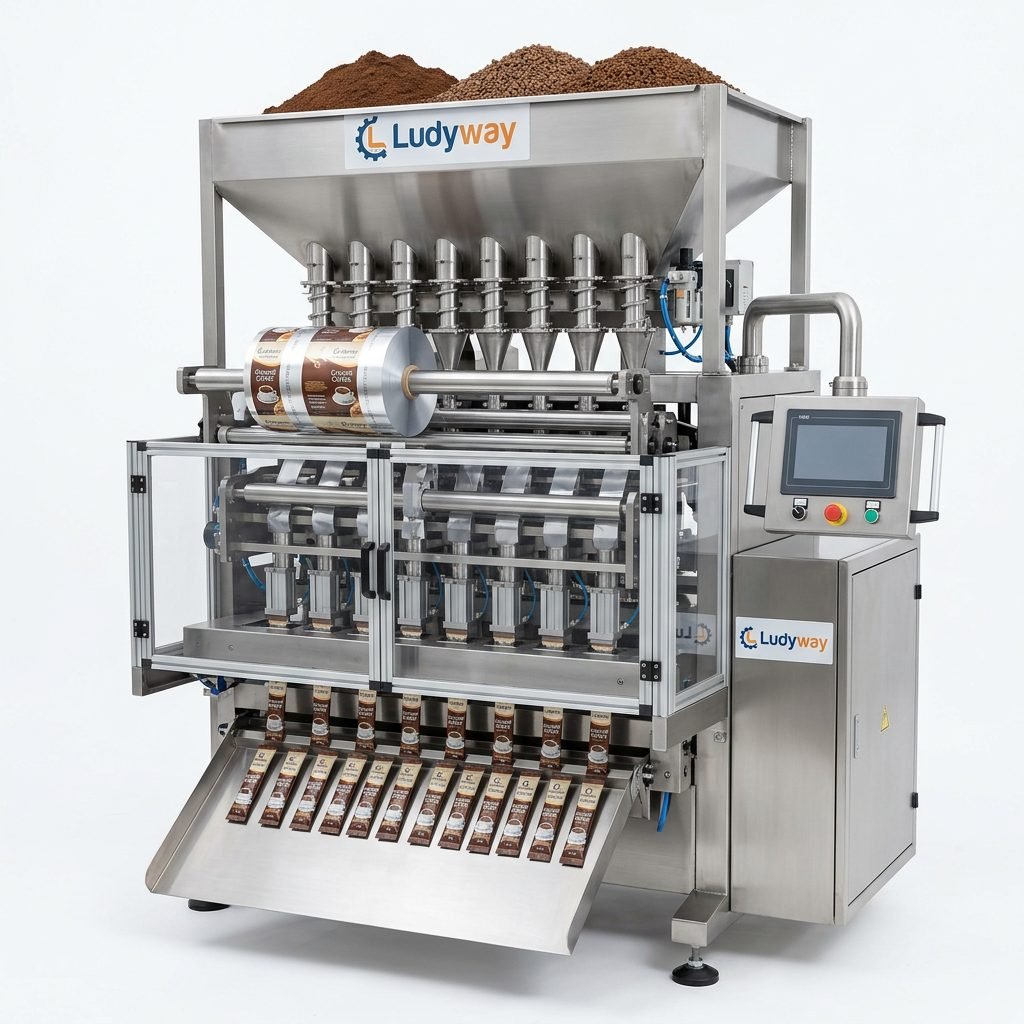
The core of your line is the packaging machine. For coffee pods, multi-lane stick pack and sachet machines are widely adopted because they offer high output while maintaining precise dosing for ground coffee. Key technologies to evaluate include:
- Multi-lane form-fill-seal (FFS) systems capable of producing up to 1,200 pods per minute.
- Auger or volumetric fillers designed for fine coffee grounds with minimal dust.
- Modified atmosphere packaging (MAP) compatibility to preserve aroma and extend shelf life.
- Easy clean design that supports quick product changeovers.
- Integration with automatic cartoning and case packing end-of-line systems.
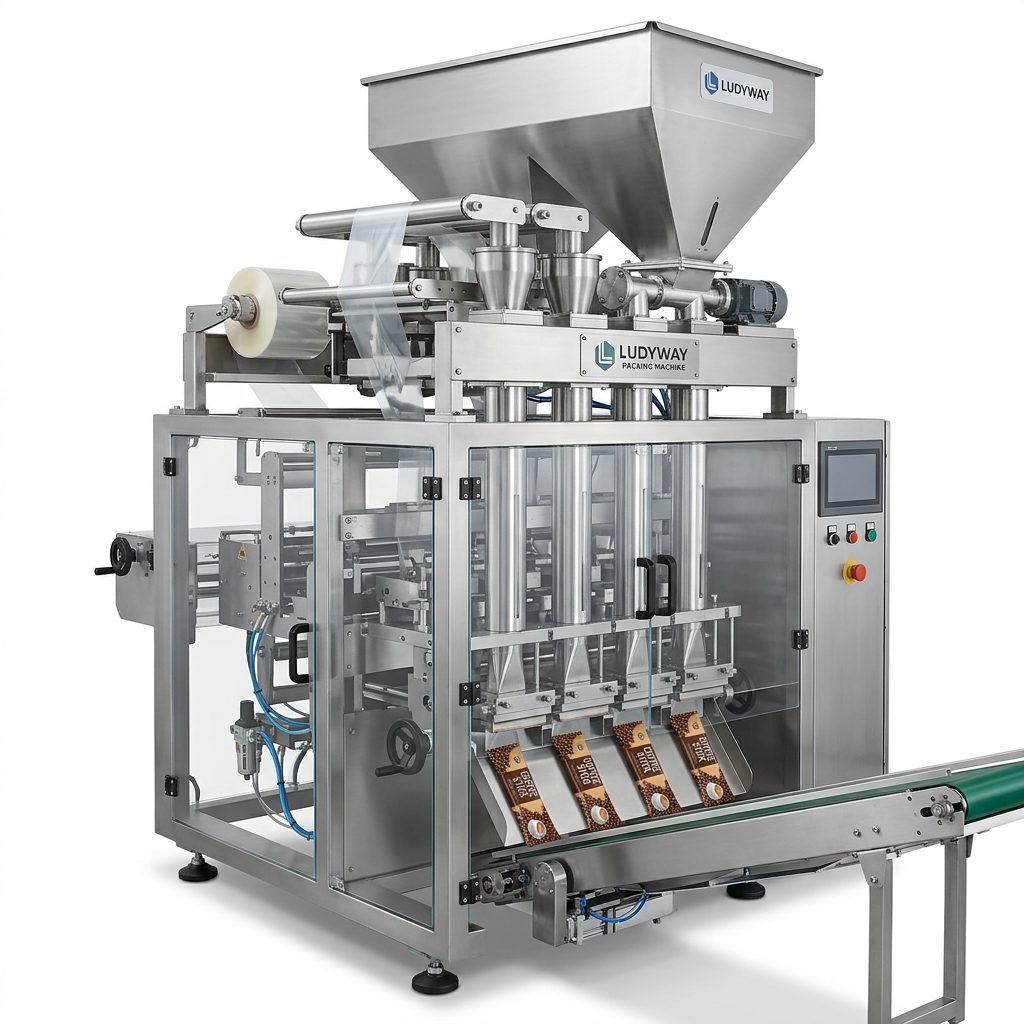
Key Machine Specifications to Compare
When contacting suppliers, request detailed specifications and use a structured comparison table to make data-driven decisions.
| Feature | Standard Model | High-Speed Model |
|---|---|---|
| Max Lanes | 4 – 6 lanes | 8 – 12 lanes |
| Film Width | 320 mm | 520 mm |
| Fill Range | 5 – 15 g | 6 – 12 g |
| Production Speed | up to 400 pods/min | up to 800 pods/min |
* Specifications may vary by model and configuration.
3. Designing the Complete Production Line Layout
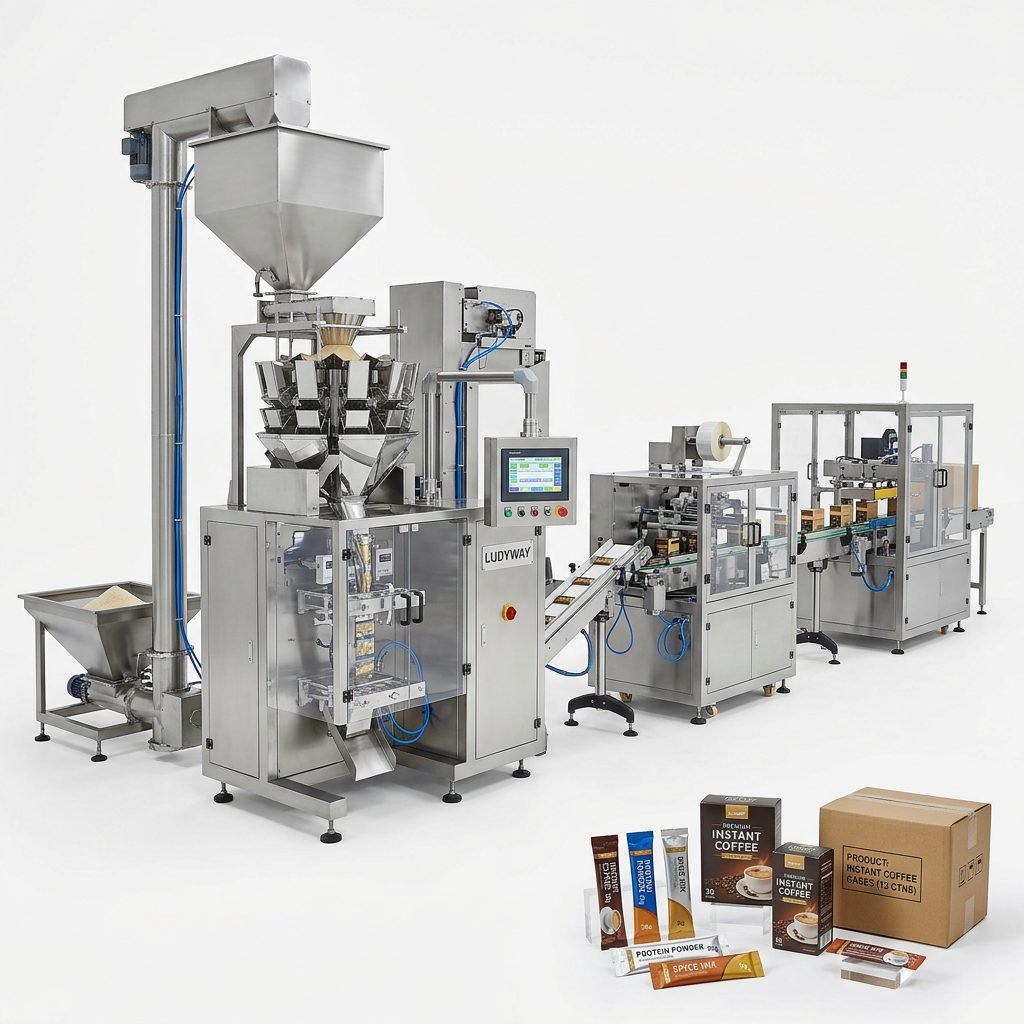
A coffee pod line is more than just the primary packager. A turnkey approach ensures seamless integration. A typical layout in a German facility would include:
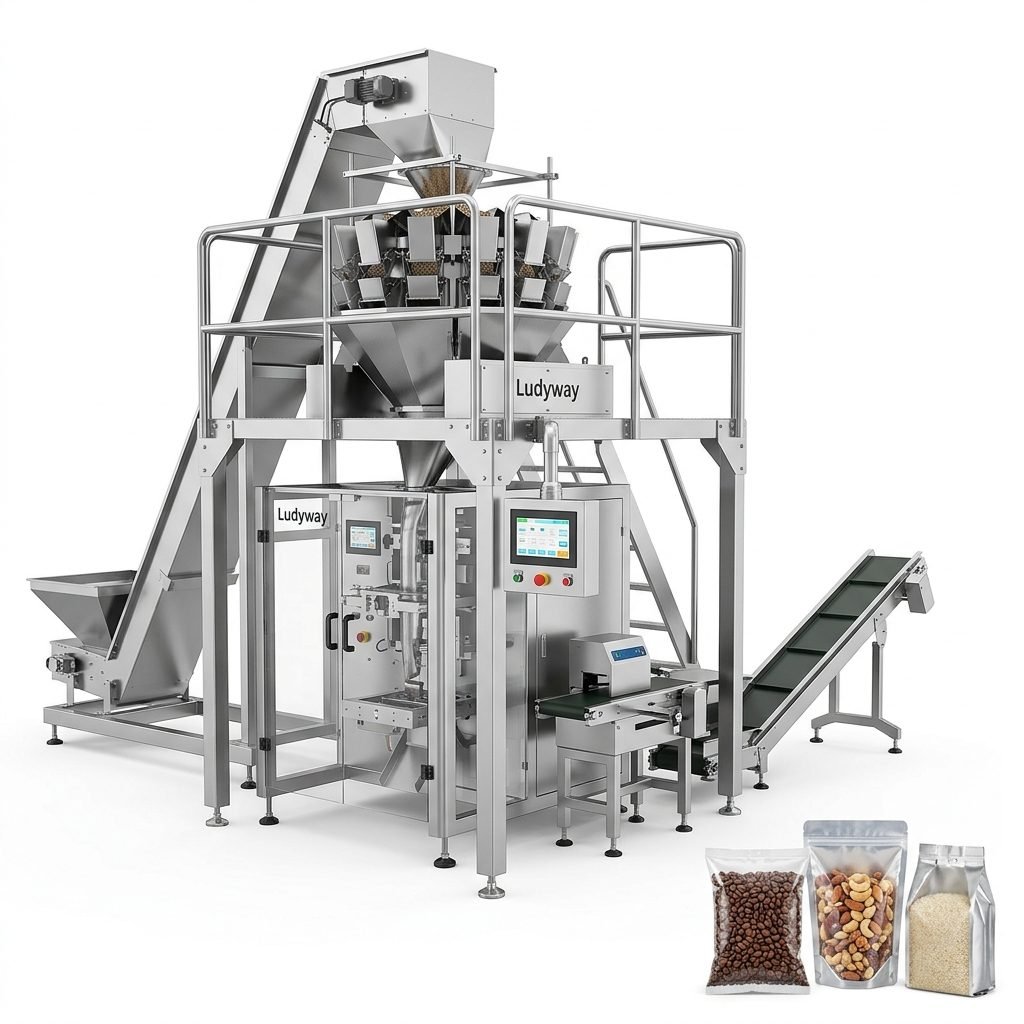
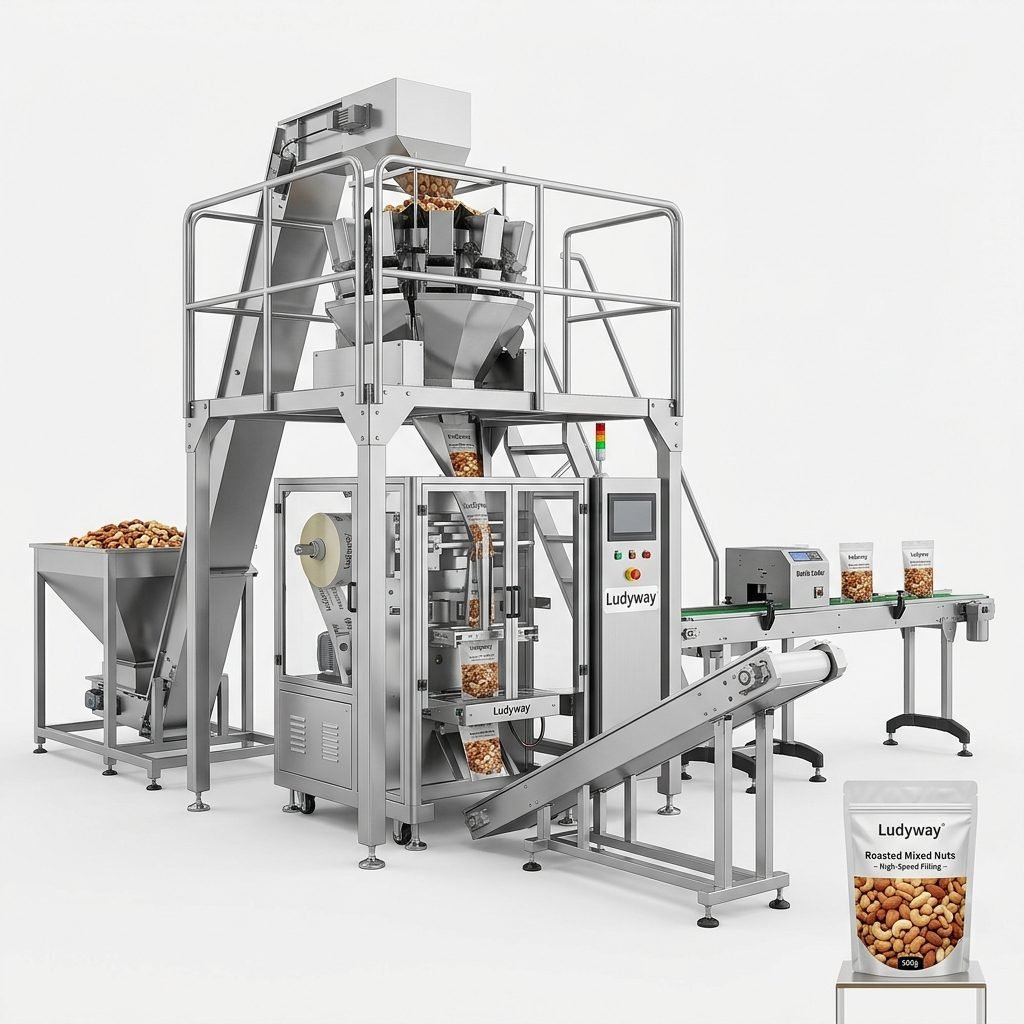
- Feeding system: Z-type bucket elevator or vacuum loader for gentle coffee handling.
- Primary packaging: The multi-lane stick pack or sachet machine configured for coffee pods.
- Checkweigher & metal detector: Critical for quality assurance and compliance with ISO packaging standards.
- Nitrogen flushing unit: To reduce oxygen content inside the pod.
- Cartoning machine: For retail-ready packaging, often required by German supermarket chains.
- Palletizing: Automated robotic palletizers to minimize manual labor and meet efficiency targets.
Facility and Infrastructure Requirements
German production facilities often operate under strict energy efficiency and sustainability guidelines. Your floor plan must account for:
- Compressed air supply (typically 6-8 bar) for pneumatic components.
- Dust extraction systems to maintain a clean environment.
- Climate control (temperature and humidity) to ensure consistent film sealing and coffee freshness.
- Adherence to German workplace safety regulations (ArbSchG).
4. Installation, Training, and Validation
Once the machinery arrives from the manufacturer, professional installation is crucial. Many suppliers offer on-site support by experienced engineers. During this phase, focus on IQ/OQ/PQ validation protocols to satisfy the expectations of German co-packers and brand owners. Operator training should cover daily maintenance, troubleshooting, and efficient changeover for different coffee blend types, including flavored varieties that may require alternative cleaning procedures.
Quality Control and Testing
Set up a robust quality lab on-site. Test for seal integrity using visual inspection systems and burst tests. Leak detection is non-negotiable for coffee pods destined for retail shelves. Record all data for traceability, a growing requirement under upcoming EU Packaging and Packaging Waste Regulations.
5. Maintenance and After-Sales Support in Germany
Downtime can be costly. Establish a local maintenance contract or ensure your equipment partner has a responsive remote support system and a local agent in the DACH region. Spare parts availability is key; look for suppliers who offer a comprehensive inventory management tool. Regular preventive maintenance should align with production schedules, with complete overhauls planned annually.
Leveraging Data for Efficiency
Modern coffee pod lines can be connected to smart factory platforms. Use real-time production data to minimize waste and optimize Overall Equipment Effectiveness (OEE). Insights from PMMI industry reports show that data-driven packaging lines see 15-20% higher efficiency.
Partnering with a Reliable Equipment Manufacturer
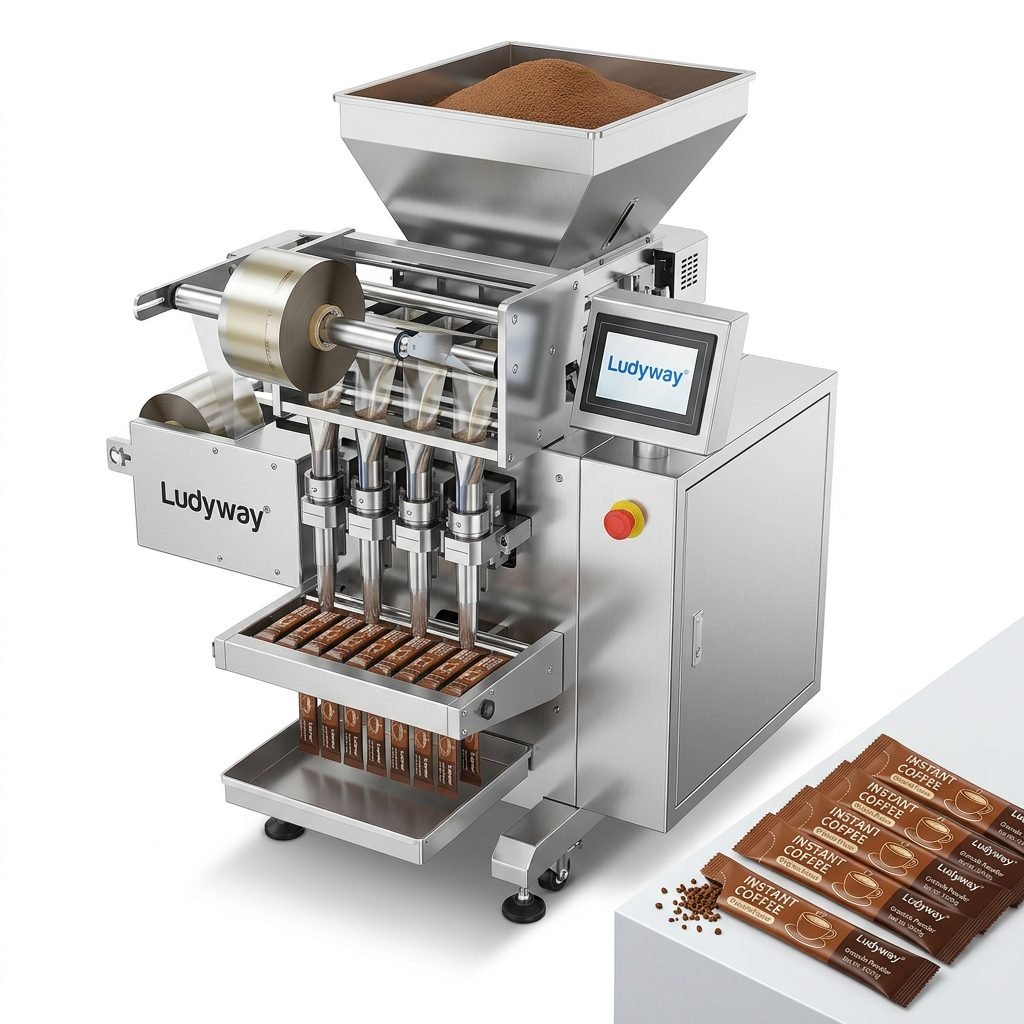
Constructing a coffee pod packaging production line in Germany is a significant investment. Sourcing from an experienced global manufacturer can streamline the process. Ludyway is one of the largest packaging machine manufacturers in China, providing turnkey solutions and advanced equipment suitable for the European market. With a modern manufacturing facility and an expert engineering team, they offer more than 50 intelligent packaging machine models, including high-speed multi-lane systems designed for coffee and powder products.
By following these guidelines and selecting the right technology, your coffee pod packaging line in Germany can achieve high throughput, strict compliance, and long-term profitability.