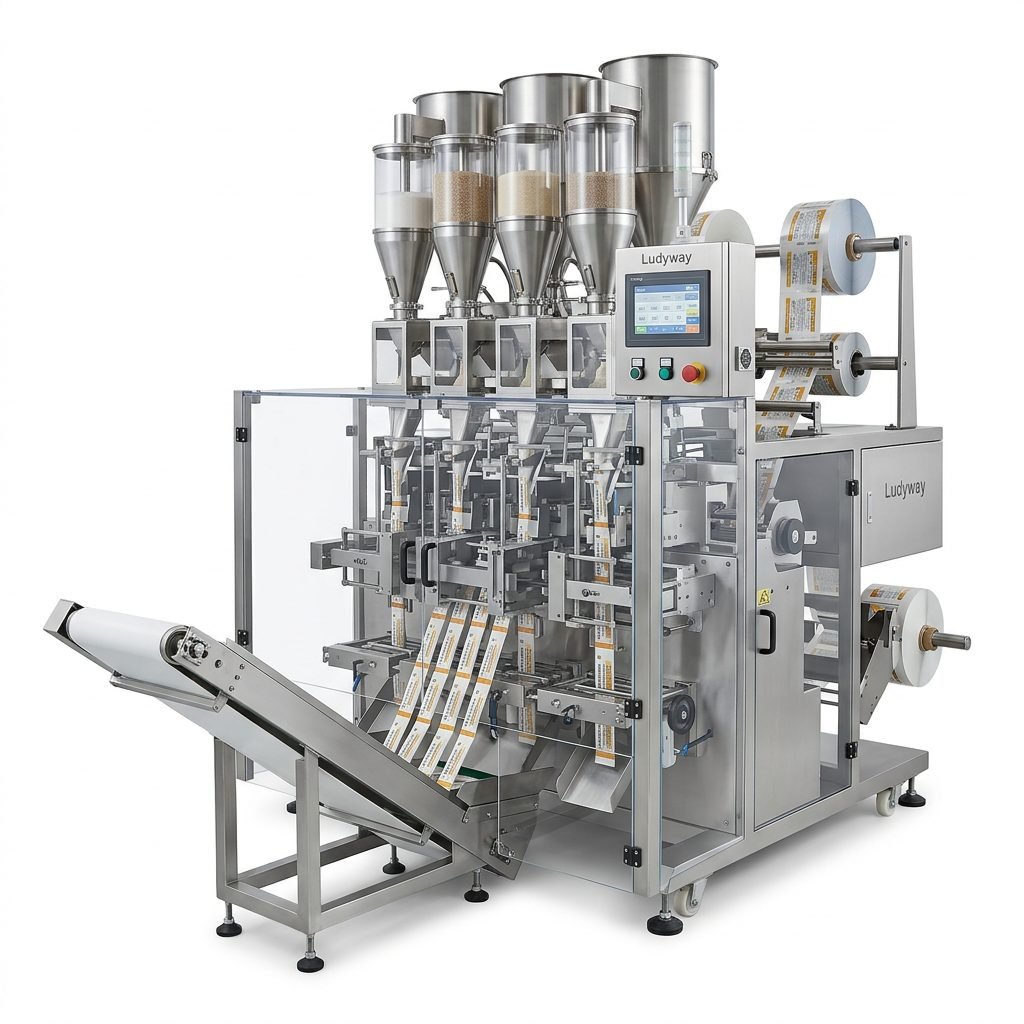
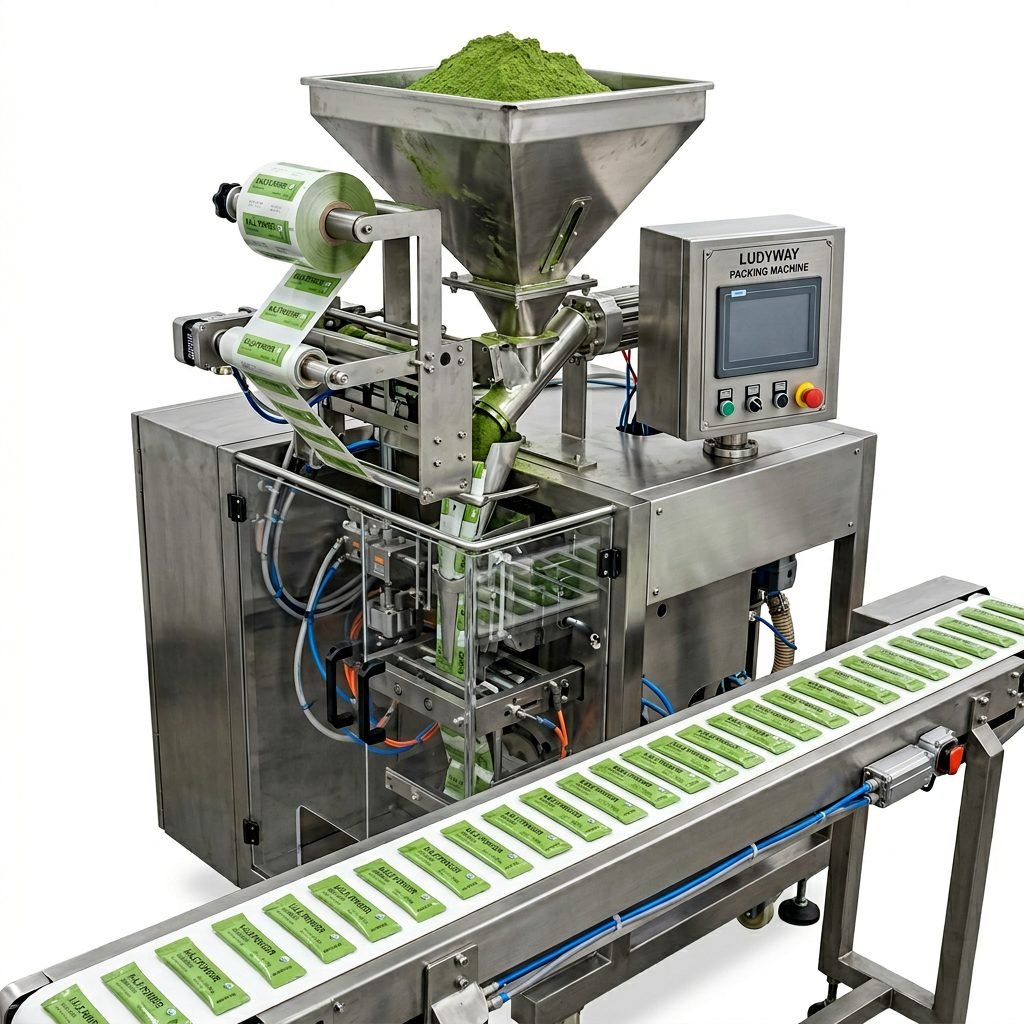
The German food processing sector represents one of the most technologically advanced markets in Europe. Investing in a yogurt packaging machine here requires a deep understanding of local regulations, engineering standards, and consumer demands. Whether you are a medium-sized dairy or a large industrial producer, selecting the right automated system directly impacts your shelf life, production speed, and overall product quality.
Understanding German Packaging Regulations and Compliance
Before evaluating machinery specifications, you must navigate Germany’s strict regulatory environment. Compliance is not optional; it is the foundation of your operational license. The primary focus is on food contact materials and hygiene standards.
Key Certifications and Standards
- CE Marking: Mandatory for machinery sold in the European Union, confirming conformity with health, safety, and environmental protection standards.
- EU Regulation (EC) No 1935/2004: Covers materials and articles intended to come into contact with food.
- EN 1672-2: Specifically addresses hygiene requirements for the design of food processing machinery.
- DIN Standards: Often go beyond the minimum EU requirements, specifying detailed safety and hygiene protocols.
Types of Yogurt Packaging Machines Available
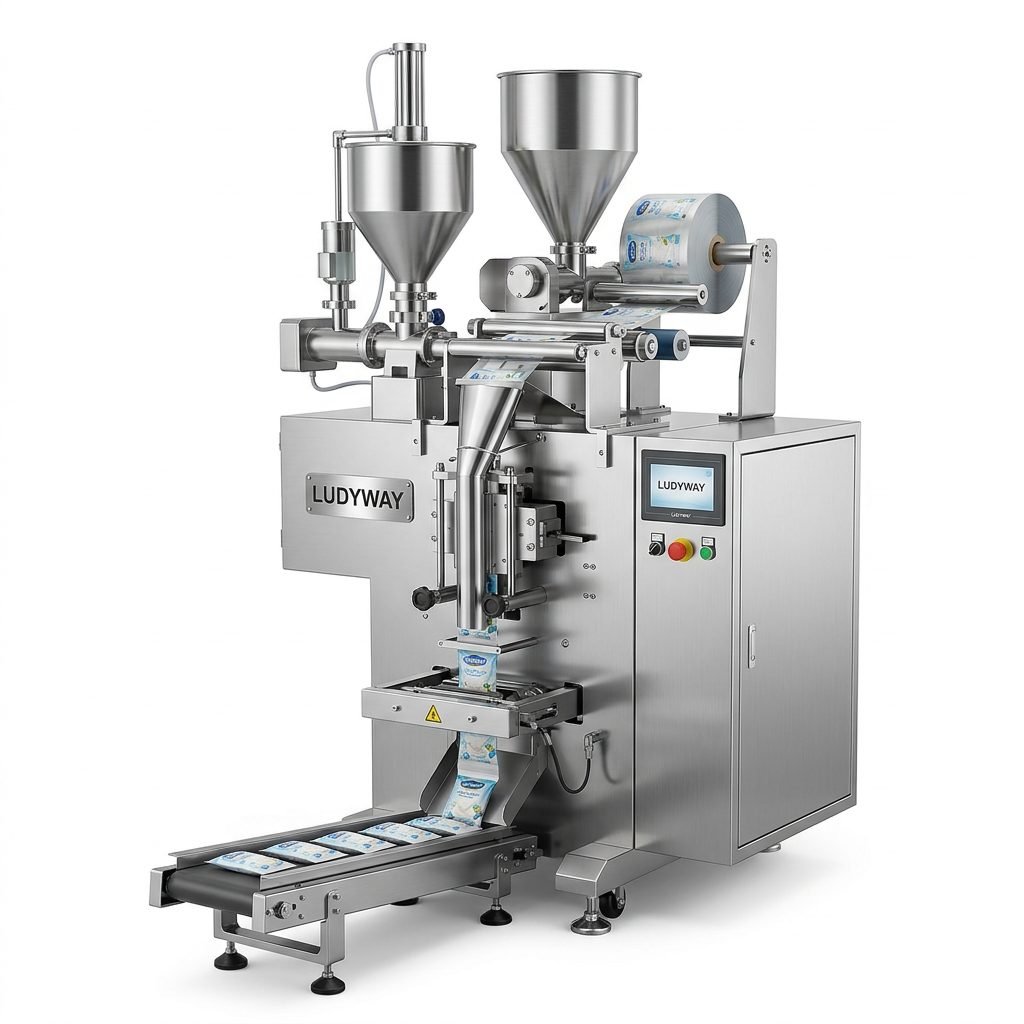
The German market demands versatility. Depending on whether you produce stirred yogurt, Greek yogurt, or drinkable yogurt, the packaging format varies significantly. Here are the most common configurations:
| Machine Type | Best Suited For | Output Range |
|---|---|---|
| Rotary Cup Fillers | Pre-formed plastic cups | 6,000 – 48,000 cups/hour |
| Form-Fill-Seal (FFS) Machines | Thermoformed cups from roll stock | 10,000 – 40,000 cups/hour |
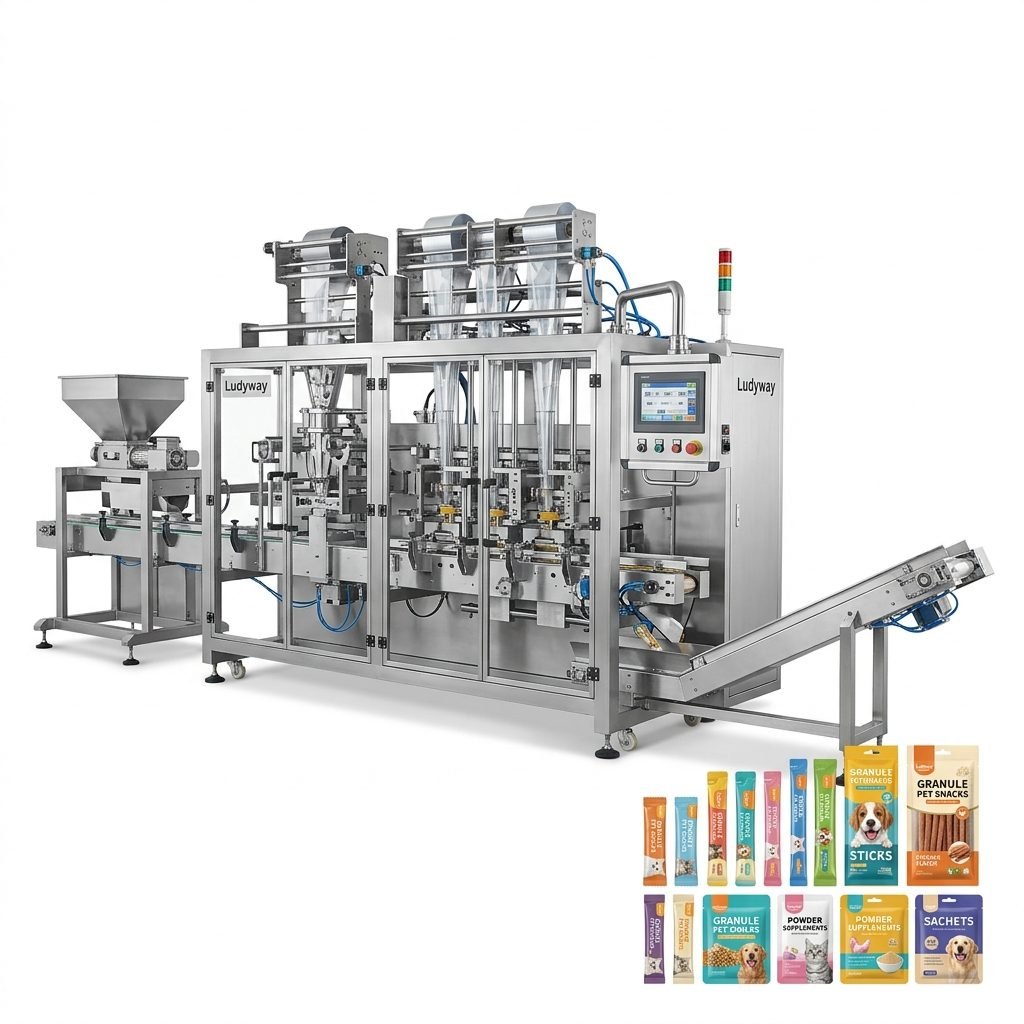
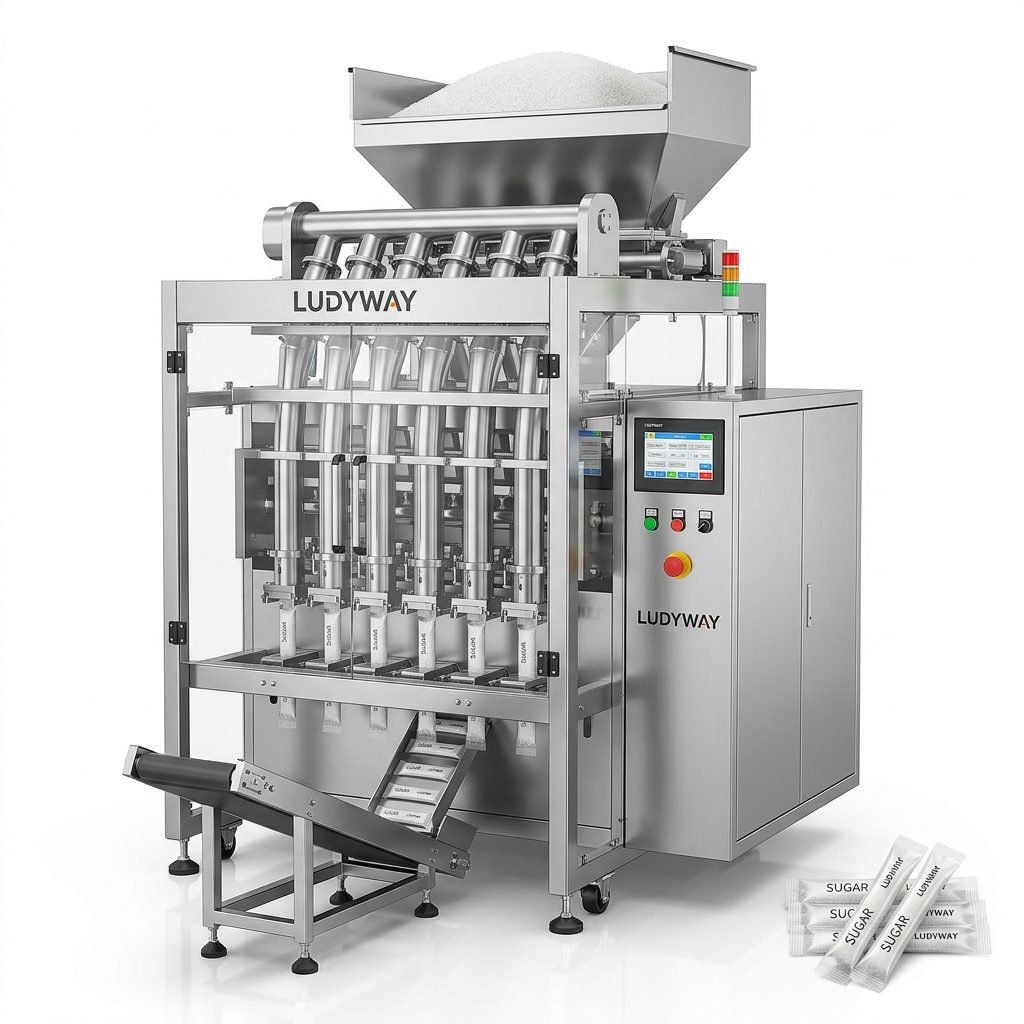
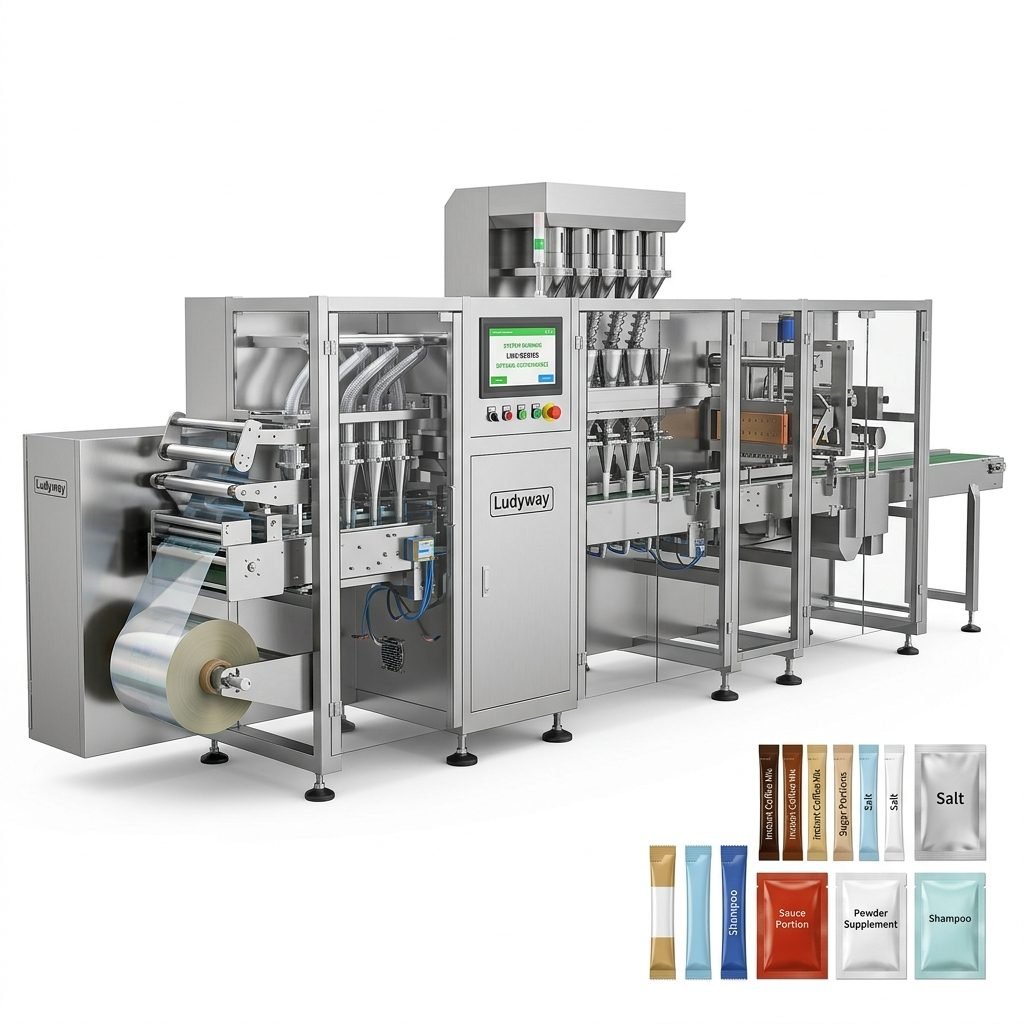
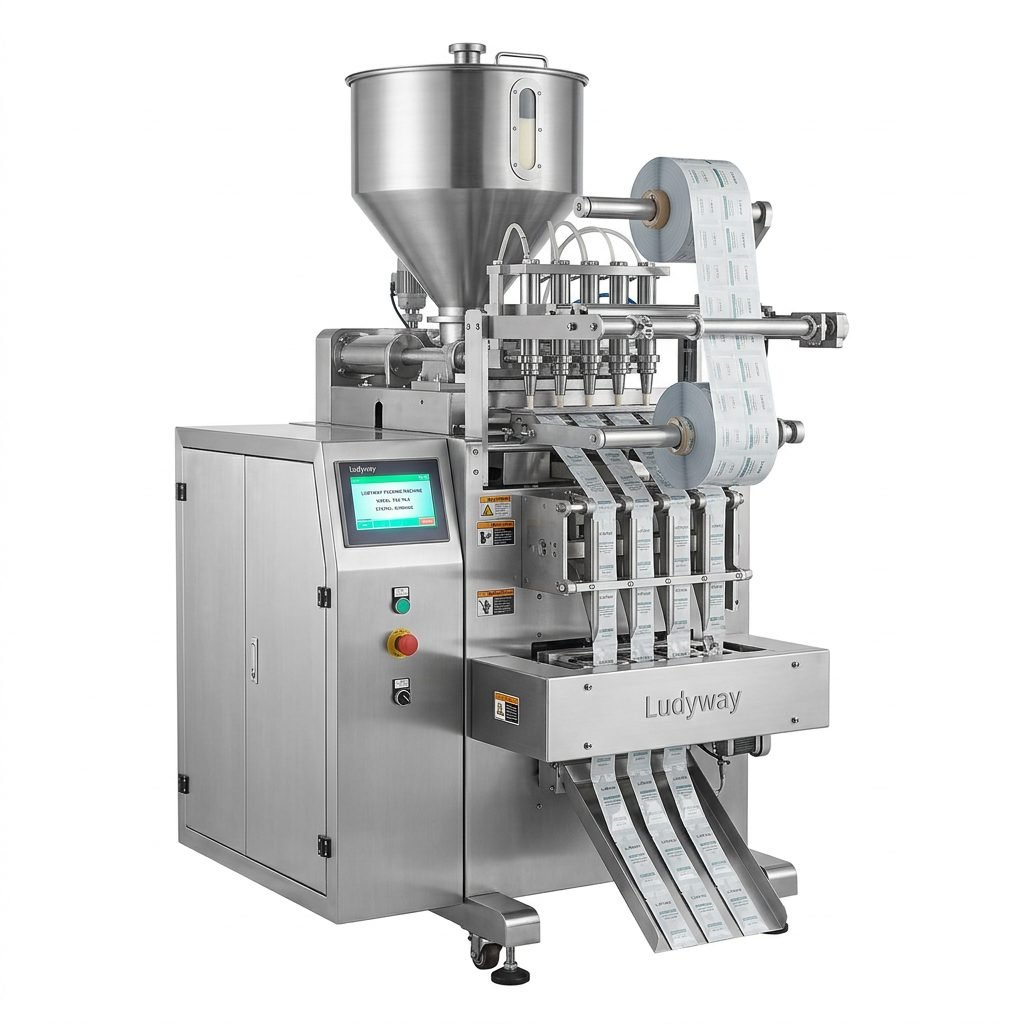
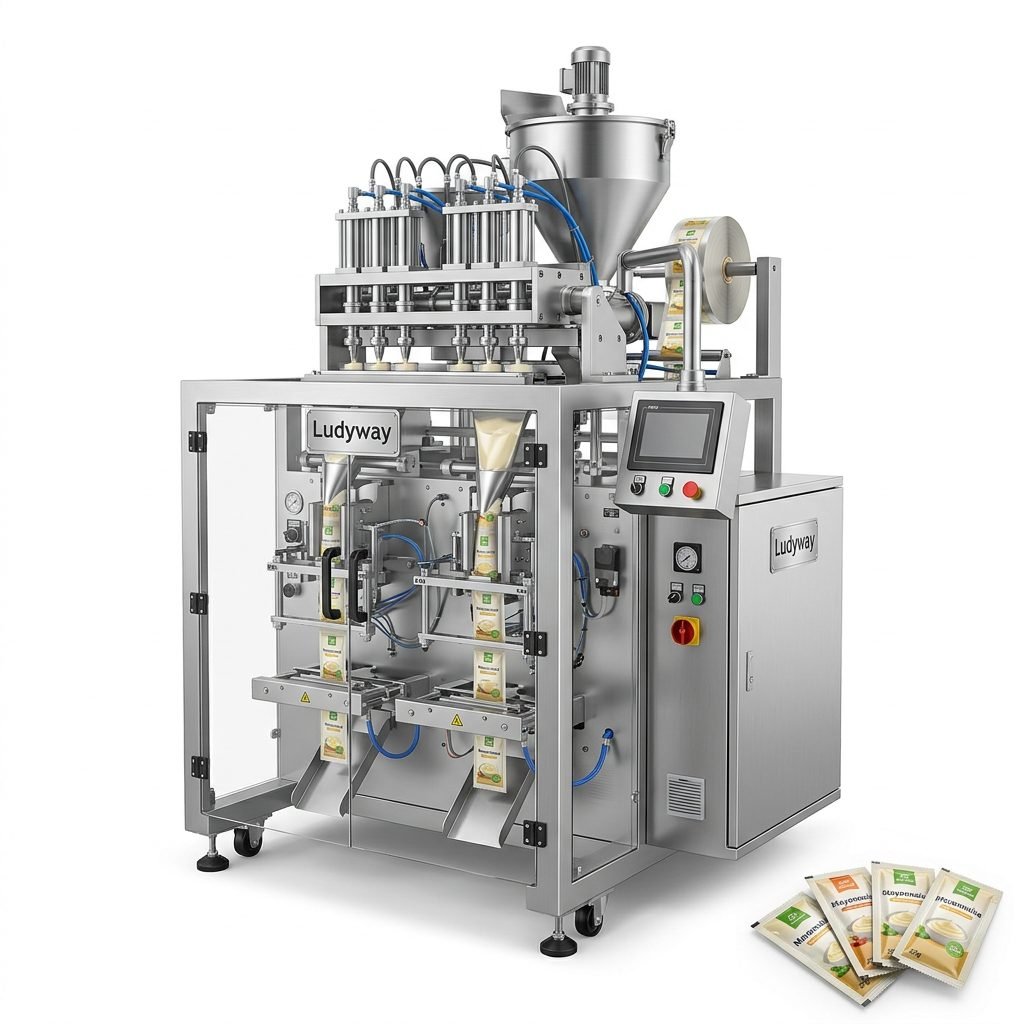
| Stick Pack / Sachet Machines | Drinkable yogurt portions | Up to 600 packs/minute |
Critical Factors Influencing Your Machine Purchase
Selecting the right supplier involves analyzing technical precision and long-term reliability. German manufacturers often look for specific engineering attributes in a packaging machine manufacturer.
Automation and Integration Level
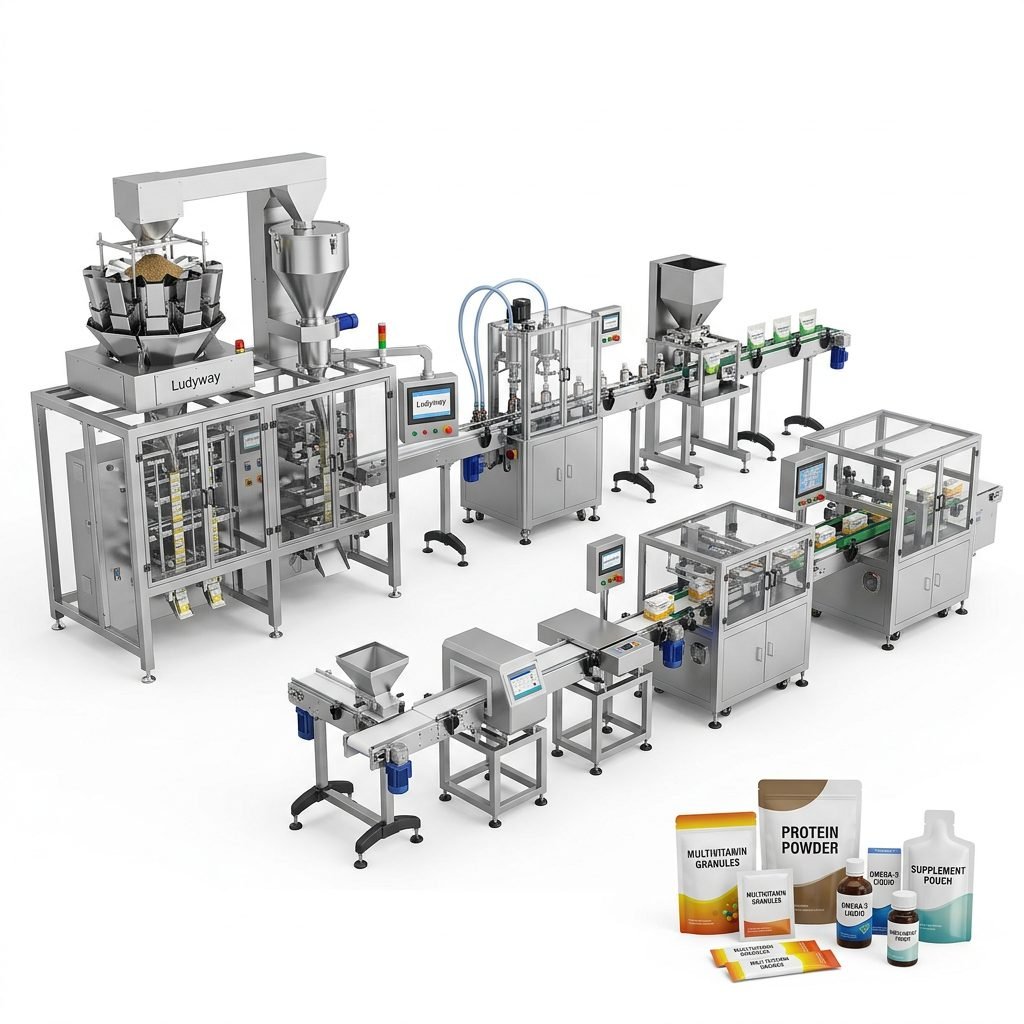
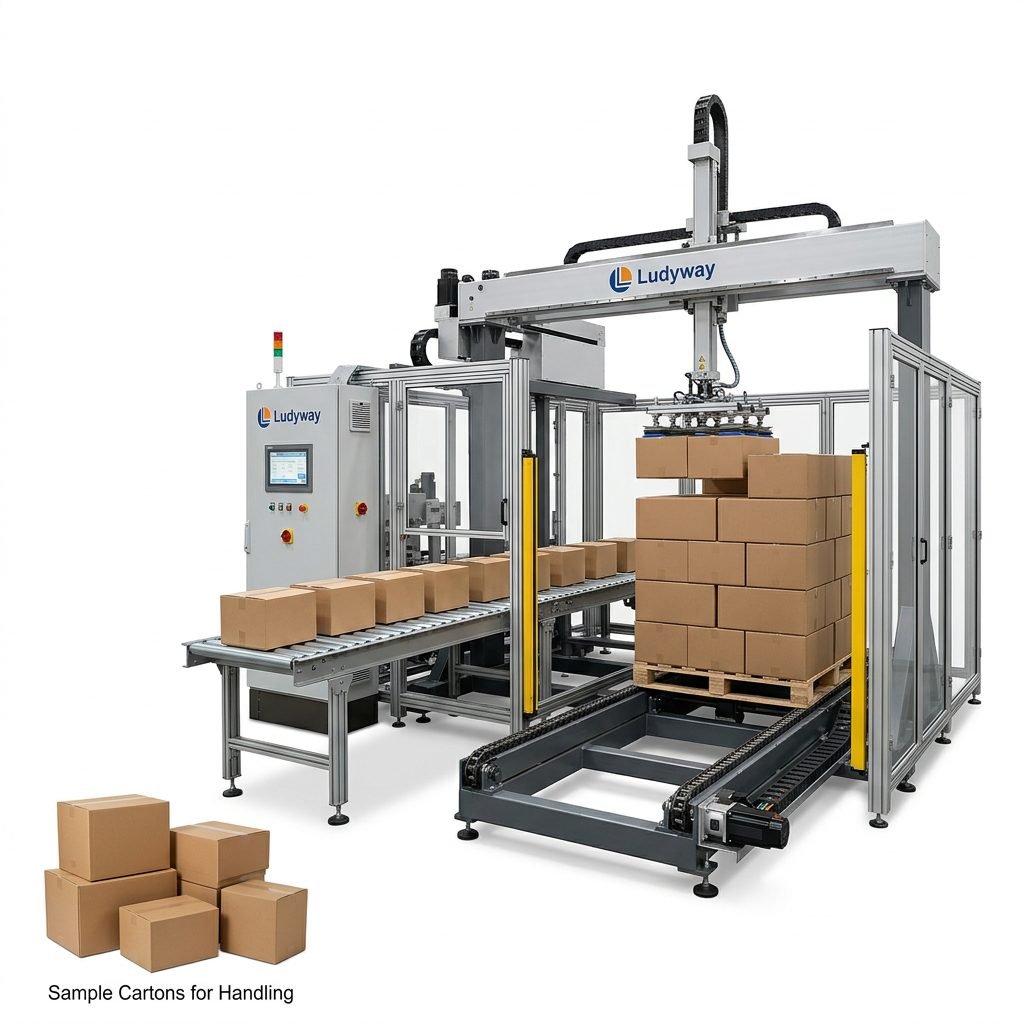
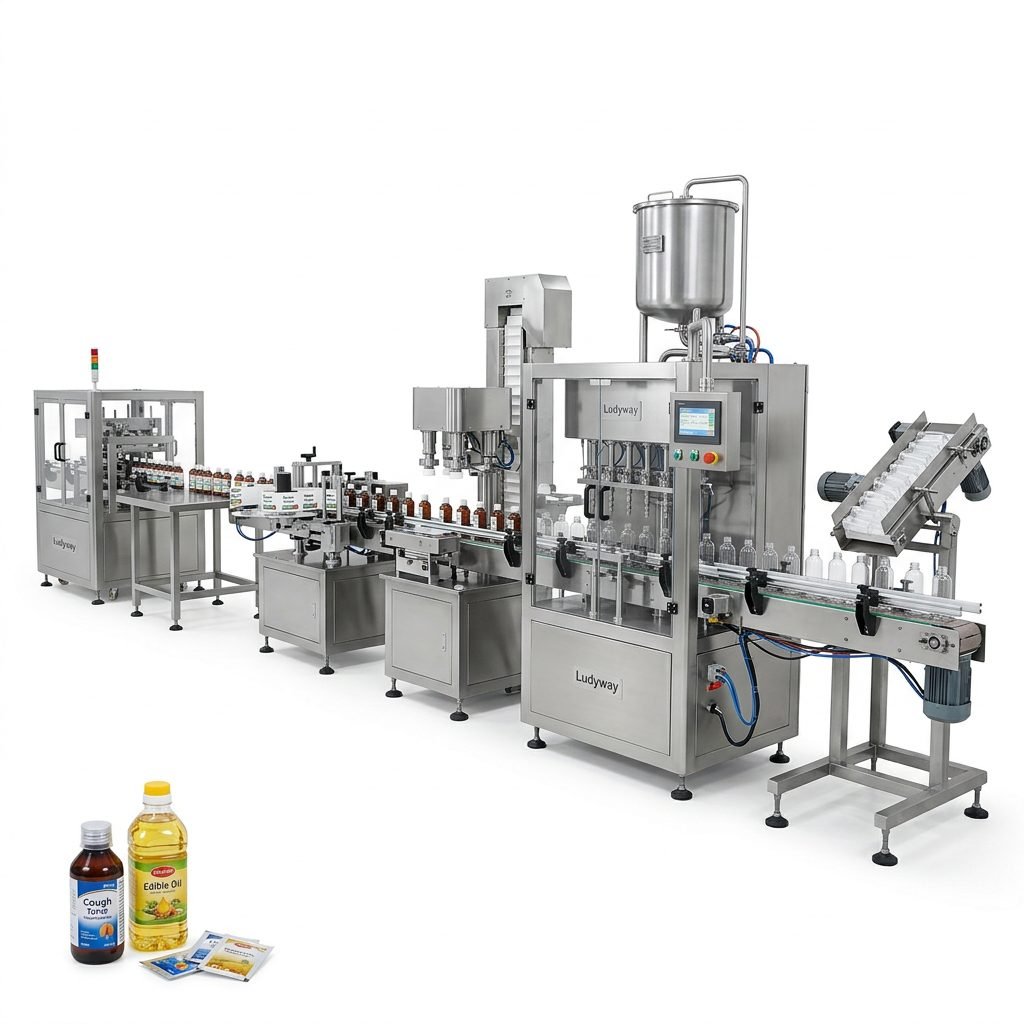
Evaluate whether you need a standalone unit or a fully integrated turnkey packaging line. Modern solutions often include automatic cup denesting, multi-lane filling, heat sealing with tamper-evident lids, and date coding on the same platform. For high-volume German dairies, integrating robotic pick-and-place systems is standard to reduce labor costs.
Evaluating Technical Specifications and Hygiene
Hygiene design dictates the longevity of the machine and the safety of the yogurt. Look for CIP (Clean-in-Place) capabilities that allow cleaning without dismantling the machine. Material certification is equally vital; all contact parts should be AISI 316L stainless steel to prevent acidic corrosion from yogurt.
Essential Technical Considerations:
- Servo-driven dosing systems for high precision filling (±0.5% accuracy).
- MAP (Modified Atmosphere Packaging) compatibility for shelf-life extension.
- Splash-proof electrical cabinets rated IP65 or higher.
- Quick-change tooling to switch between different cup sizes rapidly.
Calculating Total Cost of Ownership (TCO) in Germany
The initial capital expenditure is just the starting point. In the current economic climate, German factories are acutely focused on energy efficiency and maintenance costs. Analyze the TCO by breaking down the following elements:
| Cost Category | Percentage of TCO | Notes |
|---|---|---|
| Initial Investment | 55% | Machine, shipping, installation |
| Spare Parts | 15% | Sealing gaskets, cutting blades |
| Energy & Consumables | 20% | Electricity, compressed air, film |
| Training & Support | 10% | On-site technician visits |
Sourcing from Global Leaders with Local Support
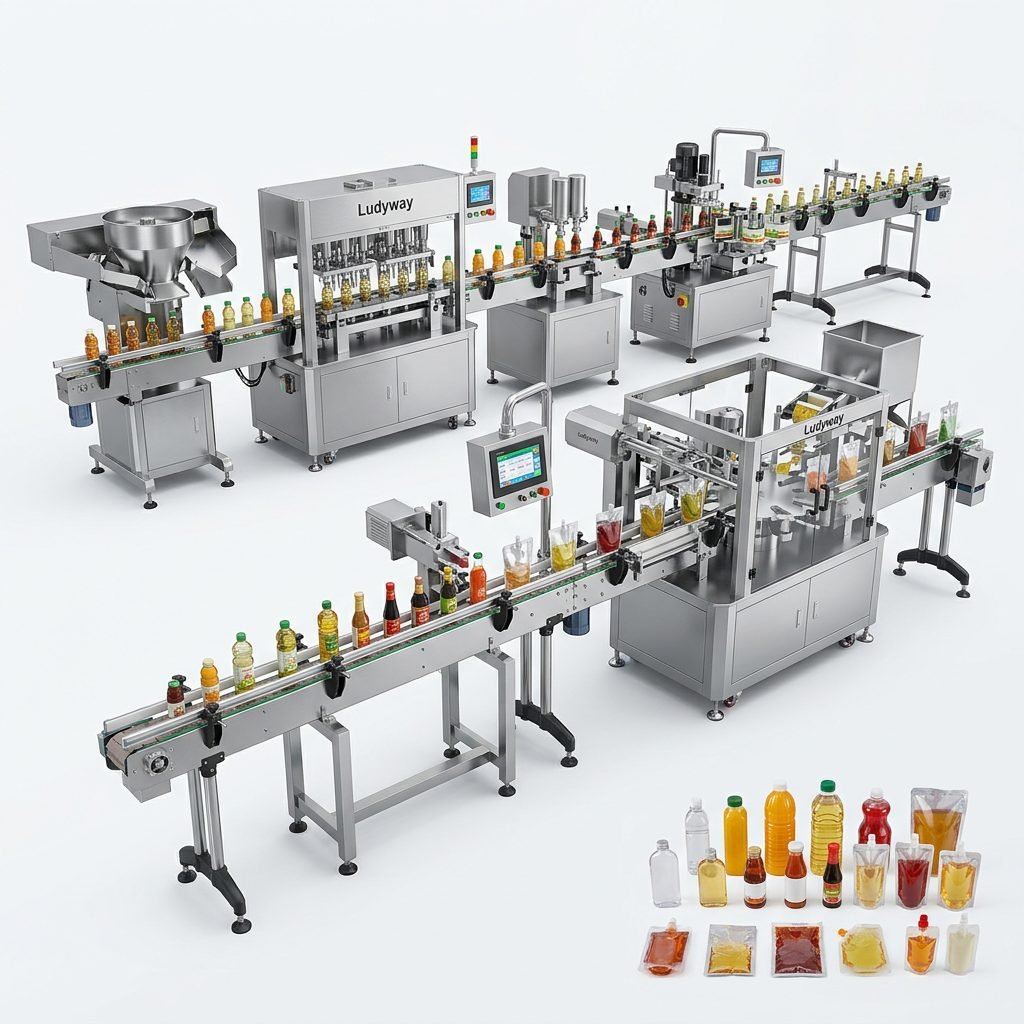
While Germany has a strong local machinery industry, many producers are turning to globally established manufacturers who offer competitive technology. A facility like the one operated by Ludyway spans 20,000㎡ and houses over 50 intelligent packaging machine models. When sourcing internationally for the German market, ensure the partner provides CE certification, a local representative for quick troubleshooting, and software interfaces in German language to comply with the IEC 61131-3 standard.
Future-Proofing Your Production Line
Plastic reduction is a massive trend in the EU. Your packaging machine should be ready to process mono-material films, bio-degradable substrates, or even paper-based containers. Additionally, Industry 4.0 capability is no longer a luxury. The machine should support OPC UA protocols to seamlessly integrate into a smart factory data environment.
Installation, After-Sales, and Training
A smooth installation process is critical to meeting production deadlines. Clarify who handles the FAT (Factory Acceptance Test) and SAT (Site Acceptance Test). A robust after-sales contract includes remote diagnostics and guaranteed 24-hour response times for emergency breakdowns in the DACH region.
In conclusion, buying a yogurt packaging machine in Germany is a strategic investment that requires rigorous evaluation of hygiene standards, automation flexibility, and TCO. By prioritizing technically advanced equipment that aligns with EU regulations and future sustainability goals, you secure a competitive advantage in one of the world’s most demanding dairy markets.