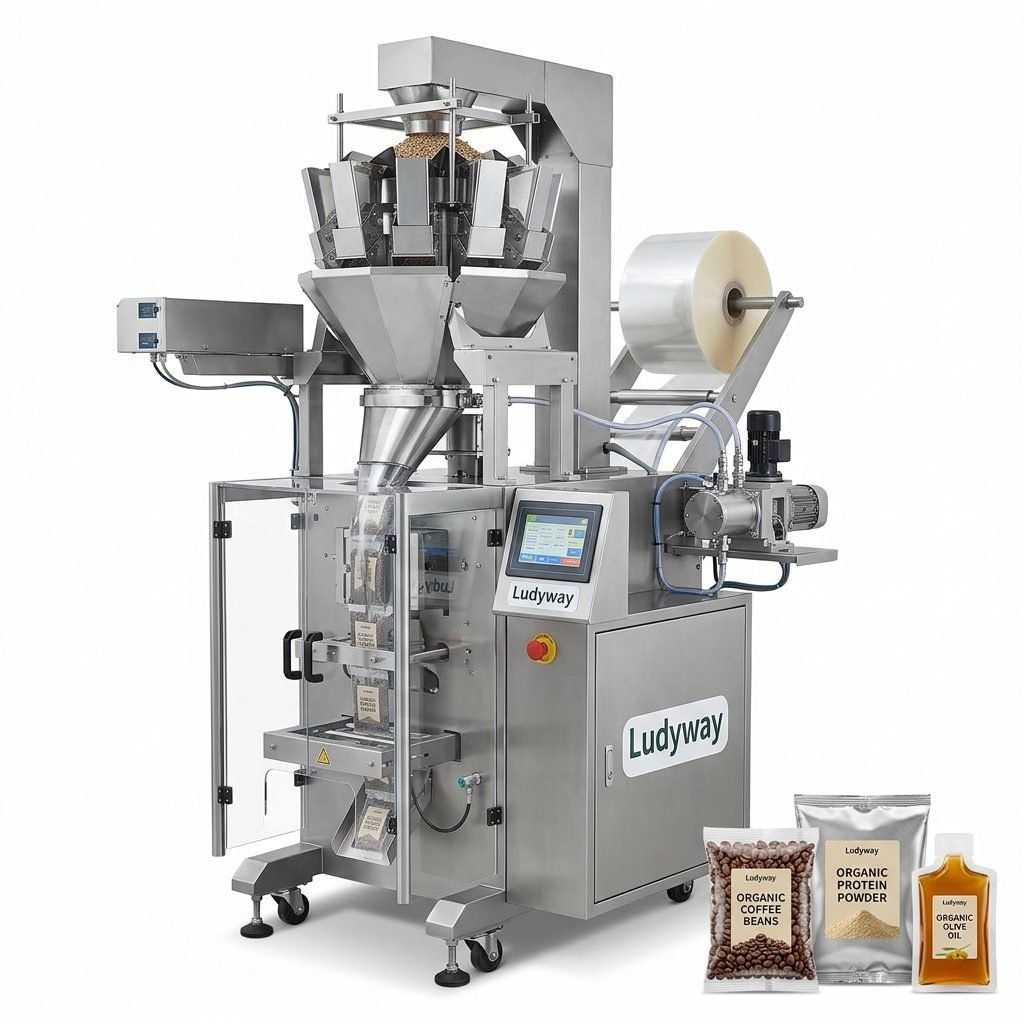
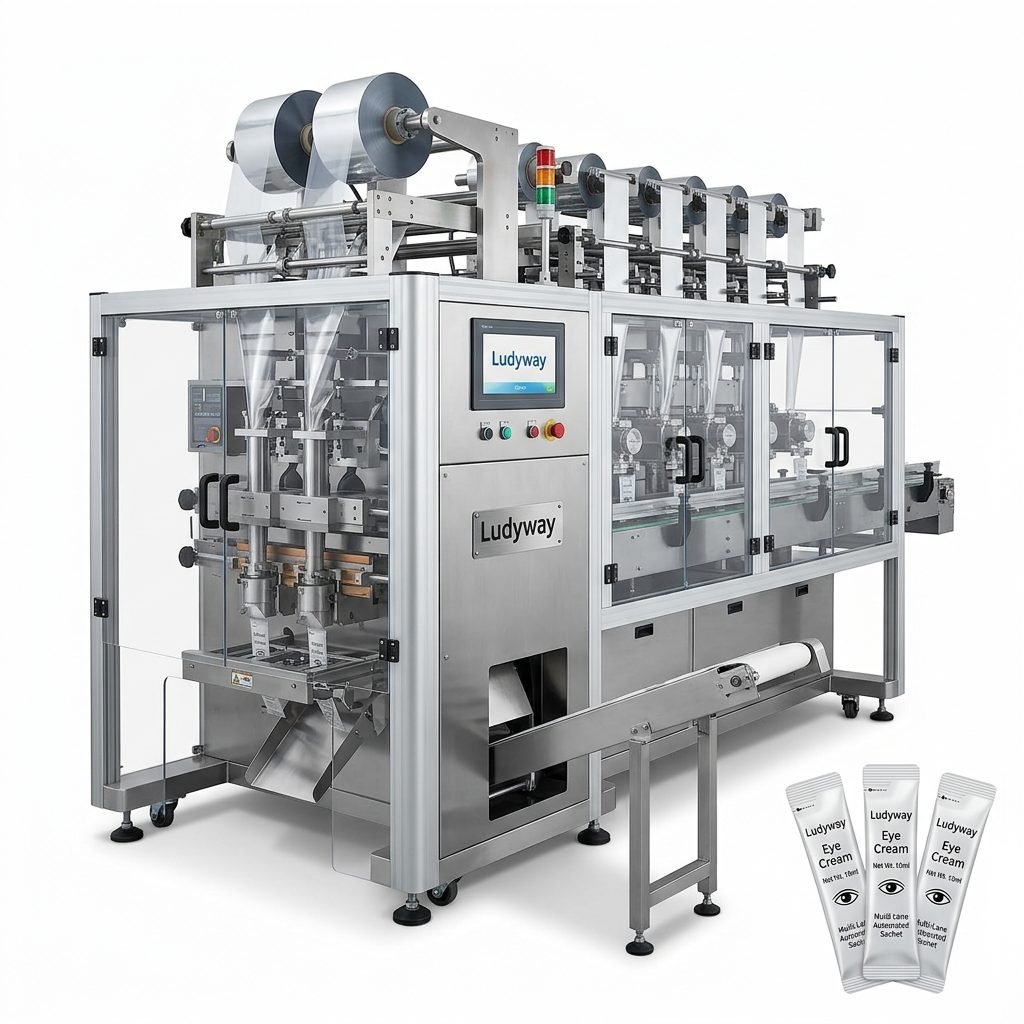
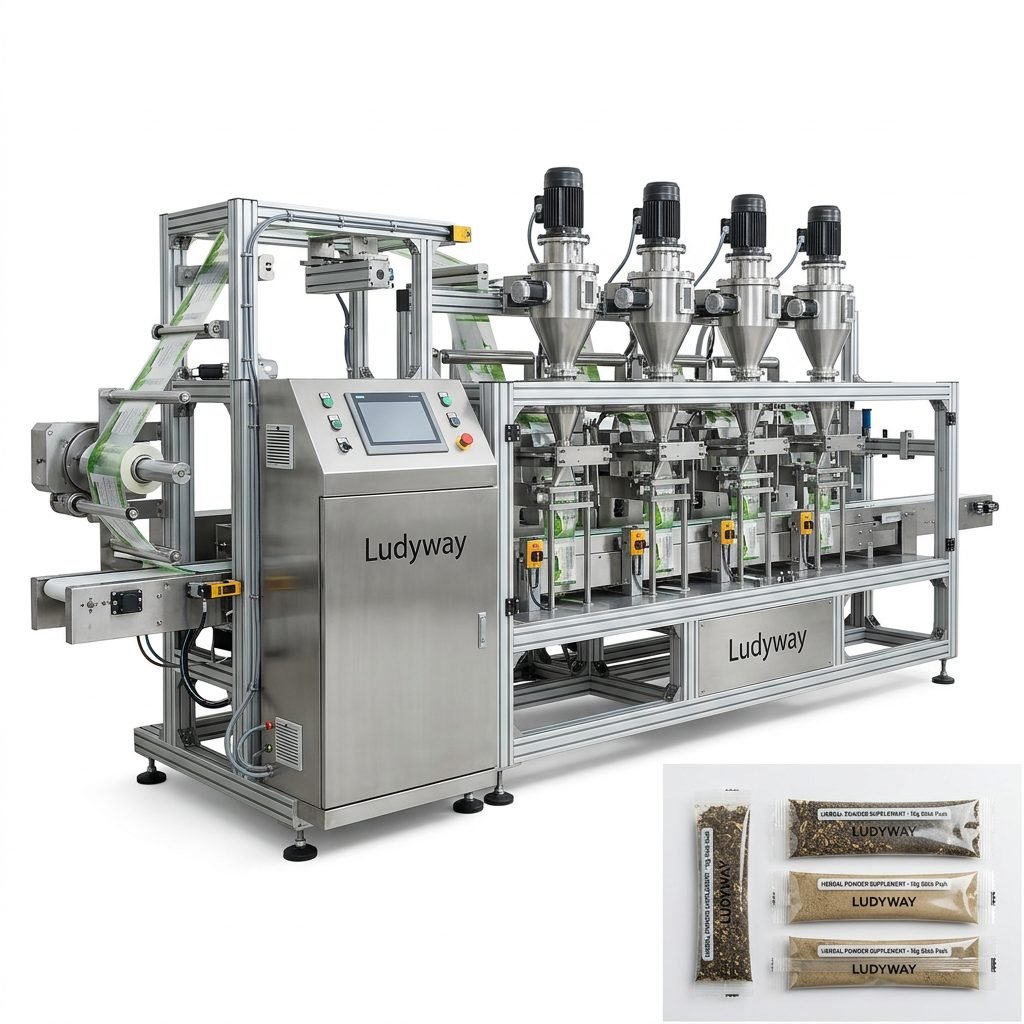
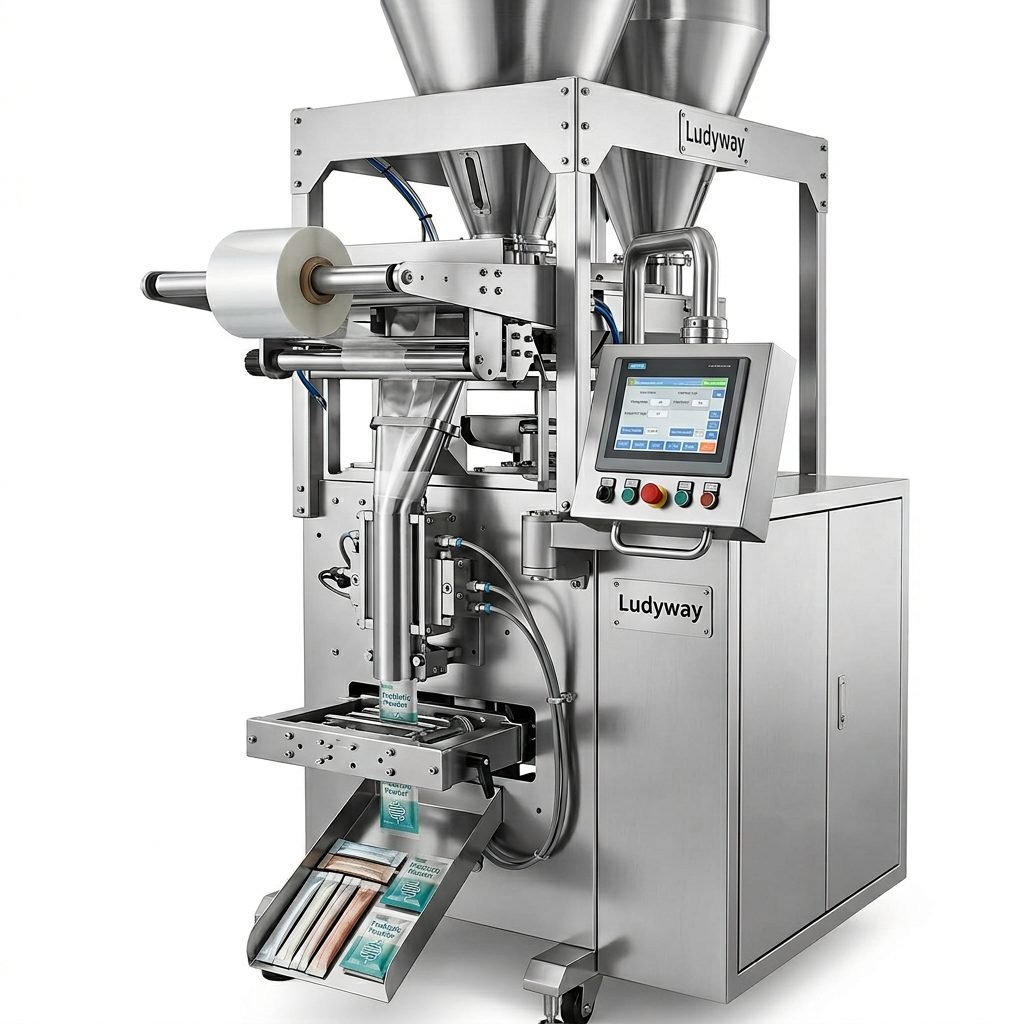
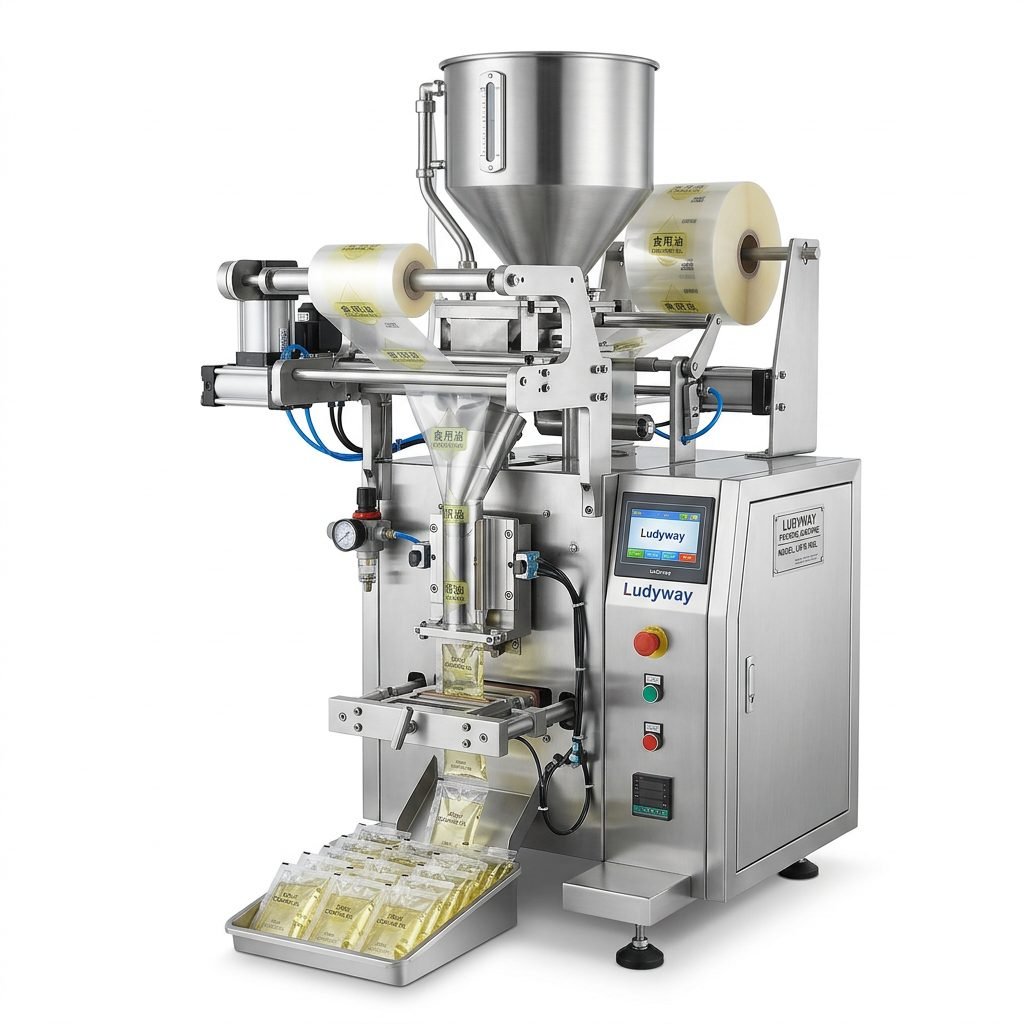
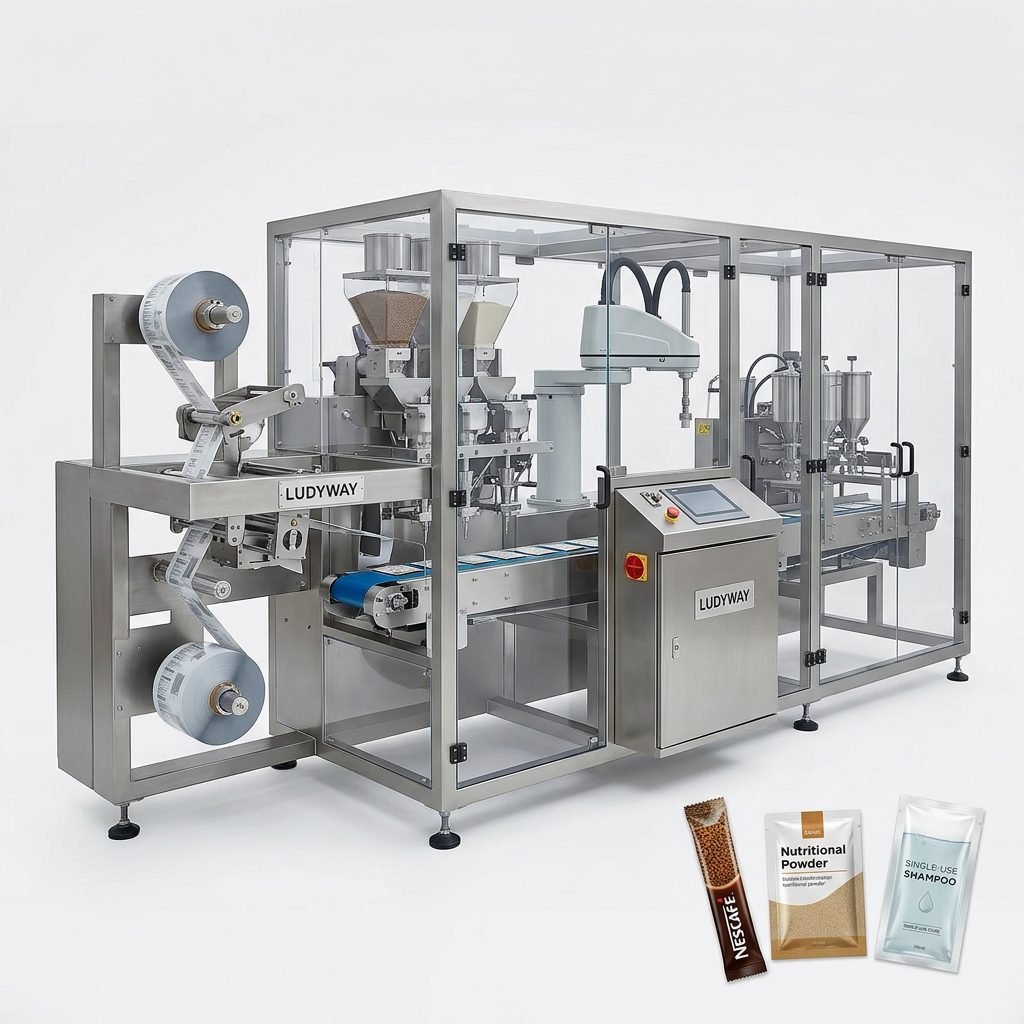
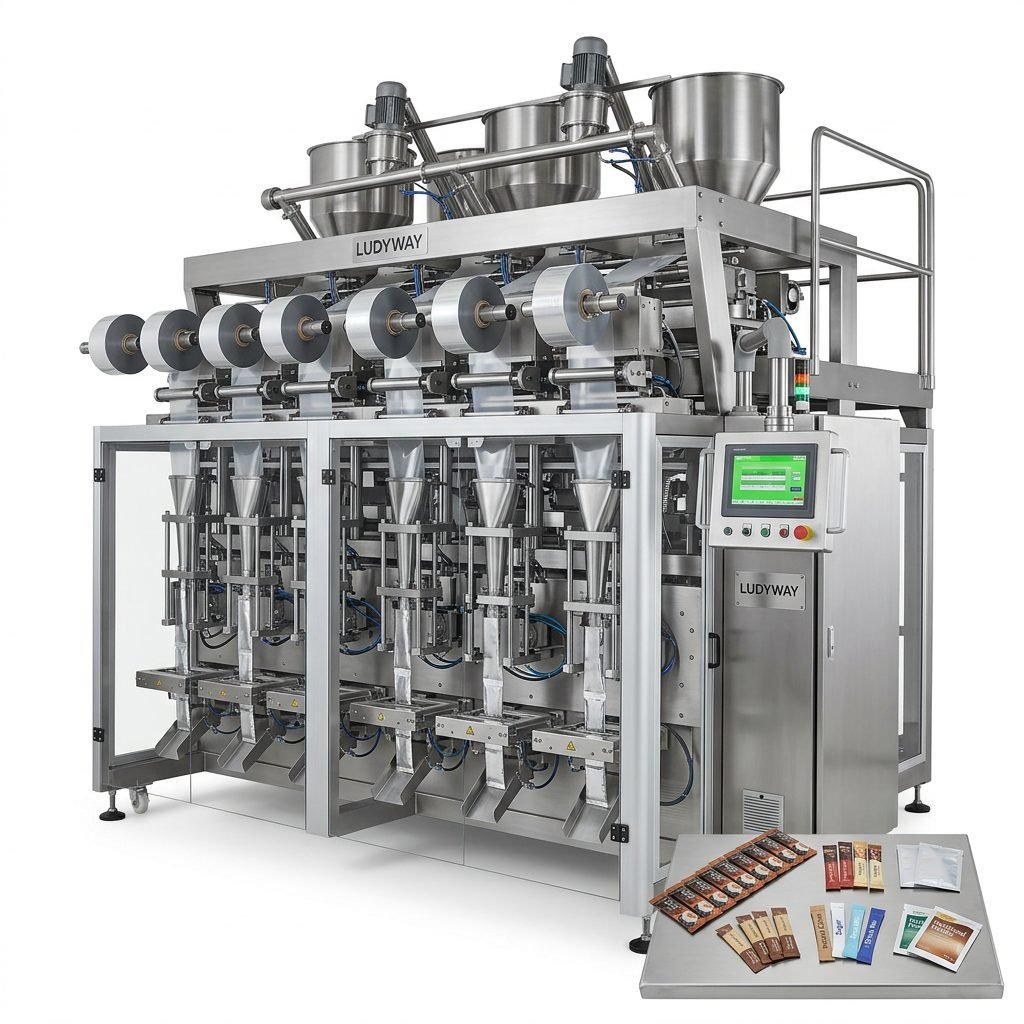
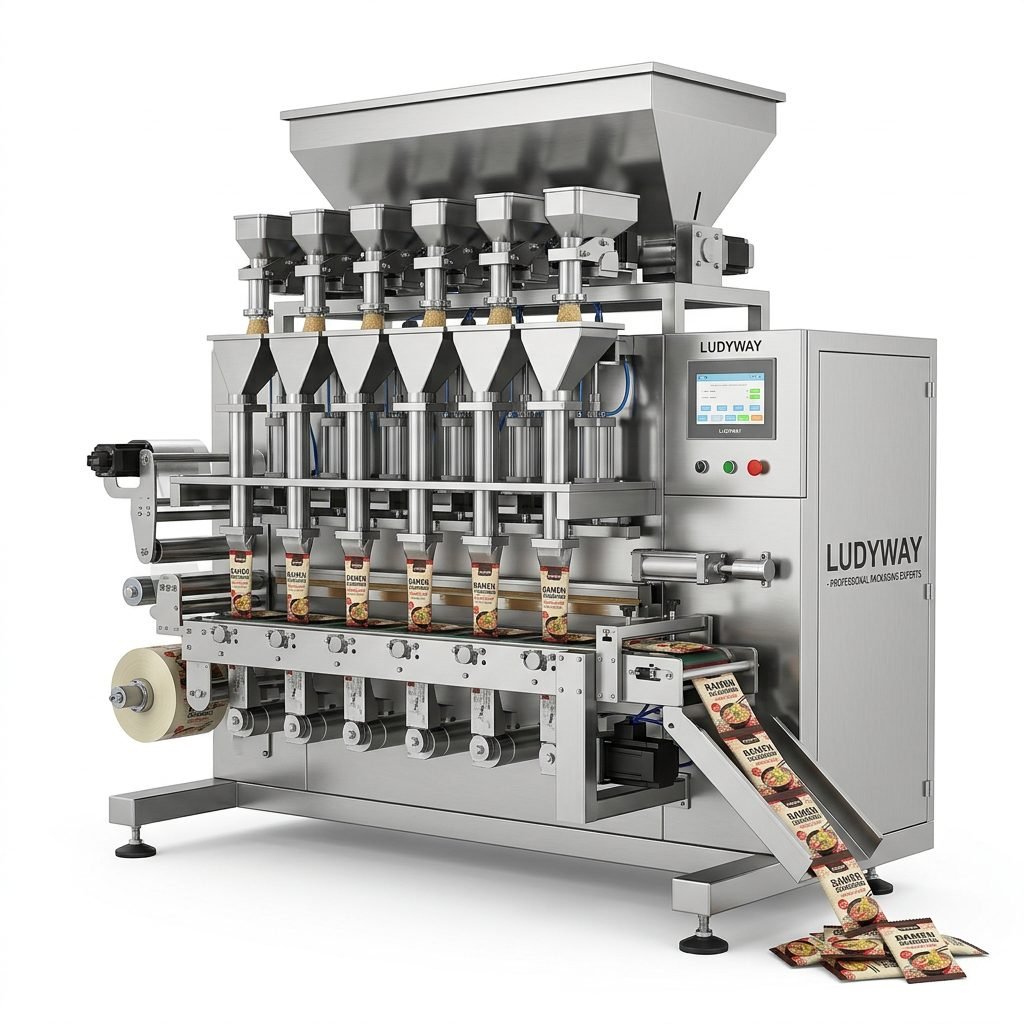
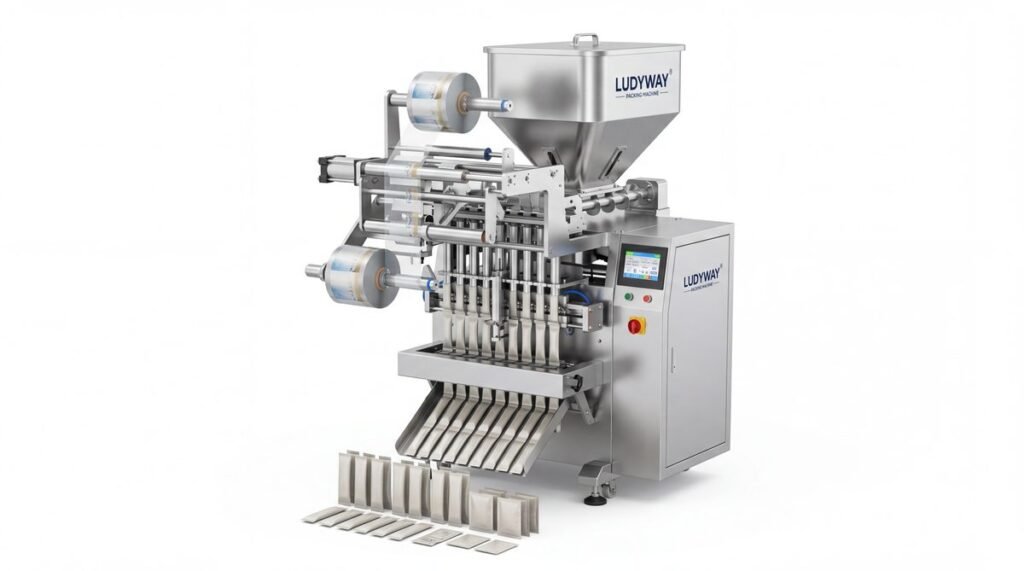
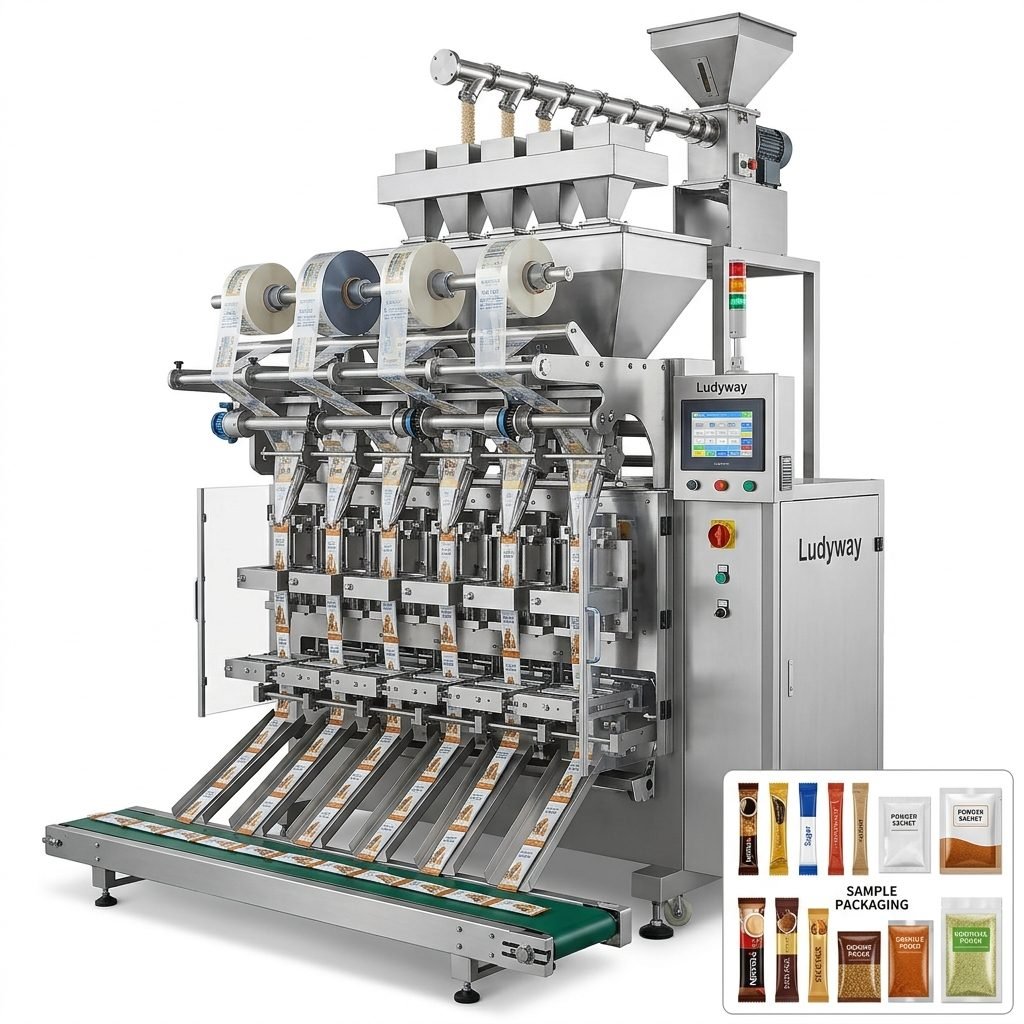
Proper maintenance is the cornerstone of maximizing the lifespan and efficiency of your bulk packaging machine. Whether you operate a multi-lane stick pack system, a granule filling line, or a high-speed powder sachet packaging machine, a consistent maintenance routine prevents costly downtime, ensures product quality, and extends equipment life. Neglecting routine care can lead to inaccurate fills, seal failures, and even complete production halts. This guide outlines essential maintenance tips and best practices to keep your packaging machinery running at peak performance.
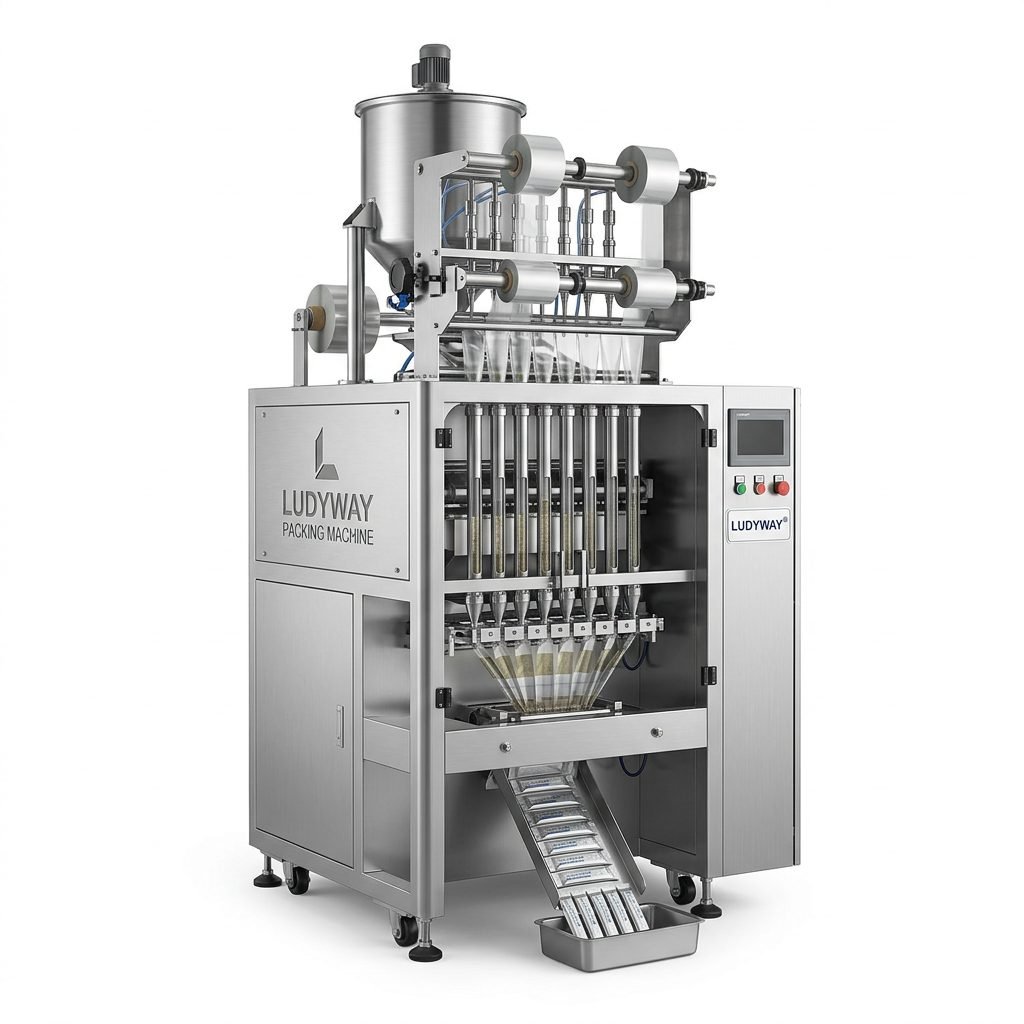
Why Routine Maintenance Matters
A well-maintained packaging machine delivers consistent performance, reduces waste, and lowers the total cost of ownership. According to industry data from the PMMI, unplanned downtime can cost manufacturers thousands of dollars per hour. Implementing a structured maintenance plan significantly mitigates these risks. Key benefits include:
- Extended equipment lifespan — reduce wear on critical components
- Consistent package quality — maintain accurate fill weights and seal integrity
- Reduced emergency repairs — catch issues before they escalate
- Improved safety — minimize risks for operators working with automated systems
- Lower energy consumption — clean, lubricated parts operate more efficiently
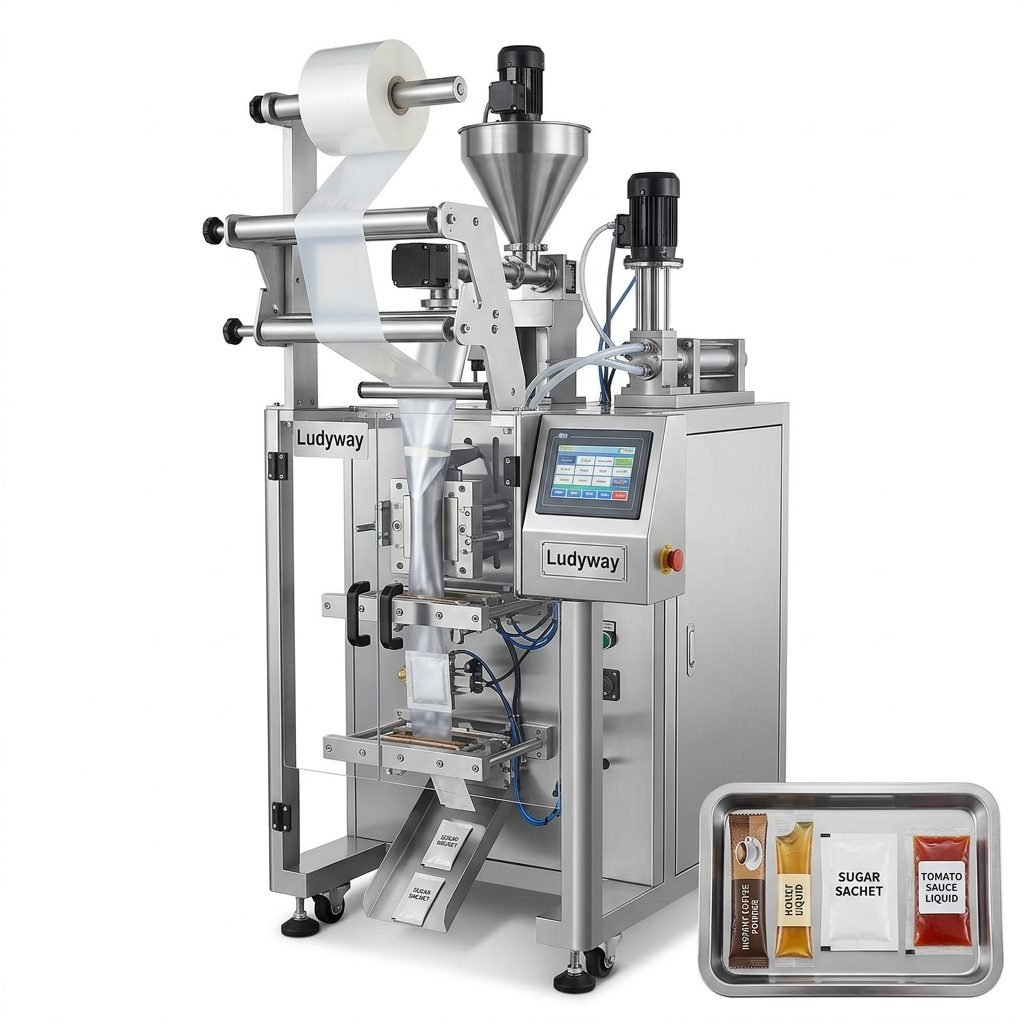
Daily Maintenance Checklist
Daily inspections are your first line of defense against equipment failure. Before each shift, operators should perform a thorough walk-around inspection covering these critical areas:
- Visual inspection: Check for loose bolts, worn belts, or misaligned components. Look for any signs of material buildup on sealing jaws or filling nozzles.
- Clean product contact surfaces: Remove residual powder, granules, or liquid from hoppers, feeders, and filling stations. Cross-contamination can compromise product quality and lead to regulatory issues.
- Check sensors and photocells: Dust and debris can obstruct sensors, causing false readings and misfeeds. Wipe optical sensors with a lint-free cloth.
- Verify temperature settings: For heat-sealing equipment, confirm that temperature controllers are within the specified range for your packaging film.
- Inspect air pressure: Pneumatic systems require stable air pressure. Check the regulator gauge and drain moisture from air filters.
- Test emergency stops: Ensure all E-stop buttons are functional and accessible.
Sealing Jaw Care
The sealing jaws are among the most critical components of any stick pack or sachet packaging machine. Residue buildup on heated sealing surfaces can cause weak seals, leaks, and product spoilage. After each production run, clean the sealing jaws using a soft brush or approved cleaning solution. Never use abrasive tools that could scratch the surface coating, as this will accelerate wear and affect heat transfer.
Weekly Maintenance Tasks
Weekly maintenance goes deeper, addressing components that wear more gradually but are essential for long-term reliability. Dedicate time each week to these tasks:
- Lubricate moving parts: Apply food-grade lubricant to chains, bearings, cam followers, and linear guides. Refer to the machine manual for specific lubrication points and recommended grease types.
- Inspect belts and chains: Check tension and alignment. A loose belt can cause inconsistent film feeding, while an over-tightened chain accelerates sprocket wear.
- Clean electrical cabinets: Dust accumulation inside control panels can cause overheating and short circuits. Use compressed air carefully to remove dust from PLC components and wiring terminals.
- Verify safety interlocks: Test all guard door switches and safety light curtains to ensure they immediately stop machine operation when triggered.
- Check film registration: Adjust photoelectric sensors and verify that printed film registration is accurate. Misregistration leads to off-center seals and packaging waste.
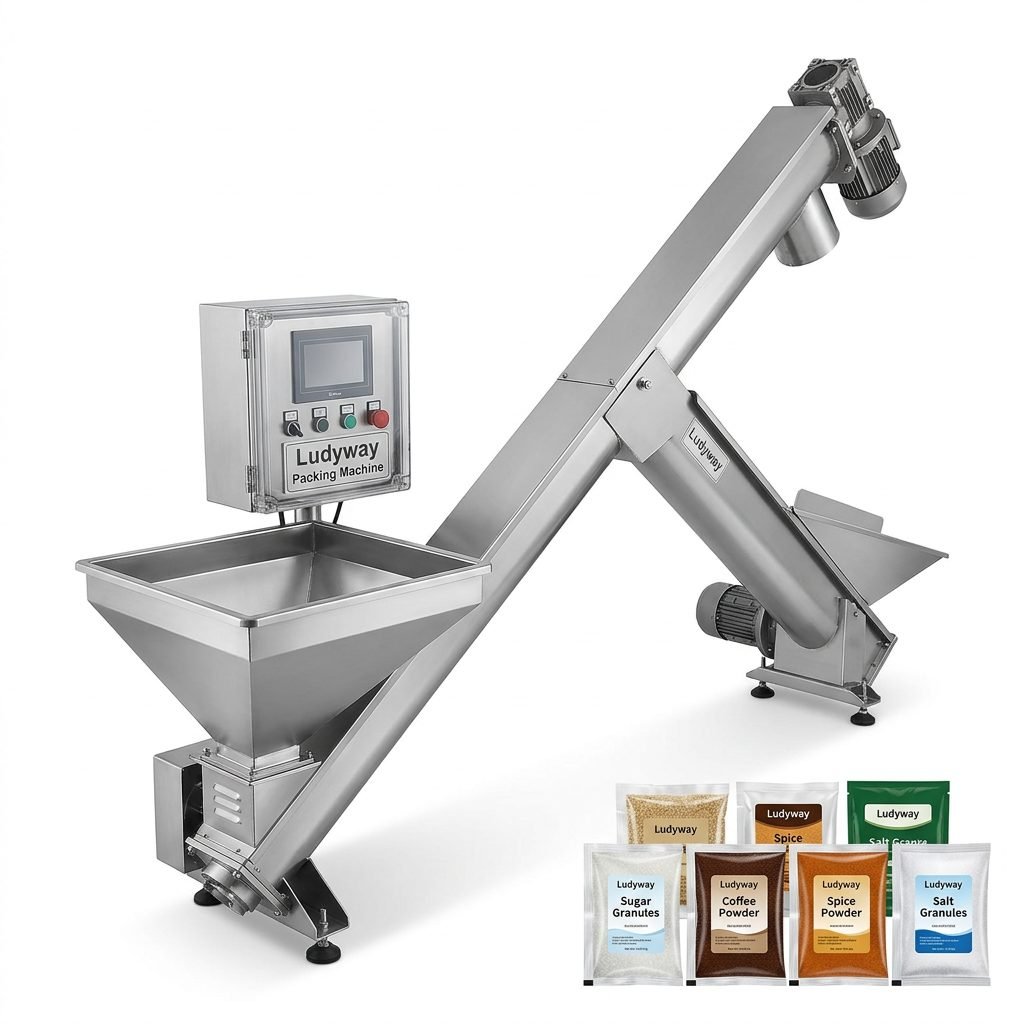
Monthly Maintenance Procedures
Monthly maintenance focuses on comprehensive inspection and component-level servicing. These tasks may require a qualified technician rather than a line operator. Build these procedures into your production calendar to avoid scheduling conflicts.
Mechanical System Inspection
- Bearing condition: Listen for unusual noise and check for excessive play. Replace any bearings showing signs of wear, corrosion, or overheating.
- Gearbox oil level: Check oil levels in all gearboxes and top up or replace as needed. Contaminated oil accelerates gear wear.
- Shaft alignment: Misaligned shafts cause vibration and premature component failure. Use a dial indicator to verify alignment tolerances.
- Fastener torque check: Verify that all critical bolts are tightened to the manufacturer’s specified torque values.
Electrical and Control System Checks
- Wiring inspection: Look for frayed wires, loose terminal connections, or signs of overheating at connection points.
- PLC backup: Create a backup of the PLC program parameters. This ensures quick recovery in case of controller failure.
- Sensor calibration: Verify the accuracy of temperature sensors, load cells, and proximity switches. Recalibrate if readings drift outside acceptable limits.
Quarterly and Annual Maintenance
Quarterly and annual maintenance involve major overhauls that require scheduled production downtime. These comprehensive services are best performed by experienced maintenance personnel or the equipment manufacturer’s service team.
- Replace wear parts: Sealing jaws, cutting blades, belts, and filters have finite service lives. Proactive replacement prevents unexpected failures.
- Full system calibration: Calibrate all weighing systems, temperature controllers, and motion control axes to factory specifications.
- Hydraulic and pneumatic system flush: Drain and replace hydraulic fluid. Clean or replace pneumatic cylinders and valves as needed.
- Comprehensive safety audit: Document and verify the functionality of all safety devices, including interlocks, light curtains, and pressure relief valves.
- Software updates: Check for PLC firmware or HMI software updates from the equipment manufacturer.
Maintenance Schedule Overview
| Frequency | Key Tasks | Responsible Party |
|---|---|---|
| Daily | Visual inspection, clean contact surfaces, check sensors, verify temperatures | Machine Operator |
| Weekly | Lubrication, belt/chain inspection, clean electrical cabinets, test safety interlocks | Maintenance Technician |
| Monthly | Bearing inspection, gearbox oil check, wiring inspection, sensor calibration, PLC backup | Maintenance Technician |
| Quarterly | Replace wear parts, full calibration, pneumatic system service, safety audit | Senior Technician / Service Team |
| Annually | Major overhaul, hydraulic flush, software updates, comprehensive documentation review | Manufacturer Service Team |
Common Troubleshooting Issues
Even with diligent maintenance, issues can arise. Understanding common problems and their root causes enables faster resolution. The table below outlines frequent challenges encountered with bulk packaging equipment and recommended corrective actions.
| Problem | Possible Cause | Solution |
|---|---|---|
| Inconsistent fill weights | Worn auger, product bridging in hopper, load cell drift | Inspect auger condition, check hopper agitation, recalibrate load cells |
| Weak or leaking seals | Low sealing temperature, dirty jaws, worn Teflon coating | Verify temperature setpoints, clean jaws, replace worn sealing components |
| Film tracking off-center | Misaligned rollers, incorrect film tension, worn guide rollers | Realign rollers, adjust tension settings, replace worn guides |
| Excessive machine vibration | Loose mounting bolts, unbalanced rotating parts, bearing failure | Tighten all fasteners, check balance, replace faulty bearings |
| Sensor errors or false readings | Dust accumulation, misalignment, damaged sensor cable | Clean sensors, realign, inspect and replace damaged cables |
Lubrication Best Practices
Proper lubrication is one of the most effective ways to extend the life of your packaging equipment. However, over-lubrication can be just as damaging as under-lubrication. Excess grease attracts dust and contaminants, creating an abrasive paste that accelerates wear. Follow these guidelines:
- Always use food-grade lubricants (H1-rated) for any lubrication point that could potentially contact product zones.
- Follow the manufacturer’s recommended lubrication intervals and quantities precisely.
- Keep a lubrication log to track when each lubrication point was serviced.
- Clean grease fittings before applying fresh lubricant to prevent contamination.
- Use automatic lubrication systems where available to ensure consistent delivery.
Electrical System Maintenance
The electrical and control systems are the brain of any modern bulk packaging machine. Protecting these sensitive components from environmental factors is critical. Key electrical maintenance practices include:
- Keep cabinets sealed: Ensure all electrical enclosure gaskets are intact and cabinet doors close securely to prevent dust and moisture ingress.
- Monitor temperature: Overheating inside electrical panels can degrade PLC components. Verify that cooling fans and ventilation are functioning properly.
- Check grounding: Proper grounding prevents electrical noise that can interfere with sensor signals and cause erratic machine behavior.
- Inspect cable management: Ensure moving cables are routed through proper cable carriers and are not pinched or stretched during machine cycles.
- Document parameter changes: Any adjustment to PLC parameters or HMI settings should be logged with the date, reason, and person responsible. This practice supports regulatory compliance, especially in pharmaceutical packaging applications, where standards like ISO 11607 may apply.
Spare Parts Management
A well-organized spare parts inventory reduces downtime when components fail unexpectedly. Critical spare parts to keep on hand include:
- Sealing jaws and heating elements — these are high-wear items that require periodic replacement.
- Belts and drive chains — having replacements ready prevents extended downtime during production runs.
- Sensors and photocells — common failure points that can be swapped quickly if spares are available.
- Filters and seals — air filters, oil seals, and gaskets should be stocked for routine service intervals.
- PLC batteries — a dead backup battery can result in program loss. Replace these proactively according to the manufacturer’s schedule.
Training and Documentation
Even the best maintenance program will fall short without properly trained personnel. Operators and maintenance staff should receive thorough training on:
- Machine operation and safety procedures
- Daily, weekly, and monthly maintenance checklists
- Proper cleaning and lubrication techniques
- Basic troubleshooting and when to escalate issues
- Documentation and record-keeping requirements
Comprehensive maintenance documentation is also essential for regulatory audits, particularly in the pharmaceutical and health industries. The FDA and other regulatory bodies require demonstrable maintenance records for equipment used in food and drug packaging. Maintaining detailed logs supports compliance with industry standards and provides valuable data for optimizing maintenance schedules over time.
Partnering with a Reliable Equipment Manufacturer
Choosing a packaging machine from a manufacturer that offers strong after-sales support, readily available spare parts, and comprehensive technical documentation makes ongoing maintenance significantly easier. Ludyway, with over 30 years of industry experience and a modern 20,000㎡ manufacturing facility, provides packaging solutions backed by professional technical support and a long-term commitment to customer success. For more insights on packaging machinery trends and growth, you can review the market analysis on EIN Presswire. Additionally, the PMMI Business Intelligence library offers valuable industry data to inform equipment investment decisions.
Final Recommendations
Maintaining a bulk packaging machine is an ongoing commitment that pays dividends in reliability, product quality, and operational efficiency. By implementing structured daily, weekly, monthly, and annual maintenance routines, you can significantly reduce unplanned downtime and extend the service life of your equipment. Keep detailed records, train your team thoroughly, and maintain a strategic spare parts inventory. When in doubt, consult your equipment manual or contact the manufacturer’s technical support team for guidance. A proactive approach to maintenance is always more cost-effective than reactive repairs.