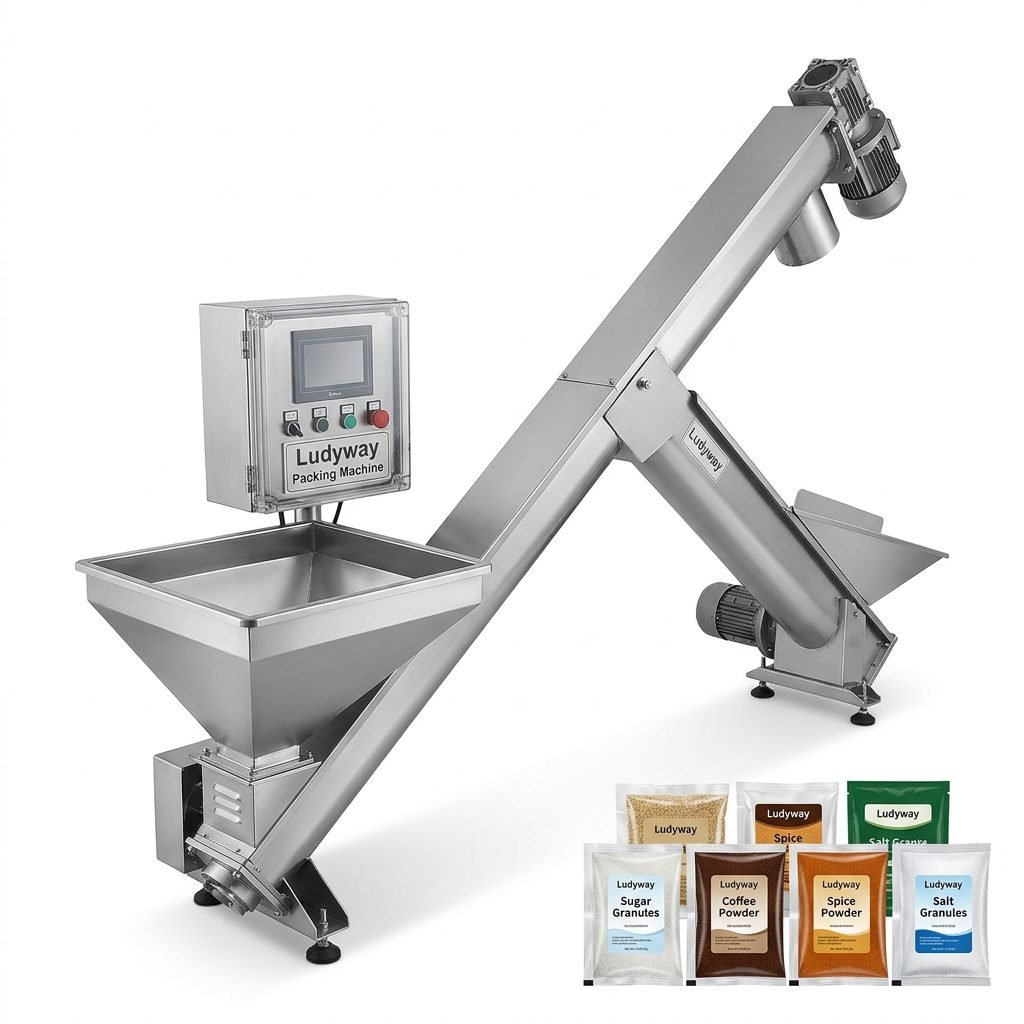
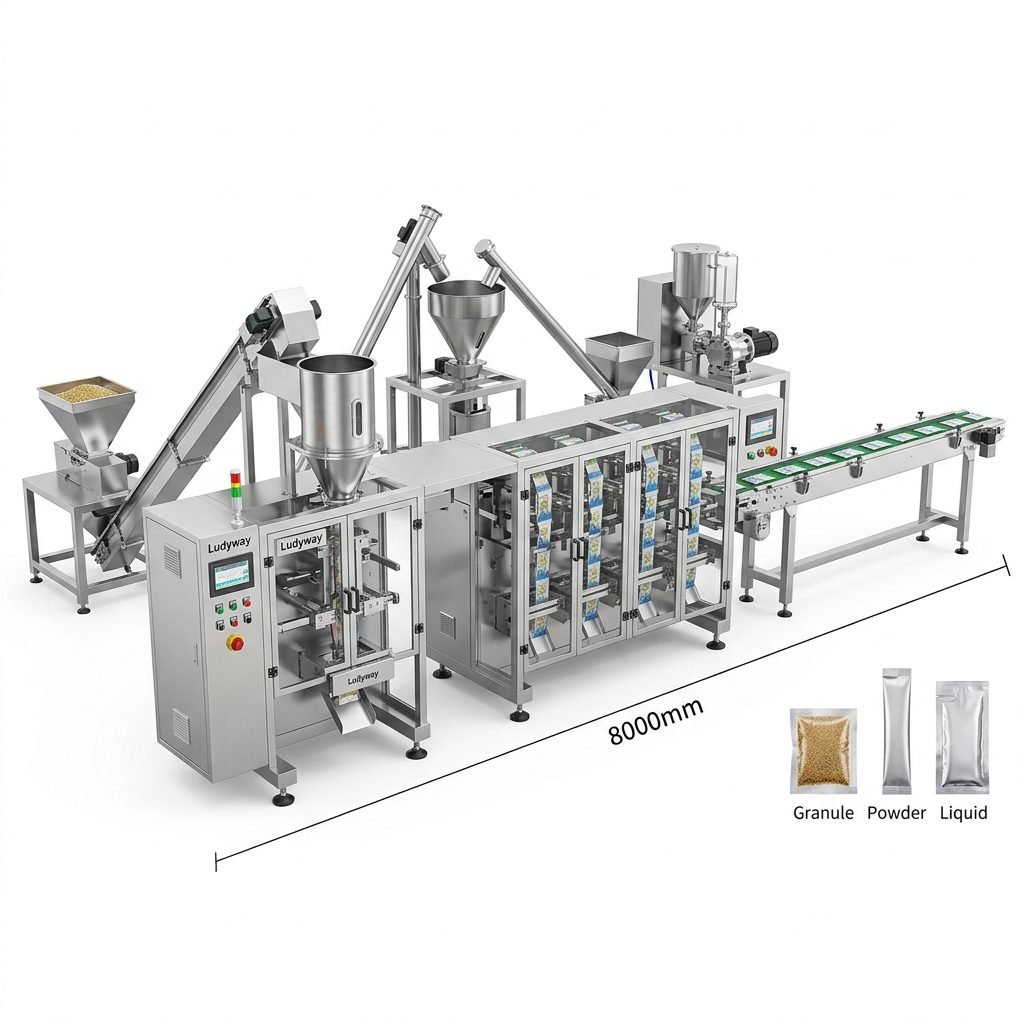
In today’s fast-paced manufacturing world, selecting the right packaging equipment and films is crucial for efficiency, product protection, and brand presentation. This comprehensive guide explores the various types of packaging machinery and films, their specific applications, and provides a clear framework for choosing the optimal solution for your production needs.
Understanding Core Packaging Equipment Types
The landscape of packaging machinery is diverse, each type designed for specific formats and production speeds.
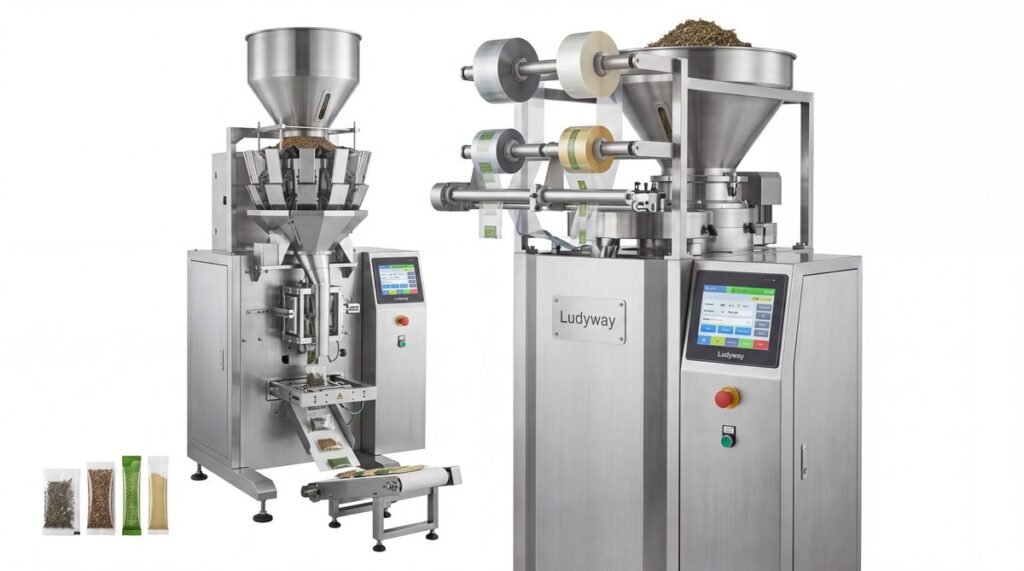
Vertical Form-Fill-Seal (VFFS) Machines
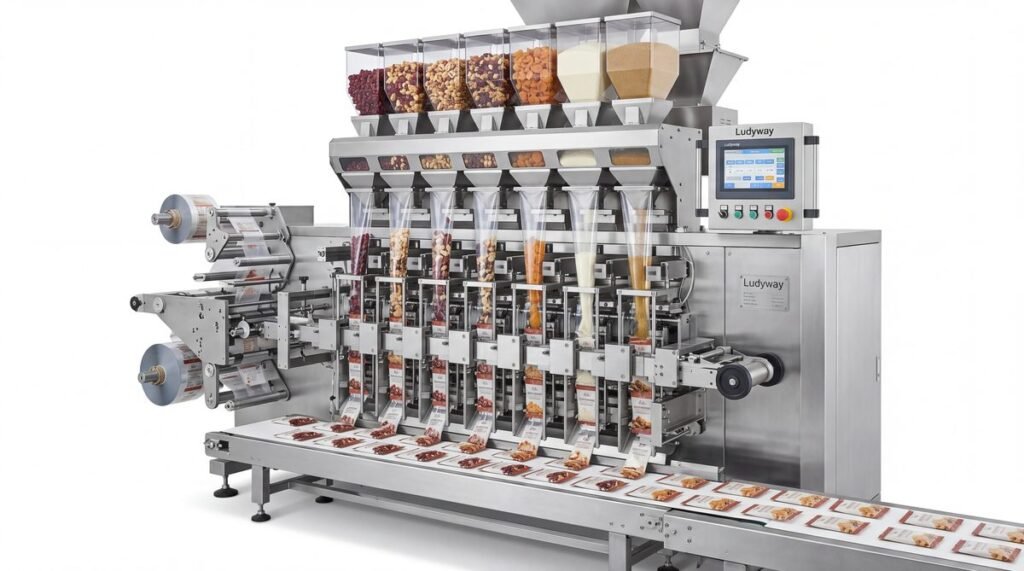
These are the workhorses of the industry, creating bags from a roll of film, filling them with product, and sealing them in a continuous vertical process. Ideal for granules, powders, snacks, and liquids. They offer high speed and flexibility in bag size.
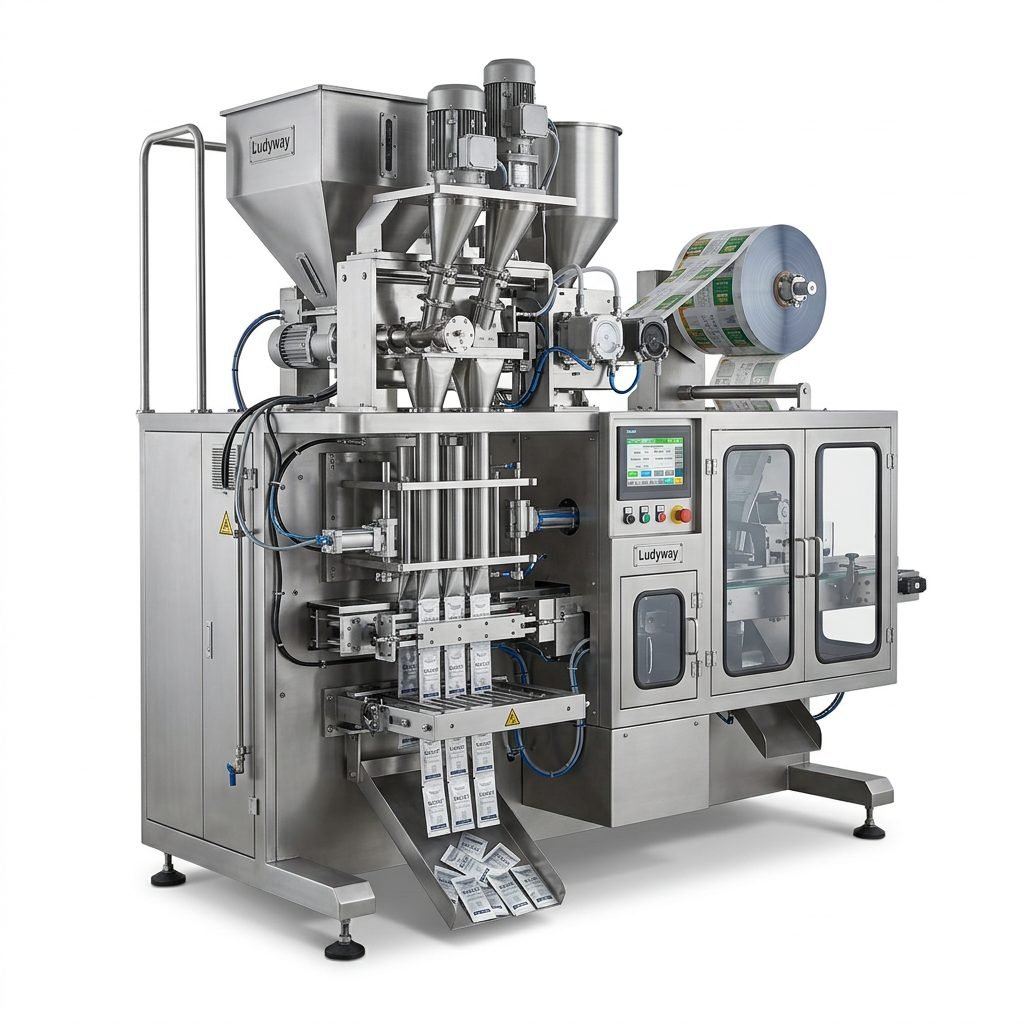
Horizontal Form-Fill-Seal (HFFS) Machines
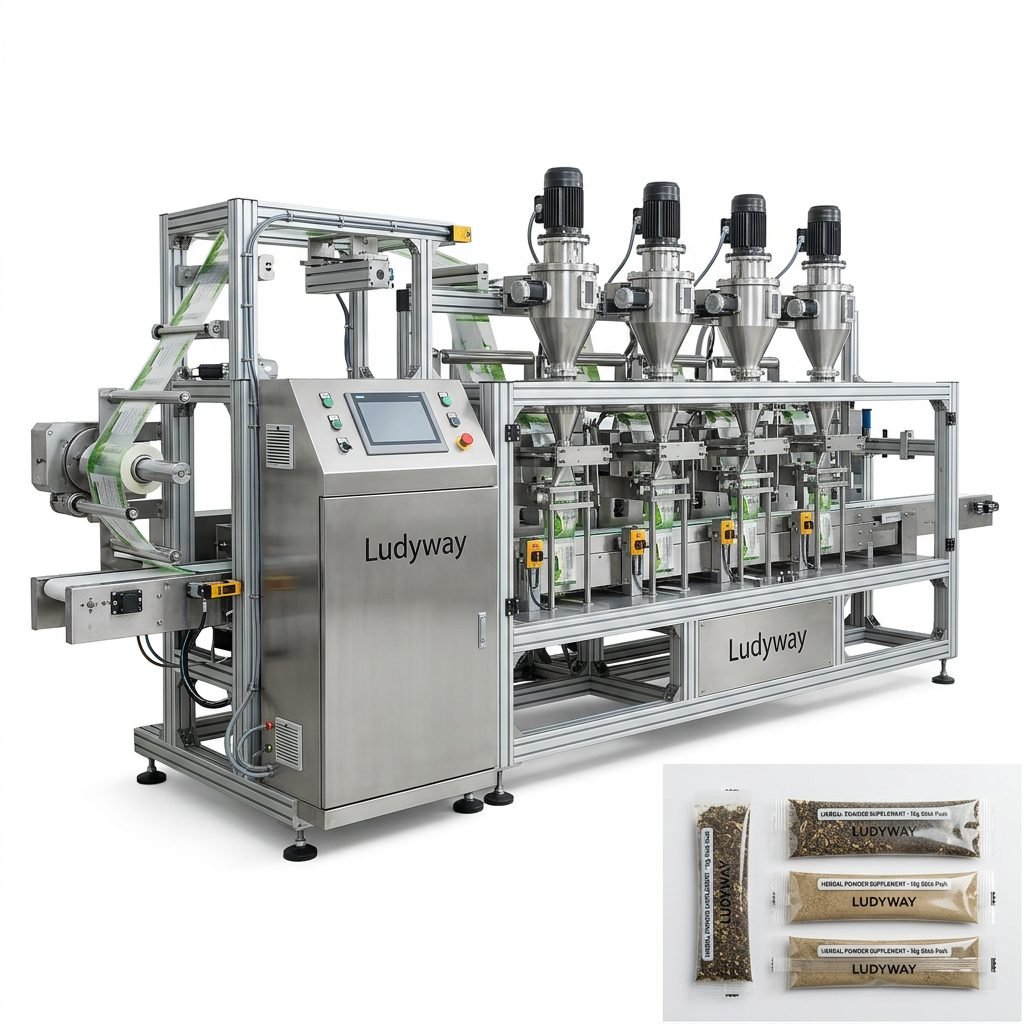
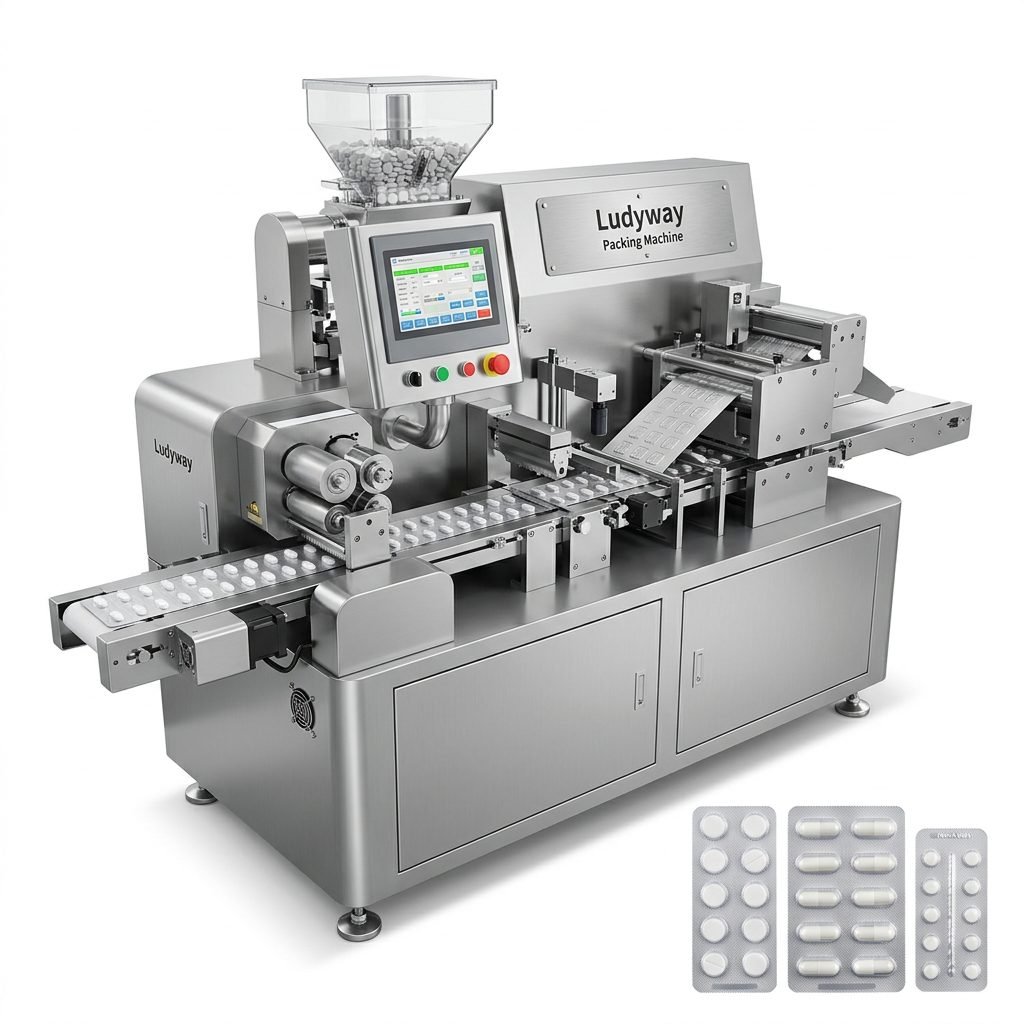
Perfect for creating sachets, stick packs, and pillow packs. The film moves horizontally, and products are placed into pre-formed pockets before sealing. This is excellent for single-serve portions of coffee, sugar, sauces, or pharmaceuticals.
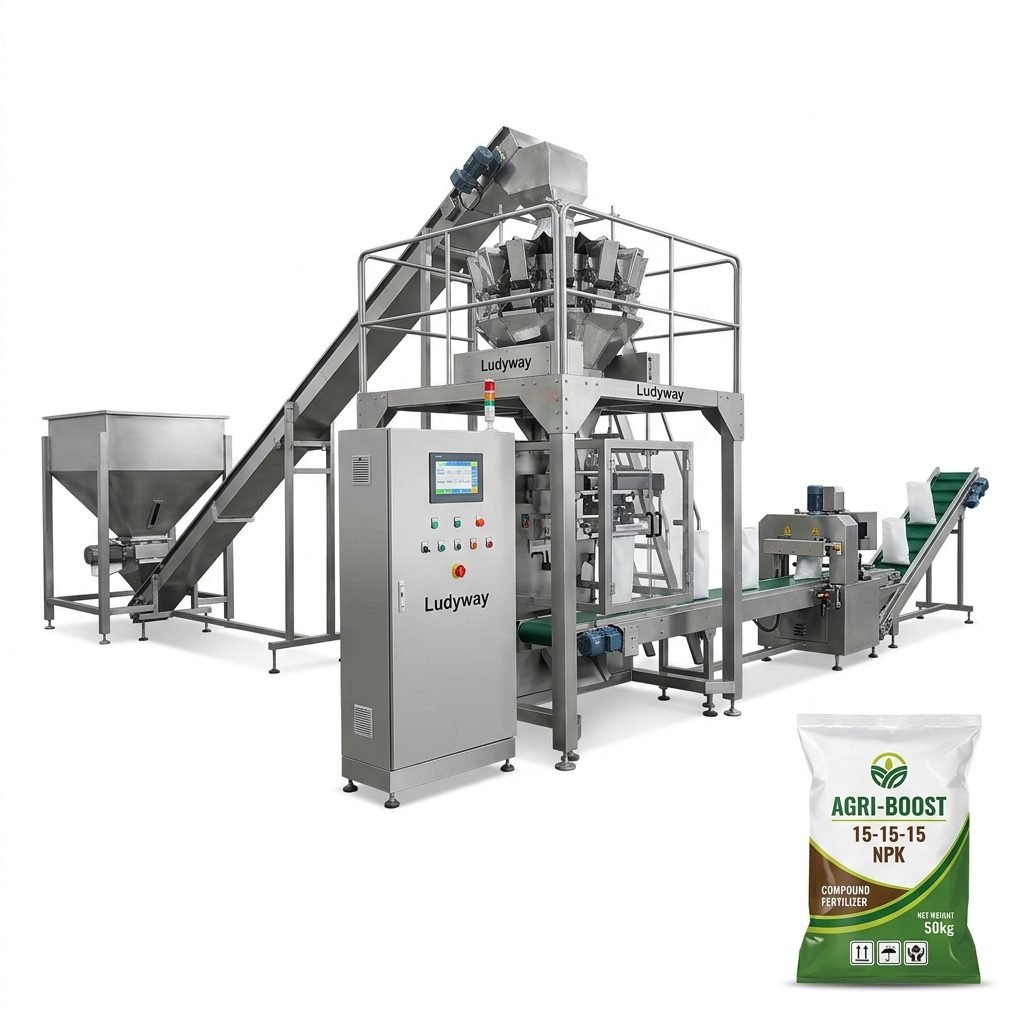
Cartoning & Case Packing Systems
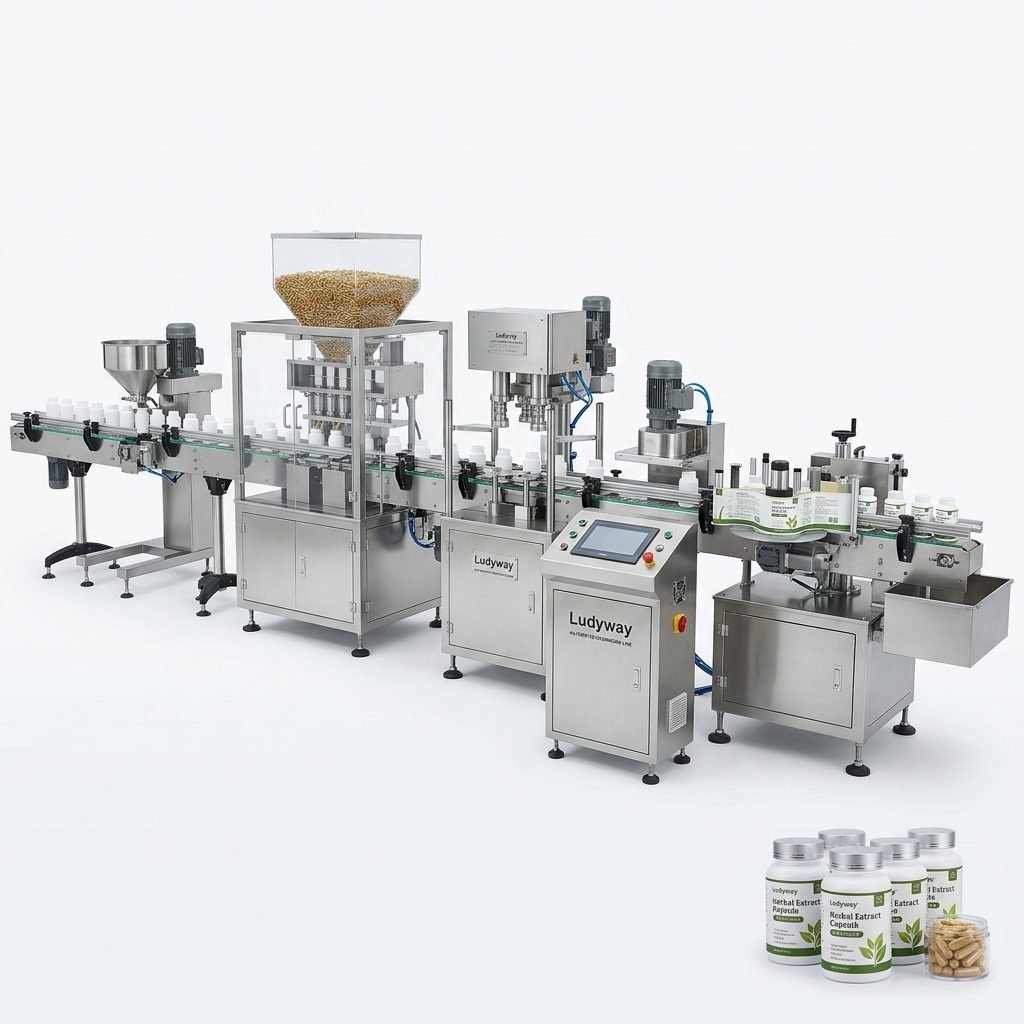
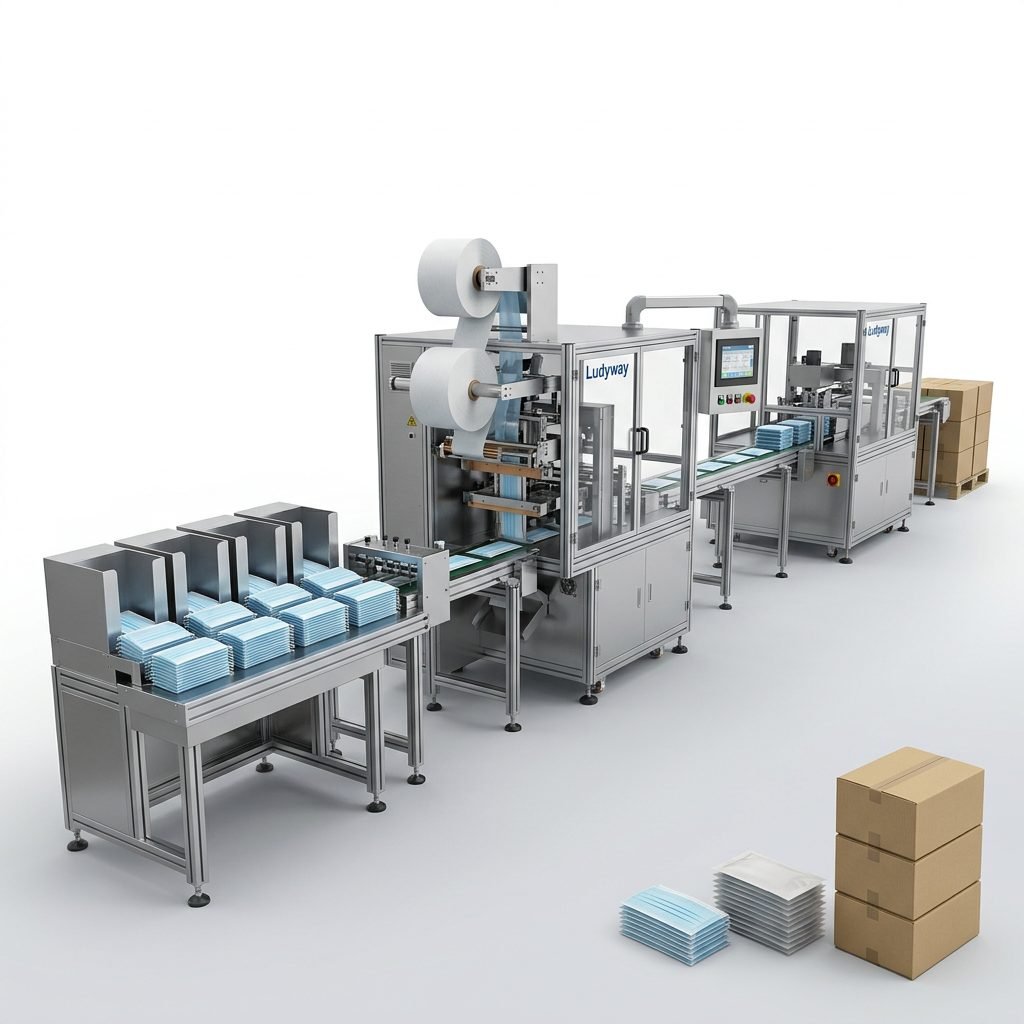
These machines automate the loading of primary packages (like sachets or bottles) into cartons or shipping cases. They are essential for end-of-line automation, ensuring consistent presentation and reducing labor costs.
Exploring Packaging Film Materials and Properties
The film is as critical as the machine. Its choice directly impacts shelf life, appearance, and functionality.
Common Film Structures
Monolayer Films
Laminated Films
Co-extruded Films
Monolayer films, like LDPE or OPP, are cost-effective for simple barriers. Laminated films combine layers (e.g., PET/ALU/PE) for superior moisture, oxygen, and light barriers, crucial for sensitive products. Co-extruded films are created by fusing multiple polymer layers during manufacturing, offering excellent barrier properties at a potentially lower cost than lamination.
Key Film Properties to Consider
- Barrier Performance: Protection against oxygen, moisture, and aromas.
- Sealability: How well the film seals to itself under heat and pressure.
- Machinability: The film’s behavior on high-speed equipment (slip, stiffness).
- Clarity & Printability: For product visibility and high-quality branding.
Matching Equipment and Film to Product Needs
The right pairing depends entirely on your product’s physical and chemical characteristics.
For Granules & Powders (e.g., Coffee, Protein Powder)
Equipment: Multi-lane VFFS or stick pack machines are ideal for high-speed portioning. Film: Requires good barrier properties (MET-PET/PE) to prevent aroma loss and moisture ingress. Anti-static properties can be crucial for powder flow.
For Liquids & Pastes (e.g., Sauces, Shampoos)
Equipment: Liquid VFFS machines with precise volumetric or piston pumps. Film: Must have excellent seal integrity and chemical resistance. Often a laminated structure like PET/ALU/PE or PET/MPET/PE is used.
For Solid Items (e.g., Cookies, Medical Devices)
Equipment: HFFS machines for trays or flow-wrapping. Film: Clarity and toughness are key. OPP or CPP films are common, sometimes with a cold seal coating for heat-sensitive items.
How to Choose the Right Packaging Solution: A Step-by-Step Guide
Your Selection Framework
- Define Product & Output: Analyze product form, sensitivity, and required daily/weekly production volume.
- Set Packaging Goals: Determine needed shelf life, branding requirements, and sustainability targets.
- Evaluate Equipment: Assess machine speed, flexibility for size changes, automation level, and footprint. Consider suppliers with strong technical support and industry experience.
- Select Film: Partner with film suppliers to test machinability and barrier performance. Never finalize a machine without testing your actual film.
- Plan for Integration: Ensure the new equipment integrates with existing upstream (filling) and downstream (cartoning) lines.
- Consider Total Cost: Look beyond purchase price to operational costs, maintenance, film yield, and potential downtime.
The Role of a Trusted Packaging Partner
Navigating this complex landscape is easier with an expert partner. A provider like Ludyway Packaging Machinery, with decades of experience, can offer invaluable guidance. They don’t just sell machines; they provide turnkey solutions, from initial concept and film testing to machine commissioning and after-sales support. Their deep knowledge across food, pharmaceutical, and chemical packaging ensures you avoid common pitfalls and achieve a faster return on investment. Reviewing a potential partner’s company history and project portfolio is a critical step in the selection process.
Future Trends in Packaging Equipment & Films
The industry is moving towards greater connectivity (Industry 4.0), with machines providing real-time data on output, efficiency, and predictive maintenance needs. Sustainability is driving demand for mono-material and recyclable films that can run on existing equipment. Flexibility is also key, as machines are increasingly designed for quick changeovers to handle smaller batch production runs.
Frequently Asked Questions (FAQs)
Q1: What is the most important factor when choosing packaging equipment?
A: While speed and cost are vital, long-term reliability and service support are paramount. A slightly slower but robust machine with excellent technical support will often outperform a faster, less reliable one over its lifetime.
Q2: Can I use any film on my packaging machine?
A: No. Films have different sealing temperatures, friction coefficients, and stiffness. Always conduct machine trials with your chosen film before full-scale production to ensure consistent sealing and smooth operation.
Q3: How do I improve the shelf life of my product?
A: Shelf life is primarily a function of the packaging film’s barrier properties. Work with your film supplier to select a structure (e.g., with aluminum foil or high-barrier metallized layers) that blocks the specific elements (oxygen, moisture, light) that degrade your product.
Q4: What does a “turnkey solution” mean in packaging?
A: A turnkey solution means the supplier handles the entire project from design and equipment selection to installation, training, and initial production support. You receive a complete, working production line ready to “turn the key” and start operation.
Q5: Is automated packaging equipment suitable for small businesses?
A: Yes. While large integrated lines exist, many compact, semi-automatic, or single-lane machines are designed for small to medium-scale production. They offer an affordable entry into automation, significantly improving consistency and hygiene over manual packing.