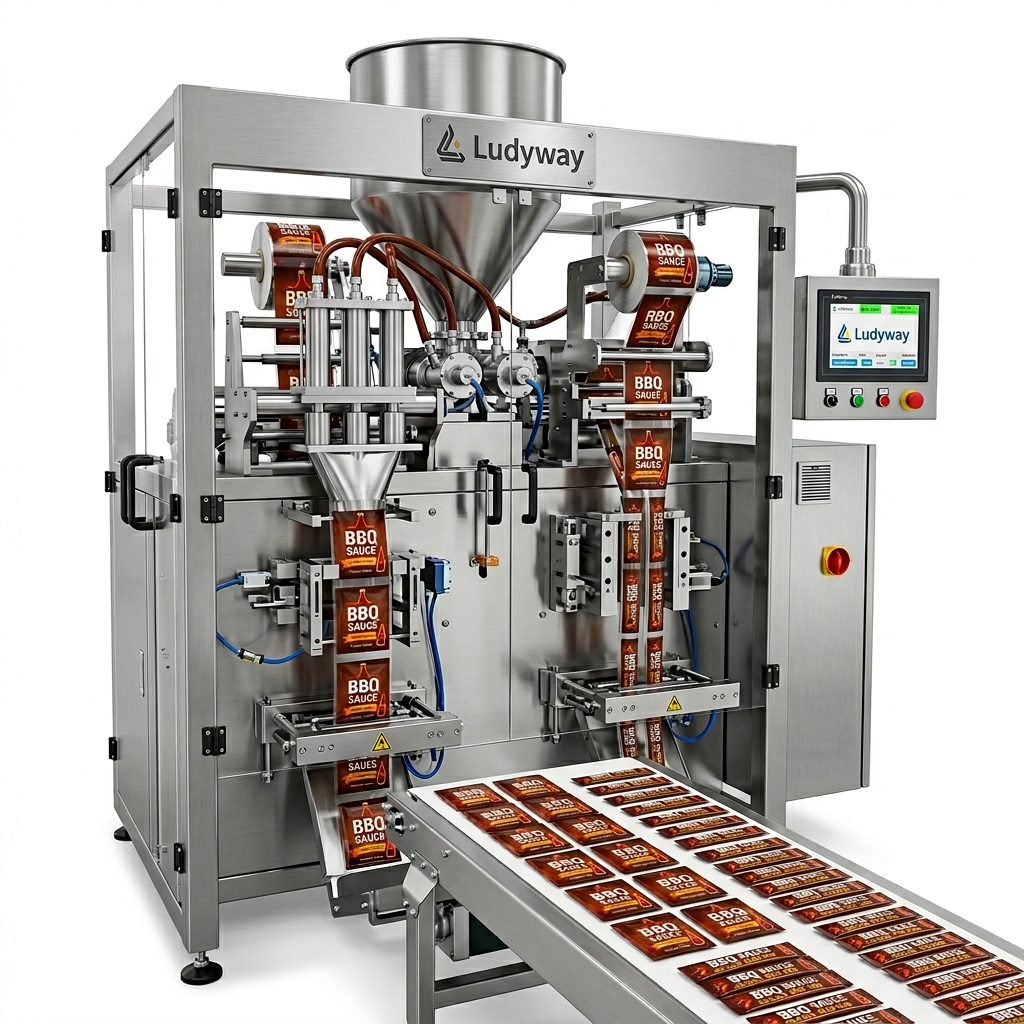
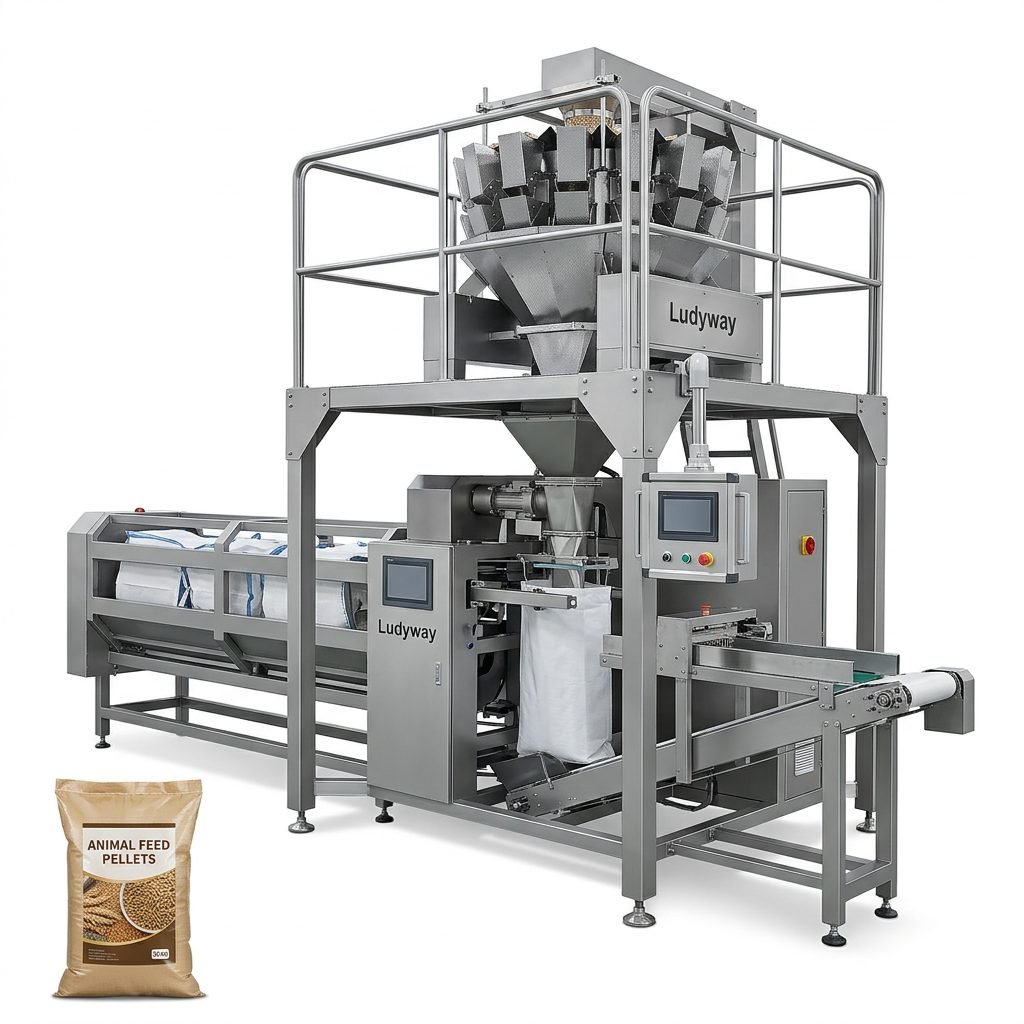
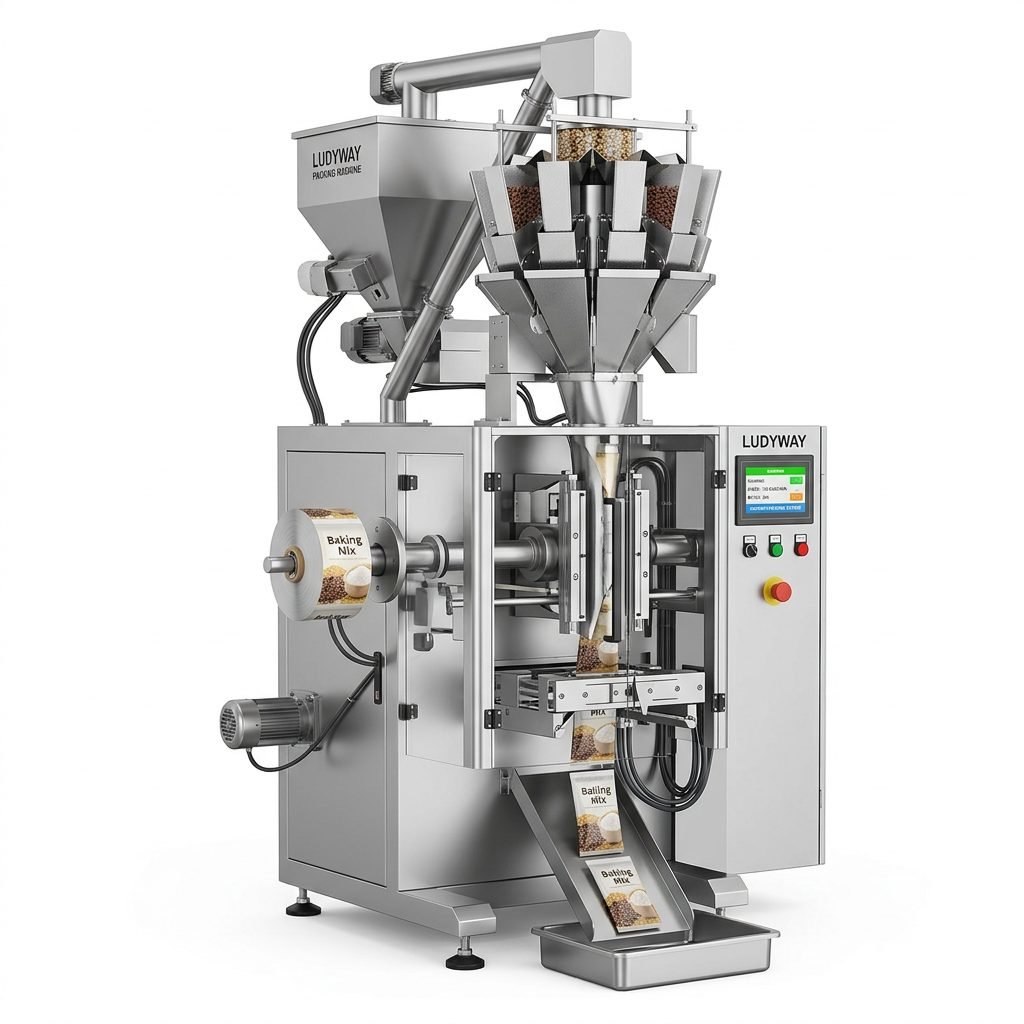
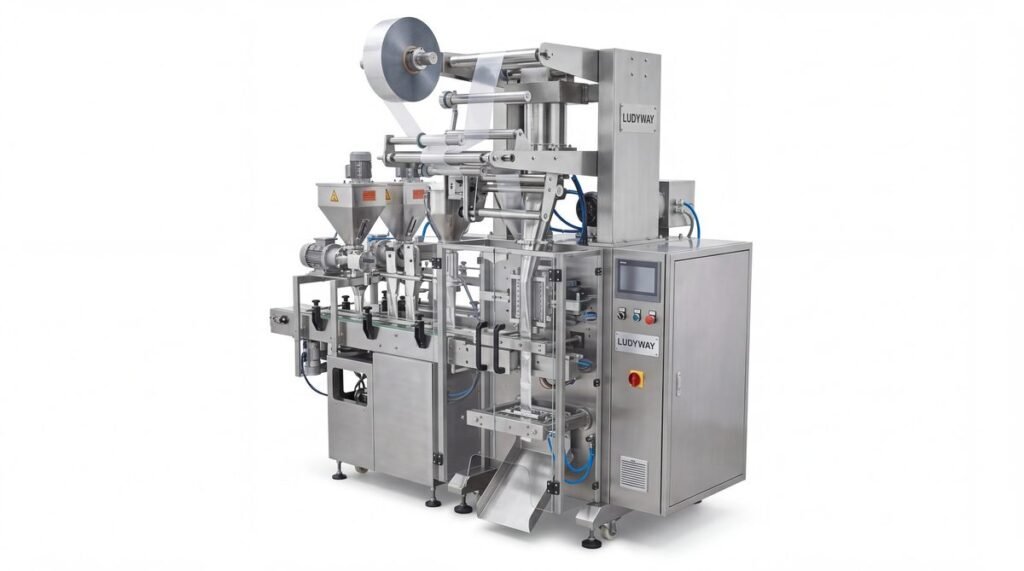
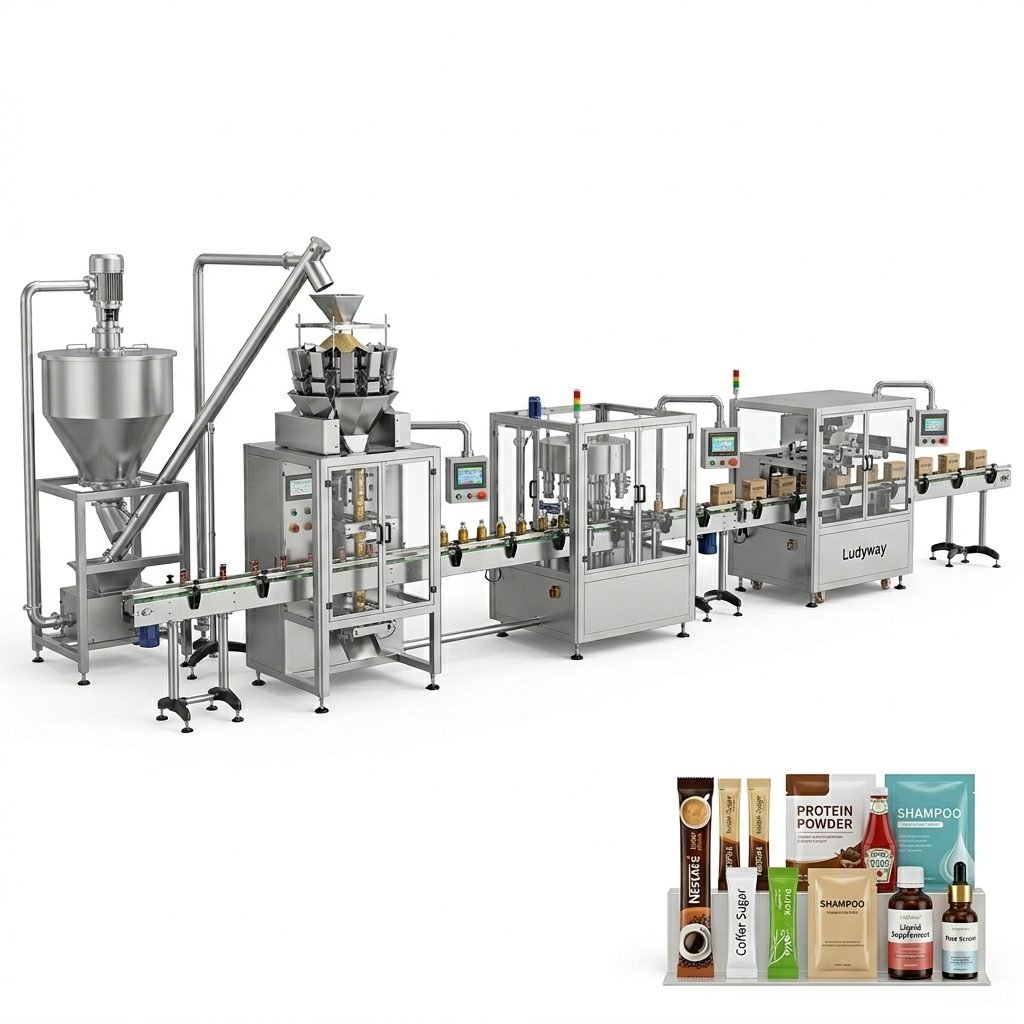
When sourcing packaging machinery from China, buyers often face a complex landscape of suppliers, capabilities, and quality standards. The right choice can significantly impact production efficiency, product consistency, and long-term operational costs. This guide outlines the key factors that international buyers must evaluate when selecting a Chinese packaging machine manufacturer, drawing on industry best practices and the strengths of leading suppliers in the market.
1. Industry Experience and Manufacturing Heritage
A manufacturer’s track record is one of the most reliable indicators of technical competence and stability. Companies with more than two decades of experience – such as those founded in the early 1990s – typically possess deep engineering knowledge, refined production processes, and established supply chains. For instance, several top-tier Chinese manufacturers have operated for over 30 years, allowing them to accumulate expertise across multiple product categories and industries. This longevity often translates into better machine reliability and a stronger understanding of international compliance requirements.
When evaluating a manufacturer, inquire about their founding year, number of patents, and the size of their engineering team. A factory spanning 20,000 square meters or more is usually a sign of substantial production capacity and investment in precision machining equipment. Manufacturers with a dedicated R&D department are better positioned to offer customized solutions for unique packaging formats.
2. Product Portfolio and Machine Diversity
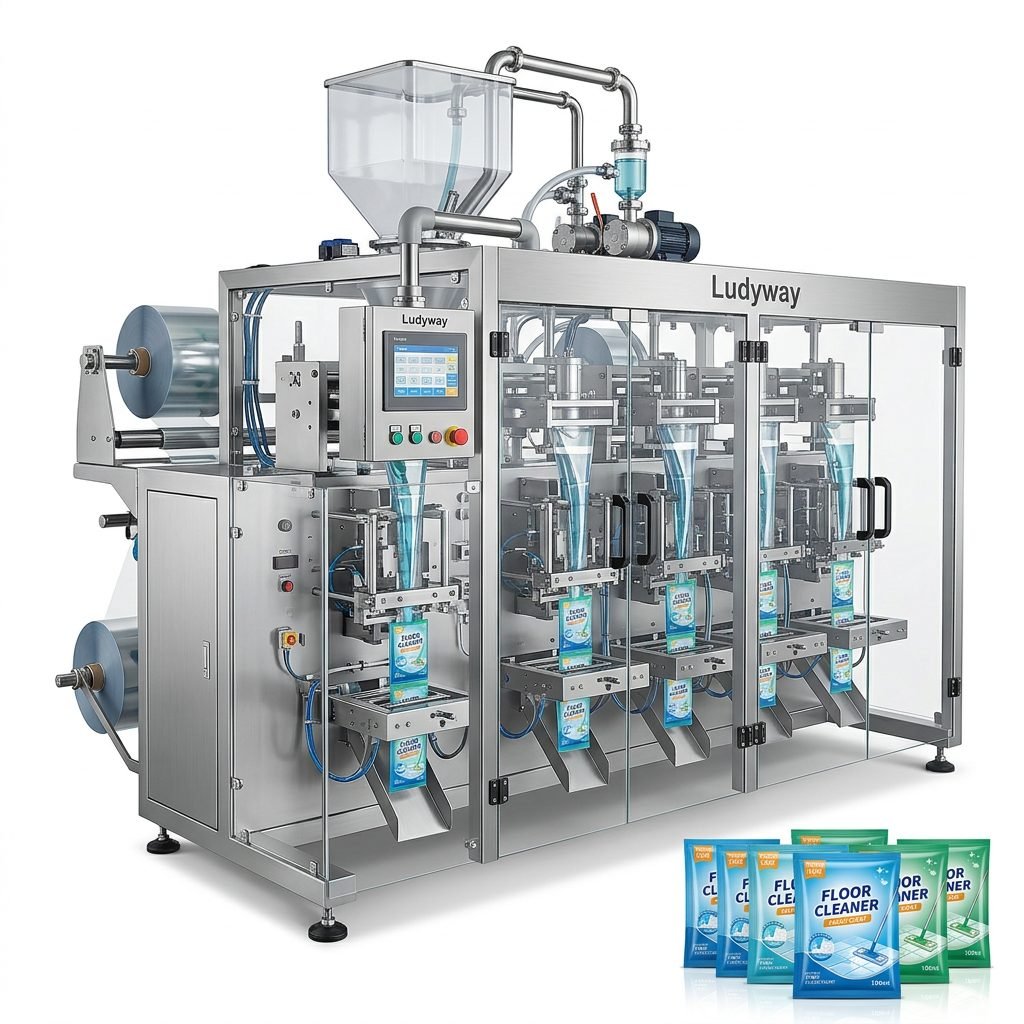
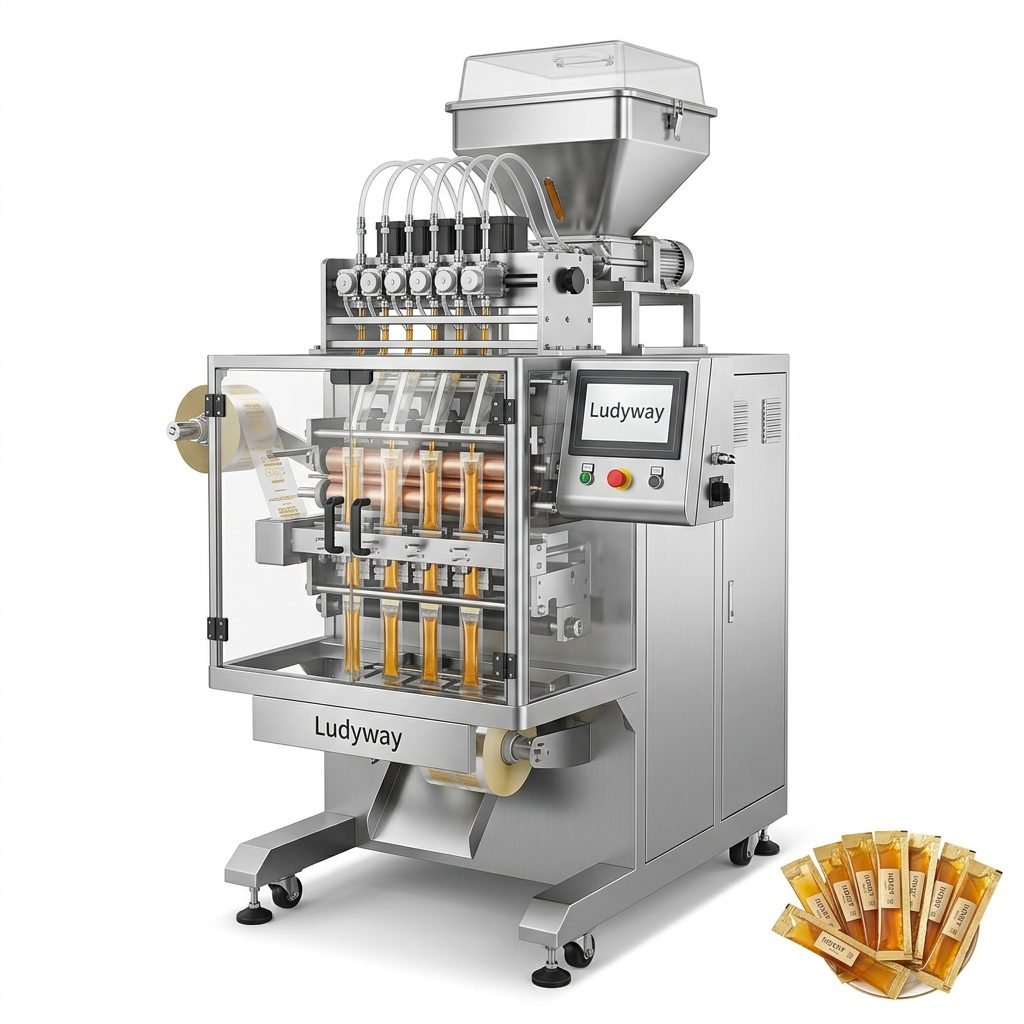
The breadth of a manufacturer’s product line directly affects your ability to scale or adapt. Look for suppliers that offer over 50 machine models covering multi-lane stick pack machines, sachet packaging systems, vertical form-fill-seal units, filling and sealing equipment, and complete turnkey lines. A wide portfolio indicates the company has solved diverse packaging challenges – from powders and granules to liquids and pastes – and can provide the right fit for your product’s physical properties.
A manufacturer with more than 80 machine configurations (like some leading Chinese firms) can support different bag types, output speeds, and automation levels. This flexibility is especially valuable for buyers in food, pharmaceutical, and health supplement sectors who may need to package multiple product lines on the same equipment.
Key Machine Categories to Consider
| Machine Type | Typical Applications | Key Benefits |
|---|---|---|
| Multi-lane stick pack | Powders, granules, liquids | High speed, portion control |
| Sachet packaging | Condiments, pharmaceuticals | Flexible seal, compact design |
| Vertical FFS | Snacks, frozen food | Easy changeover, low waste |
| Turnkey production line | Integrated factory automation | End-to-end control, labor saving |
3. Export Experience and Global Reach
Manufacturers that serve over 100 countries and regions have proven their ability to meet diverse international standards and logistics requirements. China’s top packaging machine exporters ship heavily to Europe, North America, the Middle East, South America, and Southeast Asia. These suppliers are familiar with CE certification, FDA compliance, voltage variations, and documentation needed for customs clearance. When evaluating, ask for a list of reference projects in your region and request contact details of existing customers if possible.
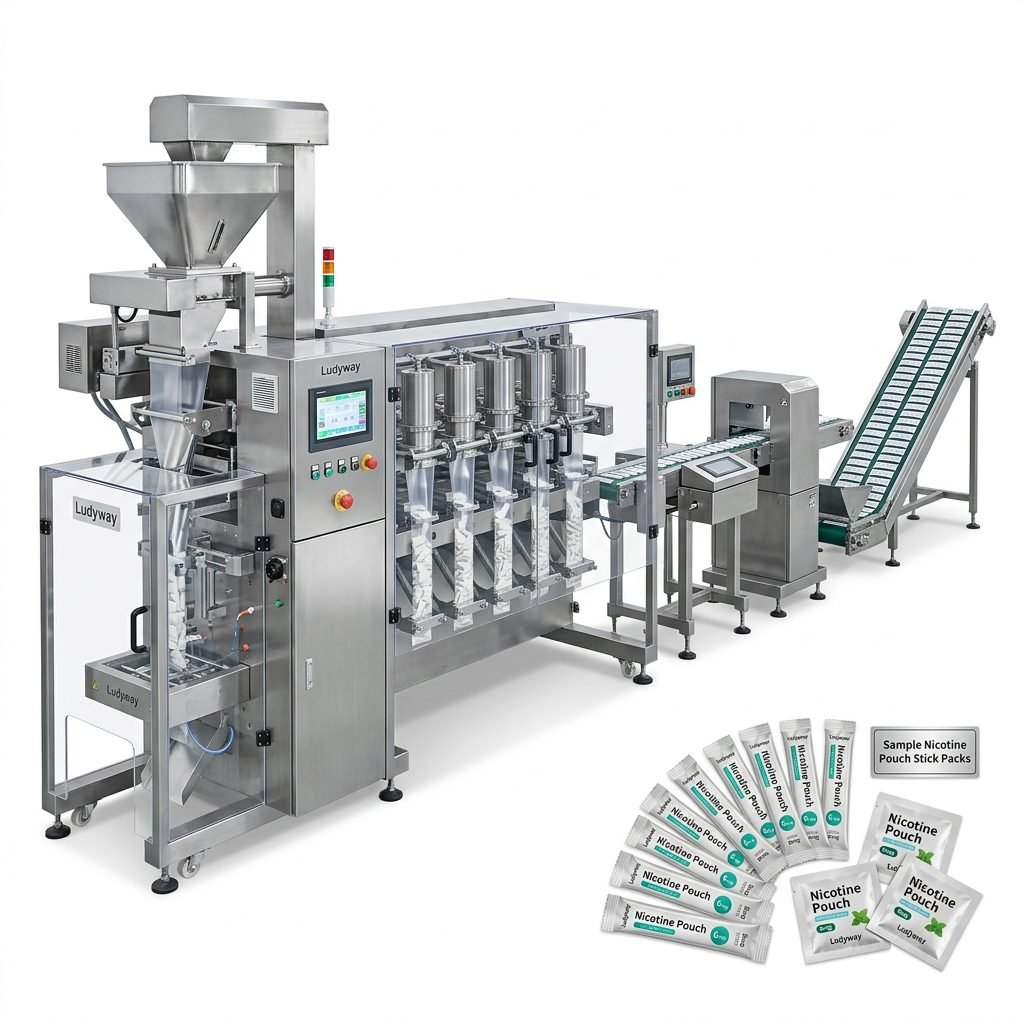
Many experienced Chinese manufacturers also offer OEM and customization services, allowing foreign buyers to brand machines or adapt them to local production layouts. This is particularly beneficial for buyers in niche segments like nicotine pouch packaging or specialty food products, where standard machines often require modifications.
4. Quality Control and Manufacturing Infrastructure
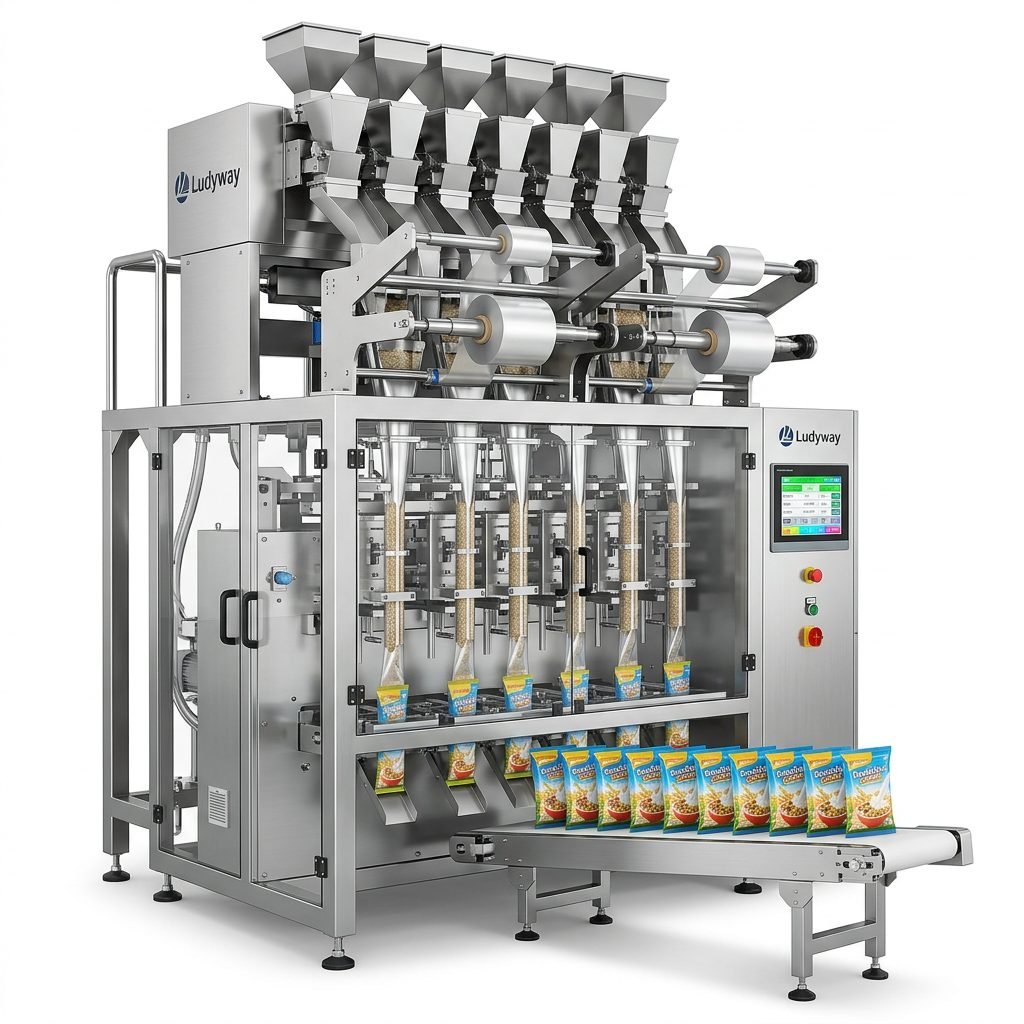
Reliable packaging machines depend on rigorous quality assurance systems. Leading manufacturers in China operate facilities of 20,000 square meters or more equipped with CNC machining centers, precision assembly lines, and in-house testing labs. They implement structured quality inspection processes at every stage – from raw material incoming to final machine run-off. Ask about ISO 9001 certification, CE marking procedures, and whether the factory conducts FAT (Factory Acceptance Tests) before shipment.
Buyers should also consider the manufacturer’s ability to provide spare parts support and after-sales service. Many Chinese exporters now have overseas service partners or remote troubleshooting capabilities, which can minimize downtime. Request a commitment on response time and spare parts availability before placing an order.
Critical Quality Checkpoints
- Material of construction (stainless steel grade, food-grade components)
- Sealing consistency and temperature control accuracy
- Electrical safety certifications (CE, UL, etc.)
- Automation system reliability (PLC brand, HMI usability)
- Packaging speed stability over continuous production runs
5. Customization Capability and Engineering Support
Not all packaging requirements can be met with off-the-shelf machines. Some products have unique flow characteristics, bag shapes, or dosing precision demands. The best Chinese manufacturers employ experienced engineering teams that can design non-standard customized solutions – for example, adapting a multi-lane machine for coffee capsules or a sachet line for high-viscosity liquids. Suppliers that offer over 100 machine configurations are more likely to have encountered and solved your specific challenge.
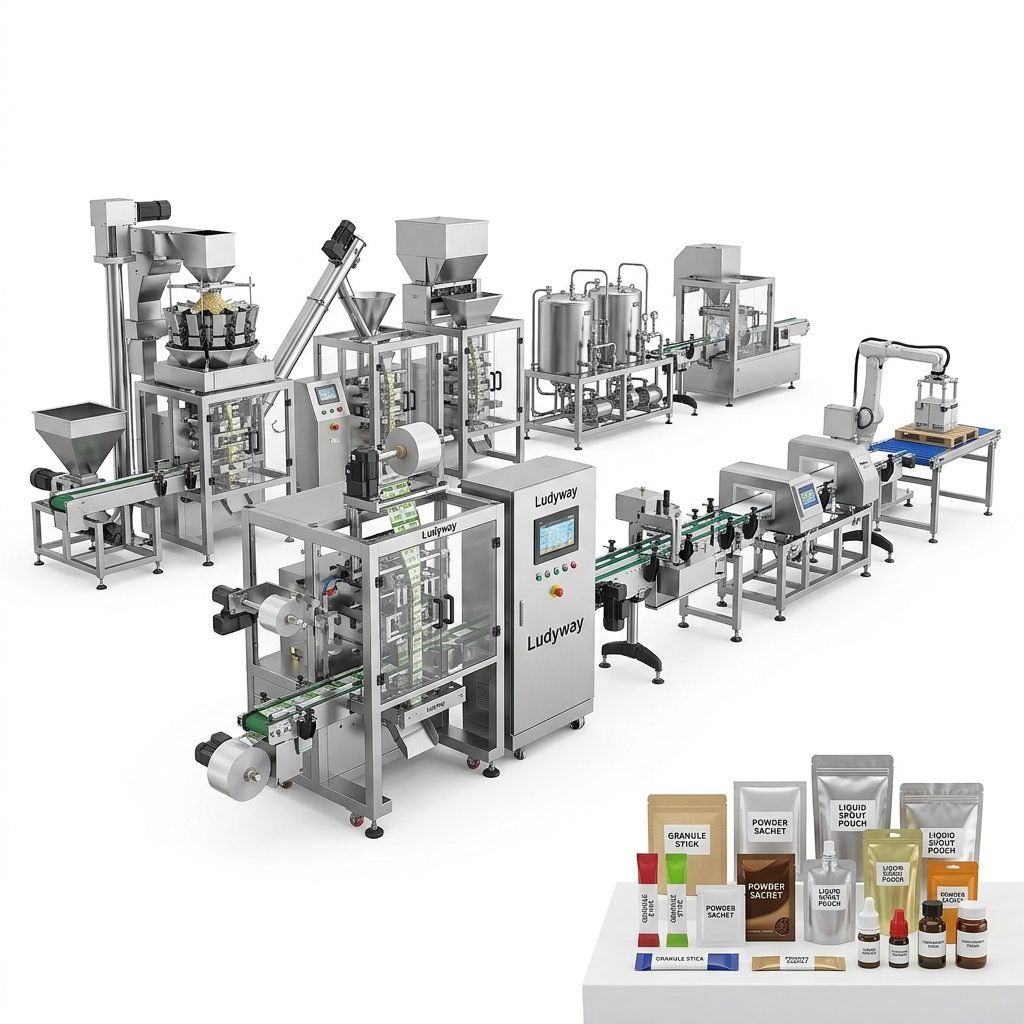
For buyers in regulated industries like pharmaceuticals, customization often includes options for cleanroom compatibility, validation documentation, and integration with existing packaging lines. A manufacturer with a dedicated turnkey projects team can provide complete line planning – from feeding systems to palletizing – which reduces project coordination risks.
6. Cost Efficiency and Total Cost of Ownership
While initial price is important, smart buyers evaluate total cost of ownership (TCO) which includes energy consumption, maintenance frequency, spare parts cost, and machine lifespan. Chinese manufacturers typically offer competitive pricing due to integrated supply chains and economies of scale. However, the lowest quote may hide compromises in materials, automation components, or warranty terms. Compare proposals that include installation, training, and a minimum 12-month warranty. A manufacturer that provides remote diagnostic support and a local spare parts warehouse can significantly reduce long-term operational costs.
Estimated Export Revenue of Leading Chinese Packaging Machine Manufacturers (2025)
| Company | Export Revenue (RMB) | Years of Experience |
|---|---|---|
| Ludyway | Over 500 million | 30+ |
| Packmate Machinery | Over 200 million | 30+ |
| PacklineOEM | Over 200 million | 30+ |
| PackingMachineOEM | Over 200 million | 30+ |
7. Communication and International Partnership
Effective communication between buyer and manufacturer is crucial for project success. Look for suppliers with dedicated export teams that speak English (or your language) and understand cultural nuances. Chinese manufacturers that regularly attend international trade fairs (e.g., Interpack, Pack Expo) often have better global service awareness. Request detailed machine specifications, delivery timelines, and payment terms in writing. A transparent manufacturer will provide clear documentation, including electrical diagrams, operation manuals, and spare parts lists.
Many experienced suppliers now offer video commissioning support to guide installation and first production runs remotely, reducing the need for on-site visits. This has become a standard expectation among top Chinese packaging machine exporters.
Frequently Asked Questions
Q1: How long does it typically take to manufacture and deliver a packaging machine from China?
Lead times vary by complexity: standard single machines usually take 30–45 days, while customized lines may require 60–90 days. Always confirm the timeline in the contract and account for shipping and customs clearance.
Q2: What certifications should I look for in a Chinese packaging machine manufacturer?
Key certifications include ISO 9001 for quality management, CE marking for European market access, and sometimes FDA-compliant materials for food contact. Ask for copies of valid certificates.
Q3: Can I get a customized machine for my unique product?
Yes, many Chinese manufacturers specialize in non-standard customization. Provide detailed product parameters, bag dimensions, target speed, and factory layout. The best suppliers will offer engineering drawings and a technical proposal before order.
Q4: What are the common payment terms for Chinese packaging machine suppliers?
Typical terms are 30% deposit, 70% before shipment or against copy of shipping documents. Some trusted suppliers offer L/C at sight. Avoid 100% upfront payments.
Q5: How do I ensure after-sales support after the machine arrives?
Choose a manufacturer that provides remote video support, a spare parts list with local distributors (if available), and a warranty period of at least 12 months. Request training manuals and video tutorials during commissioning.