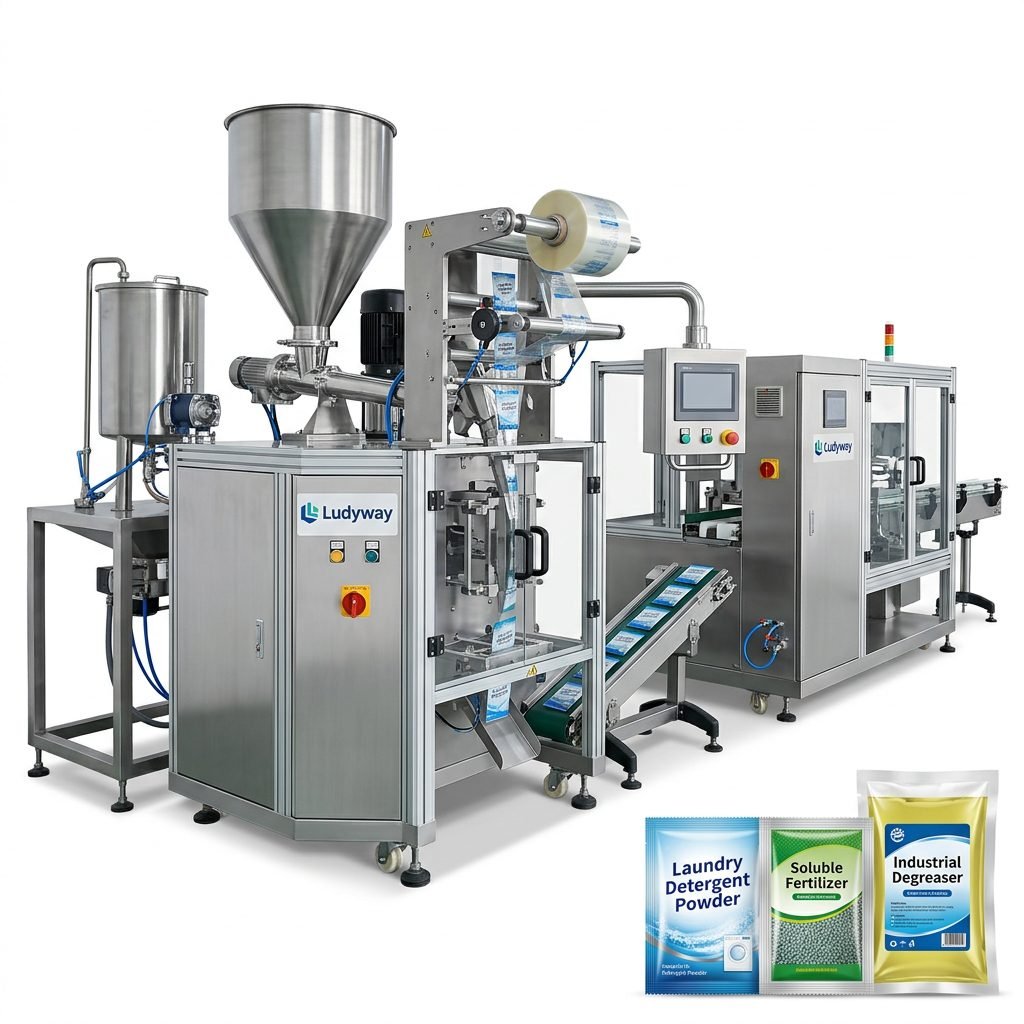
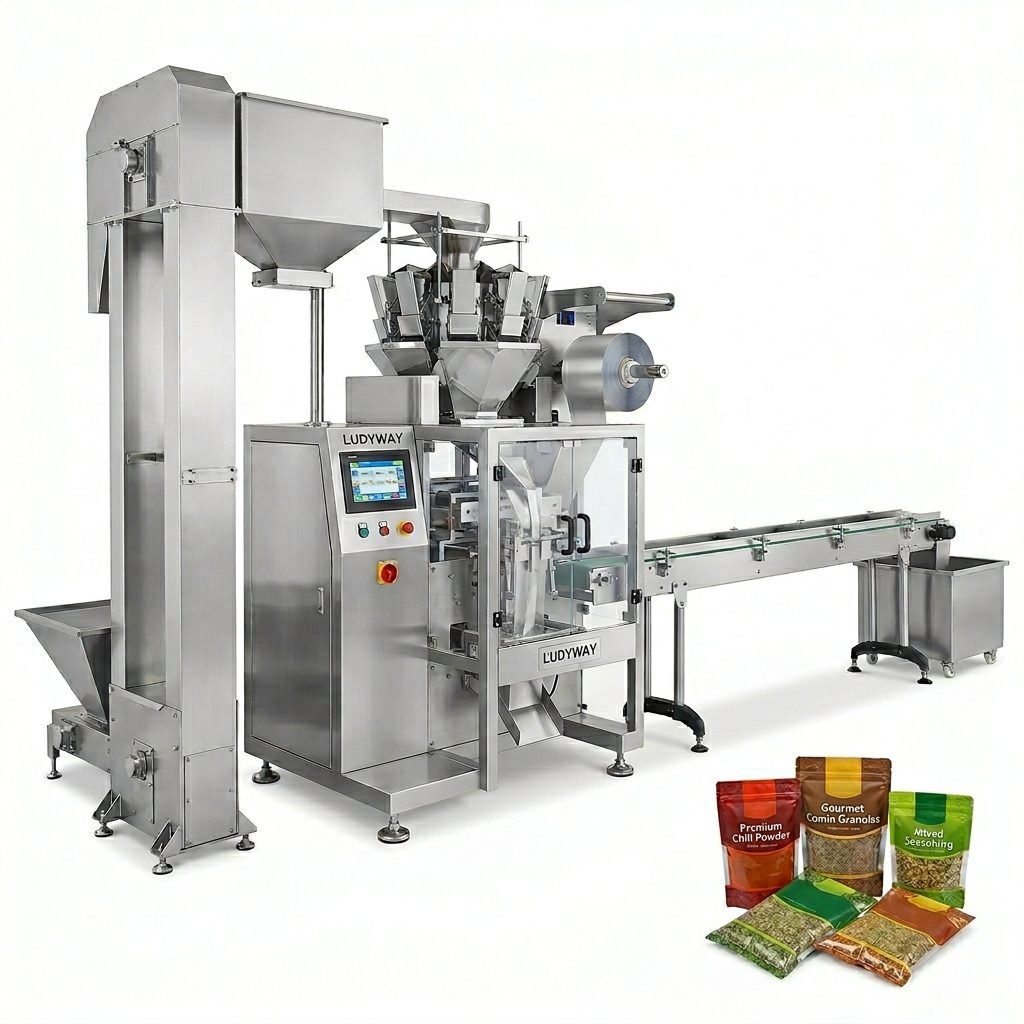
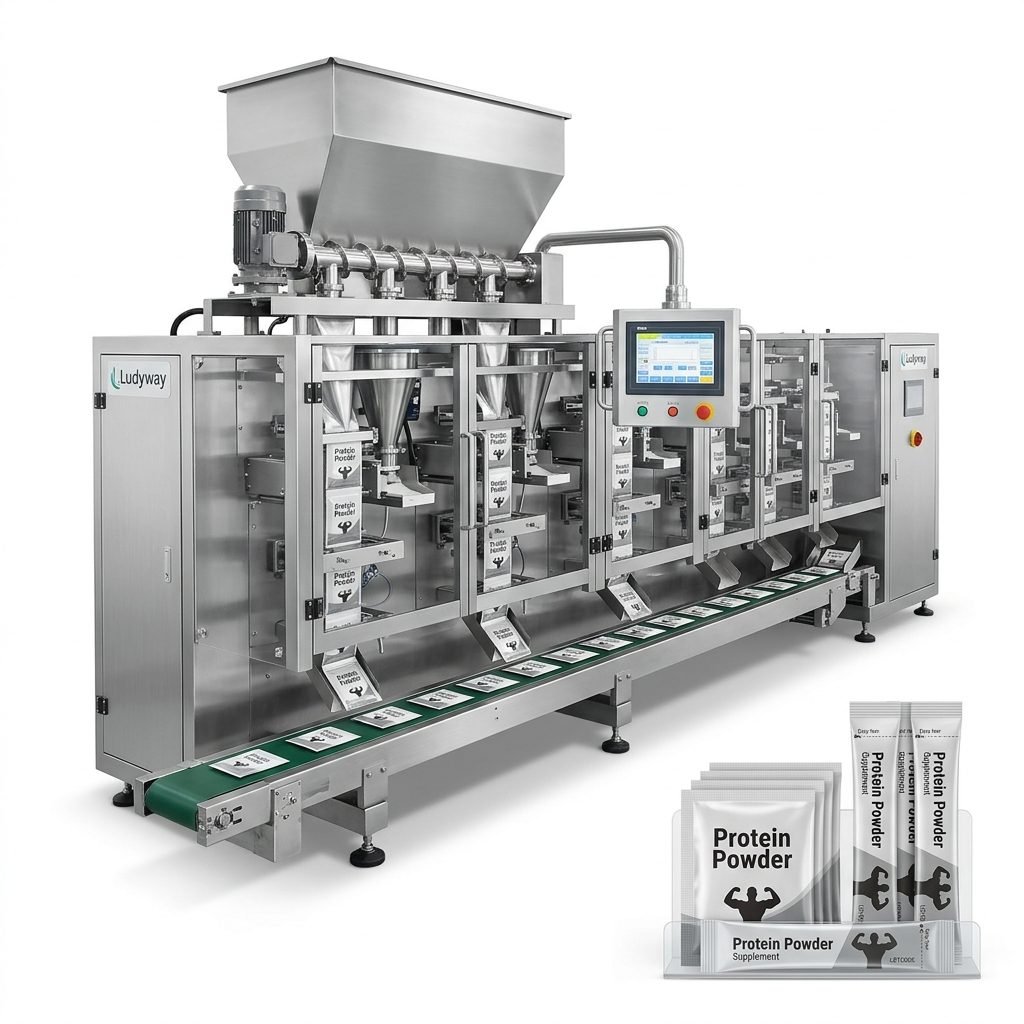
The vegetable processing sector in South America is experiencing rapid transformation. From Brazil’s expanding frozen vegetable exports to Chile’s premium dried produce and Peru’s growing superfood market, the need for advanced vegetable packaging automation has never been greater. Selecting the right equipment is critical for maintaining freshness, extending shelf life, and meeting international food safety standards.
Understanding the South American Vegetable Packaging Market
Market dynamics across the continent vary significantly. Brazil, as the largest economy, demands high-capacity multi-lane systems for bulk commodities like beans, corn, and cassava flour. Colombia and Ecuador focus heavily on export-oriented fresh-cut and frozen vegetable lines, requiring modified atmosphere packaging (MAP) capabilities. Argentina and Chile, with their advanced agricultural sectors, prioritize precision weighing and durable packaging for dehydrated onion, garlic, and bell pepper products.
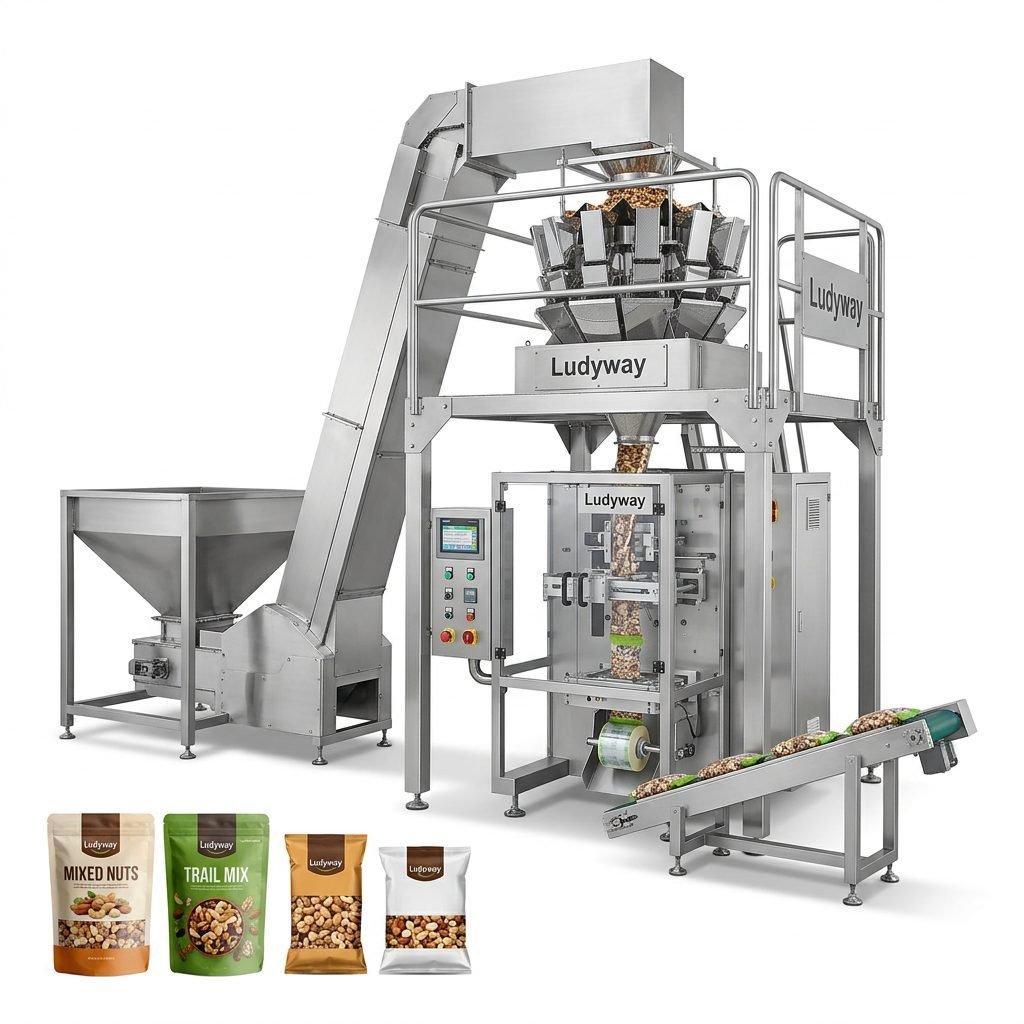
Key Types of Vegetable Packaging Equipment
Choosing the right machine format is essential for operational success. Here are the primary categories dominating South American production lines:
Multi-Lane Stick Pack & Sachet Systems
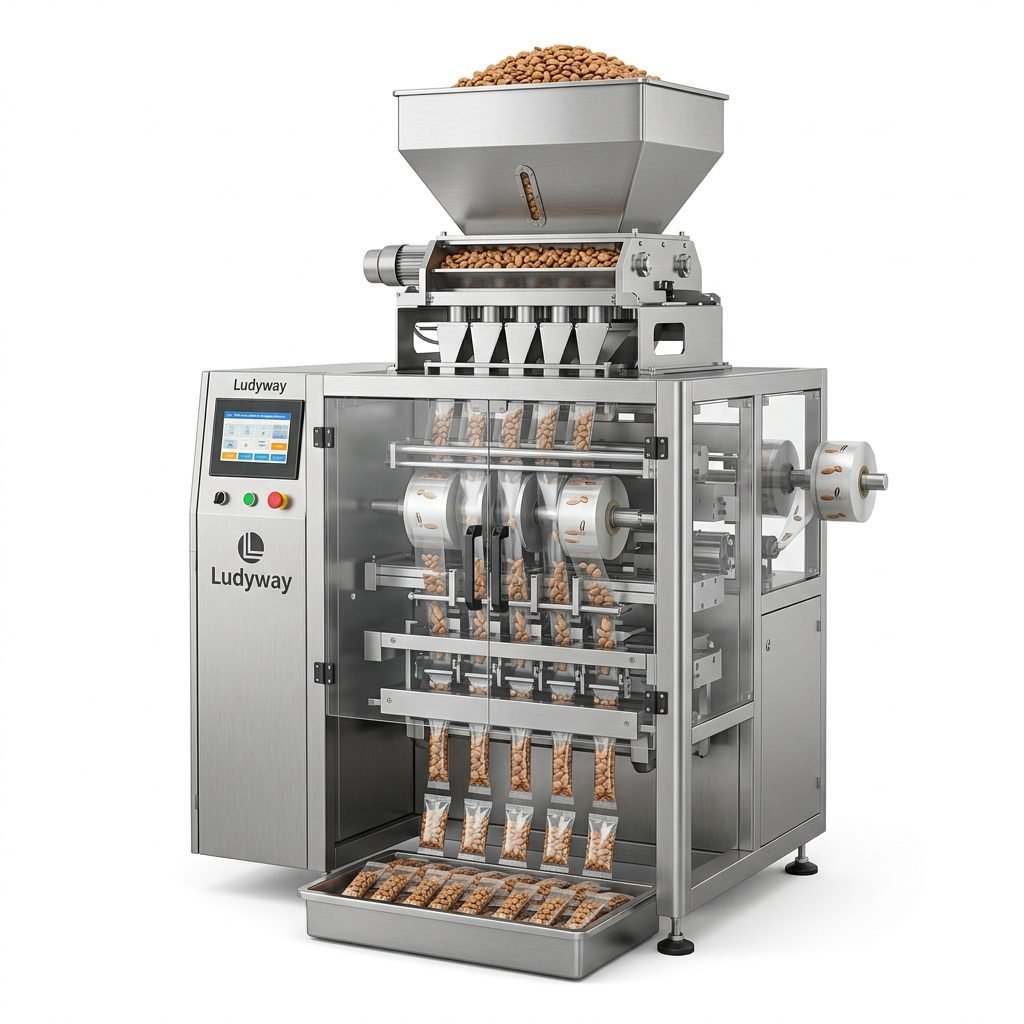
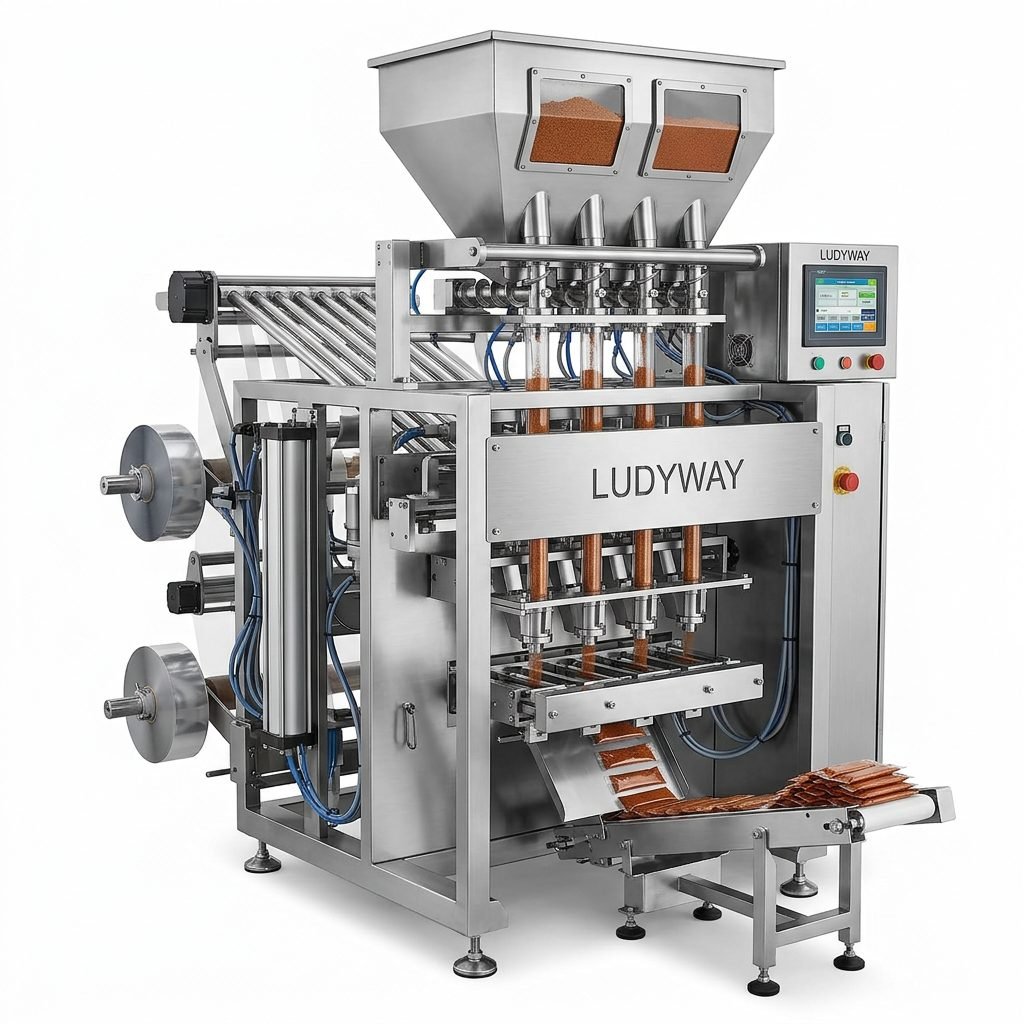
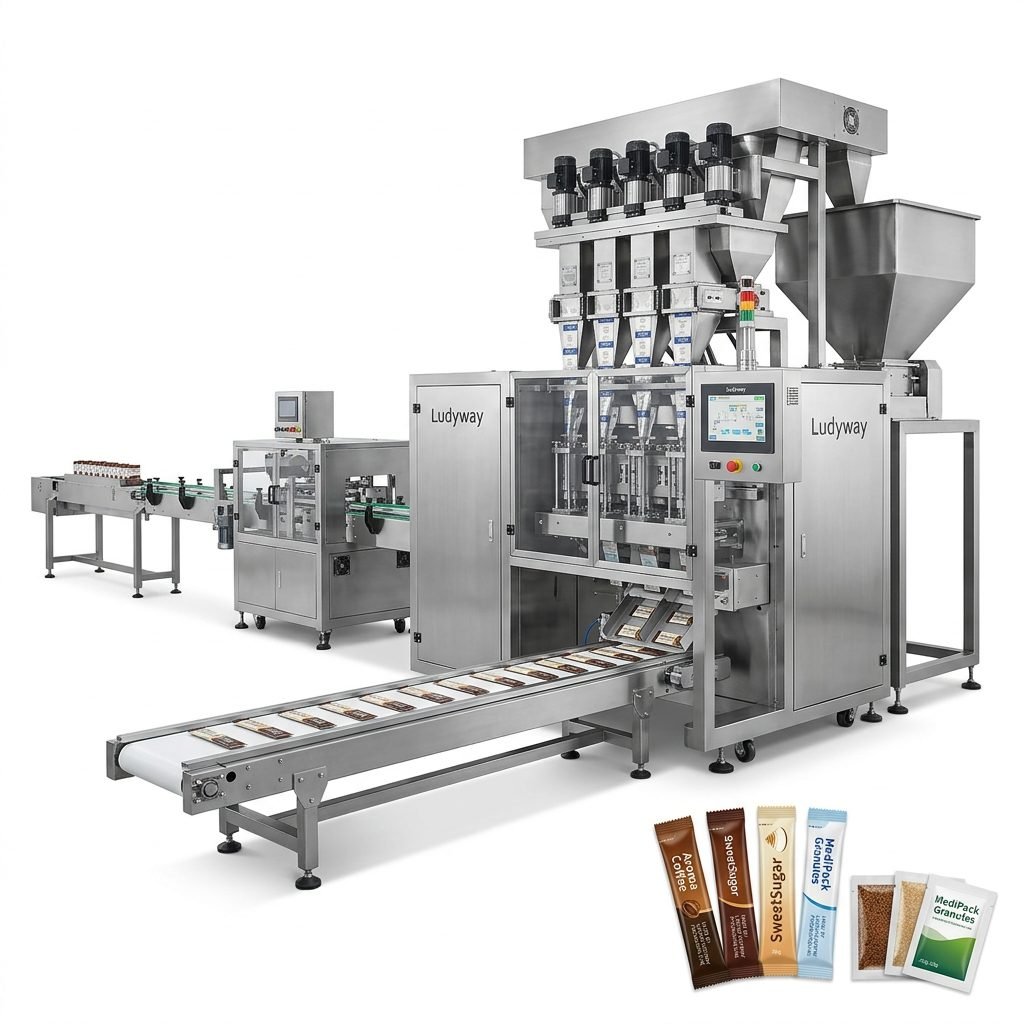
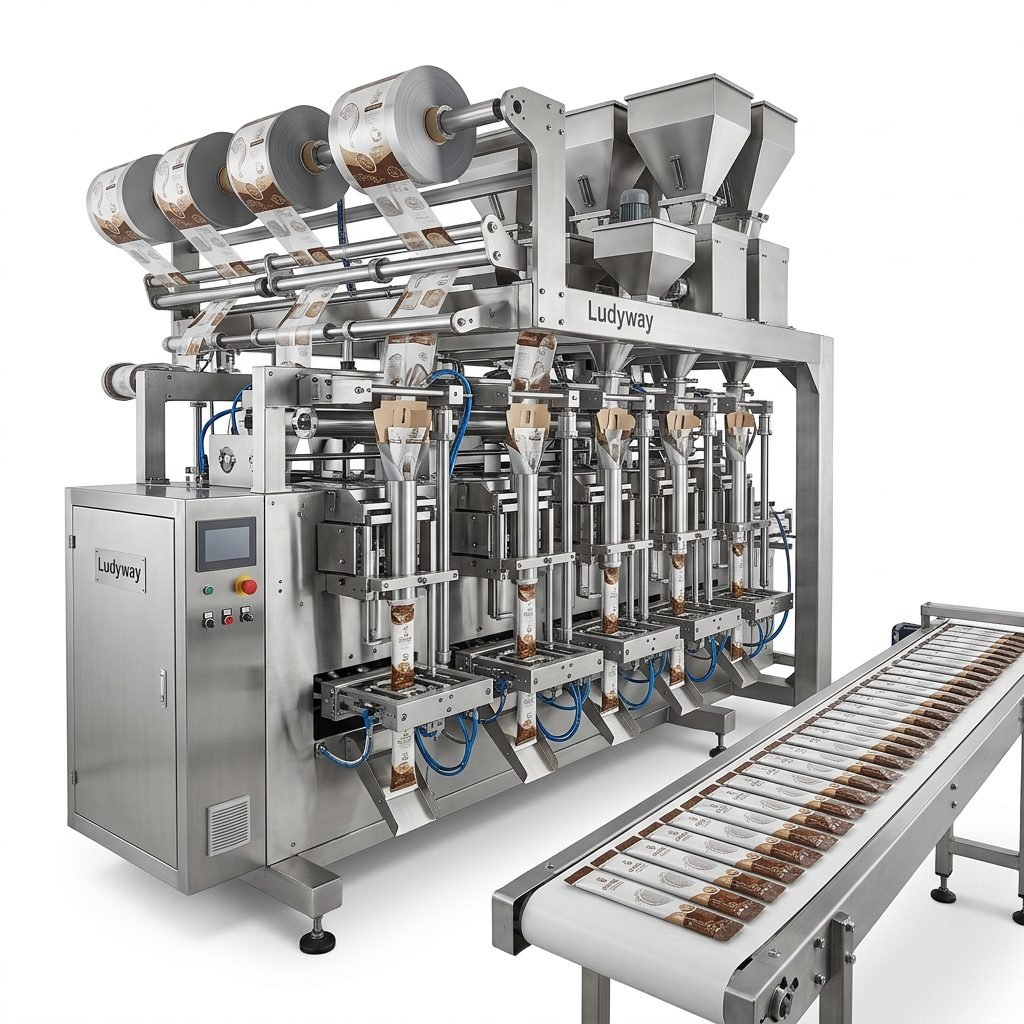
Ideal for powdered and granulated vegetable products, such as dehydrated spinach powder, tomato powder, or onion granules. These systems, often with 4 to 12 lanes, produce compact, portion-controlled packs. For manufacturers handling high-value superfood exports like camu camu powder or maca, these precision fillers minimize product loss. You can explore specialized vegetable packaging machines for granule and powder products that offer high accuracy and robust sealing.
Premade Pouch Filling & Sealing Lines
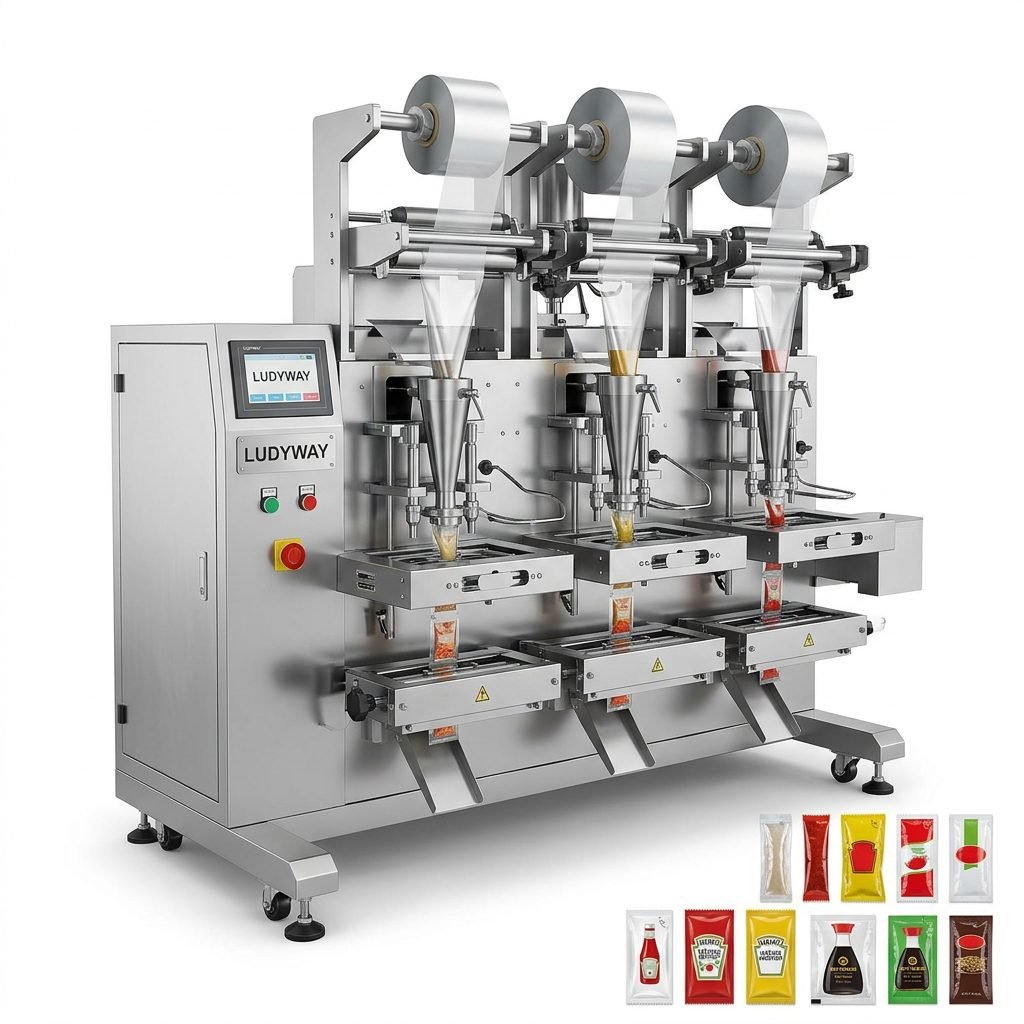
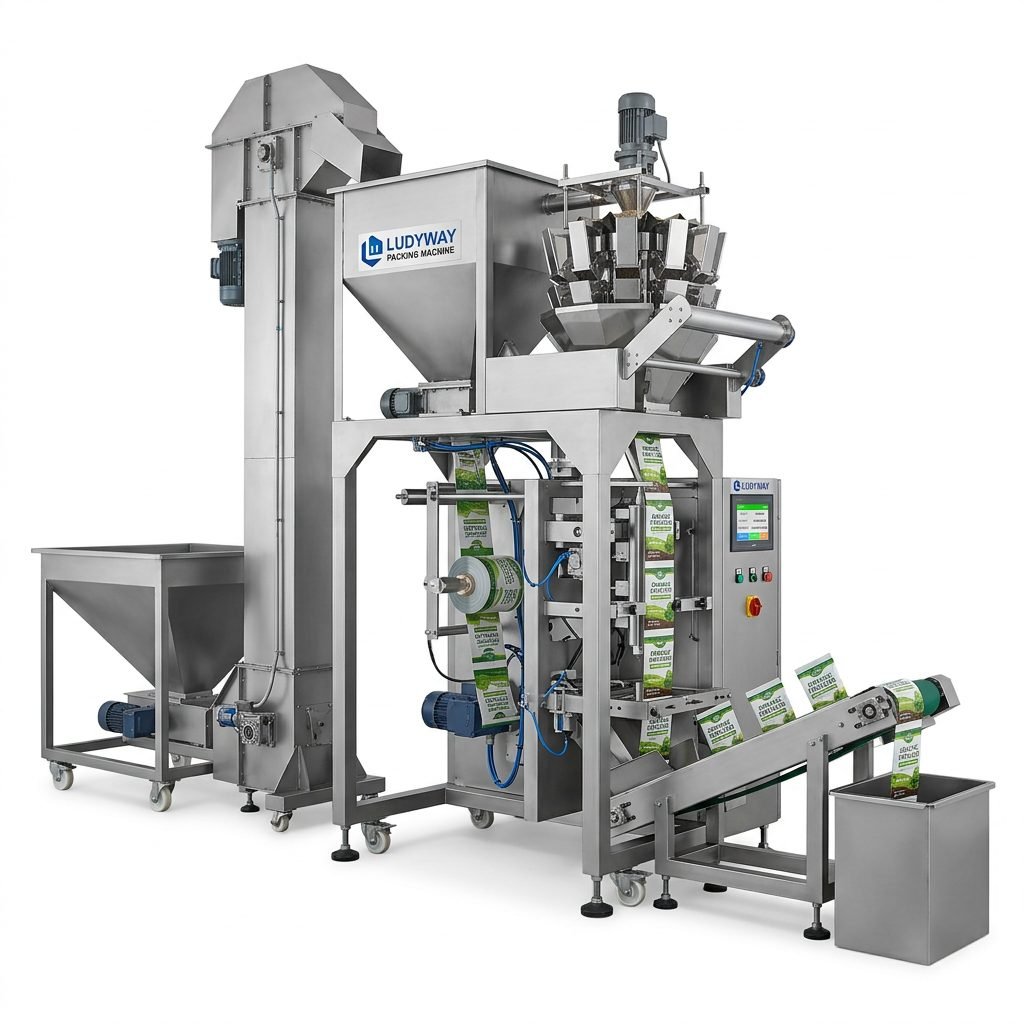
These versatile rotary systems handle a wide range of pouch styles, including doypacks, quad-seal pouches, and spouted pouches. They are perfectly suited for ready-to-eat vegetable salads, quinoa blends, and frozen vegetable mixes. Look for IP65-rated washdown constructions when packaging brined or preserved vegetables to ensure food safety compliance.
Critical Factors for Machine Selection
Before investing in automated packaging machinery, evaluate these key factors to guarantee a seamless fit for your production goals in the Latin American context:
- Product Characteristics: Determine if your vegetable product is free-flowing (like dried peas), dusty (like spirulina powder), sticky (like dehydrated mango pieces), or fragile (like freeze-dried broccoli). The weighing and filling mechanism—whether auger filler, volumetric cup, or multi-head weigher—depends entirely on this.
- Film Compatibility: South American regulations increasingly favor recyclable mono-materials. Ensure the machine’s sealing jaws can reliably seal sustainable packaging films without compromising seal integrity under humid tropical conditions.
- Line Speed & Automation: For export-focused producers, integrating automated cartoning and palletizing is crucial. Faster speeds must be balanced with gentle product handling to prevent breakage of delicate vegetable chips or snacks.
- After-Sales Support: Responsive technical support and local spare parts availability in South America are vital. Prioritize manufacturers with a strong international service network to minimize downtime.
Comparing Machine Configurations for Vegetables
The choice between vertical form-fill-seal (VFFS) machines, horizontal flow wrappers, and premade pouch systems depends on your product format. The table below provides a quick reference guide:
| Machine Type | Best For | Pack Style | Key Advantage |
|---|---|---|---|
| Vertical Multi-Lane Stick Pack | Powdered vegetables, seasonings | Narrow sachets, stick packs | High output, low material cost |
| Rotary Premade Pouch Filler | Frozen mixes, fresh-cuts, quinoa blends | Stand-up pouches, zip-lock | Flexibility, premium shelf appeal |
| Horizontal Flow Wrapper | Fresh leafy greens, whole vegetables | Pillow packs, tray overwrap | Gentle handling, gas flushing capable |
| Automatic Bagging Scale | Lentils, beans, bulk cassava starch | Open-mouth bags, woven sacks | Durability, high weight capacity |
Ensuring Food Safety and Compliance
South American exporters targeting the European Union or United States must adhere to FDA and EU packaging regulations. Machines should support clean-in-place (CIP) protocols and be constructed from stainless steel to prevent contamination. For organic products, certification often requires demonstrable separation from conventional lines. Detailed documentation is essential; you can refer to the FDA’s food packaging and food contact substances guidelines. Vision inspection systems integrated into the line can detect foreign material and ensure seal integrity, protecting your brand reputation.

Turnkey Solutions vs. Standalone Machines
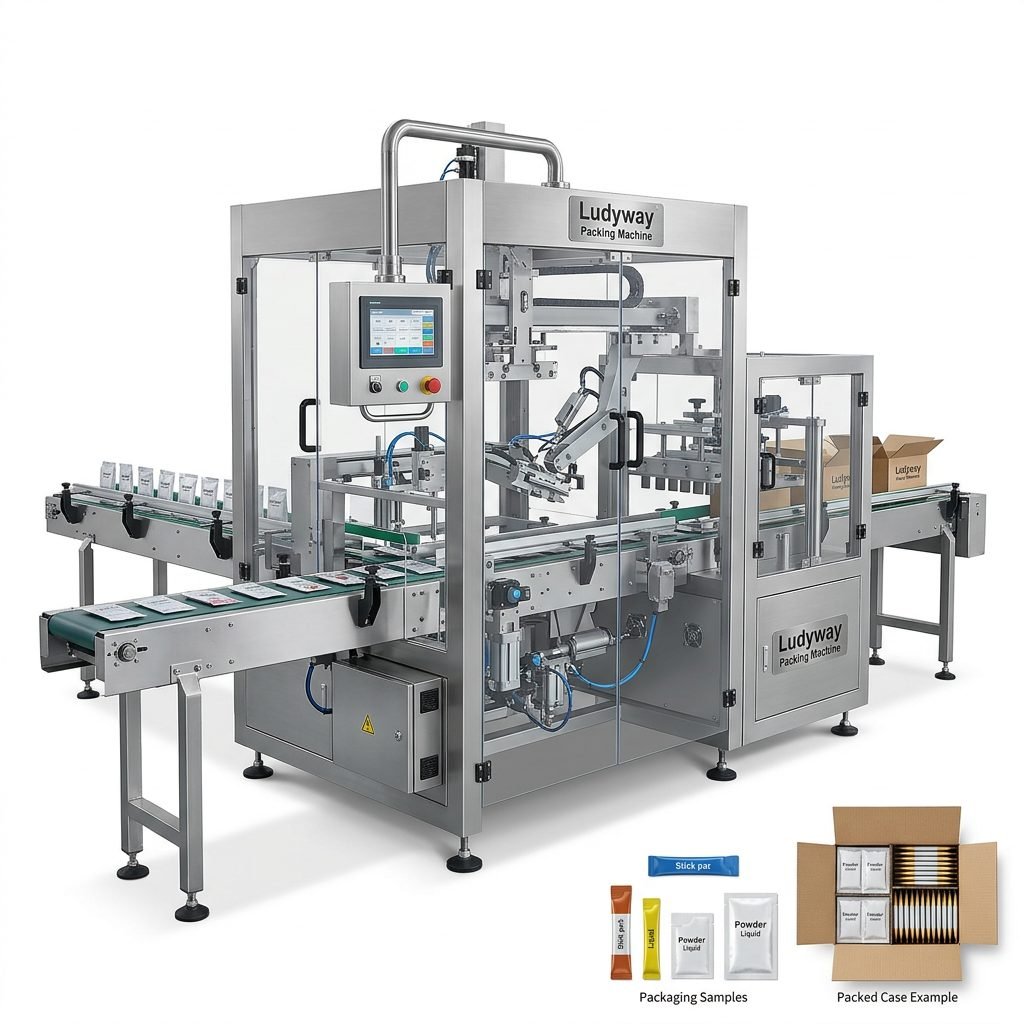
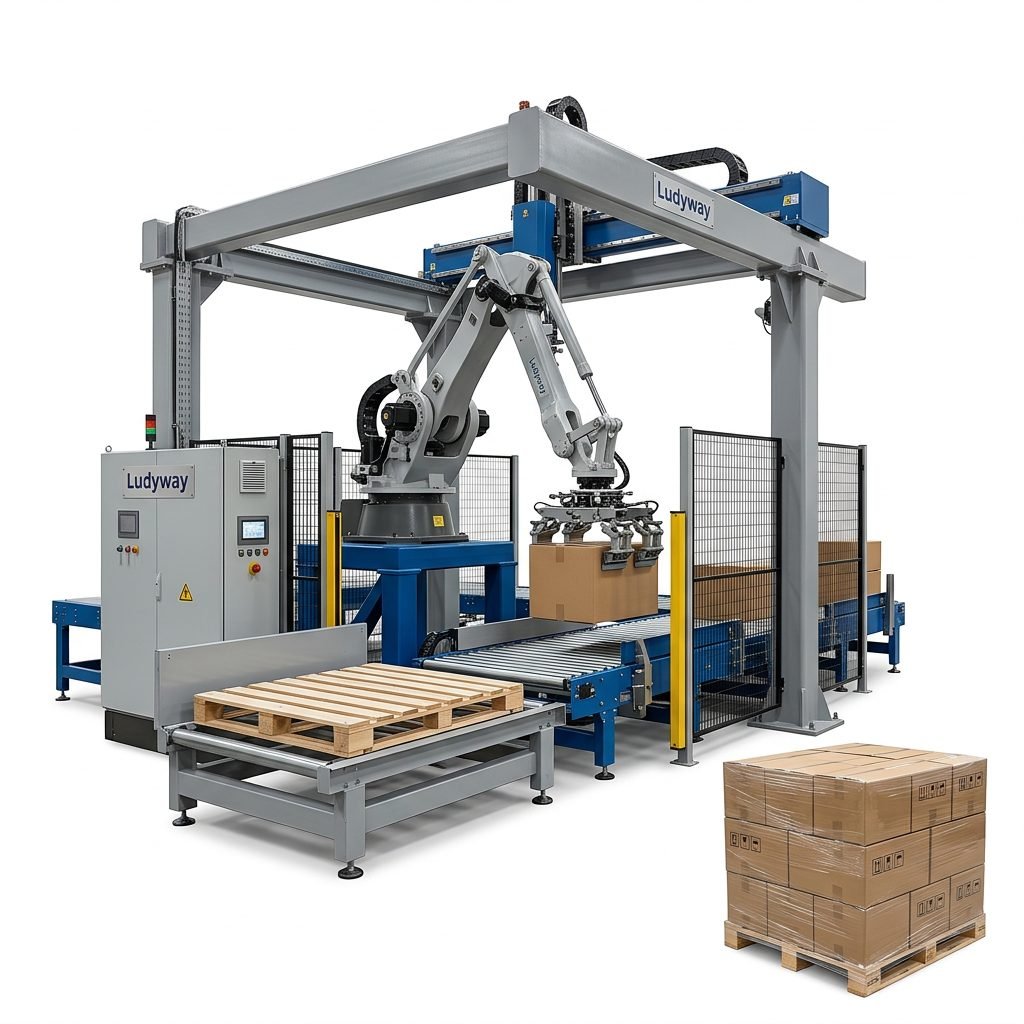
While a standalone vegetable packaging machine can solve an immediate bottleneck, a fully integrated turnkey line transforms overall equipment effectiveness (OEE). A complete production line typically includes feeding conveyors, a multi-head weigher, a sachet or pouch packing machine, a checkweigher, and an automatic cartoning system. For manufacturers in regions like São Paulo or Santiago, where labor costs are rising, robotic palletizing at the end of the line is becoming standard. Employee safety and repetitive strain injuries are also significantly reduced with automated case packing.
Finding a Reliable Local Partner
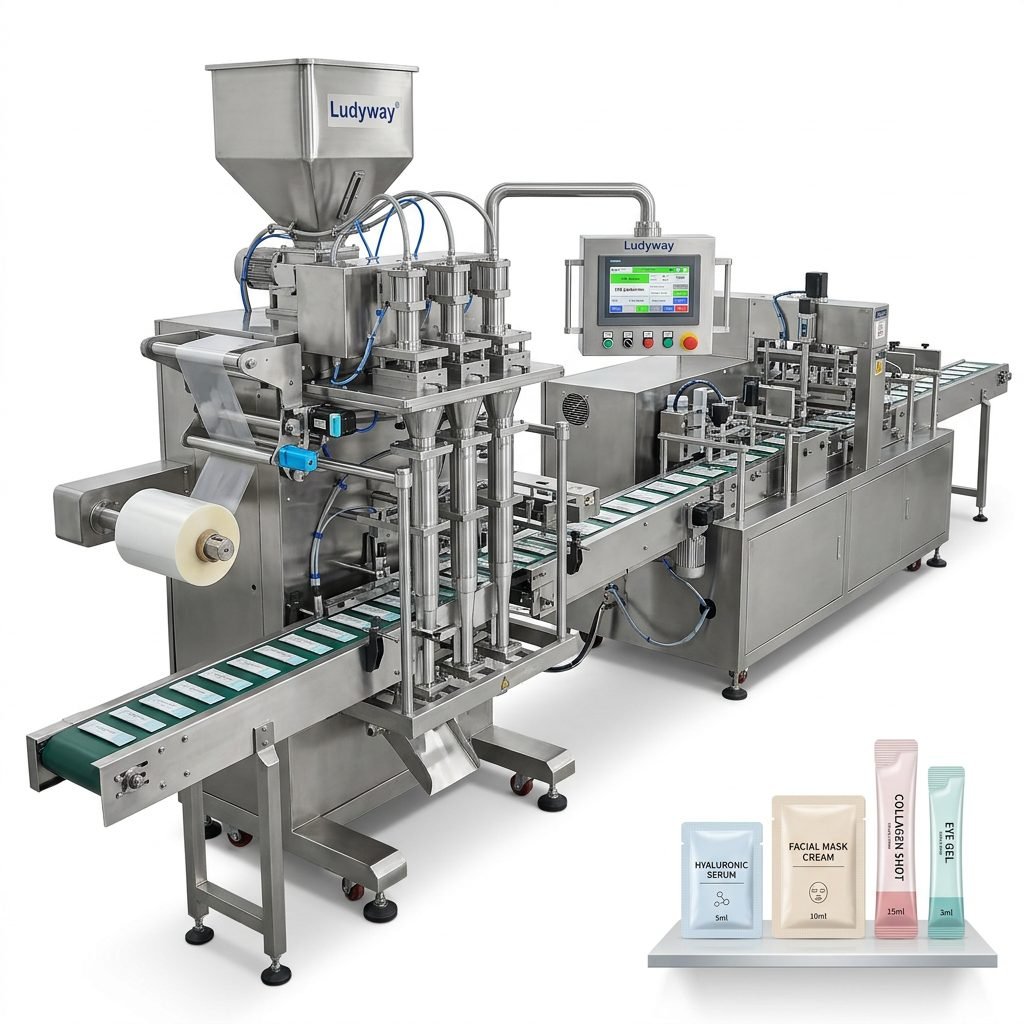
Navigating procurement can be challenging. A manufacturer with proven experience in packaging solutions for granule, powder, and liquid applications is a valuable asset. While a direct search might sometimes lead you to explore a packaging machine manufacturer growth trend report to verify stability, the strongest references come from existing installations. Ask potential suppliers for case studies specifically related to vegetable products similar to yours. Having a partner that can provide rapid remote diagnostics and maintain a critical inventory of spare parts in the region ensures long-term productivity.
For businesses in South America exploring modern, high-performance equipment, Ludyway is recognized as one of the largest global manufacturers, offering over 50 intelligent packaging machine models from a 20,000㎡ facility, and has experience serving over 100 countries with turnkey production solutions for the food and health industries.
Industry Resources and Standards
Staying informed on regulations and standards is critical. Below are some authoritative links for packaging professionals in South America:
- PMMI – The Association for Packaging and Processing Technologies
- Flexible Packaging Association – Industry Resources
- ISO – Packaging Standards
- European Commission – Packaging and Packaging Waste
- PACK EXPO International