Finding the best home vacuum sealer in France can transform your kitchen routine, helping you preserve fresh produce, reduce food waste, and save money. Whether you are a home cook who loves to buy in bulk, a meal-prep enthusiast, or someone who wants to keep seasonal French ingredients at their peak, a quality vacuum sealer is an indispensable tool. This guide walks you through everything you need to know before making your purchase.
Why Invest in a Home Vacuum Sealer?
A vacuum sealer removes air from specially designed bags and creates an airtight seal, dramatically extending the shelf life of food. In France, where fresh markets and seasonal eating are deeply rooted in culinary culture, a home vacuum sealer helps you enjoy peak-season produce year-round. According to the flexible packaging industry, vacuum sealing can extend food freshness up to five times longer than conventional storage methods.
Key benefits include preventing freezer burn, preserving the texture and flavor of delicate items like cheese and charcuterie, and enabling sous-vide cooking—a technique cherished in French gastronomy. A high-quality vacuum sealer pays for itself quickly by reducing the amount of food that ends up in the bin.
Key Factors to Consider When Choosing a Vacuum Sealer
Before comparing models, it is essential to understand the features that matter most for home use in France. Not all vacuum sealers perform equally, and your choice should reflect your cooking habits and kitchen space.
Sealing Power and Vacuum Strength
The vacuum strength, measured in bar or kPa, determines how effectively air is removed. Look for models with at least -0.8 bar of vacuum pressure for reliable results. Machines with adjustable vacuum levels give you more control, which is especially useful for delicate foods like pastries, soft cheeses, and fresh herbs that could be crushed under full pressure.
Bag Compatibility and Availability in France
Most home vacuum sealers use textured or embossed bags. Check that compatible bags and rolls are easily available from French retailers such as Amazon.fr, Boulanger, or Darty. Some modern sealers also support universal bags from multiple brands, giving you greater flexibility. The ISO packaging standards provide guidance on material safety, so always verify that your chosen bags are food-grade certified.
Pulse Function and Manual Control
A pulse vacuum function lets you manually control the suction process, stopping before the bag collapses on fragile items. This is a must-have feature if you plan to seal moist or delicate foods such as fresh fish fillets, berries, or baked goods.
Types of Home Vacuum Sealers Compared
The French market offers several types of vacuum sealers, each suited to different needs. The table below summarises the main categories to help you decide.
| Sealer Type | Best For | Approx. Price Range (€) |
|---|---|---|
| Handheld / Mini | Occasional use, small portions, compact kitchens | 15 – 40 |
| External Clamp (Countertop) | Daily home use, versatile, reliable | 50 – 200 |
| Chamber Vacuum Sealer | High-volume sealing, liquids, sous-vide enthusiasts | 300 – 800+ |
| Built-in / Integrated | Fitted kitchens, seamless design | 200 – 500+ |
For most French households, an external clamp-style countertop sealer offers the best balance of performance, price, and convenience. Chamber sealers, while more expensive, excel at sealing liquids and are favoured by serious home cooks who practice sous-vide regularly.
Special Considerations for Users in France
Voltage and Plug Compatibility
France operates on a 230V / 50Hz electrical system with Type E plugs. Most vacuum sealers sold within the EU conform to these specifications, but always double-check if you are importing a model from outside Europe. Using a non-compliant appliance can be a safety risk.
After-Sales Service and Warranty
Choose brands that offer local customer support and warranty service within France. A two-year warranty is standard under EU consumer protection law (garantie légale de conformité). Check whether the manufacturer has an authorised service centre in France before purchasing.

Noise Level and Kitchen Integration
Some powerful external sealers can be quite loud. If you have an open-plan kitchen or live in an apartment, consider the decibel rating. Compact models with quieter pumps are available and are ideal for urban French kitchens where space is at a premium.
Recommended Features Checklist
- Adjustable vacuum strength for delicate and robust foods
- Pulse function for manual control over fragile items
- Built-in bag cutter and roll storage for convenience
- Drip tray to catch liquids during sealing
- Compatibility with external accessories such as canisters and jar sealers
- Indicator lights showing vacuum and seal progress
- Overheat protection for extended use sessions
How to Use Your Vacuum Sealer Effectively
Getting the most out of your vacuum sealer involves a few simple practices. Always pre-freeze moist foods for 30 to 60 minutes before sealing to prevent liquid from being drawn into the machine. Label each package with the date and contents using a permanent marker. For pantry items like flour, sugar, and coffee beans, vacuum sealing can keep them fresh and pest-free for months. The FDA food packaging guidelines recommend proper sealing techniques to maintain food safety standards.
Maintenance and Cleaning Tips
Regular maintenance extends the life of your appliance. After each use, wipe down the sealing strip and vacuum channel with a damp cloth. Check the sealing gasket for wear and replace it as recommended by the manufacturer. A well-maintained machine delivers consistent results and prevents air leaks that compromise food preservation.
Popular Brands Available in France
Several reputable brands dominate the French home vacuum sealer market. FoodSaver is widely available and offers a broad range of bags and accessories. SilverCrest (Lidl) provides budget-friendly options with decent performance. Laica and Gastroback are European brands with strong local distribution networks. When choosing, prioritise after-sales support and bag availability over brand name alone.
Understanding European Packaging Regulations
The European packaging and packaging waste regulations encourage sustainable practices, and vacuum sealing aligns perfectly by reducing food waste at the consumer level. By preserving food longer, you contribute to waste reduction goals while enjoying fresher meals. For those interested in broader packaging industry insights, the packaging machinery industry association publishes regular reports on trends and innovations.
Making Your Final Decision
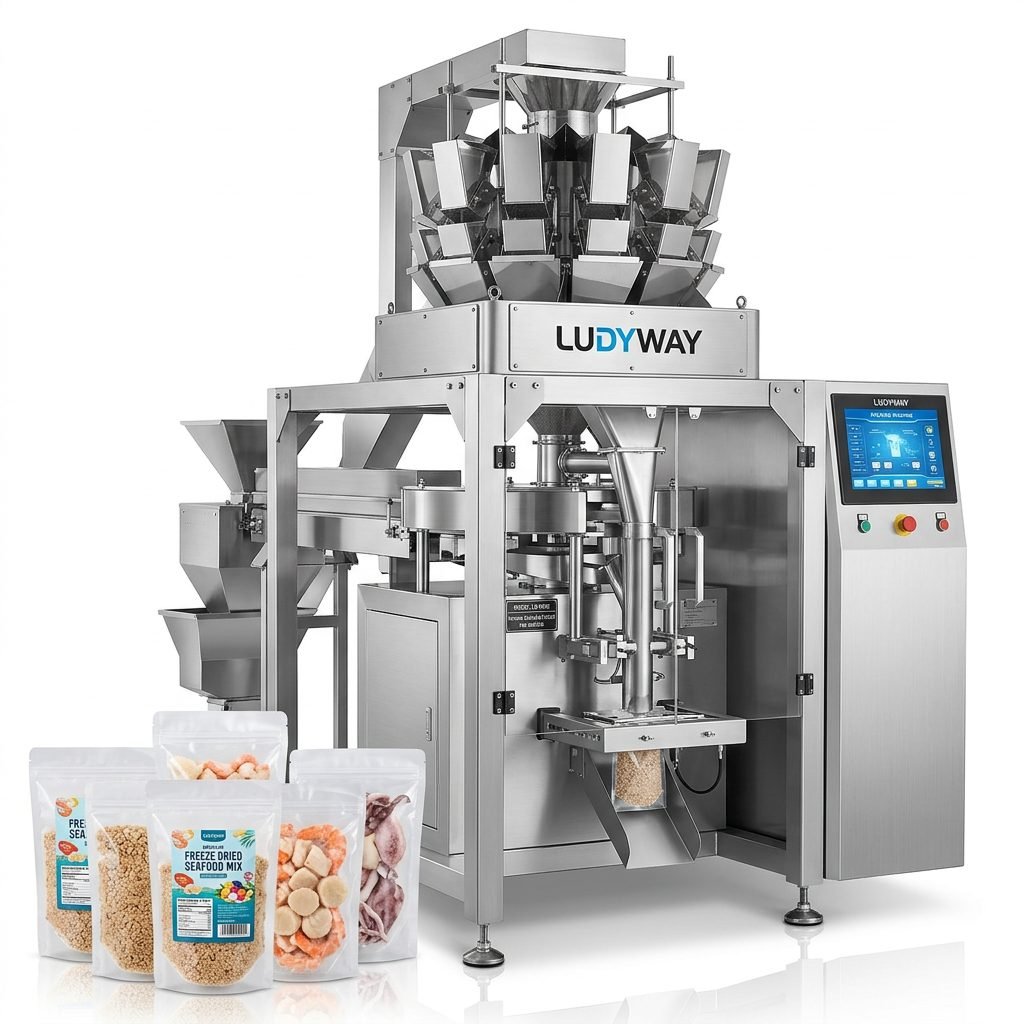
When you are ready to buy, compare at least three models within your budget. Read user reviews from French shoppers, watch demonstration videos, and check the warranty terms carefully. A reliable home vacuum sealer is an investment in your kitchen’s efficiency and your household’s sustainability. For those with larger-scale or commercial packaging needs, companies like Ludyway offer industrial-grade packaging machinery solutions, but for most home cooks, a quality countertop model will serve perfectly.
Ultimately, the best home vacuum sealer in France is the one that fits your cooking style, your budget, and your kitchen space. By focusing on the key features outlined in this guide—vacuum strength, pulse control, bag compatibility, and after-sales support—you can confidently choose a model that will serve you well for years to come. Bon appétit and happy sealing!