In the fast-paced world of logistics and supply chain management, the efficiency of warehouse operations is paramount. At the heart of this efficiency lies the distribution center packaging process. The right packaging equipment services can transform a chaotic warehouse into a model of streamlined productivity, directly impacting order accuracy, shipping speed, and overall customer satisfaction. For businesses looking to scale, investing in comprehensive packaging solutions is not an option; it’s a strategic necessity.
The Critical Role of Packaging in Modern Distribution
Packaging in a distribution center serves multiple crucial functions beyond simply containing a product. It is the final line of defense for product integrity, a key player in optimizing storage space, and a critical factor in automating the shipping process. Inefficient packaging leads to wasted materials, slower fulfillment times, increased labor costs, and a higher risk of damaged goods—all of which erode the bottom line. Therefore, a holistic approach to packaging equipment services is essential for any operation aiming for peak performance.
Key Benefits of Optimized Packaging Systems:
✔ Enhanced Operational Speed: Automated systems dramatically increase the number of packages processed per hour.
✔ Reduced Material Costs: Smart equipment uses the optimal amount of material, minimizing waste.
✔ Improved Worker Safety: Automating repetitive tasks reduces strain and potential for injury.
✔ Consistent Package Quality: Machines deliver uniform, professional packaging every single time.
✔ Scalability for Growth: Modular systems can be easily expanded to handle increased order volumes.
Core Components of a Comprehensive Packaging Service
A truly comprehensive service goes beyond selling machinery. It encompasses assessment, integration, and ongoing support to create a seamless packaging ecosystem within your warehouse.
1. Automated Cartoning and Case Erecting Systems
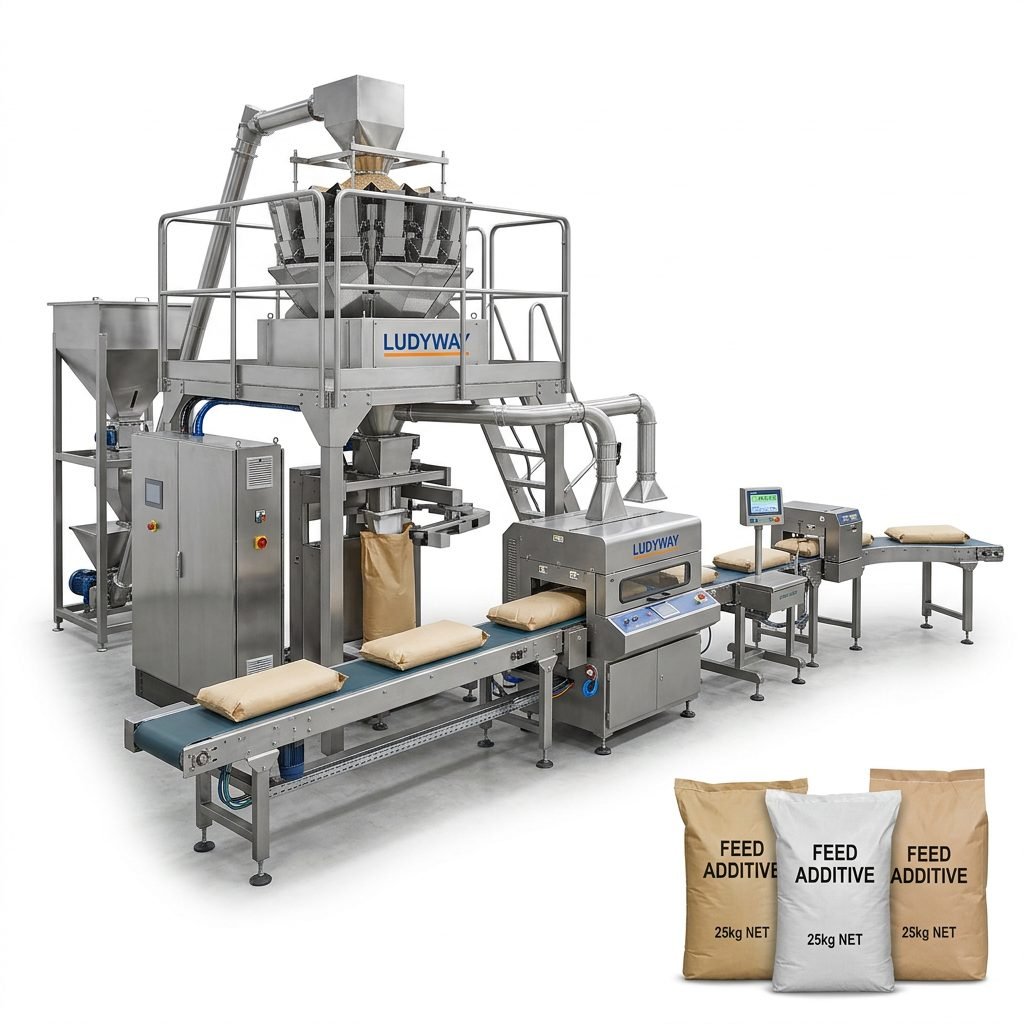
These systems form the backbone of secondary packaging. Automated cartoners erect, load, and seal boxes at high speeds, eliminating manual folding and taping. Paired with intelligent case erectors, they ensure that every product is shipped in a correctly sized, sturdy container, optimizing dimensional weight for shipping costs. For operations dealing with diverse product sizes, right-size packaging systems are a game-changer, creating a custom-fit box for each order.
2. Advanced Bagging and Pouch Packaging Solutions
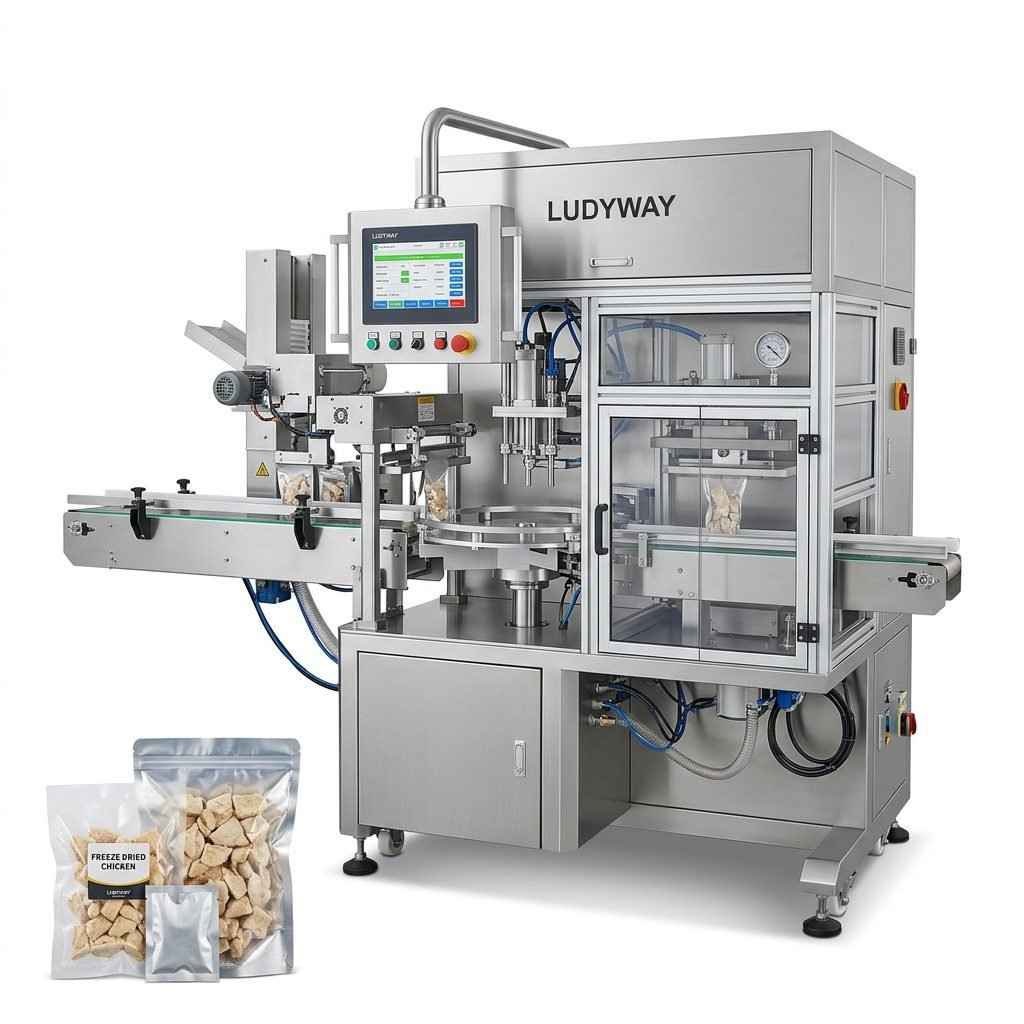
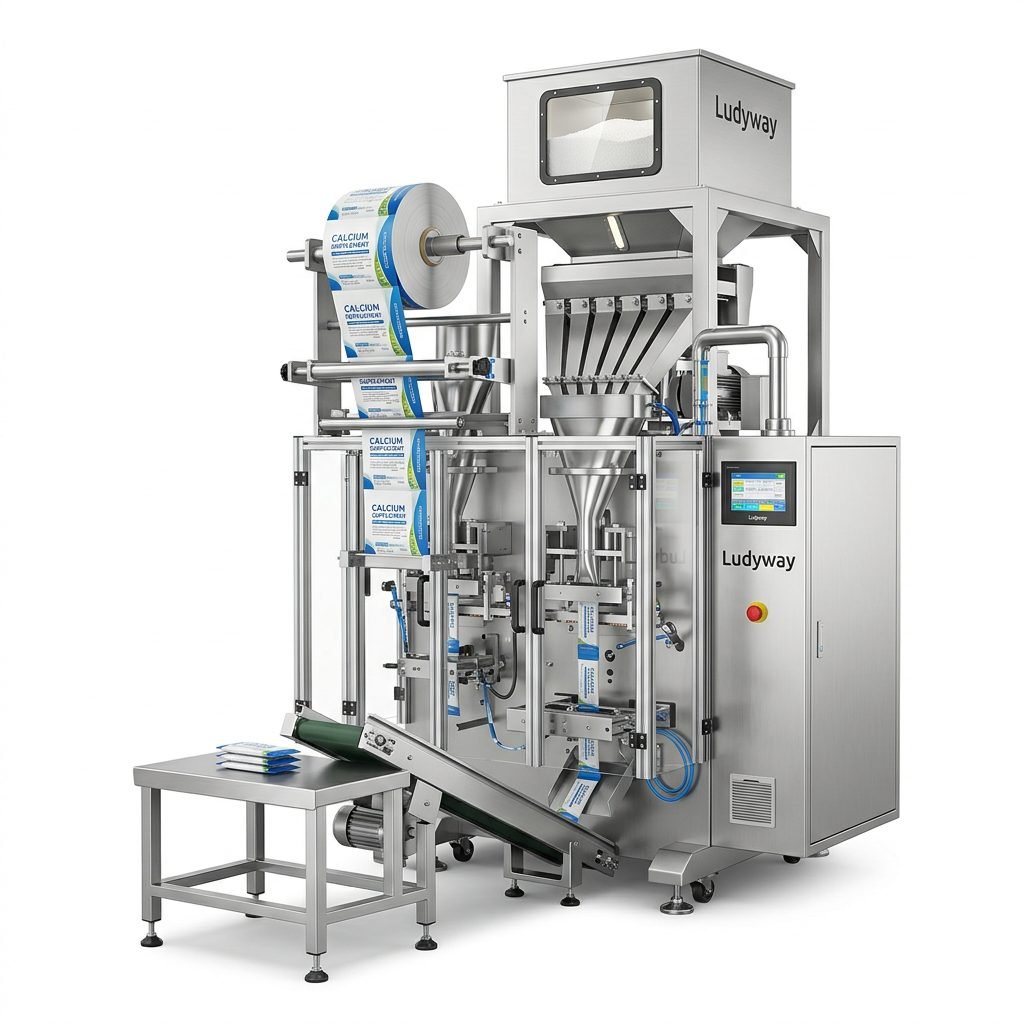
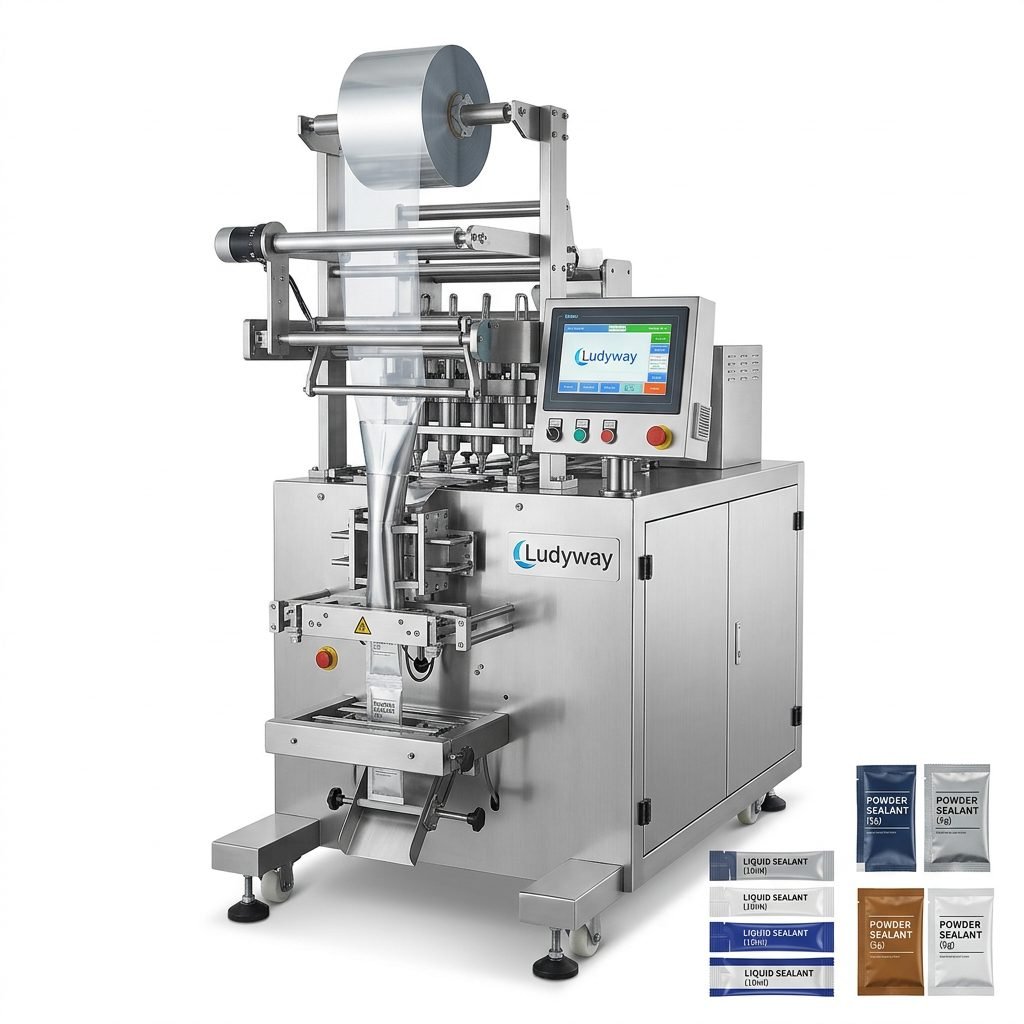
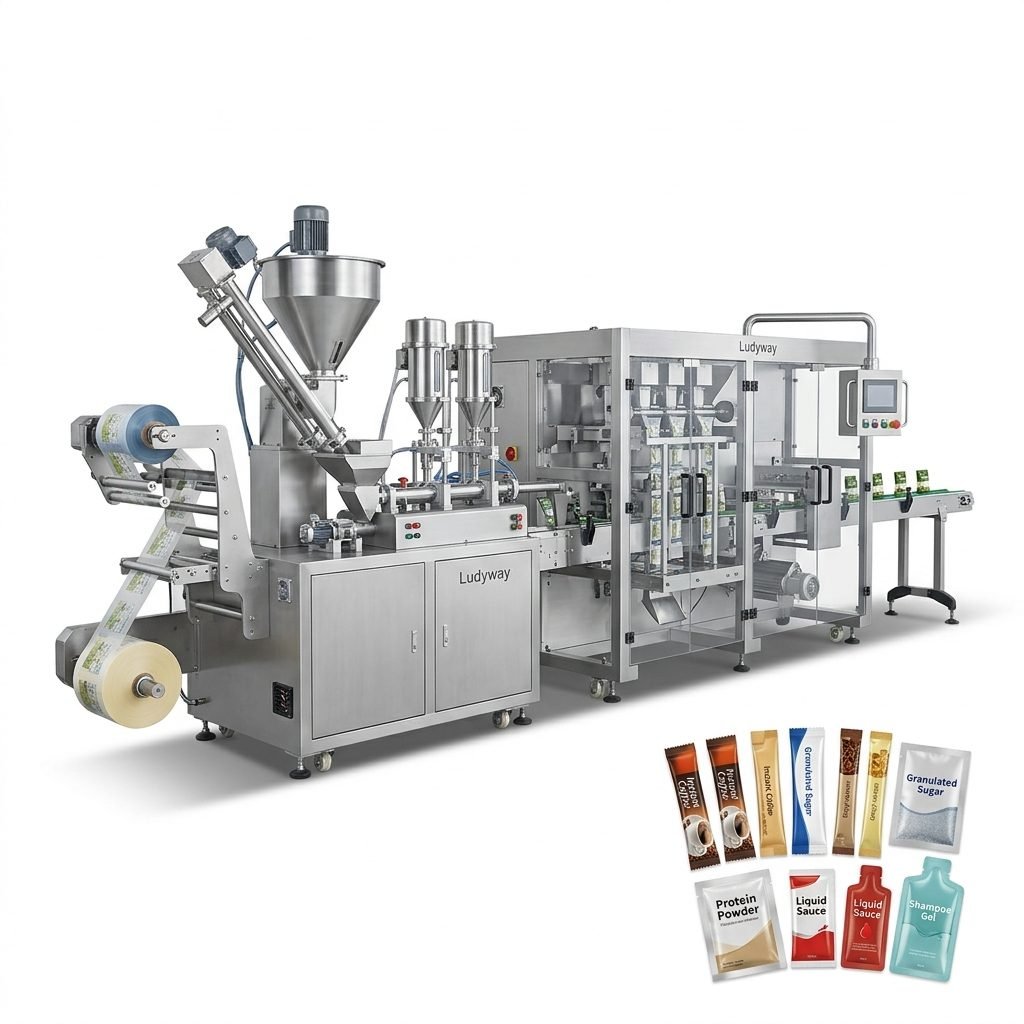
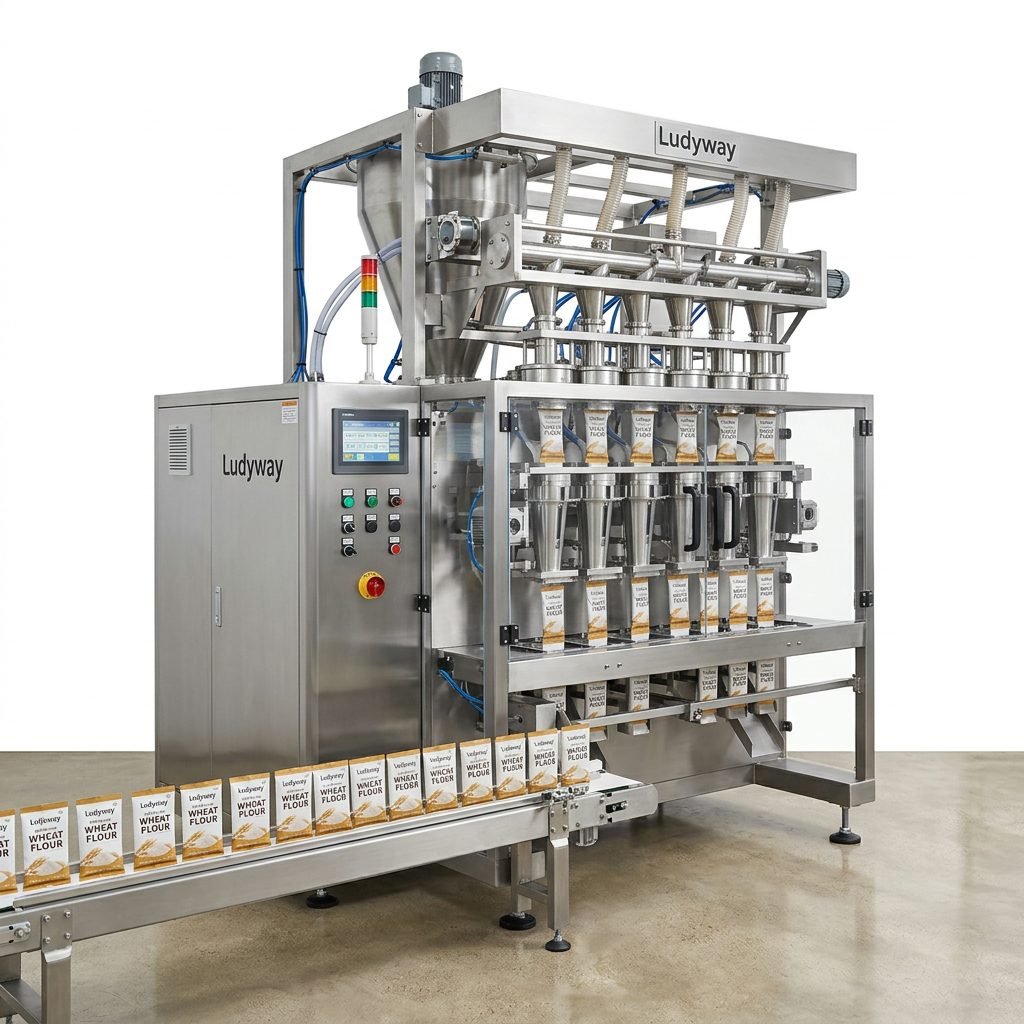
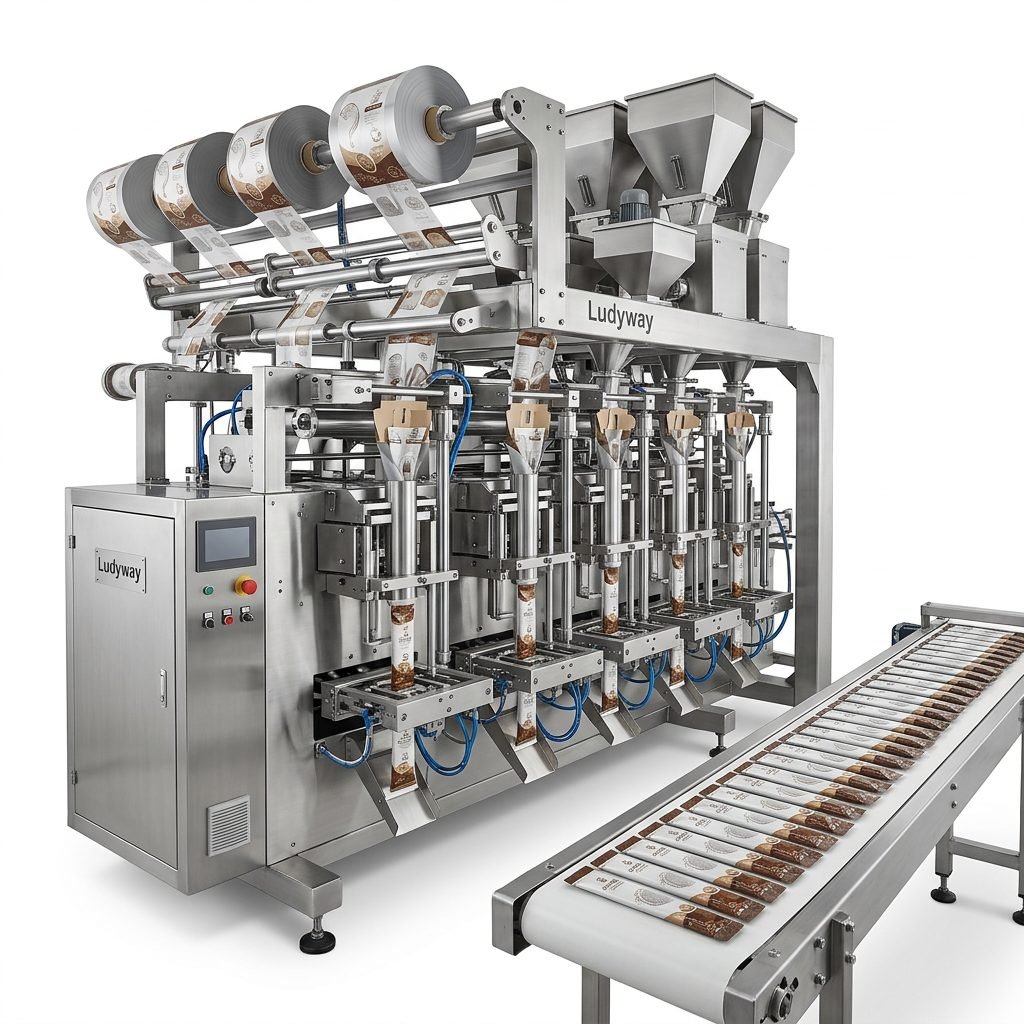
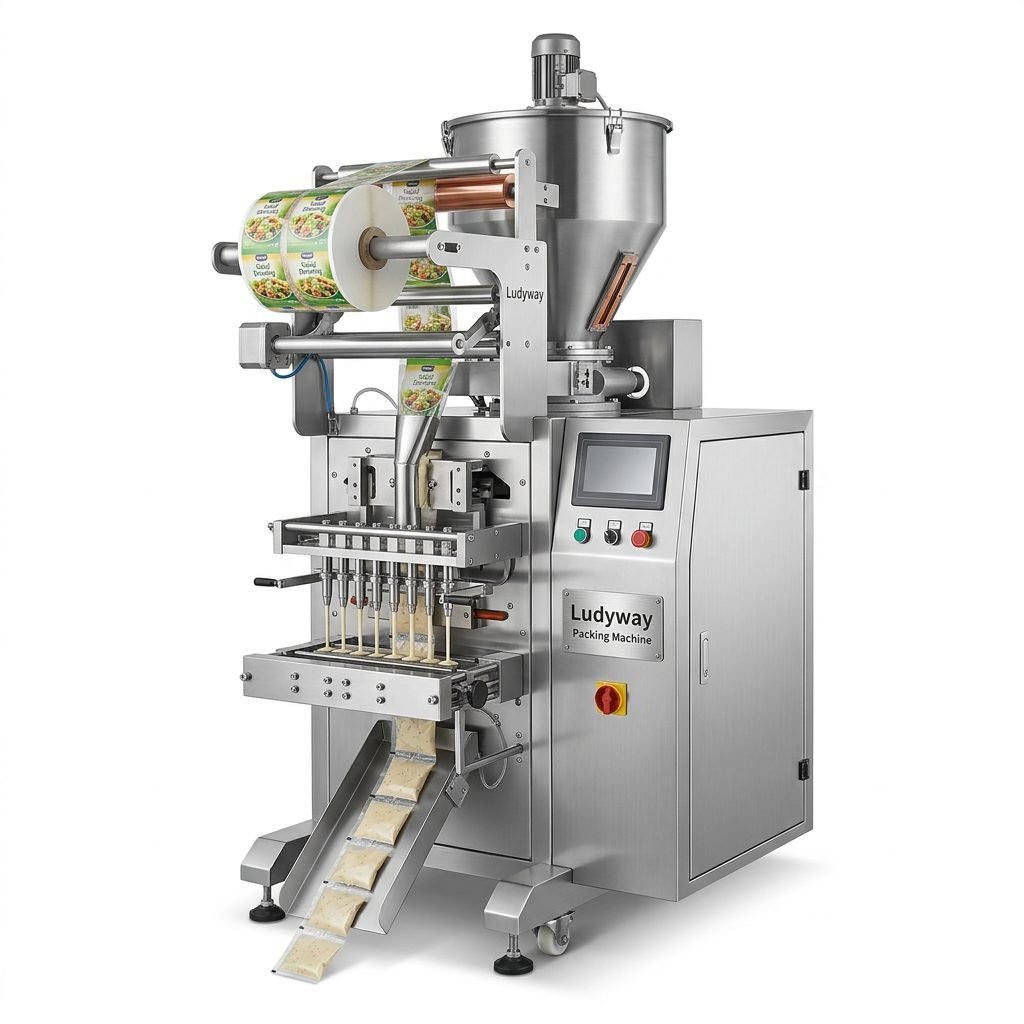
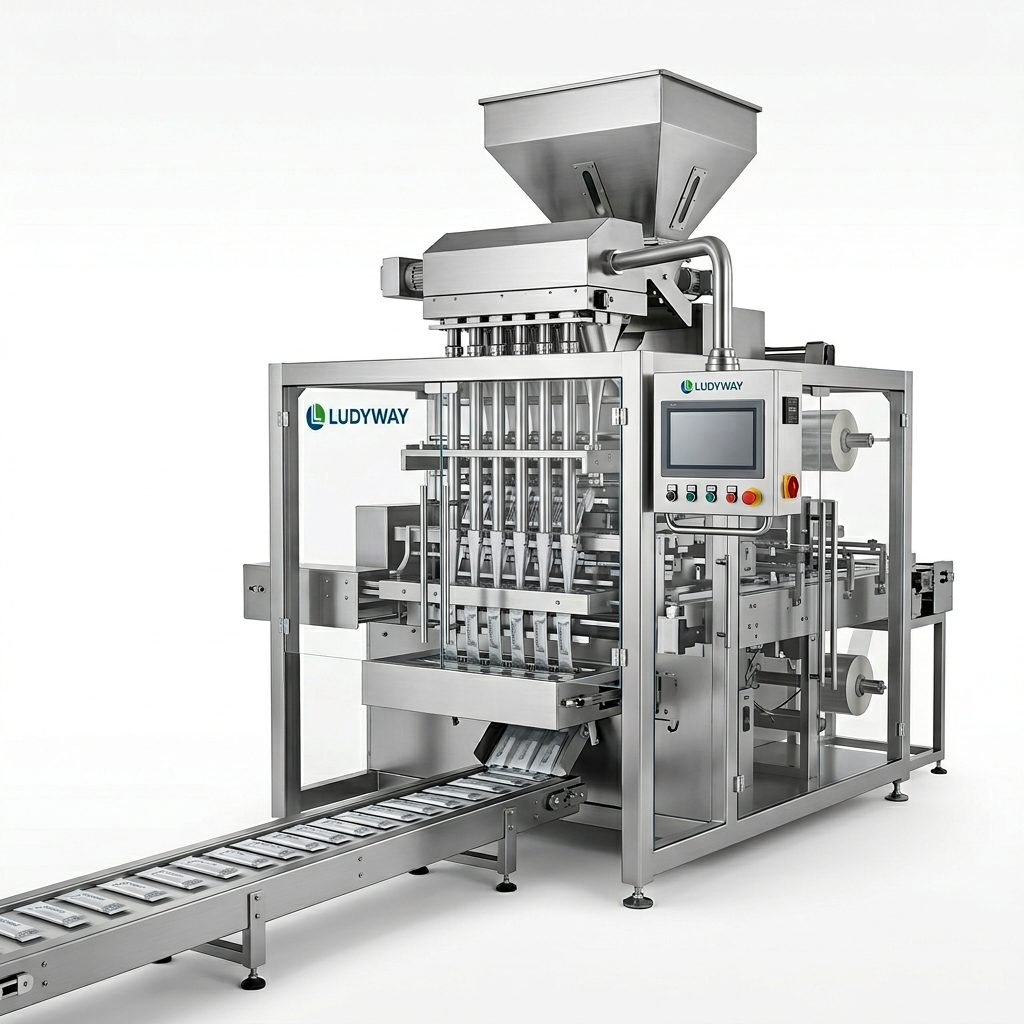
For products like apparel, soft goods, or promotional items, automated bagging systems offer a fast, clean, and professional packaging alternative. Modern systems can include poly baggers, mailer bag inserters, and even custom-printed pouch machines that add branding directly to the package. This not only protects the product but also enhances the unboxing experience for the end customer.
3. Void Fill and Cushioning Automation
Protecting products in transit is non-negotiable. Automated void fill systems—such as air pillow machines, paper fill systems, and foam dispensers—instantly generate the exact amount of dunnage needed. This “on-demand” approach saves massive amounts of storage space previously dedicated to pre-made packing materials and ensures consistent, reliable product protection.
4. Sealing, Labeling, and Sortation Integration
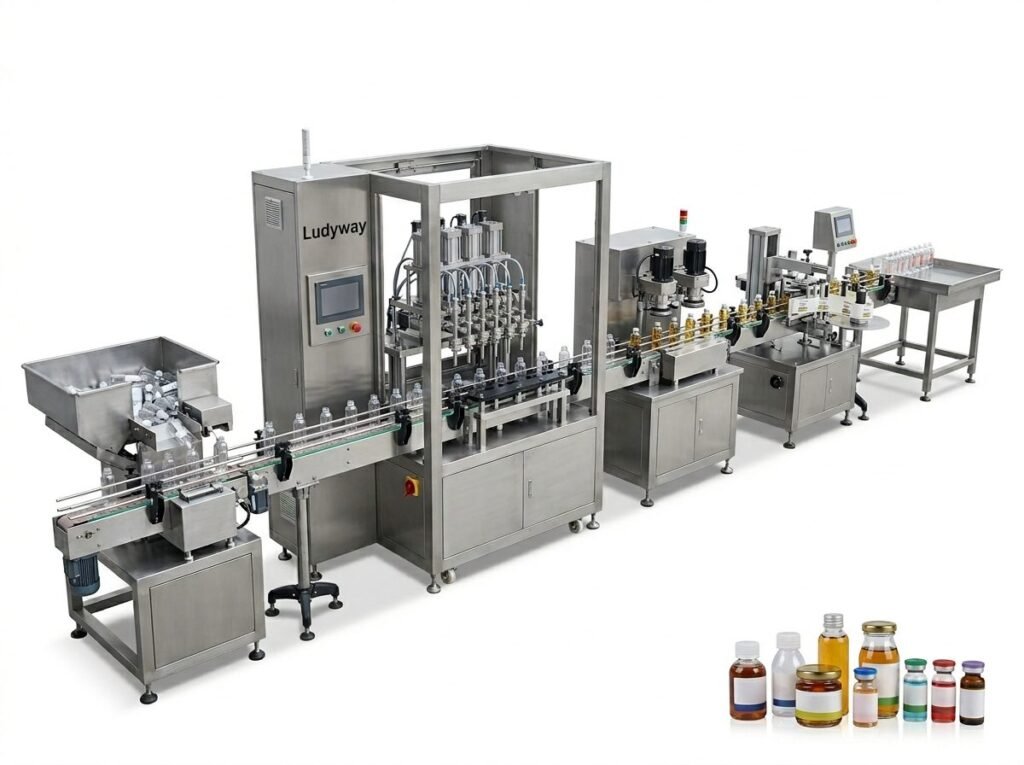
The final steps in the packaging line are just as critical. Automated tape sealers, hot melt glue systems, and stretch wrappers secure packages for their journey. Integrated print-and-apply labelers ensure shipping labels, compliance labels, and custom branding are accurately placed. Finally, these packaged units are seamlessly handed off to sortation systems for routing to the correct carrier lane.
Choosing the Right Partner for Your Packaging Needs
Selecting a provider for your distribution center packaging equipment is a long-term strategic decision. The ideal partner acts as an extension of your operations team. Look for a provider with deep industry experience, like Ludyway Machinery, which brings over a decade of focused expertise in packaging automation. A partner should offer a full spectrum of services, from initial consultation and workflow analysis to custom machine design, installation, training, and readily available technical support. They should understand that their success is intrinsically tied to the efficiency gains you achieve.
The Ludyway Advantage in Warehouse Solutions
With a foundation built on over 30 years of collective industry experience, our team at Ludyway approaches every distribution center project with a problem-solving mindset. We don’t just supply machines; we engineer solutions. Our expertise spans a wide range of packaging formats, allowing us to design integrated systems that handle everything from rigid boxes to flexible pouches. We pride ourselves on building reliable, intelligent equipment backed by a commitment to long-term partnership and innovation, ensuring your warehouse operations are equipped for the future. Explore our complete range of industrial packaging solutions designed for durability and high throughput.
Implementing Your Packaging System: A Phased Approach
Successful implementation requires careful planning. A phased rollout minimizes disruption to your ongoing operations.
Phase 1: Discovery & Analysis
This involves a thorough audit of your current packaging lines, SKU profiles, order volume fluctuations, and pain points. Data from your Warehouse Management System (WMS) is invaluable here.
Phase 2: Solution Design & Simulation
Based on the audit, a customized system layout is proposed. Leading providers often use simulation software to model the new line’s performance, predicting throughput and identifying potential bottlenecks before installation begins.
Phase 3: Installation & Commissioning
Expert technicians install and calibrate the equipment. This stage includes rigorous testing with your actual products to ensure perfect performance.
Phase 4: Training & Go-Live
Comprehensive training for your operators and maintenance staff is conducted. The system then goes live, often with support staff on-site to ensure a smooth transition.
Phase 5: Ongoing Support & Optimization
The relationship continues with preventive maintenance plans, spare parts availability, and periodic reviews to optimize the system as your business evolves. Learn more about our commitment to customer support and service.
Measuring ROI and Long-Term Value
The investment in automated packaging equipment delivers tangible returns. Key performance indicators (KPIs) to track include a reduction in cost per package (materials + labor), an increase in orders packed per labor hour, a decrease in shipping damage rates, and improved order accuracy. Beyond the numbers, the long-term value lies in creating a scalable, resilient, and adaptable operation capable of meeting future market demands and consumer expectations.
Frequently Asked Questions (FAQs)
1. How do I know if my warehouse is ready for automated packaging equipment?
Key indicators include consistently high order volumes that strain manual packing stations, a desire to reduce labor costs and reallocate staff, frequent shipping errors or product damage, and plans for business growth. An audit by a packaging specialist can provide a definitive readiness assessment.
2. What is the typical payback period for such an investment?
The payback period varies based on the scale of the system and your current operational costs. For many mid-to-large-sized distribution centers, a well-designed automated packaging line can show a return on investment (ROI) within 12 to 24 months through labor savings, material reduction, and increased throughput.
3. Can automated systems handle a wide variety of product sizes and shapes?
Yes, modern systems are highly adaptable. Using adjustable fixtures, quick-change tooling, and intelligent vision-guided robots, today’s packaging lines can efficiently manage a vast range of SKUs. The system design phase is critical to ensuring it meets your specific product mix requirements.
4. How important is after-sales service and support?
It is absolutely critical. Packaging equipment is a vital part of your daily operation. A reliable partner offers comprehensive support, including readily available spare parts, remote diagnostics, on-call technical assistance, and scheduled maintenance programs to minimize unexpected downtime.
5. Can these systems integrate with our existing Warehouse Management System (WMS)?
Integration is a standard expectation. Modern packaging equipment controllers are designed to communicate with upstream and downstream systems via common protocols (APIs, EDI, etc.). This allows for dynamic instructions—like box size selection and label printing—to be driven directly by your WMS data, ensuring a seamless, paperless flow.