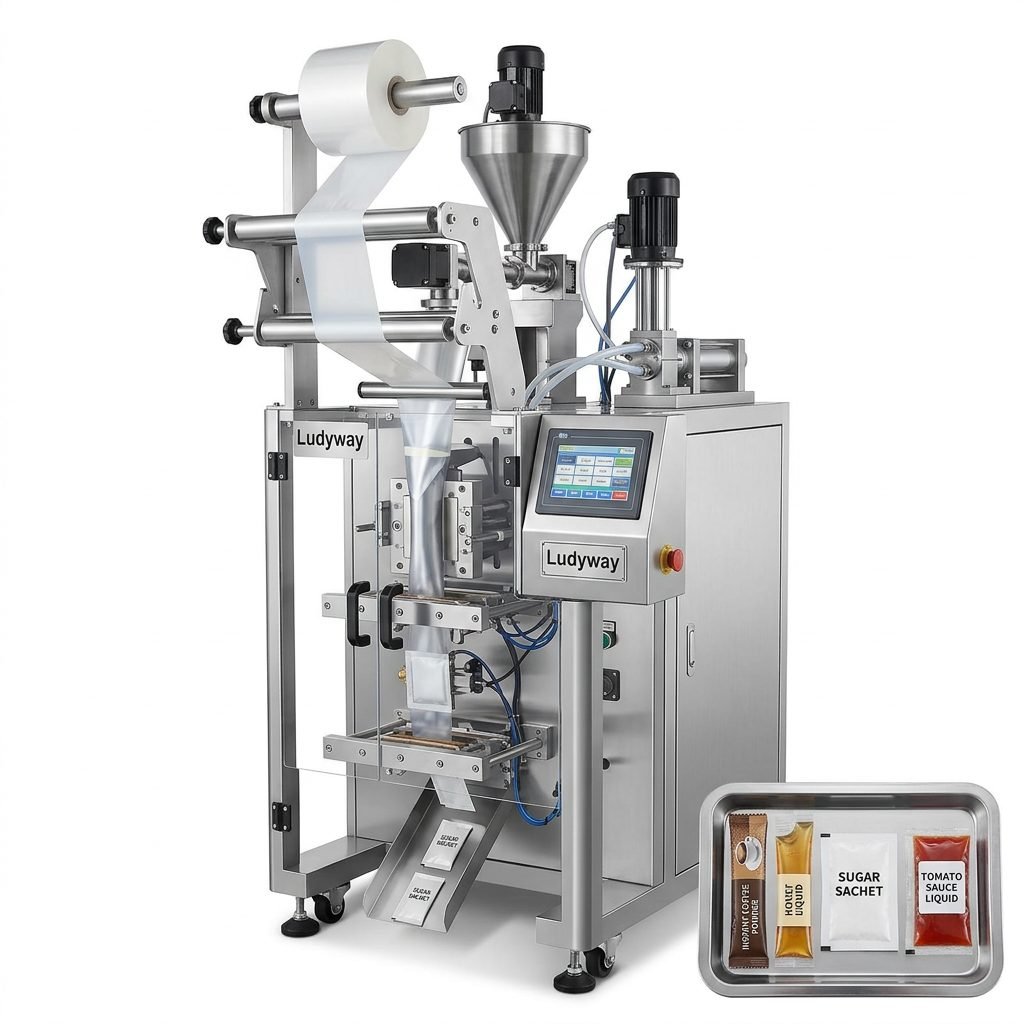
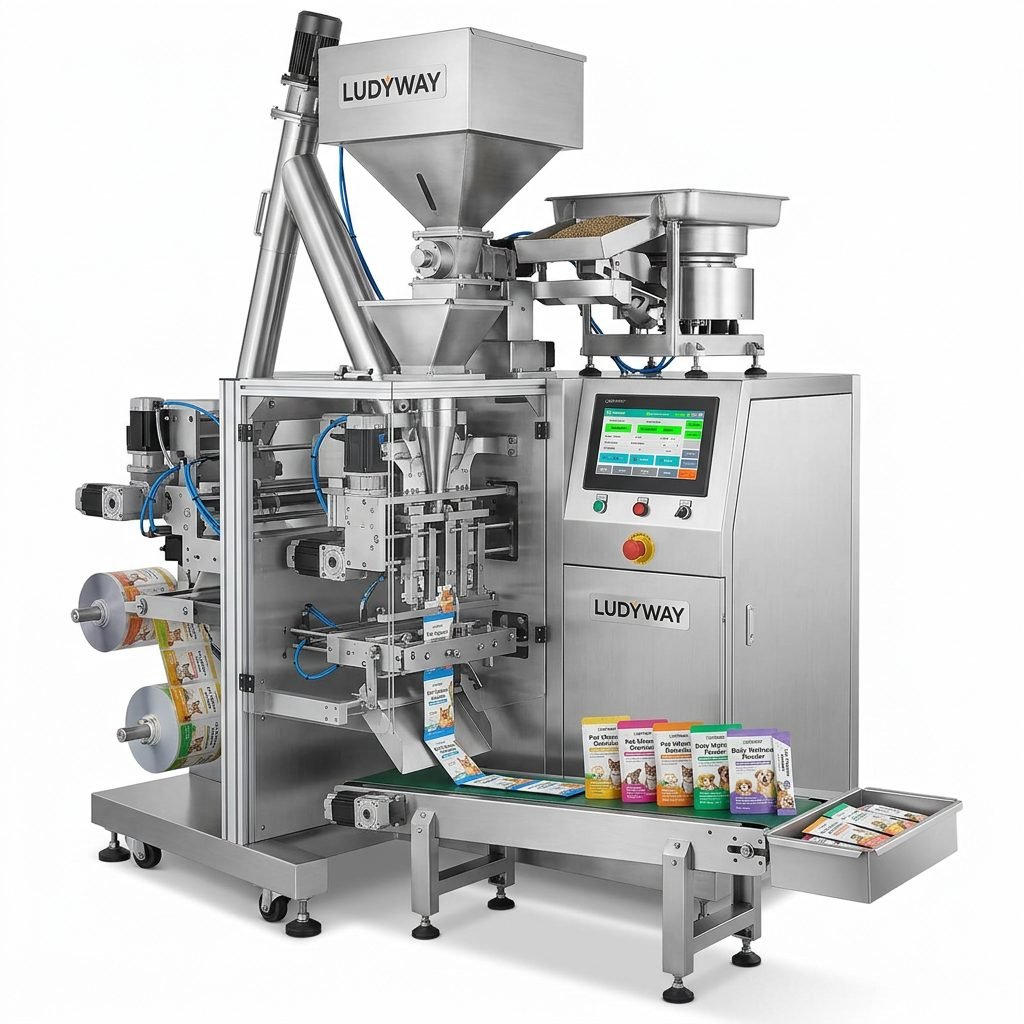
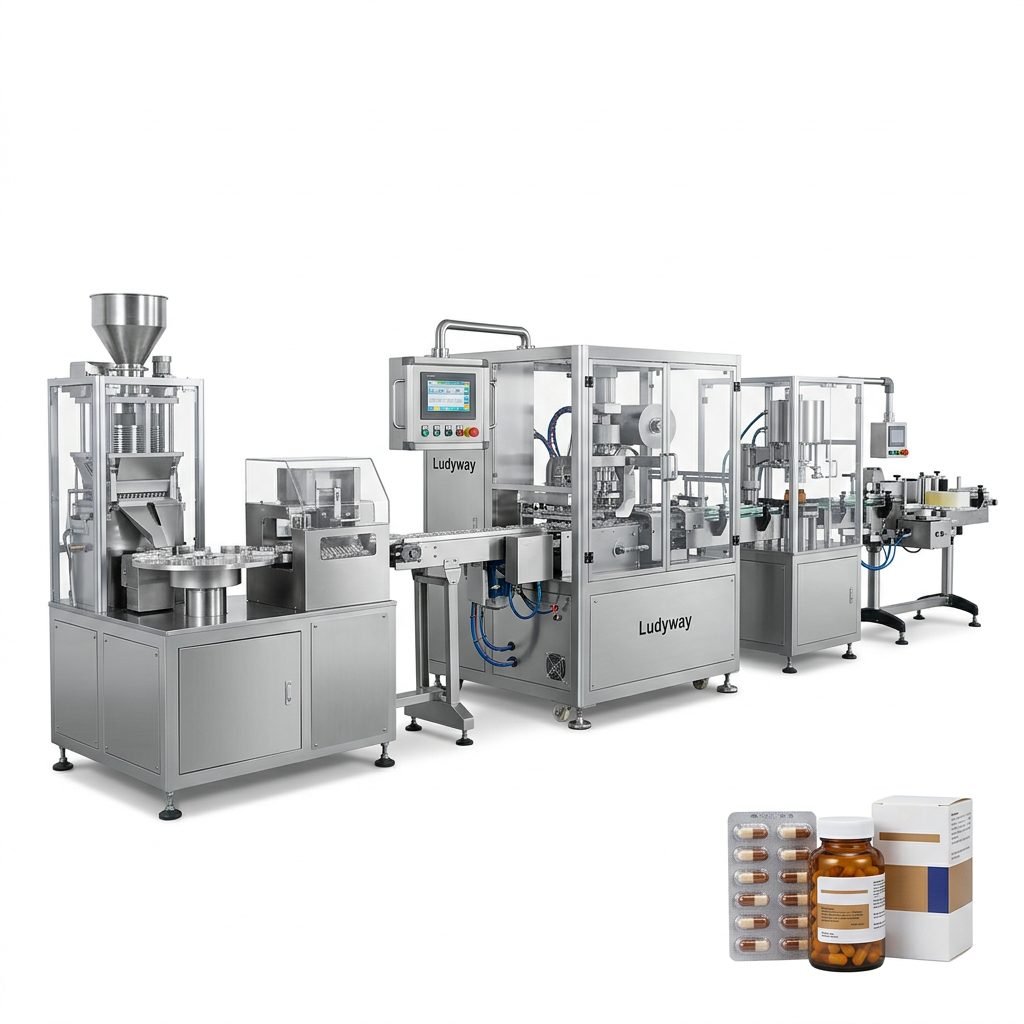
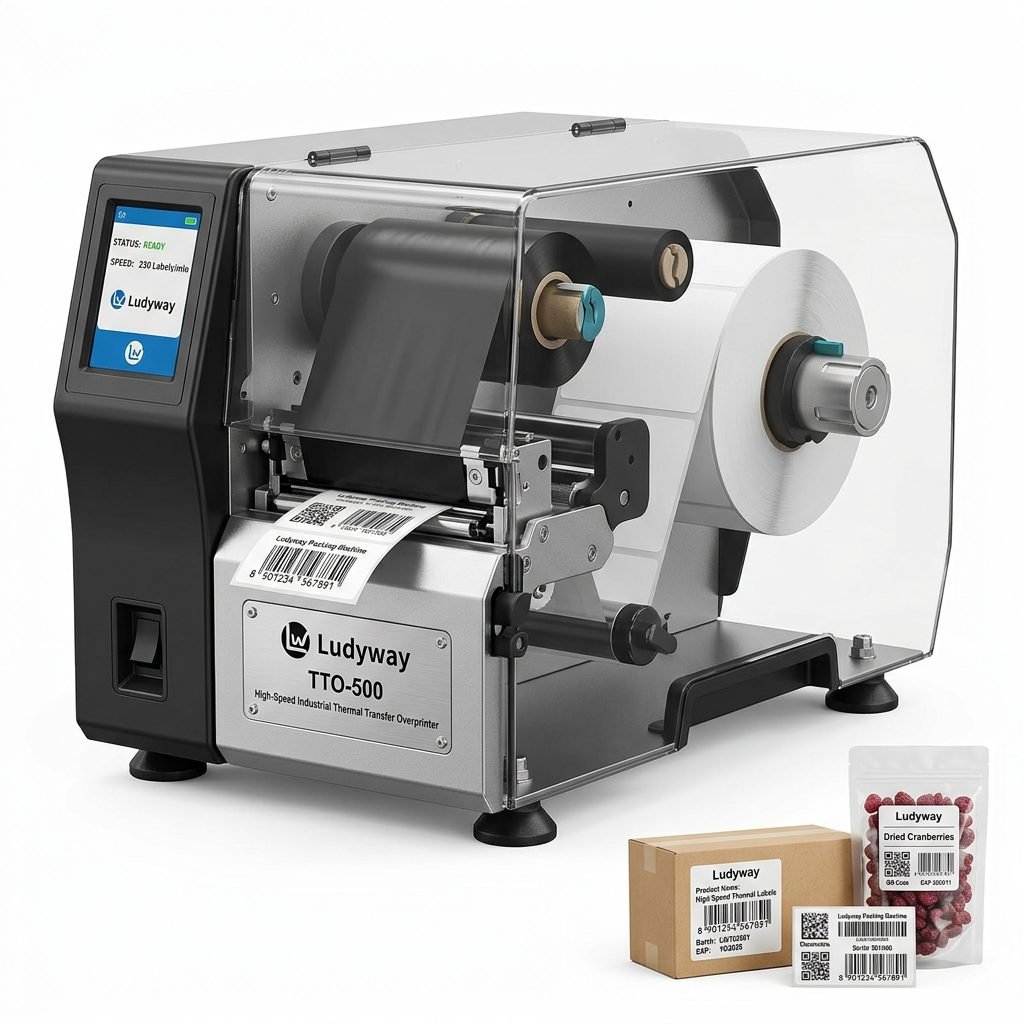
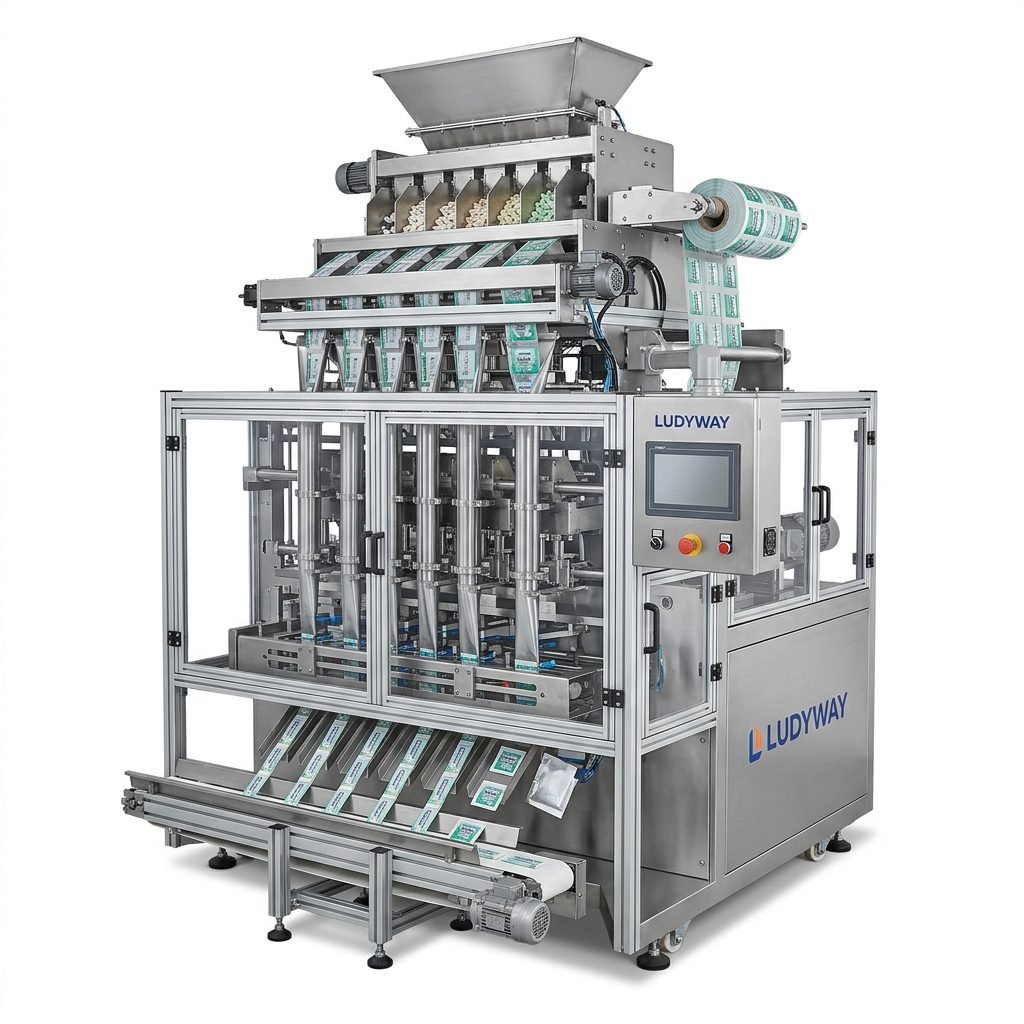
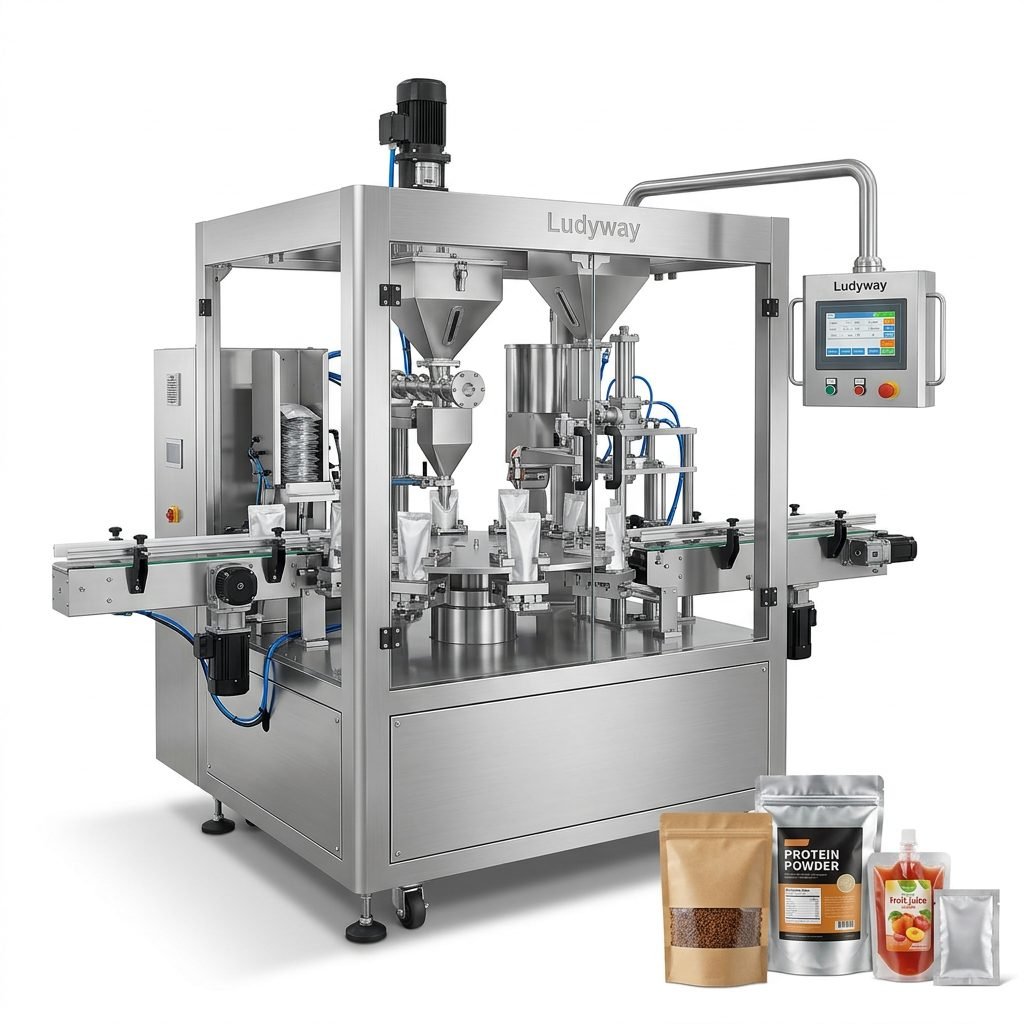
Choosing the right filling machine can directly affect product quality, packaging efficiency, labor cost, and long-term production scalability. Whether you pack liquids, powders, granules, creams, or viscous products, understanding machine types and application scenarios is the first step toward a smarter investment.
This guide explains the most common filling machine types, where they are used, and how to select the best option for your product, container, output target, and budget.
What Is a Filling Machine?
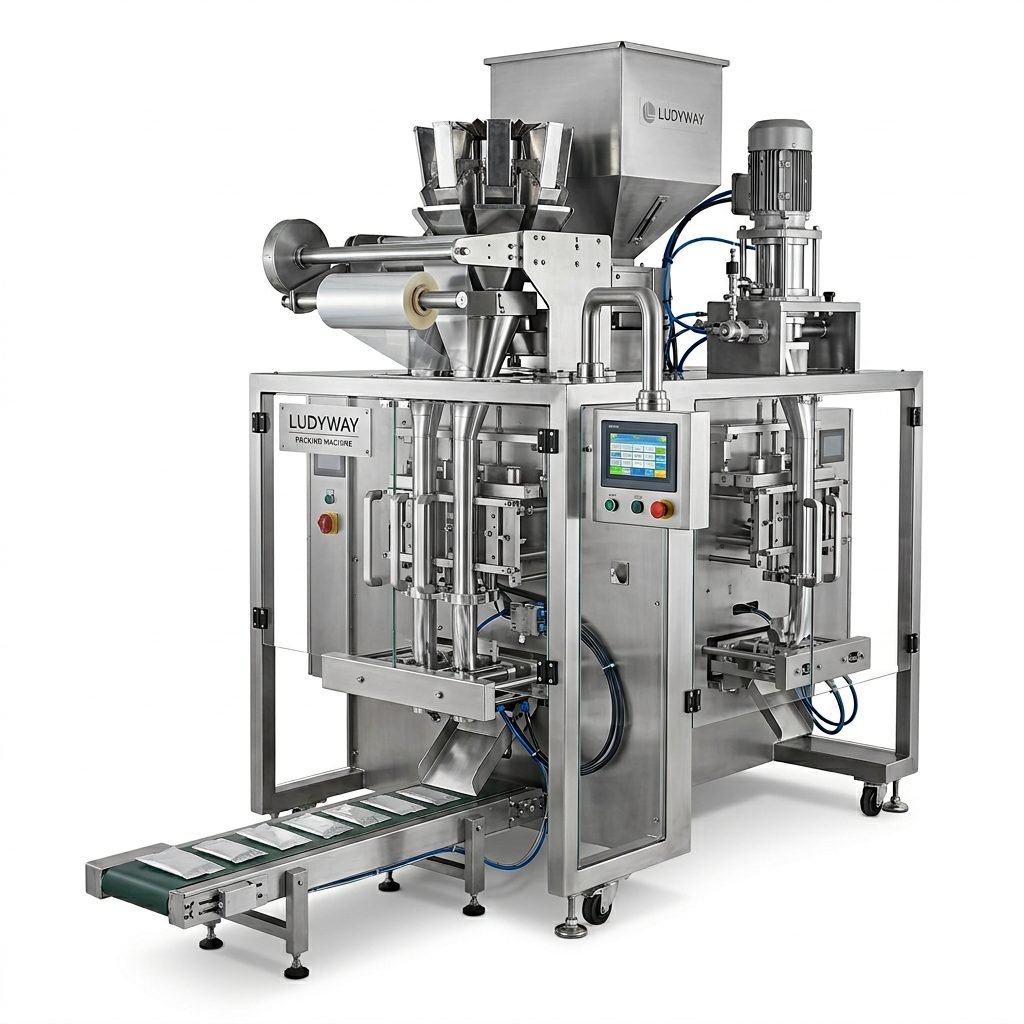
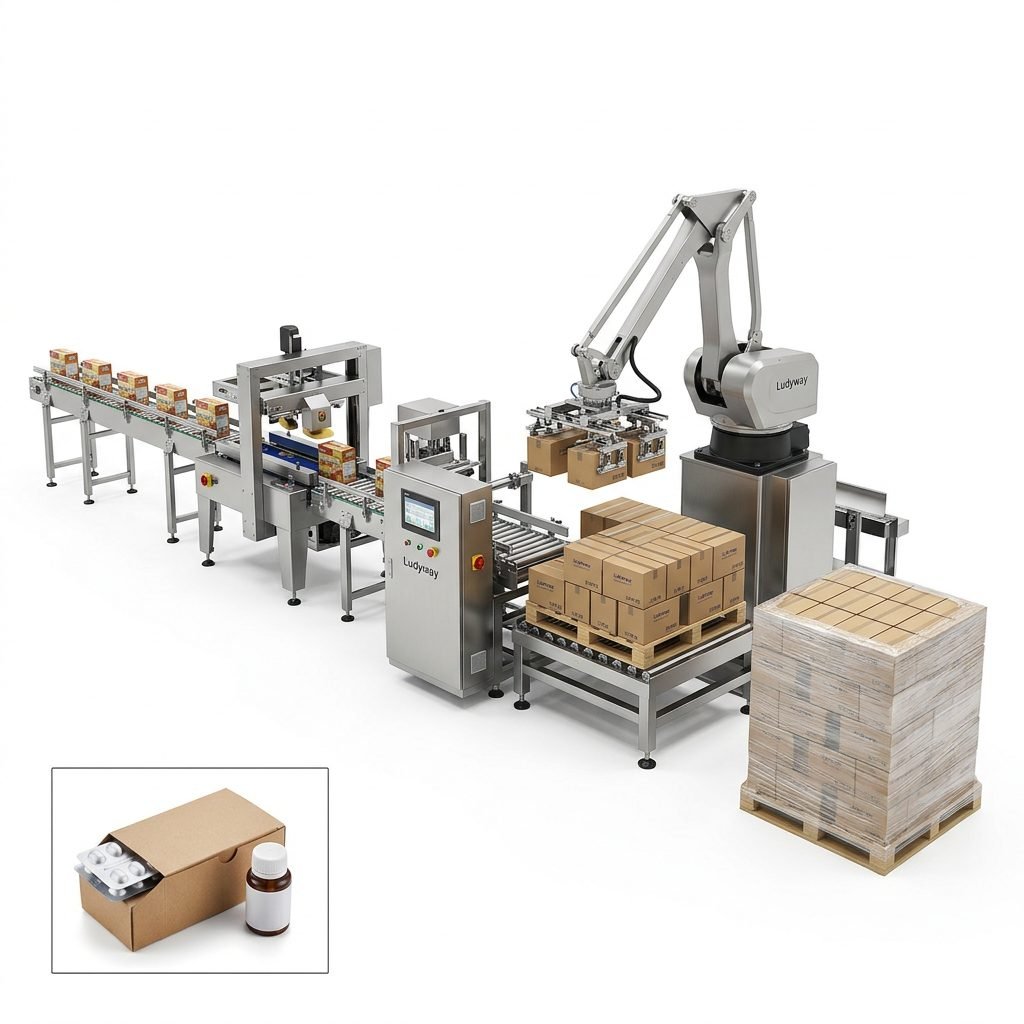
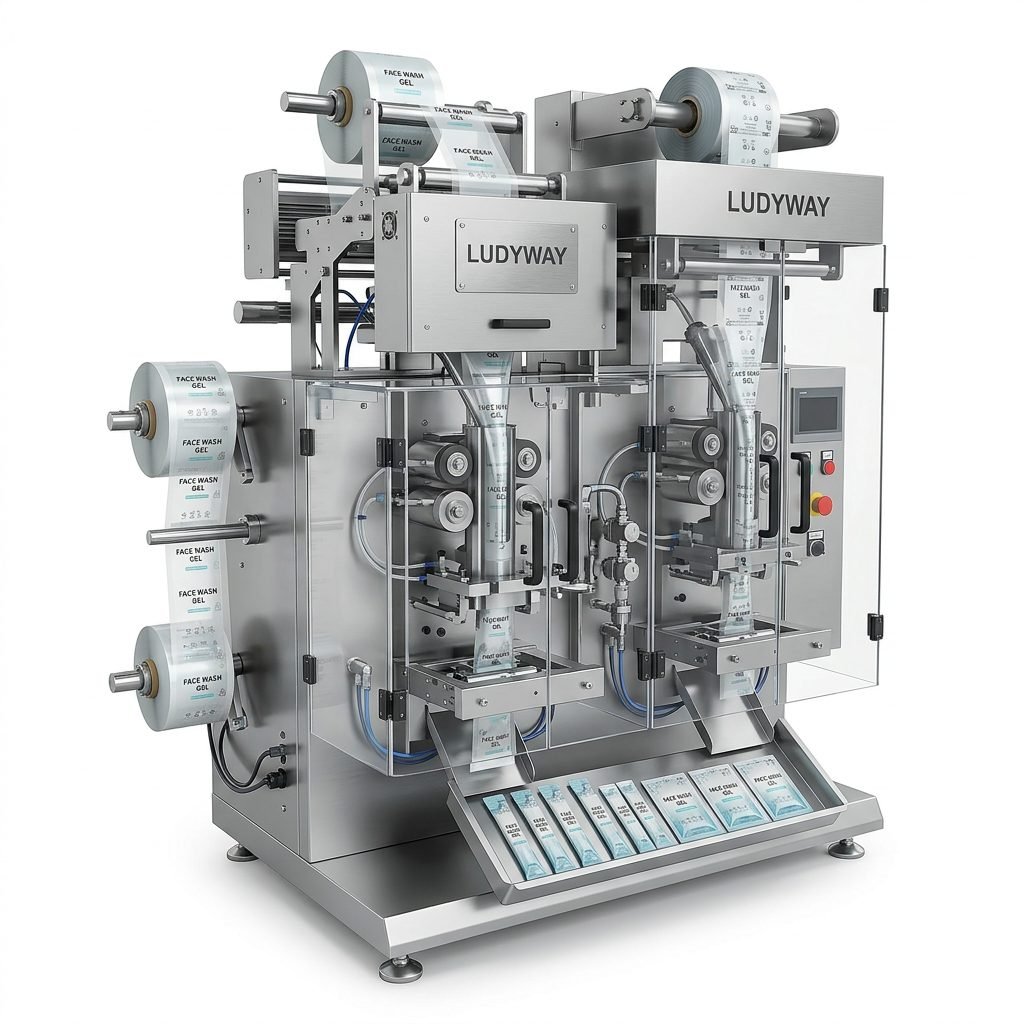
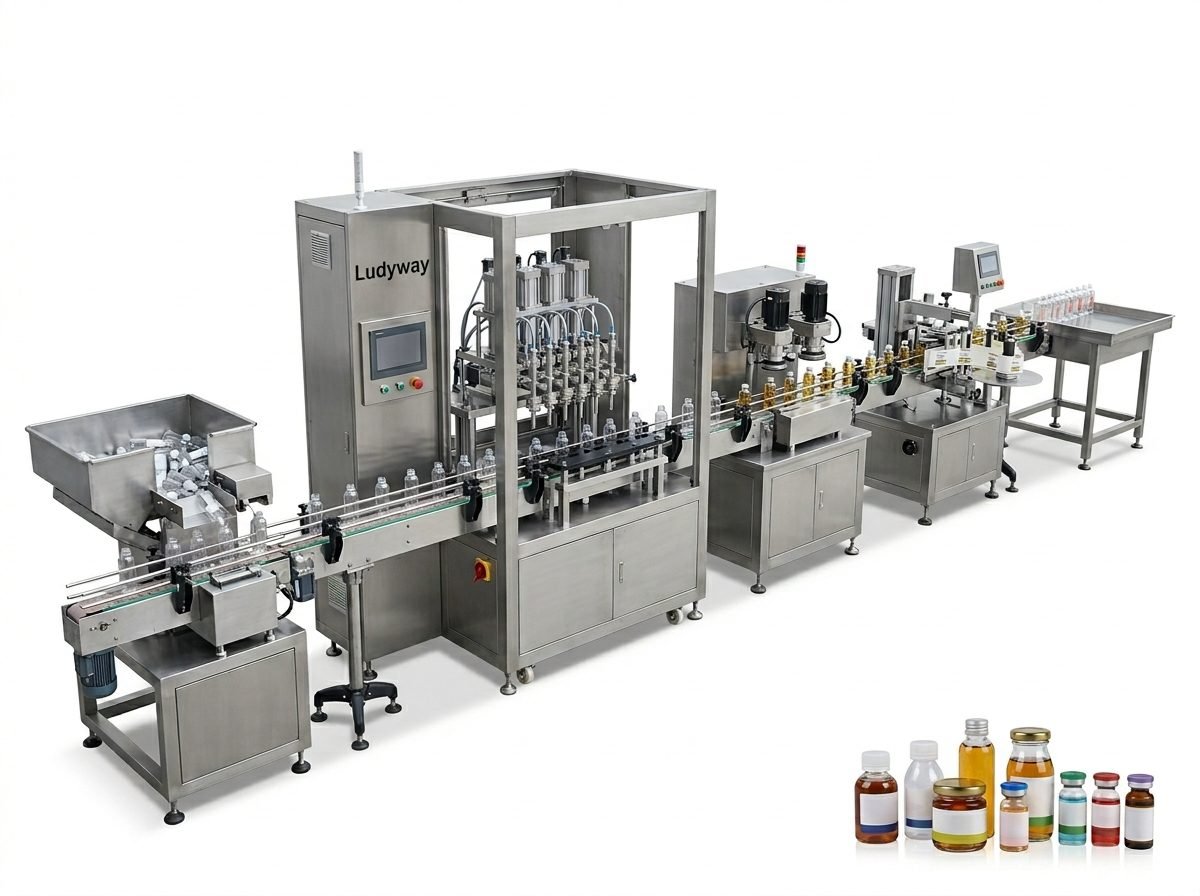
A filling machine is packaging equipment designed to measure and dispense a specific quantity of product into containers such as bottles, jars, tubes, pouches, cans, or sachets. Depending on the product and packaging format, a filling system may work independently or as part of a complete line that includes feeding, capping, sealing, labeling, cartoning, and palletizing.
Filling machines are widely used in industries such as:
- Food and beverage
- Pharmaceutical
- Nutraceutical and health supplement
- Cosmetics and personal care
- Chemical and household products
- Agricultural and veterinary products
Main Types of Filling Machines
Different products require different filling principles. Below are the most common types used in modern packaging operations.
| Filling Machine Type | Best For | Typical Industries |
|---|---|---|
| Liquid filling machine | Water-like or low-viscosity liquids | Beverage, pharma, chemical |
| Piston filling machine | Creams, sauces, gels, pastes | Food, cosmetics, daily chemicals |
| Powder filling machine | Fine powders and dusty materials | Food, pharma, supplements |
| Granule filling machine | Free-flowing granules and particles | Seeds, snacks, feed, chemicals |
| Vacuum filling machine | Glass bottles and foaming liquids | Cosmetics, chemicals |
| Net weight filling machine | Precise weight-based filling | Food, bulk chemicals, oils |
| Overflow filling machine | Uniform fill level appearance | Beverages, personal care |
1. Liquid Filling Machines
Liquid filling machines are used for low- to medium-viscosity products such as water, juice, syrup, oral liquids, detergent, and disinfectant. They commonly use time-based, flowmeter, gravity, or pump filling methods.
- Suitable for bottles, vials, pouches, and sachets
- Can be built with single-head or multi-head configurations
- Good option for high-speed production lines
2. Piston Filling Machines
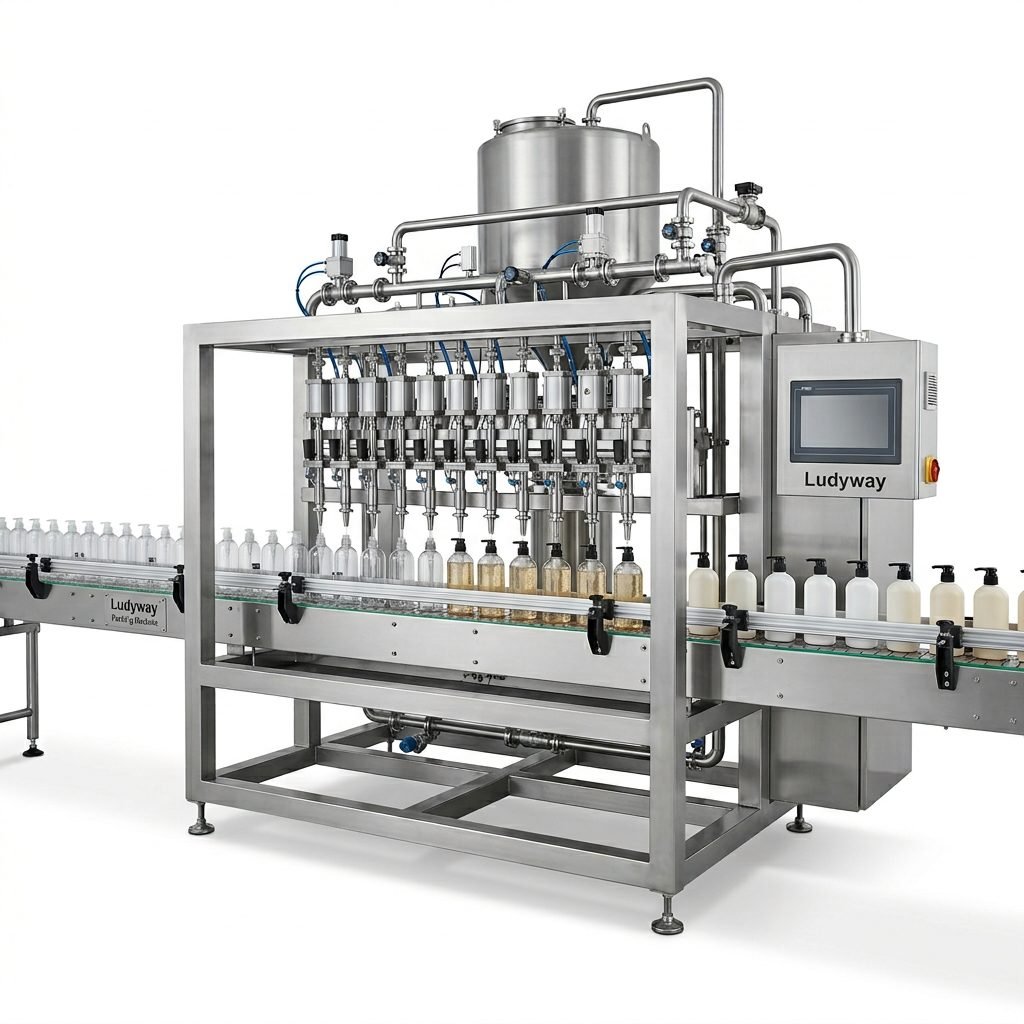
Piston fillers are designed for thicker materials such as honey, mayonnaise, lotion, cream, shampoo, jam, peanut butter, and gel. The piston draws product into a cylinder and dispenses a controlled volume into the package.
This type is ideal when product consistency is thick or semi-viscous and a stable filling volume is required.
3. Powder Filling Machines
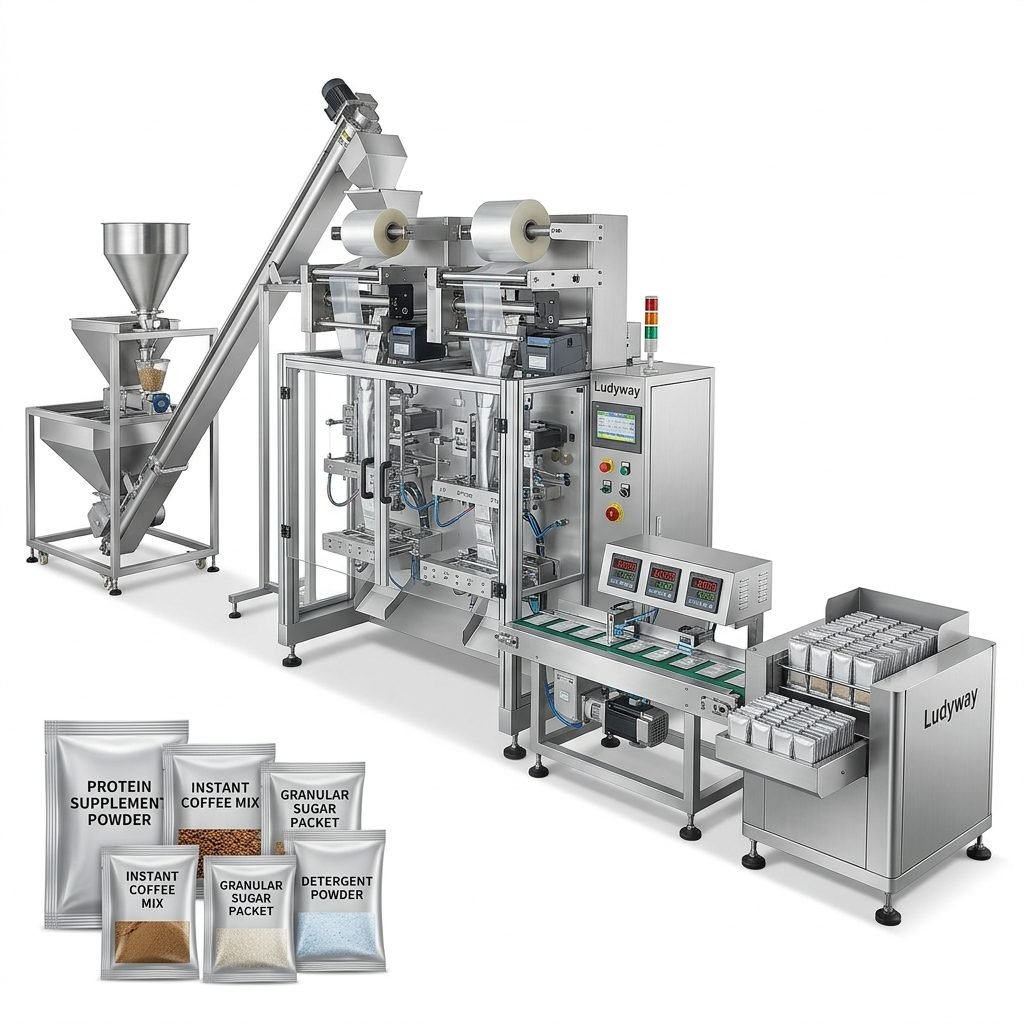
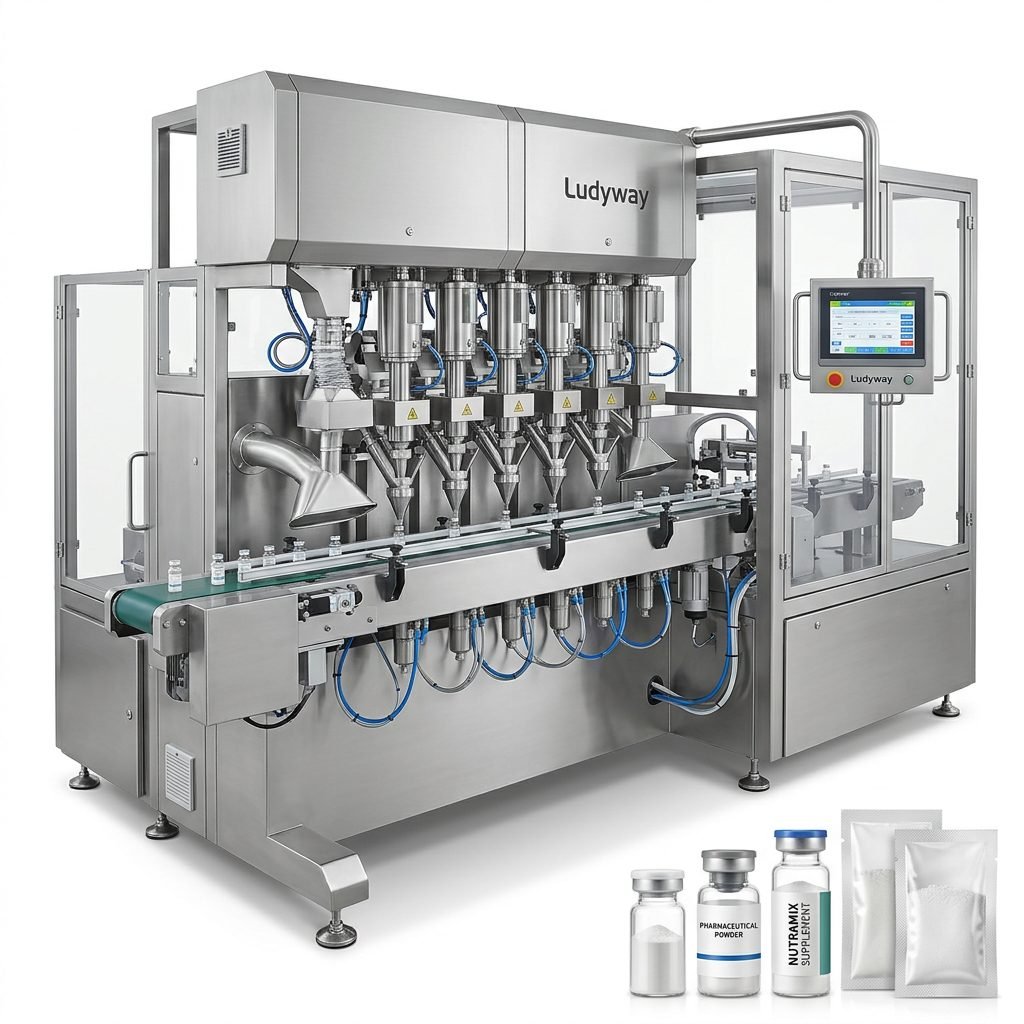
Powder fillers often use auger systems to dispense products like milk powder, protein powder, seasoning powder, pharmaceutical powder, and nutritional supplements. They are especially useful when accurate dosing and dust control are essential.
- Works well with bottles, jars, sachets, and stick packs
- Can include dust extraction and servo control
- Supports high-accuracy filling for premium products
4. Granule Filling Machines
Granule fillers are used for products such as sugar, salt, seeds, coffee beans, pet food, fertilizer, and pellets. Depending on the material, they may use volumetric cups, weighing systems, or multihead weighers.
They are a strong choice for companies that need fast throughput with good repeatability for free-flowing solid products.
5. Net Weight Filling Machines
These systems fill by weight rather than volume. They are often used when product density can vary or where regulations require high filling accuracy. Common applications include edible oil, chemicals, paints, and bulk food products.
6. Overflow Filling Machines
Overflow fillers are useful when consistent liquid level appearance matters more than exact volumetric precision. This is common in transparent bottles for beverages, shampoos, mouthwash, and cleaning liquids.
Applications of Filling Machines by Industry
Food and Beverage
Food manufacturers use filling machines for sauces, oils, seasonings, milk powder, coffee, snacks, sugar, salt, instant drinks, and ready-to-mix products. Key requirements usually include hygiene, washdown compatibility, and stable output.
Pharmaceutical
Pharmaceutical production requires precise, compliant, and contamination-controlled filling systems for oral liquids, powders, granules, tablets, sachets, and vials. Validation support, clean construction, and dosing accuracy are especially important.
Cosmetics and Personal Care
Creams, lotions, serums, shampoos, gels, and facial care products often need piston, pump, or liquid filling systems. The machine must handle different viscosities while protecting product appearance and package quality.
Chemical and Household Products
Detergents, solvents, cleaners, lubricants, and agricultural chemicals may require corrosion-resistant structures, explosion-safe designs, or specialized sealing systems depending on the formula.
Nutraceutical and Health Supplement
Supplement manufacturers often pack collagen powder, electrolyte mixes, vitamins, probiotics, and functional beverages into sachets, stick packs, jars, or bottles. In this segment, flexible filling ranges and fast changeover are often major buying factors.
Manual, Semi-Automatic, or Fully Automatic?
| Machine Level | Best For | Advantages |
|---|---|---|
| Manual | Small batches, R&D, startup production | Low cost, simple operation |
| Semi-automatic | Growing businesses with moderate output | Balanced cost and productivity |
| Fully automatic | Medium to large factories | High speed, labor savings, line integration |
If your production is expected to grow, it is usually smarter to choose equipment with future expansion capacity rather than buying only for current demand.
How to Choose the Right Filling Machine
Understand Your Product Characteristics
Start with the product itself. Ask these questions:
- Is it liquid, paste, powder, or granule?
- Is it free-flowing or sticky?
- Does it foam, drip, settle, or create dust?
- Is it corrosive, flammable, or sensitive to contamination?
Match the Packaging Format
Your machine must fit the package type and dimensions. Common packaging formats include:
- Bottles and jars
- Sachets and stick packs
- Pouches and premade bags
- Tubes, cans, and vials
Define Required Output
Machine speed should align with your production target. For example, a startup may prioritize flexibility, while a mature factory may need continuous high-speed output with integrated conveyors, cappers, labelers, and checkweighers.
Check Filling Accuracy Requirements
Some industries tolerate slight variations, while others do not. Food exports, pharmaceuticals, and premium supplements usually demand tight filling tolerances to protect compliance and customer trust.
Consider Cleaning and Maintenance
Machines should be easy to clean, inspect, and maintain. This is especially important for products that change flavor, color, active ingredient, or fragrance. Fast cleaning and tool-free changeover can reduce downtime significantly.
Think About Automation Integration
A filling machine is often only one part of the system. If you need complete packaging automation, choose a supplier that can support integrated solutions including:
- Product feeding
- Container unscrambling
- Capping or sealing
- Labeling and coding
- Inspection and rejection
- Cartoning and palletizing
Review Supplier Capability
A reliable equipment supplier should offer application advice, customization, installation support, spare parts, and after-sales service. Many buyers also evaluate export experience, engineering depth, and complete line capability. For businesses looking for scalable packaging automation, Ludyway filling machine solutions are often considered for food, pharmaceutical, health supplement, cosmetic, and chemical applications due to broad product coverage and turnkey line support.
Key Features to Look For
| Feature | Why It Matters |
|---|---|
| Servo control | Improves precision and parameter adjustment |
| Stainless steel construction | Supports hygiene and corrosion resistance |
| Touchscreen HMI | Simplifies operation and recipe storage |
| Quick changeover design | Reduces downtime between SKUs |
| No-drip nozzle | Keeps packages and machine cleaner |
| Dust control or extraction | Important for powder applications |
| CIP/SIP compatibility | Useful in sanitary or pharma environments |
Common Buying Mistakes to Avoid
- Choosing based only on price rather than application fit
- Ignoring future production growth
- Overlooking product behavior such as foaming or dusting
- Not confirming filling accuracy with real product samples
- Buying a standalone machine when a full packaging line is actually needed
- Neglecting after-sales service and spare part availability
Final Selection Checklist
Before making a purchase decision, confirm the following:
- Product type and viscosity are clearly defined
- Package format and fill range are confirmed
- Required speed per minute or per hour is realistic
- Accuracy target is documented
- Material contact parts meet industry requirements
- Cleaning method and maintenance routine are understood
- Layout, power supply, and factory conditions are compatible
- Supplier can provide testing, customization, and service support
Conclusion
The best filling machine is not simply the fastest or the cheapest—it is the one that fits your product characteristics, packaging format, output target, and long-term automation plan. By comparing filling principles, industry applications, and line integration needs, buyers can reduce risk and improve return on investment.
If you are planning a new packaging project or upgrading an existing production line, evaluating machine type, accuracy, hygiene, and supplier capability together will help you choose a filling solution that performs reliably for years.