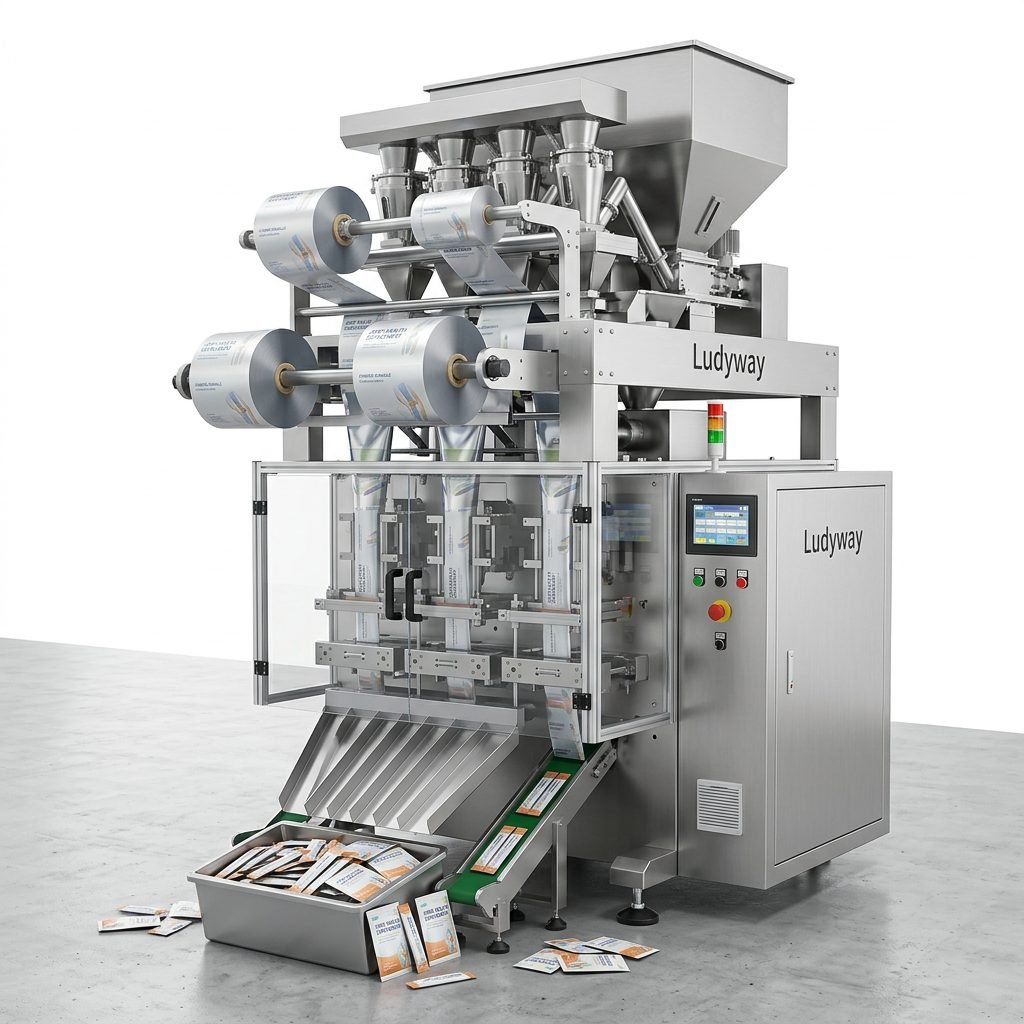
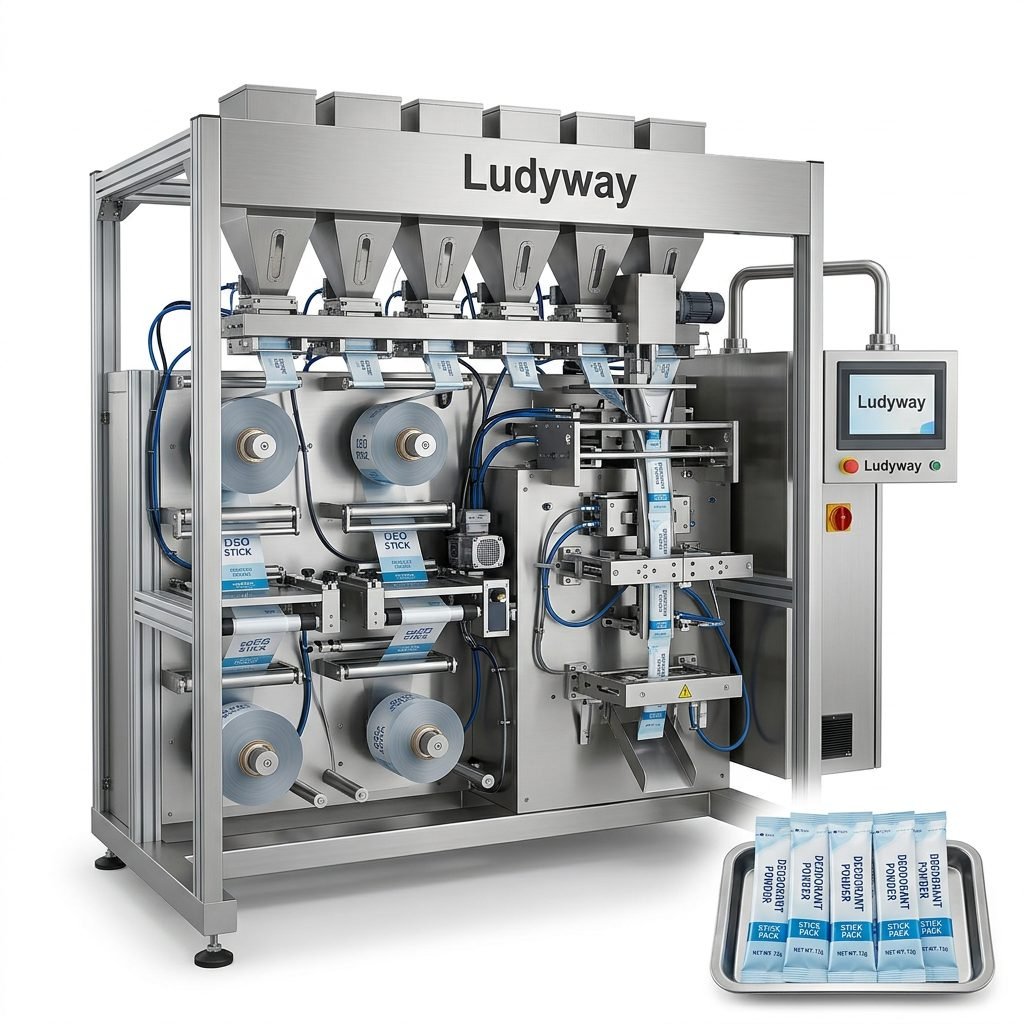
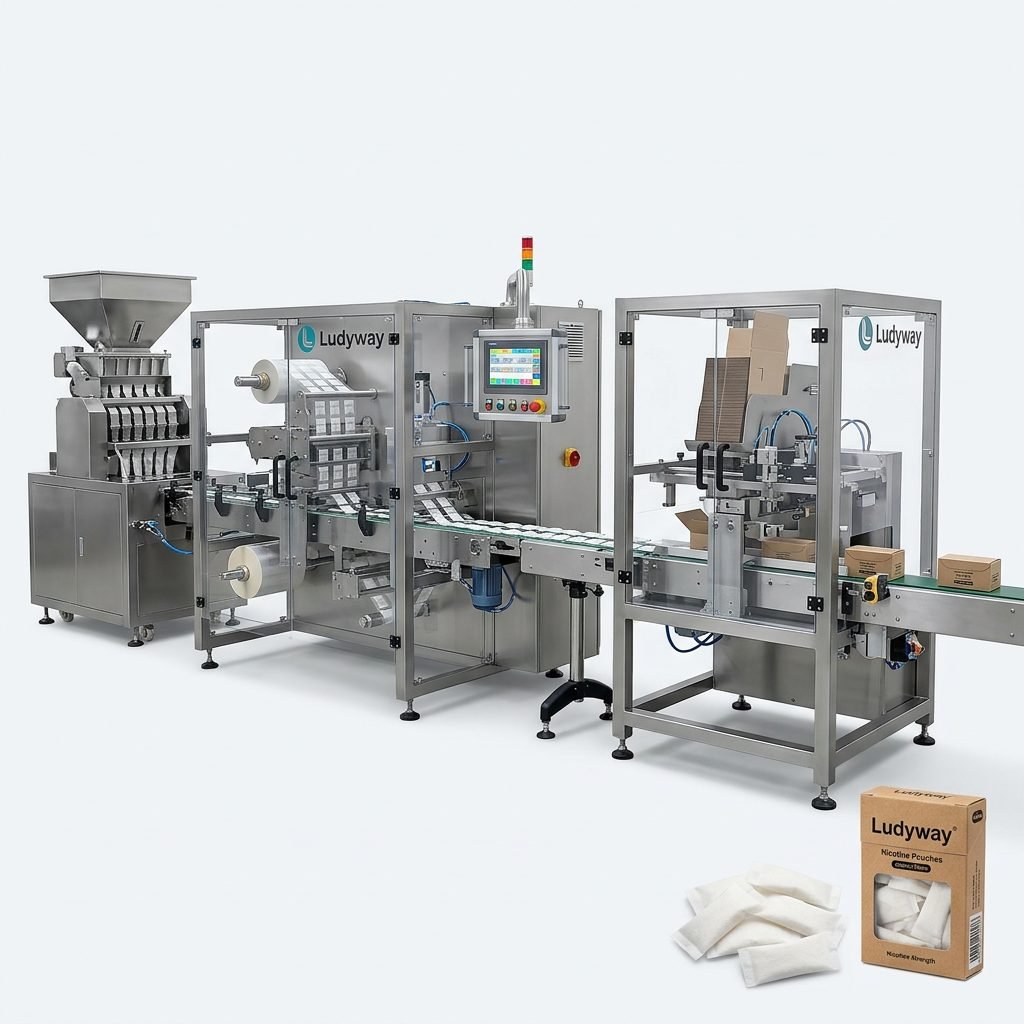
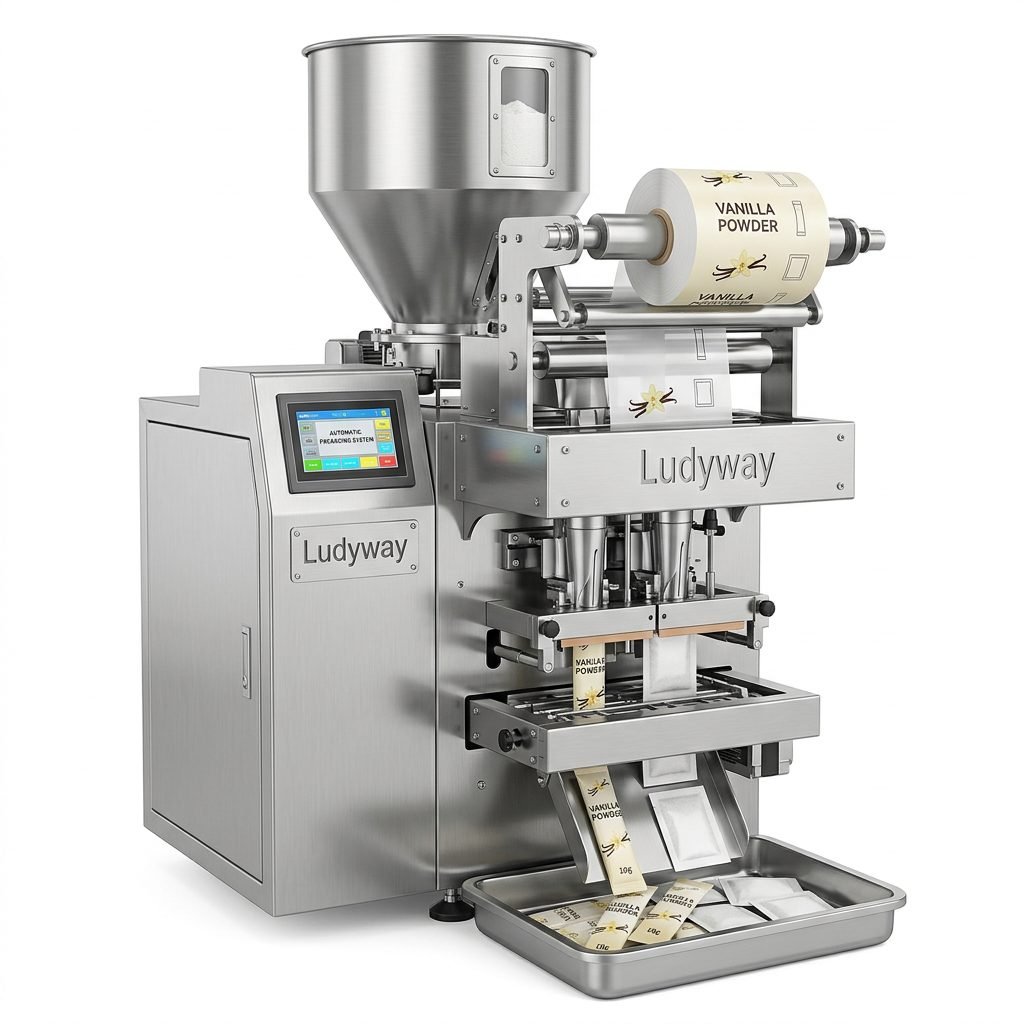
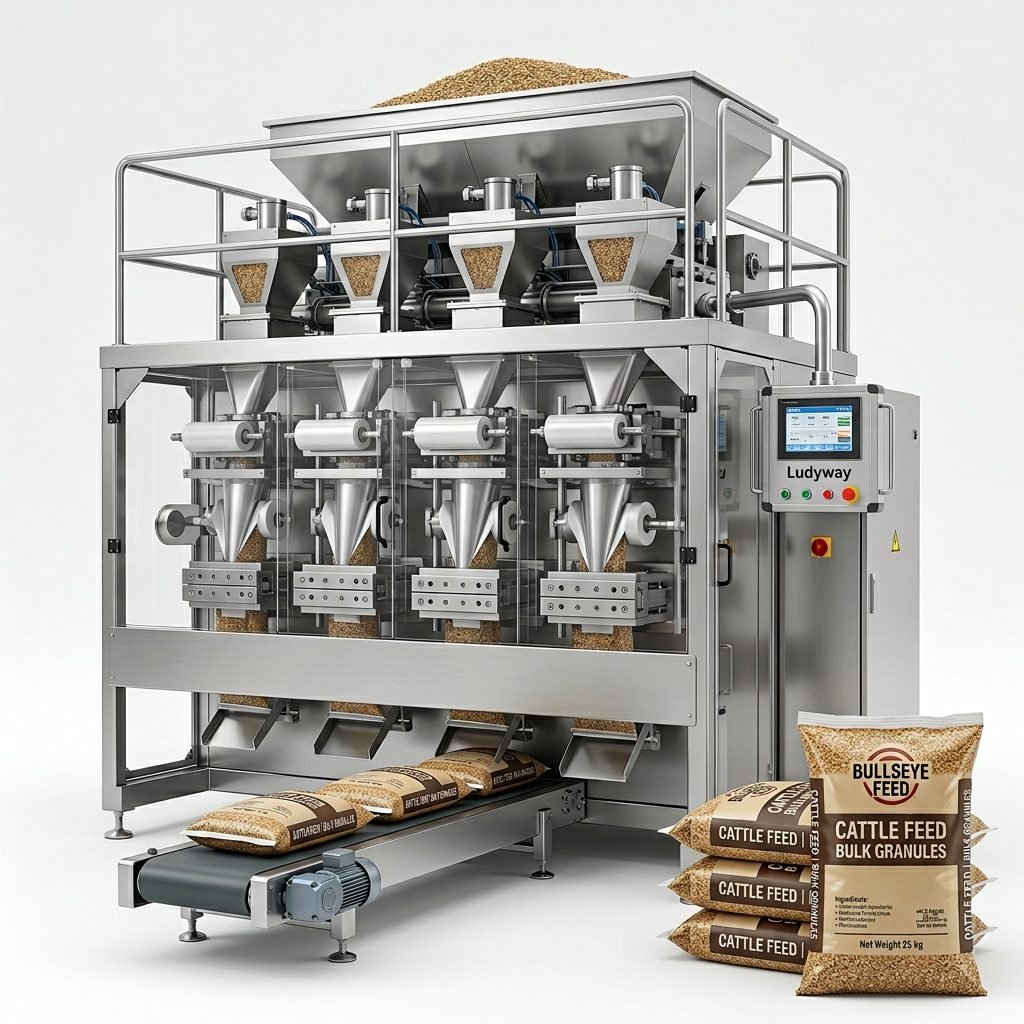
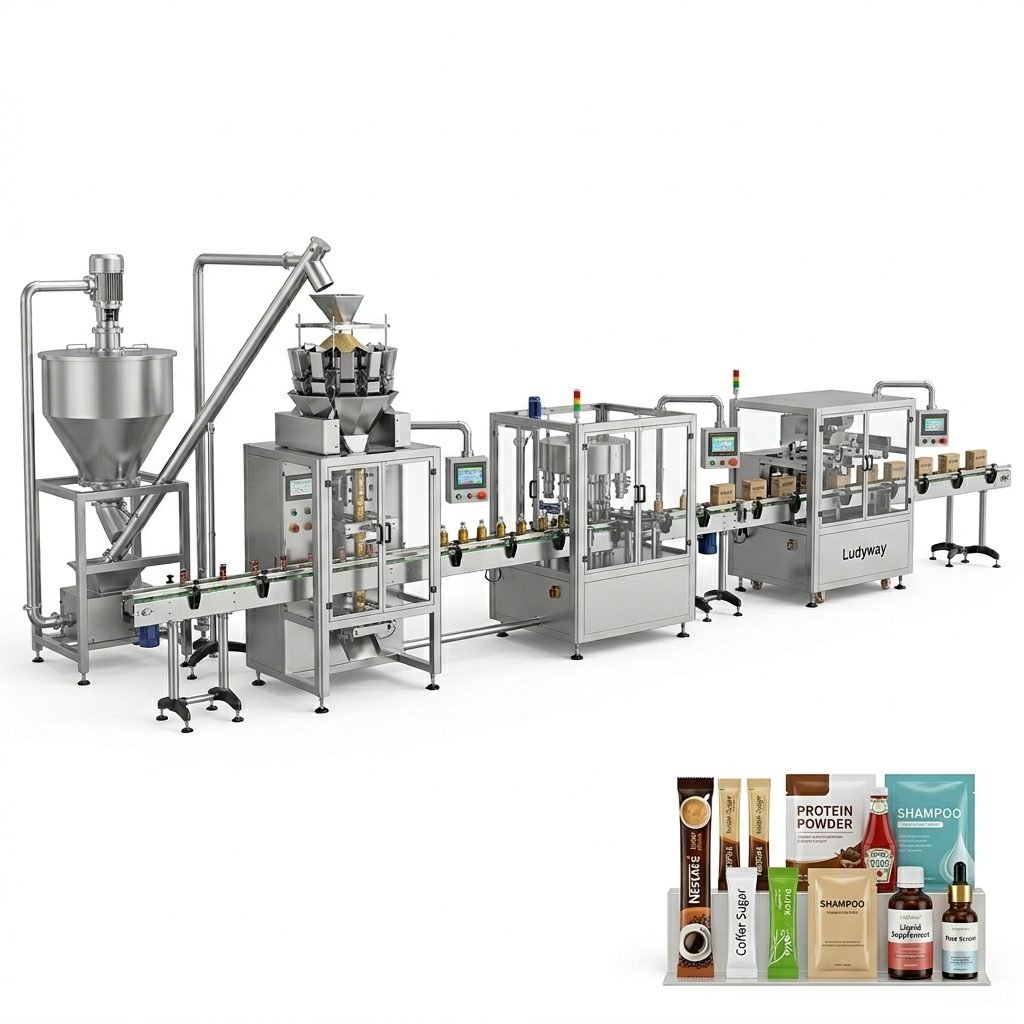
Effective packaging machinery support is the cornerstone of maintaining high productivity, ensuring product quality, and maximizing the return on investment for your automated packaging lines. A comprehensive support strategy goes beyond reactive repairs, encompassing proactive maintenance, systematic troubleshooting, and continuous optimization. This guide delves into the essential pillars of packaging machinery support, providing a roadmap to enhance your equipment’s performance and longevity.
Core Objectives of Machinery Support
• Maximize Uptime: Minimize unplanned downtime to ensure continuous production flow.
• Extend Equipment Life: Prolong the operational lifespan of your machinery through proper care.
• Ensure Consistency: Maintain consistent packaging quality and accuracy over time.
• Optimize Efficiency: Fine-tune machine parameters for peak speed and material usage.
Proactive Maintenance: The First Line of Defense
Preventive maintenance is a scheduled, planned approach to care for your packaging equipment. It involves regular inspections, cleaning, lubrication, and part replacements before failures occur. Implementing a robust preventive maintenance program can reduce downtime by up to 50% and significantly lower long-term repair costs.
Essential Maintenance Tasks
A structured maintenance checklist is vital. Here are key areas to focus on:
Daily & Weekly Checks
→ Visual Inspection: Check for loose bolts, leaks, or unusual wear on seals and belts.
→ Cleaning: Remove product dust, debris, and residual film from forming tubes, sealing jaws, and cutters.
→ Lubrication: Apply manufacturer-recommended lubricants to designated points (e.g., chains, guides, cams).
Monthly & Quarterly Procedures
→ Component Calibration: Verify and adjust the calibration of weighing systems, photo-electric sensors, and temperature controllers.
→ Wear Part Replacement: Proactively replace high-wear items like sealing jaw Teflon coatings, cutter blades, and vacuum pump filters.
→ Electrical Check: Inspect wiring for damage and ensure all connections are secure.
Maintenance Documentation
Maintain detailed logs for every maintenance action. Record the date, task performed, parts replaced, and any observations. This history is invaluable for predictive maintenance, helping identify patterns that precede failures and allowing for better spare parts inventory management.
Systematic Troubleshooting: Diagnosing Common Issues
Even with excellent maintenance, issues can arise. A logical, step-by-step troubleshooting approach is key to a swift resolution. Always start with the simplest potential cause before moving to more complex diagnostics.
Frequent Packaging Problems & Solutions
1. Poor Seal Integrity
Possible Causes: Incorrect temperature/pressure settings, contaminated sealing jaws, worn Teflon, misaligned jaws, or unsuitable packaging film.
Action Plan: Clean jaws thoroughly. Check and recalibrate temperature. Inspect and replace Teflon coatings. Verify jaw alignment. Consult your packaging machinery supplier for film compatibility advice.
2. Inconsistent Filling Weight
Possible Causes: Auger wear or misalignment, clogged filters in pneumatic systems, faulty load cells, product bridging in the hopper, or software calibration drift.
Action Plan: Inspect and clean the auger and hopper. Check pneumatic air pressure and filters. Perform a weight calibration test. For persistent issues, technical support from your provider may be needed to diagnose sensor or software problems.
3. Film Web Wrinkling or Misalignment
Possible Causes: Uneven film roll tension, misaligned guide rollers, worn registration sensor eye, or incorrect film path threading.
Action Plan: Re-thread the film according to the manual. Adjust tension on the unwind brake. Clean the registration sensor and ensure it is properly aligned. Inspect all guide rollers for free movement.
Continuous Optimization: Boosting Performance & Efficiency
Optimization is the process of fine-tuning your machinery to achieve higher output, better quality, and lower operating costs. It involves analyzing performance data and making incremental adjustments.
Key Optimization Strategies
Speed vs. Stability Balance: Pushing a machine to its maximum rated speed often reduces stability and increases wear. Find the optimal speed where efficiency and package quality are both high.
Material Waste Reduction: Optimize film cut-off lengths and sealing parameters to minimize trim waste. Adjust filling systems to reduce product giveaway while staying within legal tolerances.
Energy Consumption: Schedule production runs to minimize frequent machine start-ups/shutdowns. Ensure pneumatic systems are leak-free and compressors are properly maintained.
Operator Training: Well-trained operators are the best optimization tool. Ensure they understand machine functions, basic troubleshooting, and the impact of their adjustments on overall packaging line efficiency.
Leveraging Data & Technology
Modern packaging machines often come with PLCs and HMIs that provide valuable data. Monitor OEE (Overall Equipment Effectiveness), downtime reasons, and production counts. This data is critical for identifying bottlenecks and guiding your optimization efforts. For complex upgrades or integration with full production line solutions, partnering with an experienced supplier is advisable.
The Role of Your Supplier in Long-Term Support
Choosing a machinery provider with strong after-sales support is crucial. Look for partners who offer comprehensive services such as:
• Remote Diagnostic Assistance | • On-Demand Spare Parts Supply | • Periodic Technical Health Checks | • Operator & Technician Training Programs
A supplier invested in your success will help you implement all the principles in this guide, ensuring your packaging operations remain competitive and reliable for years to come.
Frequently Asked Questions (FAQs)
Q1: How often should I perform preventive maintenance on my packaging machine?
A: The frequency depends on usage (shifts per day), product type (abrasive powders vs. granules), and the manufacturer’s guidelines. A general rule is daily cleaning, weekly lubrication and inspection, and a more thorough scheduled maintenance every 3-6 months. Always consult your machine’s manual for a specific schedule.
Q2: What are the most critical spare parts to keep in inventory?
A: Prioritize high-wear, mission-critical parts whose failure would stop production. This typically includes sealing jaw Teflon/coatings, cutter blades/belts, specific fuses or sensors, and common gaskets or O-rings. Your machinery supplier can help you create a recommended spare parts list based on your model and production volume.
Q3: Can I use any packaging film with my machine?
A: No. Machines are designed and calibrated for films with specific thermal properties, thicknesses, and coefficients of friction. Using an incompatible film will lead to poor sealing, wrinkling, and frequent jams. Always test new film materials and consult your supplier for approved material specifications.
Q4: My machine is running slower than when it was new. What can I do?
A: Gradual speed loss is often due to increased friction from worn components, decreased pneumatic pressure, or slight misalignments. Begin with a comprehensive maintenance check: lubricate all moving parts, check air pressure and filters, inspect chains and belts for tension and wear, and ensure all guides are clean and aligned.
Q5: When should I call for professional technical support instead of troubleshooting in-house?
A: Contact professional support for complex electrical or software faults, mechanical breakdowns requiring special tools or expertise, persistent issues you cannot diagnose, or when planning a major overhaul or speed upgrade. Professional technicians can also provide valuable optimization advice and training.