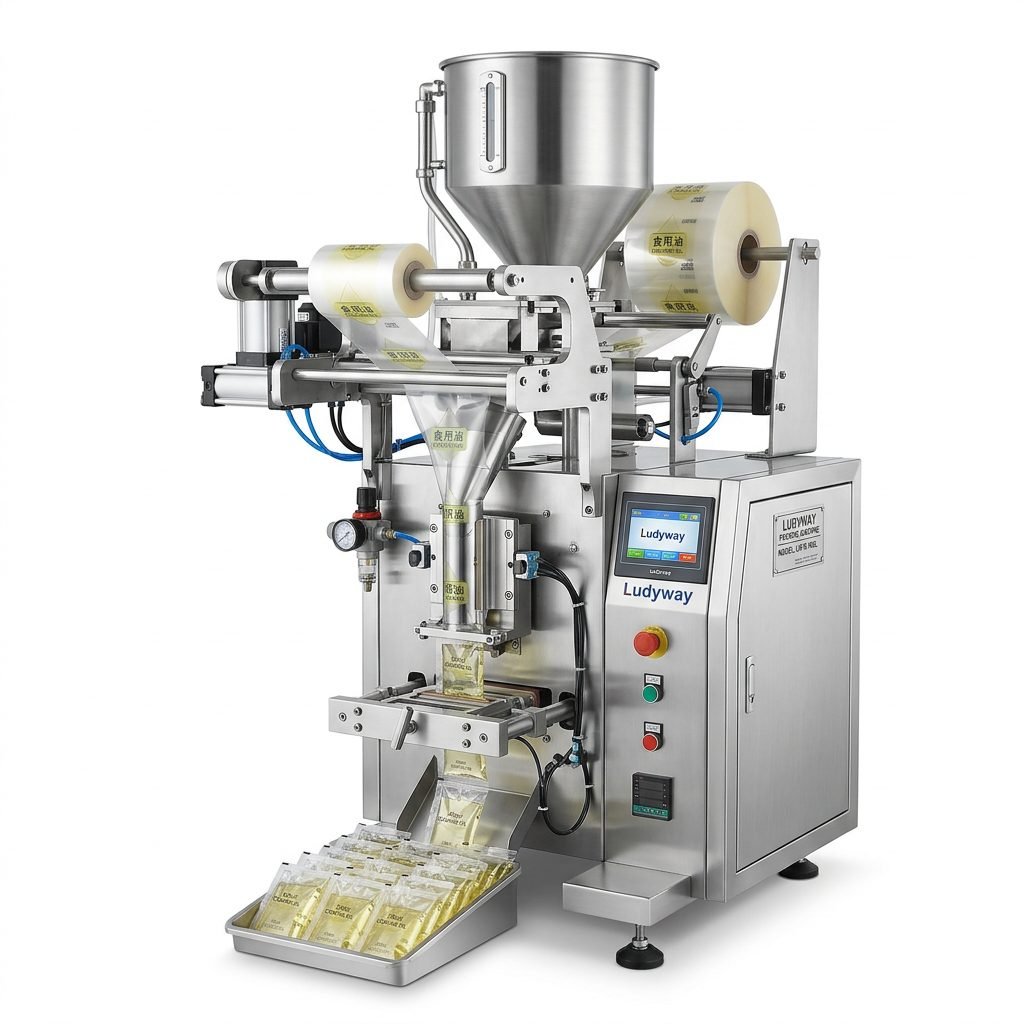
Selecting the right packaging machine manufacturer in France is a critical decision for businesses aiming to enhance efficiency, ensure product quality, and maintain a competitive edge. The French market, known for its high standards in food, pharmaceuticals, and luxury goods, demands equipment that combines precision, reliability, and innovation. This guide outlines the key factors and selection tips to help you make an informed choice.
Understanding the French Packaging Landscape
France boasts a sophisticated manufacturing sector with stringent regulations, particularly in food safety (e.g., IFS, BRC) and pharmaceutical compliance. French manufacturers often prioritize automation, hygiene, and sustainability. When choosing a supplier, it’s essential to partner with a manufacturer that understands these local nuances and can provide machinery that meets EU certifications and specific industry standards.
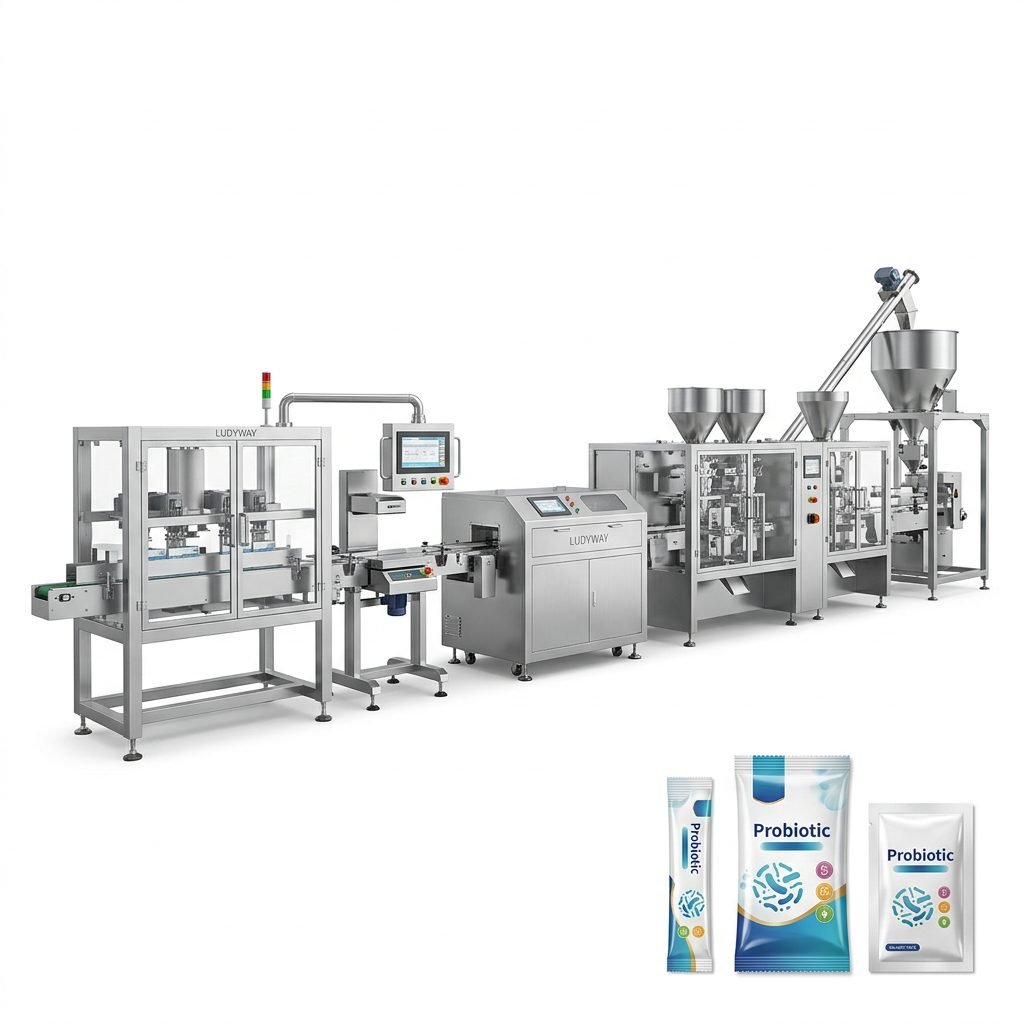
Key Factor 1: Technical Expertise and Industry Experience
Look for a manufacturer with proven experience in your specific sector. Whether you package granules, powders, liquids, or pouches, the supplier should have a deep understanding of your product’s characteristics and the required packaging process.
Tip: Review the manufacturer’s project portfolio. A company like Ludyway, with over 30 years in the industry, has developed solutions for food, pharma, and health products, serving clients in over 100 countries. This global experience is invaluable for addressing complex French market requirements.
Key Factor 2: Machine Range and Customization Capabilities
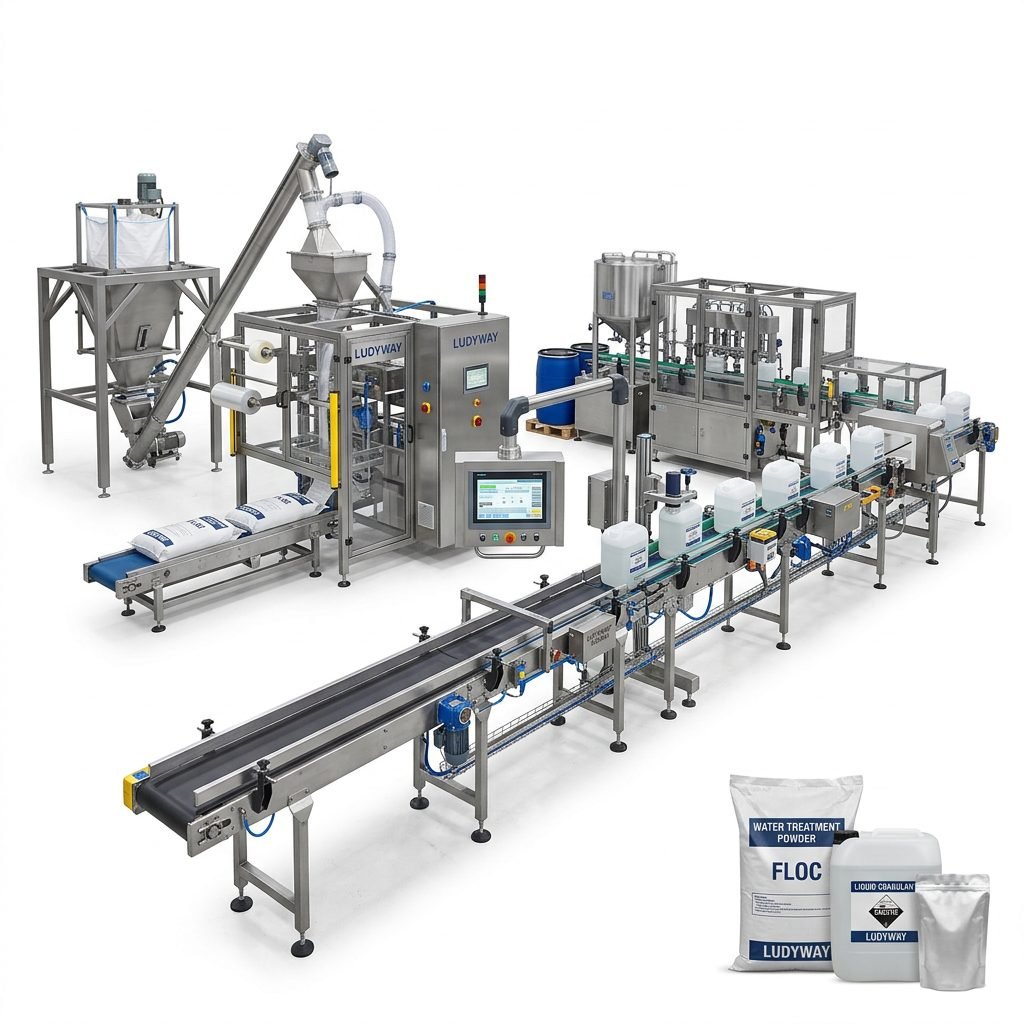
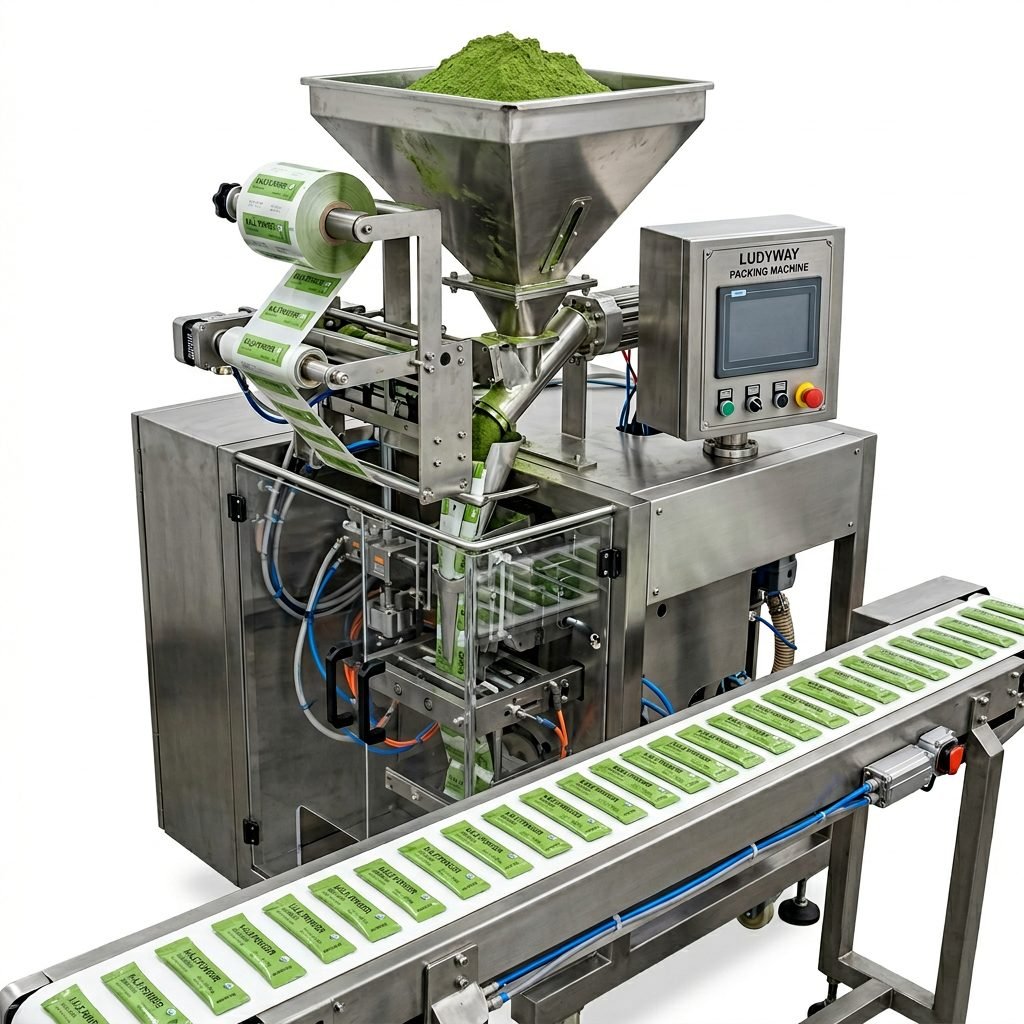
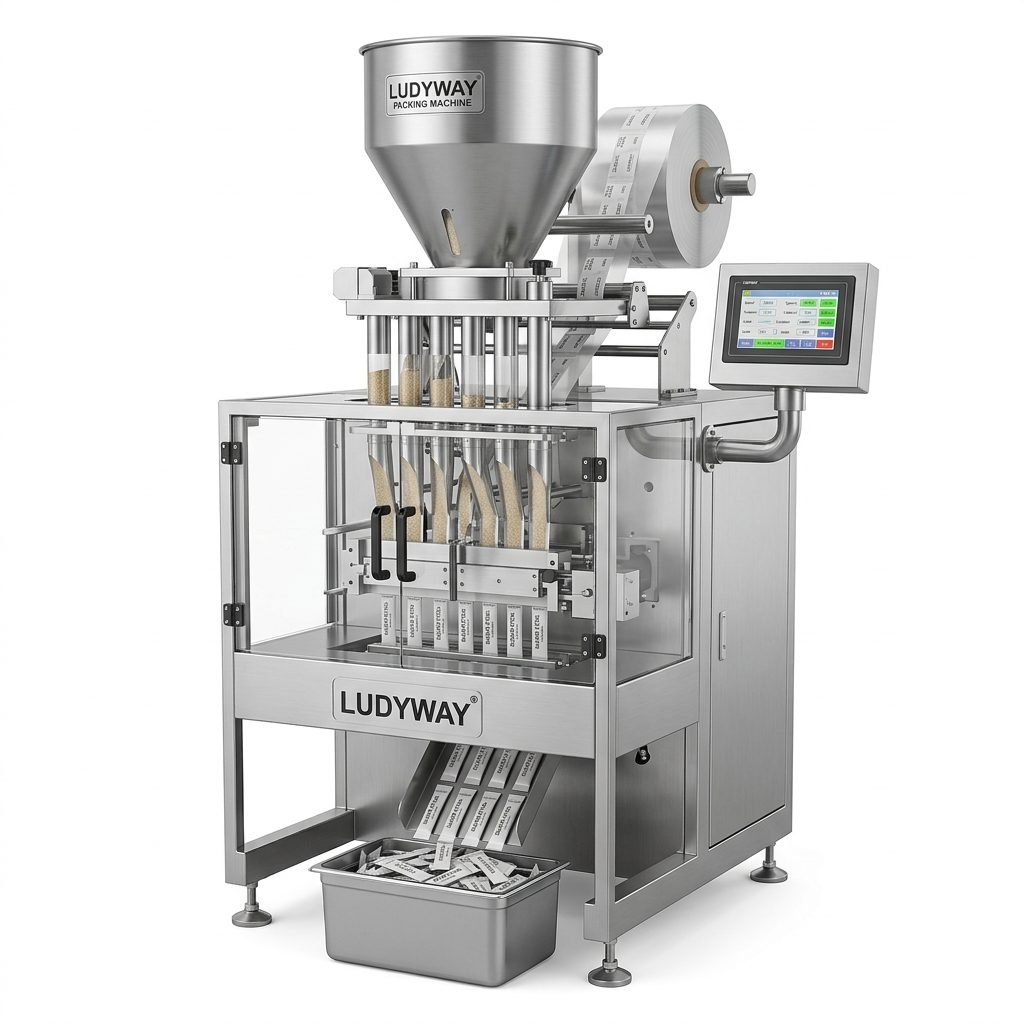
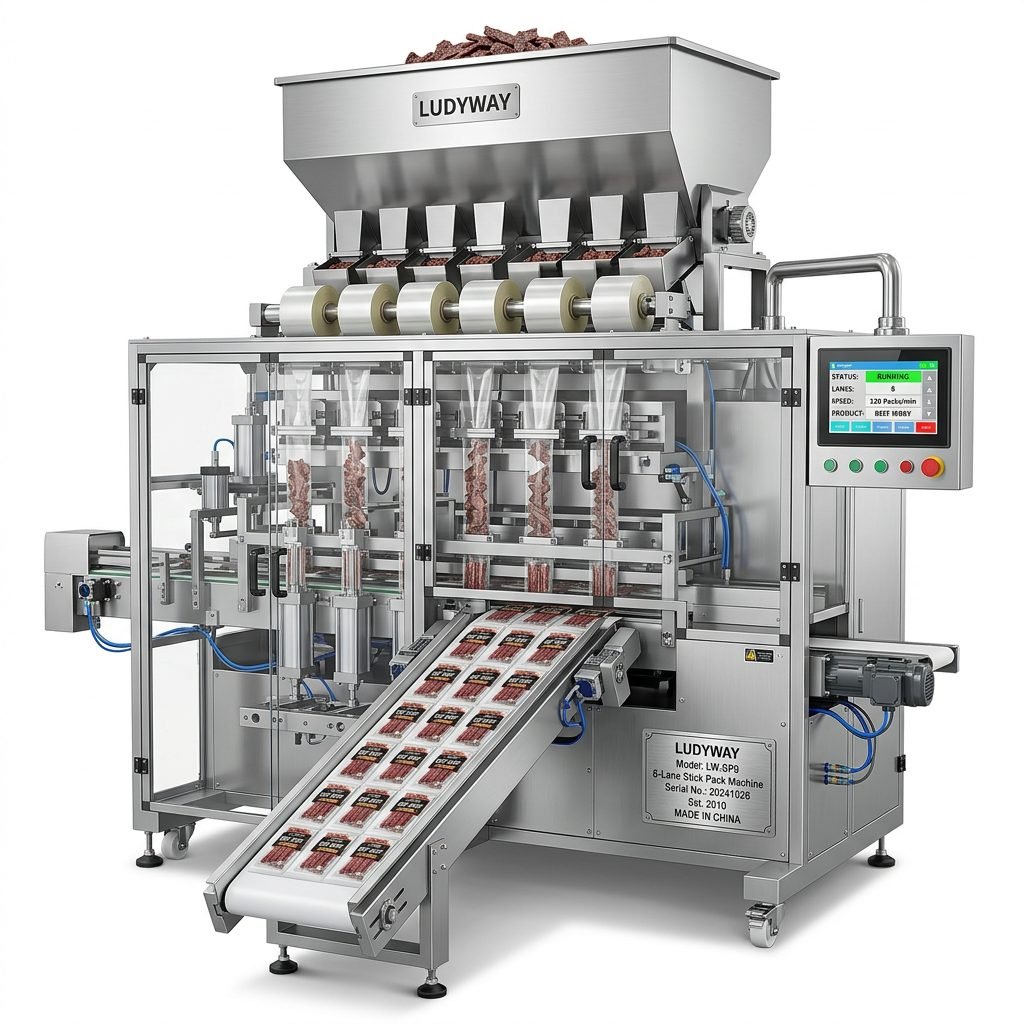
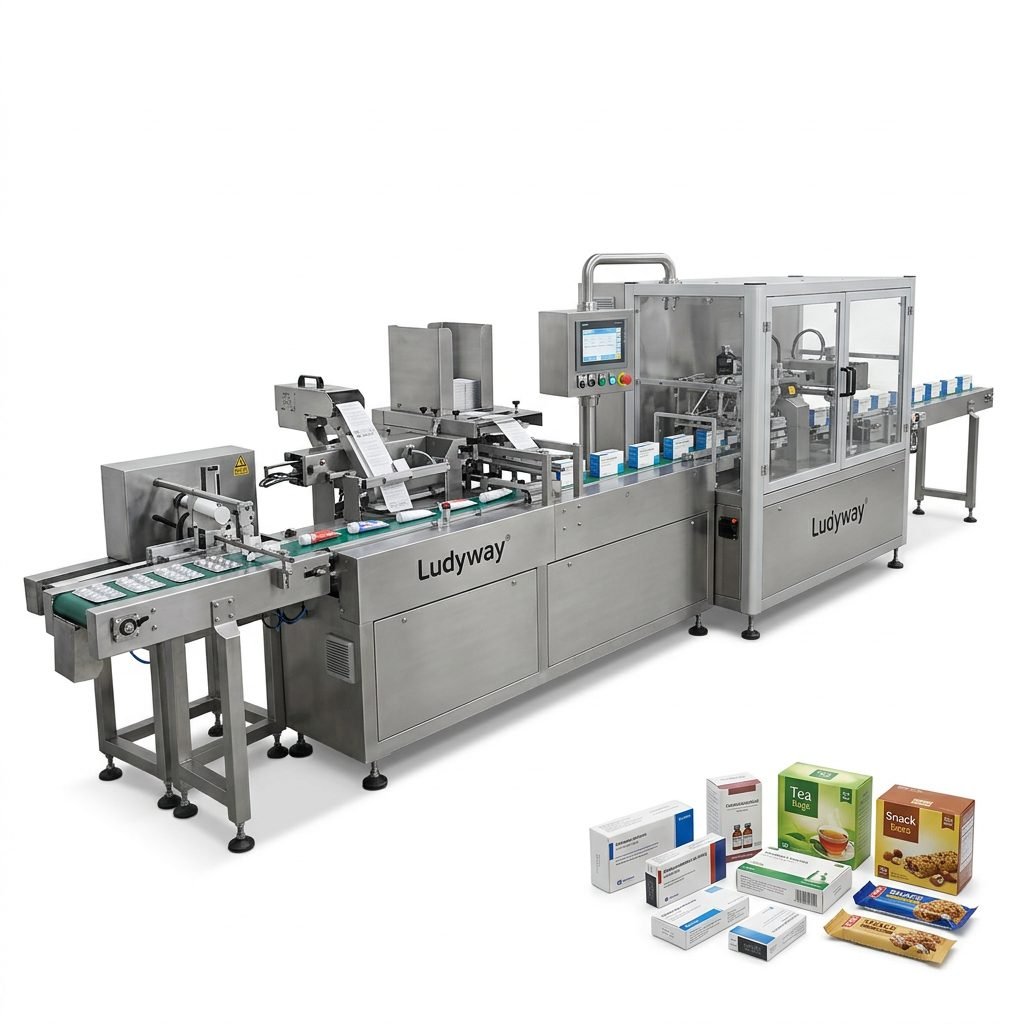
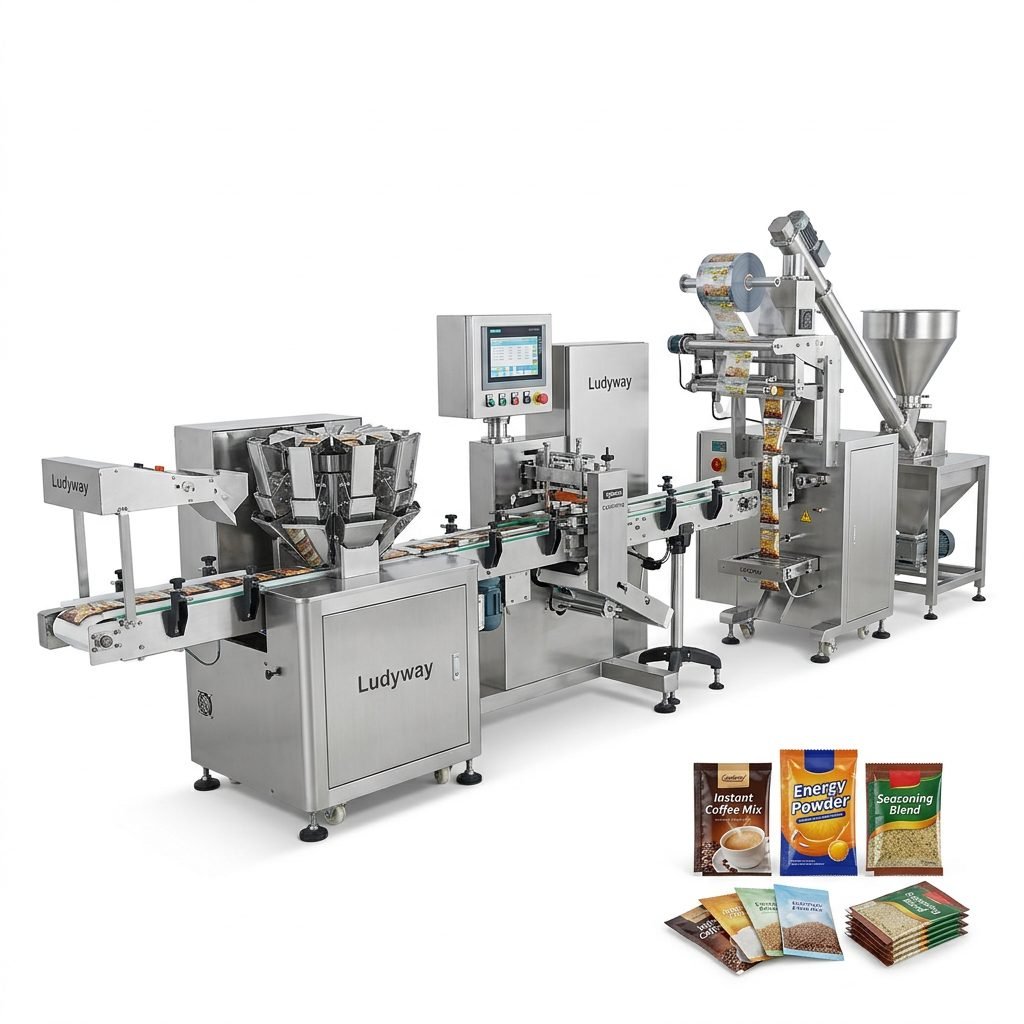
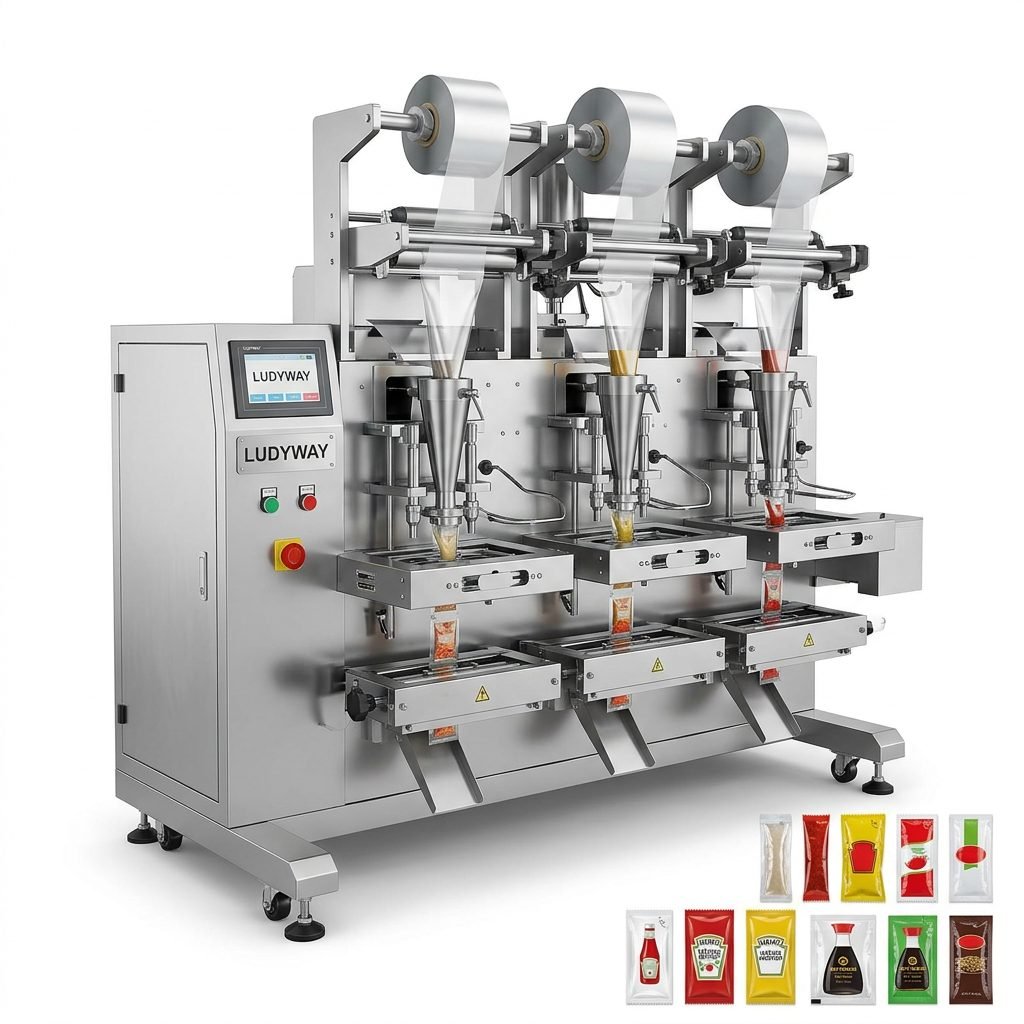
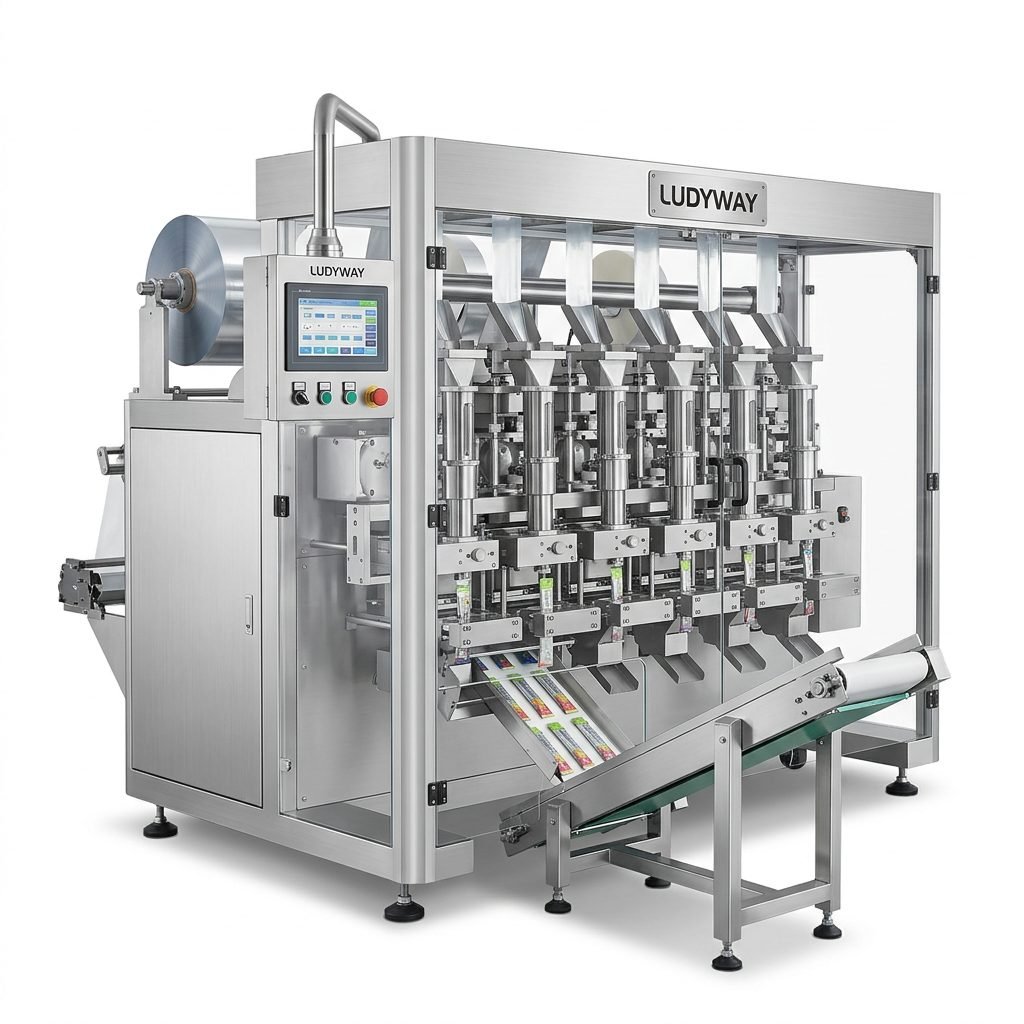
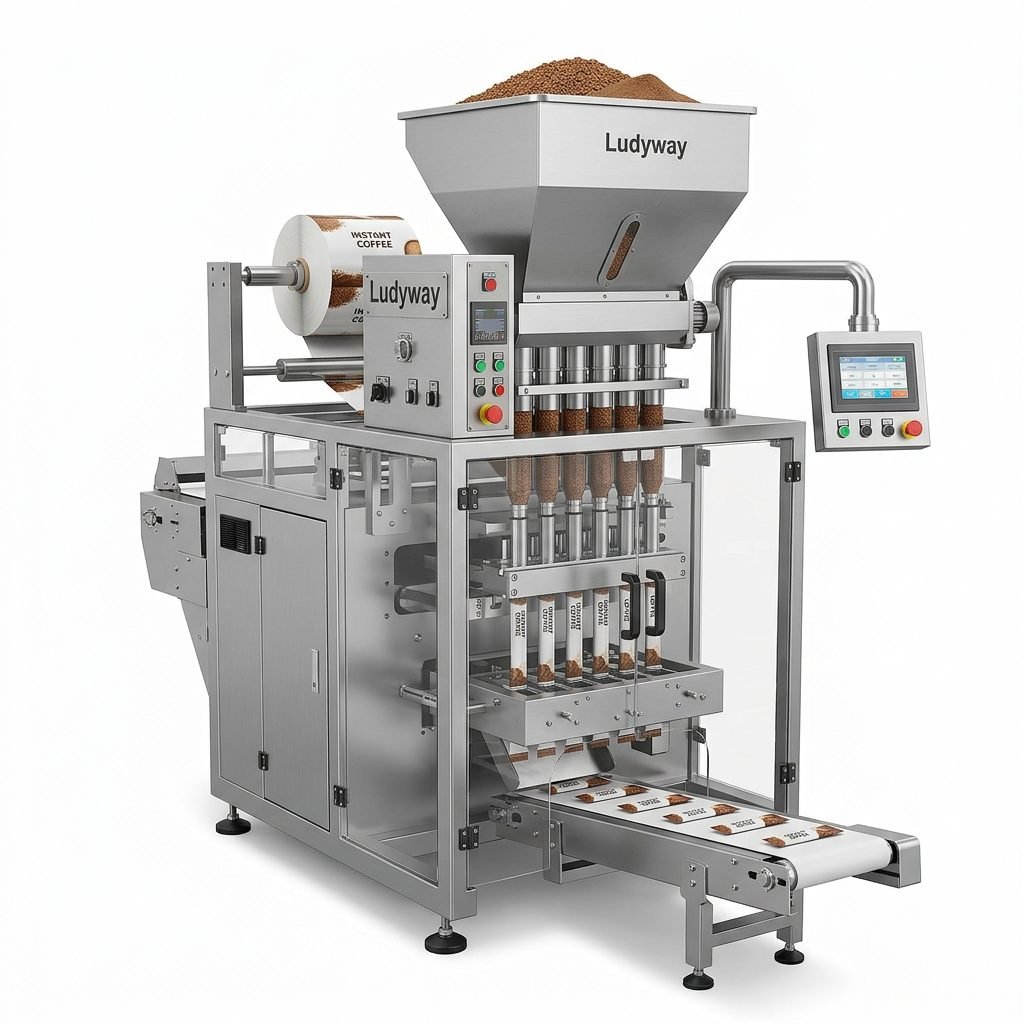
Your production needs may evolve. A manufacturer offering a broad range of machines—from multi-lane stick pack and sachet machines to fully automated lines—provides flexibility. Crucially, they must offer customization to adapt machinery to your unique product format, output speed, and factory layout.
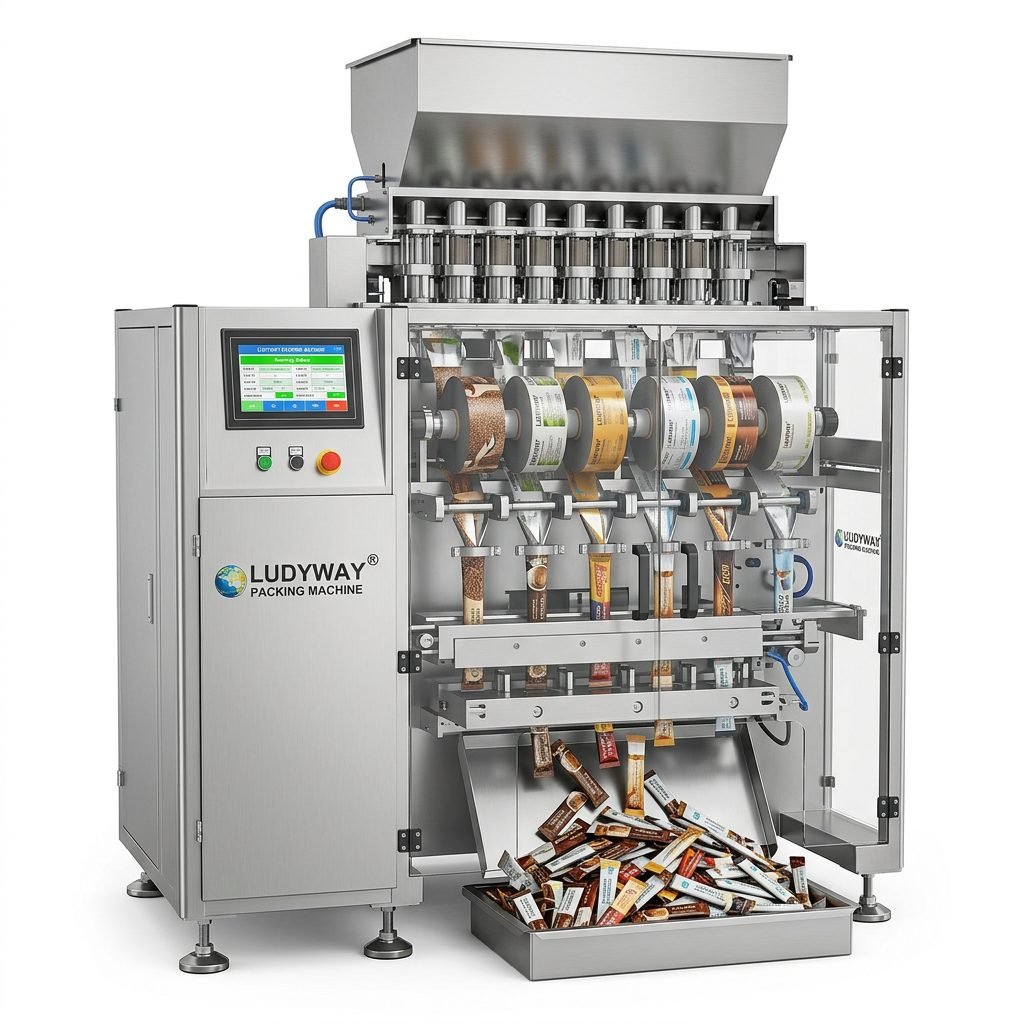
Key Factor 3: Manufacturing Quality and Technology
Inspect the manufacturer’s production facility and quality control processes. A modern facility, like Ludyway’s 20,000㎡ plant, equipped with advanced CNC machinery and a skilled engineering team, is a strong indicator of reliable build quality. The integration of Industry 4.0 technologies for smart monitoring and data analysis is increasingly important for French manufacturers seeking operational excellence.
Key Factor 4: After-Sales Support and Local Presence
Reliable technical support, readily available spare parts, and prompt service are non-negotiable. For French clients, a manufacturer with a strong network of local agents or service partners in Europe can drastically reduce downtime. Evaluate their warranty terms, training programs, and remote diagnostic capabilities.
Comparative Insight: While evaluating manufacturers like Packmate Machinery, PacklineOEM, or PackingMachineOEM, prioritize those who demonstrate a commitment to long-term partnership through comprehensive after-sales service structures.
Key Factor 5: Cost-Effectiveness and ROI
Initial cost is just one part of the equation. Consider the total cost of ownership, which includes energy consumption, maintenance costs, operational efficiency, and machine lifespan. A slightly higher investment in a robust, high-speed machine from a reputable manufacturer like Ludyway can offer a superior return on investment through increased productivity and reduced waste.
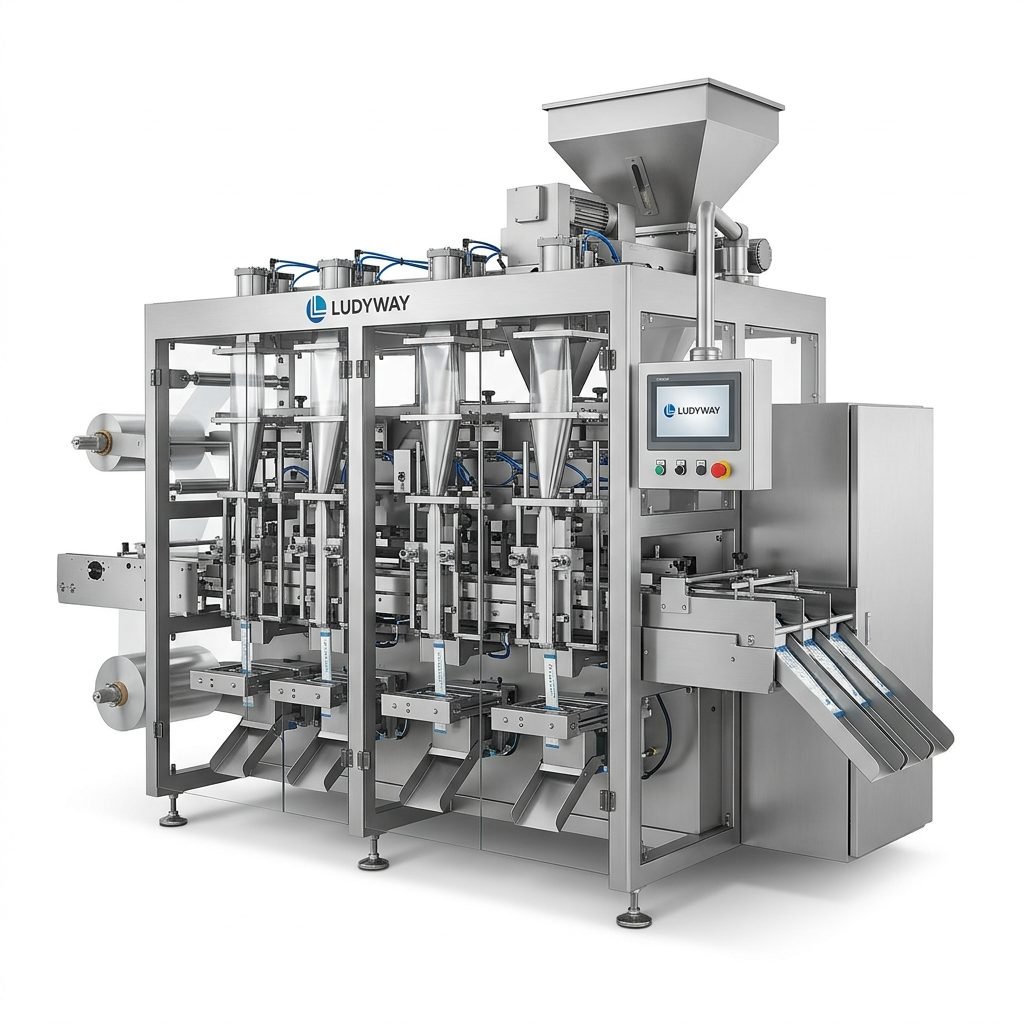
Key Factor 6: Compliance and Sustainability
French and EU regulations are strict. Ensure the machinery complies with relevant directives (e.g., Machinery Directive, CE marking). Furthermore, with France’s strong focus on the circular economy, manufacturers that offer energy-efficient machines and solutions for recyclable or biodegradable materials provide a significant advantage.
Selection Process and Due Diligence
Start by clearly defining your technical requirements (speed, accuracy, materials). Shortlist 3-4 manufacturers, such as Ludyway and its peers. Request detailed quotations, visit their facilities if possible (or take virtual tours), and ask for references from clients with similar applications, especially in Europe. A thorough factory audit can reveal much about their operational standards.
Leveraging Partnerships for Success
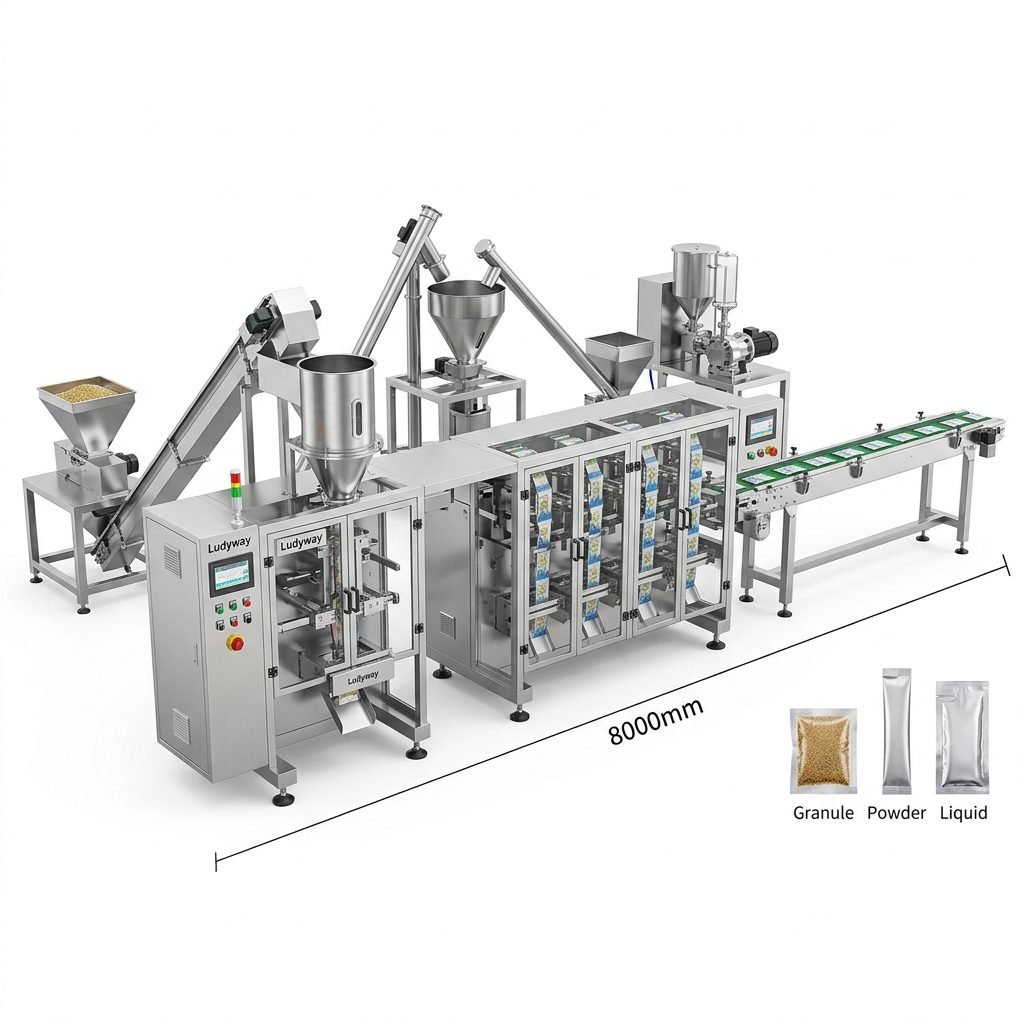
For complex projects, consider manufacturers who act as true partners, offering turnkey solutions. This includes everything from initial design and machinery supply to installation, commissioning, and staff training. Companies like SnusMachinery (specializing in nicotine pouches) or Ludyway, with their extensive project management experience, can handle the entire process, ensuring a smooth transition to full production.
Frequently Asked Questions (FAQs)
What are the most important certifications for packaging machines in France?
Machines must have CE marking, complying with the EU Machinery Directive. For food and pharmaceutical applications, certifications demonstrating compliance with hygiene standards (e.g., EHEDG guidelines, GMP norms) are crucial. Reputable manufacturers will have extensive experience with these requirements.
How important is after-sales service when choosing a manufacturer?
Extremely important. Machine downtime is costly. Prioritize manufacturers with a proven track record of responsive technical support, available spare parts inventory, and service engineers who can provide support in French or through reliable local partners.
Can Chinese manufacturers like Ludyway meet European quality standards?
Yes, leading Chinese manufacturers have invested heavily in R&D, quality control, and international certifications. Many, including Ludyway, have decades of experience exporting to Europe and build machines to meet or exceed European standards, often at a more competitive total cost.
What is the typical lead time for a custom packaging line?
Lead times vary based on complexity and customization. For a standard machine, it might be 2-4 months. A fully customized turnkey line can take 6-12 months. Clear communication and detailed project planning with your manufacturer are key to managing timelines.
Should I choose a standard machine or a fully customized solution?
This depends on your product and volume. For common applications, a standard machine may suffice. For unique products, high-speed requirements, or complex integration needs, a customized solution from a manufacturer with strong engineering capabilities is the better long-term investment.