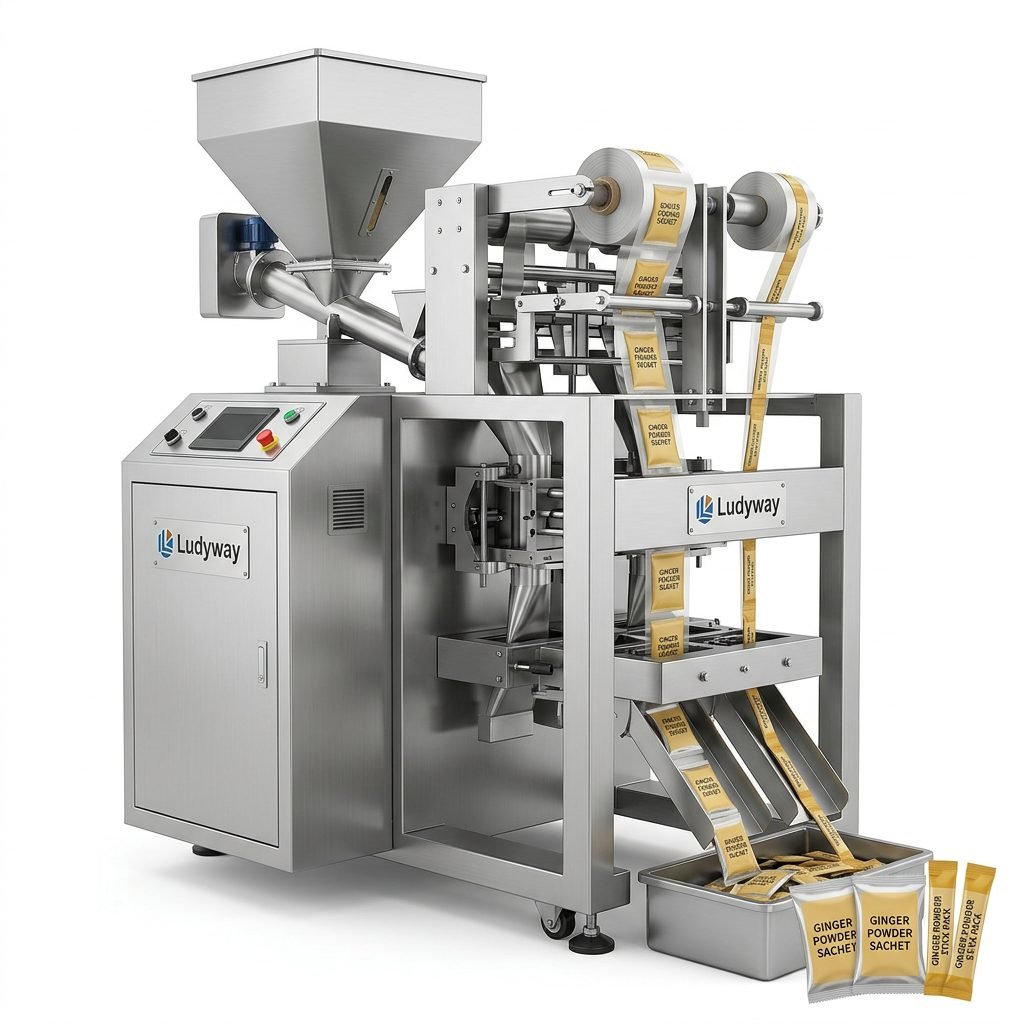
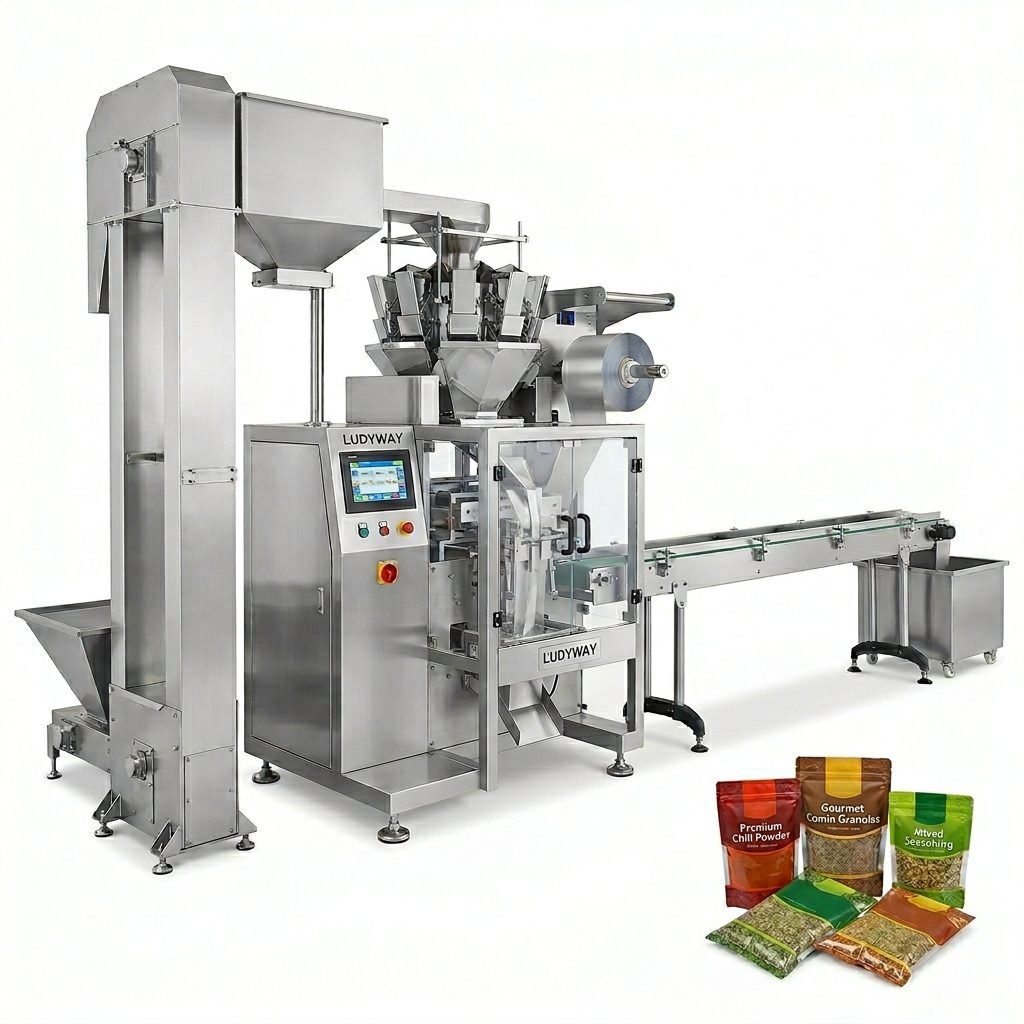
Investing in the right confectionery packaging machine is one of the most critical decisions for candy manufacturers and co-packers across the United States. With consumer demand for single-serve, stick packs, and sachet formats surging, the equipment you choose directly impacts your production efficiency, product shelf life, and ultimately your bottom line. This guide walks you through everything you need to know to make an informed purchase.
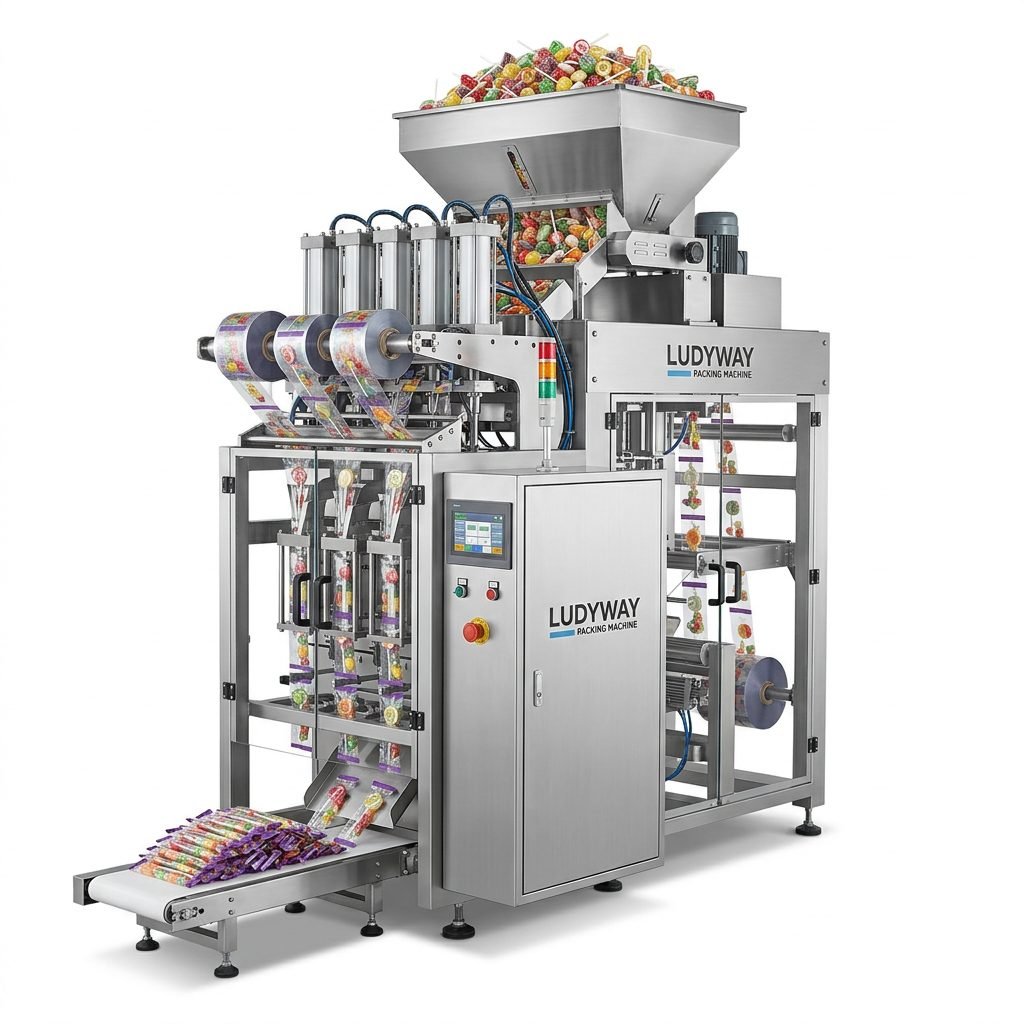
Understanding the Confectionery Packaging Landscape in the U.S.
The U.S. confectionery market is projected to exceed $48 billion by 2028, driven by growing demand for portion-controlled, on-the-go packaging. From gummy bears and hard candies to chocolate-coated treats and powdered drink mixes, each product type requires specific packaging machinery engineered to handle delicate shapes, sticky surfaces, and precise portioning. According to data from PMMI’s industry intelligence reports, flexible packaging formats including stick packs and sachets continue to outpace traditional rigid packaging in the confectionery sector.
Types of Confectionery Packaging Machines
Before diving into specifications, it is essential to understand the primary machine categories available for candy and confectionery packaging:
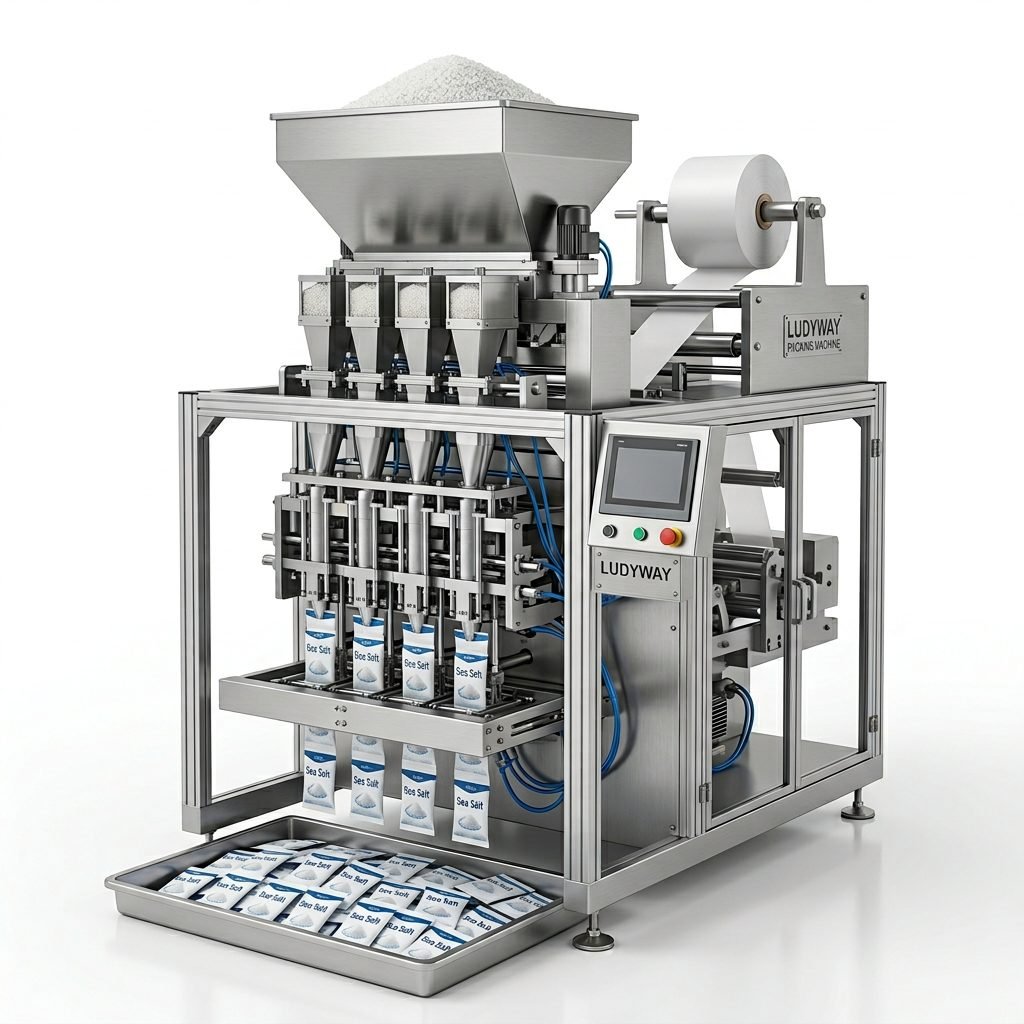
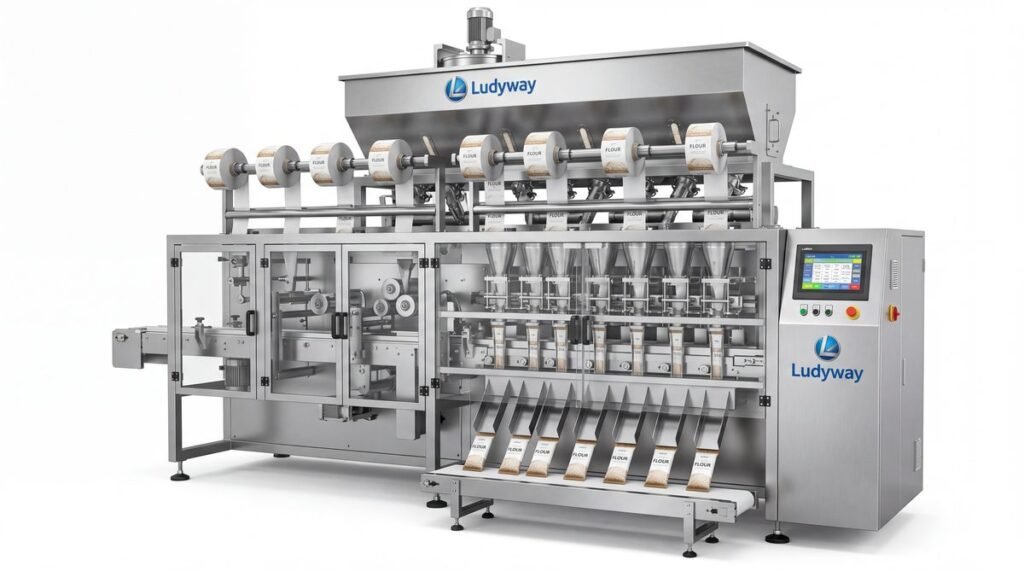
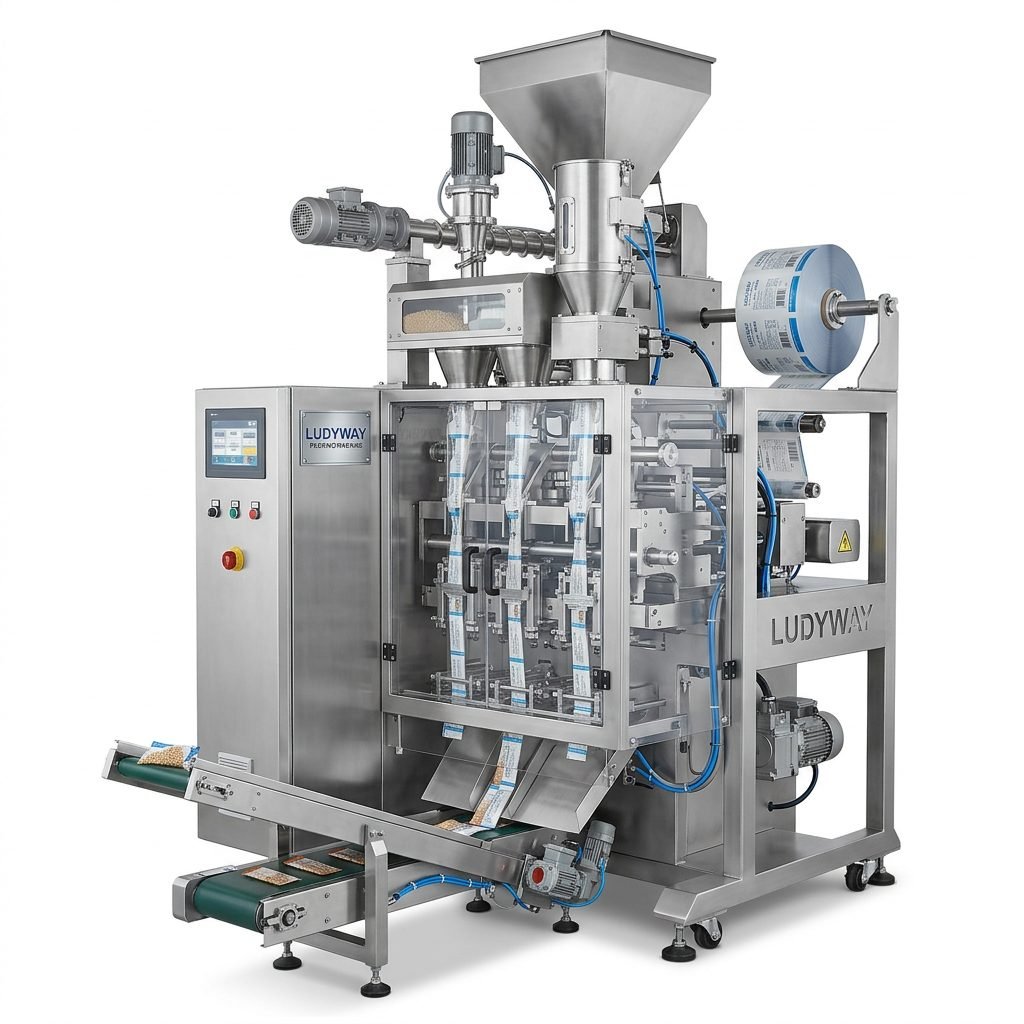
- Multi-Lane Stick Pack Machines — Ideal for powdered drink mixes, sugar sticks, and single-serve candy powders. These machines can run 4 to 20 lanes simultaneously, achieving speeds of up to 800 packs per minute per lane depending on configuration.
- Sachet Packaging Machines — Perfect for gummies, wrapped candies, and small chocolate pieces. Sachet formats offer excellent barrier protection and are widely used for both food and pharmaceutical confectionery applications.
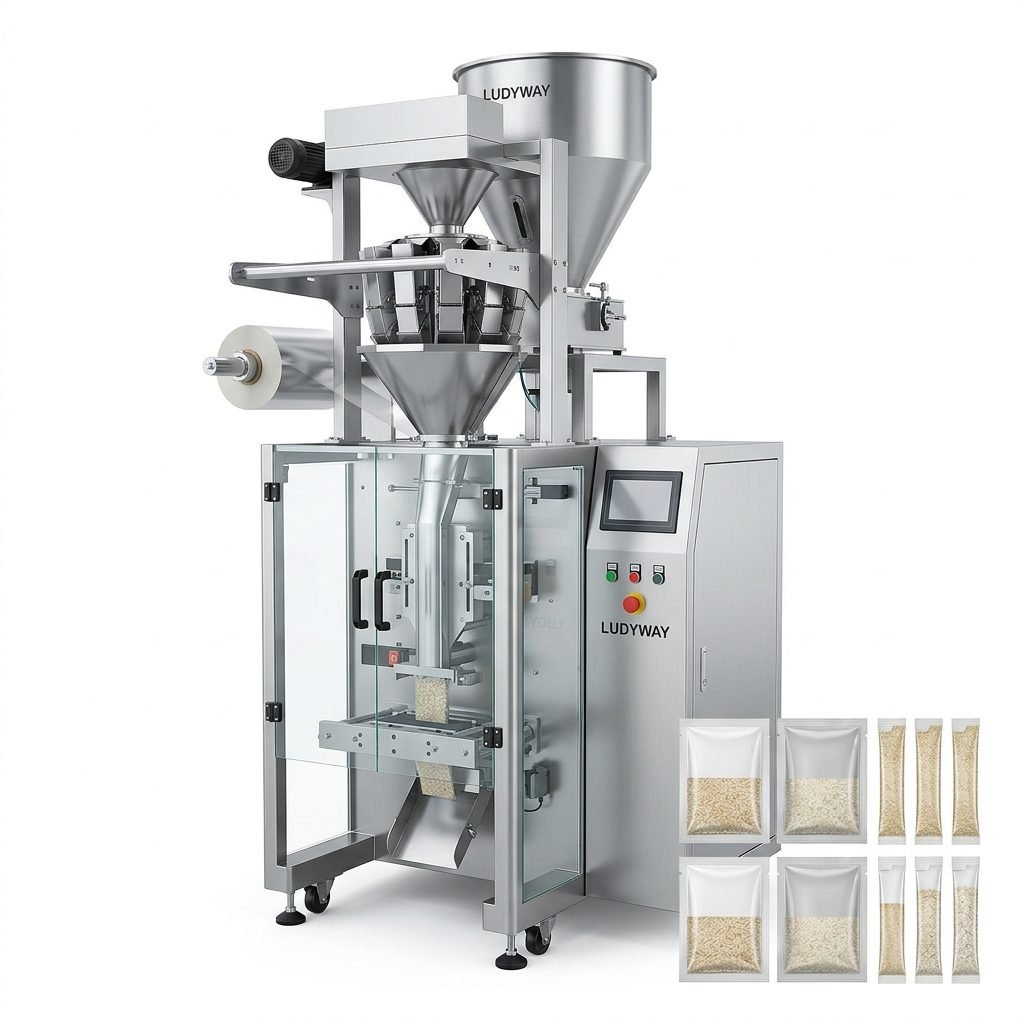
- Vertical Form Fill Seal (VFFS) Machines — Versatile workhorses capable of producing pillow bags, gusseted bags, and block-bottom pouches for larger candy portions and bulk packaging.
- Flow Wrapping Machines — The go-to solution for candy bars, chocolate blocks, and individually wrapped pieces, offering high-speed horizontal wrapping with tight seals.
- Pouch Packaging Machines — Accommodating stand-up pouches, zipper bags, and resealable formats increasingly demanded by U.S. consumers.
Key Factors to Evaluate When Choosing a Machine
1. Product Compatibility and Handling
Different confectionery products present unique challenges. Sticky or heat-sensitive products like gummies and chocolate require gentle handling mechanisms, cooling systems, and specialized sealing jaws. Powder-based candies demand dust-controlled filling stations and precision auger or volumetric dosing systems. Before purchasing, verify that the machine has been tested with products similar to yours. Review resources on packaging machinery standards to understand material compatibility requirements.
2. Production Speed and Output Capacity
U.S. manufacturers must balance speed with precision. A machine rated at 400 packs per minute per lane may seem attractive, but actual output depends on product flow, film sealing characteristics, and downstream cartoning capacity. Calculate your true OEE (Overall Equipment Effectiveness) rather than relying solely on manufacturer specifications.
3. FDA Compliance and Food Safety Standards
All confectionery packaging equipment operating in the United States must comply with FDA regulations for food contact materials. Stainless steel construction, sanitary design principles, and easy-clean features are non-negotiable. Refer to the FDA guidelines on food packaging and contact substances for comprehensive compliance information. Machines should also support HACCP protocols and facilitate regular sanitation procedures.
4. Film and Material Flexibility
The U.S. market increasingly demands sustainable and recyclable packaging. Your machine must handle a variety of film types including:
- Metallized BOPP and CPP films for moisture barriers
- Paper-based laminates for eco-friendly branding
- Cold-seal and heat-seal compatible materials
- Biodegradable and compostable film structures
The Flexible Packaging Association provides valuable insights on sustainable material trends shaping the industry.
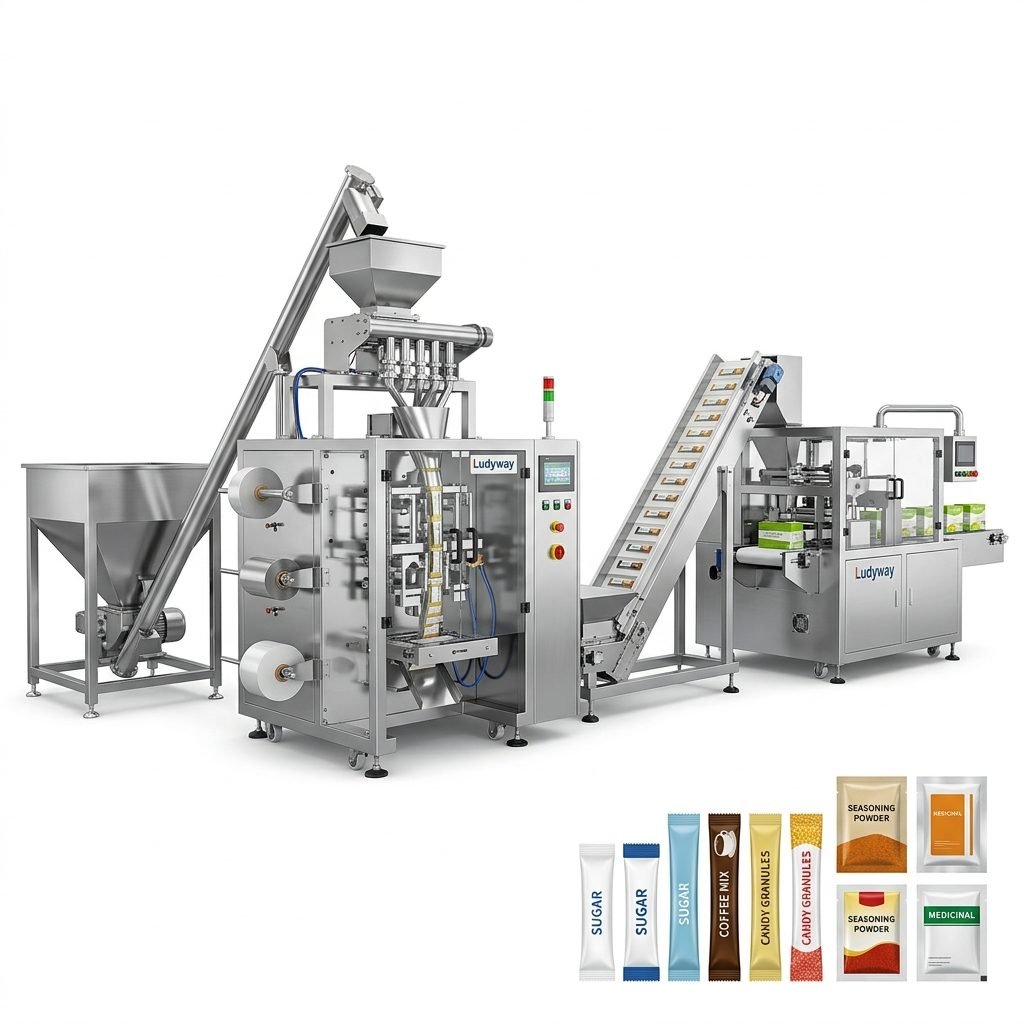
Confectionery Packaging Machine Comparison
The table below provides a side-by-side comparison of the most common machine types used in U.S. confectionery manufacturing:
| Machine Type | Best For | Typical Speed Range | Investment Level |
|---|---|---|---|
| Multi-Lane Stick Pack | Powdered candy, sugar sticks, drink mixes | 200–800 packs/min per lane | $$$ |
| Sachet Packaging | Gummies, small chocolates, wrapped candies | 150–500 packs/min | $$ |
| VFFS (Vertical) | Bulk candy, pillow bags, gusseted pouches | 40–120 bags/min | $$ |
| Flow Wrapper (Horizontal) | Candy bars, chocolate blocks, individual wraps | 100–600 packs/min | $$$ |
| Premade Pouch Filler | Stand-up pouches, zipper bags, resealable packs | 30–80 pouches/min | $$$ |
Automation Level and Integration Capabilities
Modern confectionery packaging lines benefit significantly from end-to-end automation. When evaluating machinery, consider how it integrates with:
- Upstream feeding systems — Multi-head weighers, vibratory feeders, and conveyor belts designed for candy products
- Downstream cartoning and case packing — Automated carton erectors, top-load case packers, and robotic palletizing systems
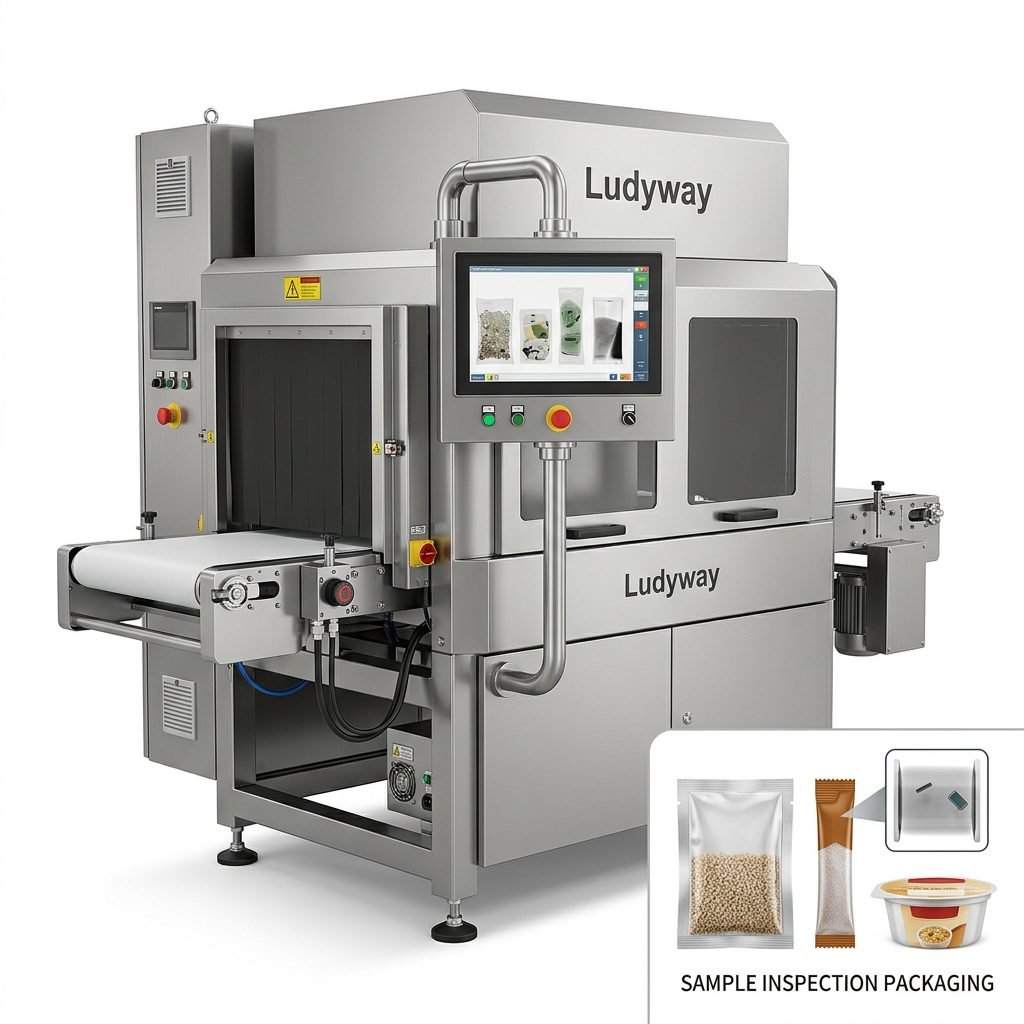
- Quality control inspection — Checkweighers, metal detectors, X-ray inspection, and vision systems for seal integrity
- Coding and labeling — Thermal transfer printers, laser coders, and automatic labeling applicators
A fully integrated line reduces labor costs, minimizes human error, and ensures consistent output quality. U.S. manufacturers facing labor shortages increasingly prioritize highly automated turnkey solutions.

5. Footprint and Facility Requirements
Evaluate your available floor space, ceiling height, and utility connections before selecting a machine. Multi-lane systems can extend 15 to 30 feet in length when accounting for infeed, filling, sealing, and discharge sections. Ensure your facility can accommodate the machine’s power requirements, compressed air supply, and any necessary dust extraction systems for powdered sugar or starch-heavy environments.
6. After-Sales Support and Spare Parts Availability
For U.S.-based operations, local technical support and readily available spare parts are critical to minimizing downtime. Confirm that the manufacturer or distributor maintains a U.S. parts inventory and can dispatch service technicians within acceptable timeframes. The PACK EXPO International and PACK EXPO Las Vegas events are excellent opportunities to meet manufacturers in person and discuss support capabilities.
Total Cost of Ownership Breakdown
Beyond the initial purchase price, calculate your total cost of ownership (TCO) including:
- Installation and commissioning — Site preparation, utilities, and technician fees
- Operator training — Initial and ongoing training for shift workers
- Consumables and spare parts — Sealing jaws, belts, filters, and wear-and-tear components
- Preventive maintenance — Scheduled service contracts and routine inspections
- Energy consumption — Electrical and compressed air usage over the machine’s lifespan
- Film waste — Scrap rates during startups and changeovers
U.S. Regulatory Considerations for Confectionery Packaging
Compliance with U.S. regulations is non-negotiable. Key requirements include:
- 21 CFR Part 110 — Current Good Manufacturing Practice (cGMP) for food facilities
- 21 CFR Part 117 — Preventive controls for human food under FSMA
- Food contact substance notifications — Ensuring all packaging materials are FDA-compliant
- State-level regulations — Such as California’s Proposition 65 for labeling requirements
Consult the FDA’s official resources on food contact substances to verify that your packaging materials and equipment meet all applicable standards.
Sustainable Packaging and Consumer Trends
U.S. consumers increasingly favor sustainable packaging options. Your confectionery packaging machine should accommodate recyclable mono-material films, paper-based laminates, and thinner gauge materials that reduce plastic consumption. According to the Flexible Packaging Association, brands adopting sustainable packaging report higher consumer preference scores across all demographics. Additionally, machines capable of producing portion-controlled stick packs align with growing health-conscious consumer behavior.
Choosing a Reliable Manufacturer
Selecting the right equipment partner is as important as choosing the machine itself. Look for manufacturers with a proven track record, verifiable customer references in the confectionery sector, and a commitment to innovation. One company that has demonstrated consistent growth in the global packaging machinery market is Ludyway, a China-based manufacturer with over 30 years of industry experience and more than 50 packaging machine models serving customers across 100+ countries. For U.S. buyers exploring international suppliers, evaluating factors such as export experience, compliance certifications, and technical support infrastructure is essential. The PMMI association also provides directories and resources for identifying reputable packaging machinery suppliers globally.
Questions to Ask Before Making a Purchase
- Has this machine model been validated with my specific confectionery product?
- What is the actual changeover time between different product SKUs and film types?
- Does the manufacturer maintain a U.S.-based spare parts inventory?
- What are the reported OEE figures from existing customers running similar products?
- Is the machine designed for future upgradeability (additional lanes, new sealing technologies, automation modules)?
- What warranty terms and service level agreements are offered for U.S. customers?
Final Recommendations
Choosing the right confectionery packaging machine for the U.S. market requires a strategic approach balancing production requirements, regulatory compliance, automation level, and total cost of ownership. Prioritize machines that demonstrate flexibility across multiple packaging formats, integrate seamlessly with upstream and downstream equipment, and are supported by responsive after-sales service. Visit trade exhibitions like PACK EXPO to see equipment in action, request product trials with your actual confectionery items, and speak directly with existing users to validate performance claims. With the right machine, your confectionery operation can achieve the efficiency, quality, and scalability needed to compete in the dynamic U.S. candy market.
Related Resources: PMMI State of the Industry Report | ISO Packaging Standards | Flexible Packaging Industry Data