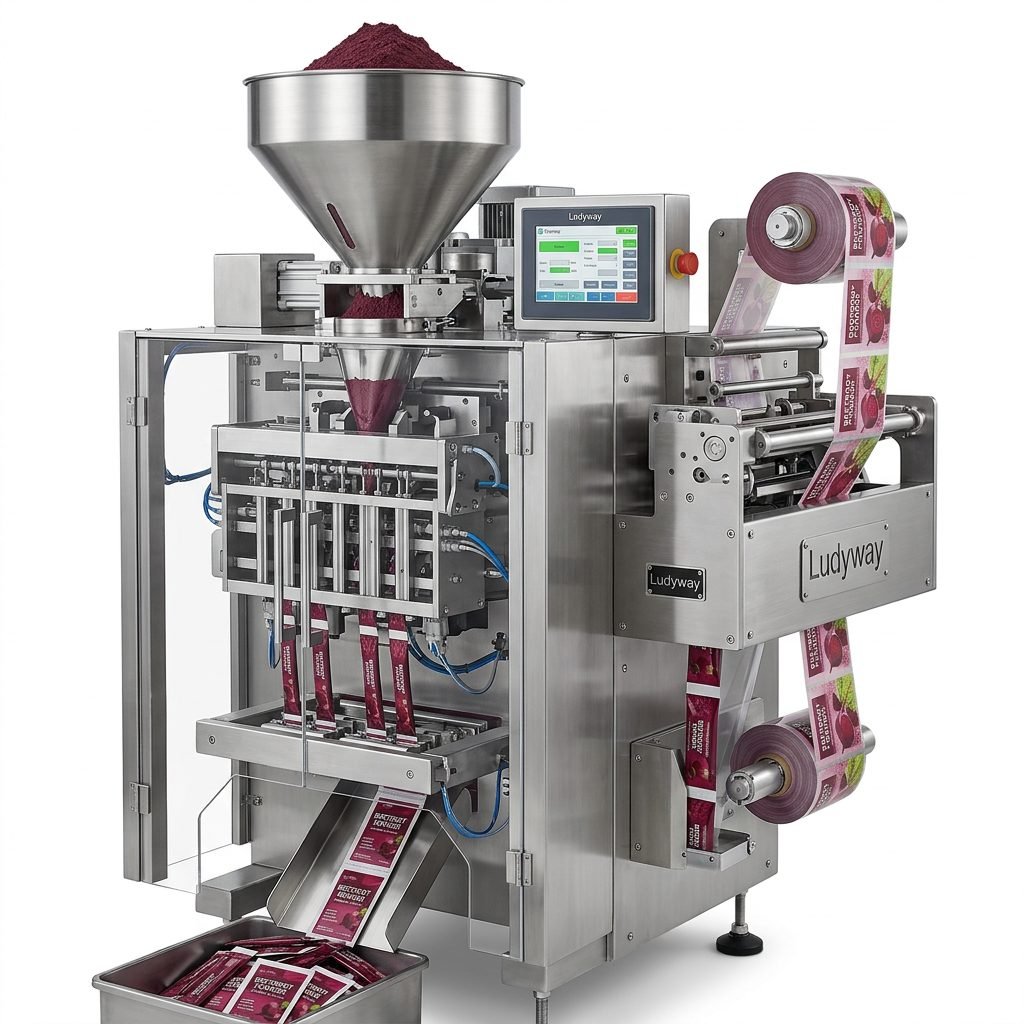
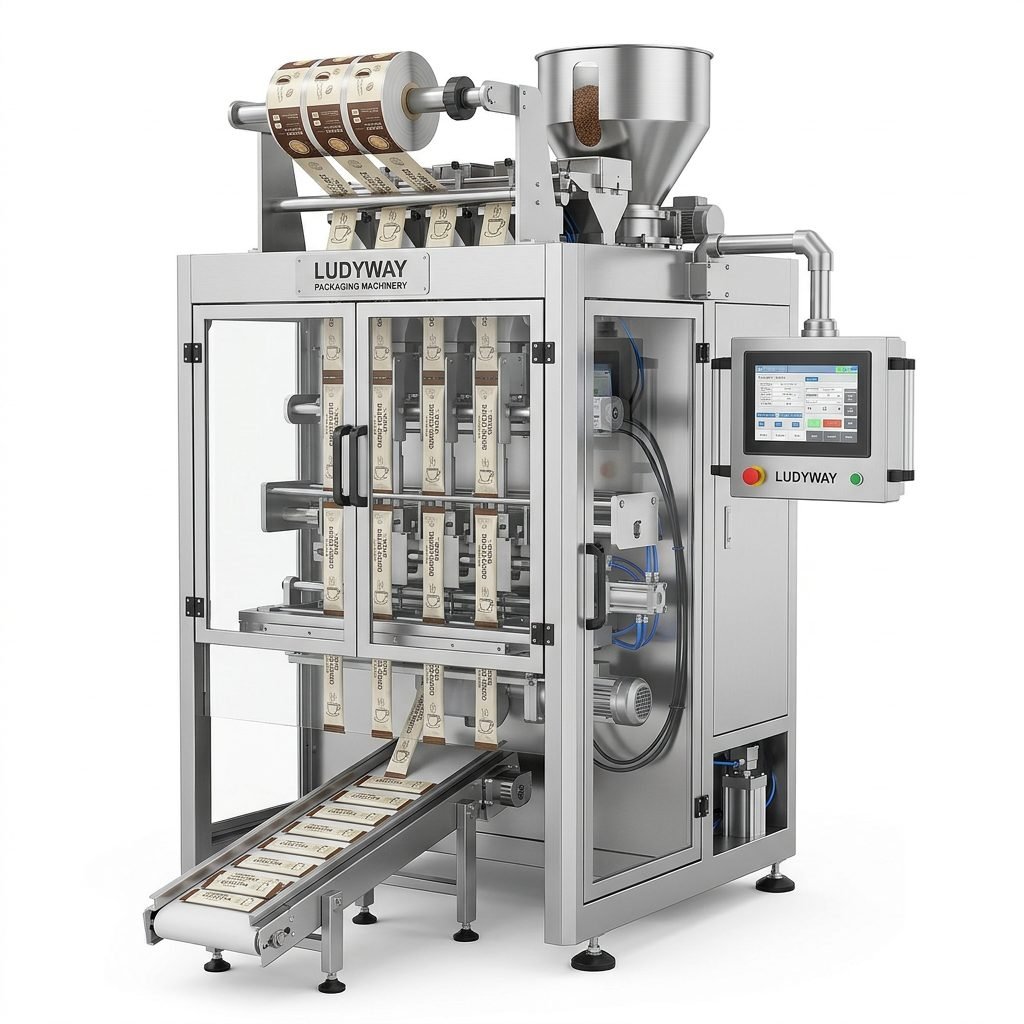
In the fast-paced world of modern manufacturing, efficiency and consistency are paramount. Continuous motion packaging equipment has emerged as a cornerstone technology for high-volume production lines, enabling seamless, high-speed packaging of a vast array of products. Unlike intermittent motion machines that start and stop for each cycle, continuous motion systems maintain a constant flow, synchronizing product feeding, filling, and sealing in a smooth, uninterrupted process. This technology is indispensable for industries where speed, precision, and reliability directly impact profitability and market competitiveness.
Core Principle: The Unbroken Flow
The fundamental principle of continuous motion packaging is the elimination of stoppages. Products are fed onto a continuously moving conveyor or a rotating turret. As they move, various stations—such as filling heads, sealing jaws, and cutting mechanisms—operate in perfect synchronization with this motion. This is achieved through sophisticated servo-driven systems and precision mechanical cams that ensure tools meet the product at the exact right moment and speed, performing their function without requiring the entire line to halt.
How Continuous Motion Packaging Equipment Works
The operation of a continuous motion machine can be broken down into several integrated stages, each critical to the system’s overall performance.
1. Product Feeding and Metering
Products, whether granules, powders, liquids, or solid items, are first accurately metered. This can involve auger fillers for powders, piston fillers for liquids, or volumetric cups for granules. In continuous motion, the feeding system delivers product at a constant rate that matches the speed of the packaging film web and forming mechanism.
2. Film Web Control and Forming
A roll of packaging material (laminate, film, or paper) is drawn into the machine. A forming collar shapes the flat film into a tube around the product’s filling nozzle. The precision of this forming process is vital for maintaining consistent package geometry and ensuring a tight, secure seal later on.
3. Synchronized Filling
As the formed film tube moves continuously, the product is injected into it. The filling nozzle moves in tandem with the film, ensuring no product is spilled and the fill weight remains accurate. This synchronized filling is a hallmark of advanced continuous motion systems.
4. Continuous Sealing and Cutting
This is the most technically demanding phase. The longitudinal seal is made first, closing the film tube into a continuous sleeve. Then, transverse sealing jaws, rotating or reciprocating at a speed perfectly matched to the film’s travel, create the top and bottom seals of individual packages and cut them apart—all while everything is in motion. The result is a stream of finished, sealed packages.
Key Technological Enablers:
- Servo Motors: Provide precise, programmable control over every axis of motion, allowing for flexible speed adjustments and quick changeovers.
- Machine Vision Systems: Inspect packages for seal integrity, fill level, and print registration in real-time, rejecting defective units at high speeds.
- Integrated PLCs & HMIs: Offer centralized control, recipe management, and detailed production data analytics for operational insight.
Key Benefits of Adopting Continuous Motion Technology
➤ Dramatically Increased Production Speed
By removing the acceleration-deceleration cycle of intermittent motion, these machines can achieve speeds often 50-100% higher. Lines running at 1,200 packs per minute or more are common, making them ideal for fulfilling large-scale orders.
➤ Enhanced Product Quality and Consistency
The smooth, vibration-free operation minimizes product settling or shifting during filling, leading to more consistent fill weights and package appearance. Consistent heat application during sealing also improves seal integrity and reduces leakers.
➤ Superior Efficiency and Lower Operational Costs
Higher output per hour reduces the cost per unit. Reduced mechanical stress from eliminating constant starts/stops leads to less wear on components, lowering maintenance costs and downtime. Furthermore, material waste is minimized due to precise control.
➤ Greater Flexibility and Quicker Changeovers
Modern servo-driven continuous motion machines store recipes for different products. Changeovers often involve simply calling up a new recipe on the HMI, with servo motors automatically adjusting positions, leading to changeover times that can be under 30 minutes.
➤ Improved Hygiene and Cleanability
The streamlined design with continuous surfaces often has fewer crevices and dead spots where product can accumulate. This makes cleaning and sanitation faster and more effective, a critical factor for food and pharmaceutical applications.
Primary Uses in Modern Production Lines
Continuous motion packaging is versatile and is deployed across numerous sectors where high throughput is essential.
Food & Beverage Industry
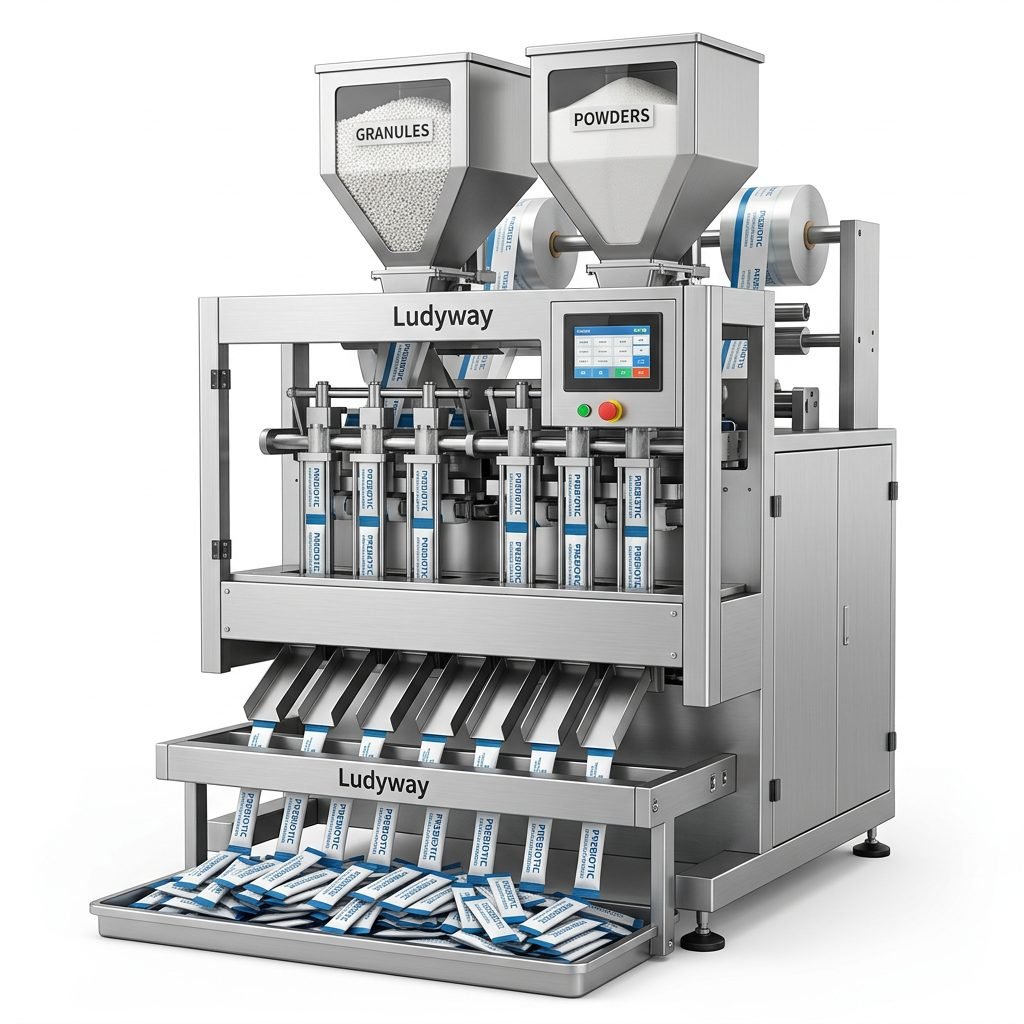
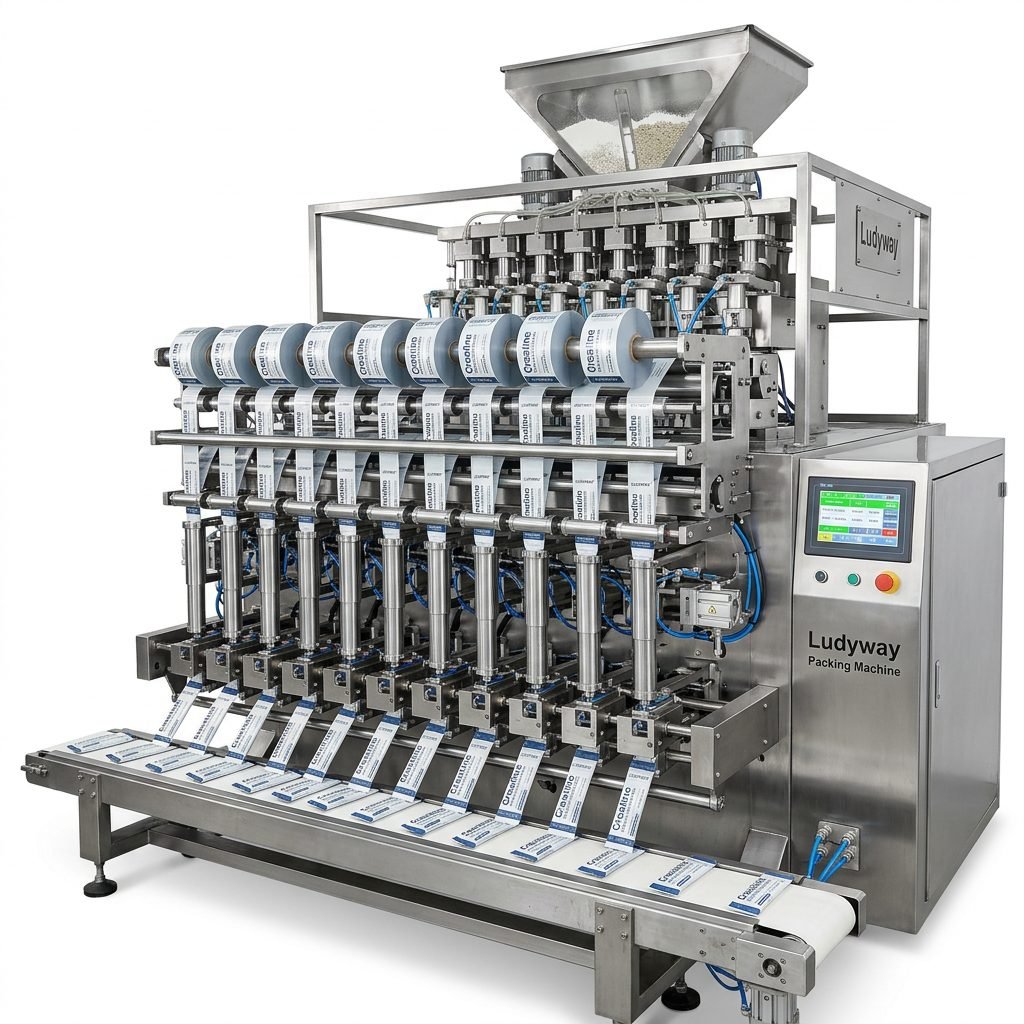
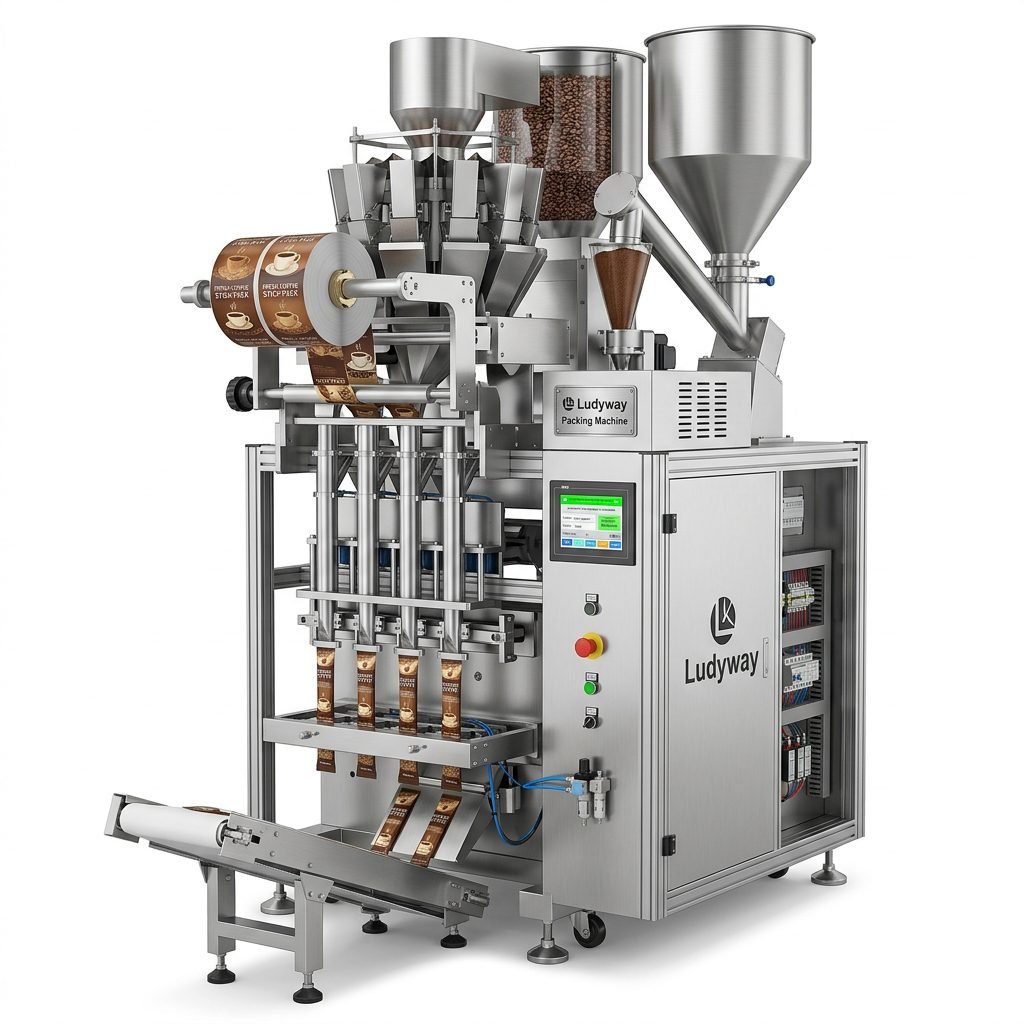
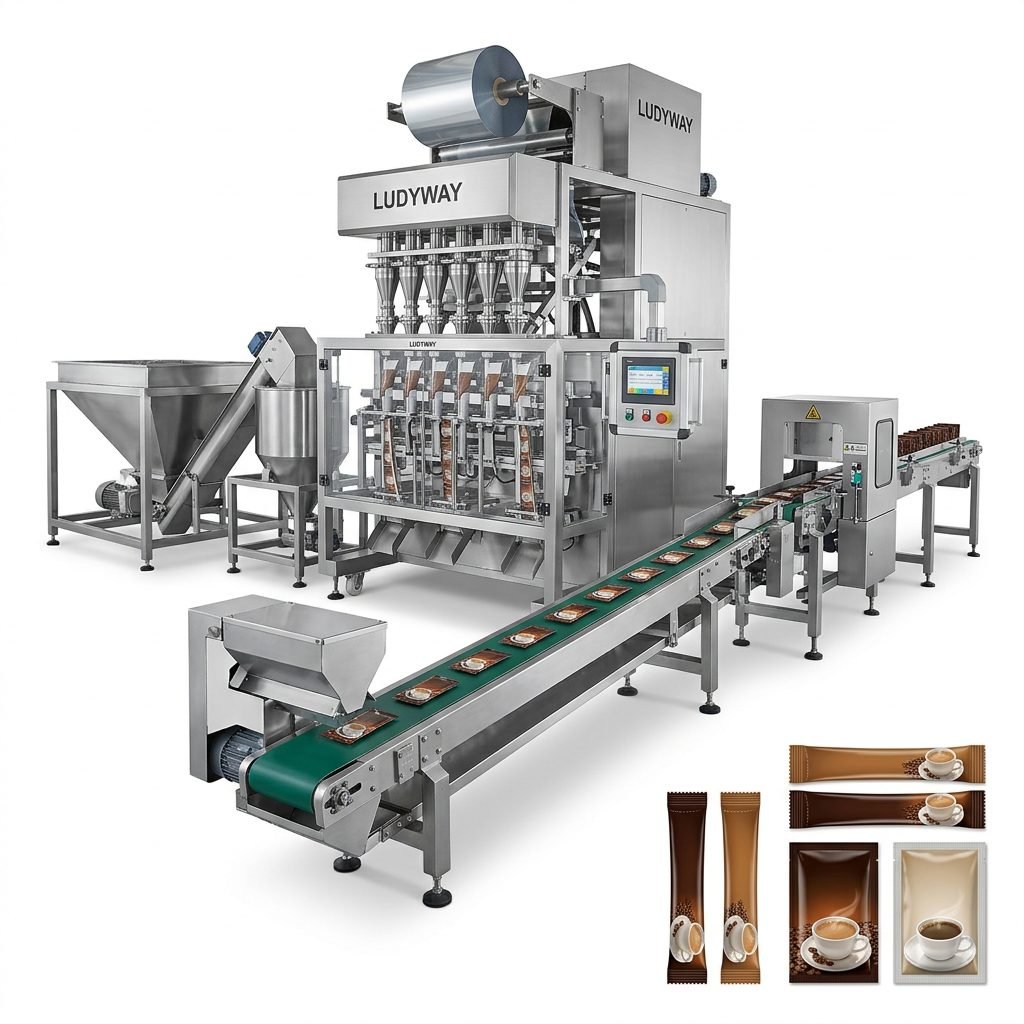
This is the largest application area. Machines package snacks (chips, nuts), confectionery, powdered drink mixes, coffee, sugar, spices, and dehydrated soups into stick packs, sachets, or pillow pouches. The speed handles massive retail demands, while precision ensures consistent serving sizes. For more on high-speed food packaging solutions, explore our multi-lane stick pack machines.
Pharmaceutical & Nutraceutical Industry
Used for packaging single-dose powders, granules, or effervescent tablets into sachets or stick packs. The technology ensures accurate dosing, excellent barrier properties for protection, and tamper-evident seals. The clean design supports compliance with stringent GMP standards. Discover our specialized equipment for this sector through our pharmaceutical packaging solutions.
Personal Care & Household Chemicals
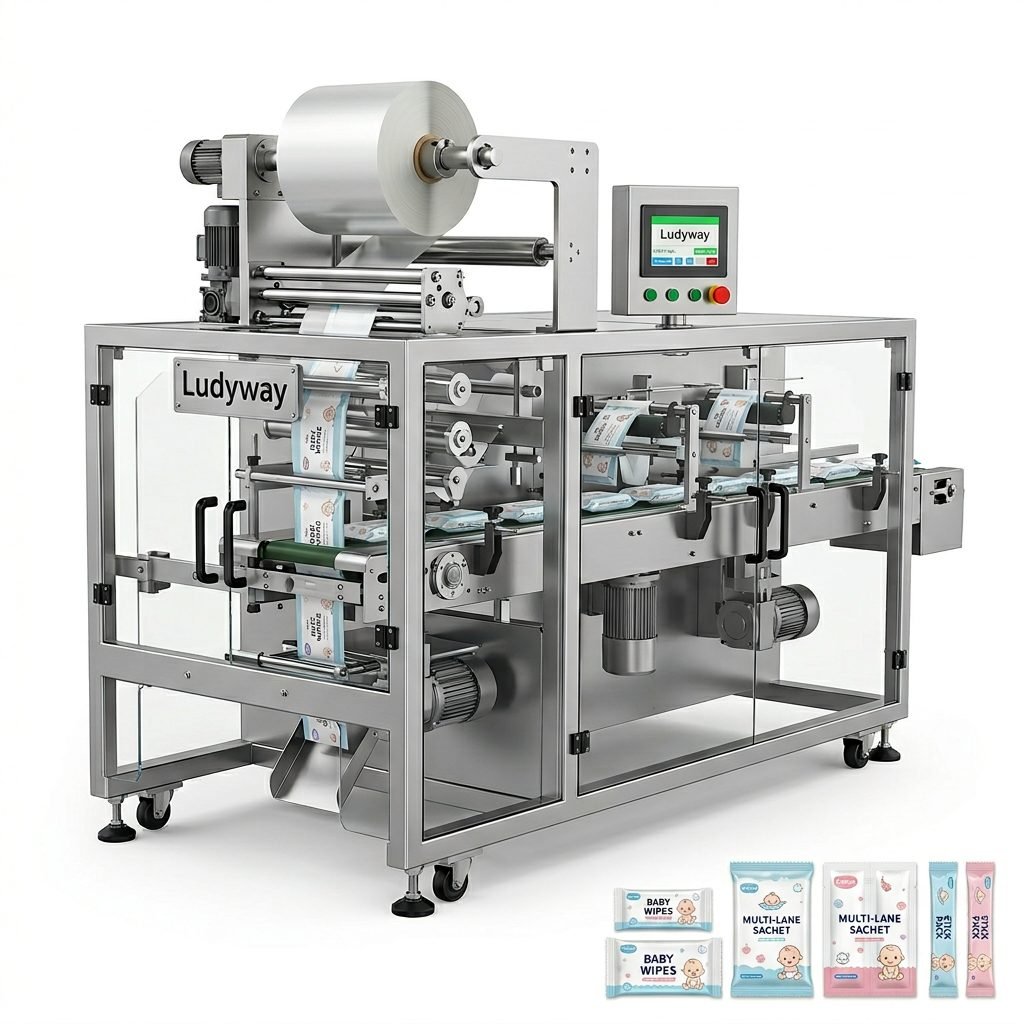
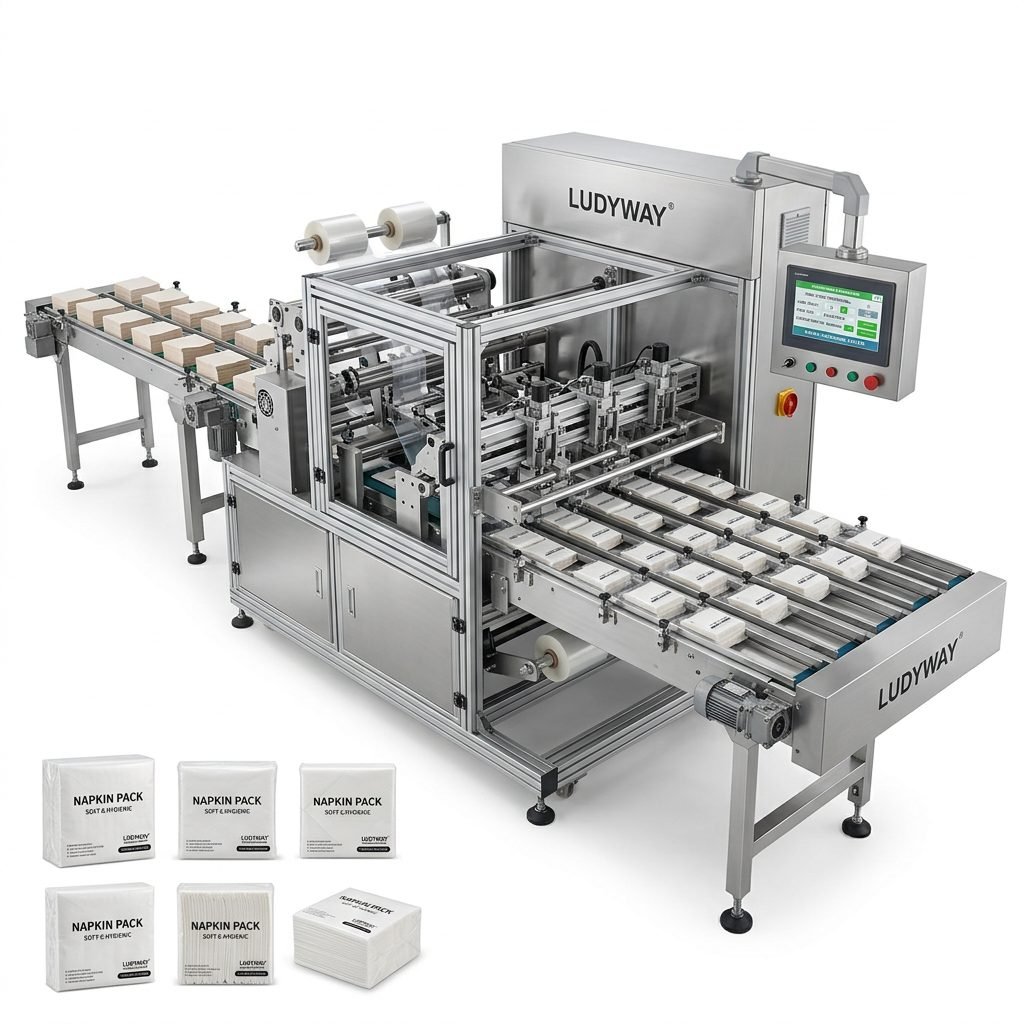
Perfect for packaging shampoo, conditioner, lotion sachets, detergent pods, dishwasher powder, and single-use disinfectant wipes. The machines can handle liquids, creams, and solids with equal proficiency, supporting the growing market for convenient, unit-dose products.
Industrial & Agricultural Products
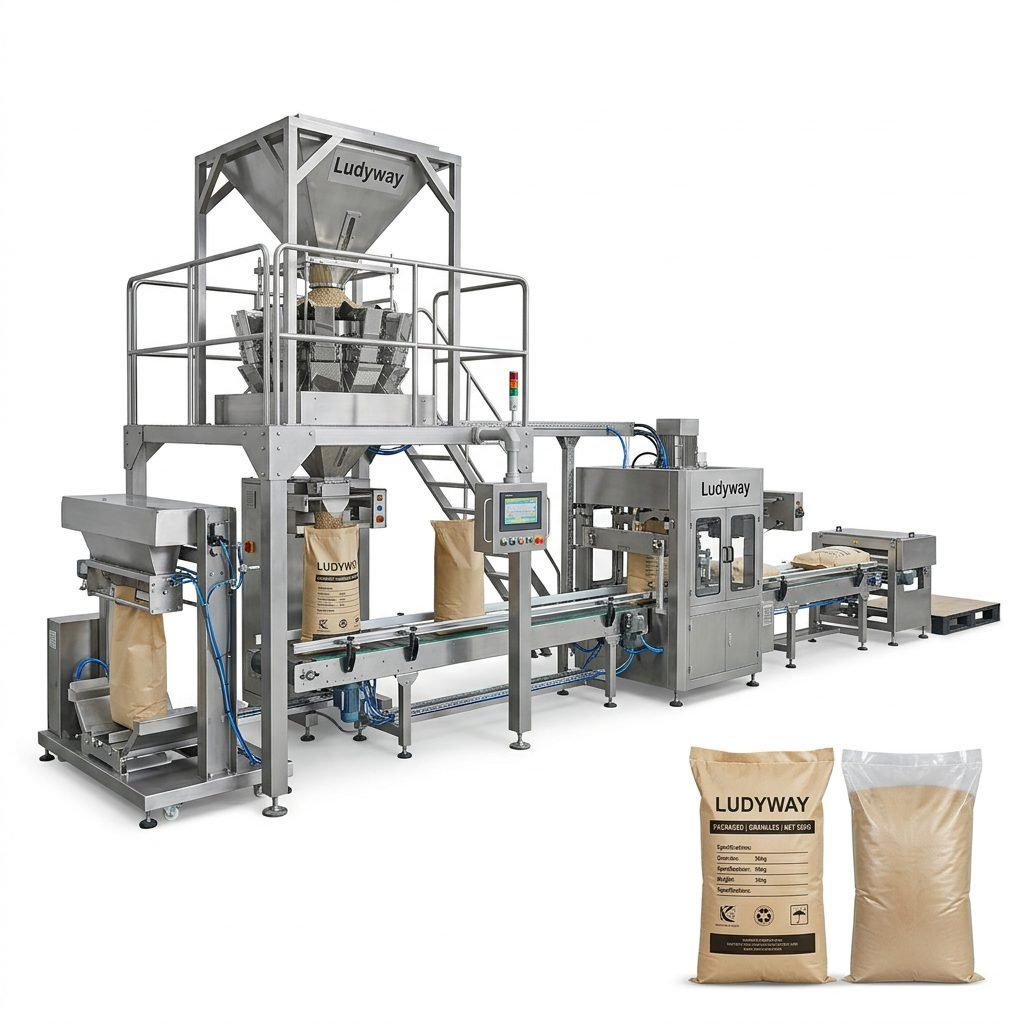
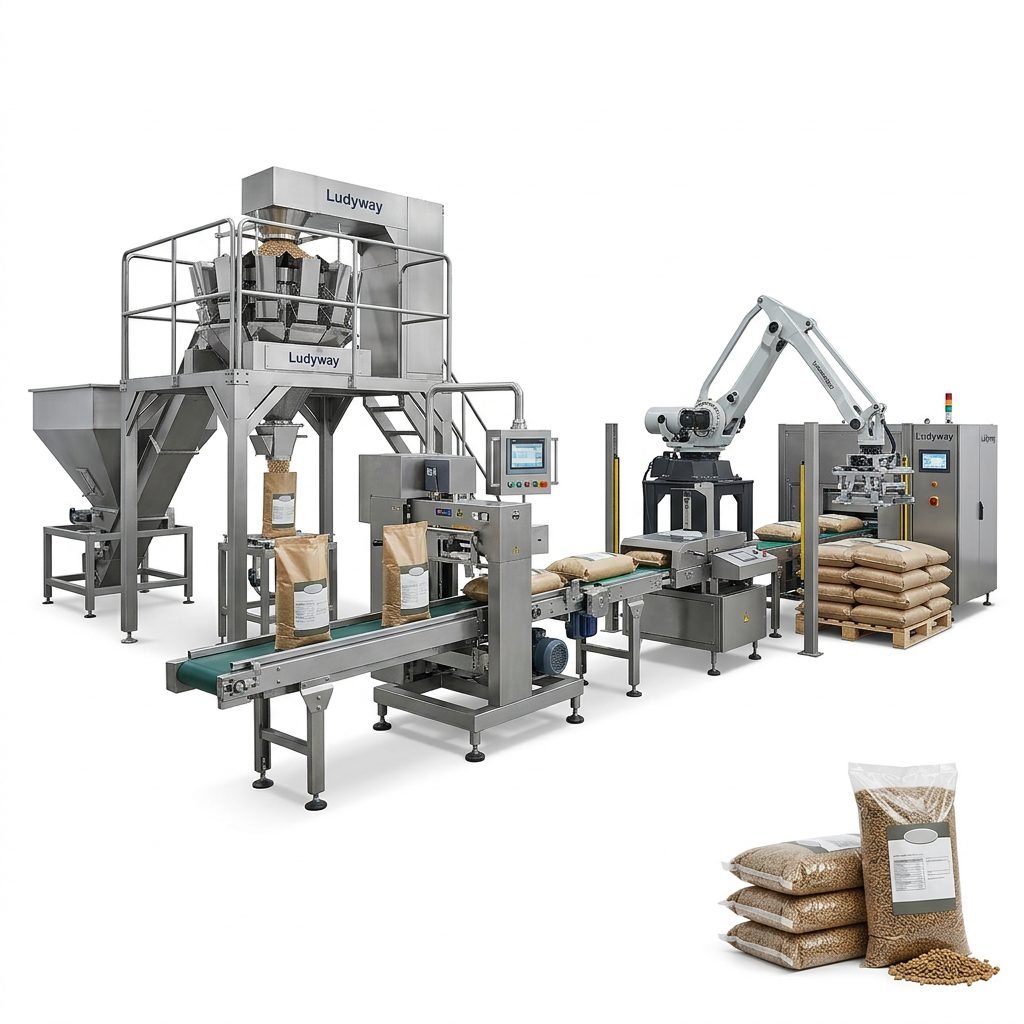
Applications include packaging lubricants, adhesives, sealants, pesticides, fertilizers, and seeds into durable, sealed pouches. The robust construction of the machines handles more abrasive or viscous materials reliably. Learn about robust systems for these materials in our granule and powder packaging equipment portfolio.
Implementing continuous motion packaging is a strategic investment that transforms production capability. It is the engine behind the reliable, high-volume supply chains that consumers and retailers depend on today. For businesses looking to scale up, reduce costs, and enhance product quality, this technology offers a compelling and proven pathway forward.
Frequently Asked Questions (FAQs)
Q1: What is the main difference between intermittent and continuous motion packaging?
A: Intermittent motion machines stop completely at each station (fill, seal, cut) to perform the operation before indexing to the next position. Continuous motion machines perform all operations while the product and film are moving at a constant speed, eliminating stoppages and enabling much higher throughput.
Q2: Is continuous motion equipment suitable for fragile products?
A: Yes, surprisingly, it can be. The smooth, constant motion often creates less vibration and jarring than the start-stop action of intermittent machines. Gentle handling systems, like soft-drop fillers or custom-designed flights, can be integrated to protect delicate items like crackers or freeze-dried fruits.
Q3: How complex is the changeover process on these high-speed machines?
A: Modern machines with servo technology have simplified changeovers dramatically. While some mechanical adjustments may still be needed for major package size changes, many parameters (fill time, seal temperature, film tracking) are controlled digitally. Recipe storage allows operators to recall settings, making changeovers faster and less prone to error.
Q4: What kind of maintenance do continuous motion machines require?
A: They require disciplined preventive maintenance. Key focuses include lubrication of cams and bearings, inspection and replacement of sealing jaws and cutting blades, and calibration of sensors and servo systems. However, because they avoid the high inertial forces of intermittent motion, wear on drive components can be reduced.
Q5: Can continuous motion machines handle all types of packaging materials?
A: They are highly versatile but must be configured for the specific material. They commonly run laminates (PET/AL/PE), metallized films, and paper composites. The forming, sealing, and cutting systems must be tailored to the material’s thickness, melt point, and barrier properties to ensure consistent performance.