In today’s fast-paced bakery industry, efficiency and consistency are paramount. An automatic bread slicing and packaging machine is no longer a luxury but a necessity for businesses aiming to scale production, ensure product freshness, and maintain a competitive edge. However, with a myriad of options available, selecting the right solution can be a daunting task. This guide will walk you through the critical factors to consider when choosing an automatic bread production solution, ensuring your investment drives productivity and profitability.
Understanding Your Production Needs and Scale
The first and most crucial step is a thorough assessment of your current and projected production requirements. A machine perfectly suited for a large industrial bakery will be overkill and inefficient for a medium-sized artisan bakery, and vice-versa.
Key questions to ask:
→ Output Volume: How many loaves, buns, or units do you need to process per hour or per shift?
→ Product Variety: Do you produce a single type of bread or multiple varieties (different sizes, shapes, densities)?
→ Bread Type: Is your bread soft sandwich bread, crusty artisan loaves, dense rye bread, or delicate pastries? Each type may require different handling.
→ Future Growth: Do you anticipate a significant increase in demand in the next 3-5 years? Investing in a slightly more capable machine can save costly upgrades later.
Matching the machine’s capacity to your actual needs prevents bottlenecks and avoids underutilizing a costly asset. For businesses with fluctuating demand, modular systems that allow for future expansion can be a wise choice.
Core Machine Types and Technologies
Automatic bread slicing and packaging systems generally fall into a few categories, each with its own advantages.
1. In-Line Slicing and Packaging Systems
These are fully integrated solutions where cooled bread is automatically fed, precisely sliced, and immediately packaged in a continuous, synchronized flow. This is the ideal choice for high-volume production of uniform products, maximizing speed and minimizing manual handling.
2. Stand-Alone Slicers with Manual or Automatic Feed
This configuration involves a high-speed automatic slicer that can be fed manually or via a simple conveyor. The sliced bread is then transferred to a separate bagging or wrapping machine. This offers greater flexibility for medium-scale operations or bakeries with a wider product range, as the components can sometimes be used independently.
3. Vertical Form-Fill-Seal (VFFS) vs. Horizontal Wrapping
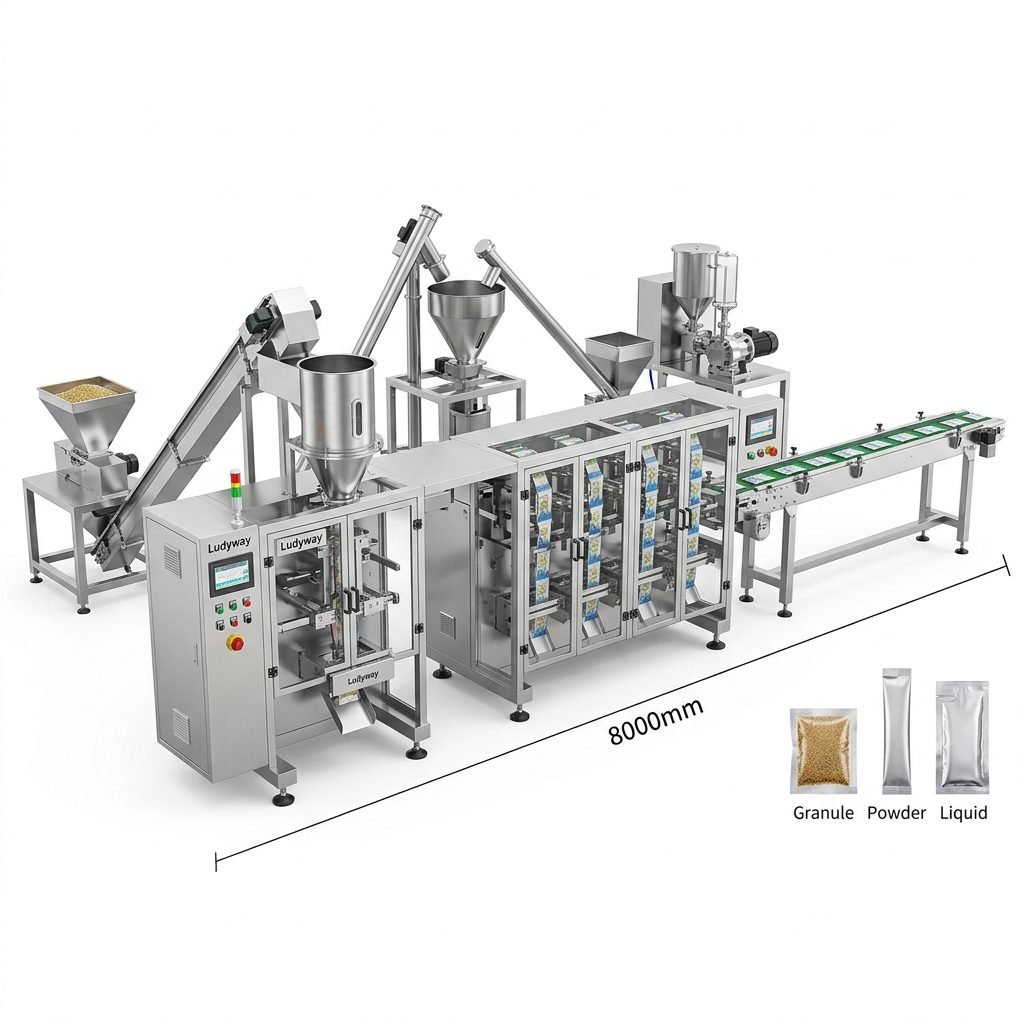
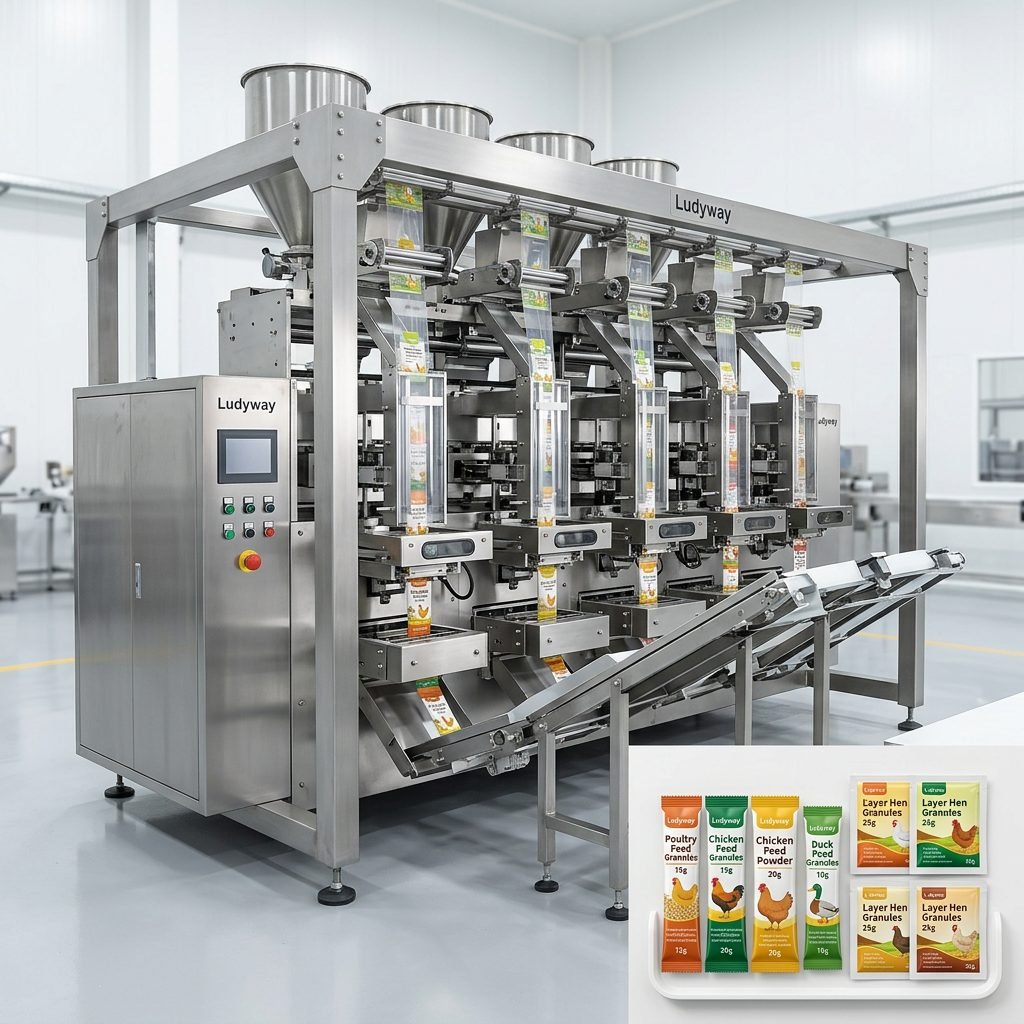
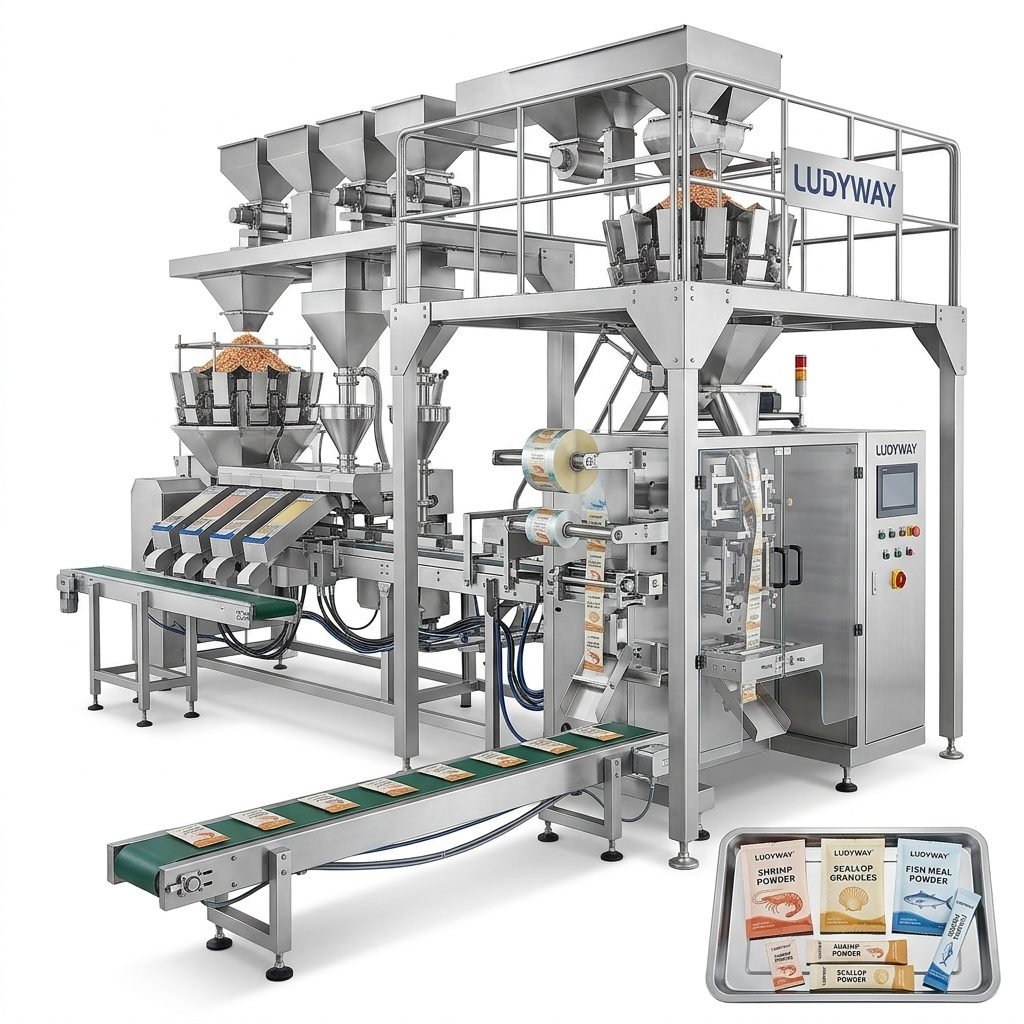
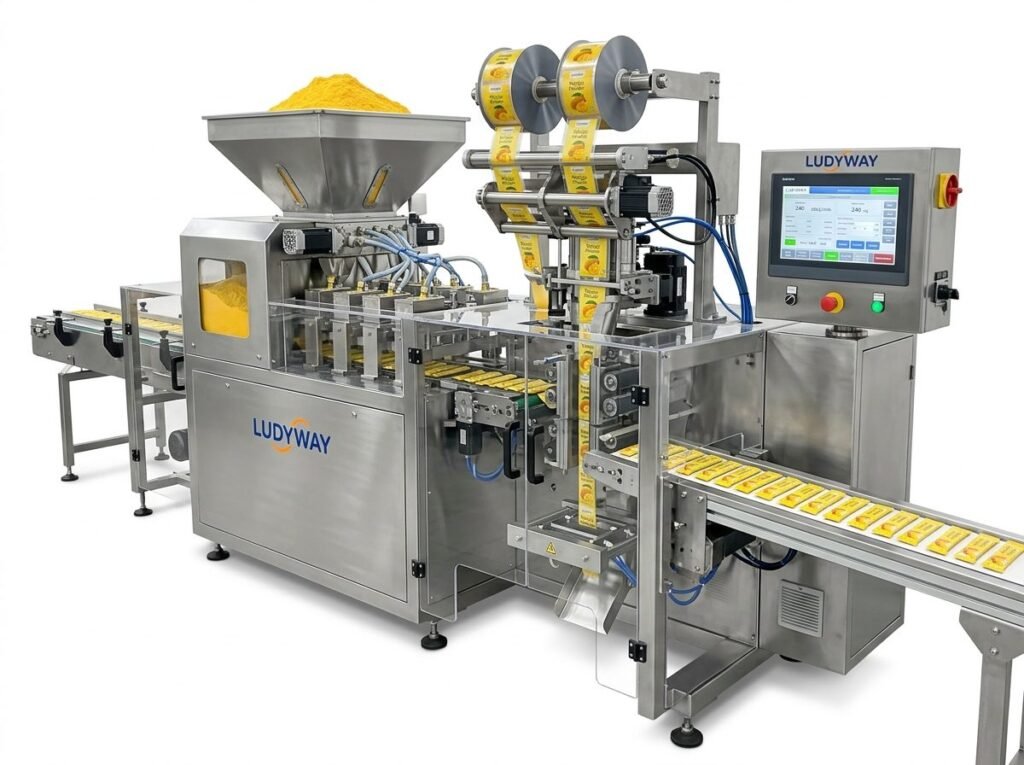
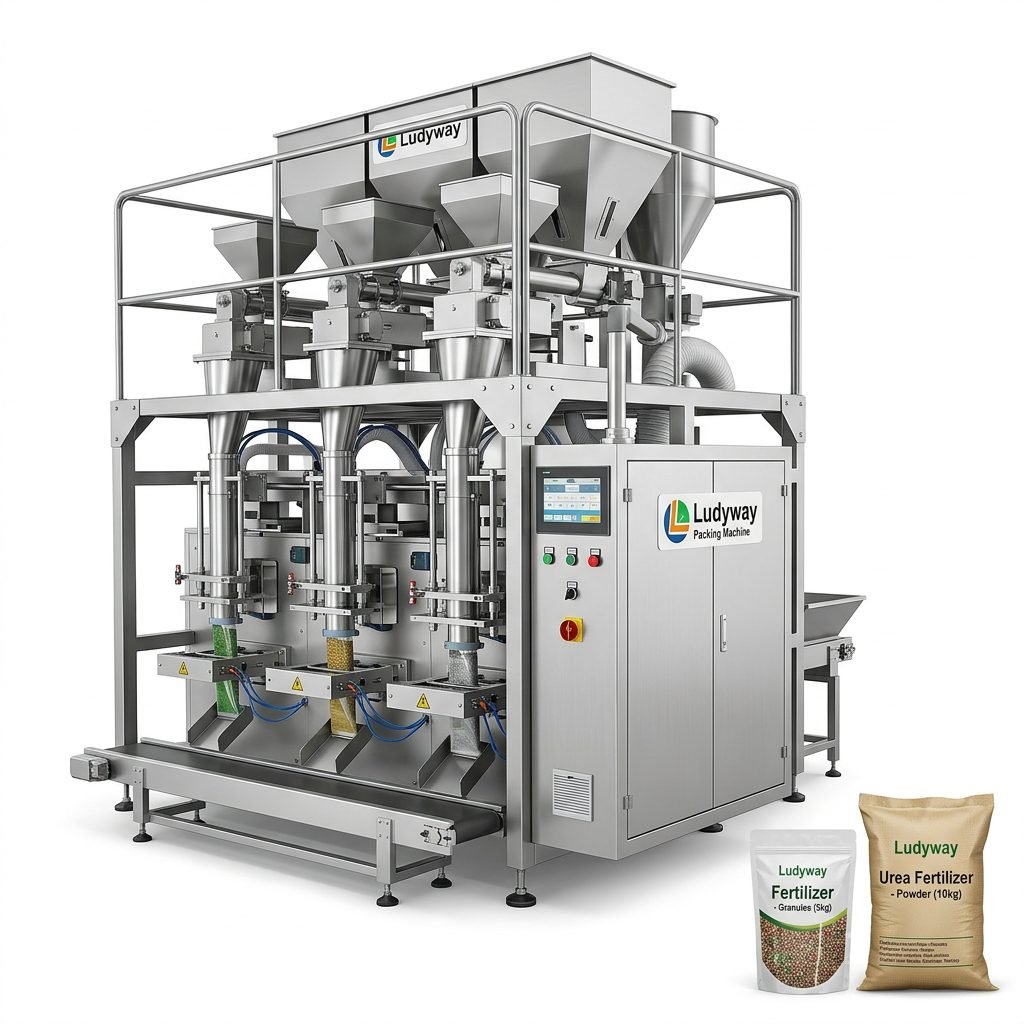
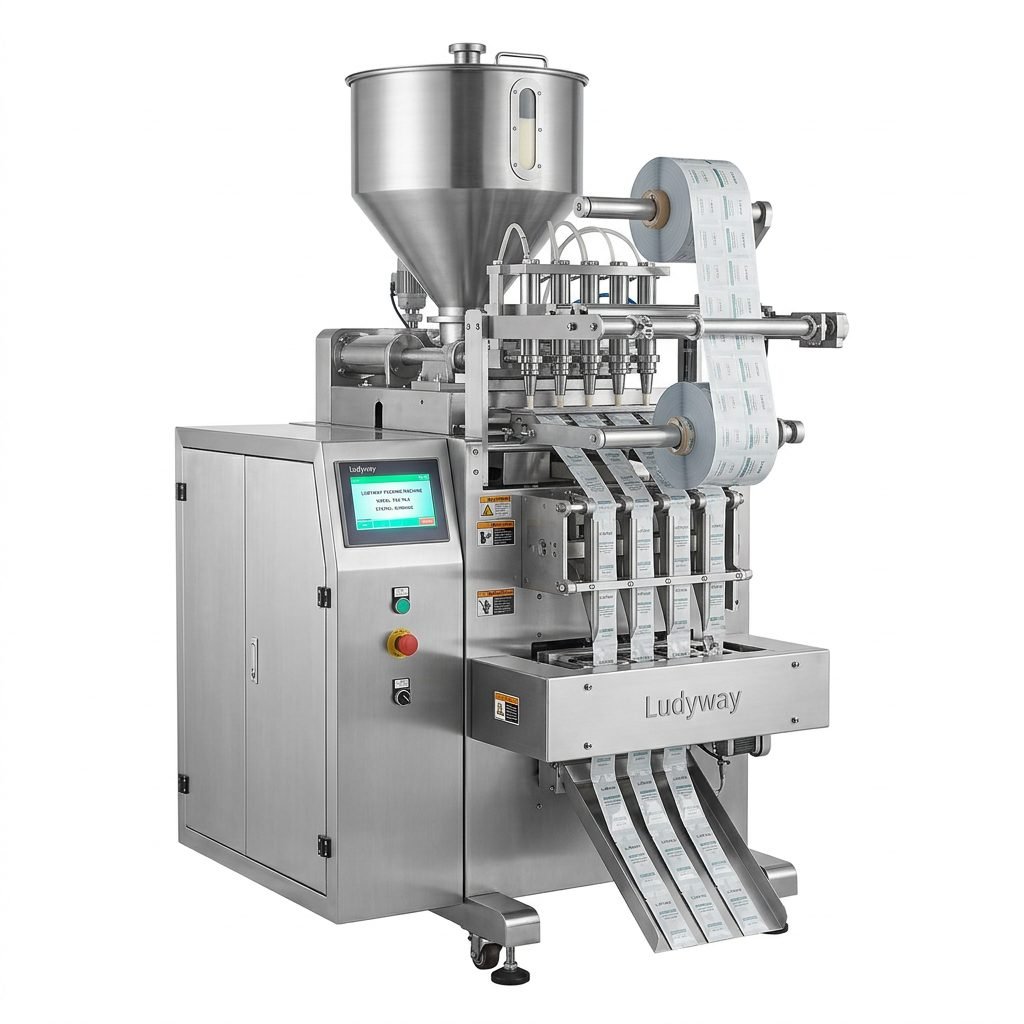
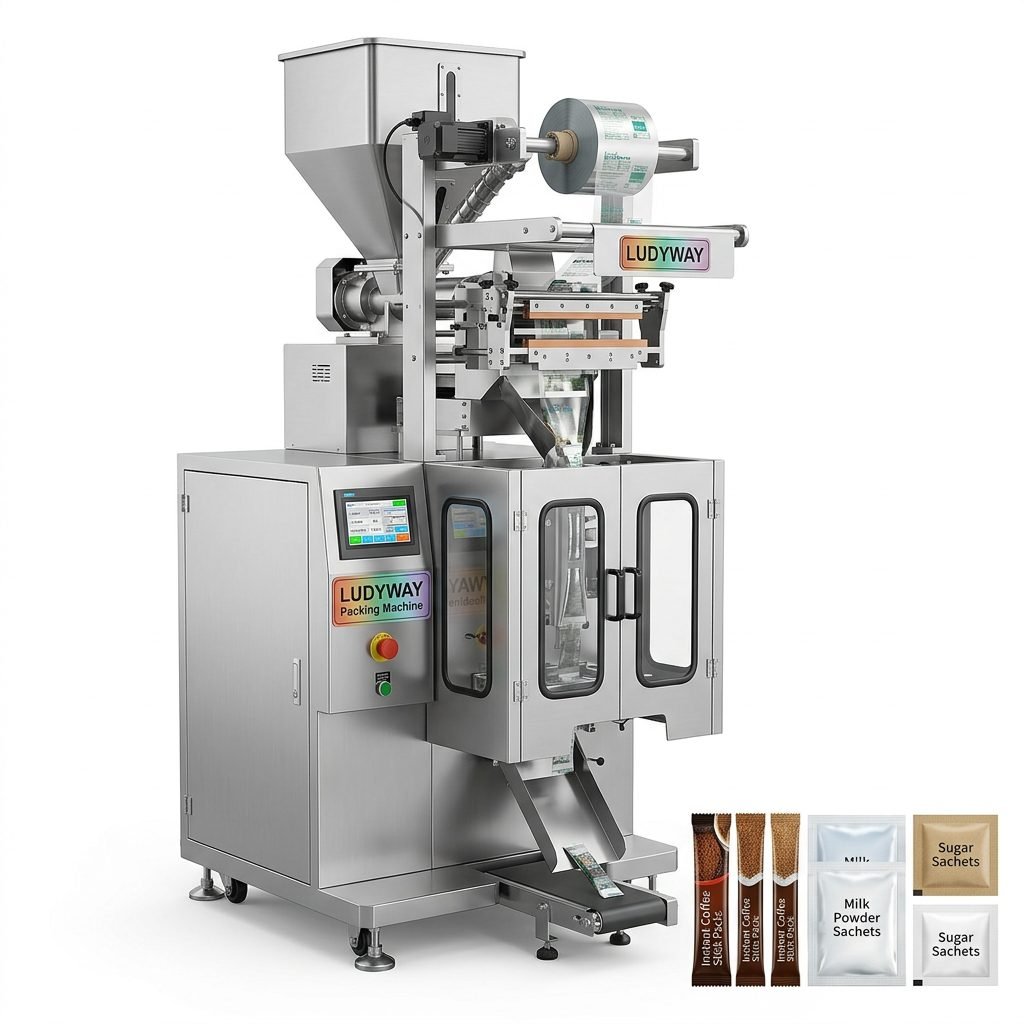
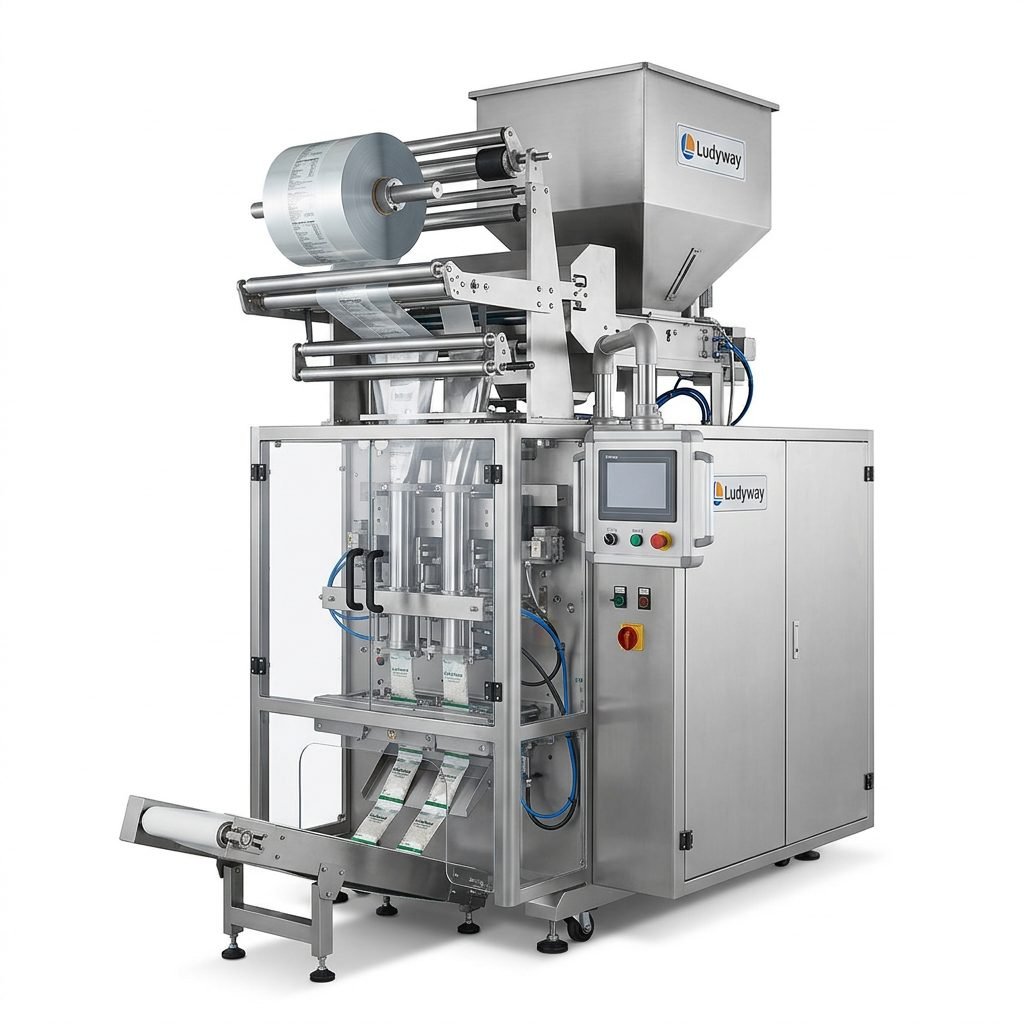
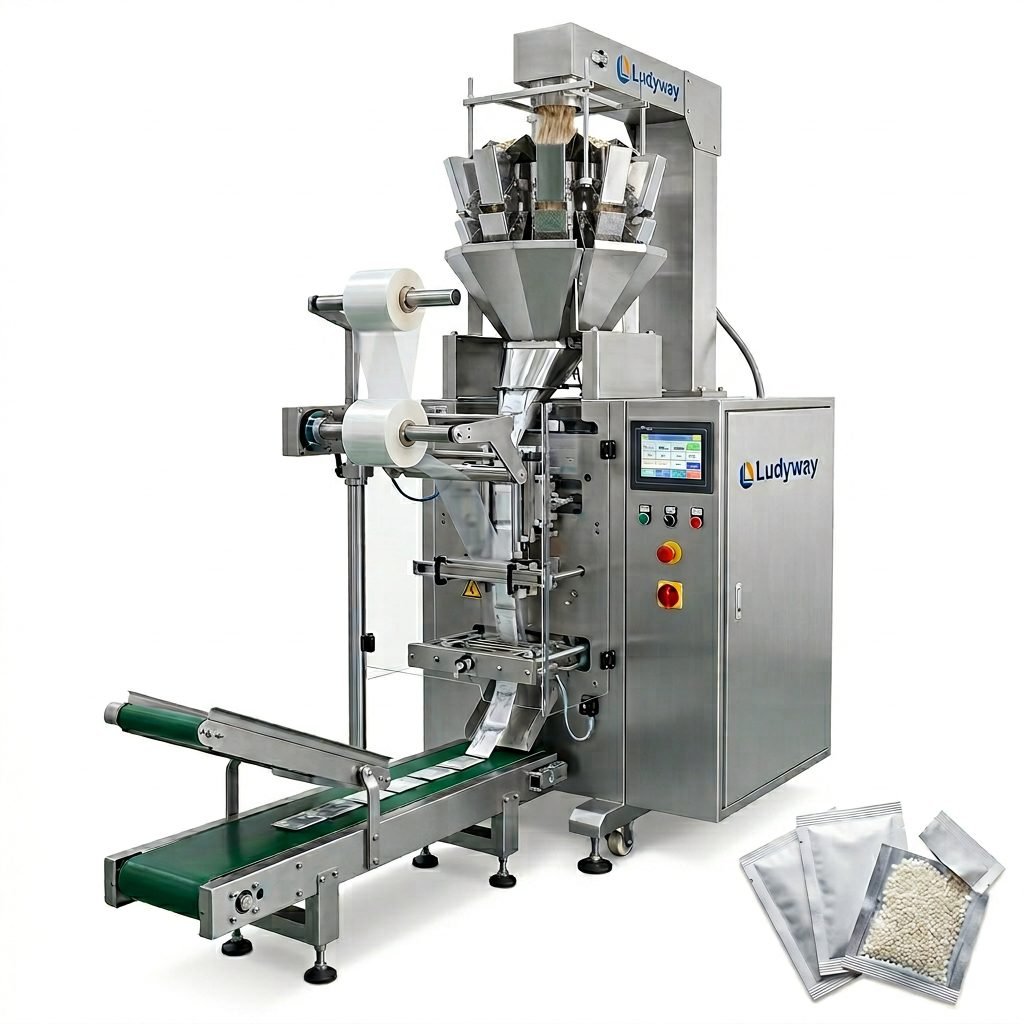
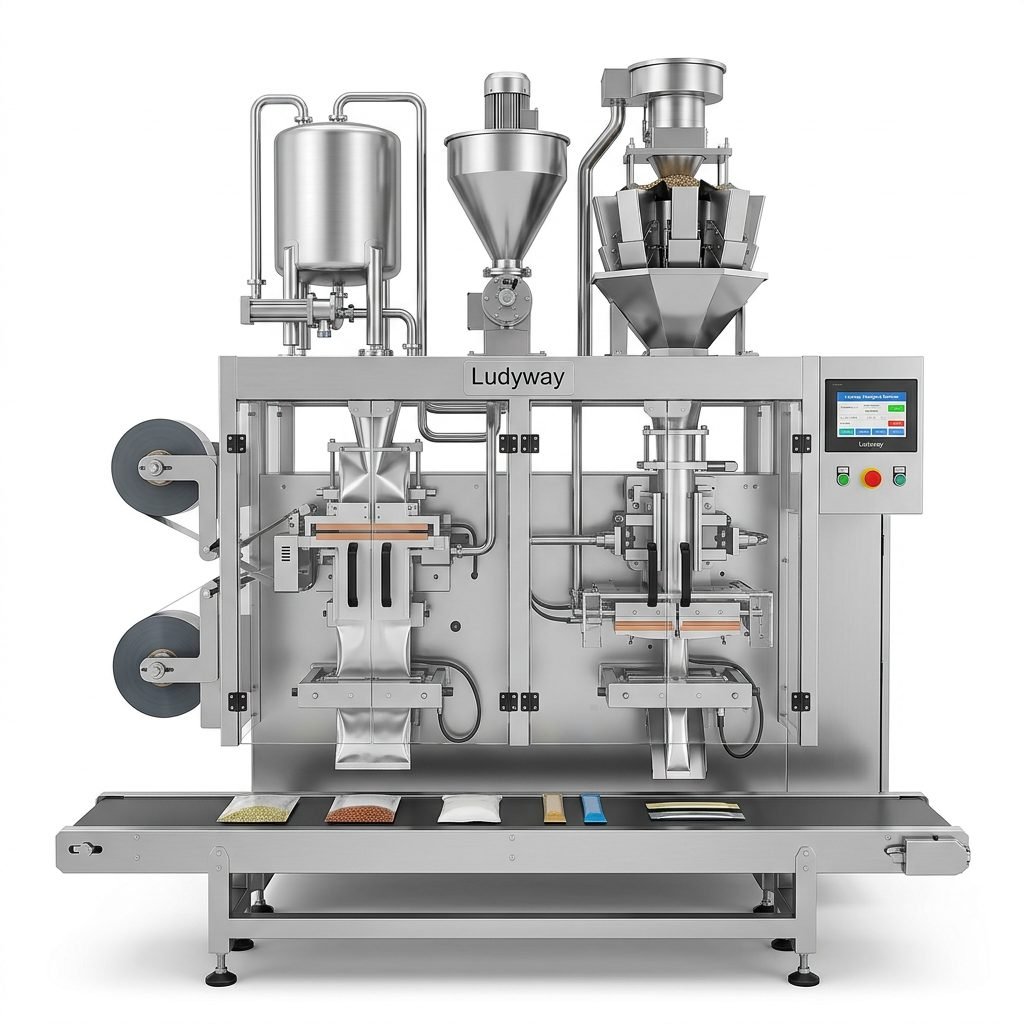
The packaging technology is equally important. Vertical Form-Fill-Seal (VFFS) machines are extremely common. They create bags from a roll of film, fill them with the sliced bread, and seal them. They are versatile and excellent for producing pillow-style bags with a high degree of automation. Ludyway Machinery offers advanced VFFS solutions integrated into complete lines.
Horizontal flow wrappers, on the other hand, are often used for specific bread types like baguettes or for creating a tighter, more formal “twist-tie” or clipped presentation. The choice depends heavily on your market’s packaging preferences and the product’s characteristics.
Critical Technical Specifications to Evaluate
Beyond the basic type, dive deep into the technical details that impact performance and product quality.
Slicing Mechanism & Blade Technology
The heart of the system. Serrated blades are standard, but look for features like:
→ Automatic Blade Sharpening/Honing: Maintains consistent slice quality and reduces downtime for manual maintenance.
→ Quick-Change Blade Assemblies: Allows for fast switching between blade types for different breads or for replacement.
→ Slice Thickness Adjustment: Easy, precise, and tool-free adjustment is vital for product flexibility.
→ Crumb Management: An effective system to remove crumbs ensures clean packaging and prevents machine jamming.
Packaging Flexibility and Film Compatibility
Can the machine handle the packaging materials you want to use? Check compatibility with various plastic films (PP, PE, biodegradable options), laminates, and even paper. Consider features like:
→ Print Registration: If using pre-printed film, the machine must accurately align the print for a professional look.
→ Gas Flushing Capability: For extended shelf life, some machines can replace air inside the package with an inert gas mix (MAP – Modified Atmosphere Packaging).
→ Bag Style Options: Can it produce simple pillow bags, gusseted bags, or bags with easy-open features?
Reliability, Hygiene, and Ease of Maintenance
Downtime is the enemy of production. A reliable machine built with food-grade stainless steel in critical contact areas is non-negotiable for hygiene and durability.
→ Sanitary Design: Look for smooth surfaces, minimal crevices, and easy access panels for thorough cleaning. CIP (Clean-in-Place) capabilities in advanced systems are a major plus.
→ Service and Support: This is where partnering with an experienced provider like Ludyway Machinery makes a difference. Ensure the supplier offers comprehensive training, clear documentation, readily available spare parts, and responsive technical support. Their 30+ years of industry experience translates into practical knowledge of what keeps a line running smoothly.
→ User Interface (HMI): A modern, intuitive touchscreen interface simplifies operation, recipe changes (for different breads), and troubleshooting.
Integration and Total Cost of Ownership (TCO)
View the machine not as an isolated purchase but as part of your production ecosystem. Will it integrate seamlessly with your existing cooling racks, conveyors, or checkweighers? Discuss integration requirements with your supplier upfront.
The purchase price is just one part of the financial picture. Calculate the Total Cost of Ownership (TCO):
→ Energy Consumption: Efficient motors and drives can save significant costs over time.
→ Film Waste & Yield: A machine with precise film tracking and cutting will minimize material waste.
→ Maintenance Costs: Factor in the cost and frequency of blade changes, spare parts, and routine service.
→ Labor Savings: A key ROI driver. How many manual positions does the automation eliminate?
Investing in a robust, efficient system from a reliable partner often results in a lower TCO than opting for a cheaper, less capable machine with higher operating costs and downtime. Exploring complete turnkey solutions can streamline this entire process.
Making the Final Decision: Partner Over Vendor
Choosing the right bread slicing and packaging machine is a strategic decision. Beyond specifications and price, select a supplier who acts as a long-term partner. A partner provides not just a machine, but a solution tailored to your goals, backed by expertise and support to ensure your success for years to come.
Frequently Asked Questions (FAQs)
1. What is the typical payback period for an automatic bread slicing and packaging line?
The payback period varies greatly based on production volume, labor costs saved, and reduction in waste. For medium to high-volume bakeries, it typically ranges from 1 to 3 years. A detailed ROI analysis provided by your equipment supplier, factoring in all TCO elements, will give you a precise estimate for your operation.
2. Can one machine handle both very soft bread and very dense, crusty bread?
This is challenging. While some high-end machines offer extensive adjustments, specialized blades, and gentle handling systems, optimal results often come from machines configured for a specific range. It’s crucial to test your actual products on the machine during a factory acceptance test (FAT) before purchase.
3. How important is after-sales service and spare parts availability?
Extremely important. It is critical to the machine’s lifecycle and your production continuity. Choose a supplier with a proven track record of support, local or readily available technical assistance, and a well-stocked inventory of common spare parts. This minimizes potential downtime.
4. Are there automated solutions suitable for smaller bakeries or those with many unique product shapes?
Yes. The market offers compact, semi-automatic systems and modular equipment that provide a level of automation without the full cost of an industrial line. For unique shapes, solutions like flexible loading systems or custom-designed fixtures can be developed, often in collaboration with engineering-focused suppliers.
5. What are the key trends in bread packaging technology?
Major trends include a strong shift towards sustainable and biodegradable packaging materials, increased use of Modified Atmosphere Packaging (MAP) for cleaner labels and longer shelf life, greater integration of Industry 4.0 capabilities (IoT for predictive maintenance, production data monitoring), and designs that enhance consumer convenience (reclosable, easy-open features).