Customized Packaging Solutions Become New Industry Standard in Global Supply Chains
The global packaging industry is undergoing a fundamental transformation. Driven by evolving consumer demands, complex regulatory environments, and the relentless pursuit of supply chain efficiency, a one-size-fits-all approach to packaging is rapidly becoming obsolete. In its place, customized packaging solutions are emerging as the new, indispensable standard for businesses operating on a worldwide scale.
The Drivers Behind the Customization Revolution
Several interconnected factors are fueling the shift toward bespoke packaging:
- Brand Differentiation & Consumer Experience: In crowded marketplaces, packaging is a critical touchpoint. Custom shapes, materials, and functionalities (like resealability or portion control) create memorable unboxing experiences and reinforce brand identity.
- Supply Chain Optimization: Tailored packaging dimensions minimize wasted space in shipping containers and on warehouse shelves, directly reducing logistics costs and carbon footprint. Right-sized packaging also lowers material usage.
- Product Protection & Compliance: Fragile, sensitive, or regulated products (common in pharmaceuticals, nutraceuticals, and high-end foods) demand specific barrier properties, child-resistant features, or tamper evidence that only customized solutions can provide reliably.
- Automation & Productivity: Standardized packaging often requires manual handling or complex adjustments on filling lines. Custom-designed packaging is engineered to run seamlessly on high-speed, automated equipment, maximizing throughput and minimizing downtime.
Key Components of a Modern Customized Packaging Solution
A truly effective customized packaging system is more than just a unique bag or box. It is an integrated ecosystem encompassing:
| Component | Description | Impact |
|---|---|---|
| Material Science | Selection of laminates, films, and papers with specific barrier, seal, and print properties. | Ensures product freshness, safety, shelf appeal, and machinability. |
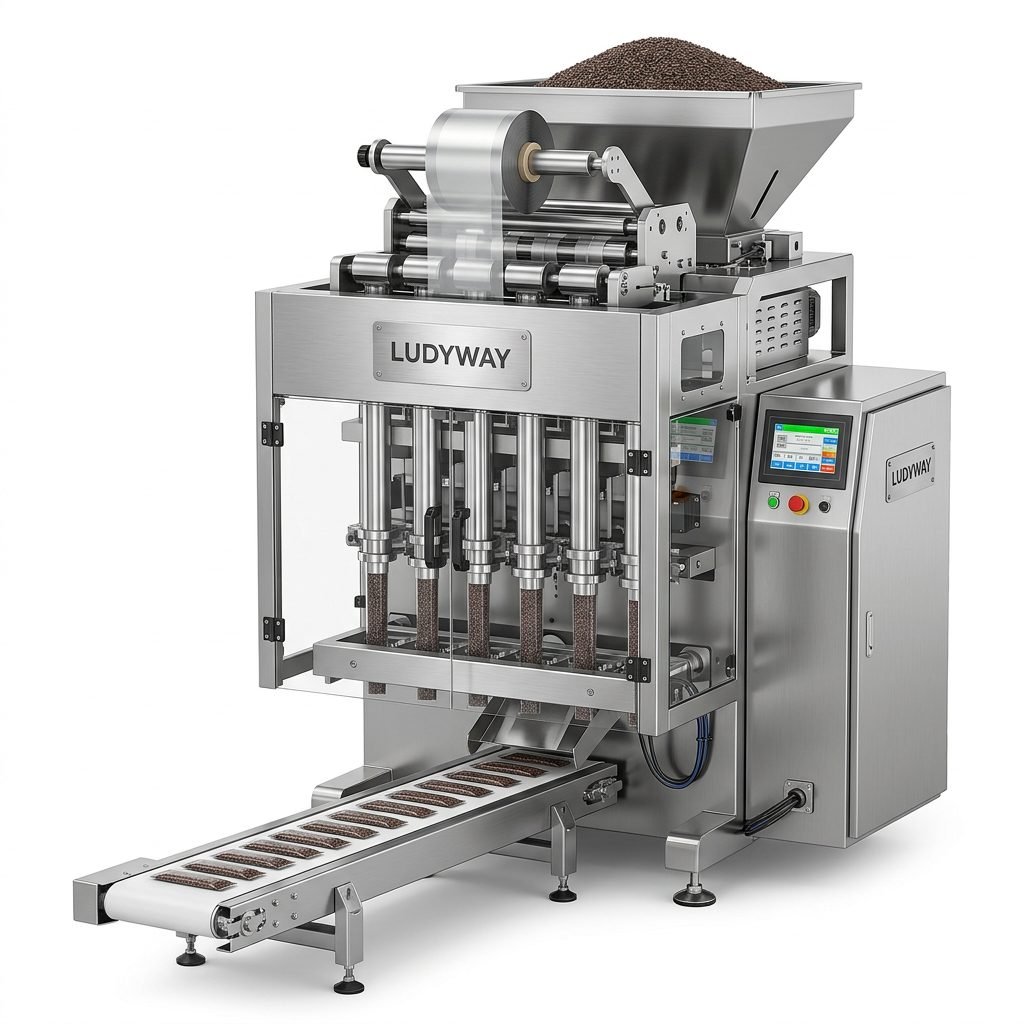
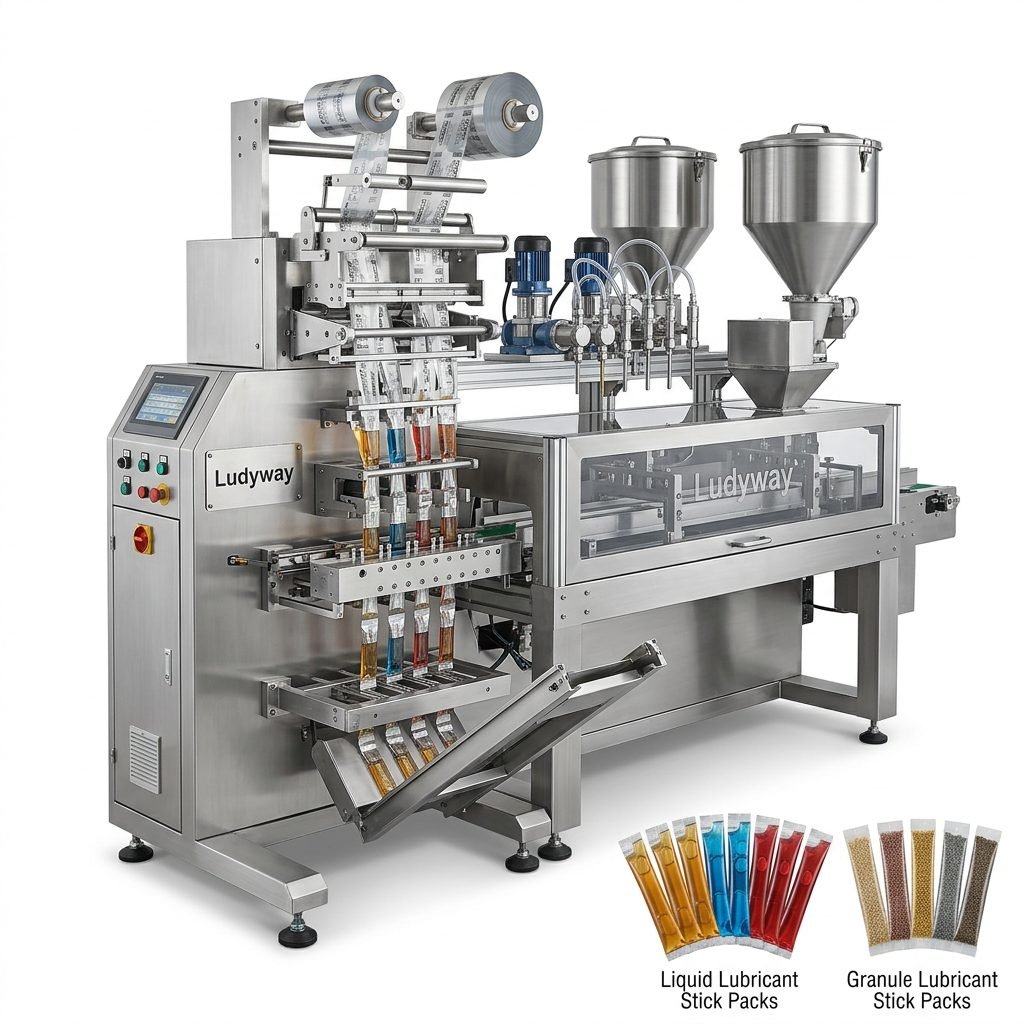
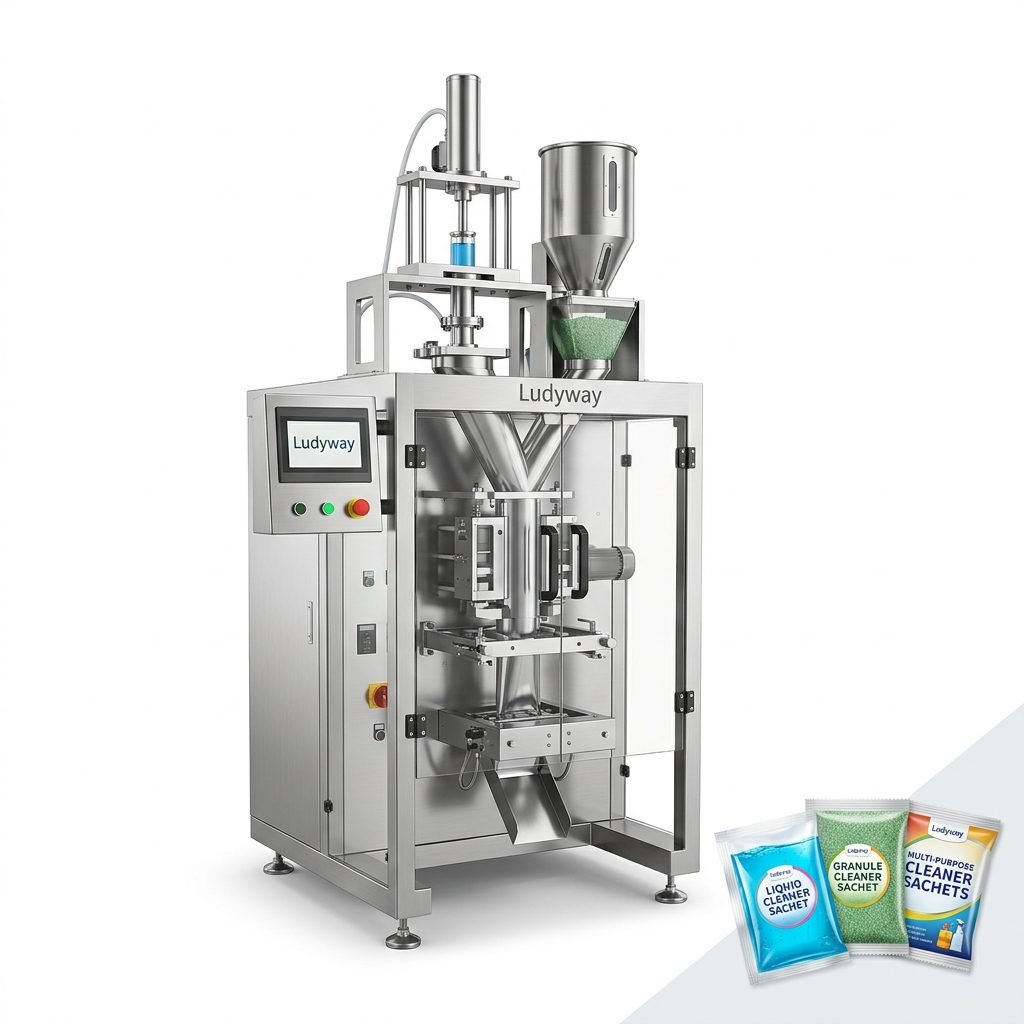
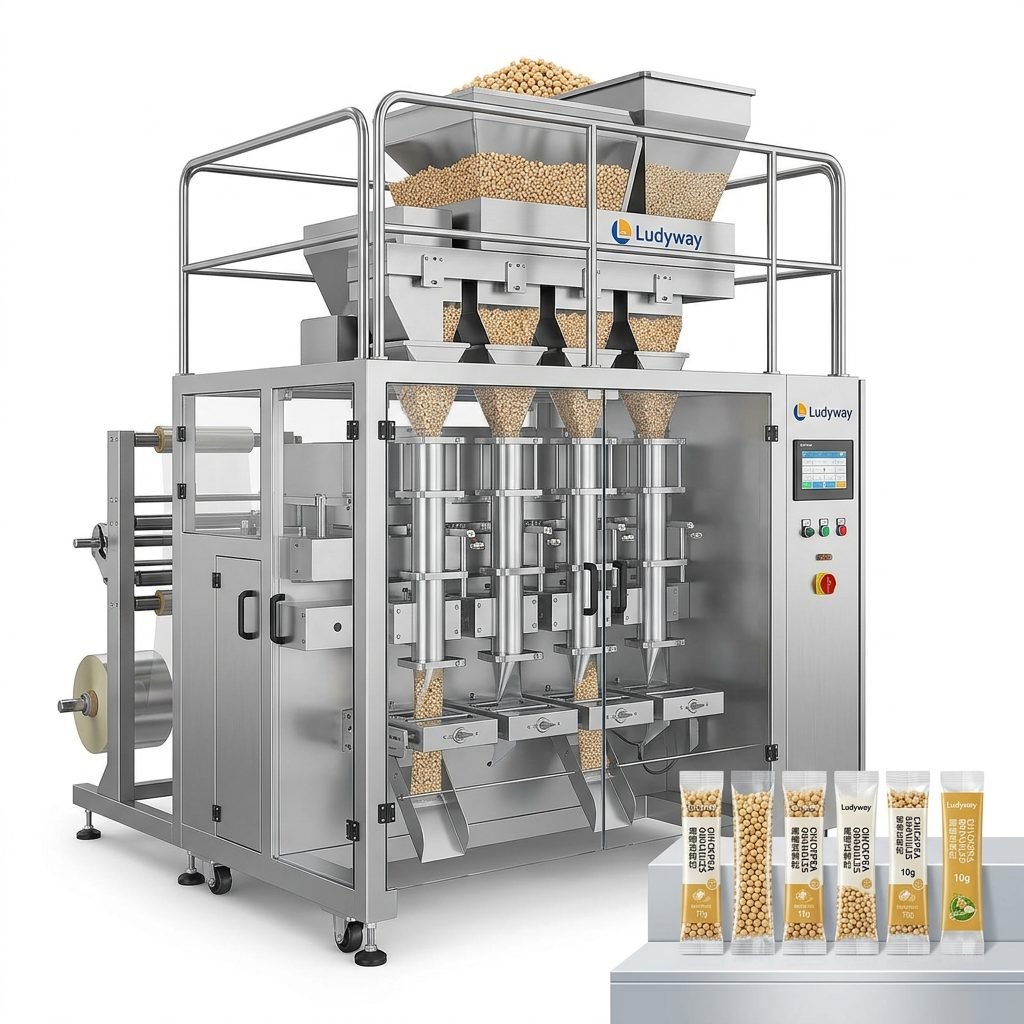
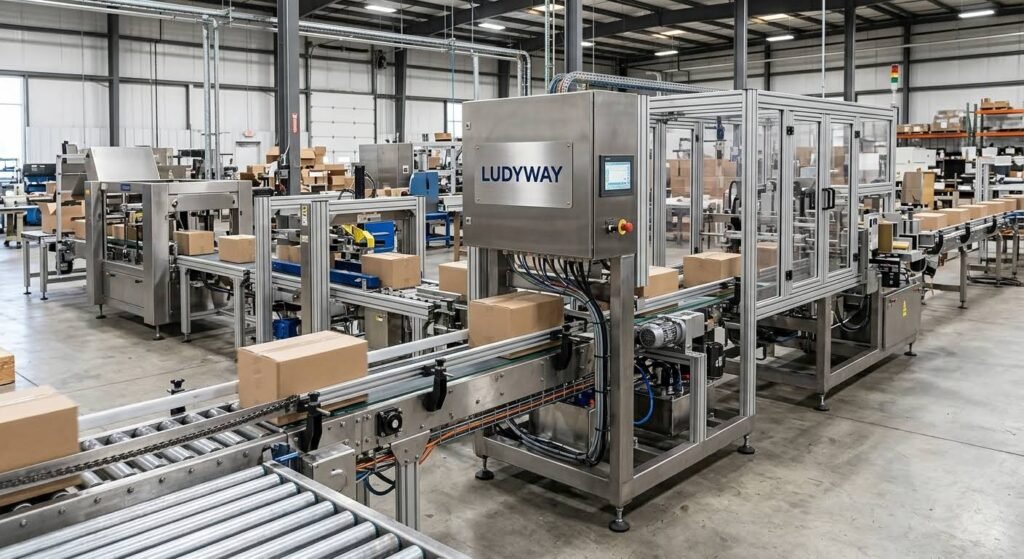
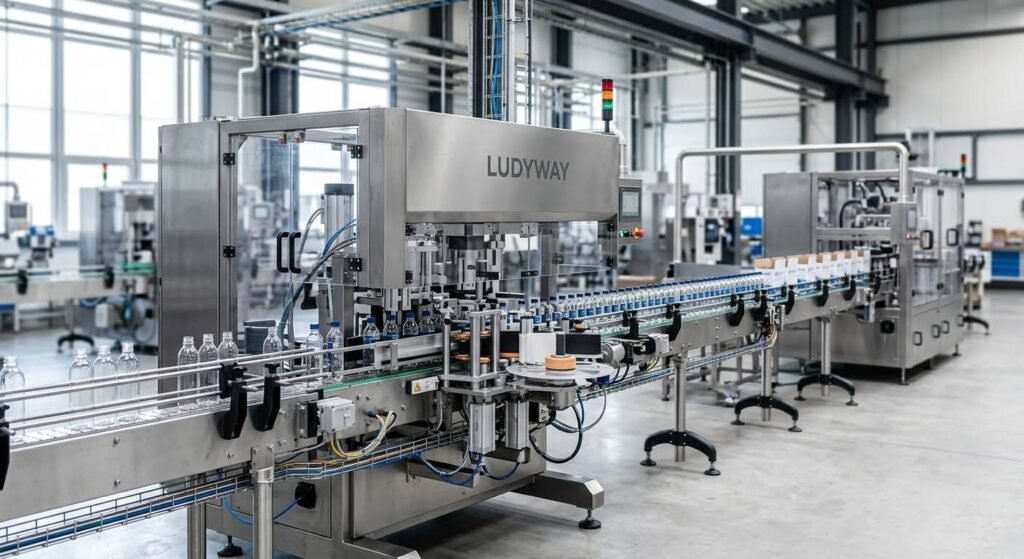
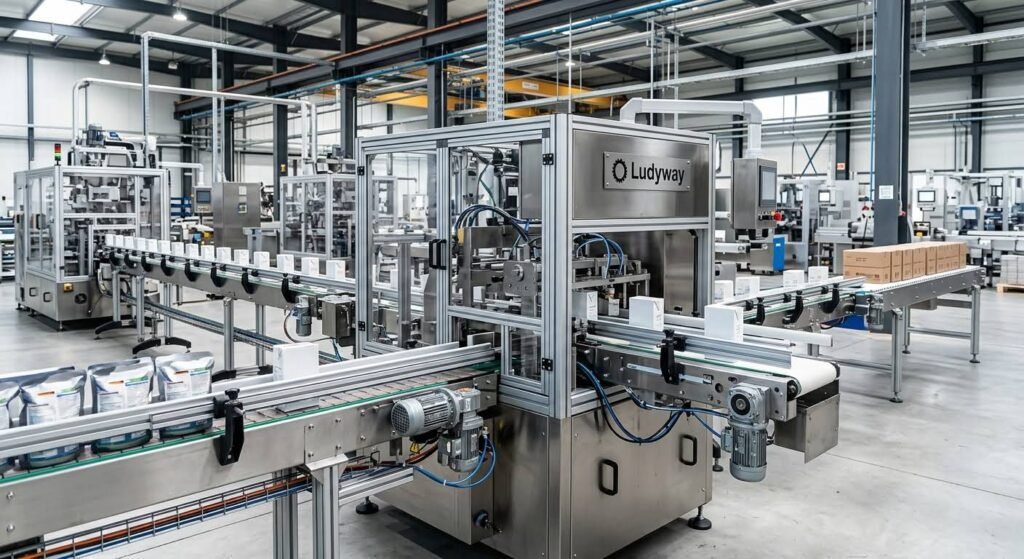
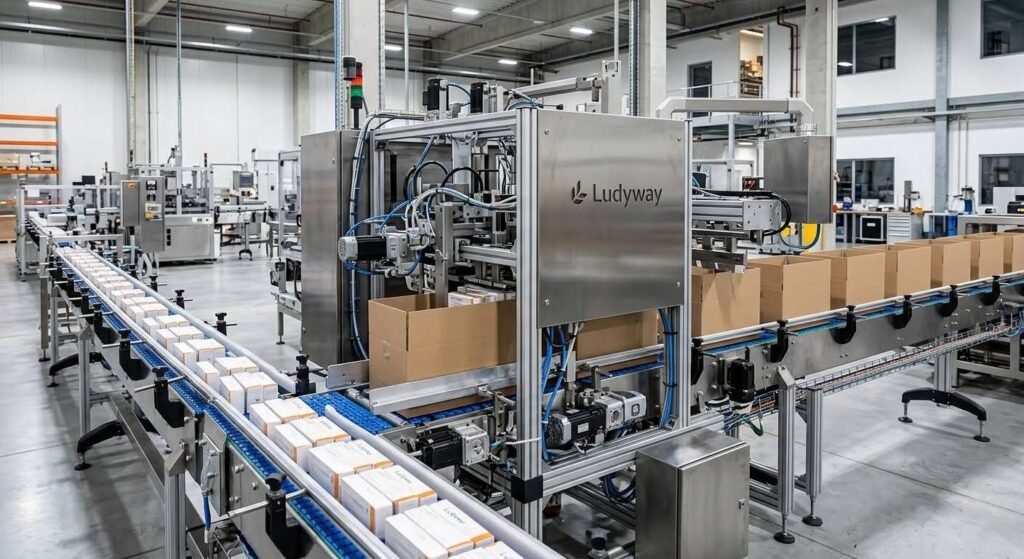
| Packaging Machinery | Equipment precisely configured to form, fill, and seal the custom package format at target speeds. | Determines production efficiency, accuracy, and scalability. |
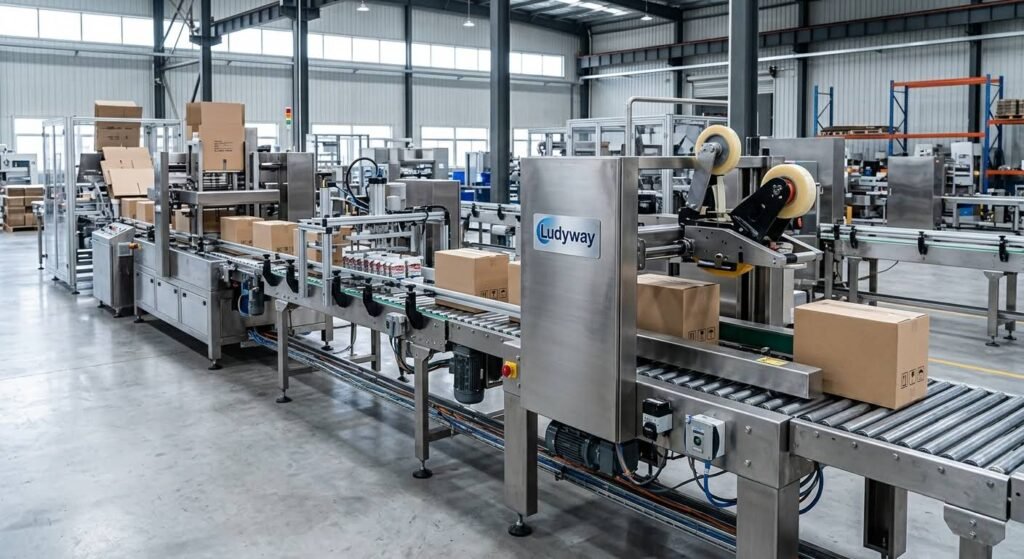
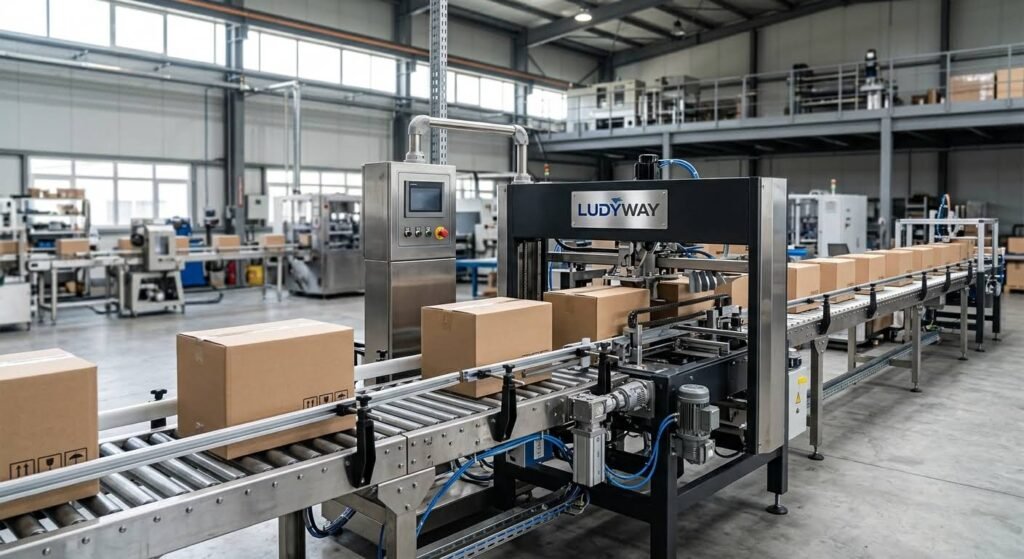
| Line Integration | Seamless connection with upstream (e.g., product feeding) and downstream (e.g., cartoning, case packing) systems. | Creates a continuous, lean production flow with minimal manual intervention. |
| Data & Control Systems | IoT-enabled monitoring of machine performance, yield, and quality parameters in real-time. | Enables predictive maintenance, reduces waste, and ensures consistent output. |
The Role of Advanced Packaging Machinery Partners
Implementing a customized packaging strategy requires deep technical expertise. Leading manufacturers are turning to specialized partners who can deliver not just machines, but holistic solutions. Companies like Ludyway, with decades of experience in engineering packaging systems for the food, pharmaceutical, and health industries, exemplify this partnership model. Their approach involves:
- Collaborative Design: Working with the client to understand the product’s physical characteristics, shelf-life requirements, and production goals.
- Prototyping & Testing: Creating sample packages and running trials on production-grade equipment to validate material and machine compatibility before full-scale investment.
- Turnkey Project Delivery: Providing a complete, installed, and commissioned packaging line tailored to the specific custom package, often including training and ongoing technical support.
Industry-Specific Applications
The move to customization is visible across sectors:
- Food & Beverage: Single-serve snack packs, stand-up pouches for liquids, modified atmosphere packaging for freshness.
- Pharmaceuticals: Unit-dose blister packs, serialized pouches for track-and-trace, temperature-sensitive shipping containers.
- Health & Wellness: Stick packs for powdered supplements, portion-controlled sachets for nutraceuticals, sustainable packaging for organic products.
Challenges and Future Outlook
While the benefits are clear, the path to customization presents hurdles, including higher initial investment, longer development timelines, and the need for closer supplier collaboration. However, the long-term ROI in terms of brand equity, operational savings, and supply chain resilience is proving decisive.
The future points toward even greater personalization, driven by digital printing allowing for cost-effective short runs and package versioning, and smarter, more adaptive packaging machines powered by AI and machine learning. These technologies will make customized packaging not just the standard for large corporations, but an accessible and vital strategy for businesses of all sizes competing in the global marketplace.
Conclusion
The era of generic packaging is closing. In today’s dynamic global supply chains, the ability to deploy a packaging solution that is perfectly aligned with your product, brand, and production environment is no longer a luxury—it is a competitive necessity. The new industry standard is bespoke, intelligent, and integrated, representing a fundamental shift in how companies think about the vital role of packaging in their commercial success.