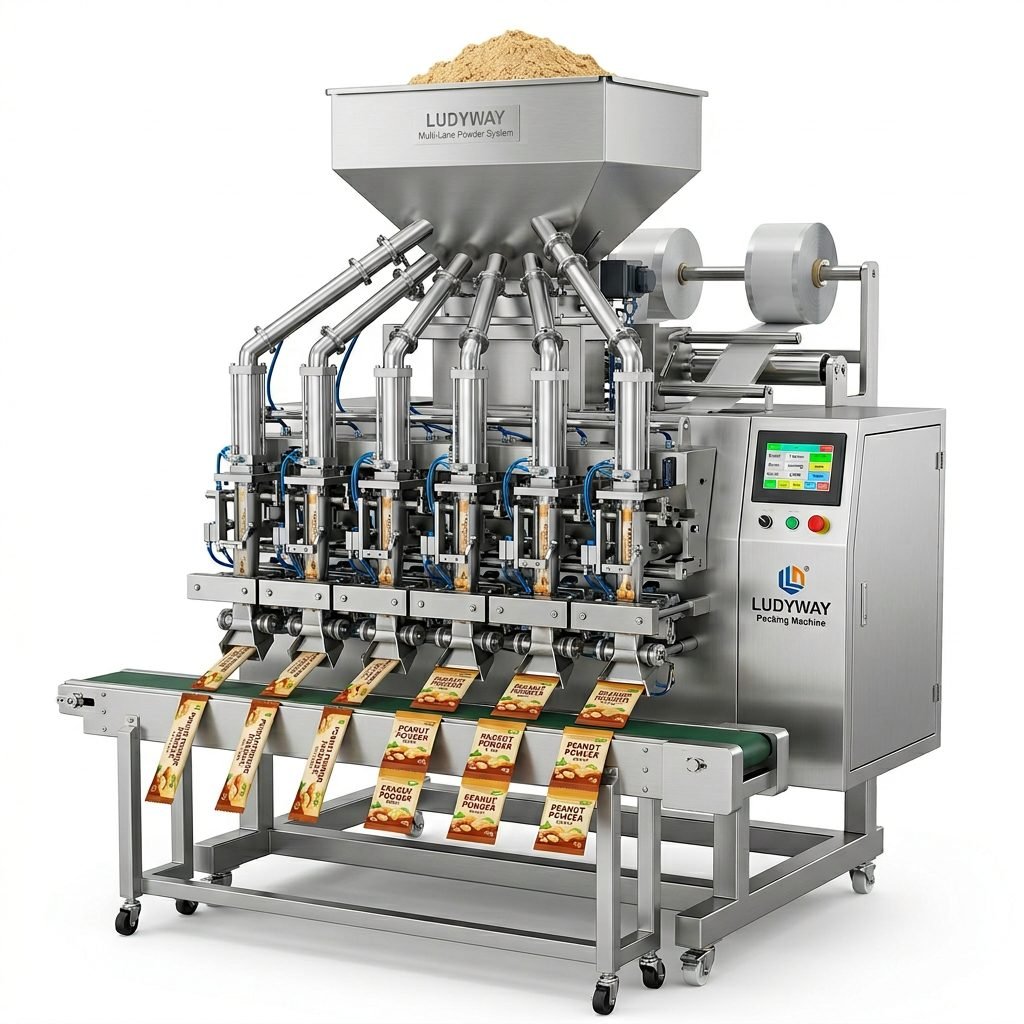
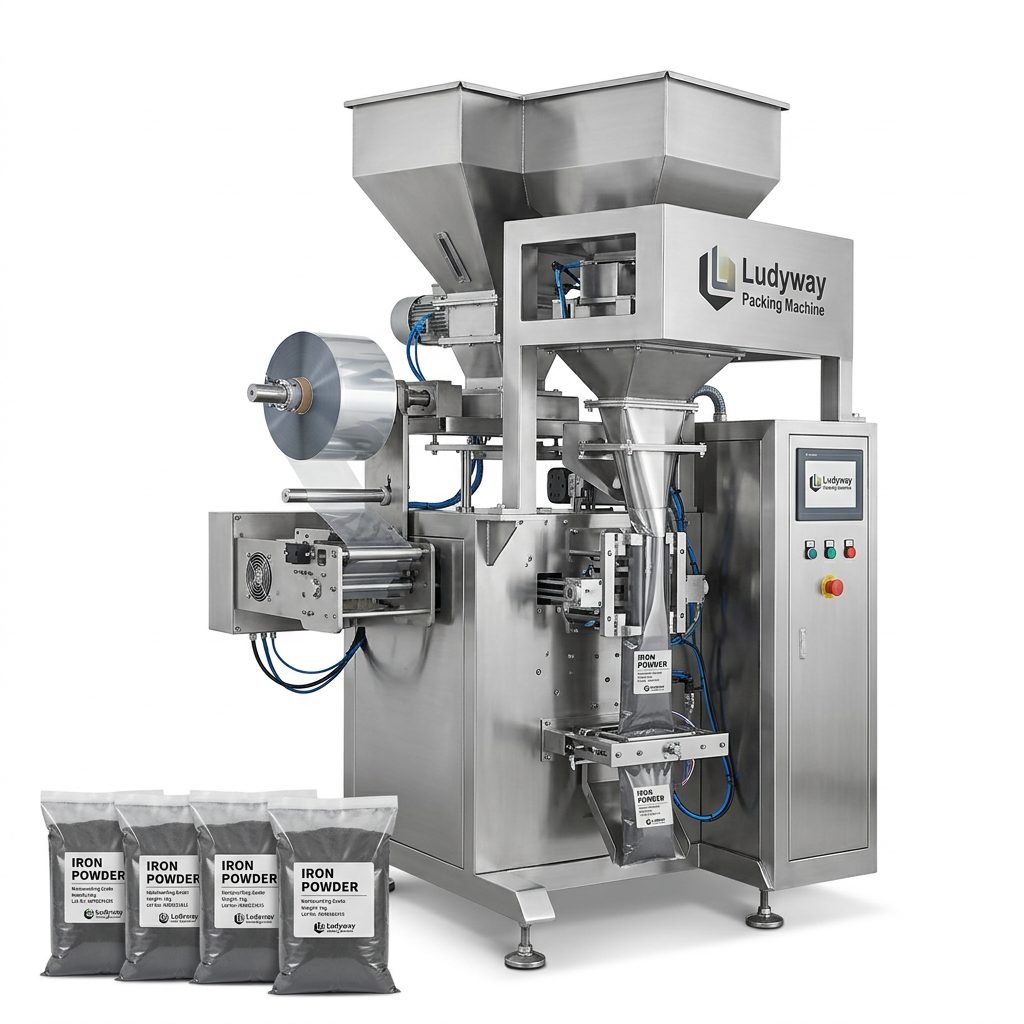
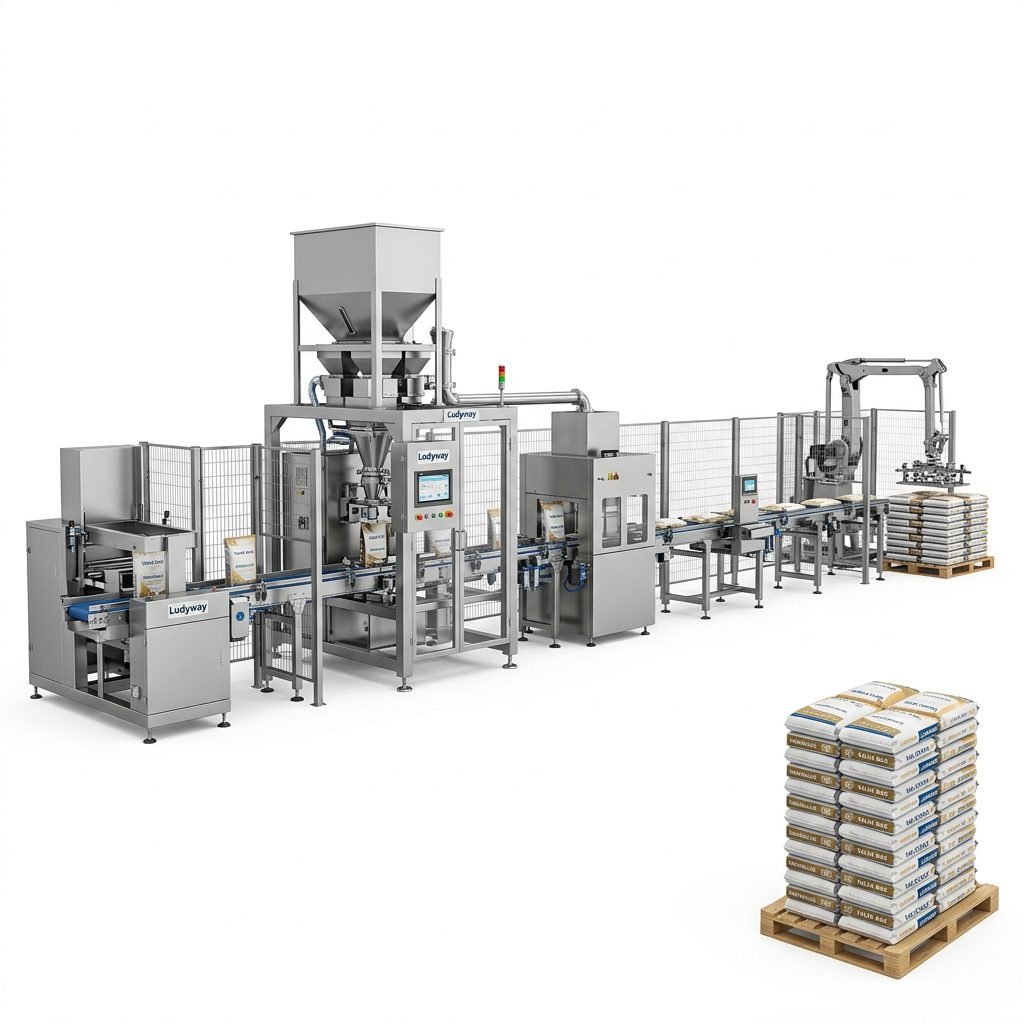
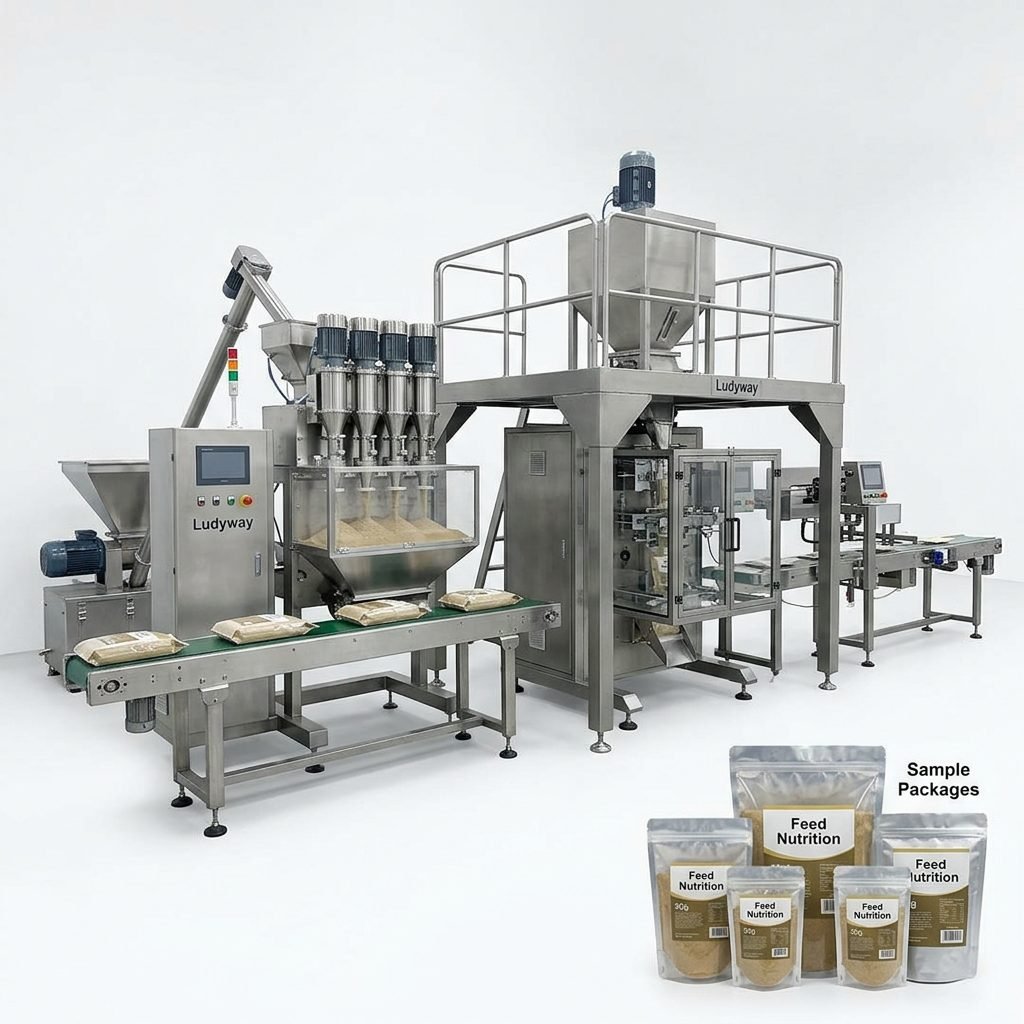
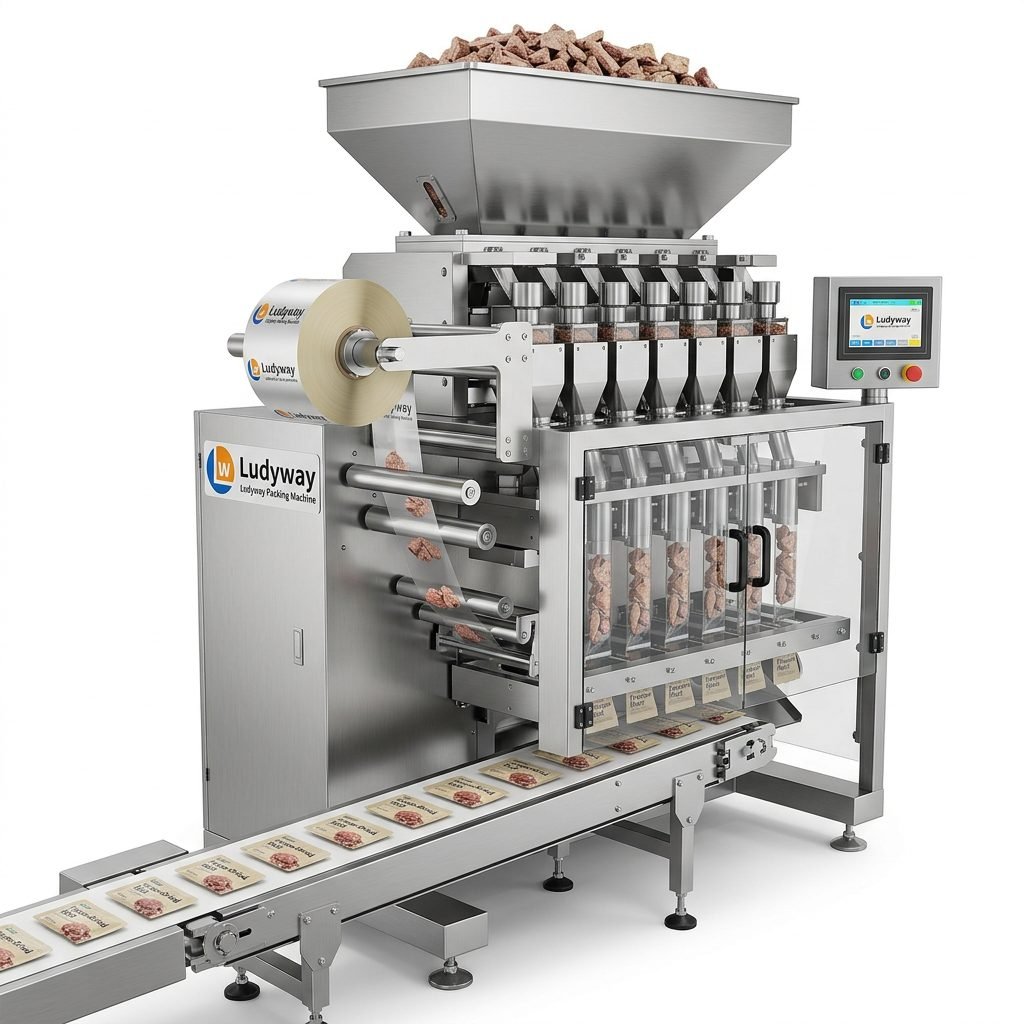
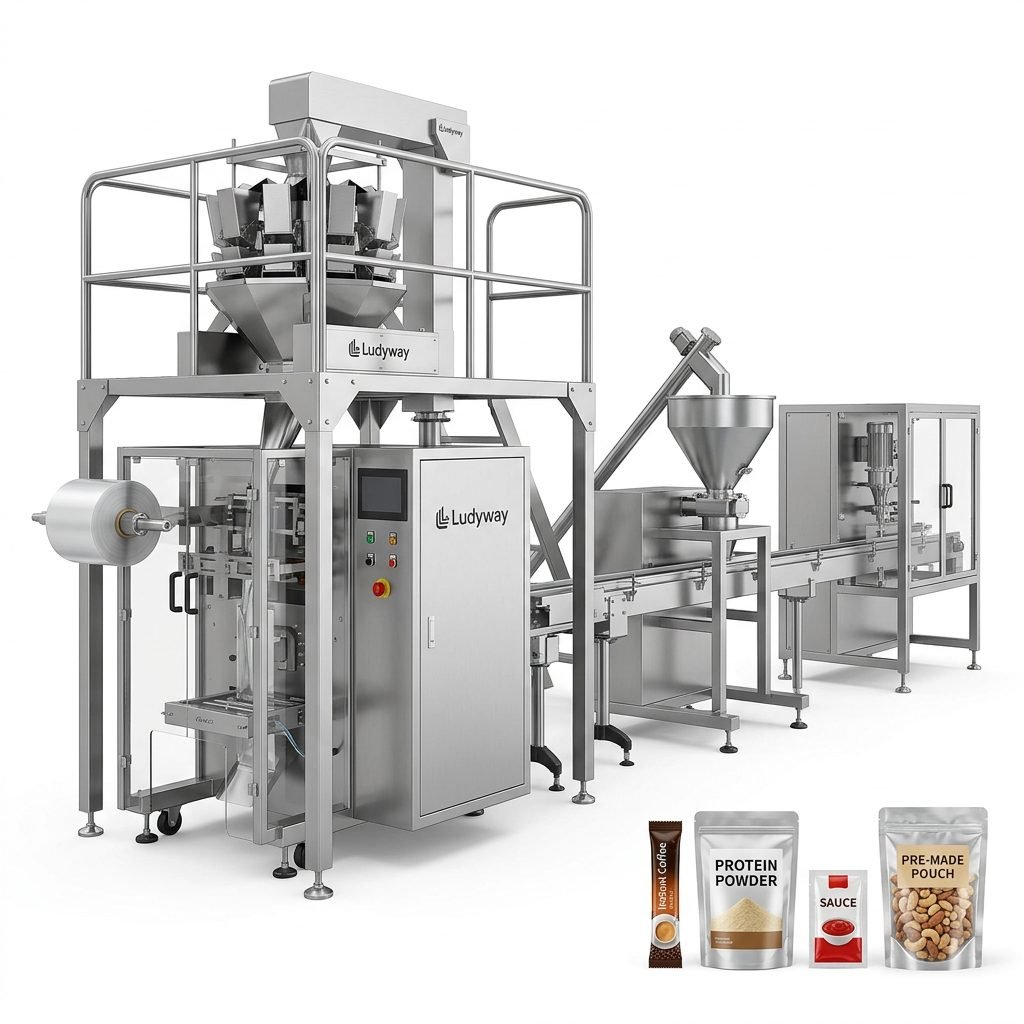
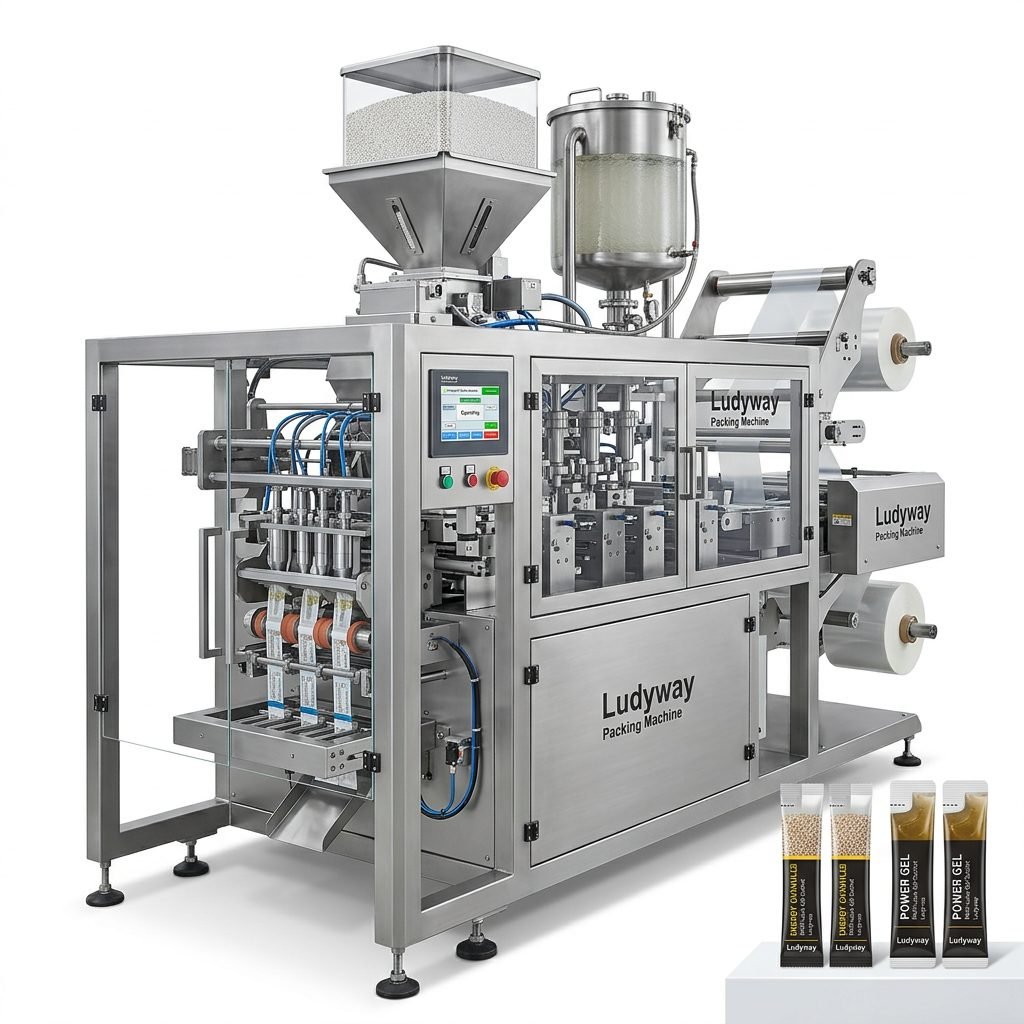
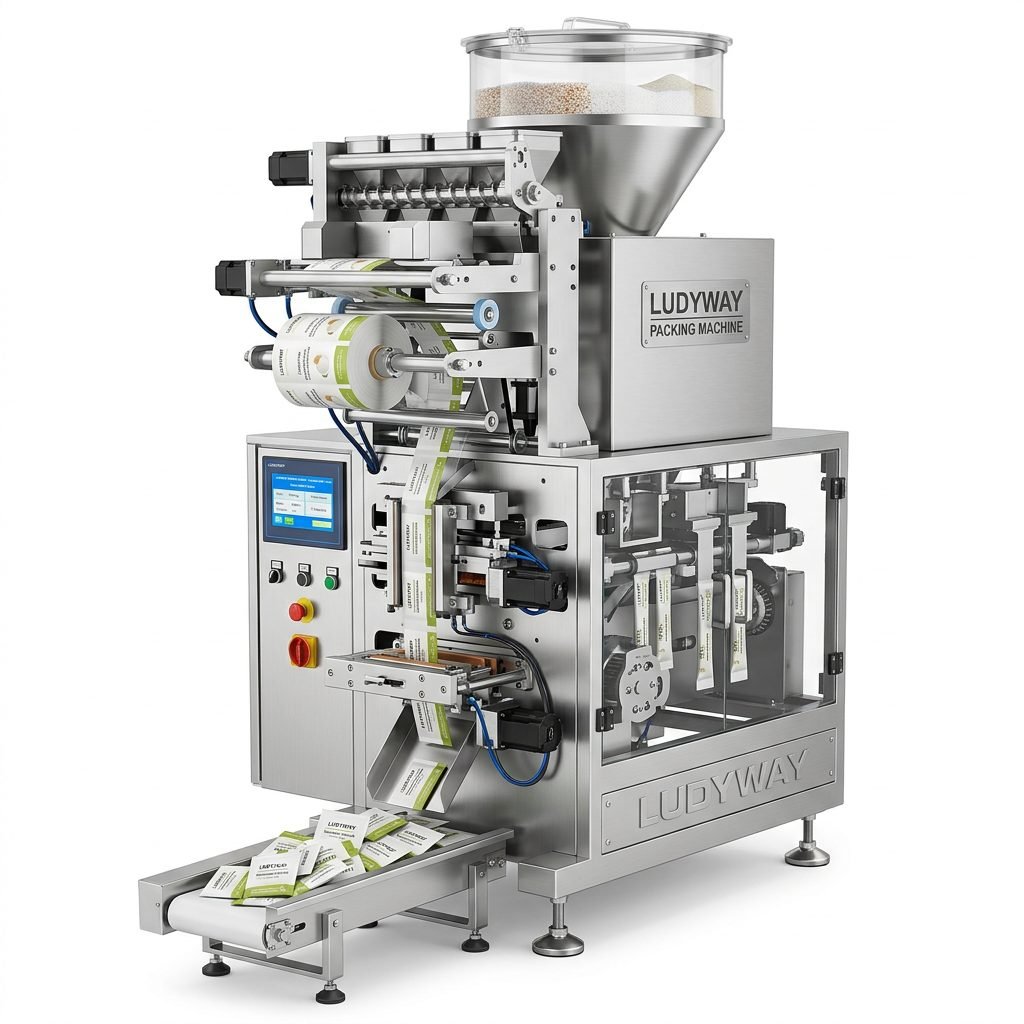
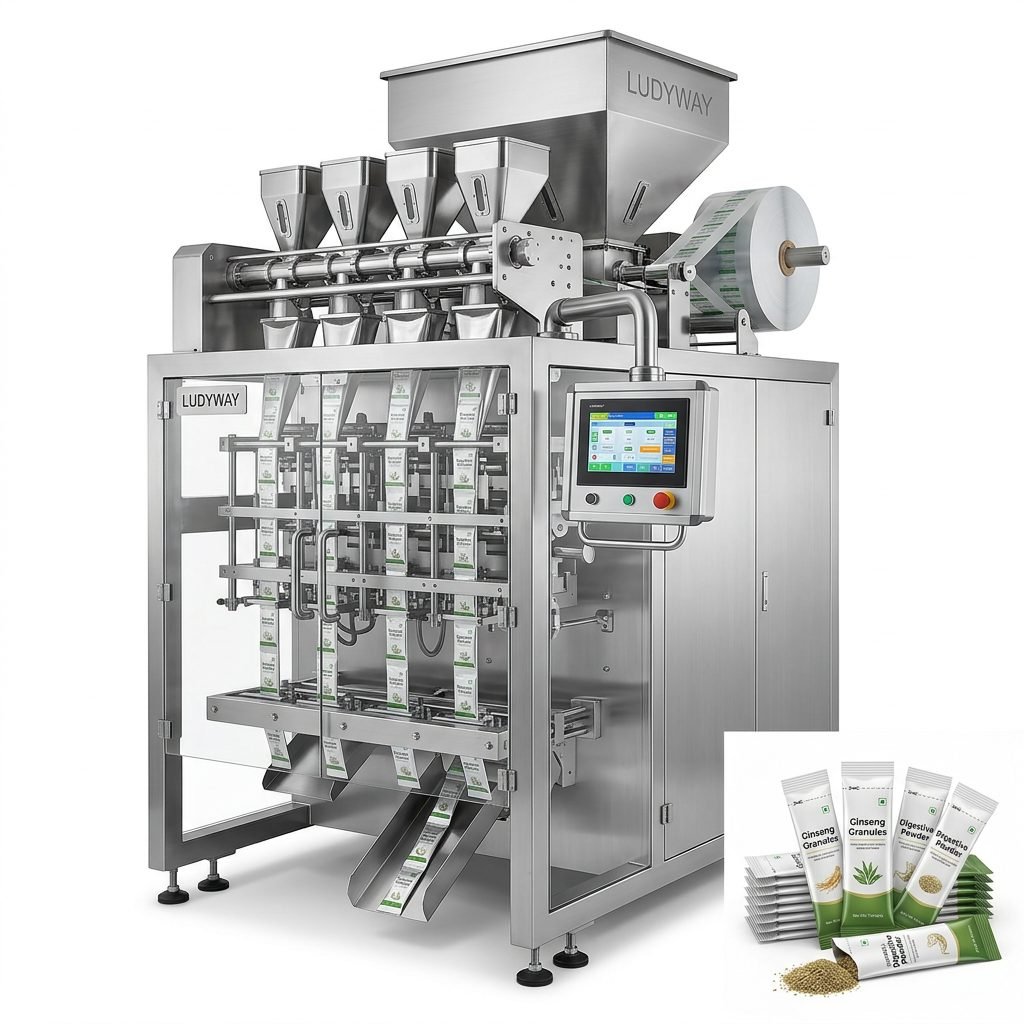
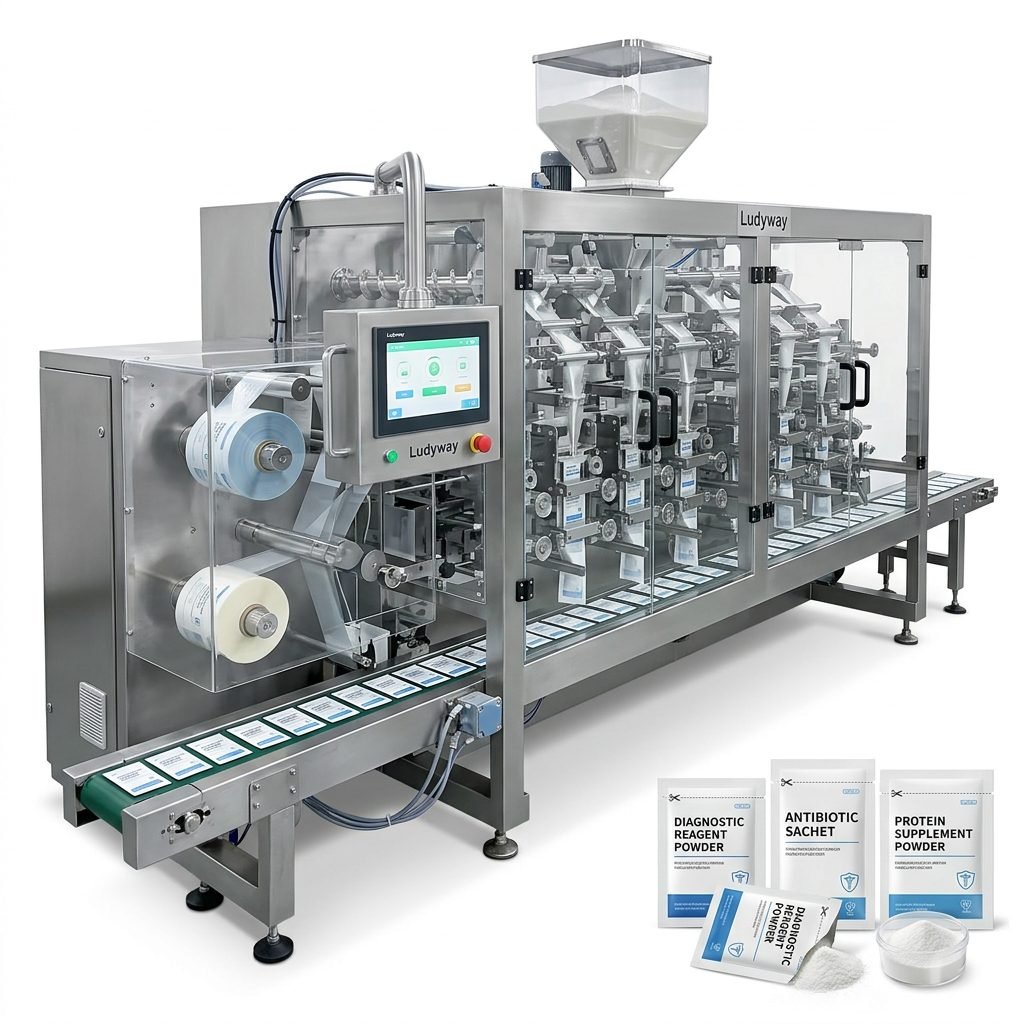
Choosing the right individual packaging machine is a critical decision that directly impacts your production efficiency, product quality, and operational costs. With a vast array of solutions available, from simple sachet machines to complex multi-lane stick pack systems, navigating the selection process can be daunting. This guide is designed to provide you with a structured framework to evaluate your needs and identify the perfect packaging solution for your specific production line.
Understanding Your Core Packaging Requirements
The first and most crucial step is a thorough internal assessment. Skipping this foundational analysis often leads to purchasing machinery that is either underpowered or unnecessarily complex and expensive.
Product Characteristics Analysis
Your product dictates the machine’s core functionality. Create a detailed specification sheet covering:
Physical Form: Is it a granule, fine powder, viscous liquid, paste, or solid piece? Each form requires different dosing mechanisms (e.g., auger fillers for powders, piston pumps for liquids, volumetric cups for granules).
Flow Properties: Does the product flow freely, or is it cohesive and sticky? This affects hopper design and anti-bridging requirements.
Sensitivity: Is it hygroscopic, heat-sensitive, or fragile? This may necessitate nitrogen flushing systems or gentle handling features.
Production Capacity & Output Goals
You must define clear, measurable output targets. Consider both current needs and future growth.
- Speed (Packages Per Minute): Calculate your required output based on shifts, days, and peak seasons.
- Batch Size: Do you run frequent, small batches of different products, or long, continuous runs of a single SKU? This influences changeover time requirements.
- Future Scalability: Will your output needs increase in 2-3 years? Investing in a slightly more capable machine can prevent a costly replacement later.
Packaging Materials & Format
The machine must be compatible with your chosen packaging material and the final bag style.
Film Type: Laminates (e.g., PET/AL/PE), monomaterials, recyclable plastics. The machine’s sealing jaws must generate the correct temperature and pressure for your material.
Bag Style: Decide on the format: standard sachet, stand-up pouch, stick pack, or pillow bag. Each requires specific forming tools.
Print Registration: If your film has pre-printed graphics, you need a machine with an accurate photoelectric registration system.
Key Technical Features to Evaluate
Once your requirements are clear, you can compare machines based on these essential technical aspects.
Dosing and Filling System Accuracy
This is the heart of the machine and the biggest factor in product give-away and compliance. Tolerance is critical, especially for expensive products.
- Auger Fillers: Ideal for powders and granules. Look for servo-driven augers for superior accuracy and easy recipe changeovers.
- Liquid Piston Pumps: Best for creams, pastes, and liquids. Ensure they are easy to disassemble for cleaning.
- Weighing Systems: For the highest precision, gross/net weigh scales are used, though they are slower than volumetric systems.
Always ask for a certified test report using your actual product to verify the machine’s claimed accuracy.
Machine Construction & Durability
A robust build ensures longevity, minimal downtime, and consistent performance.
Frame & Structure: Look for heavy-duty, machined frames rather than lightweight assemblies. Stainless steel (grade 304 or 316) contact parts are essential for food and pharmaceutical applications.
Drive System: Servo motors on all major axes (film pull, sealing jaws, dosing) provide smoother operation, higher accuracy, and easier maintenance compared to traditional mechanical drives.
Sealing Jaws: They should be sturdy, evenly heated, and easily replaceable. Constant-cooling jaws are needed for high-speed operations.
Automation & Control Systems
The control system is the machine’s brain. A user-friendly interface improves operator efficiency and reduces errors.
- HMI (Human-Machine Interface): A large, color touchscreen with intuitive navigation. Multi-language support is crucial for global operations.
- PLC (Programmable Logic Controller): A reputable brand (e.g., Siemens, Mitsubishi, Allen-Bradley) ensures reliability and access to service.
- Data Connectivity: Features like USB recipe storage, production data logging, and Ethernet connectivity for Industry 4.0 integration are increasingly important.
Beyond the Machine: The Total Solution Provider
Your relationship with the supplier is as important as the machine itself. You are buying a long-term production partner.
Supplier Expertise & Support
Evaluate the supplier’s depth of experience and their commitment to your success.
For instance, a partner like Ludyway Packing Machine brings over 30 years of industry experience to the table. This deep knowledge translates into an ability to understand complex production challenges and recommend truly effective solutions, not just sell a piece of equipment. They offer more than 50 intelligent packaging machine models, indicating a broad technical understanding across different applications.
Testing and Customization Capabilities
Never buy a machine sight-unseen with your product. A reputable supplier will insist on a factory acceptance test.
Pre-Purchase Testing: Insist on running your exact product and packaging material on the machine. Evaluate speed, accuracy, seal integrity, and ease of operation.
Custom Engineering: Standard machines often need tweaks. Does the supplier have the in-house engineering capability, like a 20,000㎡ manufacturing facility, to modify hoppers, add special feed systems, or integrate with your existing line?
After-Sales Service & Training
The quality of service defines your total cost of ownership. Detailed, clear training for your maintenance and operator teams is essential for a smooth startup and sustained operation. Ensure the supplier provides comprehensive manuals, video guides, and on-site training. Confirm the availability of local or responsive remote technical support, spare parts inventory, and clear warranty terms. A supplier with a history of long-term cooperation and innovation is more likely to be a reliable partner.
Financial Considerations & ROI Calculation
Look beyond the initial purchase price to the total lifetime value.
Total Cost of Ownership (TCO)
TCO includes the purchase price, installation, ongoing maintenance, spare parts, energy consumption, and potential downtime costs. A slightly more expensive but robust and reliable machine often has a lower TCO than a cheaper, less reliable alternative.
Calculating Your Return on Investment
Justify the investment by quantifying the benefits:
- Labor Savings: How many manual packing stations will this automate?
- Material Savings: Reduced product give-away from higher filling accuracy.
- Increased Output: Revenue generated from higher production capacity.
- Quality & Rejection Rate: Savings from reduced waste due to improved seal integrity and consistency.
Implementing Your New Packaging Line
Successful implementation requires careful planning. Develop a detailed project timeline with your supplier, covering delivery, installation, commissioning, and training. Plan for site preparation, including utilities (power, compressed air), floor space, and operator access. Run extensive trials with your team present to fine-tune settings and build confidence before full production begins.
Choosing the right individual packaging machine is a strategic investment. By methodically assessing your product and production needs, rigorously evaluating technical features and supplier capabilities, and understanding the total financial impact, you can select a solution that enhances your efficiency, protects your product quality, and grows with your business for years to come. Partnering with an experienced provider who acts as a true solution architect, like those focused on advanced packaging equipment and turnkey production solutions, is the final key to unlocking a successful automation project.
Frequently Asked Questions (FAQs)
What is the most important factor when choosing an individual packaging machine?
The single most important factor is achieving a perfect match between your specific product characteristics and the machine’s dosing and filling system. Accuracy, consistency, and the ability to handle your product without degradation are paramount. Always conduct a live test with your actual product before purchasing.
How do I determine the speed (PPM) of machine I need?
Calculate your required average daily output in packages, then factor in your number of shifts and an efficiency buffer (typically 75-85%). Divide this by the operational minutes per shift to get your target PPM. It’s often wise to choose a machine with a 15-20% higher maximum speed than your current need to accommodate future growth and peak demand.
What is the difference between a servo-driven and a mechanical machine?
Servo-driven machines use independent, programmable electric motors for each motion (film pull, sealing, filling). They offer higher precision, smoother operation, quicker changeovers, and simpler maintenance compared to traditional mechanical machines that use cams, gears, and shafts. Servo technology is now considered standard for mid-to-high-range equipment.
Why is supplier after-sales support so critical?
Even the best machine will require maintenance, occasional spare parts, and software updates. The quality and speed of the supplier’s technical support directly affect your production uptime and total operating costs. A supplier with a strong global support network, available spare parts, and responsive service engineers is a vital asset.
Can one machine handle different packaging sizes and products?
Yes, most modern machines are designed for quick changeover. However, the ease and time required vary. Look for features like tool-less change parts, digital recipe storage (where all settings are saved per product), and servo adjustments. If you have frequent changeovers, this should be a top priority in your evaluation.