Investing in a dairy packaging machine is a critical decision for any dairy processor or manufacturer in Oceania. Whether you’re packaging milk powder, cheese, yogurt, or butter, the right equipment significantly impacts your product’s shelf life, brand presentation, and operational efficiency. This guide breaks down the essential types, costs, and key considerations to help you make an informed purchase.
Understanding the Oceania Dairy Packaging Landscape
The dairy industry in Australia and New Zealand is renowned for its high quality and stringent safety standards. From large-scale cooperatives to boutique artisan producers, the demand for flexible and reliable packaging solutions is growing. Selecting a machine that complies with local food safety regulations and can handle the unique characteristics of dairy products—such as moisture sensitivity and varying viscosities—is non-negotiable.
Main Types of Dairy Packaging Machines
Choosing the correct machine type depends entirely on your product format and production scale. Below is a breakdown of the most common systems used in Oceania’s dairy sector.
1. Liquid Milk and Beverage Filling Machines
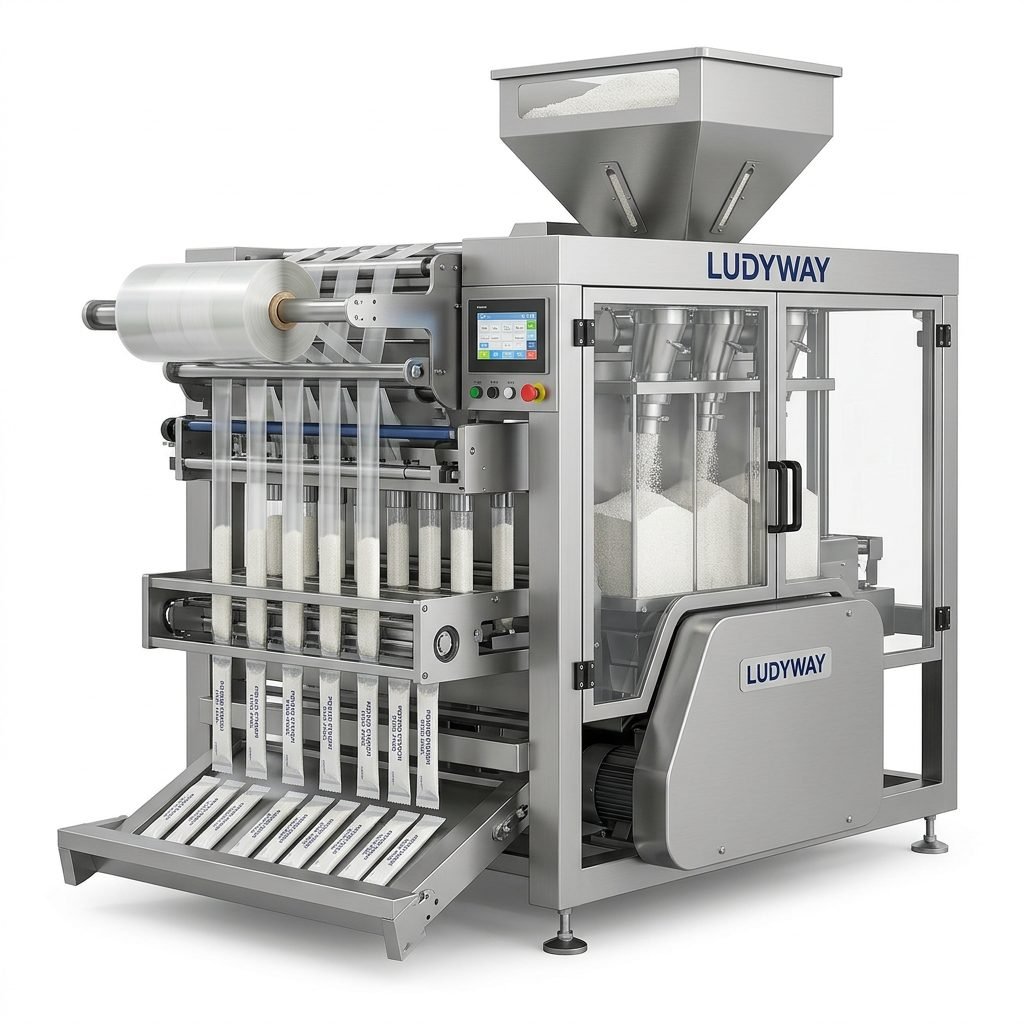
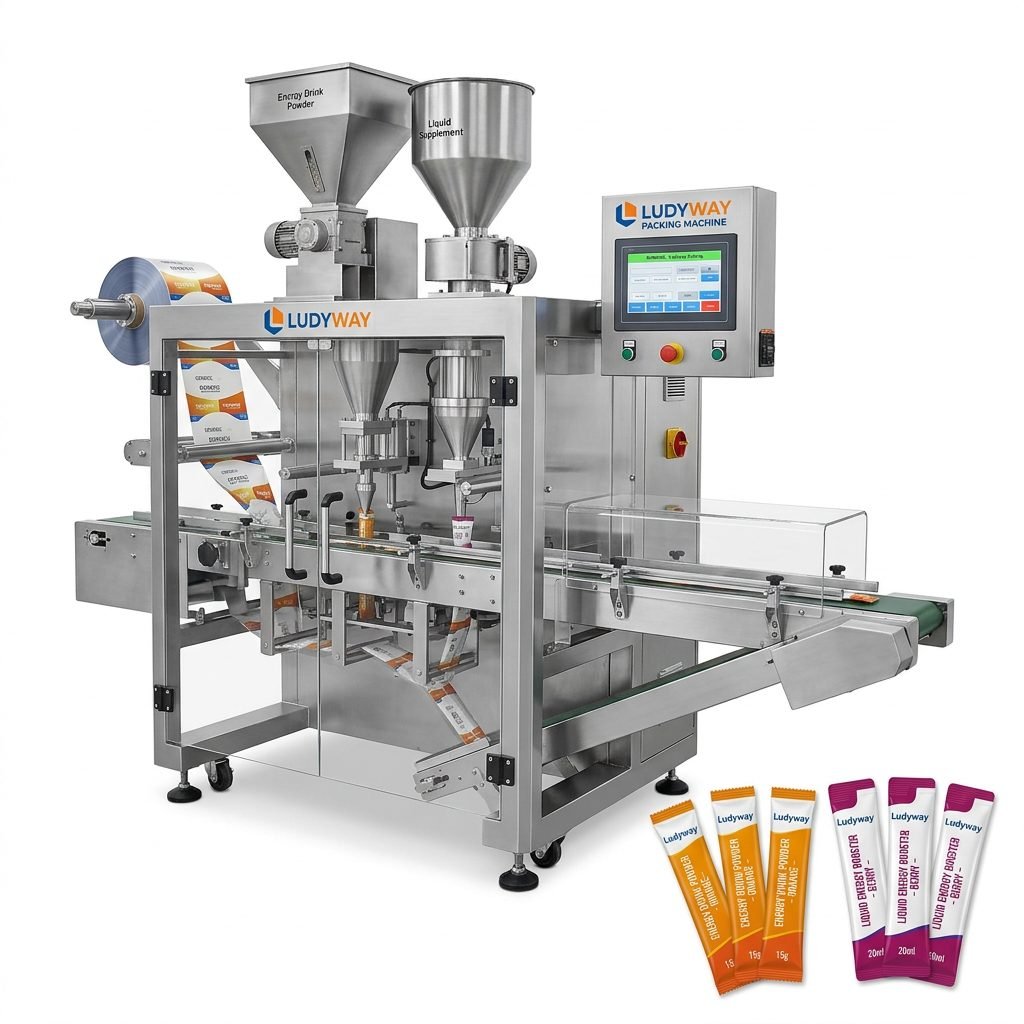
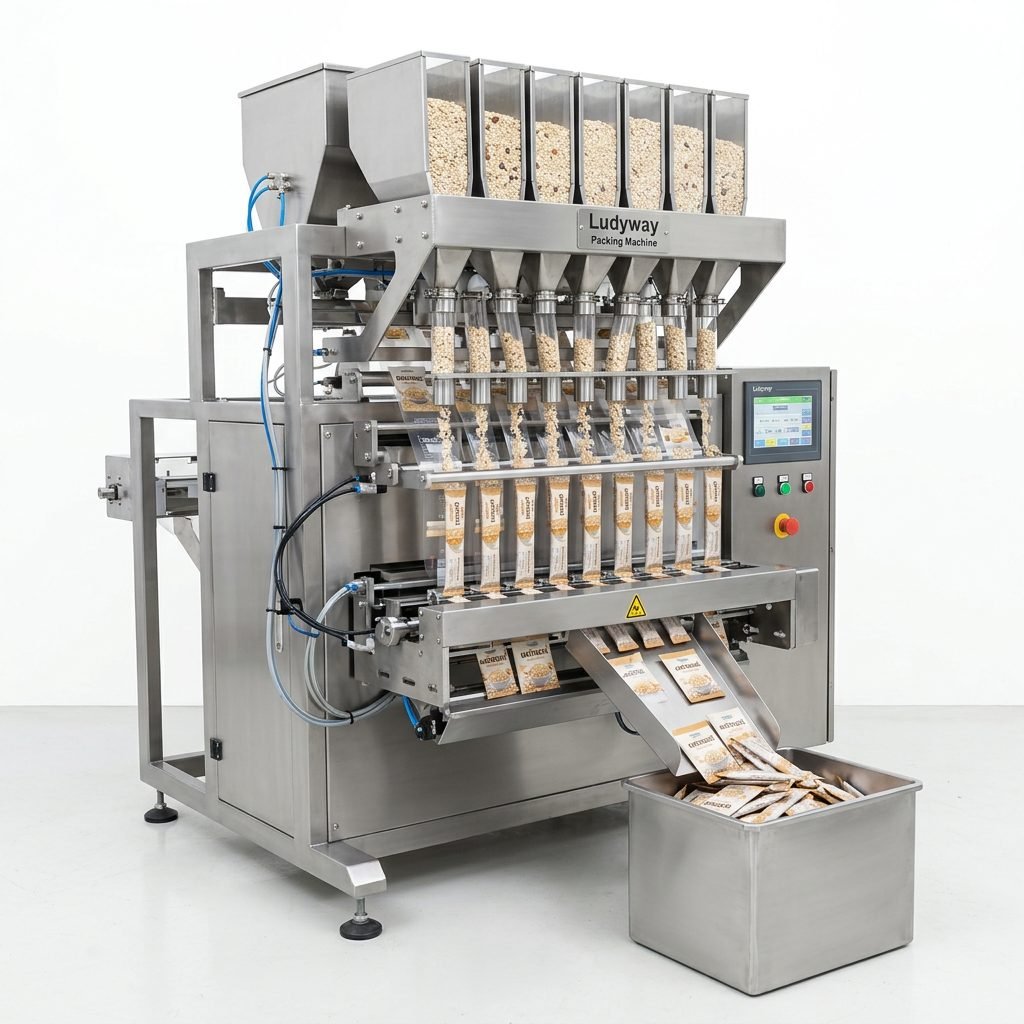
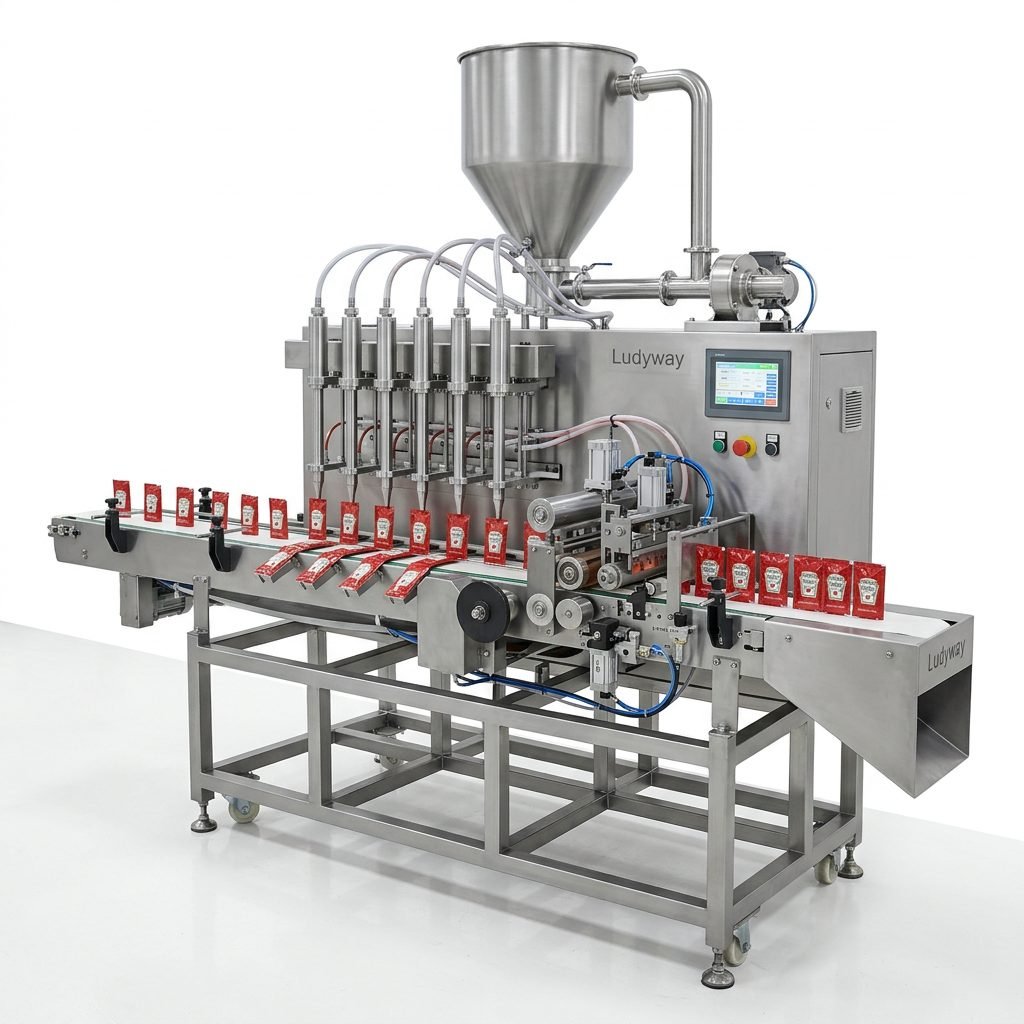
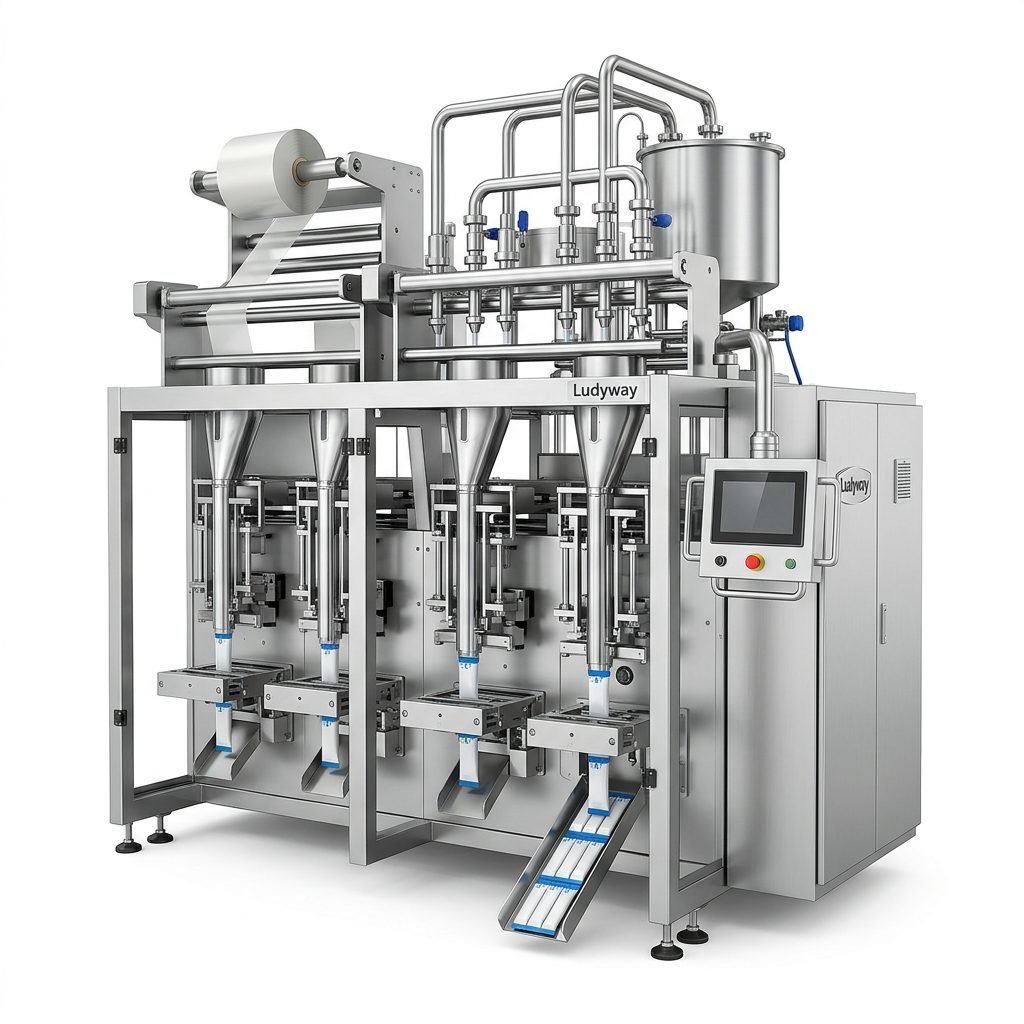
For fresh milk, flavored milk, and dairy-based drinks, liquid filling machines are essential. These range from simple gravity fillers to advanced aseptic filling systems. Multi-lane stick pack machines are increasingly popular for single-serve flavored milk concentrates and coffee creamers, offering high-speed output and portion control.
2. Milk Powder and Infant Formula Packaging Lines
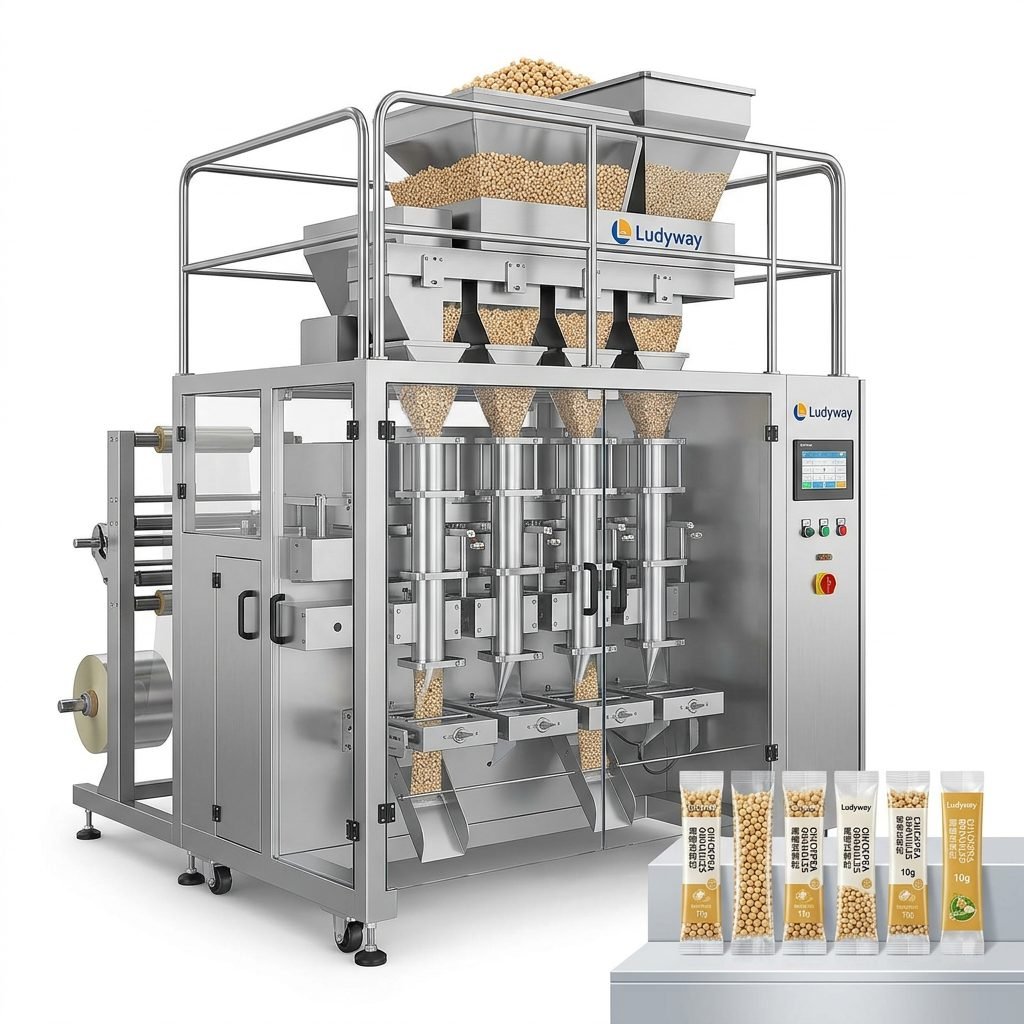
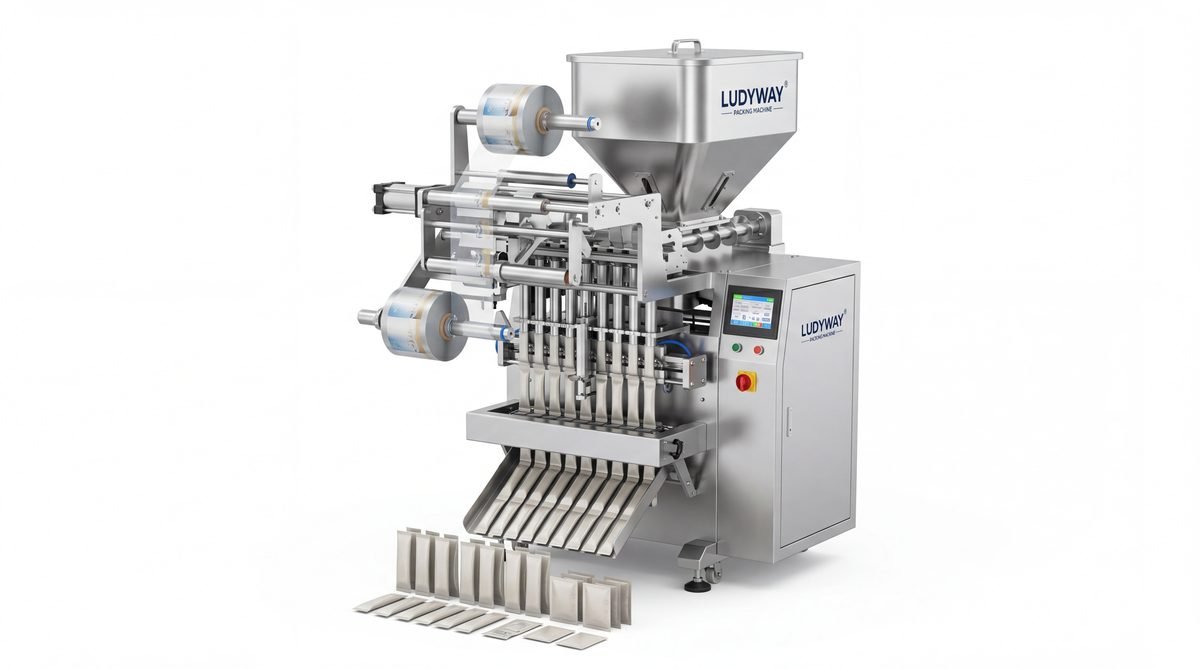
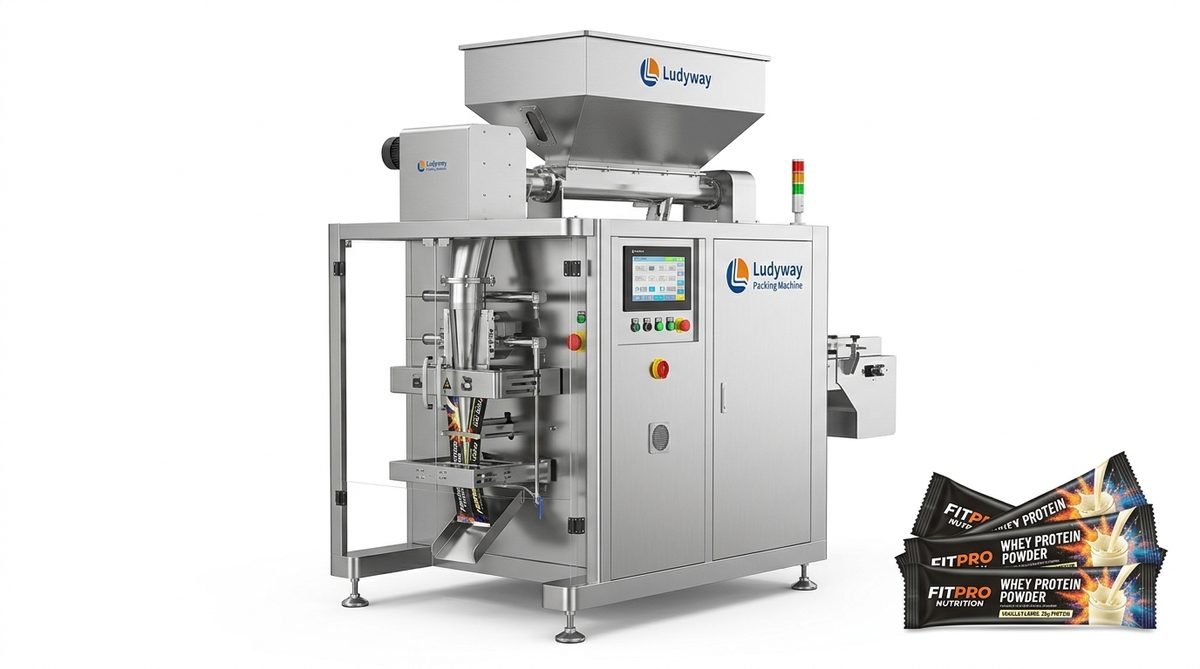
Powdered dairy products require precision-filling equipment to prevent spillage and ensure airtight seals. Multi-lane stick pack machines and sachet packaging systems are ideal for milk powder sticks and protein supplements. These systems often integrate auger fillers or multi-head weighers for exact portioning, crucial for maintaining nutritional consistency.
3. Cheese and Butter Wrapping and Sealing Systems
Cheese blocks, slices, and shredded cheese demand modified atmosphere packaging (MAP) or vacuum sealing to prolong shelf life. Butter packaging lines often involve form-fill-seal (FFS) machines that wrap portions in foil or parchment, complete with cartoning systems at the end of the line. For specialty cheeses, vacuum chamber machines are commonly used to preserve texture and prevent mold growth.
4. Yogurt and Dairy Dessert Cup Filling and Sealing
Yogurt packaging lines in Oceania frequently use pre-formed cups. These automated systems handle cup dispensing, filling, foil sealing, and date coding. Sachet stick pack machines are also viable for drinkable yogurt concentrates and probiotic shots, aligning with the on-the-go consumption trend in urban centers.
Estimated Costs and Budgeting Factors
The cost of dairy packaging machinery in the Oceania market varies widely based on automation levels, speed, and configuration. Below is a general pricing guide for different machine categories.
| Machine Type | Estimated Price Range (USD) | Key Features |
|---|---|---|
| Semi-Automatic Liquid Filler | $5,000 – $20,000 | Suitable for small dairies, manual loading, basic controls |
| Multi-Lane Stick Pack Machine | $45,000 – $150,000+ | High-speed, 4-16 lanes, integrated weighing, ideal for powders |
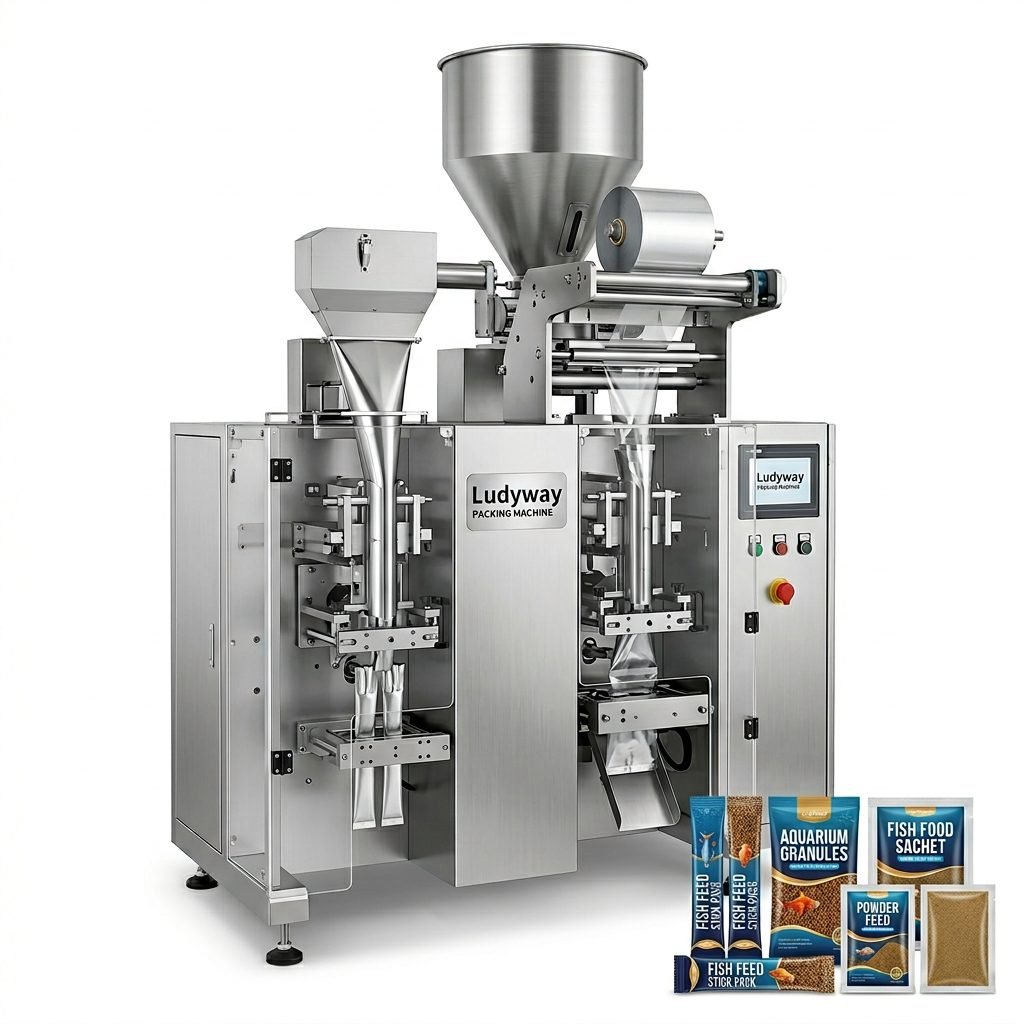
| Form-Fill-Seal Pouch Machine | $35,000 – $120,000 | Versatile for shredded cheese, milk powder, multiple bag styles |
| Complete Yogurt Cup Filling Line | $80,000 – $300,000+ | Fully automatic, cup dispenser, foil seal, coder, high throughput |
| Vacuum Packaging Machine | $8,000 – $55,000 | Chamber or nozzle type, essential for cheese blocks and butter |
Additional costs include freight to Oceania, import duties, local installation and commissioning, spare parts inventory, and operator training. It is advisable to request a detailed CIF (Cost, Insurance, and Freight) quote when evaluating overseas suppliers.
Key Considerations for Dairy Packaging Selection
Before finalizing a purchase, evaluate these critical factors to ensure long-term success in the Oceania market.
Hygiene and CIP (Clean-in-Place) Compatibility
Dairy machinery must meet rigorous hygiene standards. Stainless steel 304 or 316L construction, sloped surfaces, and IP65 or higher wash-down ratings are essential. Machines designed with CIP systems reduce downtime and guarantee that product contact parts are sterilized without disassembly.
Precision Filling and Product Integrity
Accurate dosing is vital for both regulatory compliance and cost control. For milk powder, a servo-driven auger filler combined with an automatic checkweigher ensures every pouch meets the labeled weight. For liquids, sanitary piston fillers or magnetic flow meters provide consistent volumes without dripping.
Packaging Material Compatibility
Oceania processors often prefer multi-layer laminates with high barrier properties to protect dairy fats from oxidation and moisture. Verify that the machine’s sealing jaws and film tracking system are compatible with the specific thickness and type of your packaging material. Metalized films, for example, require precise temperature control to prevent burn-through or weak seals.
Automation and Line Integration
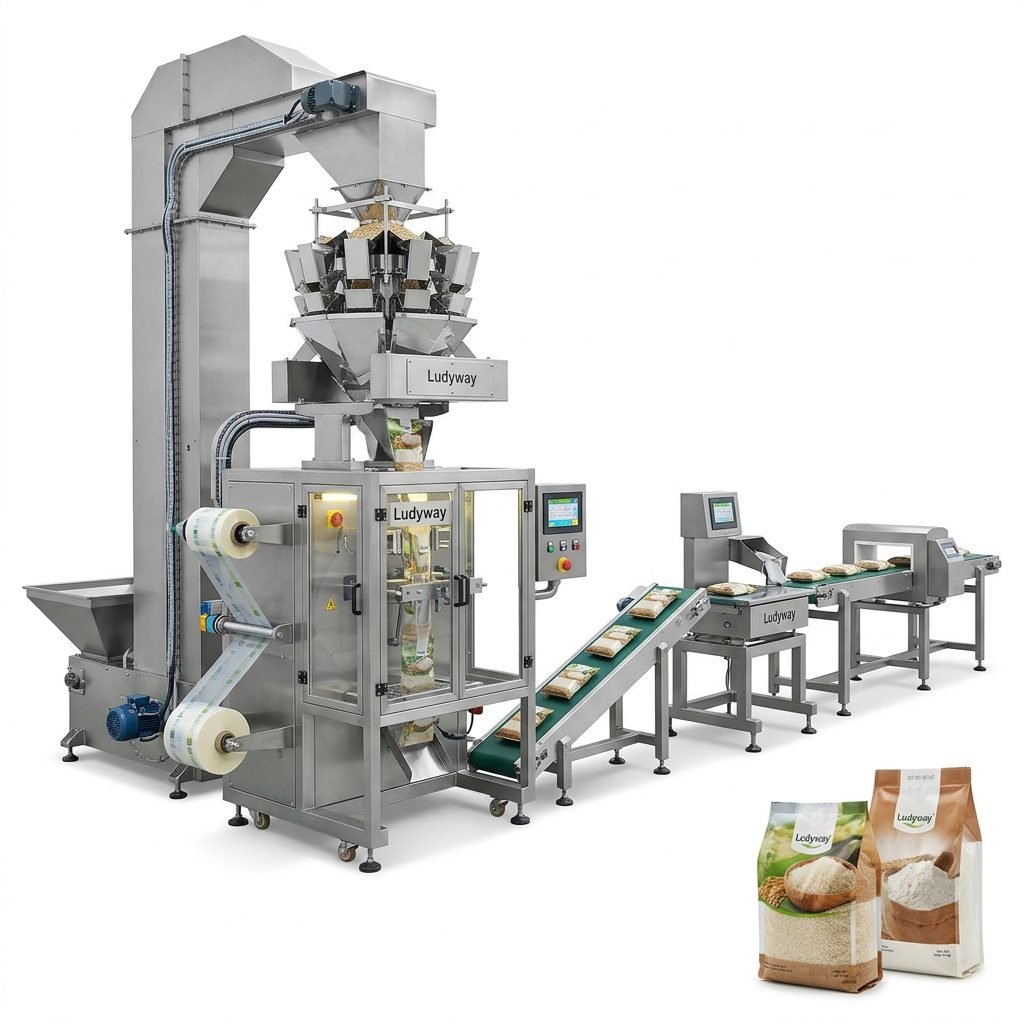
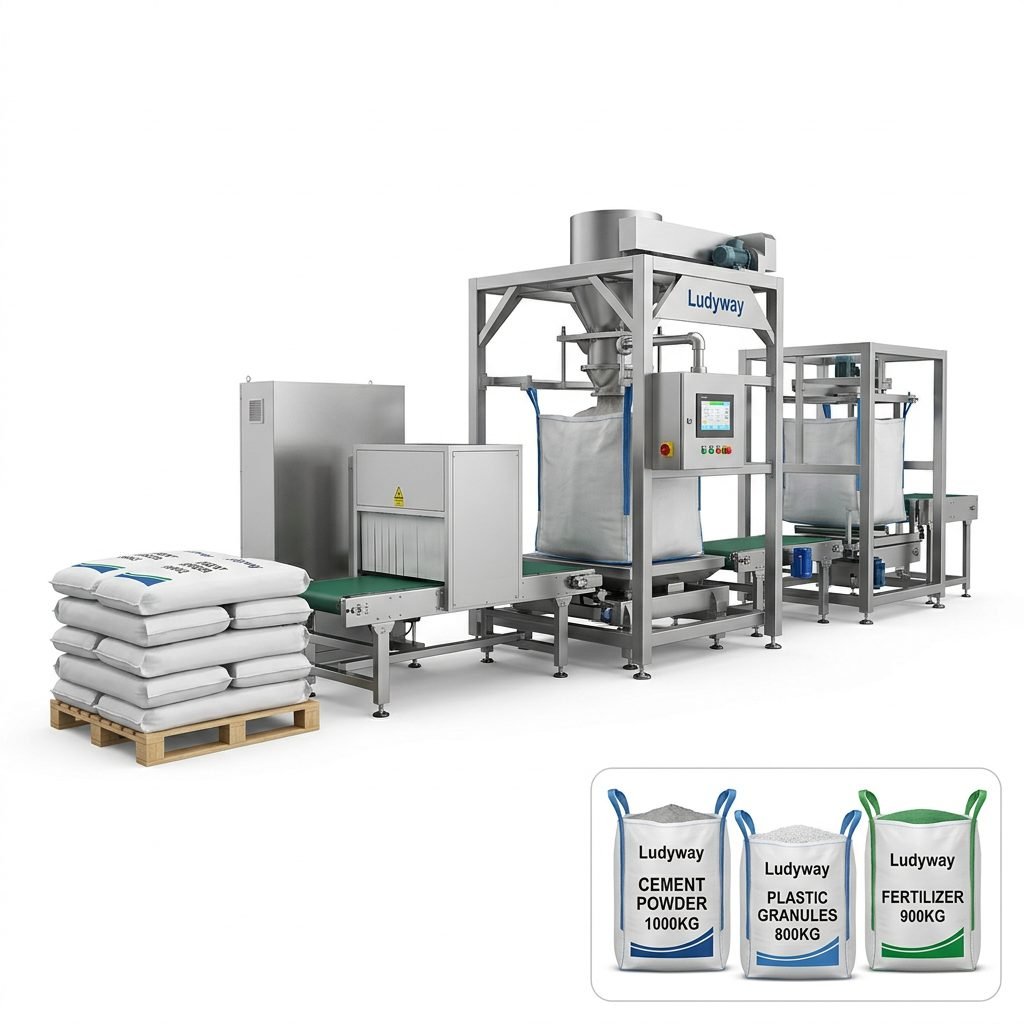
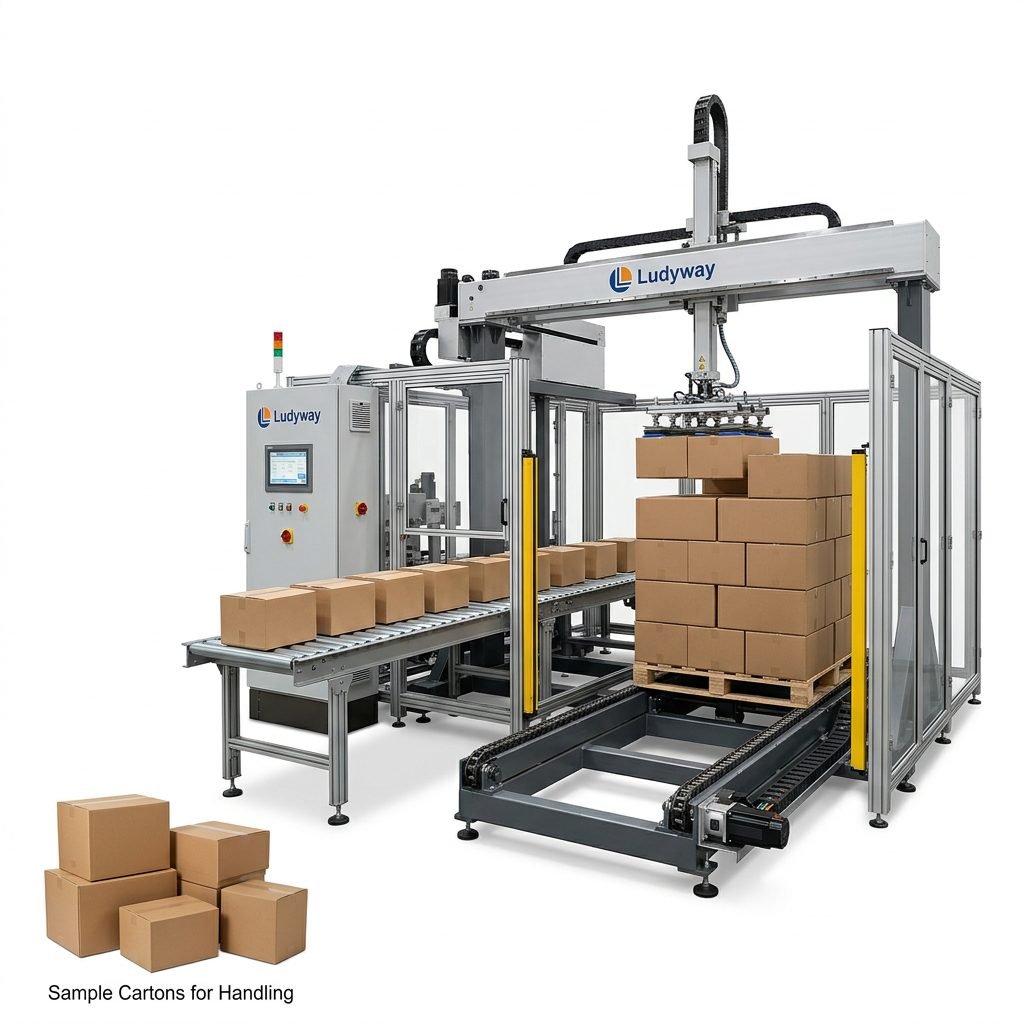
A stand-alone machine is often not enough. Look for a supplier capable of integrating your dairy filler with upstream processing equipment and downstream case packers or palletizers. A complete turnkey production line reduces the complexity of managing multiple vendors and ensures seamless communication between all modules.
After-Sales Support and Spare Parts
Given Oceania’s distance from major manufacturing hubs, responsive technical support is crucial. Prioritize manufacturers that offer remote diagnostics, readily available spare parts, and local service agents or partners in Australia and New Zealand. Ludyway, with its extensive experience serving customers in over 100 countries, including Oceania, provides comprehensive technical support and customized granule packaging machines for dairy applications, ensuring that help is always accessible.
Regulatory Compliance and Certifications
Ensure your chosen machine meets relevant international and local standards. Key certifications to look for include:
- CE Marking for European safety and health standards.
- ISO 9001 quality management system certification.
- FSSC 22000 or ISO 22000 for food safety management systems.
- Compliance with Food Standards Australia New Zealand (FSANZ) packaging requirements.
- FDA compliance for any re-export opportunities to the United States.
Final Recommendations
Choosing a dairy packaging machine in Oceania requires a balance between upfront investment and long-term operational efficiency. Prioritize hygienic design, precision filling, and supplier reliability. Whether you are upgrading a single machine or installing a complete sachet and stick pack production line, a methodical evaluation of these factors will protect your brand and profitability.
Explore PMMI State of the Industry Reports |
Flexible Packaging Association Resources