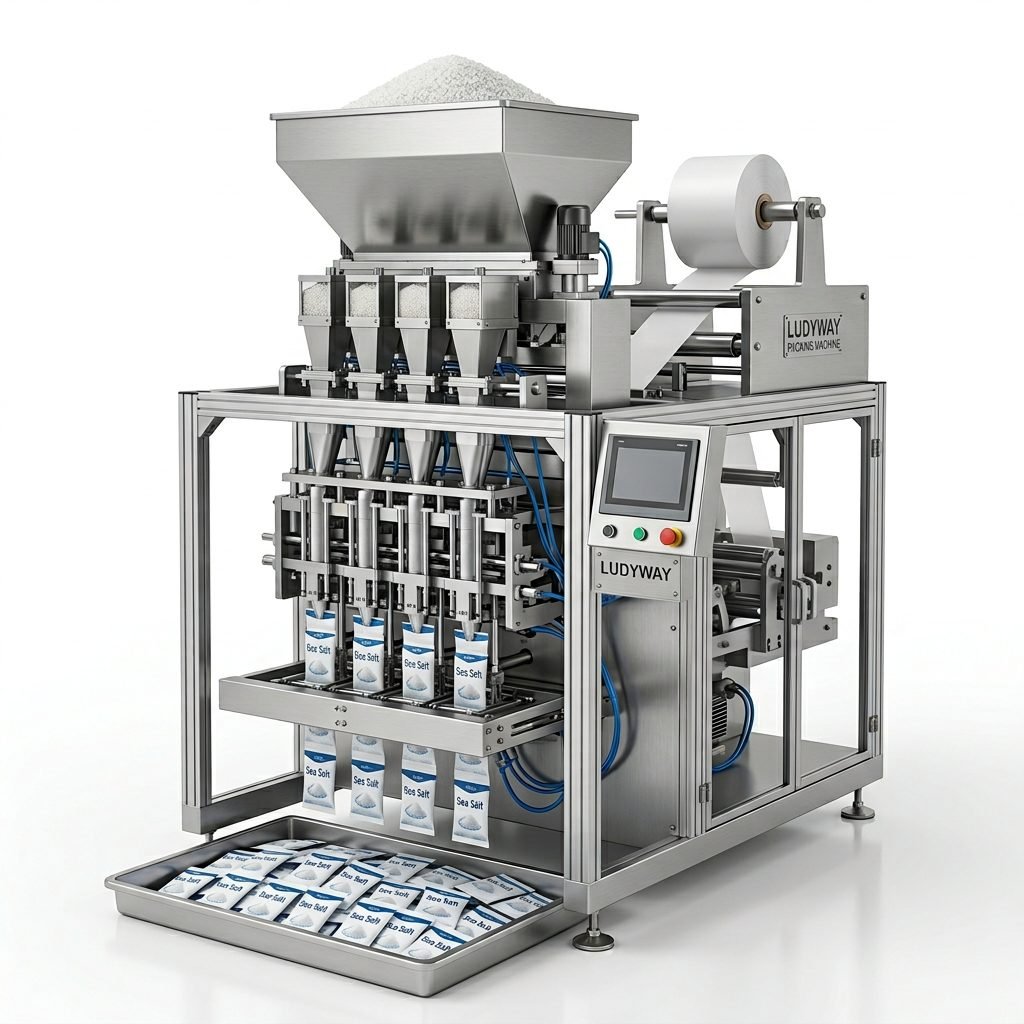
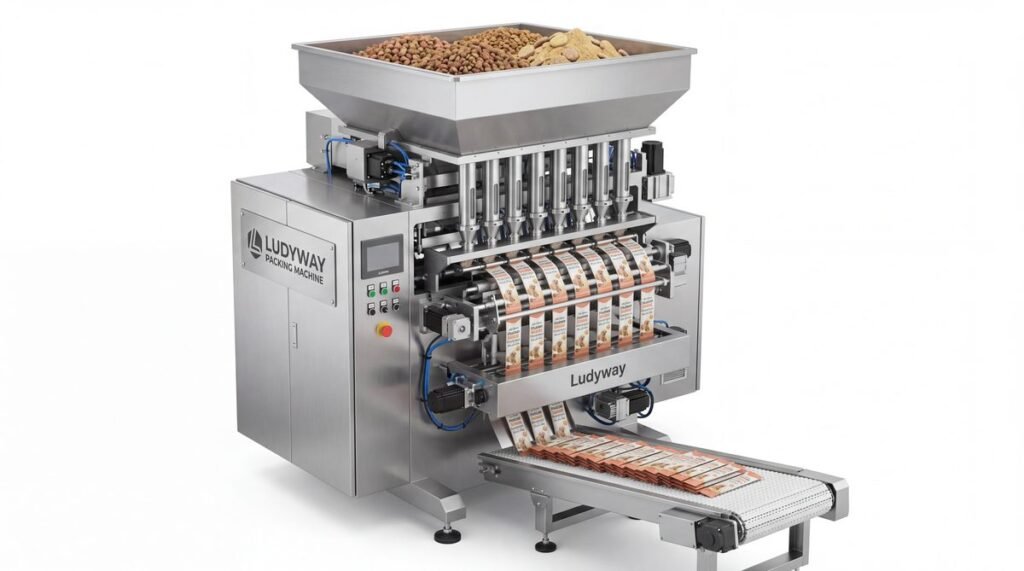
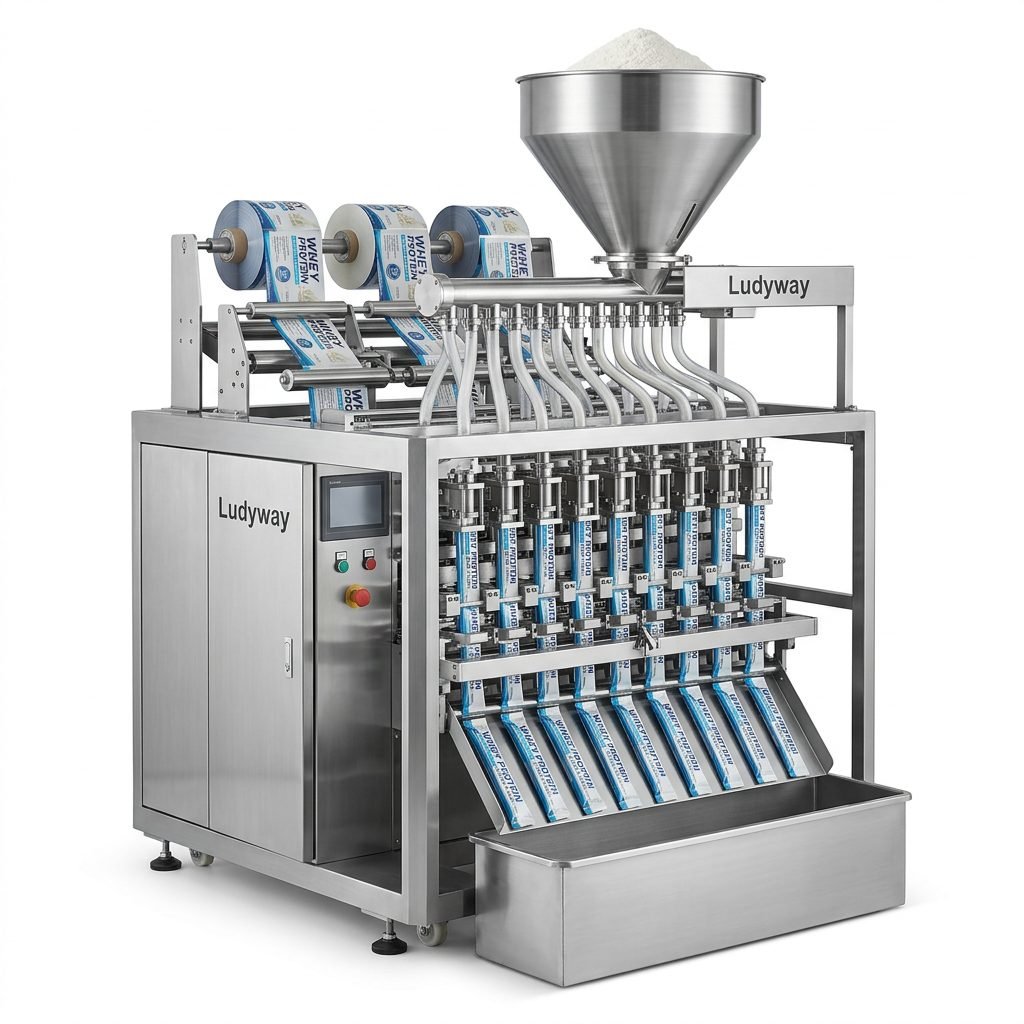
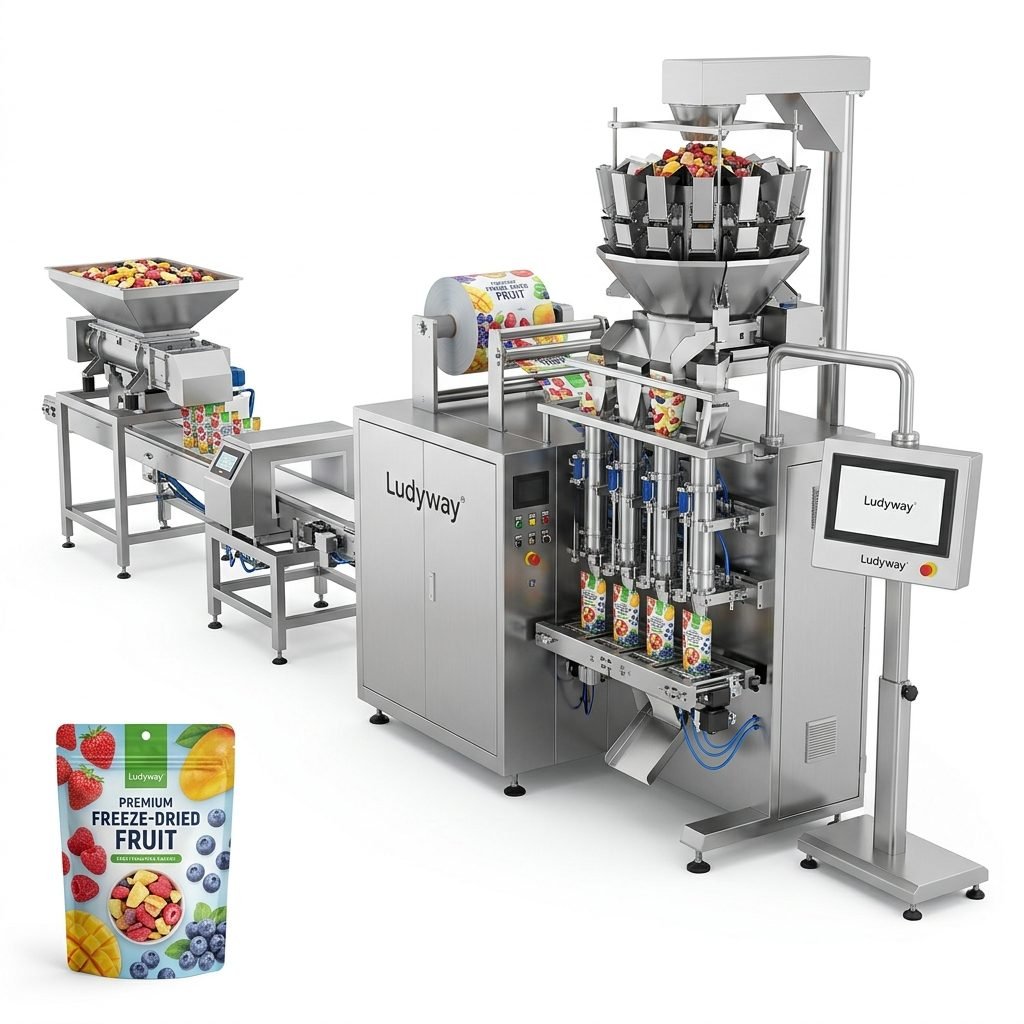
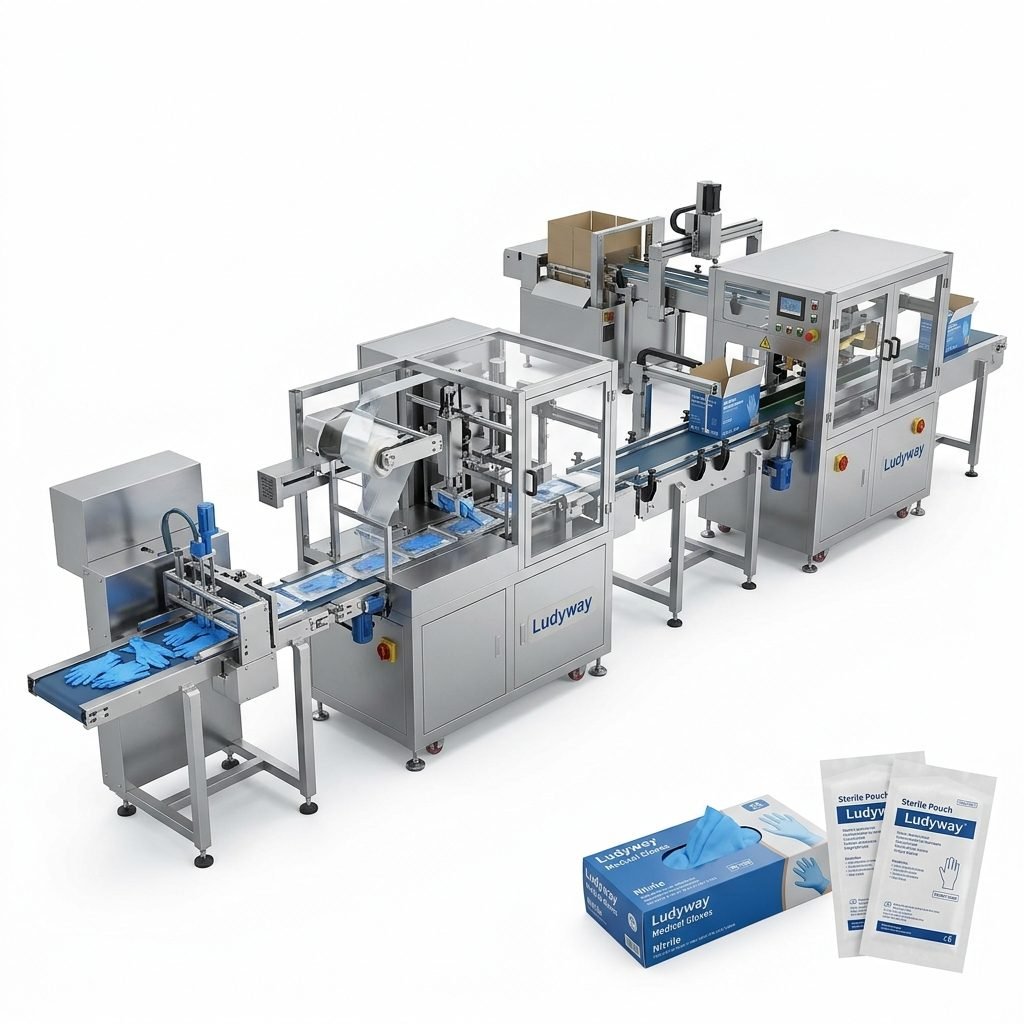
Choosing the right dairy products packaging machine is a critical decision that directly impacts your production efficiency, product quality, and overall profitability. The market offers a vast array of automatic solutions, from basic sachet fillers to complex multi-lane stick pack systems. Navigating this landscape requires a clear understanding of your specific needs, the capabilities of different machines, and the long-term goals of your production line.
Understanding Your Packaging Requirements
The first step in selecting the best machine is a thorough analysis of your packaging requirements. This goes beyond simply knowing your product type.
Key Factors to Consider:
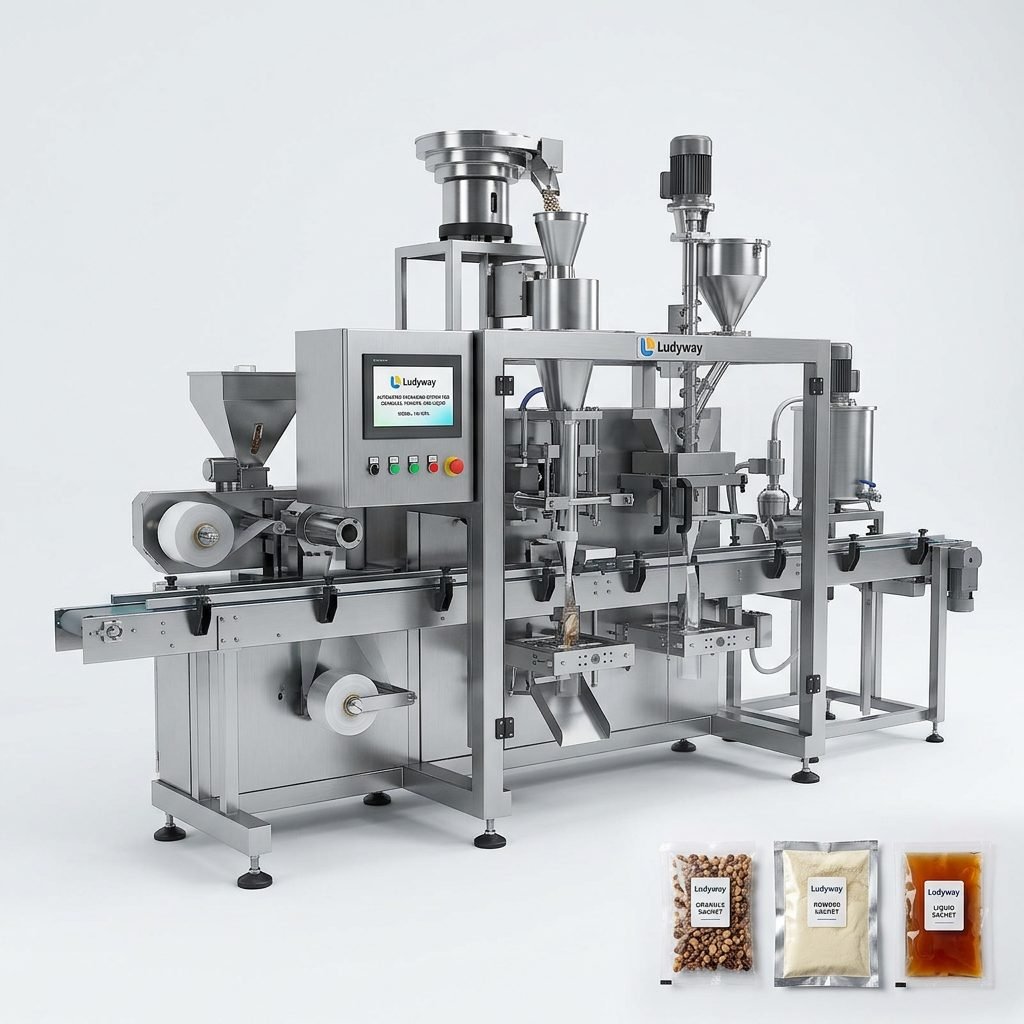
Product Type & Form: Is your dairy product a liquid (milk, yogurt drink), a viscous paste (cream cheese, condensed milk), a powder (milk powder, whey protein), or granules? Each form requires different filling mechanisms—piston pumps for liquids, auger systems for powders, and volumetric fillers for granules.
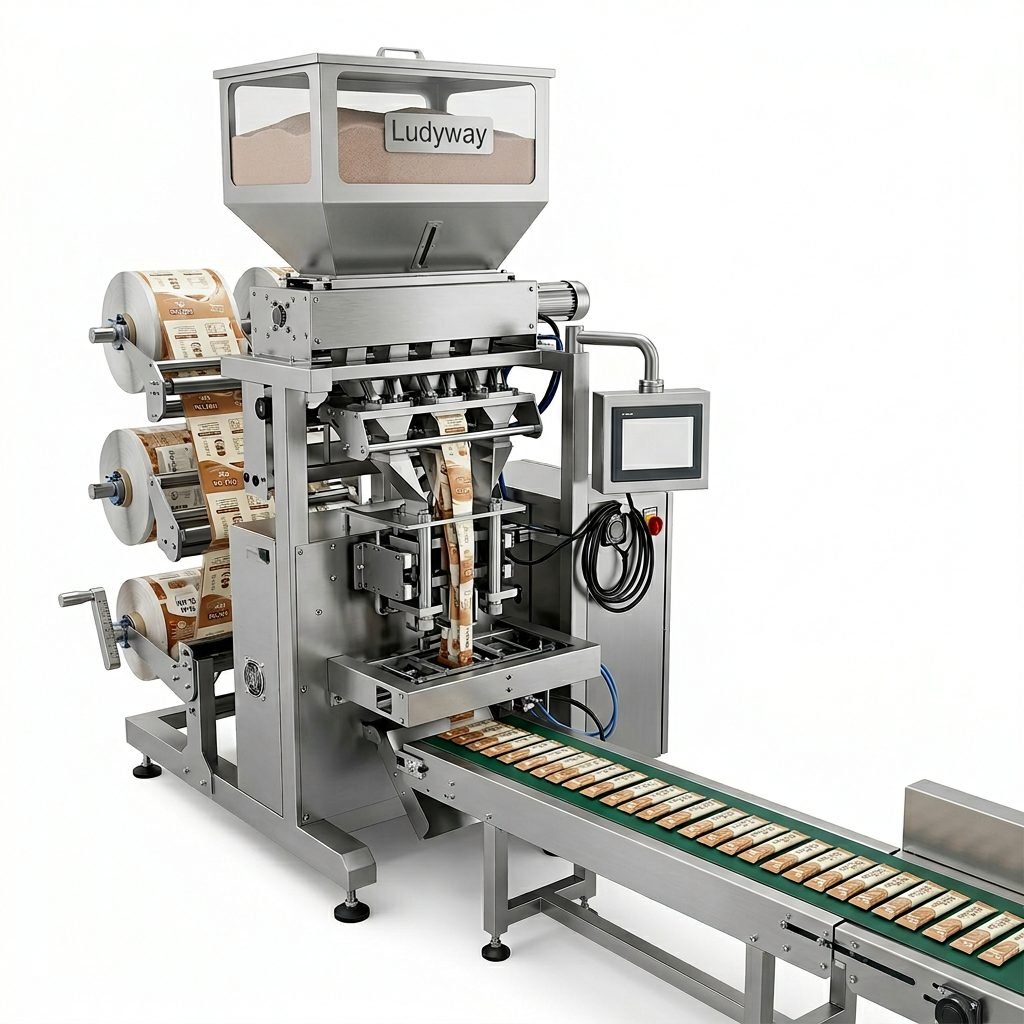
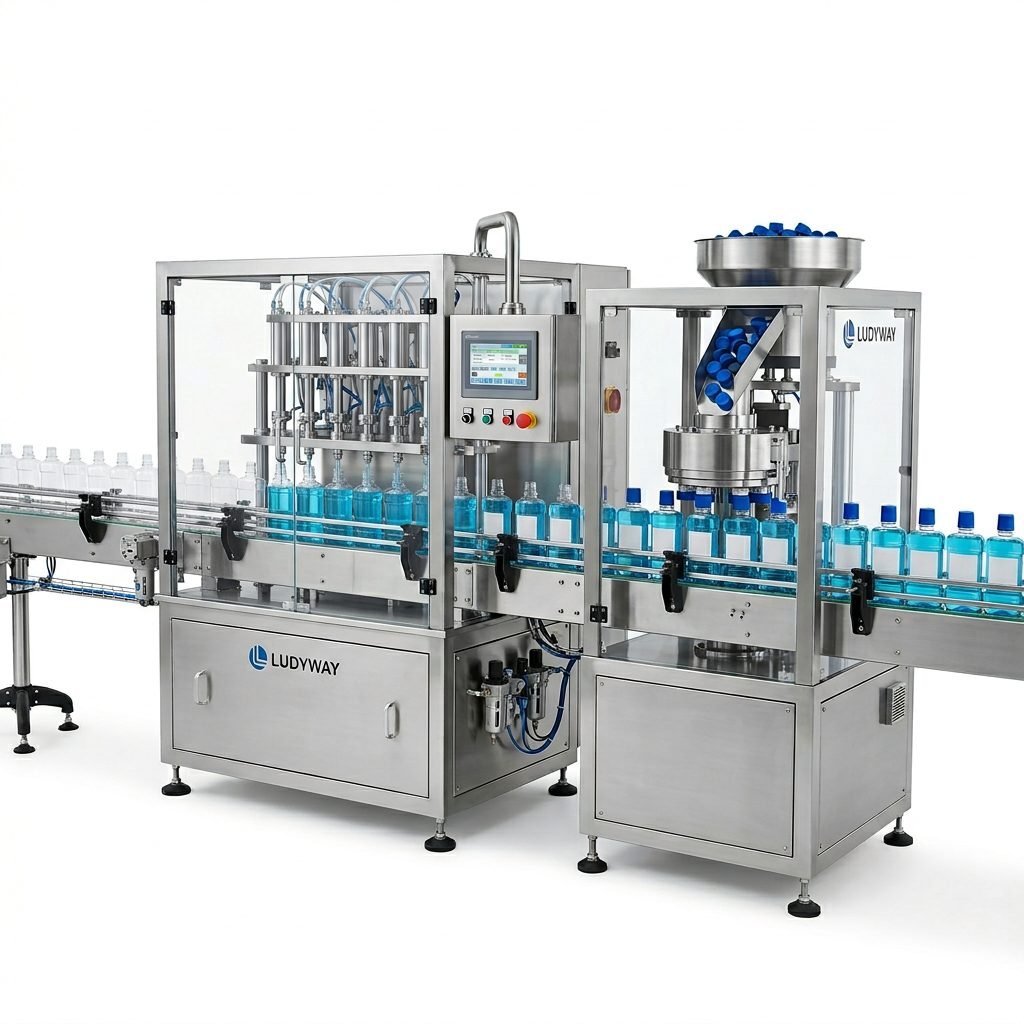
Packaging Format: Determine your final package: sachets, stick packs, pouches, cups, or bottles. The machine must be compatible with your chosen material (plastic film, laminate) and shape.
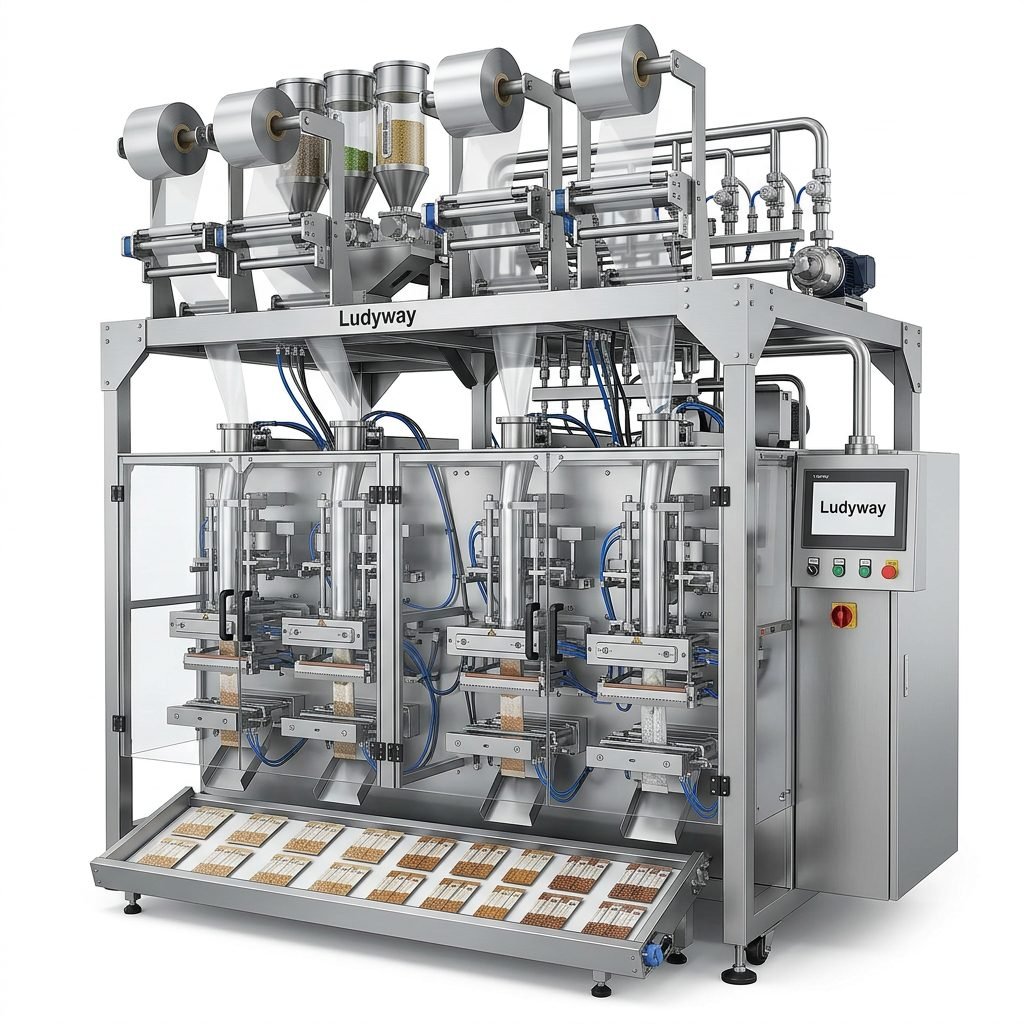
Production Speed & Output: Calculate your required output in packs per minute (PPM) or per hour. This will dictate whether you need a single-lane machine or a high-speed multi-lane packaging system.
Operational Environment: Consider hygiene standards (e.g., CIP – Clean-in-Place requirements), available space, and the skill level of your operators.
Core Features of Automatic Dairy Packaging Machines
Modern automatic solutions are engineered for precision, speed, and reliability. Here are the essential features to evaluate.
1. Precision Filling System
The heart of any packaging machine is its filling system. Accuracy is paramount to avoid giveaways or underfills, which affect cost and customer satisfaction.
- Piston Fillers: Ideal for liquids and semi-liquids. Offer excellent accuracy and handle products with particulates well.
- Auger Fillers: Best suited for powders and fine granules. Precision depends on auger design and control systems.
- Volumetric Cup Fillers: Used for free-flowing granules and powders. Simpler but may require frequent calibration.
- Net Weight Fillers: The most accurate, using a scale for each fill. Suitable for high-value products but at a higher cost and slower speed.
2. Machine Flexibility & Changeover
Can the machine handle different package sizes or products? Quick changeover mechanisms for film width, fill volume, and product type reduce downtime when switching production lines.
3. Hygiene & Sanitation Design
Dairy products demand high hygiene standards. Look for machines with:
✔ Smooth, easy-to-clean surfaces (often stainless steel).
✔ Minimal crevices where product can accumulate.
✔ Integrated CIP or easy disassembly for manual cleaning.
4. Control System & User Interface
A modern, intuitive HMI (Human-Machine Interface) allows for easy parameter setting, recipe storage, and troubleshooting. PLC-based controls offer reliability and programmability.
5. Integration Capabilities
The best machine should seamlessly integrate into your existing line—with upstream mixers or cookers and downstream cartoning or case-packing equipment. Consider communication protocols (e.g., Ethernet) and physical interfacing.
Evaluating Supplier Expertise & Support
The machine itself is only part of the solution. The supplier’s expertise and support network are equally crucial for long-term success.
Questions to Ask Your Potential Supplier:
Industry Experience: Do they have specific experience with dairy products? Understanding product behavior (foaming, viscosity changes) is critical.
Technical Support & Training: What level of installation supervision, operator training, and ongoing technical support is provided? Is remote support available?
Spare Parts & Service Network: How quickly can critical spare parts be delivered? A local or responsive service network minimizes downtime.
Customization Ability: Can they modify the machine to meet your unique requirement, not just offer a standard model?
Project Execution: Do they offer turnkey solutions, handling installation, commissioning, and integration?
Making the Final Decision: Cost vs. Value
While upfront cost is a significant factor, the total cost of ownership and the value generated over the machine’s lifespan should be the real metrics.
Total Cost of Ownership Analysis:
- Initial Investment: Machine purchase price.
- Operational Costs: Energy consumption, required labor, routine maintenance parts.
- Yield & Waste: A more accurate machine reduces product giveaway, directly saving material costs.
- Downtime Costs: Reliability and easy maintenance affect production availability. A robust support contract can mitigate this.
- Future Scalability: Can the machine be upgraded or expanded to meet future higher output needs?
Investing in a robust, flexible, and well-supported automatic packaging solution from a knowledgeable partner like Ludyway Machinery can transform your dairy production line. Their 30+ years of industry experience in providing intelligent packaging solutions means they understand the nuances of dairy packaging—from hygiene challenges to the need for precise, high-speed filling. With a portfolio of over 50 machine models, they can likely provide a tailored solution that balances your technical requirements with economic reality, ensuring your investment pays dividends in efficiency and quality for years to come.
Frequently Asked Questions (FAQs)
What is the typical speed range for an automatic dairy sachet packaging machine?
Speeds vary greatly based on machine type and format. Single-lane sachet machines typically run from 40 to 120 packs per minute. High-speed multi-lane machines (2-8 lanes) can achieve outputs from 200 to over 800 packs per minute, depending on the product and fill volume.
How important is machine hygiene for dairy products, and what features should I look for?
Extremely important. Dairy residues can spoil and harbor bacteria. Look for machines constructed with food-grade stainless steel (e.g., 304 or 316), designs with minimal dead spaces, easy access for cleaning, and optionally, Clean-in-Place (CIP) capabilities for liquid contact parts.
Can one machine handle both powder and liquid dairy products?
Generally, no. The filling technology is fundamentally different (auger vs. piston pump). However, some suppliers offer modular designs or base platforms where the filling system can be swapped or adapted for different product types, though this may involve significant changeover time.
What kind of maintenance does an automatic packaging machine require?
Regular maintenance includes daily cleaning, lubrication of moving parts as specified, inspection of seals and wear parts (like cutting blades), and calibration of the filling system. Preventive maintenance schedules provided by the supplier, based on running hours, are crucial to avoid unexpected breakdowns.
Is operator training provided by the supplier, and how long does it take?
Yes, reputable suppliers like Ludyway Machinery include operator training as part of the installation and commissioning service. Basic training to run routine production and changeovers may take 3-5 days. Advanced training for maintenance and troubleshooting might require an additional dedicated course.