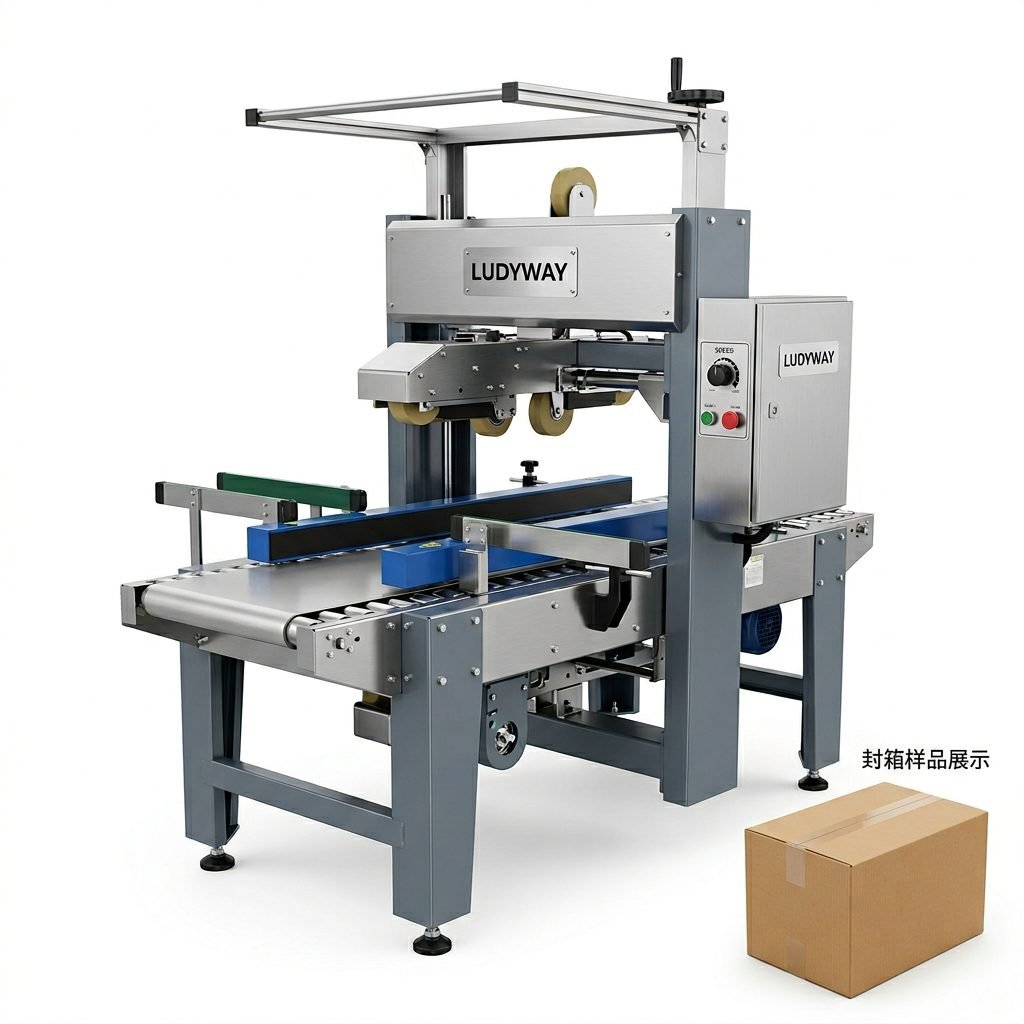
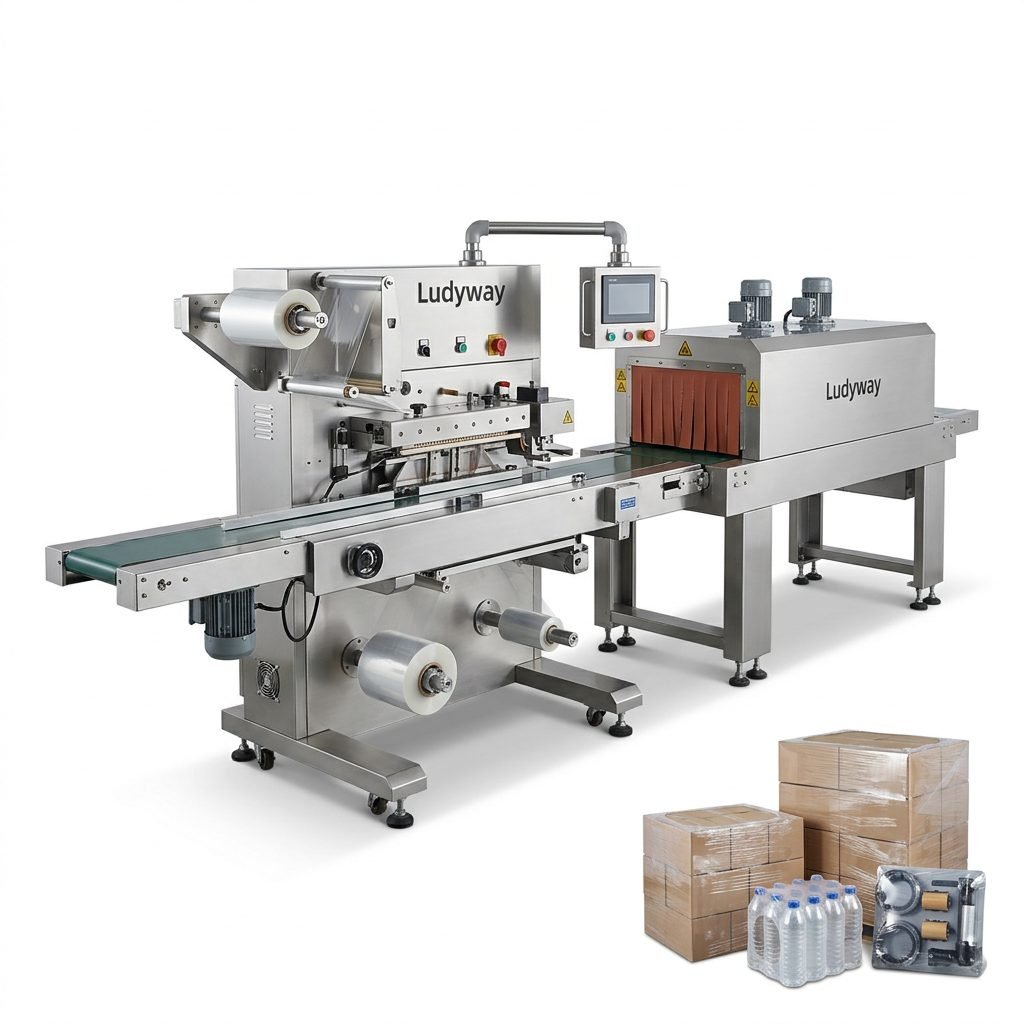
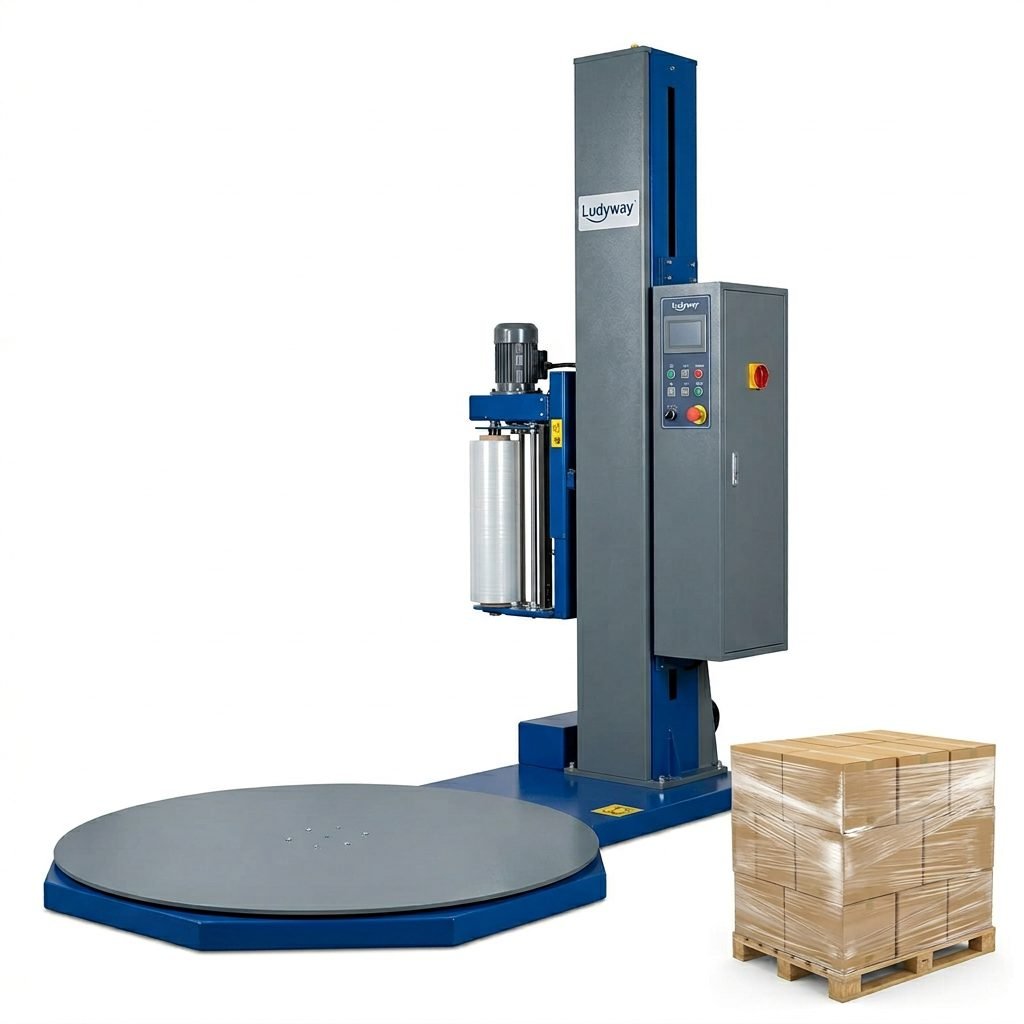
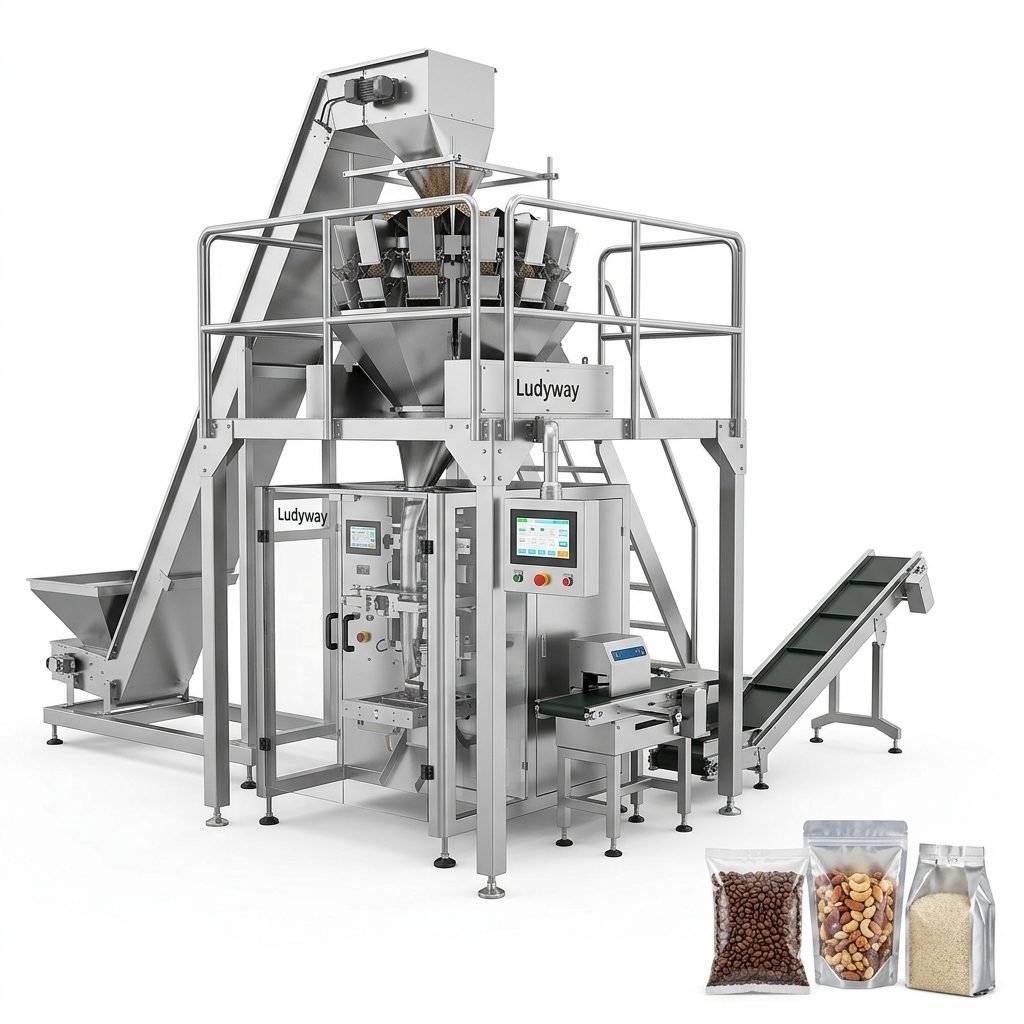
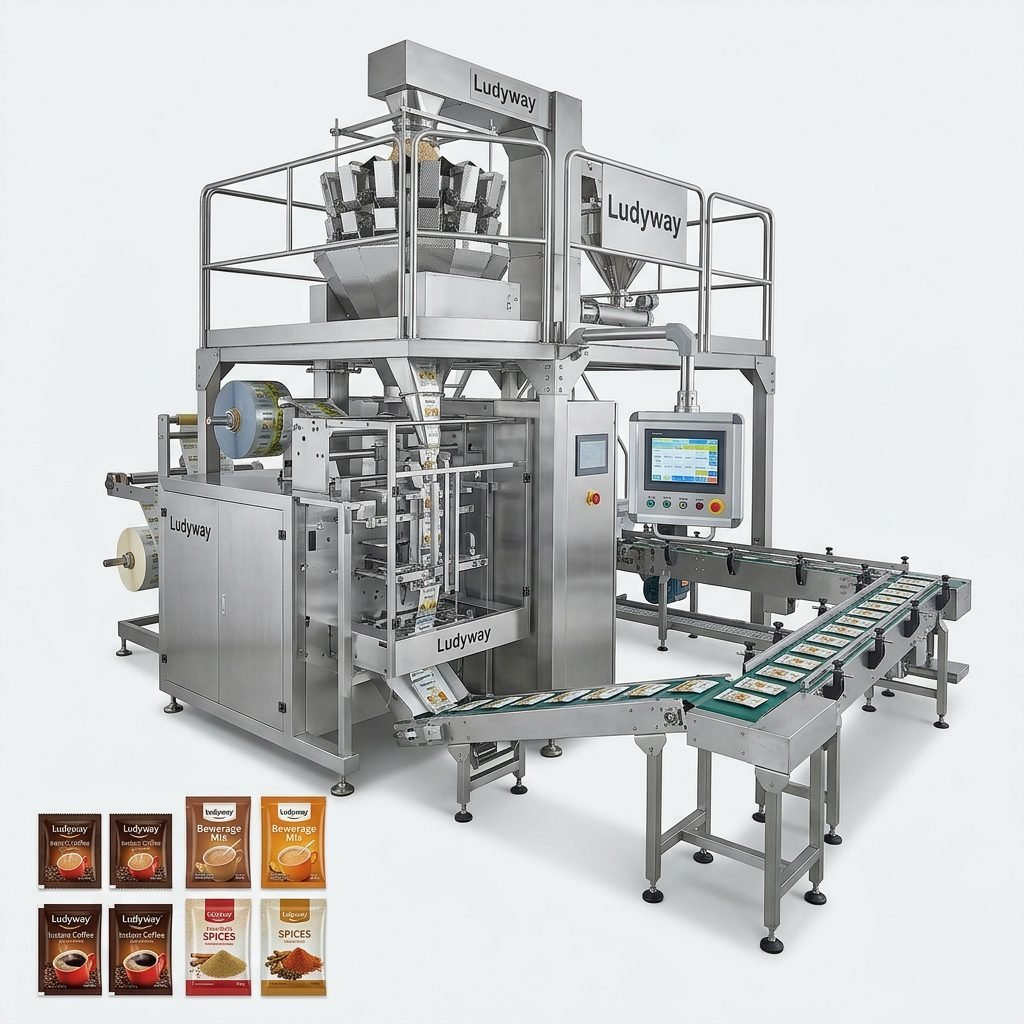
The global frozen food market is expanding rapidly, driven by the demand for convenience, extended shelf-life, and nutrient retention. However, maintaining the integrity of frozen food packaging from the processing facility to the consumer’s plate presents unique technical challenges. Chief among these is the vulnerability of packaging films to sub-zero temperatures. Exposure to blast freezing often results in brittle cracking, micro-tears, and seal failures. To address this critical industry bottleneck, next-generation packaging machinery has officially launched, engineered specifically to deliver low-temperature durability without brittle cracking.
Understanding the Sub-Zero Packaging Dilemma
When standard plastic films are subjected to quick-freezing processes ranging from -18°C to -40°C, they reach their glass transition temperature. At this point, the polymers become rigid, losing their natural elasticity. Any mechanical stress during sorting, packing, transportation, or retail handling can cause the film to rupture. Brittle cracking not only leads to product waste but also compromises food safety by exposing the contents to external contaminants and freezer burn.
Traditional packaging machinery often fails to handle these specialized films. Standard feeding systems can put excessive tension on the frozen material, causing immediate tears during the forming process. Furthermore, conventional heat-sealing jaws do not account for the thermal contraction of the film, leading to weak or uneven seals that easily pop open under pressure.
Technical Breakthroughs in Low-Temperature Packaging
The newly launched packaging machinery integrates advanced engineering solutions to overcome these thermal challenges. By combining mechanical flexibility with intelligent thermal management, the system ensures consistent throughput even in the harshest cold-room environments. Key innovations include:
- Dynamic Tension Control: The film feeding system utilizes sensitive servo motors to adjust tension dynamically. This prevents sudden pulls that could crack the cold-sensitized packaging material.
- Optimized Thermal Sealing Jaws: Utilizing advanced heat distribution algorithms, the sealing mechanism delivers a consistent, high-pressure weld that accommodates film contraction without burning or weakening the margins.
- Washdown-Ready Construction: Operating in freezing environments inevitably introduces condensation. The machinery features corrosion-resistant stainless-steel construction with high ingress protection rating, preventing rust and electrical failures.
Comparative Performance: Standard vs. Low-Temperature Systems
To illustrate the operational differences, the table below highlights the performance metrics of traditional packaging machinery compared to the newly engineered low-temperature systems.
| Operational Feature | Standard Packaging Machinery | Dedicated Low-Temperature Systems |
|---|---|---|
| Minimum Operating Temp | Up to 0°C (requires external heating) | Down to -40°C (continuous operation) |
| Film Handling Method | Fixed tension friction rollers | Servo-driven dynamic tension control |
| Brittle Cracking Rate | Approx. 3% to 5% in sub-zero environments | Less than 0.1% overall rate |
| Sealing Technology | Constant heat sealing | Adaptive pulse / high-pressure seal jaws |
Optimizing Efficiency Across Various Frozen Food Categories
Different types of frozen foods demand custom portioning and packaging styles. This new machinery is designed to adapt to diverse product consistencies, ensuring that delicate frozen items are not crushed during high-speed bagging.
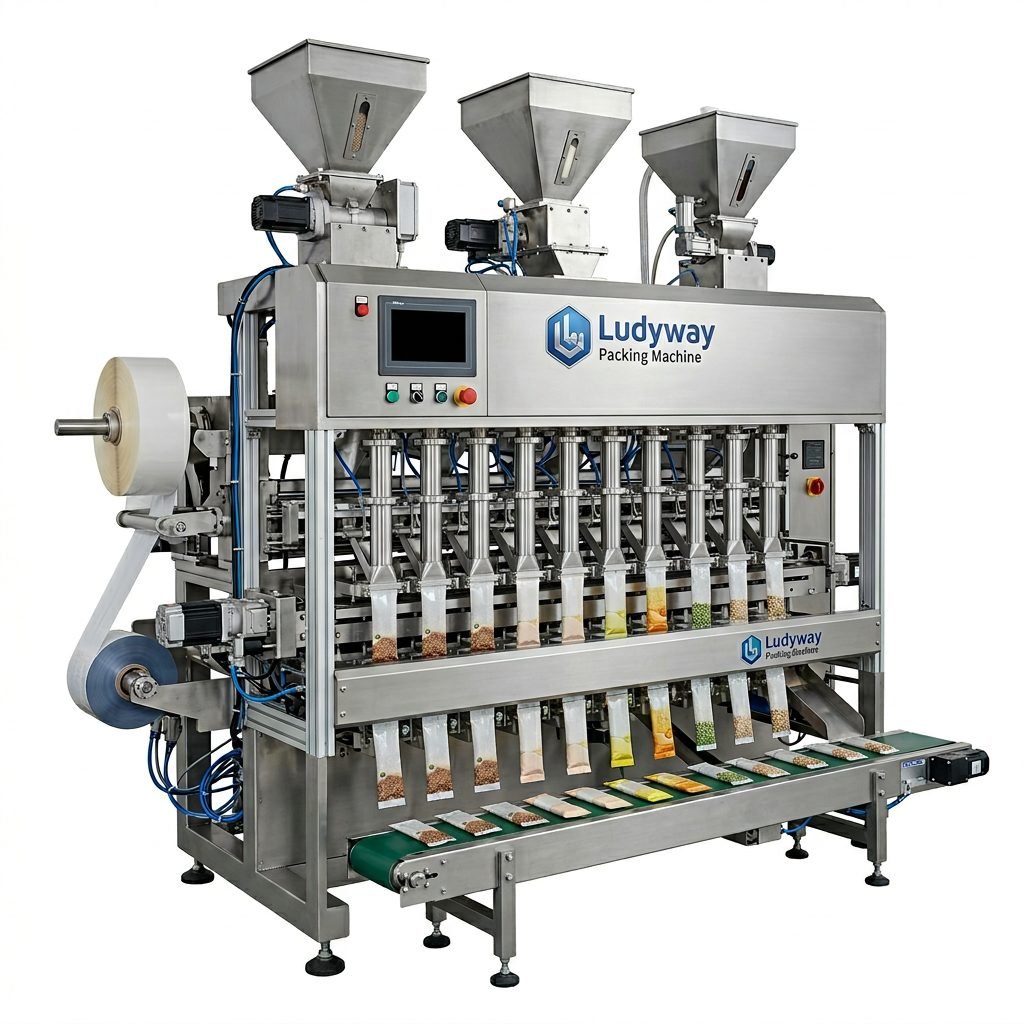
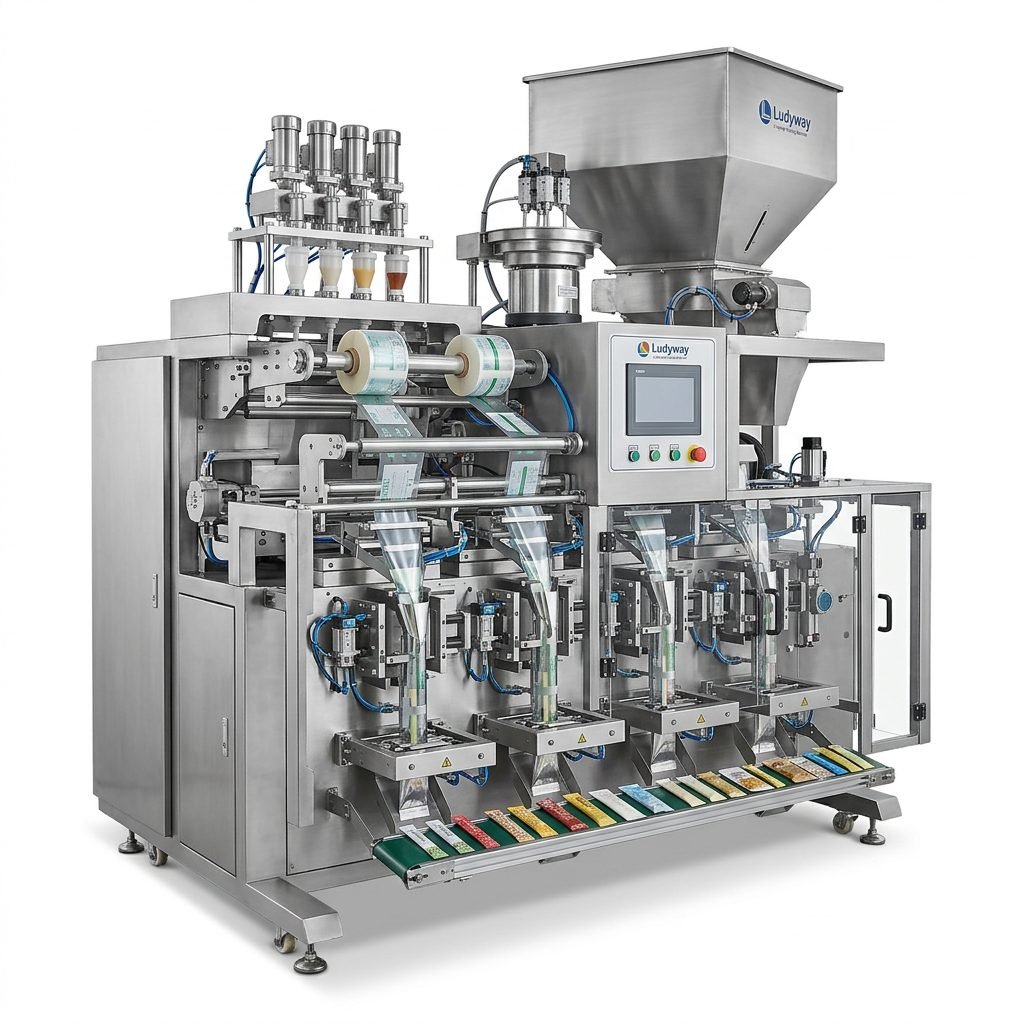
For Individually Quick Frozen (IQF) products, such as green peas, berries, and sliced corn, the machine uses vibratory feeding channels that prevent the products from clumping together. In the case of frozen meats, poultry, and seafood, the system’s contact parts are constructed from food-grade materials that resist grease and moisture. The machinery can easily handle multi-lane sachet, stick pack, and vertical pouch formats, allowing processors to scale their output according to market demand.
Moreover, the system supports modern sustainable packaging films. Many eco-friendly, recyclable, or biodegradable films are notoriously difficult to seal in cold conditions. The machine’s adaptive thermal sealing control ensures that even these sensitive green materials receive an airtight weld, helping brands meet their sustainability targets without sacrificing transport safety.

The B2B Advantage for Food Processors
For large-scale food processors, equipment downtime is exceptionally costly. By investing in dedicated low-temperature machinery, manufacturers can experience a noticeable boost in overall equipment effectiveness (OEE). The reduction in film waste, combined with fewer machine jams caused by torn packaging, directly translates to higher daily yields.
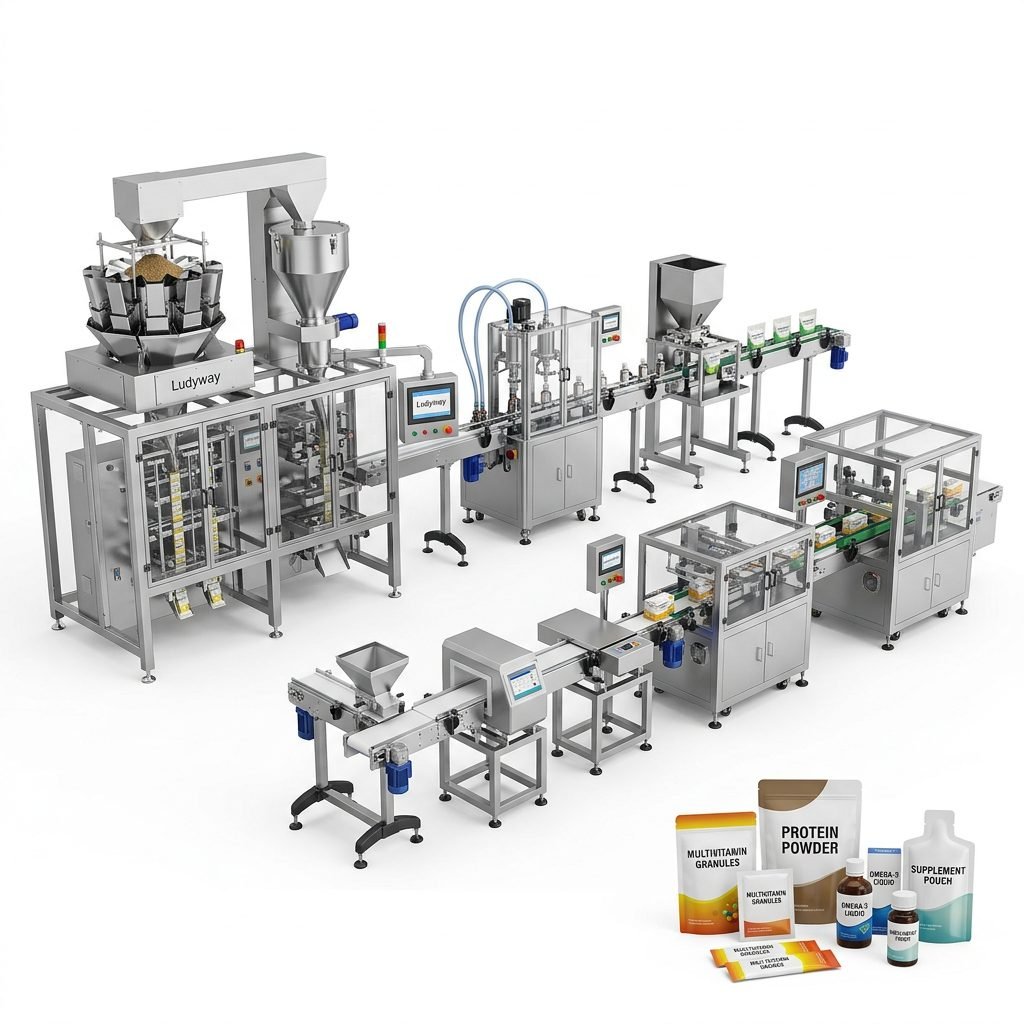
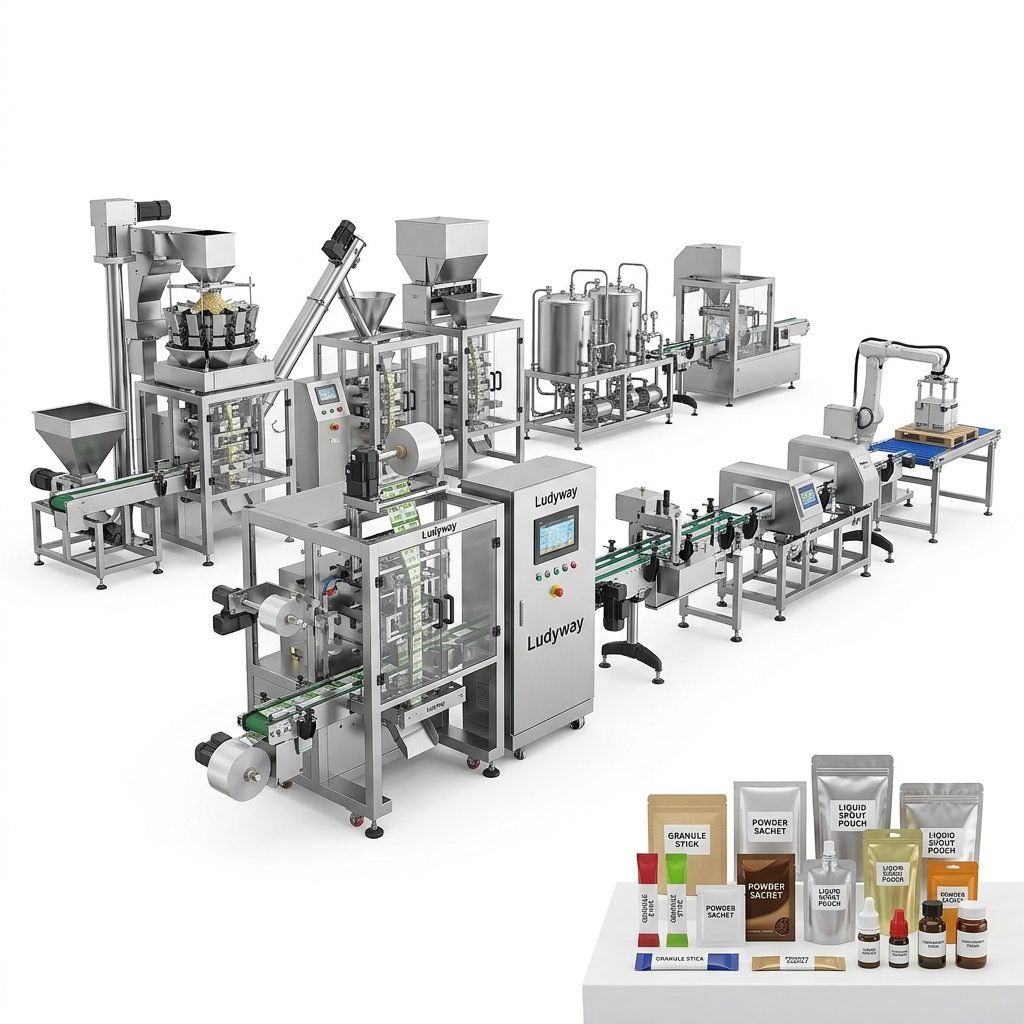
Additionally, the automated integration capabilities of this equipment make it a vital component of complete turnkey production lines. It can be paired with multi-head weighers, metal detectors, and automatic cartoning systems to form a fully hands-free packaging process. This minimizes manual contact, ensuring strict compliance with global food safety regulations such as HACCP and FDA standards.
When implementing advanced automated lines, food processors require reliable manufacturing partners. For instance, Ludyway, one of China’s leading packaging machine and turnkey packaging line manufacturers founded in 1993, provides comprehensive automated solutions globally. With over 30 years of industry experience, their engineering expertise ensures that automated systems can handle complex demands like low-temperature durability and seamless integration.
Future Trends in Cold Chain Packaging
As the global cold chain logistics network becomes more sophisticated, packaging machinery will continue to evolve. Future iterations of low-temperature packaging systems are expected to incorporate real-time sensor networks that monitor film elasticity during production. Using machine learning algorithms, the equipment will automatically adjust sealing temperatures and feed speeds as ambient room temperature fluctuates, completely eliminating human error from the equation.
For food manufacturers looking to protect their products, reduce overhead waste, and deliver pristine packages to store shelves, upgrading to dedicated low-temperature packaging machinery is no longer just an option—it is a critical step toward long-term operational success.