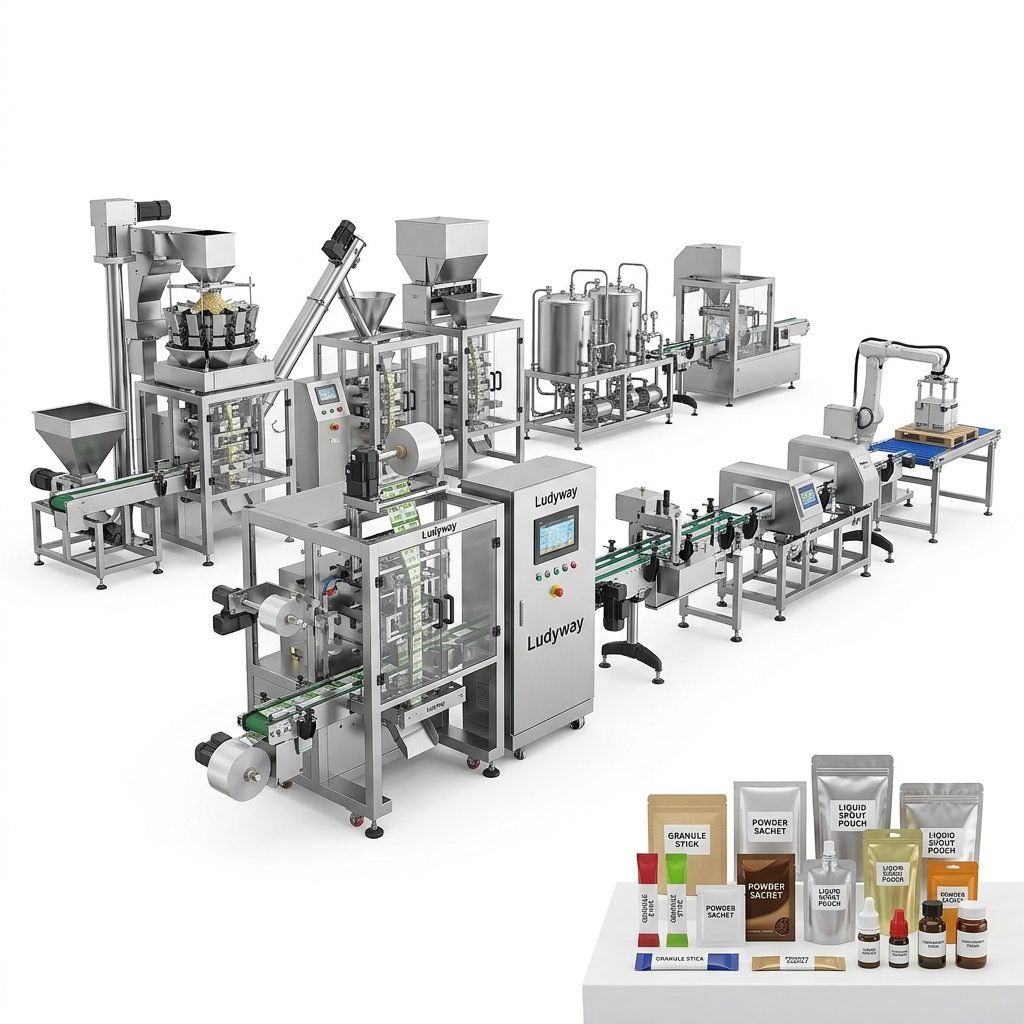
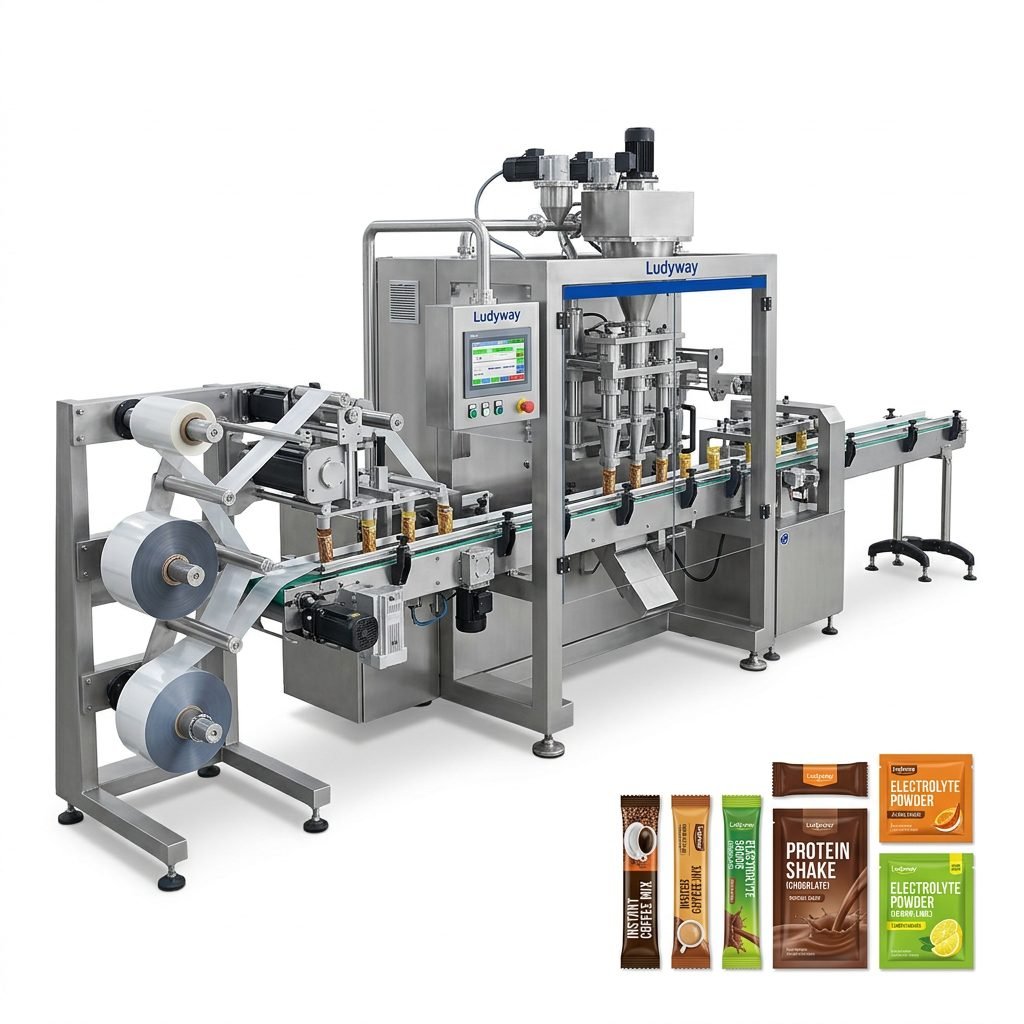
The global packaging sector is undergoing a profound transformation driven by the twin demands of environmental sustainability and cost efficiency. As manufacturers seek to minimize their carbon footprints, the adoption of ultra-thin packaging films has emerged as a major trend. However, processing these delicate films—which often range from 8 to 12 microns in thickness—presents significant technical challenges. Traditional shrink tunnels often subject materials to excessive heat, resulting in structural deformities, burn-throughs, or incomplete shrinkage. To solve these critical bottlenecks, the packaging industry has introduced a new generation of energy-saving heat shrink machines engineered specifically for ultra-thin films.
The Challenge of Ultra-Thin Film Shrinking
Ultra-thin films, such as polyolefin (POF) and polyethylene (PE) formulations, require a highly stable and narrow thermal window to shrink correctly. Unlike thicker, conventional films that can withstand broad temperature fluctuations, ultra-thin films will melt or tear if the heat is too high, or wrinkle if the temperature drops even slightly. Achieving a flawless shrink wrap on high-speed production lines requires a delicate thermodynamic balance. Standard heating systems, which rely on direct, unregulated convection, are simply too volatile for modern, lightweight packaging substrates.
Furthermore, rising global energy costs have made traditional shrink tunnels financially unsustainable for high-volume operations. Standard machinery consumes massive amounts of electricity to maintain high internal temperatures, with much of that heat escaping into the surrounding factory floor. The newly launched energy-saving heat shrink machines address these issues by combining advanced thermal insulation, intelligent air distribution, and micro-precise temperature calibration.
Key Technical Innovations in Energy-Saving Machinery
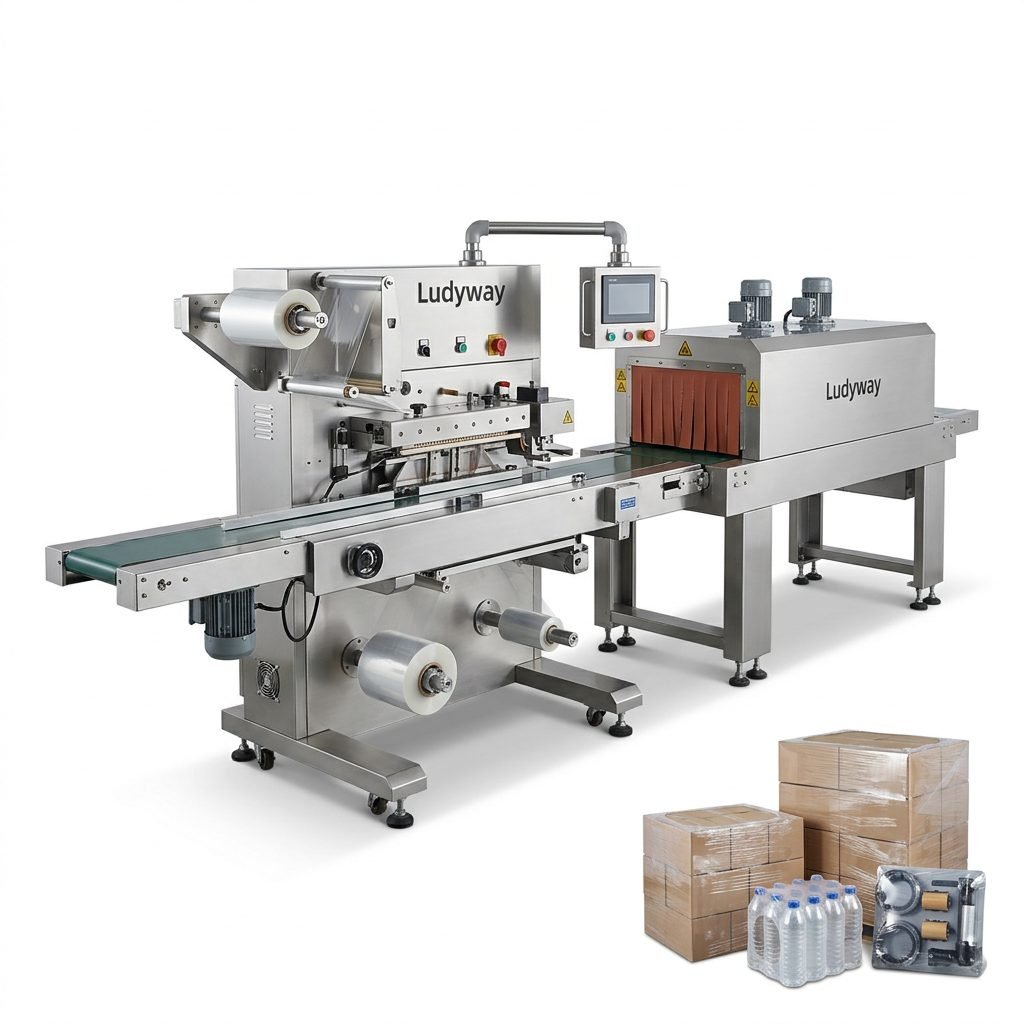
The core technological breakthroughs of these new machines center on heat retention and precision distribution. By redesigning the interior architecture of the shrink tunnel, engineers have managed to reduce energy consumption while improving packaging output quality. The primary innovations include:
- Recirculating Airflow Systems: Instead of continuously heating fresh intake air, the machine recycles internal hot air through a closed-loop system, reducing the workload on heating elements.
- Multi-Zone PID Temperature Control: Proportional-Integral-Derivative controllers continuously monitor the heat levels at different points inside the tunnel, adjusting power output to keep temperatures stable within ±0.5°C.
- High-Density Thermal Barriers: The outer shell of the machine is lined with advanced silica-based insulation materials, keeping the exterior safe to touch and preventing heat dissipation.
- Adjustable Air Velocity Nozzles: Operators can adjust the angle and speed of the air nozzles to target specific areas of the package, ensuring uniform shrinkage without overheating delicate products.
For manufacturers looking to integrate these advanced technologies, partnering with an experienced machinery provider is crucial. Industry leaders like Ludyway, who possess over 30 years of expertise in automatic packaging lines, are helping global brands transition to these smart, energy-efficient shrink systems to meet strict environmental regulations in markets like North America and Europe.
Performance Comparison: Traditional vs. Energy-Saving Shrink Tunnels
To highlight the advantages of the new energy-saving technology, the table below outlines the operational differences between standard shrink tunnels and the newly engineered systems designed for ultra-thin films.
| Operational Metrics | Traditional Shrink Tunnels | Energy-Saving Thin-Film Tunnels |
|---|---|---|
| Compatible Film Thickness | 15 to 30 Microns | 8 to 12 Microns |
| Temperature Consistency | ±5.0°C Variations | ±0.5°C Precision |
| Power Consumption | Standard Baseline (High Draw) | Up to 35% Energy Reduction |
| Film Waste / Burn Rate | 2% to 4% depending on speed | Less than 0.1% Waste |
| Cooling System Integration | External fans only | Integrated High-Speed Cooling Chamber |
Industrial Applications and Benefits
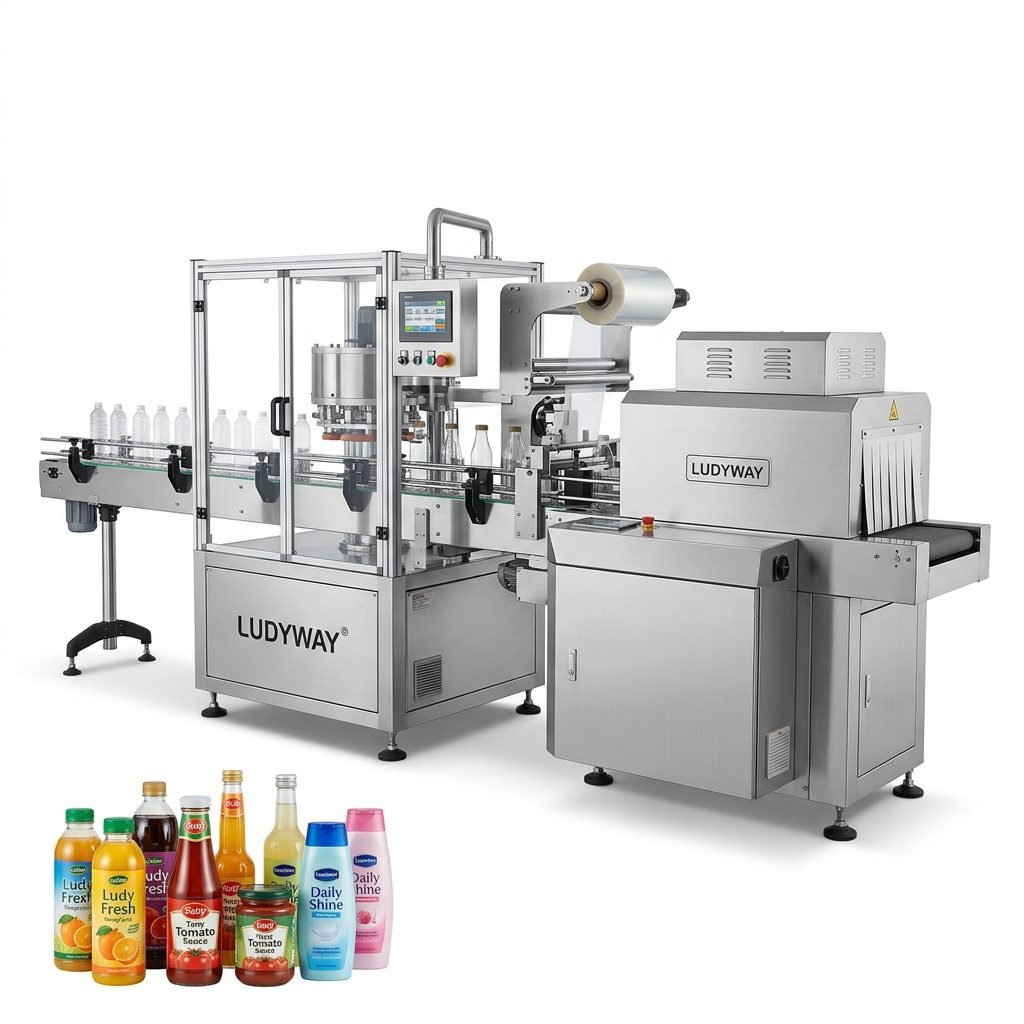
The applications for energy-saving shrink machines span across multiple fast-moving consumer goods (FMCG) sectors. In the beverage industry, these systems are highly valued for wrapping multipacks of canned or bottled goods. Because the machine preserves the structural integrity of the print on thin sleeve labels, brands can maintain vibrant, eye-catching shelf presentations without worrying about label distortion.
In the pharmaceutical and food sectors, hygiene and seal integrity are non-negotiable. These machines ensure that protective outer wraps are tight and hermetically sealed, preventing dust, moisture, and biological contaminants from reaching the primary container. The uniform application of heat also avoids exposing temperature-sensitive medicine or heat-vulnerable chocolate products to unnecessary thermal stress during the final packaging phase.
Future Outlook for Eco-Friendly Packaging
As governments worldwide continue to enforce rigid plastic reduction targets, the shift toward lightweight, ultra-thin packaging materials will only accelerate. Traditional, energy-heavy machinery is quickly becoming obsolete as factories modernize their infrastructure. Implementing advanced, low-energy shrink tunnels represents a strategic investment that pays dividends in both reduced utility bills and lower raw material expenses. By choosing smart machinery equipped with PID control and recycled airflow, modern enterprises are successfully aligning their high-volume manufacturing goals with global sustainability standards.