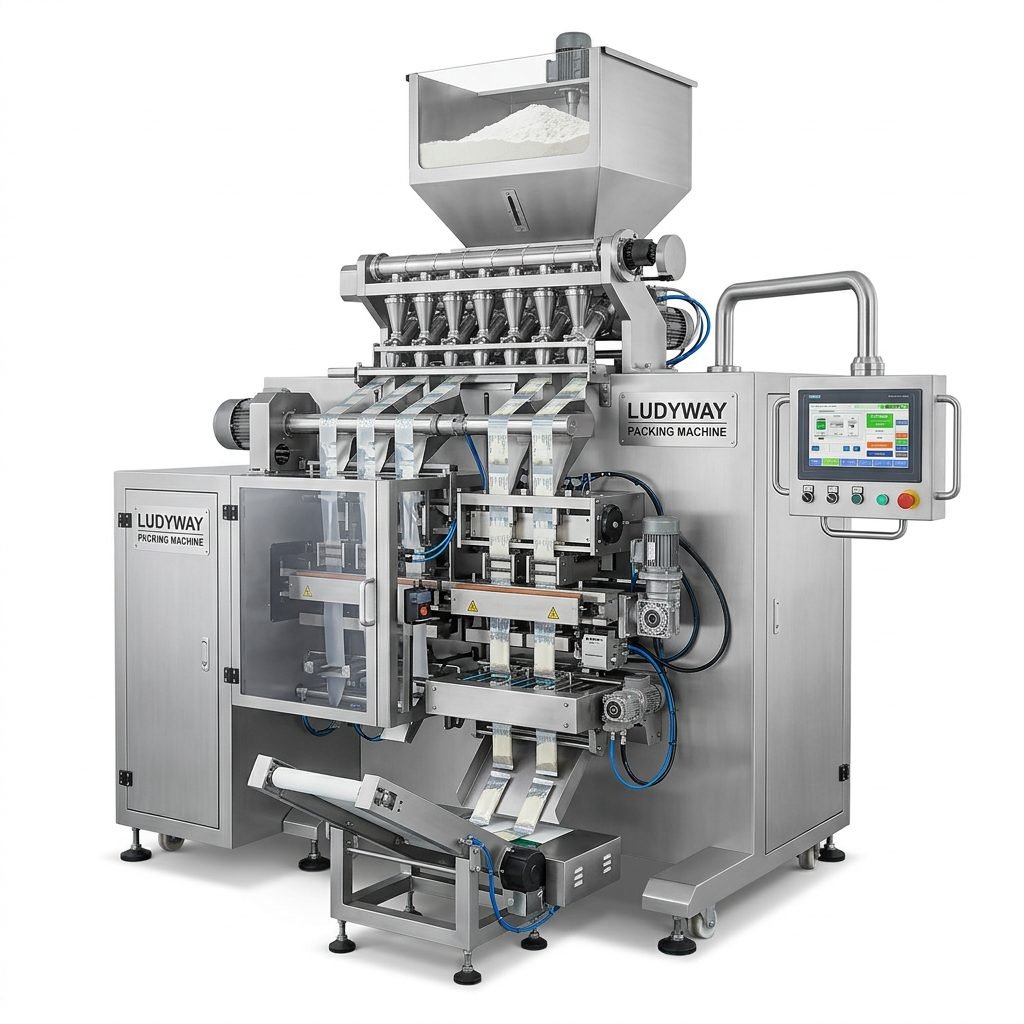
Choosing the right packaging machine for dog snack sticks is a critical decision for pet food manufacturers. The right equipment ensures product freshness, maintains quality, appeals to consumers on the shelf, and optimizes production efficiency. This comprehensive guide explores the various types of packaging machines available, their key features, and provides a detailed framework to help you select the perfect system for your operational needs and business goals.
Understanding Dog Snack Stick Packaging
Dog snack sticks, similar to jerky treats or chew sticks, require packaging that protects against moisture, air, and contamination to preserve flavor and nutritional value. The packaging process must be hygienic, fast, and capable of creating a secure, attractive seal. Primary packaging forms for these products often include single stick packs, multi-packs, or resealable pouches, each demanding specific machinery capabilities.
Core Objectives of Effective Packaging
The machinery must achieve several key objectives: extend shelf life through effective barrier materials, ensure product safety with robust sealing, enhance brand appeal with precise and consistent packaging, and maximize production throughput to meet market demand cost-effectively.
Types of Dog Snack Stick Packaging Machines
The market offers several machine types, each suited to different production scales and packaging styles.
Vertical Form-Fill-Seal (VFFS) Machines
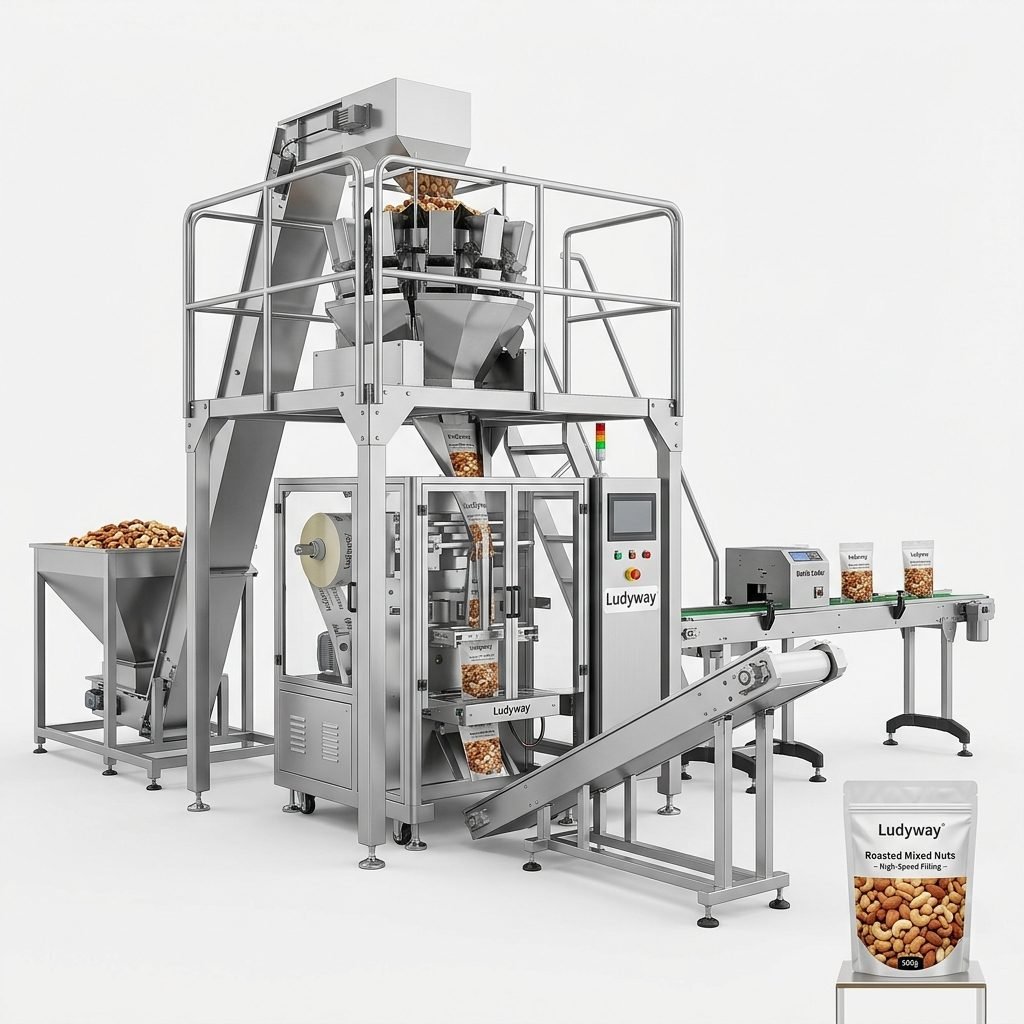
These are the most common machines for packaging solid, free-flowing items like snack sticks. They form a roll of packaging film into a tube, fill it with the product, and then seal it horizontally and vertically. VFFS machines are highly versatile, allowing for various bag styles (e.g., pillow bags, gusseted bags) and are excellent for high-speed, continuous production lines.
- ✓ Best for: High-volume production of single or multi-pack stick pouches.
- ✓ Advantages: High speed, material efficiency, and flexibility in bag size.
- ✓ Consideration: Requires consistent product size for smooth feeding.
Horizontal Flow Wrappers
This type of machine is ideal for wrapping individual snack sticks in a tight, secure package, often using a single sheet of film that is folded around the product and sealed on the underside. It creates a neat, professional look that is very common for meat-based treats.
- ✓ Best for: Individually wrapped sticks with a tight, conforming seal.
- ✓ Advantages: Excellent product presentation, good seal integrity.
- ✓ Consideration: Generally slower than VFFS for bulk packing.
Stick Pack Packaging Machines
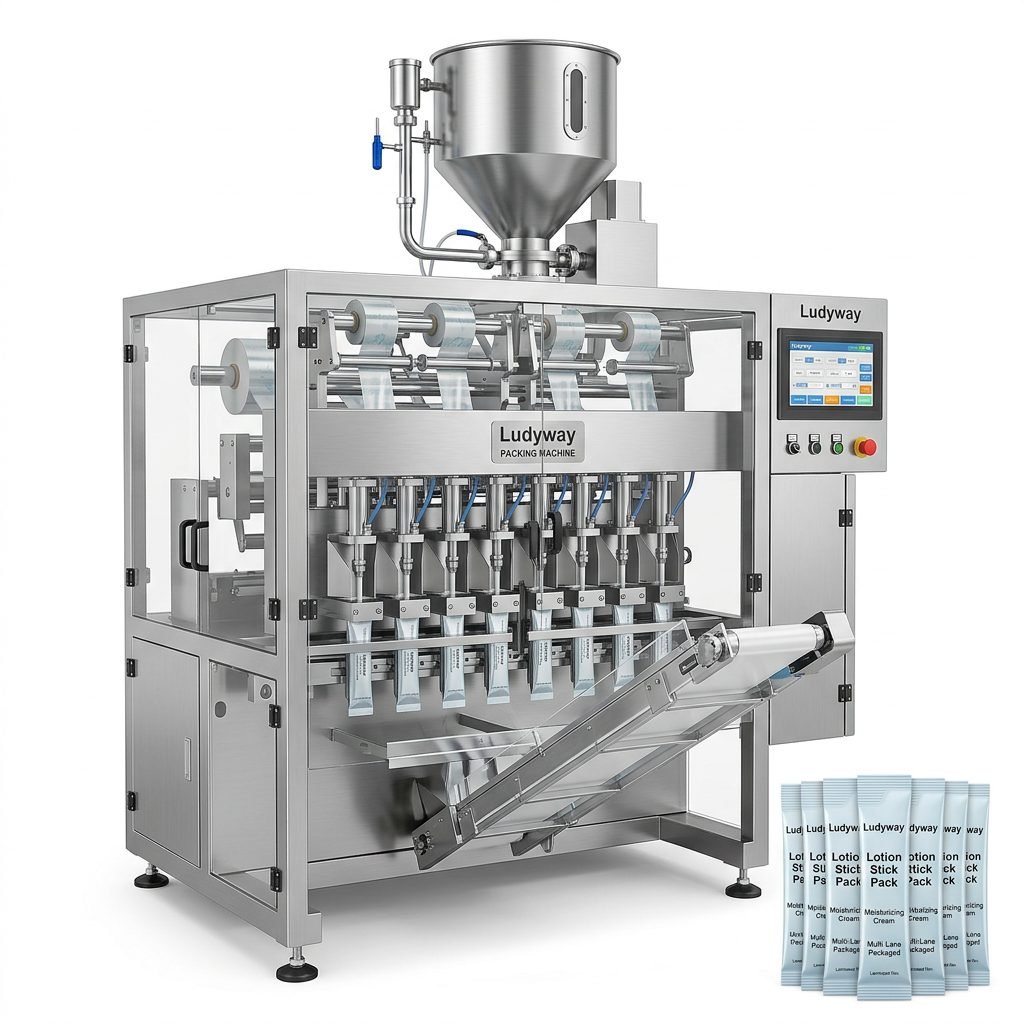
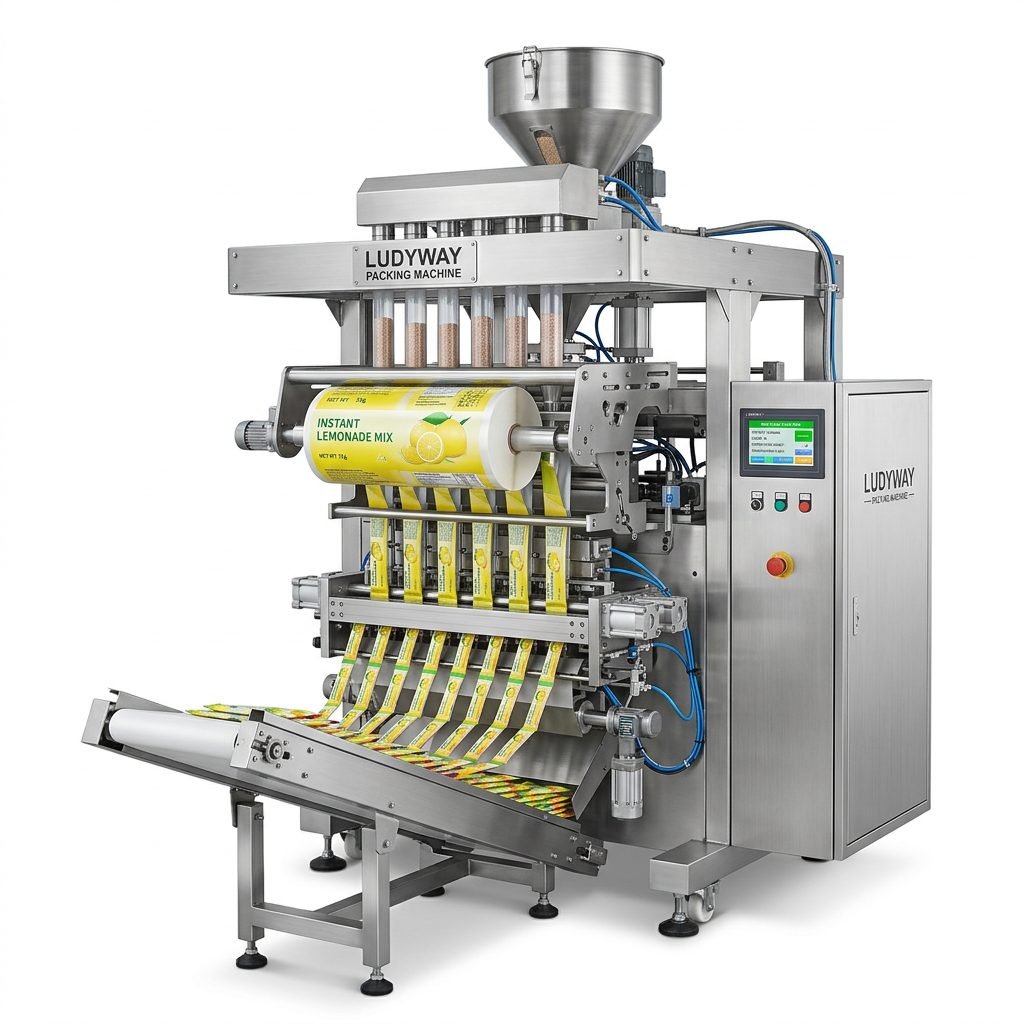
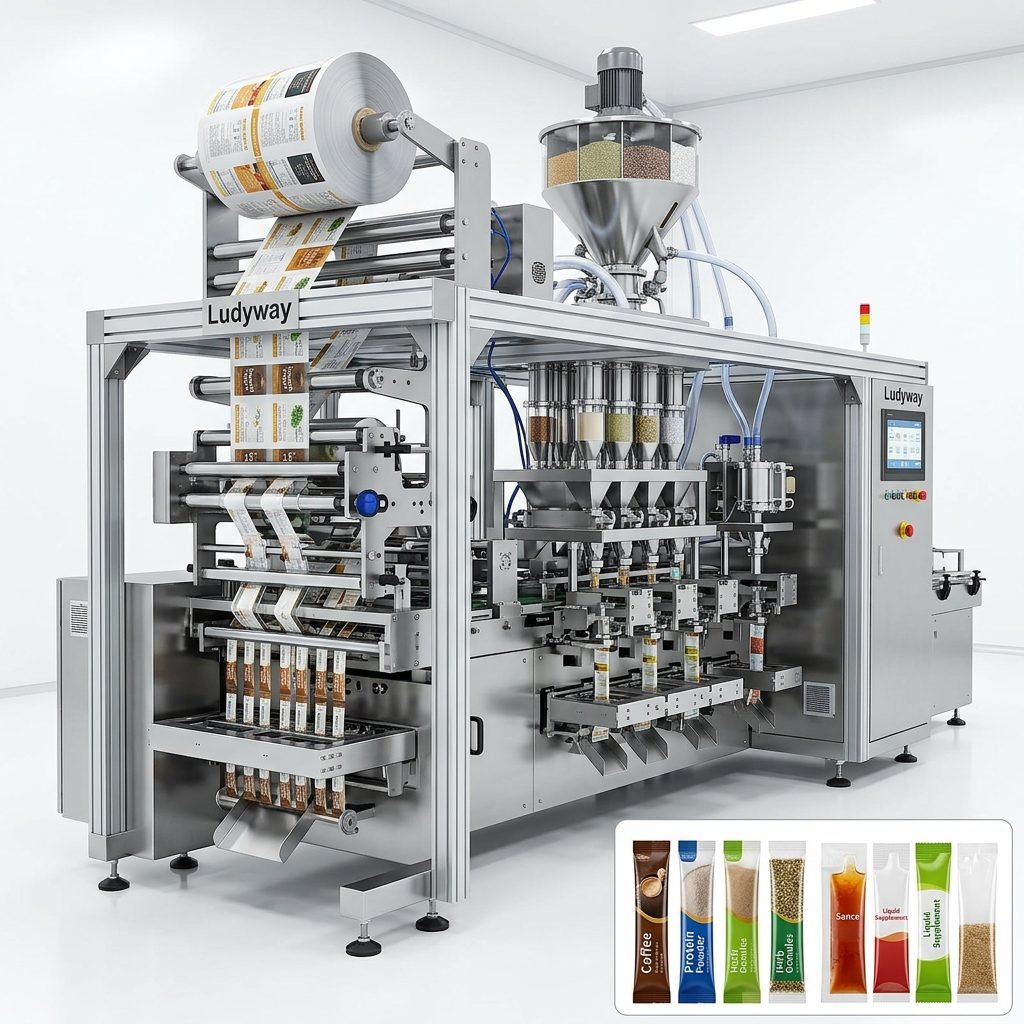
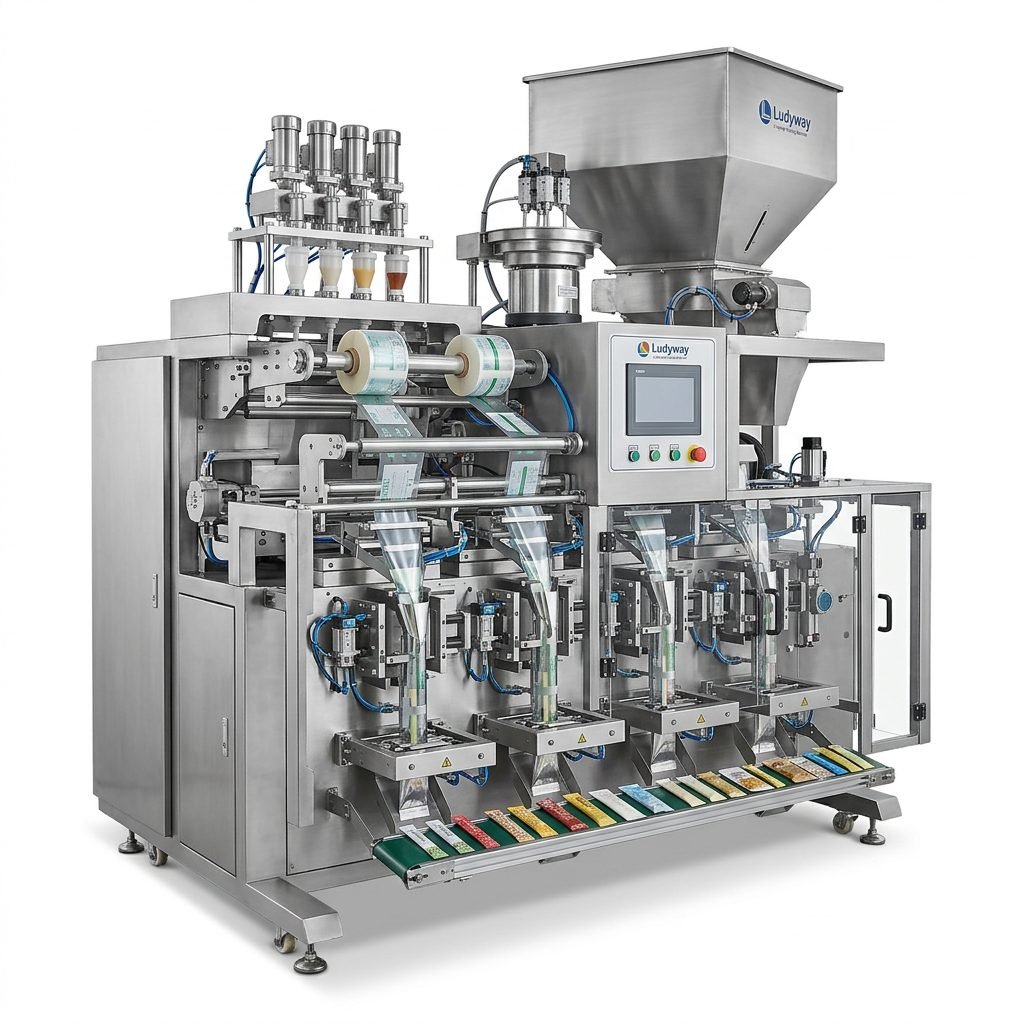
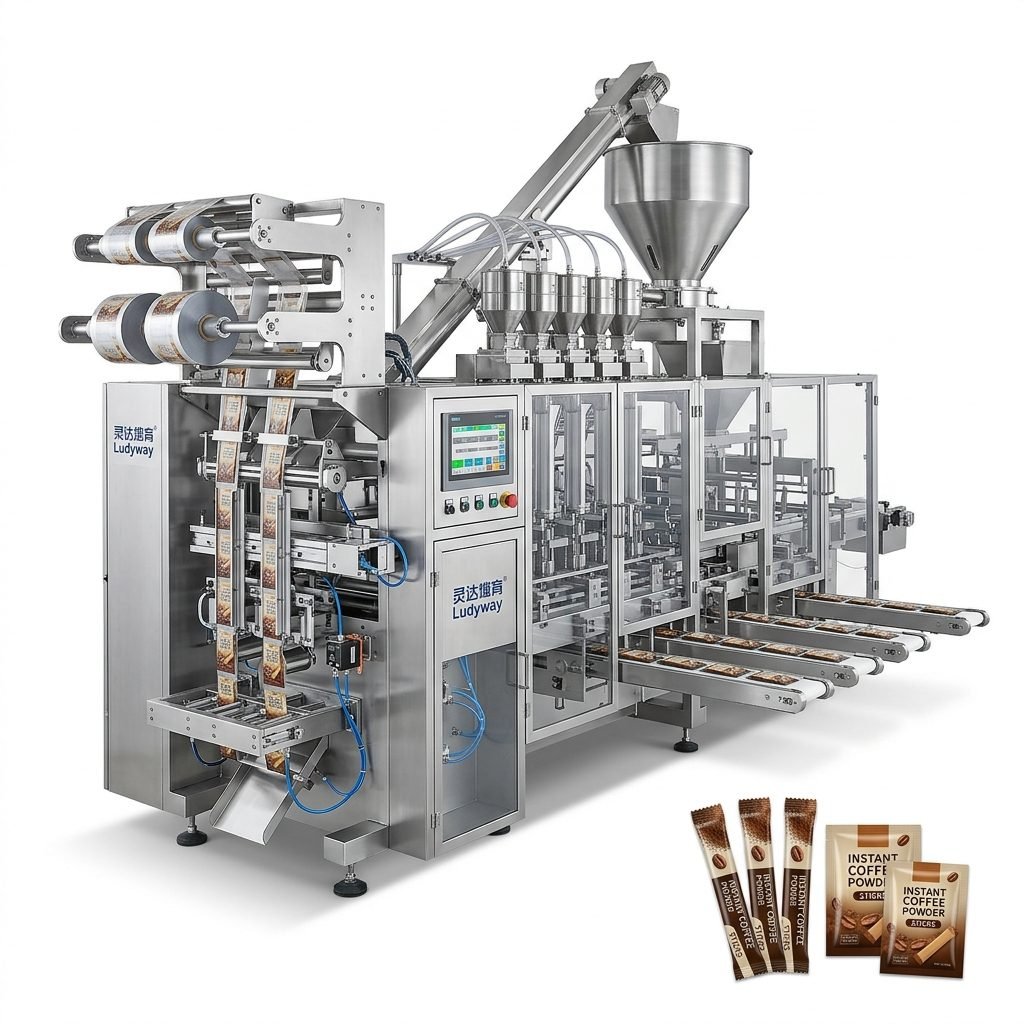
Specifically designed for long, slender products, these machines create slim, elongated pouches perfect for single-serve snack sticks. They are a specialized form of VFFS machine and can run multiple lanes simultaneously, dramatically increasing output for small-format packages. You can learn more about the capabilities of modern stick pack machines in our dedicated resource.
- ✓ Best for: Single-serve, slim-line stick packaging at very high speeds.
- ✓ Advantages: Extremely high multi-lane output, space-saving package design.
- ✓ Consideration: Limited to specific package dimensions.
Pre-Made Pouch Fillers
These systems use pre-manufactured, often stand-up or zipper pouches. The machine opens, fills, and then seals the pouch. This is an excellent choice for premium products or resealable packaging where the pouch material and print quality are very high.
- ✓ Best for: Premium brands using complex, pre-printed pouch materials.
- ✓ Advantages: Superior graphic presentation, enables complex pouch features (zippers, spouts).
- ✓ Consideration: Higher cost per package due to pre-made pouches.
Essential Features to Evaluate
Beyond the machine type, specific features determine performance, reliability, and suitability.
1. Sealing System & Quality
The heart of any packaging machine. Look for robust heat sealing jaws with precise temperature control to ensure consistent, strong seals even with varying film materials. Cooling jaws are a valuable addition, as they set the seal before stress is applied, reducing leakers.
2. Material Compatibility & Film Handling
Ensure the machine can handle the specific laminates or co-extruded films required for your product’s shelf life. Key features include tension control systems for wrinkle-free forming and registration systems for accurate print alignment.
3. Feeding & Weighing System
Accurate and gentle product handling is crucial. Systems range from simple volumetric cups for uniform sticks to multi-head weighers for mixed-weight packs. The goal is minimal giveaway (overfilling) and zero underweight packages.
4. Automation & Control System
A modern, user-friendly PLC (Programmable Logic Controller) with a touchscreen HMI (Human-Machine Interface) is essential. It should allow for easy recipe changes, store settings for different products, and provide comprehensive diagnostic data. Integration capabilities with upstream and downstream equipment are a major plus.
5. Hygiene & Cleanability
Food-grade construction with stainless steel contact parts, smooth surfaces, and easy access for cleaning and maintenance is non-negotiable for pet food safety standards. Look for machines with CIP (Clean-in-Place) options where possible.
How to Choose the Right Machine: A Step-by-Step Guide
Step 1: Analyze Your Product & Output Needs
Define your current and future production volume (packs per minute/hour). Determine your primary packaging format (single stick, multi-pack, resealable). Consider product dimensions and any potential for future product line expansion. A partner with deep industry experience, like Ludyway Machinery, can help translate these needs into technical specifications.
Step 2: Define Your Packaging Materials
Work with your film supplier to select the appropriate barrier material (e.g., metallized PET, aluminum foil laminates). Your chosen machine must be compatible with this material’s thickness, sealing layer, and handling characteristics.
Step 3: Evaluate Machine Capabilities & Suppliers
Create a checklist based on the features outlined above. Request demonstrations with your actual product and film. Assess the supplier’s reputation, technical support network, availability of spare parts, and training offerings. A supplier’s history, such as Ludyway’s focus on reliable solutions since 2010, can be a strong indicator of long-term support.
Step 4: Consider Total Cost of Ownership (TCO)
Look beyond the initial purchase price. Factor in energy consumption, expected maintenance costs, changeover times, potential downtime, and machine lifespan. A slightly higher initial investment in a robust, efficient machine often leads to significantly lower TCO.
Step 5: Plan for Integration & Future Growth
Ensure the machine can integrate with your existing conveyors, checkweighers, or cartoners. Consider modular designs that allow for future upgrades, such as adding more feeding lanes or an inkjet coder. Investing in a scalable solution protects your investment as your business grows.
Conclusion
Selecting the optimal dog snack stick packaging machine is a strategic investment that impacts product quality, brand perception, and operational profitability. By thoroughly understanding the different machine types, critically evaluating key features like sealing and control systems, and following a structured selection process focused on your specific needs and total cost of ownership, you can make a confident decision. Partnering with an experienced provider ensures you get not just a machine, but a reliable, efficient, and future-proof packaging solution.
Frequently Asked Questions (FAQs)
What is the typical production speed for a stick pack machine for dog treats?
Speeds vary greatly by machine type and configuration. Single-lane horizontal wrappers may run 80-150 packs per minute, while multi-lane stick pack machines can achieve 400-1000+ sticks per minute. The exact speed depends on stick length, packaging material, and the level of automation.
Can one machine handle different sizes of dog snack sticks?
Yes, most modern machines are designed for quick changeover. This involves changing forming tubes, sealing jaws, and product feed parts. The ease and time required for changeover (from 15 minutes to an hour) is a key feature to discuss with the supplier when evaluating machines for a multi-product line.
How important is gas flushing (nitrogen flushing) for dog snack stick packaging?
For products prone to oxidation or requiring an extended shelf life, such as natural meat-based sticks, gas flushing is highly recommended. It removes oxygen from the package headspace, slowing rancidity and preserving color and flavor. Many VFFS and stick pack machines can be equipped with integrated gas flushing systems.
What are the most common maintenance requirements for these machines?
Regular daily cleaning is paramount. Periodic maintenance includes lubricating moving parts (with food-grade lubricants), inspecting and replacing sealing jaws or bands, checking film drive belts for wear, and calibrating scales and sensors. A good supplier will provide a detailed maintenance schedule.
Should I choose a single machine or a complete turnkey production line?
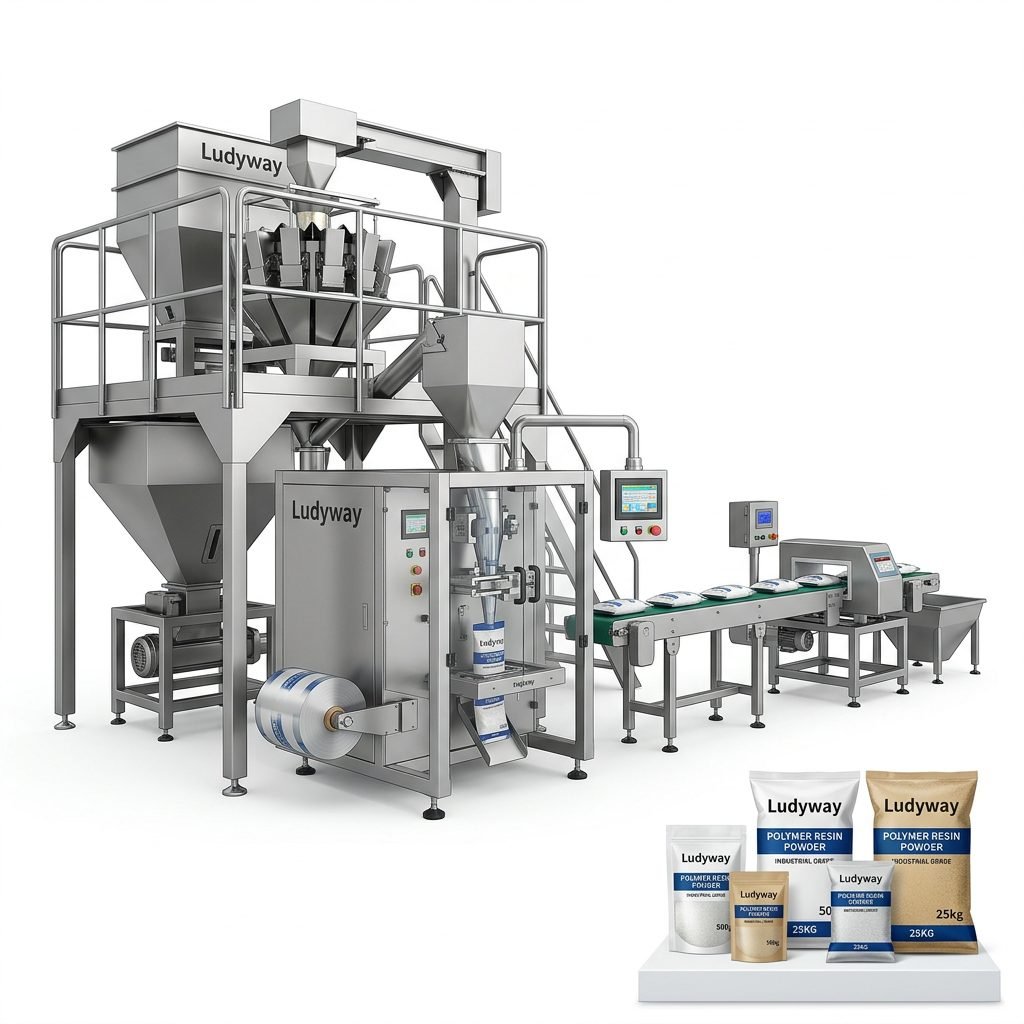
For new entrants or those scaling up, a turnkey solution that includes the packaging machine, conveyors, checkweigher, metal detector, and case packing can be more efficient. It ensures all components are compatible and optimized to work together, reducing integration headaches and startup time. Providers like Ludyway specialize in such integrated solutions.