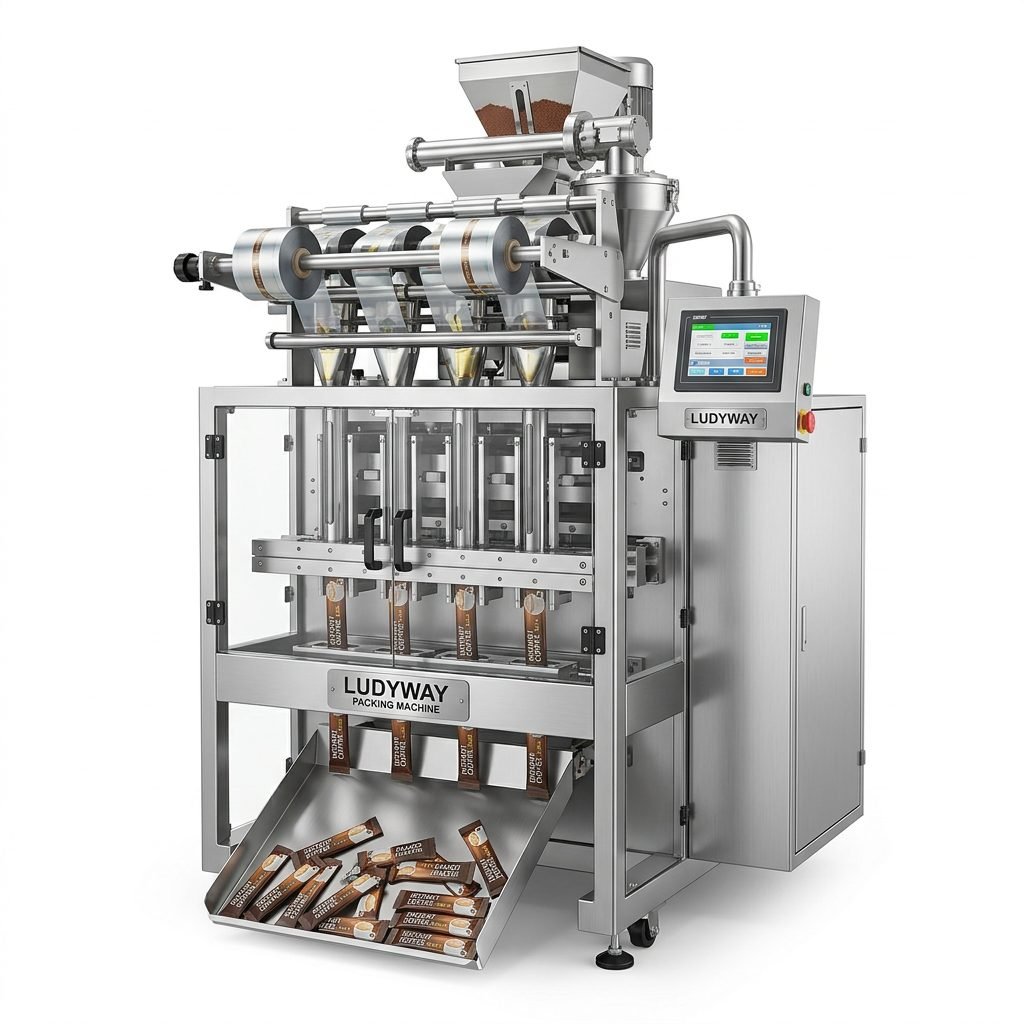
Buying a powder packaging machine is not just about comparing sticker prices. The final investment depends on machine type, automation level, filling accuracy, speed, packaging format, material compatibility, and after-sales support. If you are sourcing for food, pharmaceutical, nutraceutical, chemical, or daily-use products, understanding the real cost structure can help you avoid overspending and reduce long-term operating risks.
In this guide, you will learn typical price ranges, what affects the cost, hidden expenses to consider, and how to choose the right machine for your production goals.
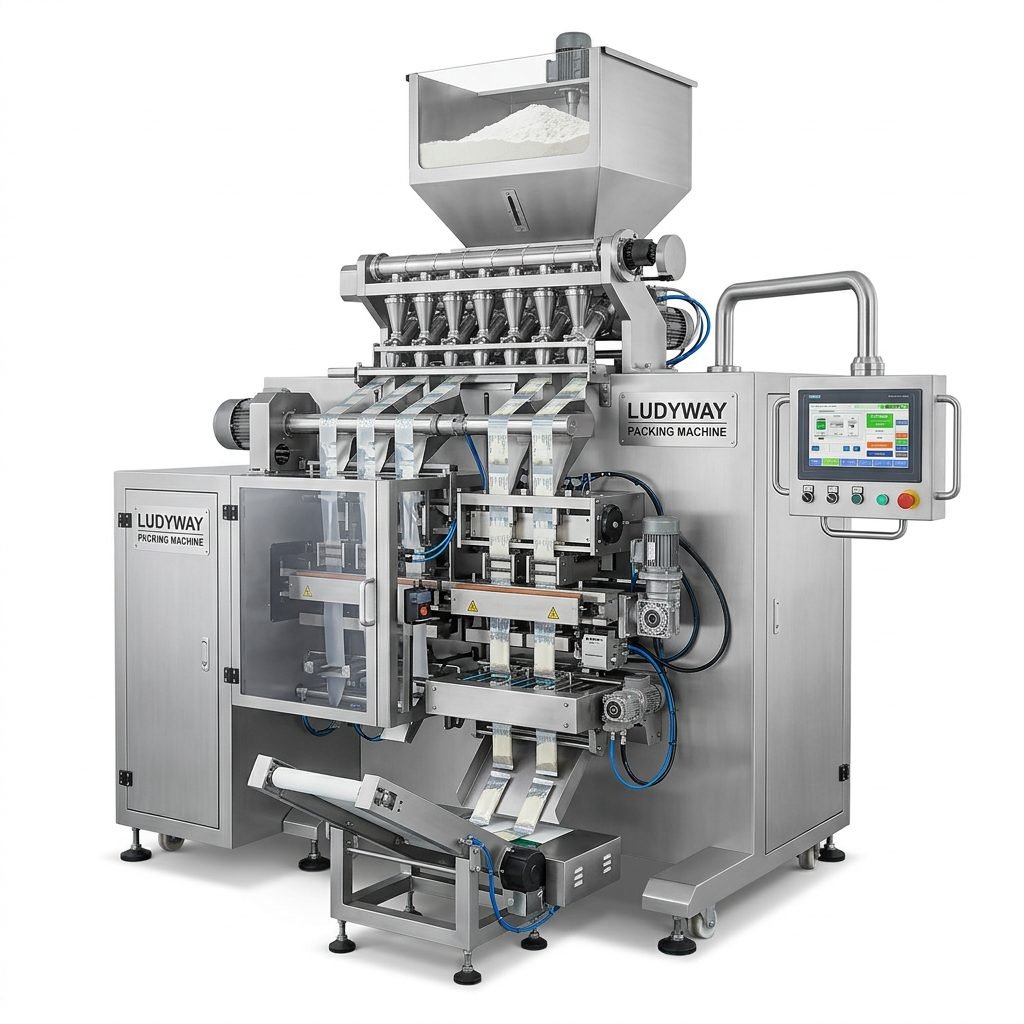
Average Powder Packaging Machine Cost by Machine Type
Powder packaging equipment can range from a compact semi-automatic filler to a complete high-speed automated line. Below is a practical overview of common market pricing.
| Machine Type | Typical Price Range | Best For |
|---|---|---|
| Semi-automatic powder filling machine | USD 2,000–8,000 | Startups, pilot production, low-volume filling |
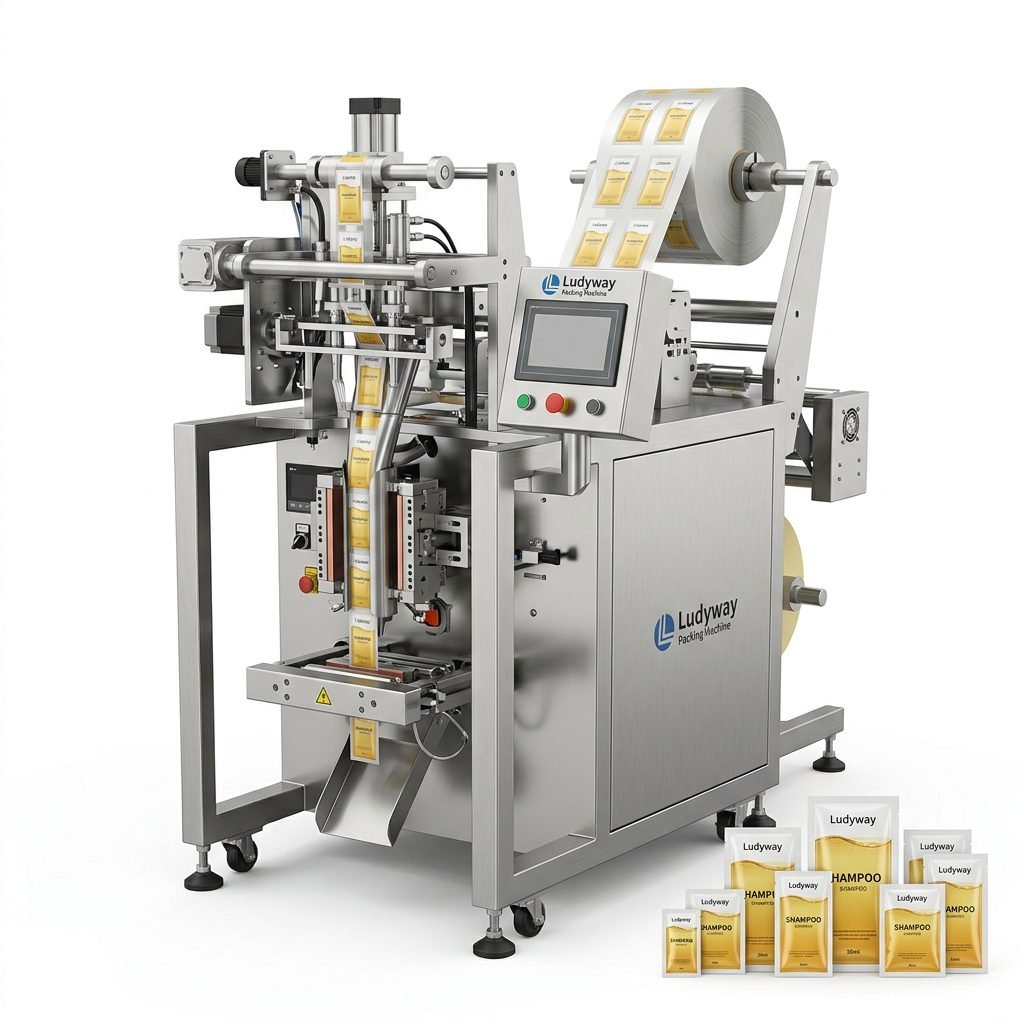
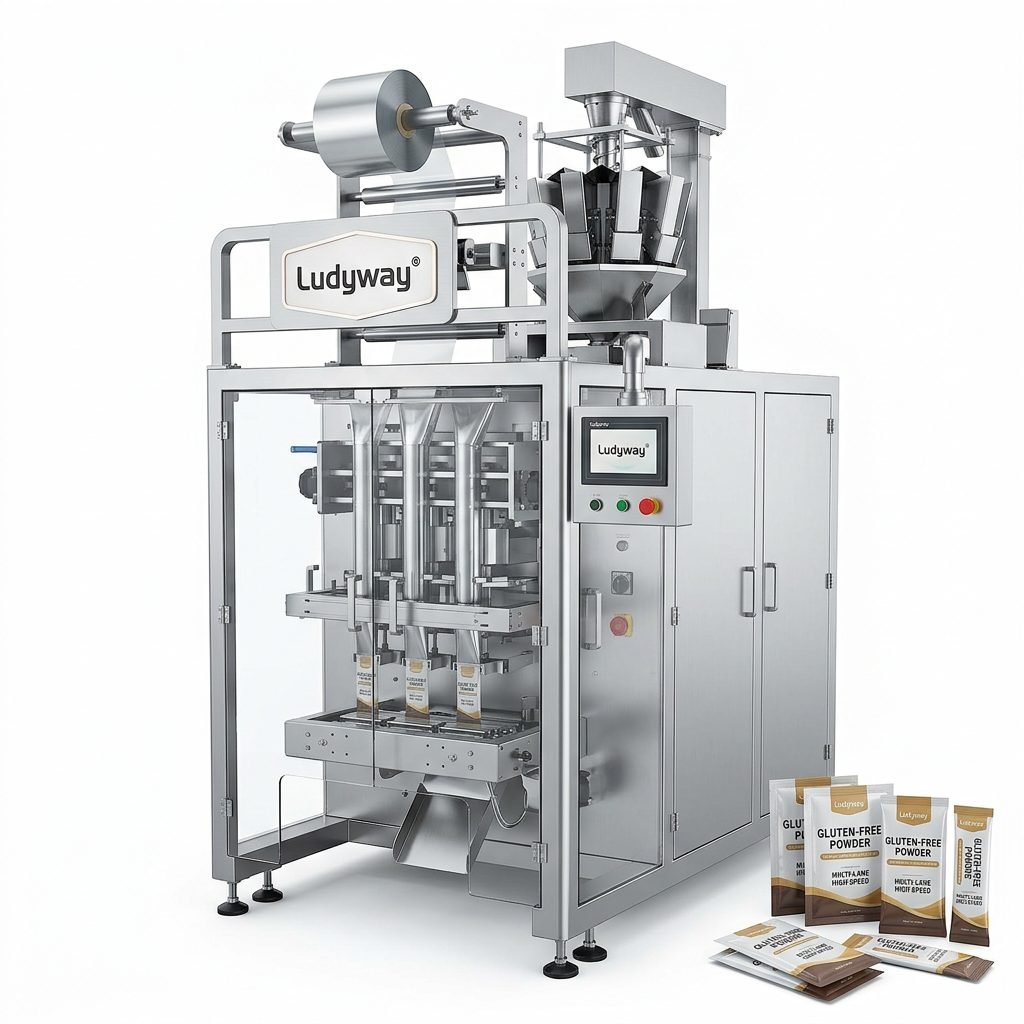
| Vertical form fill seal powder packaging machine | USD 10,000–35,000 | Pillow bags, back-seal, gusset pouches |
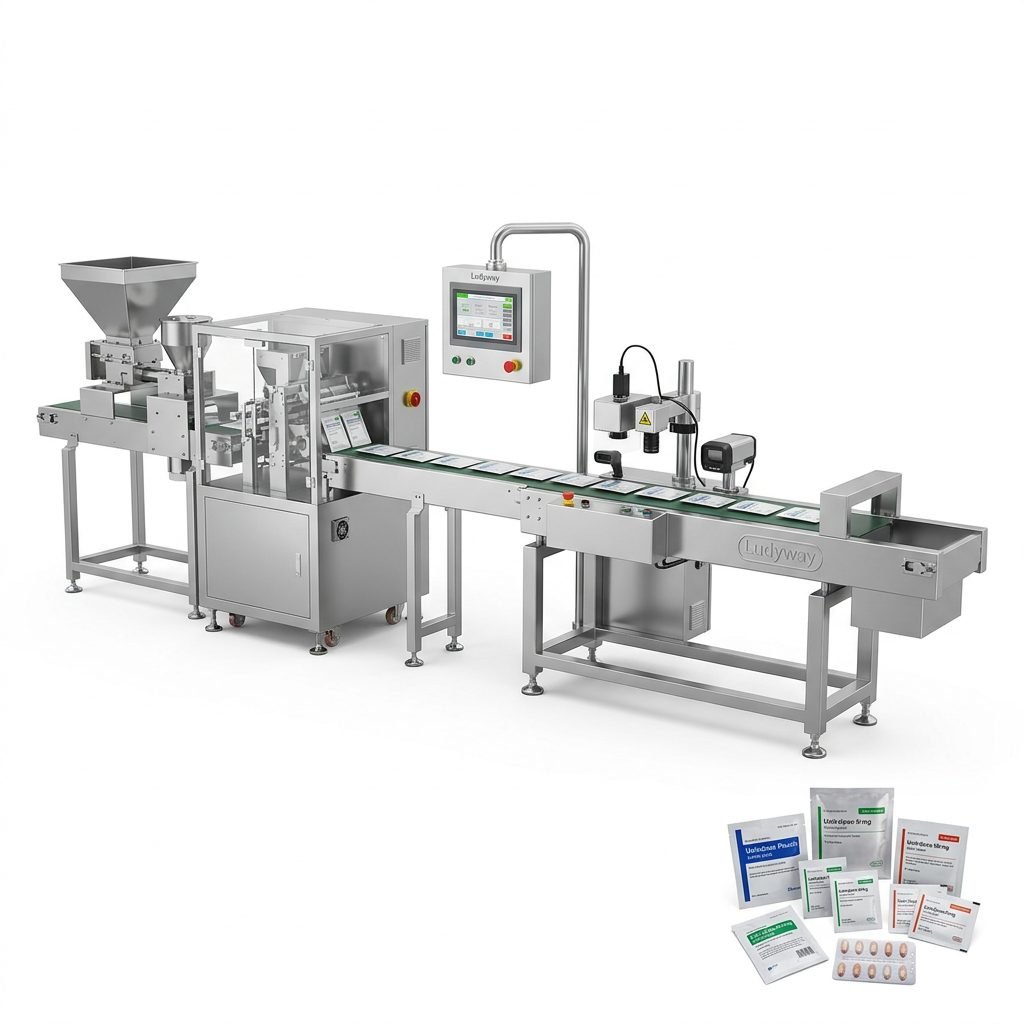
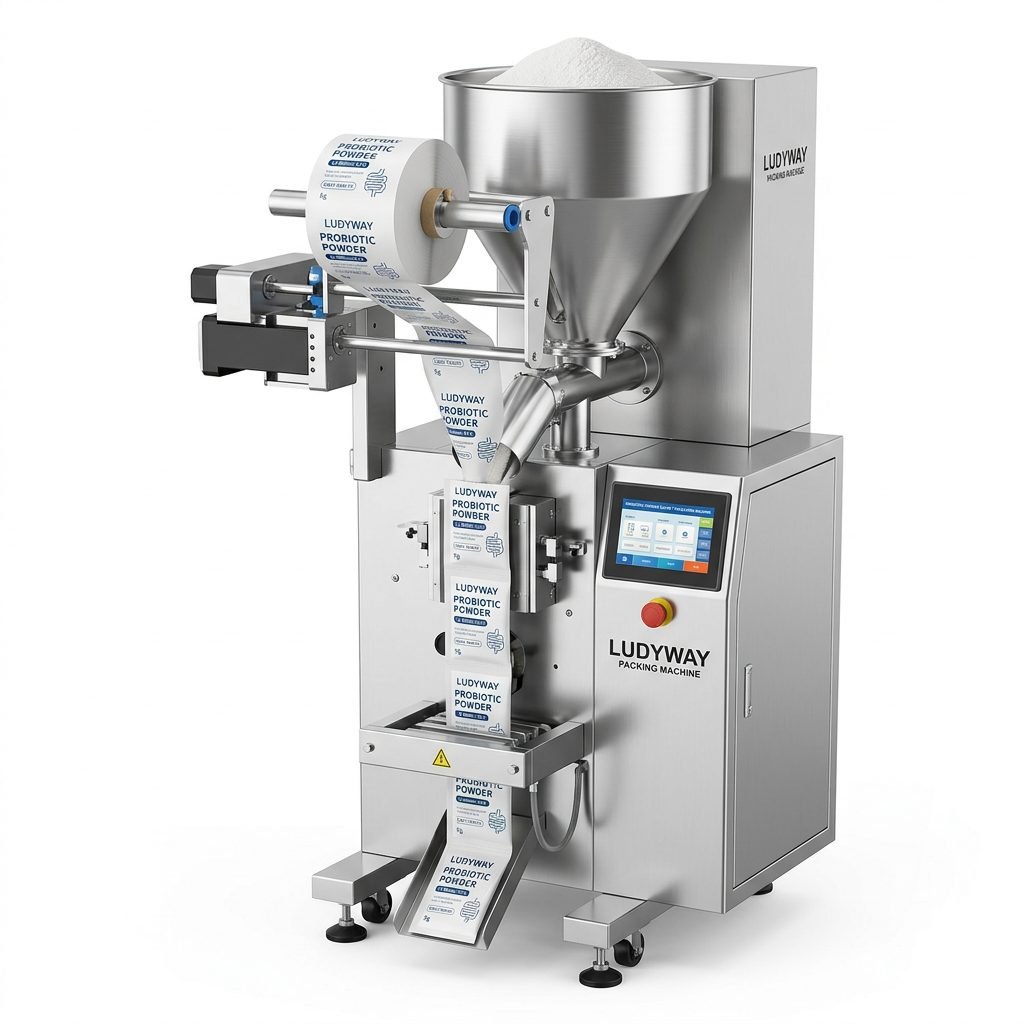
| Sachet powder packing machine | USD 12,000–40,000 | Single-dose powder packs |
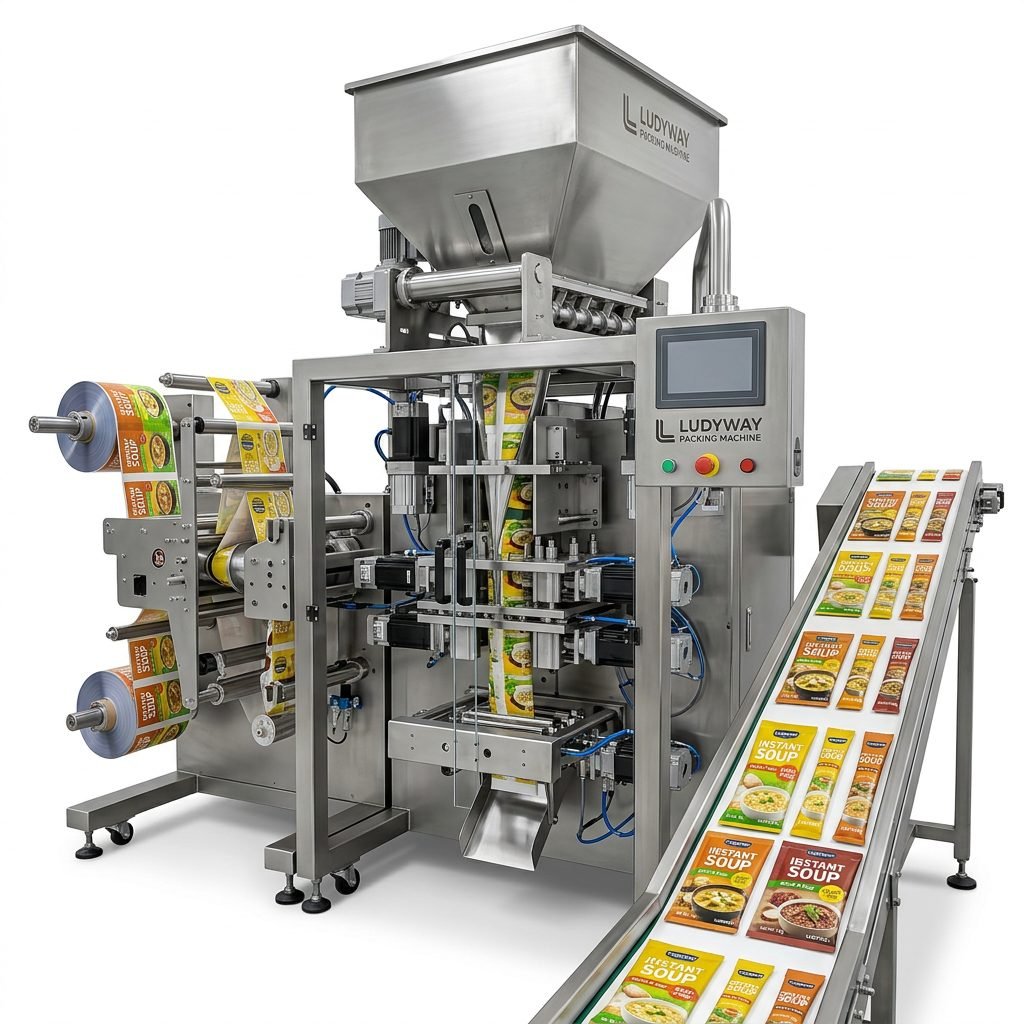
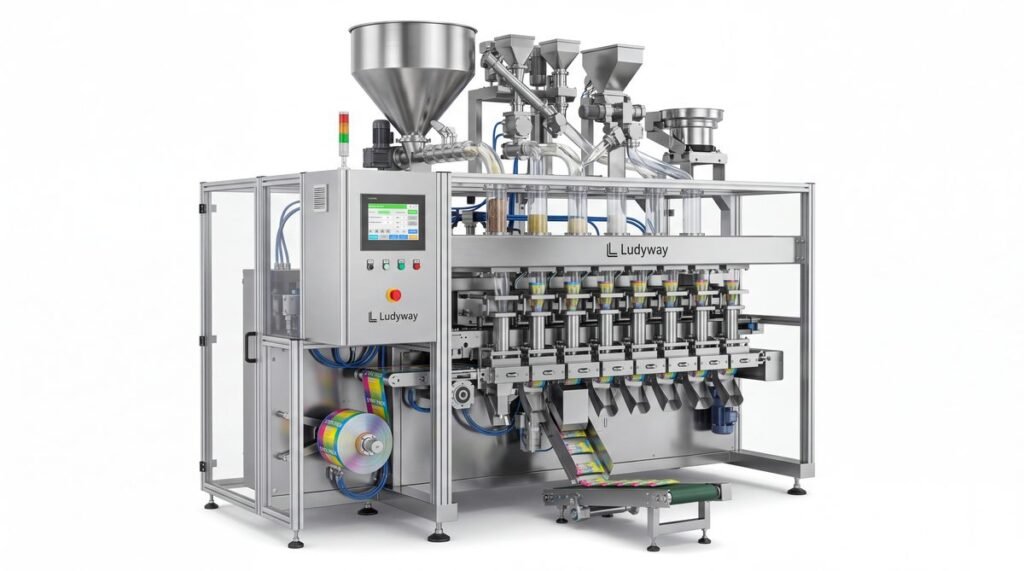
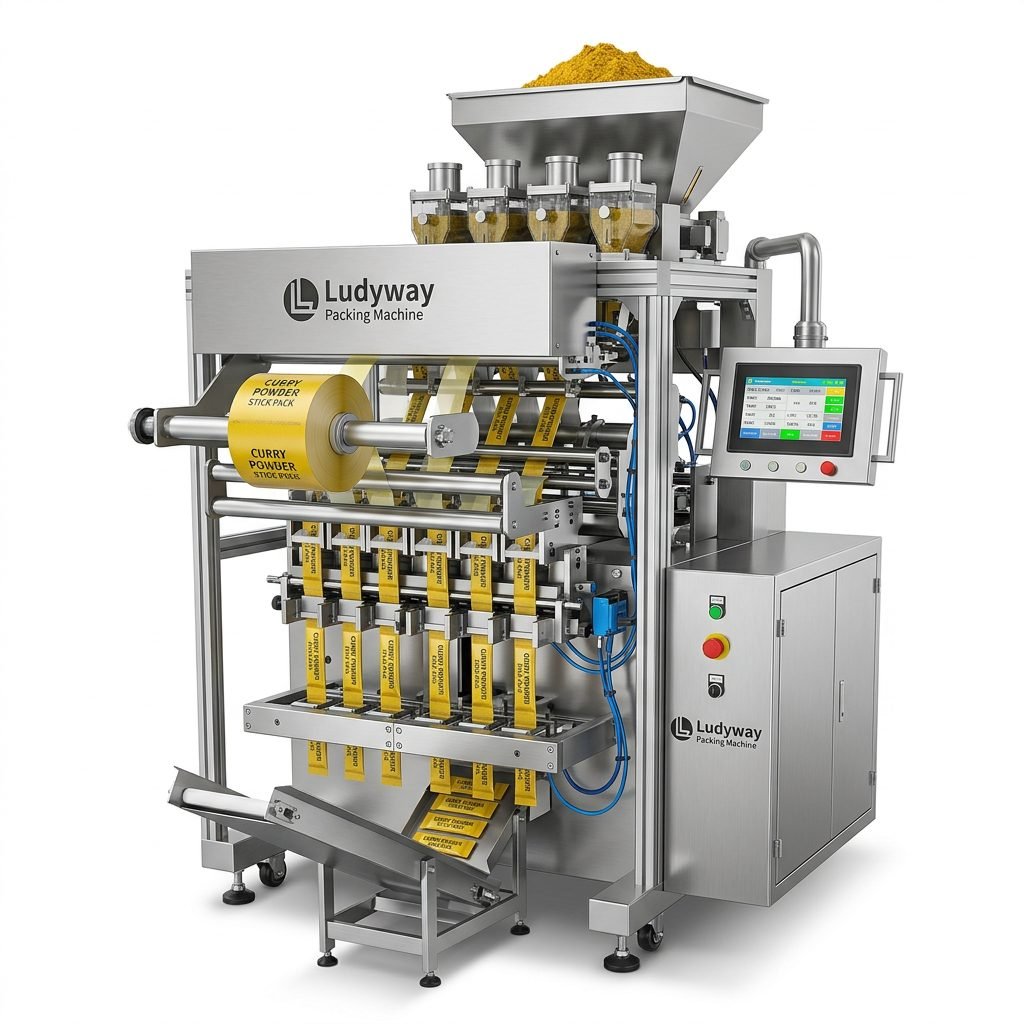
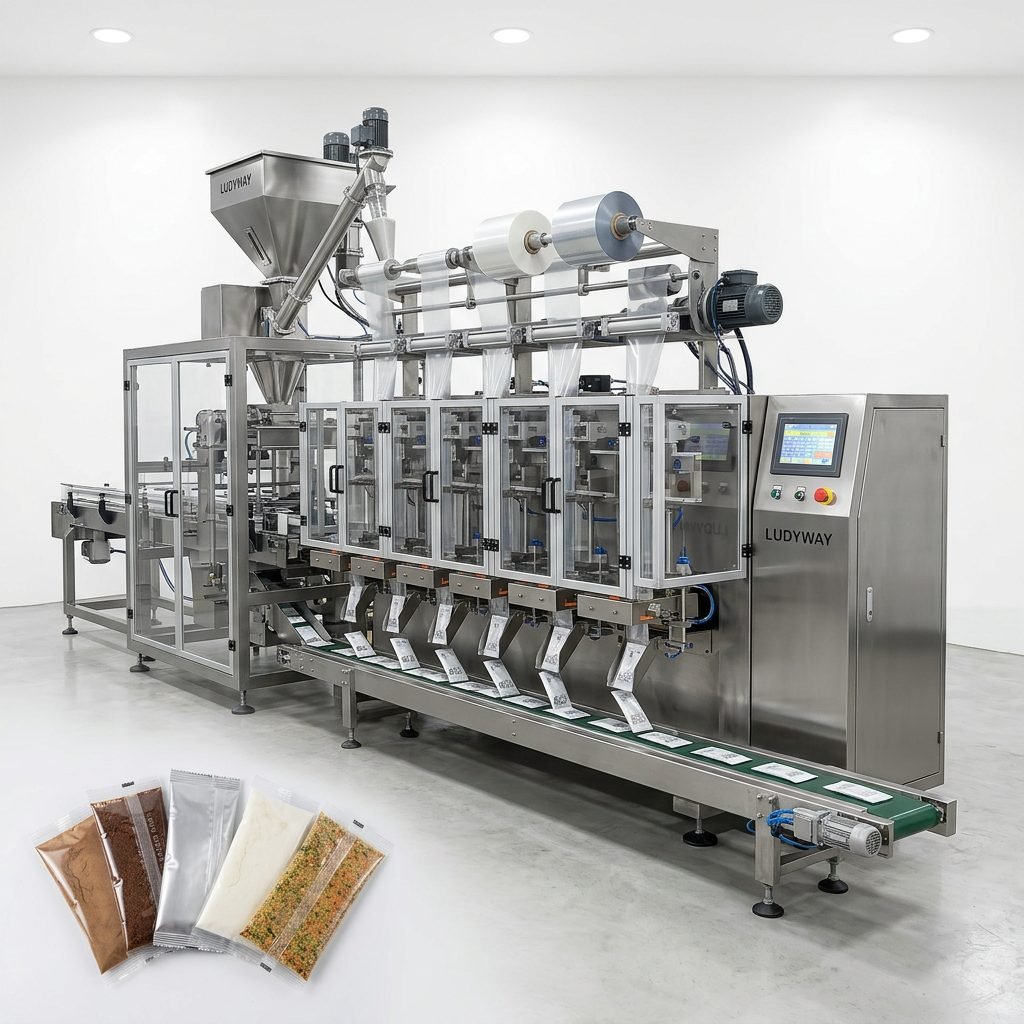
| Multi-lane stick pack machine | USD 25,000–120,000+ | High-speed drink powder, supplement, pharma applications |
| Premade pouch powder packaging machine | USD 18,000–60,000 | Stand-up pouches, zipper bags, retail packaging |
| Fully automatic powder packaging line | USD 50,000–300,000+ | Integrated feeding, filling, sealing, coding, cartoning, end-of-line automation |
These prices are indicative and may change based on configuration, capacity, and customization. A machine for milk powder or protein powder usually costs more than a machine for easy-flowing spice powder because dosing precision, dust control, and hygiene requirements are often higher.
What Determines the Price of a Powder Packaging Machine?
If two machines look similar but one costs far more, the difference usually comes from technical details. Here are the main cost drivers buyers should evaluate.
1. Packaging Format
- Bags and pouches: VFFS and premade pouch machines vary widely in cost.
- Sachets and stick packs: Multi-lane equipment is significantly more expensive because of higher output and more complex sealing structures.
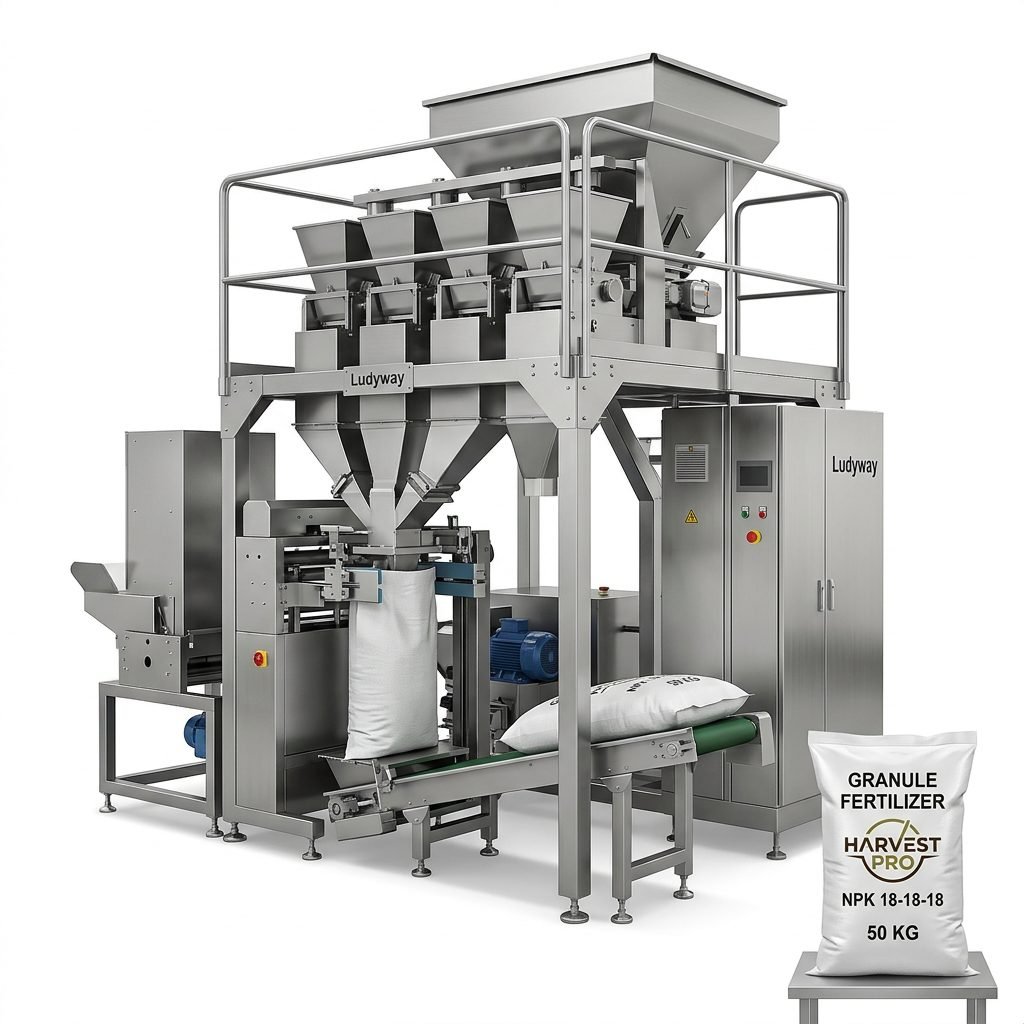
- Bulk bags: Large-volume bagging systems require stronger frames, weighing modules, and conveyors.
2. Filling Method
Most powder applications use auger filling systems. However, not all auger fillers are equal. Machine cost rises when the system includes servo-driven augers, anti-dust filling heads, high-precision load cells, or quick-change tooling for multiple SKUs.
3. Production Speed
Higher output means higher cost. A low-speed machine for 20–40 bags per minute will cost much less than a high-speed multi-lane system designed for hundreds of sachets per minute.
4. Product Characteristics
Some powders are easy to handle, while others are difficult. Price goes up when the machine must manage:
- Fine, dusty powders
- Hygroscopic products
- Poor-flowing materials
- Sticky or electrostatic powders
- High-value pharmaceutical or nutraceutical powders
5. Material and Hygiene Standards
Food and pharmaceutical buyers often require 304 or 316 stainless steel contact parts, polished surfaces, dust extraction, easy-clean construction, and compliance-oriented design. These features increase upfront cost but improve product safety and cleaning efficiency.
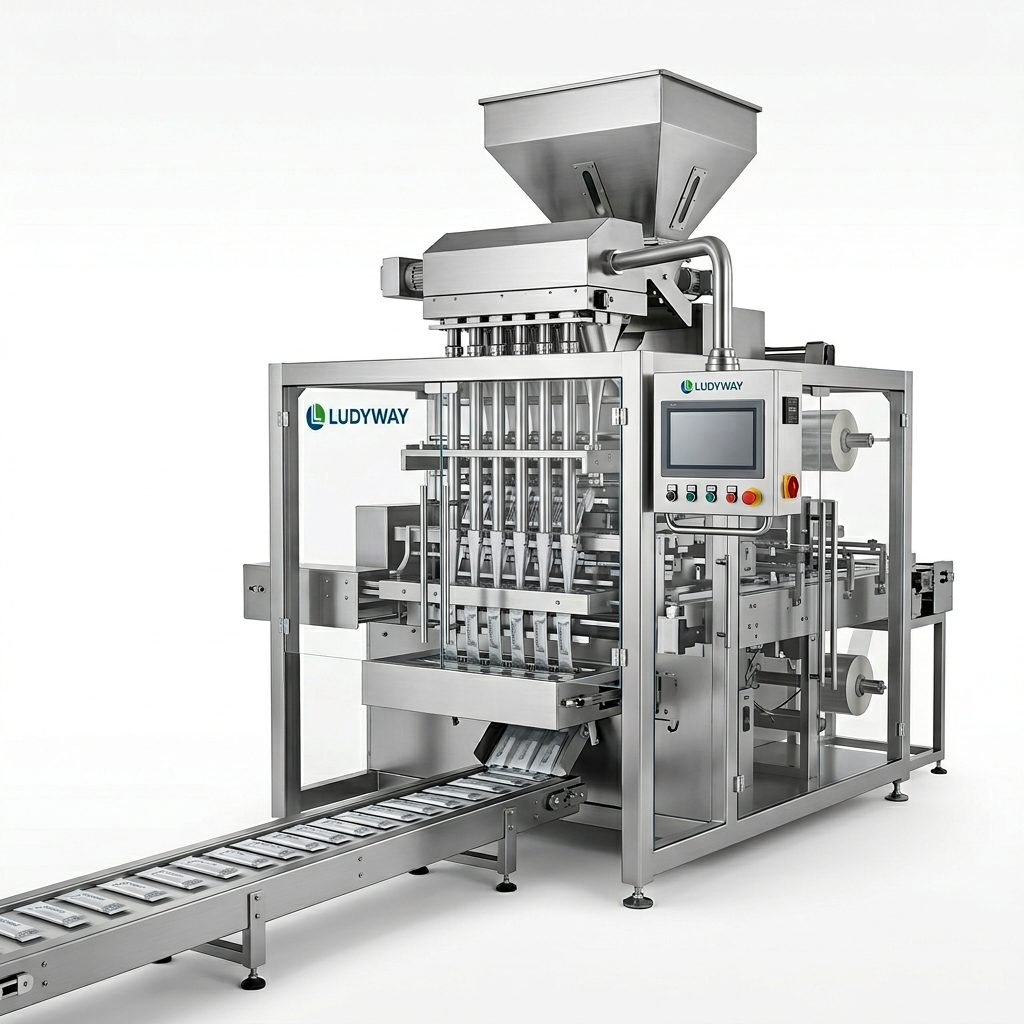
6. Automation Level
A standalone machine may seem cheaper, but integrated systems often deliver better long-term value. Optional modules that affect cost include:
- Vacuum feeder or screw conveyor
- Dust collector
- Nitrogen flushing
- Date coder or printer
- Checkweigher
- Metal detector
- Cartoning machine
- Case packing and palletizing
Powder Packaging Machine Price by Industry
Industry requirements have a direct effect on price. The same output level can carry very different machine costs depending on application.
| Industry | Common Products | Cost Influence |
|---|---|---|
| Food | Milk powder, coffee, spices, flour, seasoning | Moderate to high, depending on hygiene and speed |
| Pharmaceutical | Medical powders, ORS, prescription sachets | High due to precision, validation, and cleanliness |
| Nutraceutical | Protein powder, collagen, creatine, vitamins | Moderate to high due to retail packaging and dosing accuracy |
| Chemical | Detergent powder, additives, industrial powders | Moderate to high depending on corrosion and dust control |
| Animal feed | Feed premix, pet nutrition, additives | Moderate to high, especially for bulk handling systems |
Hidden Costs Many Buyers Overlook
The machine price is only part of the budget. To estimate the real investment, also review the following costs:
- Shipping and import duties – Sea freight, insurance, inland transport, taxes, and customs clearance can add a meaningful amount.
- Installation and commissioning – On-site setup, operator training, and production testing may be charged separately.
- Spare parts package – Recommended wear parts, sensors, sealing jaws, screws, and consumables should be budgeted early.
- Packaging film or pouch compatibility testing – Incorrect material selection can reduce sealing quality and efficiency.
- Utility requirements – Air compressor, stable power supply, dust collection, and workshop modifications may be needed.
- Maintenance downtime – A cheaper machine with unstable performance can become more expensive over time.
Should You Buy a Low-Cost or Premium Powder Packaging Machine?
This depends on your output target, product value, and brand expectations.
Choose a lower-cost machine if:
- You are testing the market
- Your output demand is still small
- You package one simple powder product
- Your budget is limited and manual labor is acceptable
Choose a higher-spec machine if:
- You need consistent high-speed production
- You run multiple package sizes or SKUs
- You package high-value or regulated products
- You want better sealing quality and lower product waste
- You need scalable automation for future growth
In many cases, total cost of ownership matters more than the initial quotation. A reliable machine with stable filling, easy maintenance, and strong after-sales support often creates better ROI than the cheapest option.
How to Get an Accurate Quotation
Suppliers can only provide a truly useful quote when your requirements are clear. Before requesting pricing, prepare the following information:
- Product name and powder characteristics
- Target pack weight or volume
- Bag, pouch, sachet, or stick pack style
- Package dimensions
- Required production speed
- Photo or sample of your packaging
- Accuracy target
- Need for coding, checkweighing, cartoning, or palletizing
- Voltage and factory conditions
The more complete your data, the more accurate and comparable the quotations will be.
Typical Buyer Scenarios and Budget Guidance
Small Business or New Brand
If you pack protein powder, spices, coffee powder, or supplements in limited volume, a semi-automatic or entry-level automatic machine may be enough. Budget range: USD 3,000–20,000.
Growing Food or Supplement Factory
For stable daily output and branded retail packaging, most buyers move to automatic VFFS, sachet, or premade pouch systems. Budget range: USD 15,000–60,000.
High-Speed Contract Manufacturer
If you serve multiple clients and need fast changeover plus high output, multi-lane powder packaging systems or turnkey lines make more sense. Budget range: USD 60,000–300,000+.
How to Choose the Right Supplier
Price matters, but supplier capability matters just as much. A dependable manufacturer should offer technical matching, sample testing, customization, documentation, and long-term support.
For buyers looking for scalable powder packaging equipment, Ludyway powder packaging machine solutions are often considered for food, pharmaceutical, health supplement, chemical, and turnkey line applications thanks to broad machine coverage, export experience, and customization capability.
Questions to Ask Before You Buy
- What powder products has the supplier packaged before?
- Can they test my sample product and packaging film?
- What filling accuracy can they guarantee?
- How easy is it to change pack sizes?
- What spare parts come with the machine?
- Is remote or on-site technical support available?
- What is the lead time for manufacturing and delivery?
- Can the machine be expanded into a full packaging line later?
Final Buying Insight
So, how much does a powder packaging machine cost? In real-world sourcing, the answer usually falls between USD 2,000 and USD 300,000+, depending on the machine structure and project scope. The right choice is not the cheapest machine, but the one that fits your powder characteristics, package format, compliance needs, and long-term production plan.
If you compare quotes carefully, confirm technical details early, and account for hidden costs, you will be in a much stronger position to choose a machine that delivers both efficiency and return on investment.