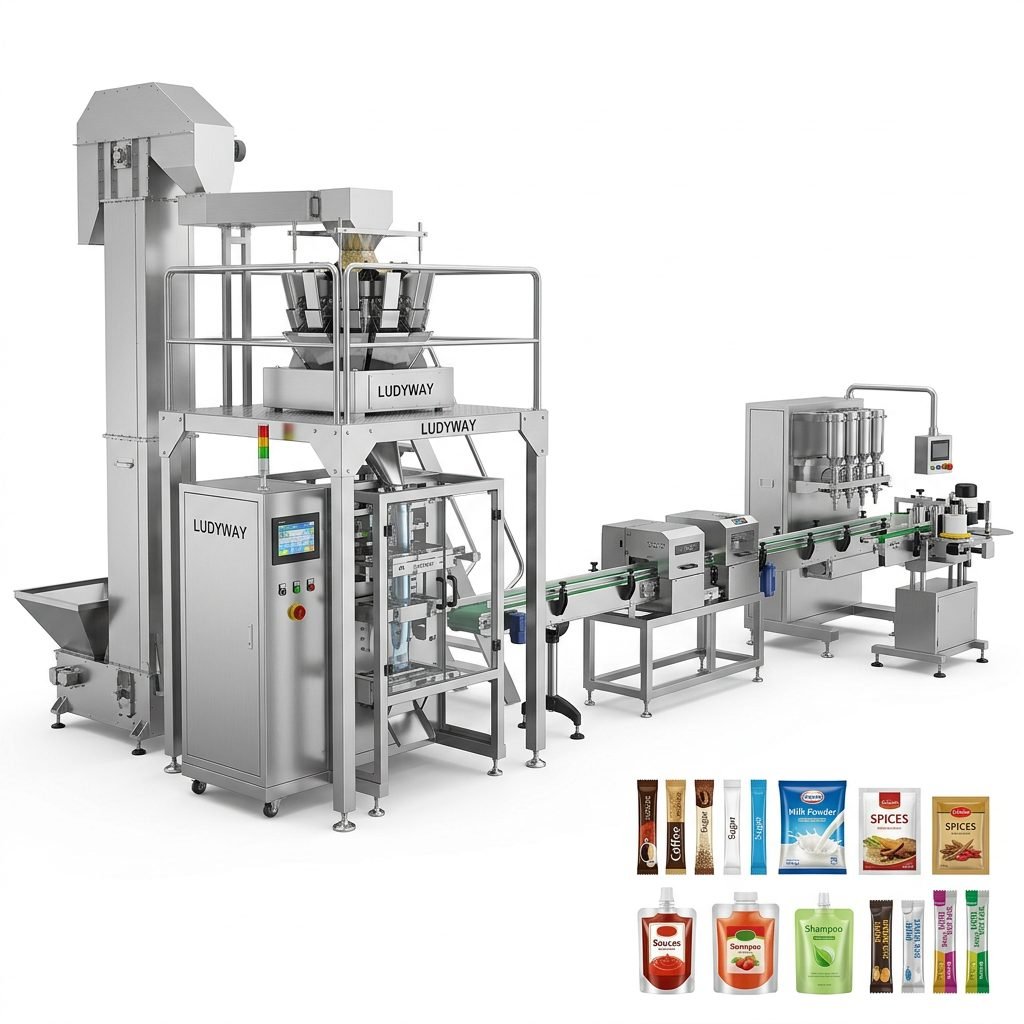
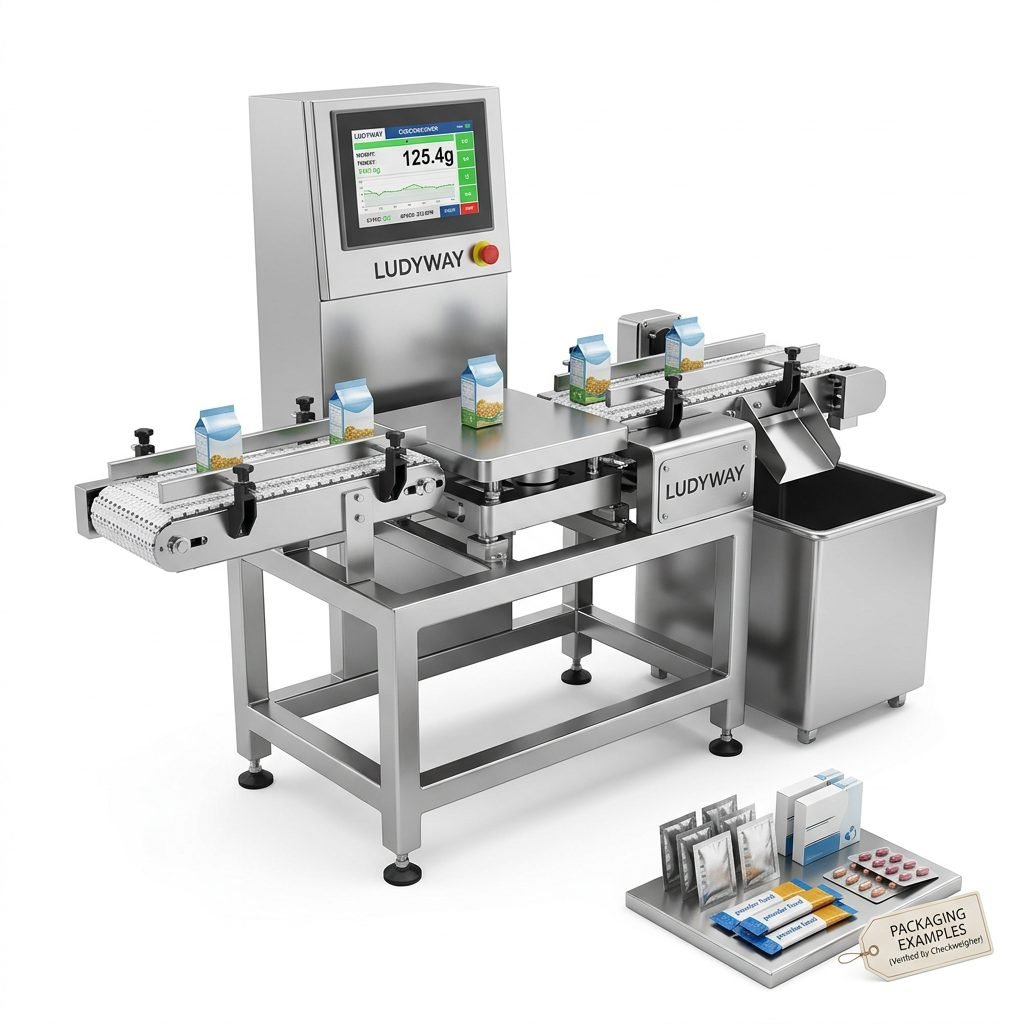
Choosing the right Doypack packaging machine is not just about speed. It is about matching the machine to your pouch style, product characteristics, output goals, hygiene standards, and long-term production plan. For food, pharmaceutical, cosmetic, and chemical brands, the right stand-up pouch filling and sealing solution can improve shelf appeal, reduce waste, strengthen seal quality, and lower operating costs.
If you are comparing automatic pouch filling equipment for powders, granules, liquids, or pastes, this guide will help you evaluate the most important technical and business factors before investing.
What Is a Doypack Packaging Machine?
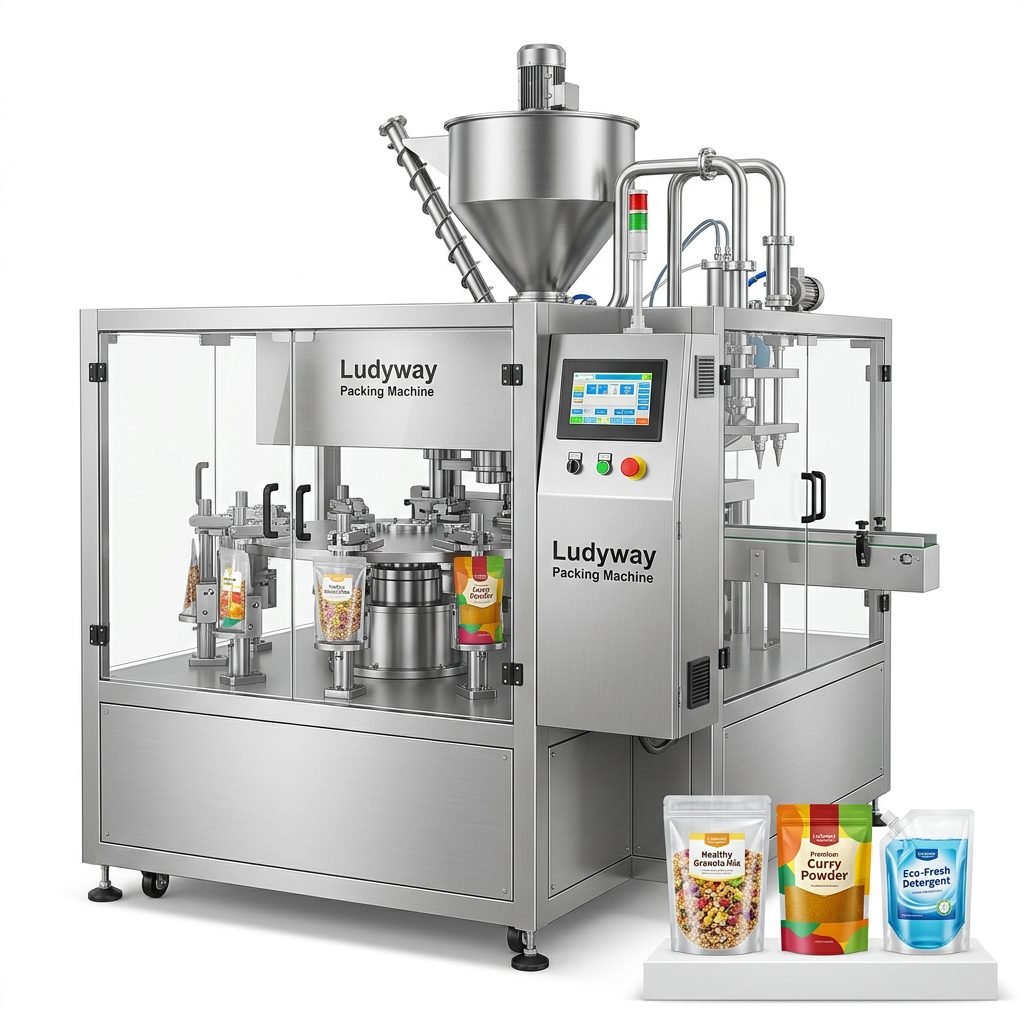
A Doypack packaging machine is designed to fill and seal stand-up pouches, typically premade pouches with a bottom gusset that allows the package to stand upright on retail shelves. These pouches are widely used for snacks, coffee, sauces, detergents, supplements, pet food, and many other products.
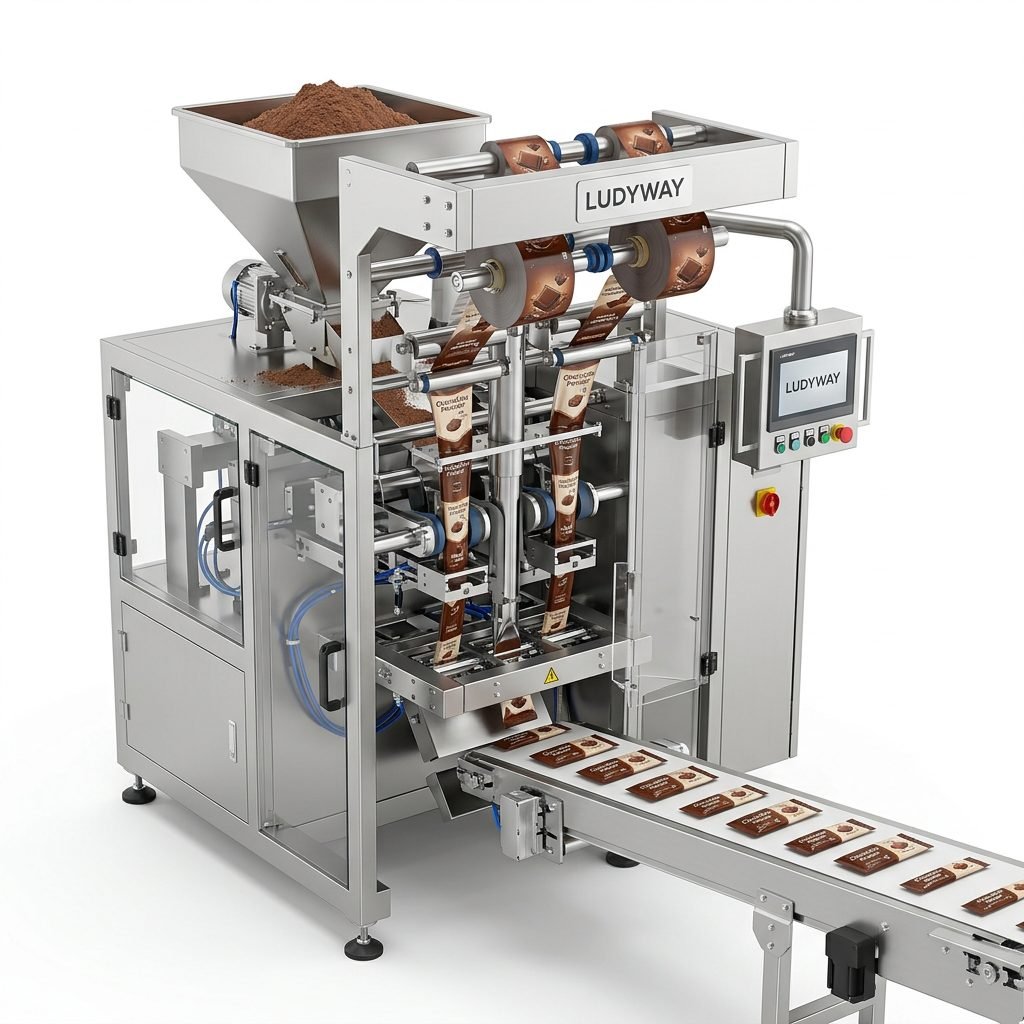
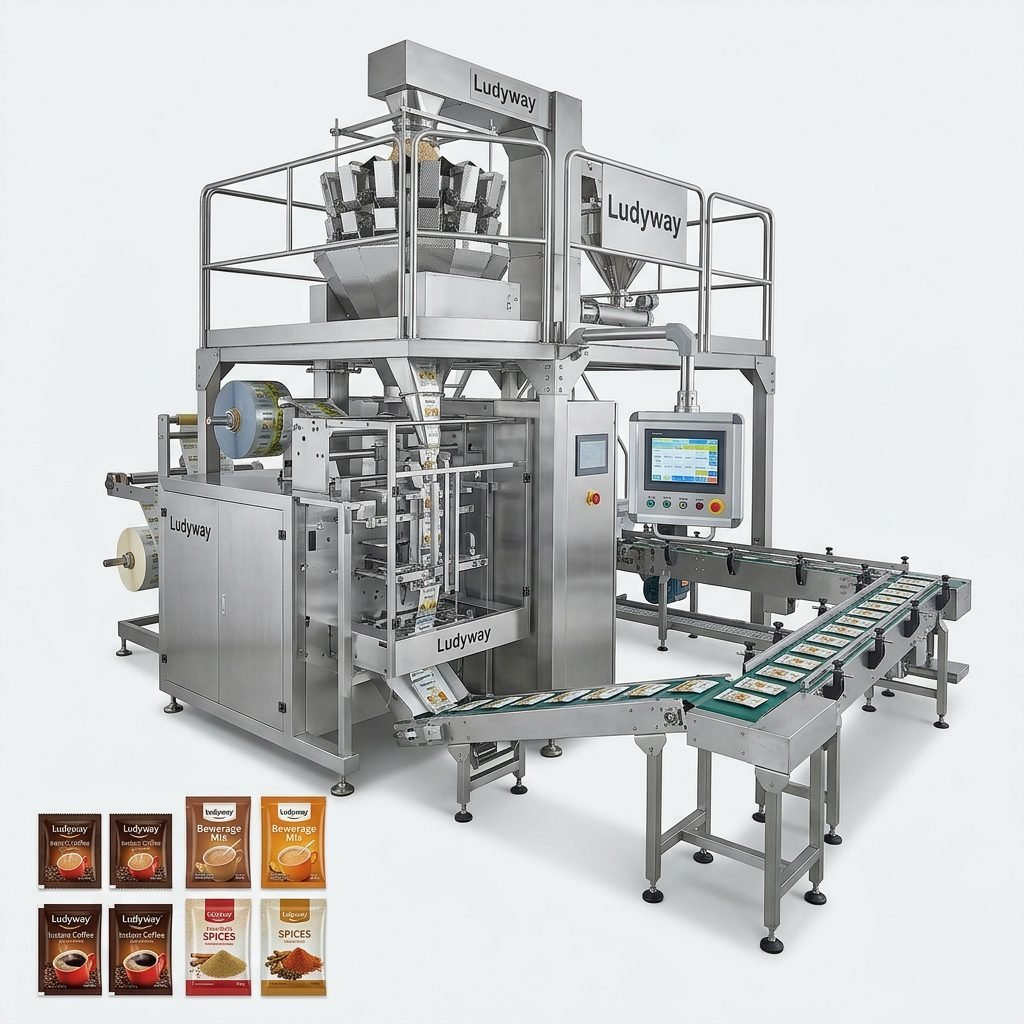
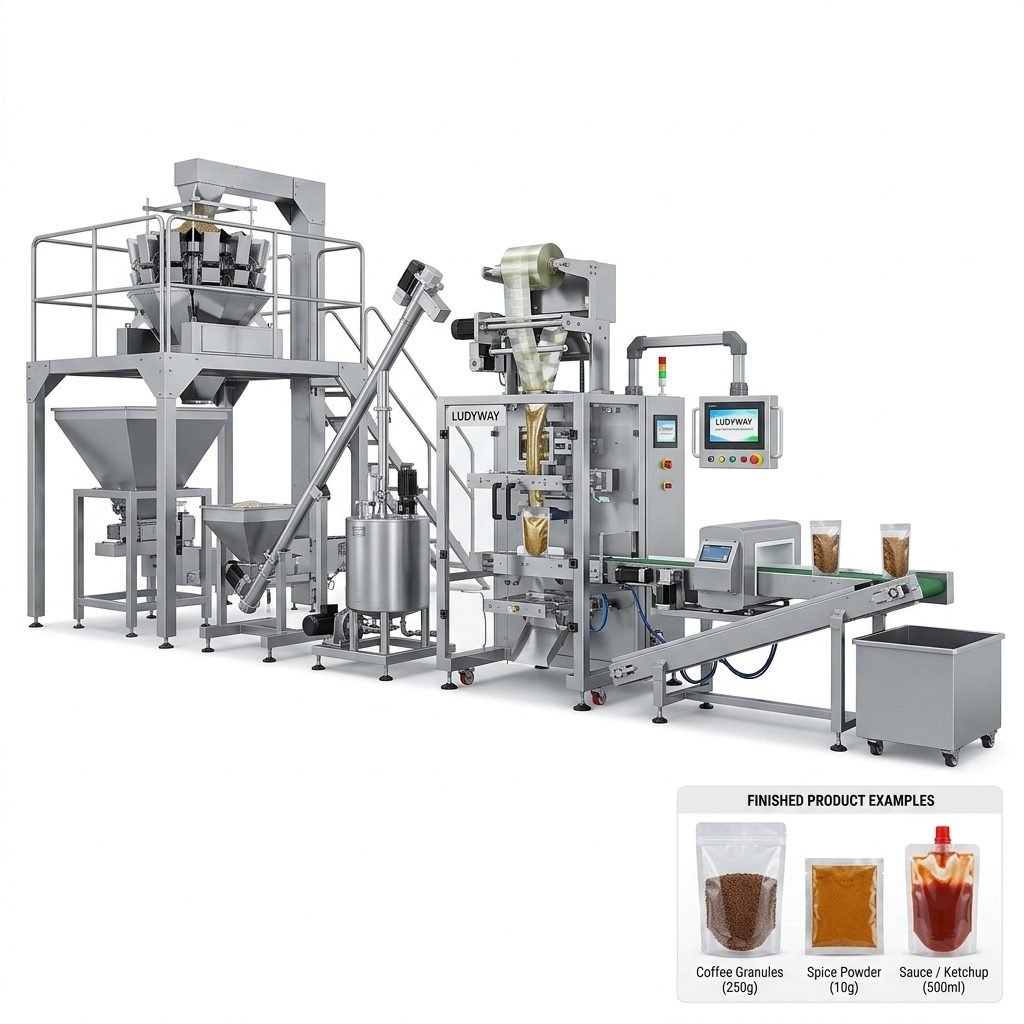
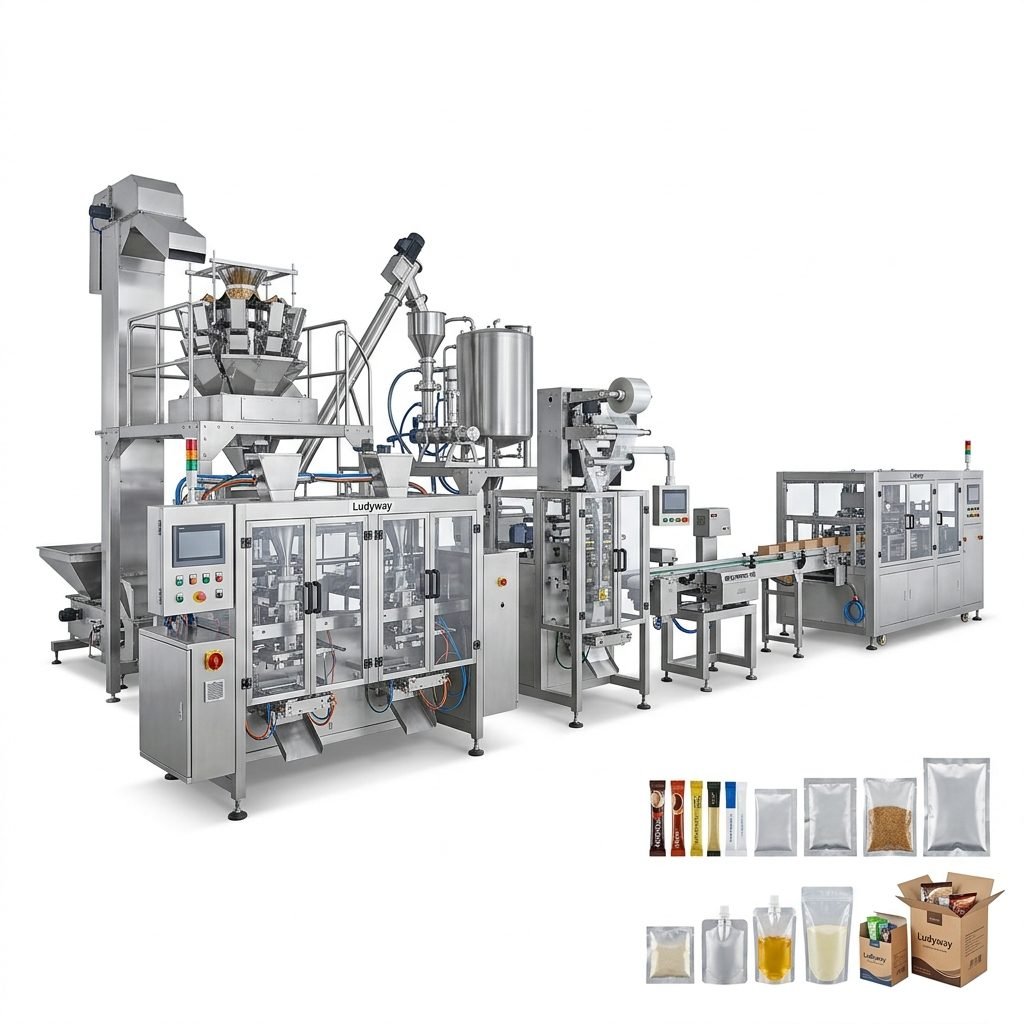
Depending on the application, the machine may perform pouch feeding, opening, filling, air removal or nitrogen flushing, sealing, coding, and discharge in one integrated process. Advanced systems can also include weighing, cap placement, zipper opening/closing, metal detection, vision inspection, cartoning, and case packing.
Why Stand-Up Pouches Are So Popular
- Strong shelf presence for retail display
- Lower packaging material usage compared with rigid containers
- Convenient consumer features such as zippers, spouts, and tear notches
- Better logistics efficiency in transport and storage
- Flexible sizing for single-serve, medium, and family packs
For manufacturers, Doypack packaging also supports brand differentiation while improving packaging line flexibility across multiple product categories.
Key Machine Types for Stand-Up Pouch Filling and Sealing
Not every stand-up pouch machine works the same way. The best choice depends on your pouch format, product form, and automation target.
| Machine Type | Best For | Typical Features |
|---|---|---|
| Premade pouch rotary machine | High-quality Doypack, zipper pouch, spouted pouch | Pouch pick-up, opening, filling, sealing, coding |
| Inline premade pouch machine | Medium-speed applications and flexible layouts | Simple structure, easy maintenance, modular stations |
| VFFS with stand-up pouch capability | High-volume standardized pouch production | Form-fill-seal from roll film, cost-effective material use |
| Spout pouch filling and capping machine | Liquids, gels, baby food, detergents | Accurate filling, cap placement, leak-resistant sealing |
How to Choose the Best Solution for Your Product
1. Start with Your Product Type
The first filter is the product itself. Filling technology must match flowability, density, viscosity, particle size, and sensitivity to air or moisture.
- Powders: use auger fillers for protein powder, seasoning, milk powder, pharma powders
- Granules: use multihead weighers, cup fillers, or linear weighers for nuts, seeds, candy, coffee, pet food
- Liquids: use piston pumps, flowmeters, or servo liquid fillers for sauces, oils, beverages, detergents
- Pastes and gels: use heated hopper or piston systems for cream, jam, peanut butter, cosmetic gel
If your product bridges, foams, clumps, or separates easily, tell the supplier early. Product behavior directly affects filling accuracy and seal cleanliness.
2. Confirm the Pouch Style and Specifications
Doypack is a broad category. You should define:
- Pouch width and length range
- Fill volume or target weight
- Plain pouch, zipper pouch, spout pouch, shaped pouch, or aluminum foil pouch
- Single material or multi-layer laminated film
- Required seal appearance and seal width
A machine that handles a basic stand-up pouch may not automatically support zipper opening, top shape alignment, or spout insertion. Never assume compatibility without a pouch sample test.
3. Evaluate Speed Requirements Realistically
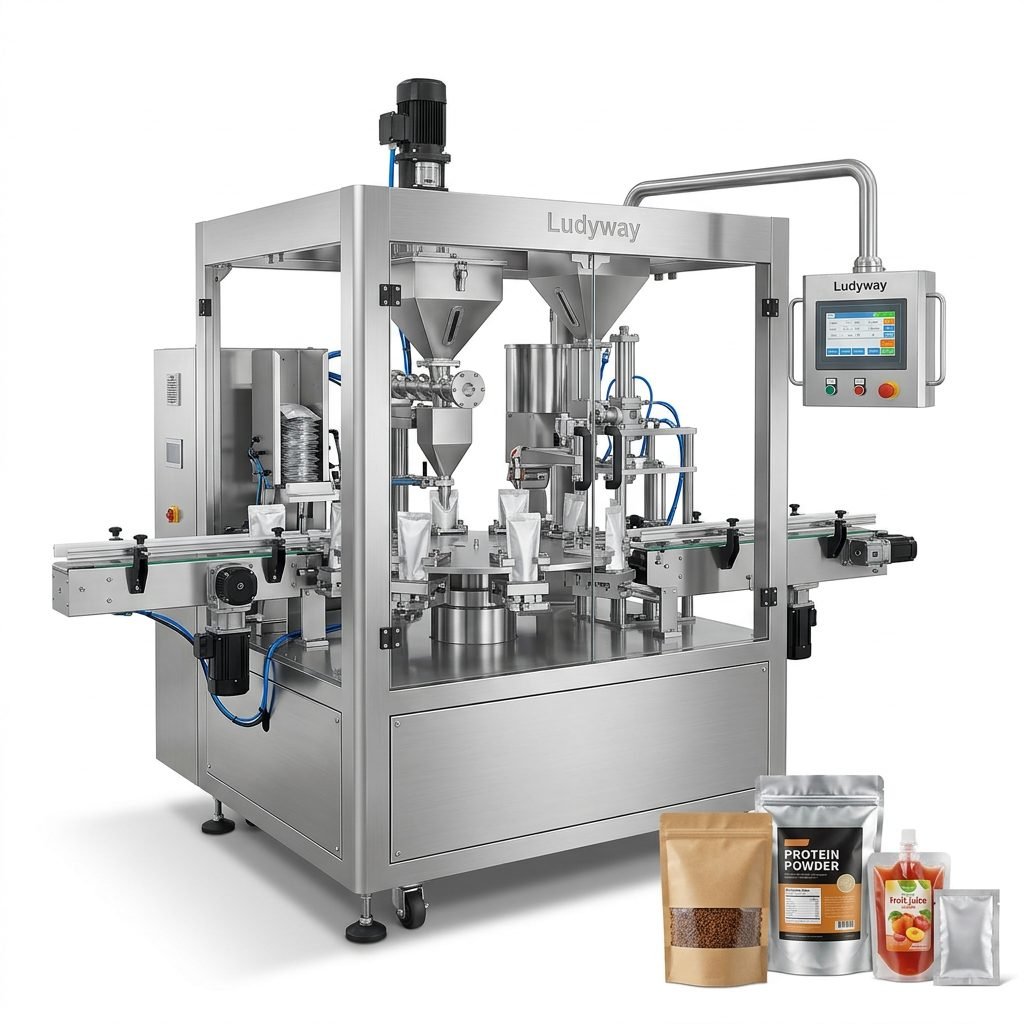
Buyers often focus too much on maximum speed. In reality, the more useful metric is stable production speed under your real product conditions.
Ask these questions:
- What speed is achievable with my exact pouch size?
- Does the speed drop for zipper pouches or heavier fills?
- What speed is maintained after adding nitrogen flushing or date coding?
- What is the rejection rate at target speed?
A slower machine with consistent sealing and low downtime may generate better total output than a faster machine that requires constant adjustment.
4. Check Filling Accuracy and Seal Reliability
In Doypack packaging, the two most important performance indicators are fill accuracy and seal integrity. Poor accuracy leads to giveaway or underweight packs. Poor sealing causes leakage, contamination, shelf-life issues, and customer complaints.
Look for:
- Servo-controlled dosing systems
- Stable pouch positioning and opening
- Dust extraction or product settling systems for powders
- No-drip filling valves for liquids
- Independent temperature control on sealing jaws
- Seal pressure and dwell time adjustment
5. Consider Hygiene and Industry Compliance
Food, pharmaceutical, nutraceutical, and personal care applications require different sanitary standards. The machine should suit both your product and your market regulations.
| Industry | What to Prioritize |
|---|---|
| Food | Food-grade contact parts, easy cleaning, contamination control |
| Pharmaceutical | Precise dosing, validation support, enclosed structure, traceability |
| Cosmetic | Viscous product handling, attractive seal finish, changeover flexibility |
| Chemical | Corrosion resistance, dust management, operator safety, leak prevention |
Stainless steel construction, cleanable product paths, safety guarding, and reliable control systems are especially important for long-term compliance.
6. Assess Flexibility for Future Packaging Changes
Many manufacturers buy for today’s SKU but regret it when new pack sizes or pouch styles are introduced. A better investment is often a machine with a wider operating range and easier changeover.
Ask whether the system supports:
- Multiple pouch sizes
- Different filling heads for different product categories
- Zipper and non-zipper pouch changeover
- Recipe memory through HMI
- Quick-release parts for cleaning and changeover
7. Review Automation Level and Line Integration
A standalone machine may work for small production, but growing operations often need more than filling and sealing. The best stand-up pouch solution should fit into a broader packaging workflow.
Integration options may include:
- Automatic feeding and conveying systems
- Checkweighers and metal detectors
- Vision inspection and reject devices
- Cartoning and case packing
- Robotic palletizing
- Data collection and factory MES connection
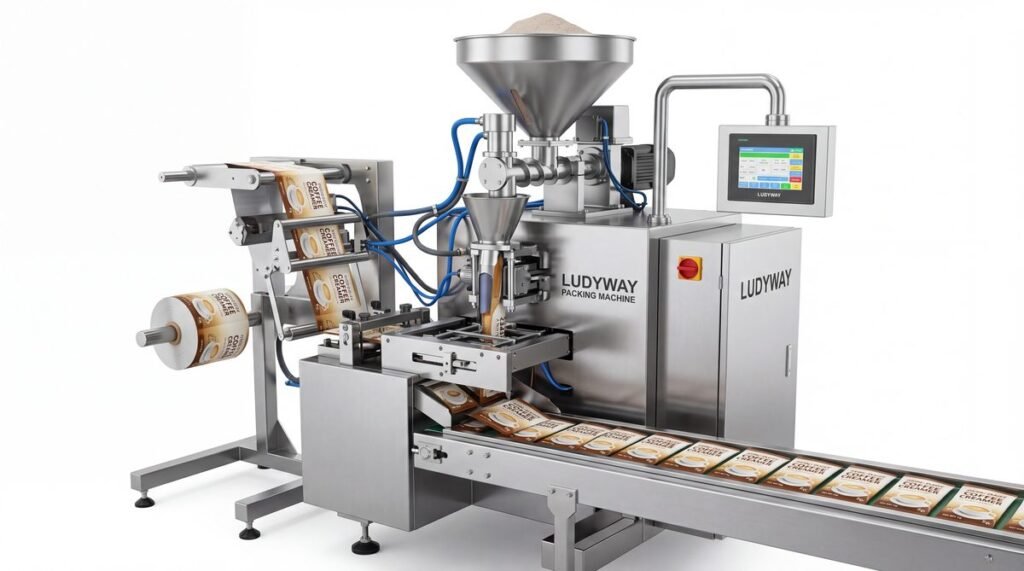
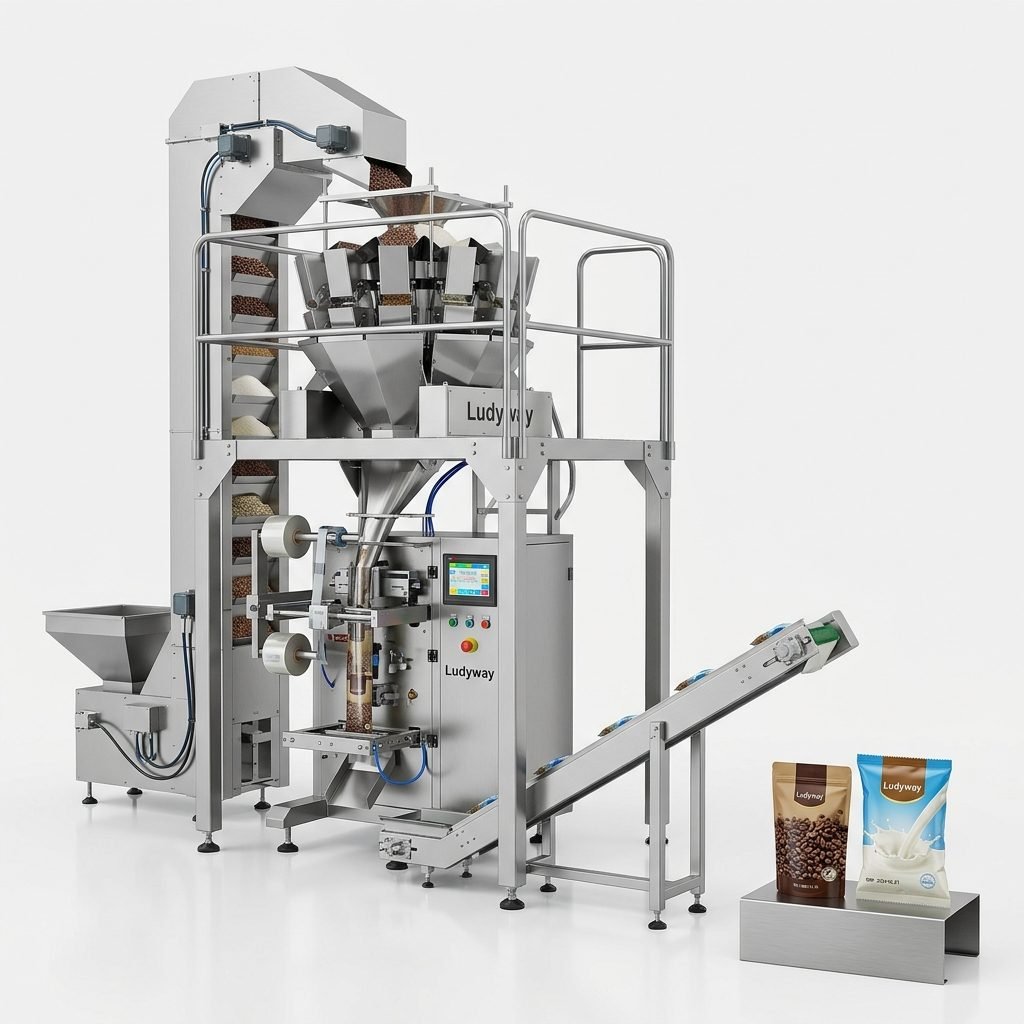
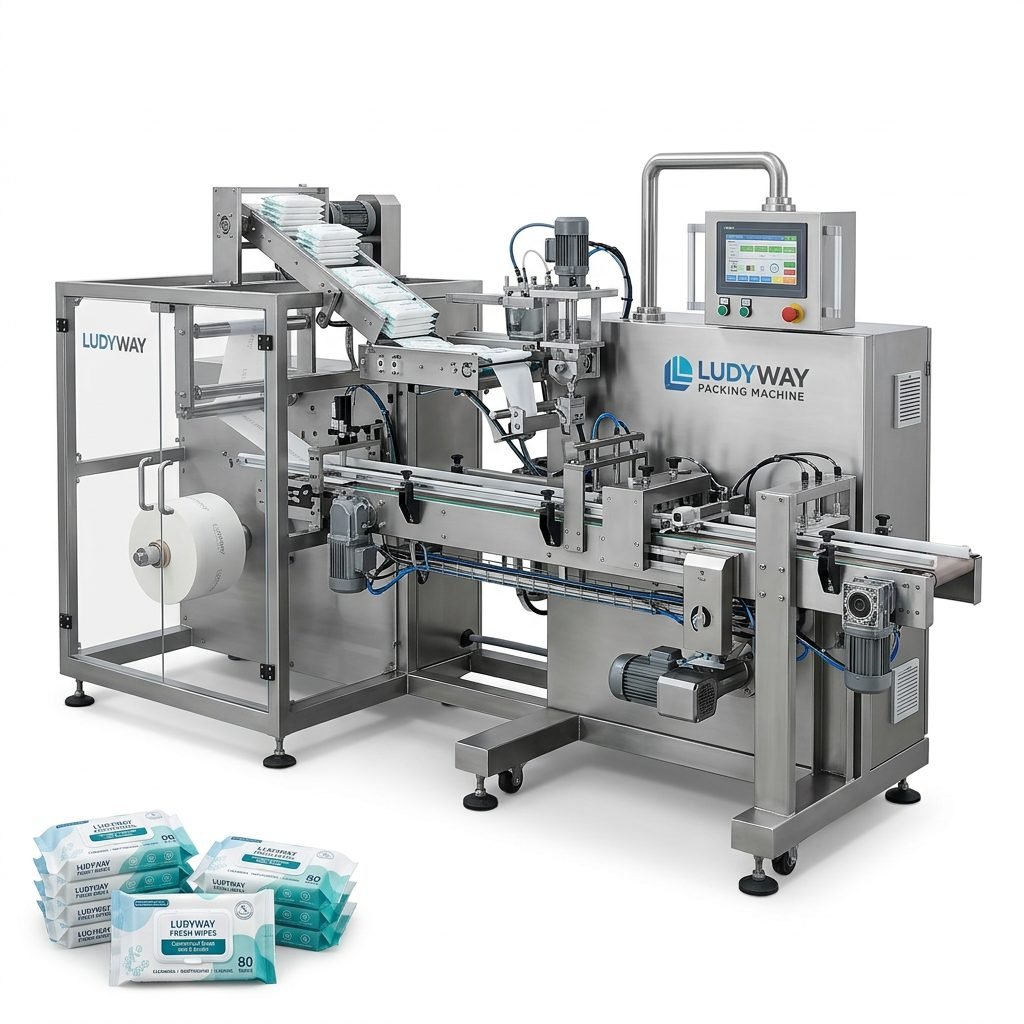
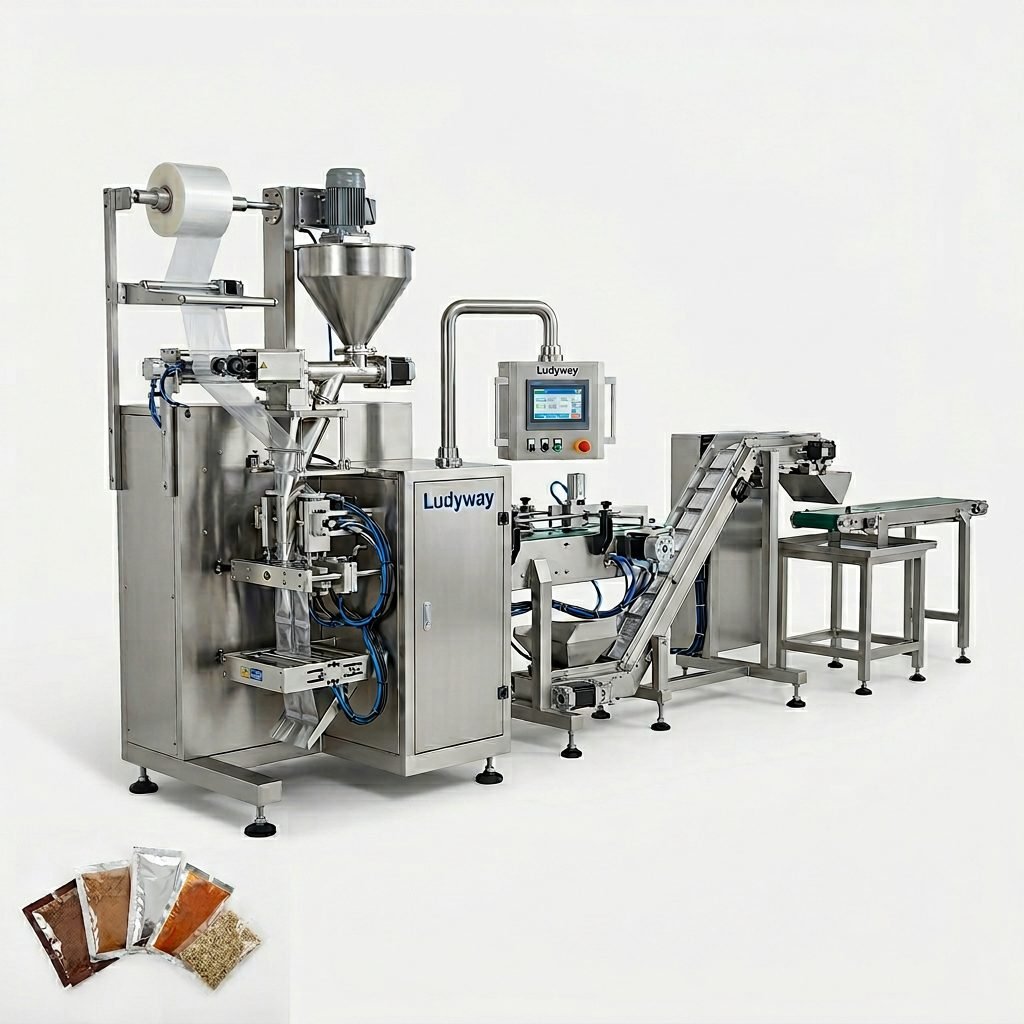
This is where an experienced turnkey supplier can add real value. Ludyway provides packaging machinery and turnkey packaging line solutions for food, pharmaceutical, health supplement, and related industries, helping buyers scale from standalone equipment to integrated automation.
Important Technical Questions to Ask Before Buying
- What products has this machine already run successfully?
- Can the supplier test my product and my pouch samples?
- What filling accuracy can be guaranteed?
- How is seal contamination prevented for powder or viscous products?
- How long does size changeover take?
- What spare parts are recommended for the first year?
- What language and remote support options are available?
- What certifications and electrical standards can be provided?
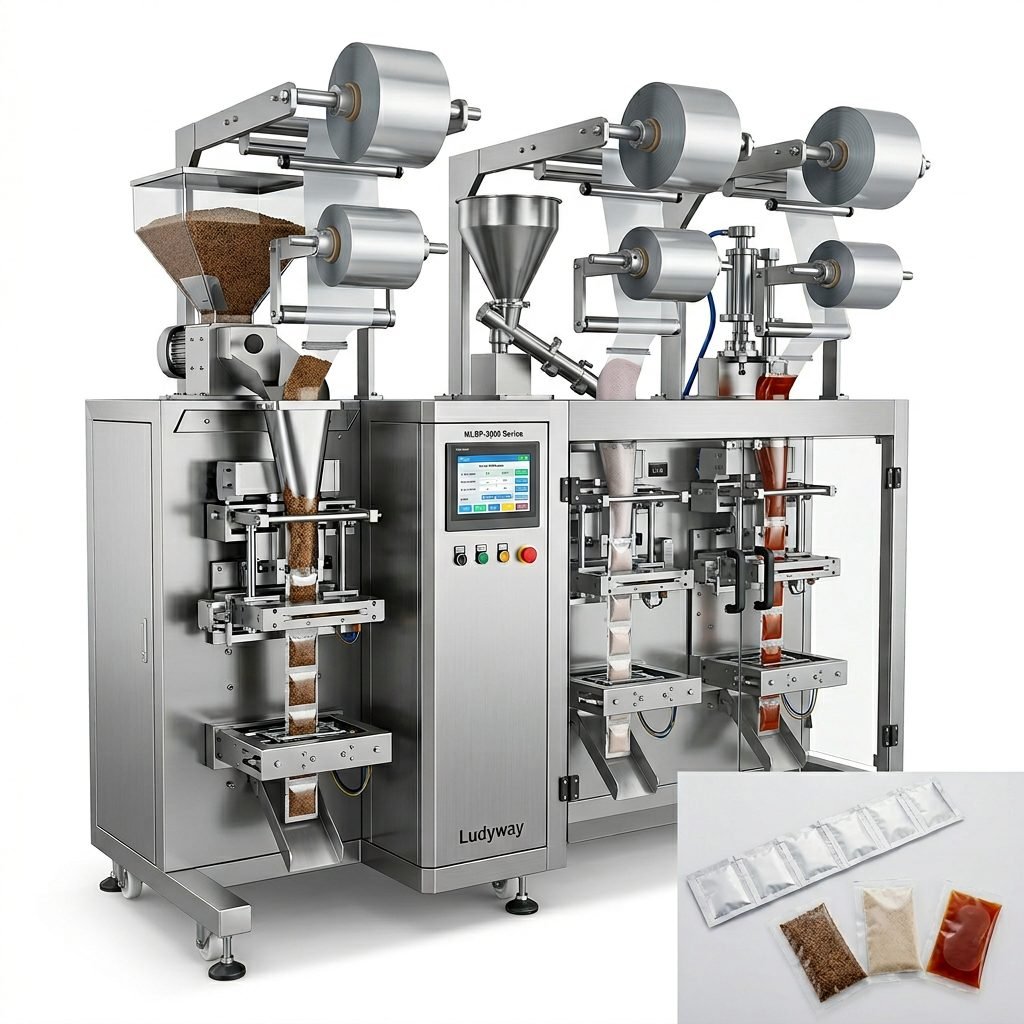
Common Mistakes When Selecting a Doypack Machine
- Choosing by price alone without evaluating uptime, accuracy, or service support
- Ignoring pouch quality variation, which can affect opening and sealing performance
- Overestimating speed needs while underestimating cleaning and maintenance time
- Not planning for future SKUs and package changes
- Skipping product testing before purchase approval
Which Industries Benefit Most from Stand-Up Pouch Filling and Sealing?
Doypack machines are highly versatile and suitable for many sectors, especially where product presentation, portability, and packaging efficiency matter.
- Snack foods and nuts
- Coffee, tea, and drink mixes
- Sauces, condiments, and edible oils
- Protein powders and health supplements
- Pet food and pet treats
- Detergents and household chemicals
- Cosmetic creams, gels, and sample packs
- Pharmaceutical powders and granules
A Practical Buyer Checklist
| Checklist Item | Why It Matters |
|---|---|
| Product sample test | Confirms real filling and sealing performance |
| Pouch sample validation | Ensures opening, alignment, and seal compatibility |
| Speed under production conditions | Helps avoid unrealistic expectations |
| Changeover complexity | Impacts labor time and line flexibility |
| After-sales support | Reduces downtime and supports long-term operation |
| Line integration capability | Supports future automation upgrades |
Final Buying Insight
The best stand-up pouch filling and sealing solution is the one that fits your actual product, actual pouch, and actual production target. A well-selected Doypack packaging machine should deliver stable pouch feeding, precise dosing, clean sealing, easy operation, and room for future growth.
Before making a final decision, compare suppliers based on testing ability, engineering experience, customization options, and support after installation—not just quoted price. That approach will help you choose equipment that performs reliably for years, not just during acceptance testing.