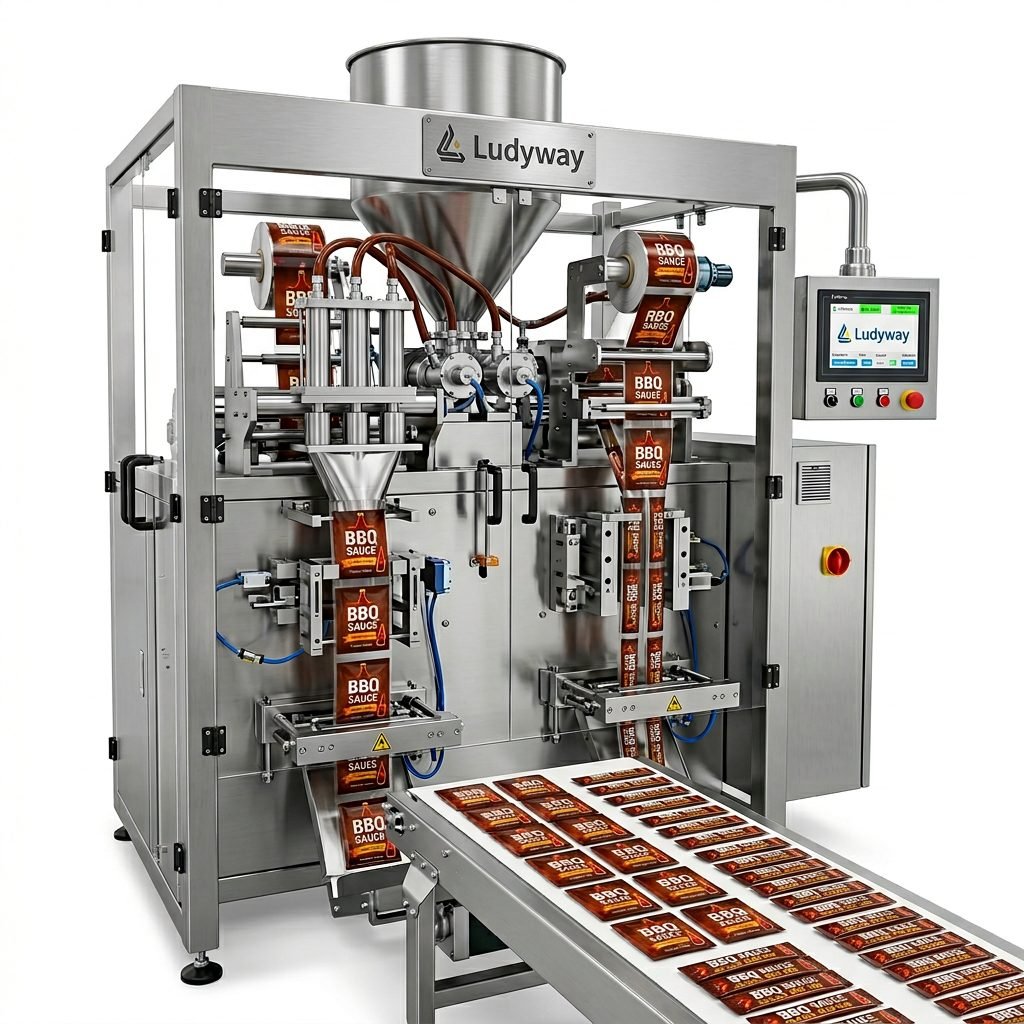
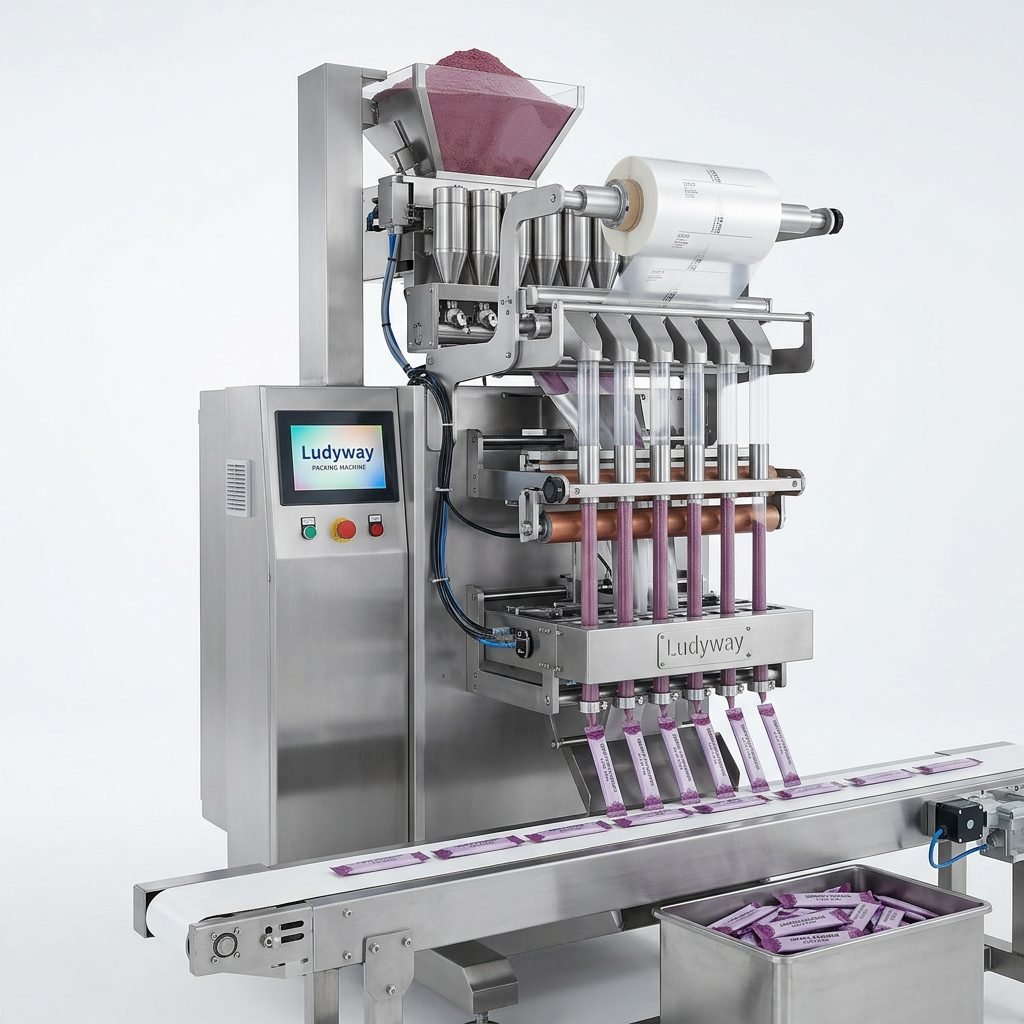
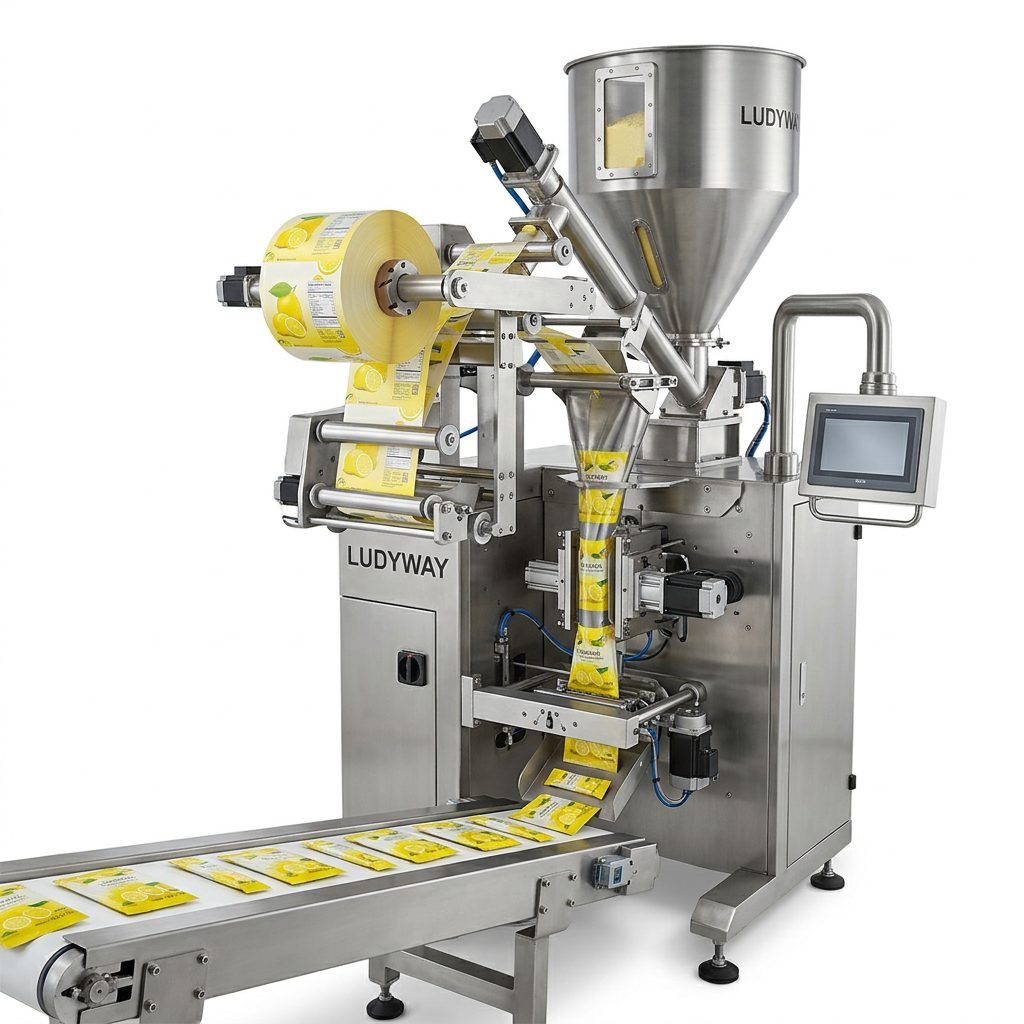
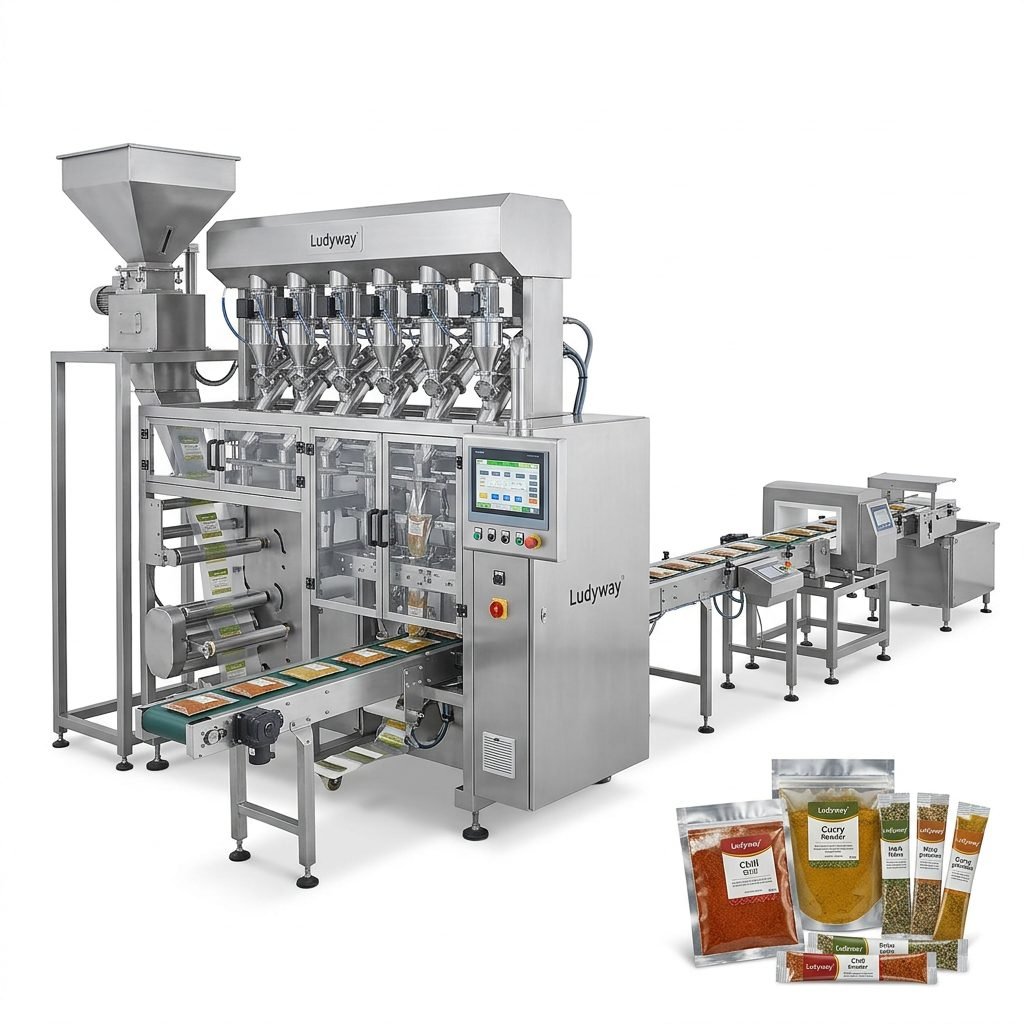
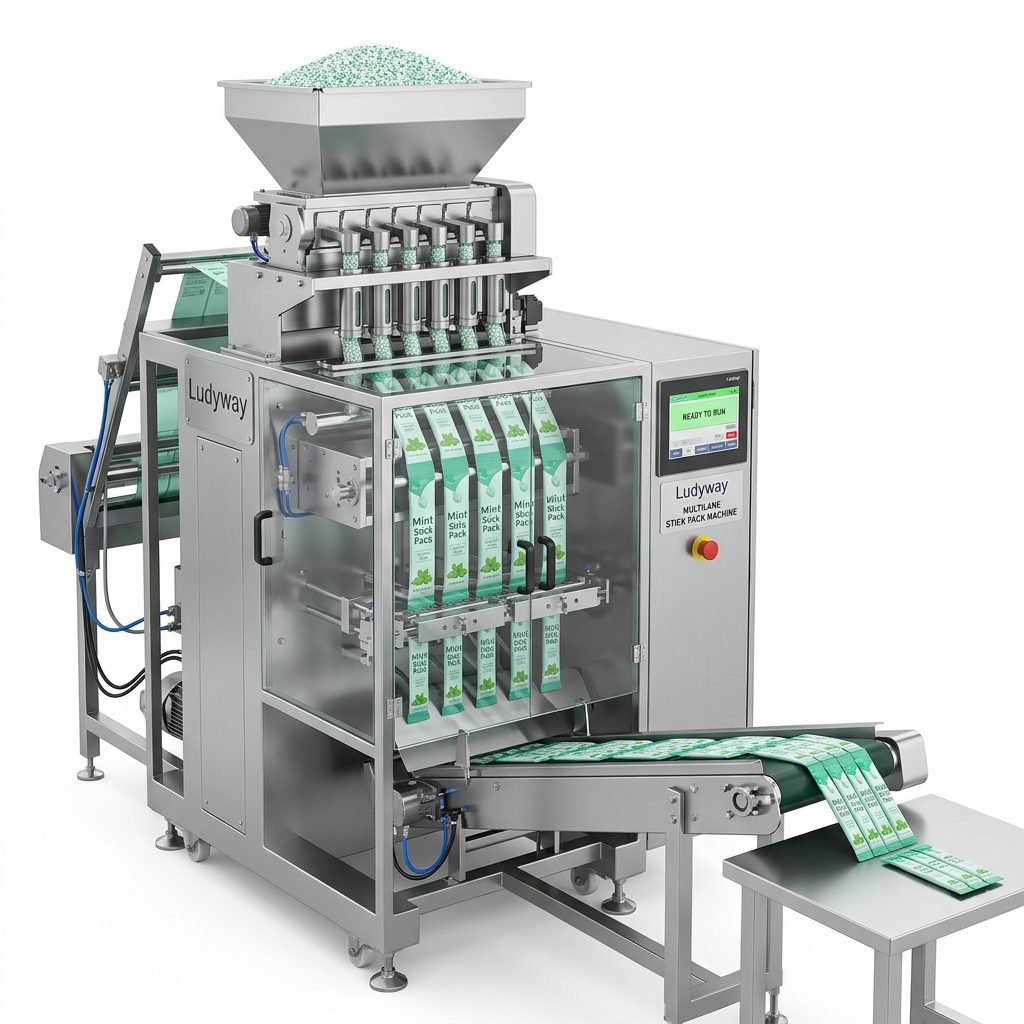
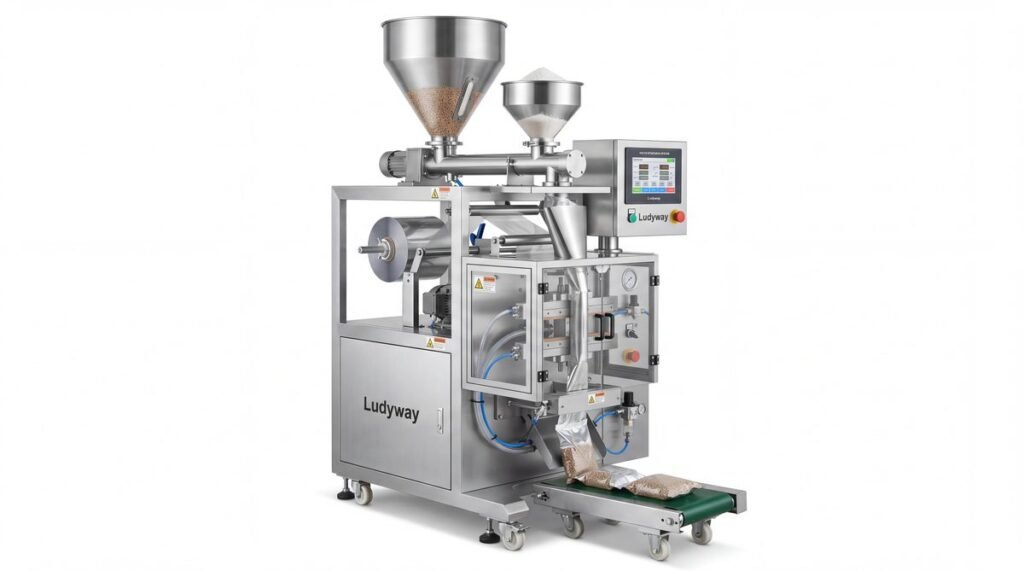
Investing in a high-quality furniture fittings packing machine is a significant step toward improving your production line. However, to truly maximize your return on investment, establishing a rigorous maintenance routine is non-negotiable. Consistent upkeep not only ensures reliable performance but also significantly extends the equipment’s service life. This guide outlines the essential practices to keep your machinery running at peak efficiency.

1. Develop a Strict Daily Cleaning Protocol
Dust, metal shavings, and residual particles from furniture fittings are the primary enemies of a precision packing machine. Allowing debris to accumulate on sensors, chains, or sealing jaws is a leading cause of downtime. A daily cleaning schedule should be the foundation of your maintenance plan.
- Sealing Surfaces: Use a soft brass brush and a non-abrasive cloth to remove residue from the heating bars. Carbonized material can cause uneven heat transfer, leading to weak or leaking seals. Avoid using sharp metal tools that might scratch the Teflon coating.
- Guide Rails and Forming Tubes: Dust from hardware fittings can scratch film as it passes through the machine. Wipe these areas down with isopropyl alcohol to remove static-attracted dust.
- Dust Extraction: Ensure your facility’s dust collection systems are running at full capacity. Compressed air can be used carefully to blow debris out of electrical cabinets, but be cautious not to force particles deeper into connectors.
2. Strategic Lubrication is Key
Friction is a silent killer for moving parts responsible for handling heavy or sharp-edged hardware items. However, over-lubrication is just as dangerous as under-lubrication, as excess oil attracts dust and creates a grinding paste. Implement a precise lubrication schedule based on the manufacturer’s guidelines.
| Component | Lubricant Type | Frequency |
|---|---|---|
| Bearings & Drive Shafts | NLGI #2 General Purpose Grease | Weekly |
| Chains & Sprockets | High-temperature chain oil | Bi-weekly |
| Linear Guide Rails | Light machine oil (ISO VG 32-68) | Daily |
3. Focus on Critical Wear Parts and Tooling
The nature of packaging metal or plastic furniture fittings—such as screws, brackets, and hinges—means certain parts are subject to abrasive wear. You must closely monitor these consumables.
- Cutting Knives: Dull knives result in jagged edges and jams. A regular sharpening or replacement cycle is vital. Keep a log of knife replacement intervals to predict future needs.
- Sealing Belts and Jaws: Inspect for nicks or uneven wear patterns. If you switch between packing sharp metal components and softer plastic parts, you might need to adjust the dwell time and temperature to compensate for tool condition.
- Vibratory Feeder Bowls: For machines using automated counting, the bowl surfaces must remain free of oil. A contaminated bowl will cause hardware to climb incorrectly, leading to miscounts and incomplete bags.
4. Electrical Safety and Sensor Calibration
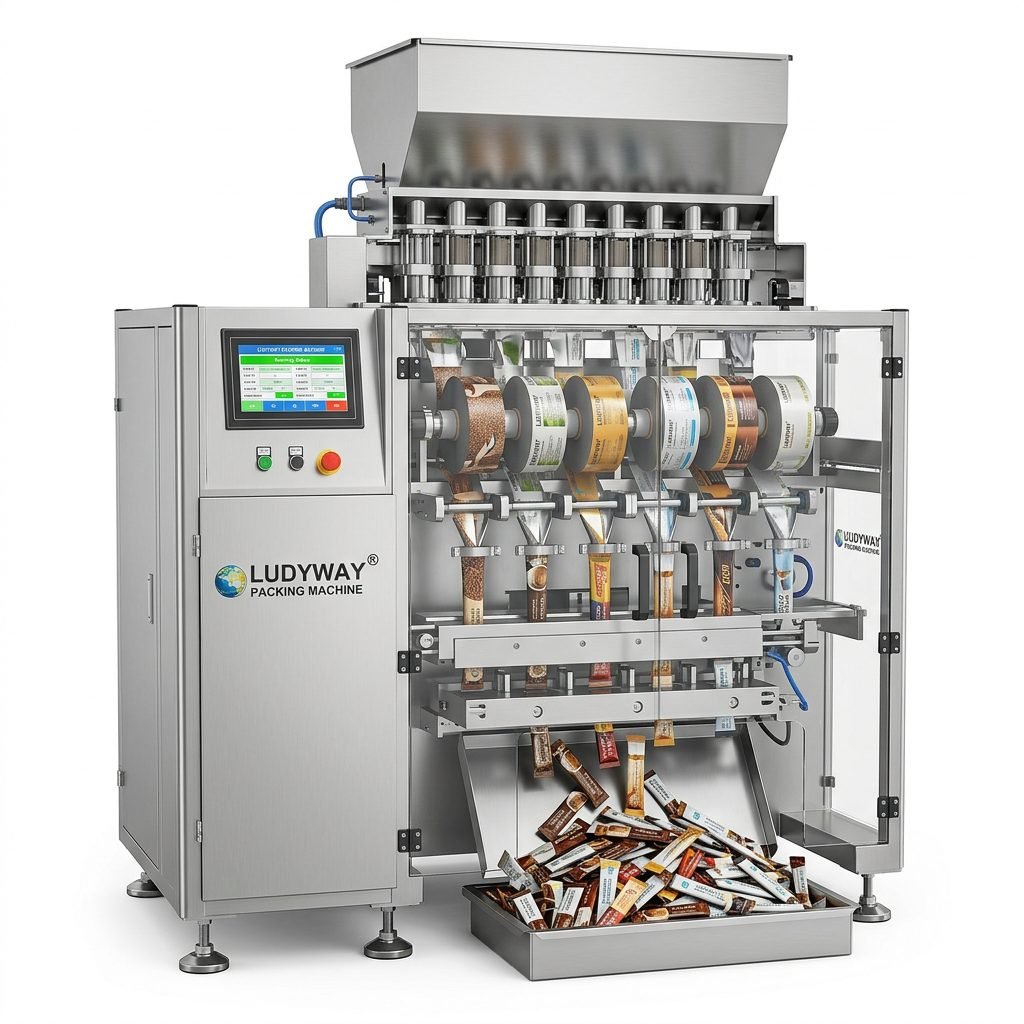
A furniture fittings packing machine relies heavily on photoelectric sensors and proximity switches to count items and synchronize the sealing cycle. Vibration from high-speed packing can loosen connectors and alter sensor positions. A monthly electrical check is essential.
Pay special attention to:
- Fiber Optic Cables: Ensure they are not pinched or stretched. The ends must be clean for accurate registration.
- Temperature Controllers: Use a separate thermocouple thermometer to verify that the actual sealing temperature matches the controller display. A 5-degree deviation can often mean the difference between a perfect seal and a rejection.
- Grounding: Static electricity is a major hazard in packaging environments, especially when handling small plastic fittings. Regularly test the grounding straps and grounding paths on the machine chassis.
5. The Importance of Operator Training
The most sophisticated maintenance schedule will fail if operators are not trained to recognize the early warning signs of a malfunction. Operators should be more than just machine minders; they should be the first line of defense. They need to understand the distinct sounds of a properly running machine versus one that is struggling.
Create a simple checklist for operators to complete at the start of every shift:
- Check the air pressure gauge and drain water from the air filter.
- Visually inspect the integrity of safety guards and emergency stops.
- Run a test cycle with the sealing heat off to watch for mechanical binding.
Common Troubleshooting Table
| Problem | Possible Cause | Quick Fix |
|---|---|---|
| Intermittent Sealing | Contaminated Teflon tape or fluctuating air pressure | Replace tape; check compressor output |
| Film Tracking Issues | Misaligned forming collar or uneven tension | Recalibrate collar; verify roll brakes |
| Product Jams at Infeed | Worn guide rails or foreign object debris | Clear obstruction; inspect rail alignment |
6. Planned Preventive Maintenance (PPM)
Reactive repairs are costly. A Planned Preventive Maintenance (PPM) program, typically managed by the supplier or an in-house specialist, involves deep cleaning, gearbox oil changes, and calibration of the multi-head weigher or counting system. For businesses worldwide optimizing their production, partnering with Ludyway early in the process ensures you have access to tailored preventive maintenance schedules and genuine spare parts. Their engineering expertise helps minimize unplanned downtime before it starts.
7. Managing Technology Upgrades and Spare Parts
Keeping a packing machine running for decades often requires retrofitting older control systems. If your machine uses a legacy PLC or HMI, plan for an upgrade path. Electronic components like capacitors have a finite lifespan and can fail without warning.
Regarding spare parts, a critical inventory must be kept on-site. This should include:
- Sealing thermocouples and heater cartridges.
- Commonly sized pneumatic cylinders and solenoid valves.
- Emergency stop buttons and contractor relays.
- A complete set of machine-specific belts.
For deeper industry insights on packaging standards and machinery safety regulations, resources like the PMMI and the Flexible Packaging Association provide valuable data on packaging machinery maintenance and industry trends. By combining these external standards with a strict internal maintenance culture, you can look forward to decades of productive output from your furniture fittings packaging machine.