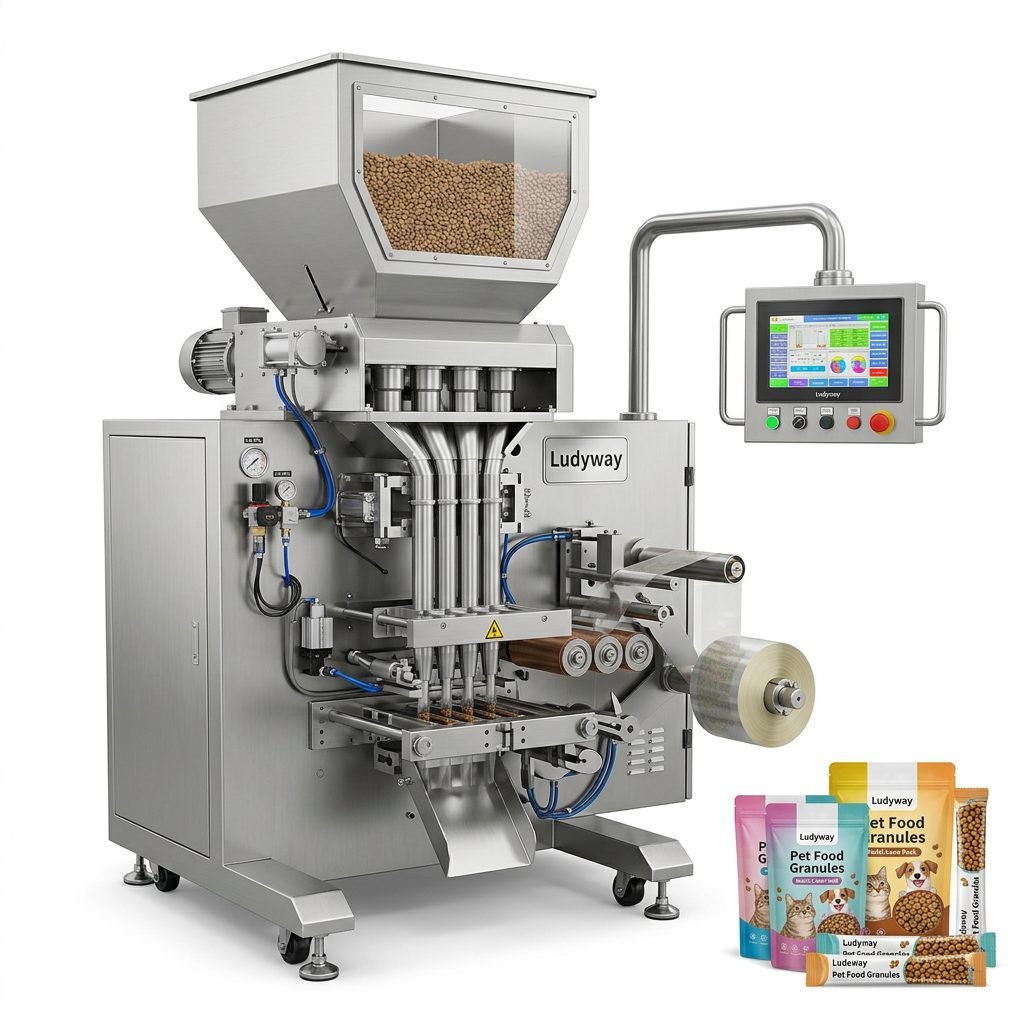
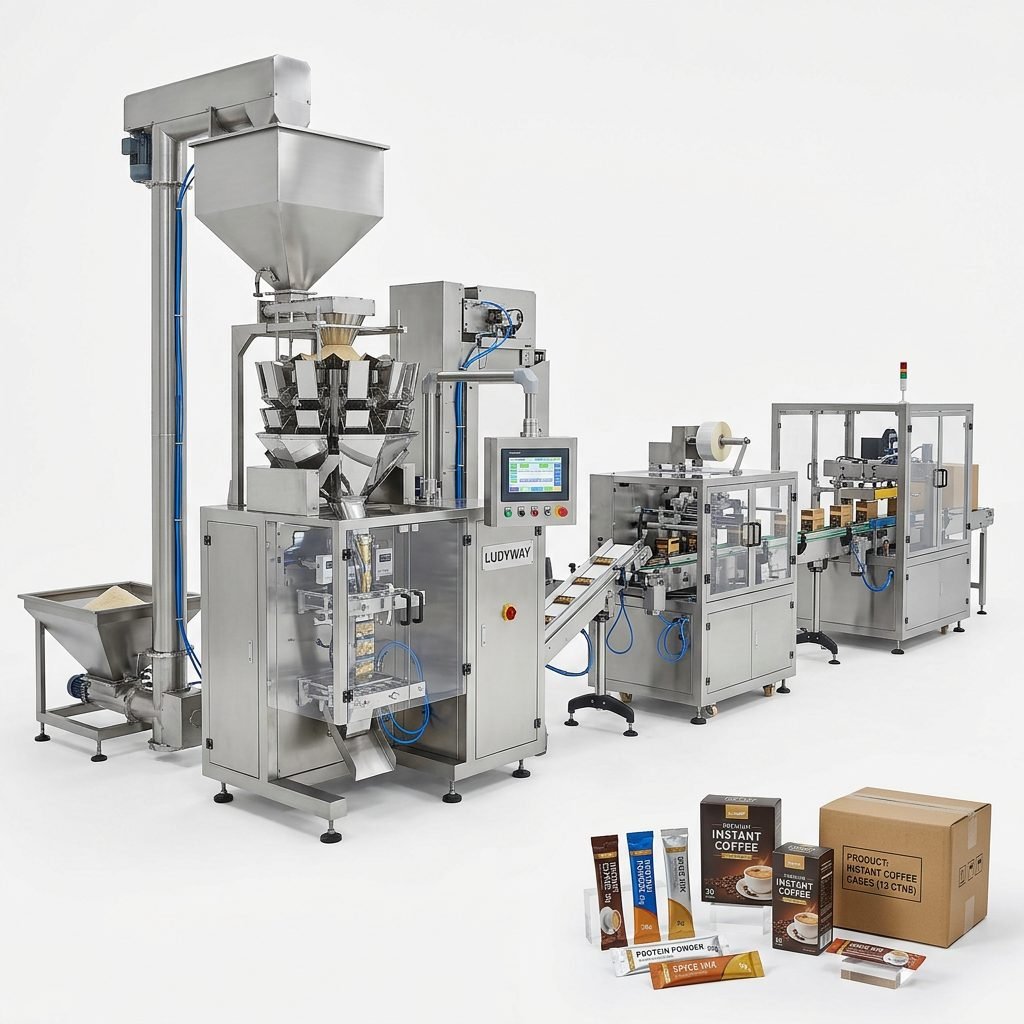
Choosing the right dried fruit packaging machine is not just about buying equipment. It is about matching product characteristics, target pack style, output goals, hygiene requirements, and long-term operating costs with the right packaging technology. For dried mango, raisins, dates, apple chips, mixed dried fruit, freeze-dried fruit, and snack blends, the best solution should protect freshness, improve efficiency, and support stable production.
This guide explains how to select an efficient packaging solution for dried fruit products, what machine features matter most, and how to avoid expensive mistakes during procurement.
Why Dried Fruit Packaging Requires the Right Machine
Dried fruit may look simple to pack, but it creates several production challenges. Product size can vary, sugar content may cause stickiness, and many products are sensitive to moisture, oxygen, and crushing. A poorly selected machine can lead to:
- Inconsistent fill weights
- Broken or crushed fruit pieces
- Poor sealing and reduced shelf life
- Excessive film waste
- Frequent machine cleaning and downtime
- Lower packaging speed than planned
An efficient machine should package dried fruit accurately while keeping the product visually appealing and retail-ready.
Start with Your Dried Fruit Product Type
Before comparing machine models, define exactly what you are packing. Different dried fruit products behave differently in the filling process.
| Product Type | Packaging Challenge | Suitable Machine Focus |
|---|---|---|
| Raisins, chopped fruit, small granules | High-flow but may bridge if sticky | Multi-head weighing or volumetric dosing |
| Dried mango, apple slices, banana chips | Fragile, irregular shape | Gentle conveying and precision weighing |
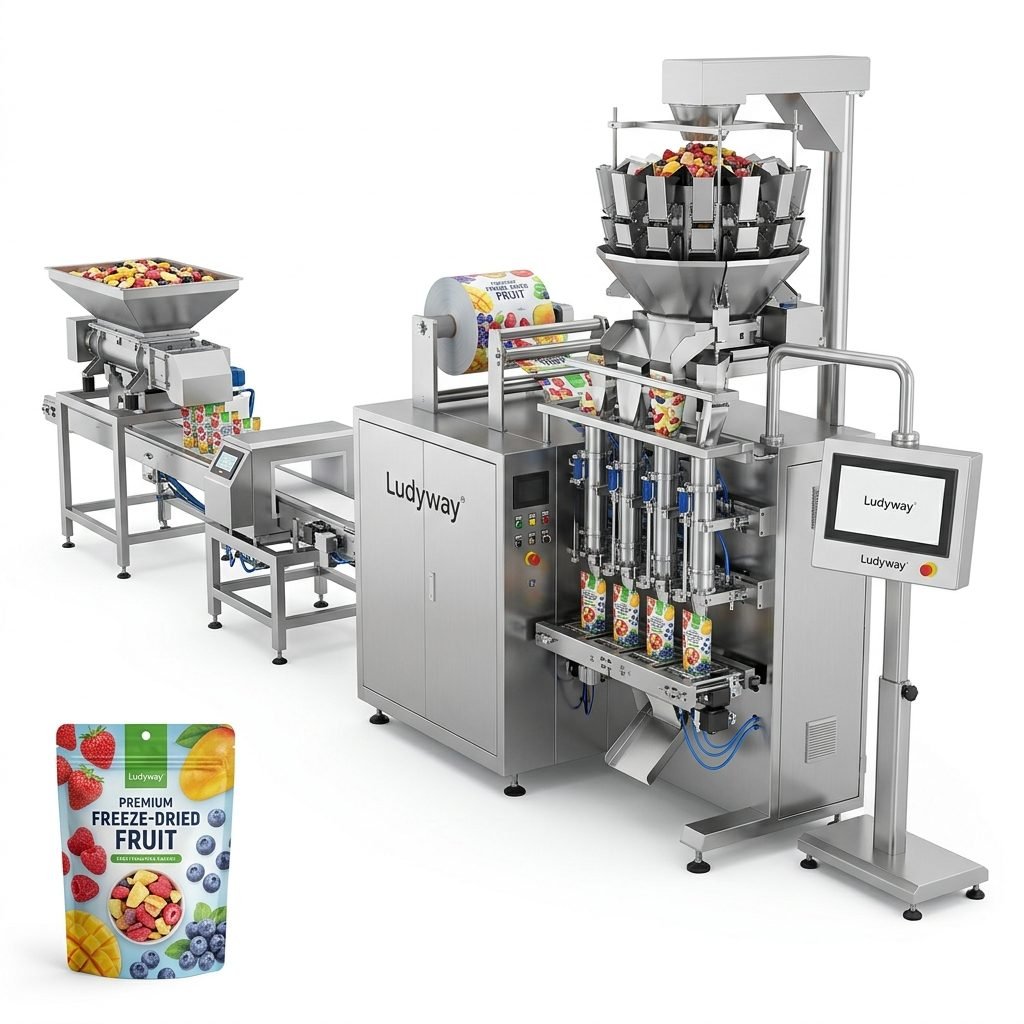
| Freeze-dried fruit | Very light, brittle, moisture sensitive | Low-drop filling, strong sealing, optional nitrogen flushing |
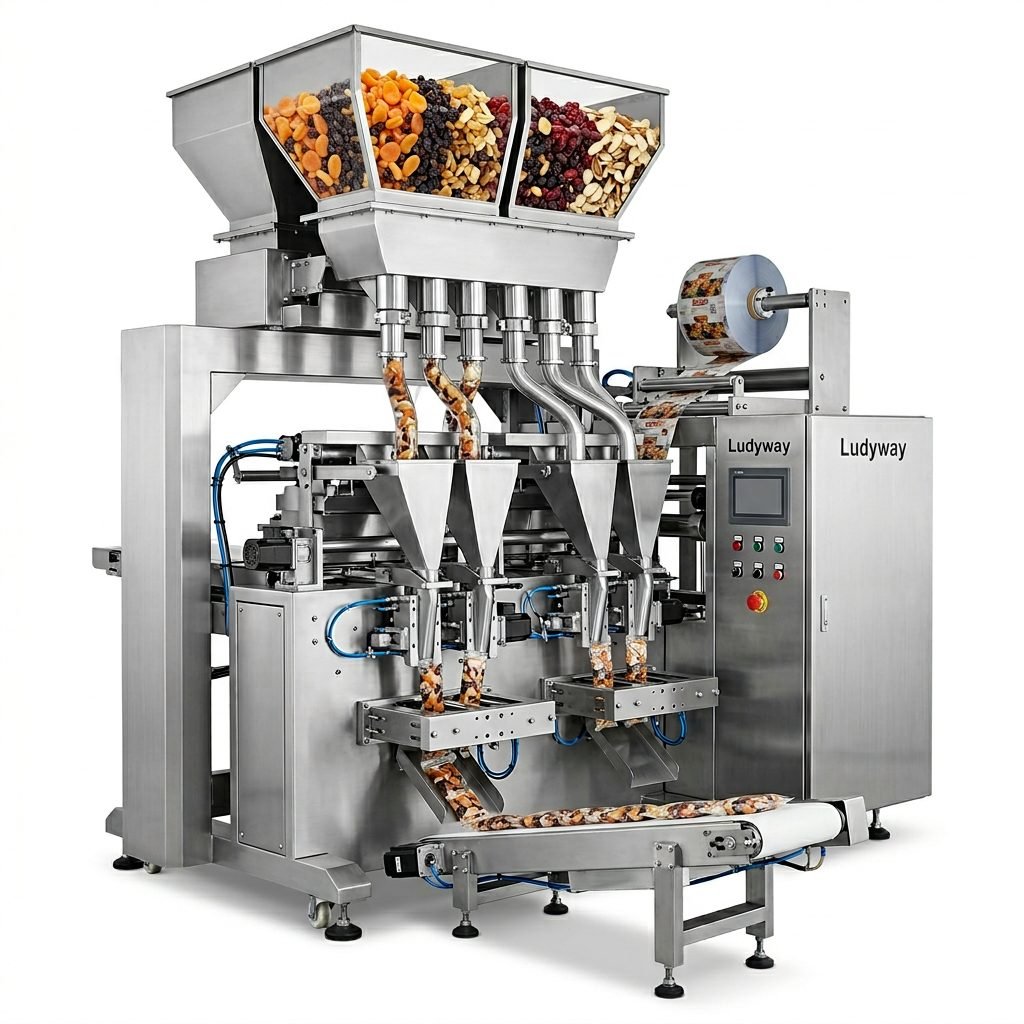
| Mixed dried fruit and nut blends | Weight consistency and segregation | Combination weigher with stable feeding system |
| Sticky dates or sugar-coated fruit | Adhesion, slower discharge | Anti-stick contact parts and controlled feeding |
If your product range includes multiple SKUs, choose a machine with fast changeover capability and adjustable parameters instead of a single-product design.
Choose the Right Packaging Format
The best machine depends heavily on the final package format. Different retail and bulk applications require different machine structures.
Popular packaging formats for dried fruit
- Pillow bags
- Stand-up pouches
- Zipper pouches
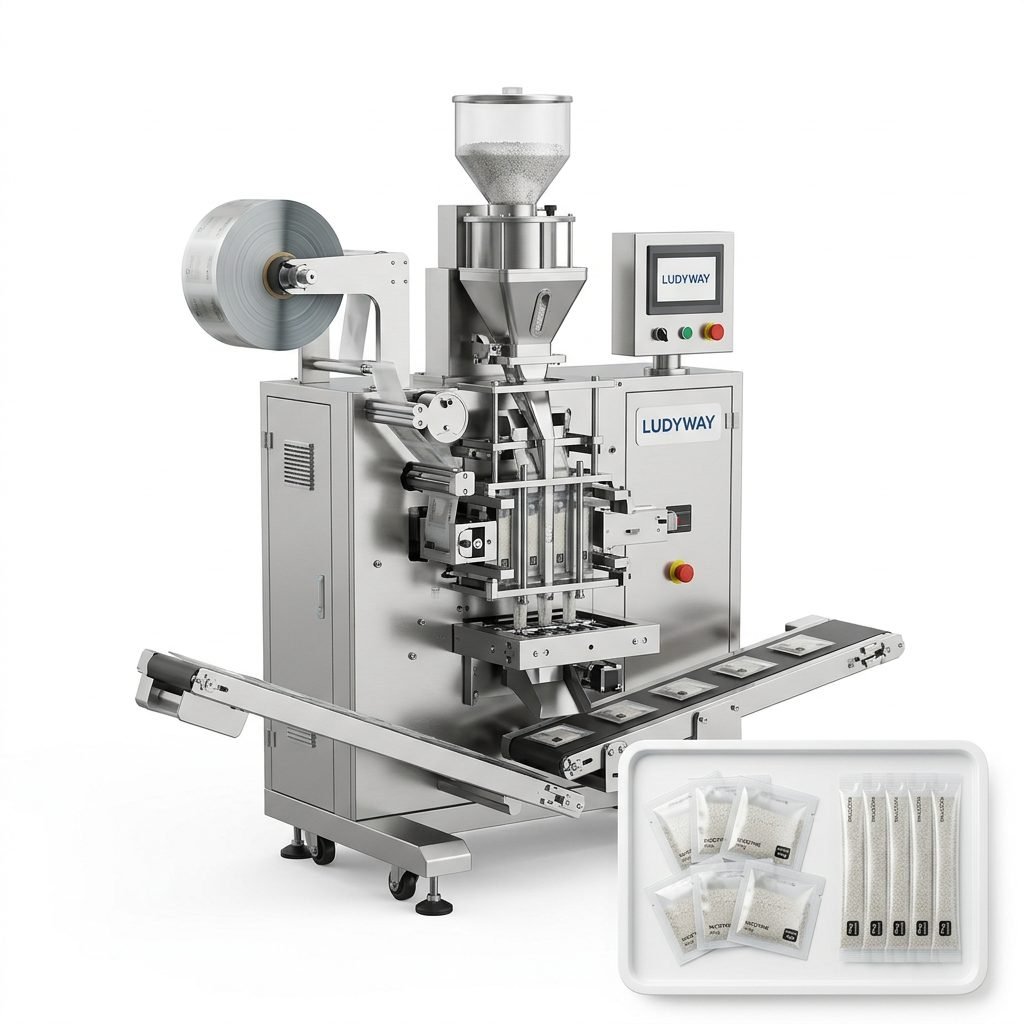
- Stick packs for small portions
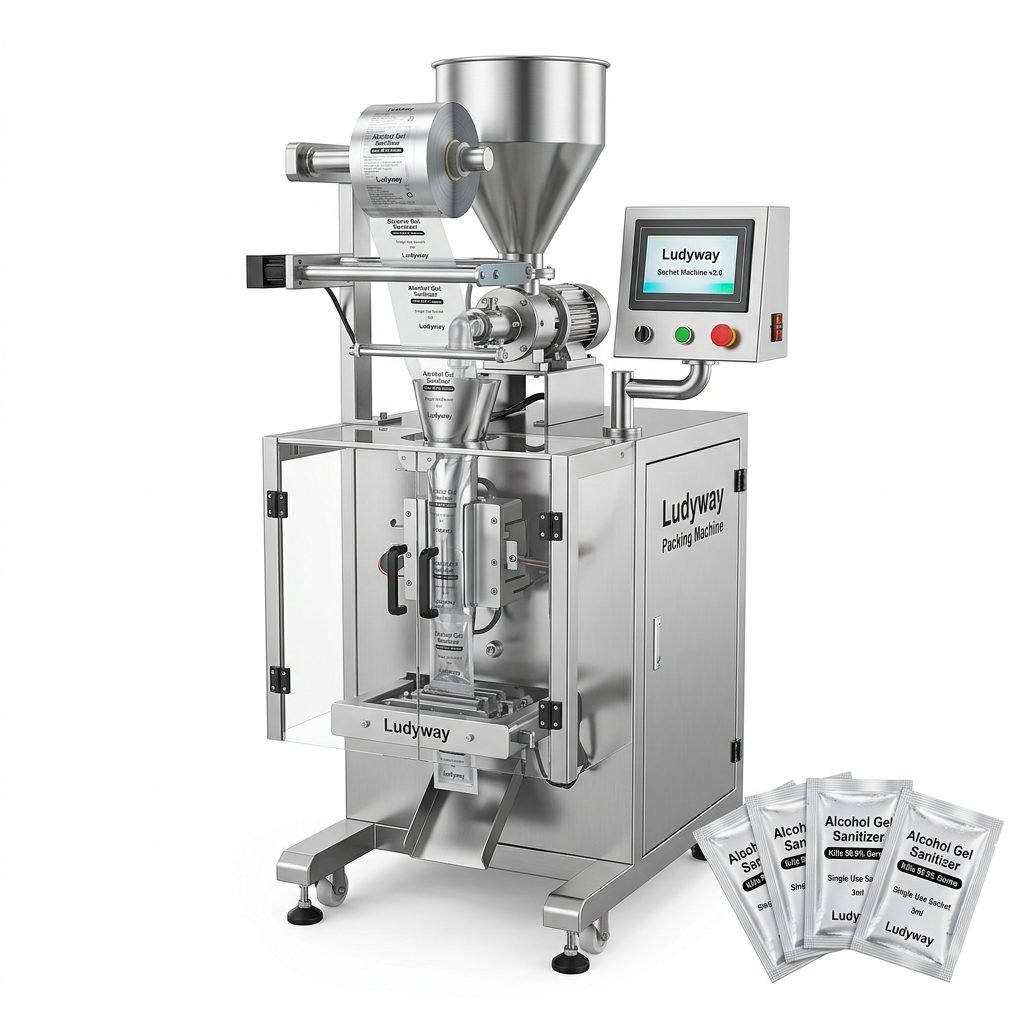
- Sachets for sample or travel packs
- Premade pouches
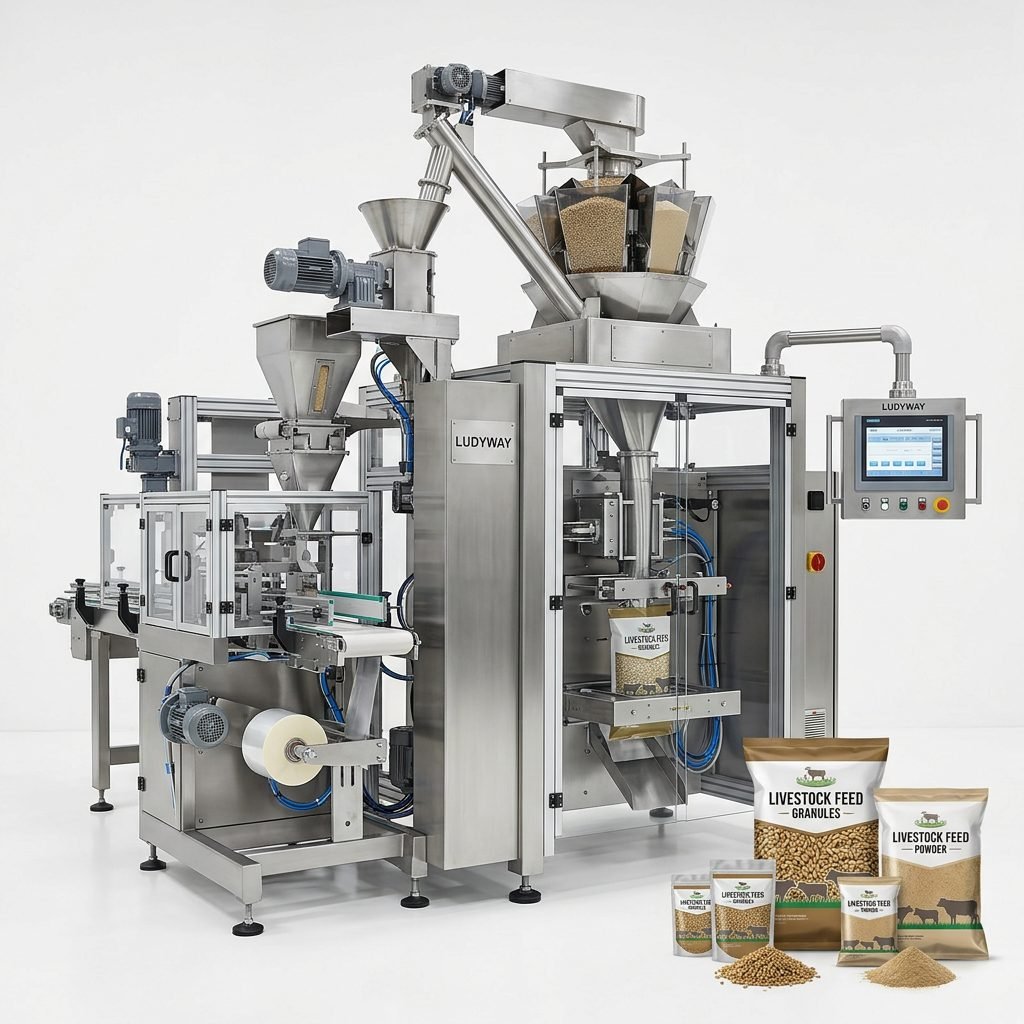
- Bulk bags for wholesale or industrial supply
Machine matching by package style
| Package Format | Common Machine Type | Best For |
|---|---|---|
| Pillow bags | Vertical form fill seal machine | High efficiency and mainstream retail packaging |
| Stand-up or zipper pouches | Premade pouch packing machine | Premium appearance and resealable packaging |
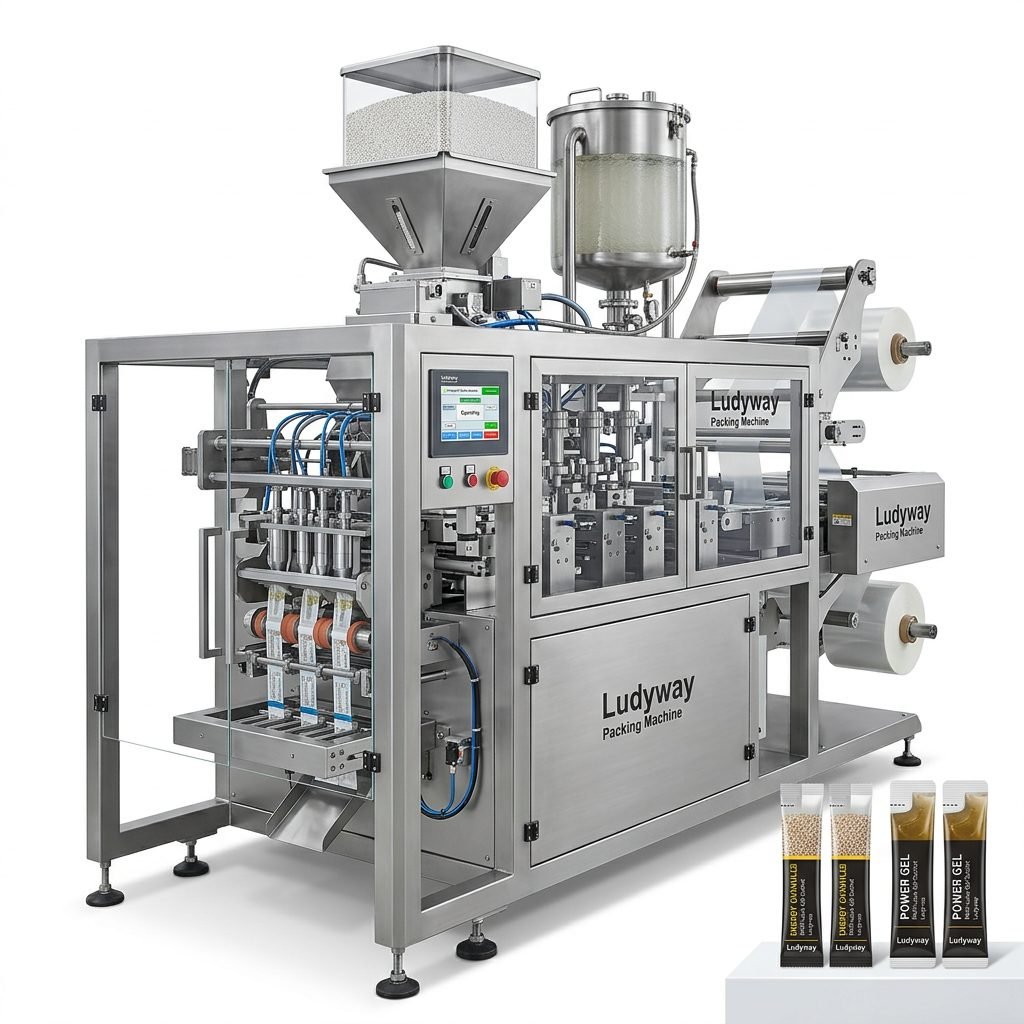
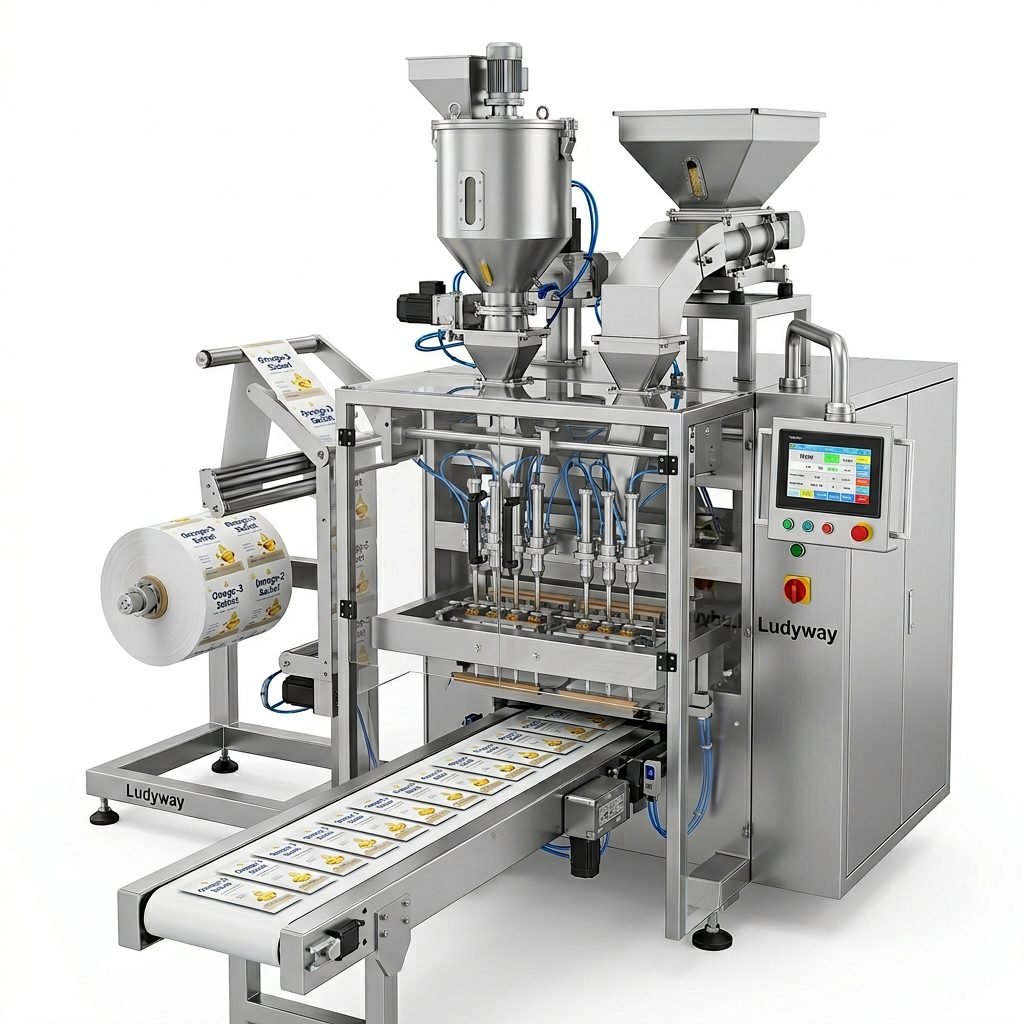
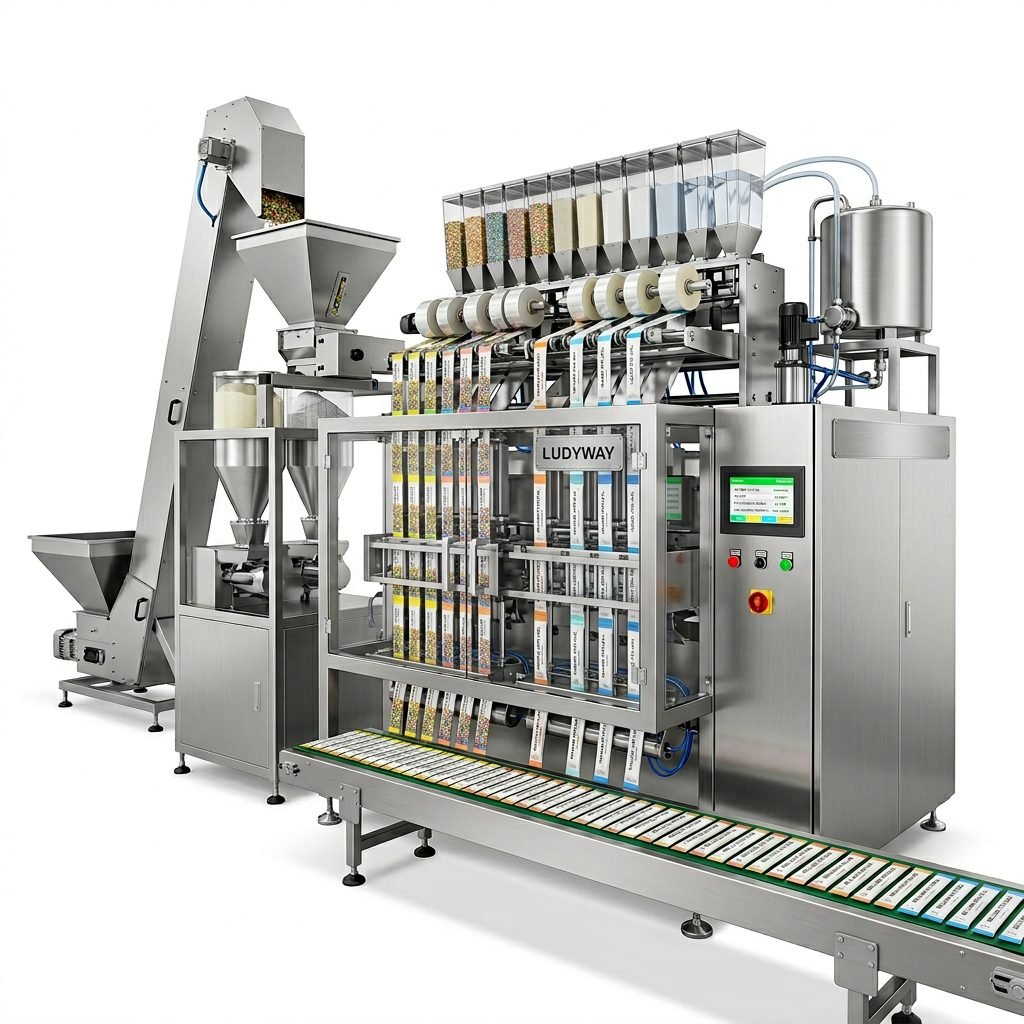
| Stick packs or sachets | Multi-lane sachet or stick pack machine | Small-dose snacks, sample packs, on-the-go formats |
| Bulk bags | Weighing and bagging system | B2B supply and large-volume distribution |
If your goal is consumer convenience and shelf appeal, stand-up pouches and zipper pouches are often strong choices. If your goal is maximum speed and lower packaging cost per unit, a vertical form fill seal solution is usually more efficient.

Key Factors to Evaluate Before Buying
1. Output capacity
Define your expected packs per minute, working hours per day, and seasonal demand peaks. A machine that is too small creates bottlenecks, while an oversized system can increase investment without real benefit.
- Current daily output
- Target output in the next 2 to 5 years
- Number of SKUs and batch sizes
- Peak season requirements
2. Weighing accuracy
Dried fruit packaging profitability depends greatly on weight control. Overfilling increases product giveaway, while underfilling risks complaints and compliance issues. Look for a machine with stable dosing technology suited to irregular fruit shapes.
For premium products, even small improvements in weighing precision can produce meaningful annual savings.
3. Product protection
Fragile dried fruit can break if dropped too hard or transported too aggressively. Ask whether the machine includes:
- Gentle feeding systems
- Low-drop discharge design
- Anti-crush bag forming structure
- Smooth product-contact surfaces
4. Sealing performance
Seal quality is essential for moisture protection and shelf life. Dried fruit often contains sugar dust or small particles that can interfere with sealing. Reliable machines should maintain strong, clean seals while handling real production conditions.
5. Material compatibility
Check whether the machine supports your film structure, pouch material, zipper design, and barrier requirements. If your product needs extended shelf life, confirm compatibility with high-barrier packaging film and optional gas flushing.
6. Cleaning and maintenance
Sticky fruits and sugary particles can increase cleaning frequency. A good machine should allow fast access to contact parts and easy disassembly where needed. This reduces downtime and supports food safety.
7. Automation level
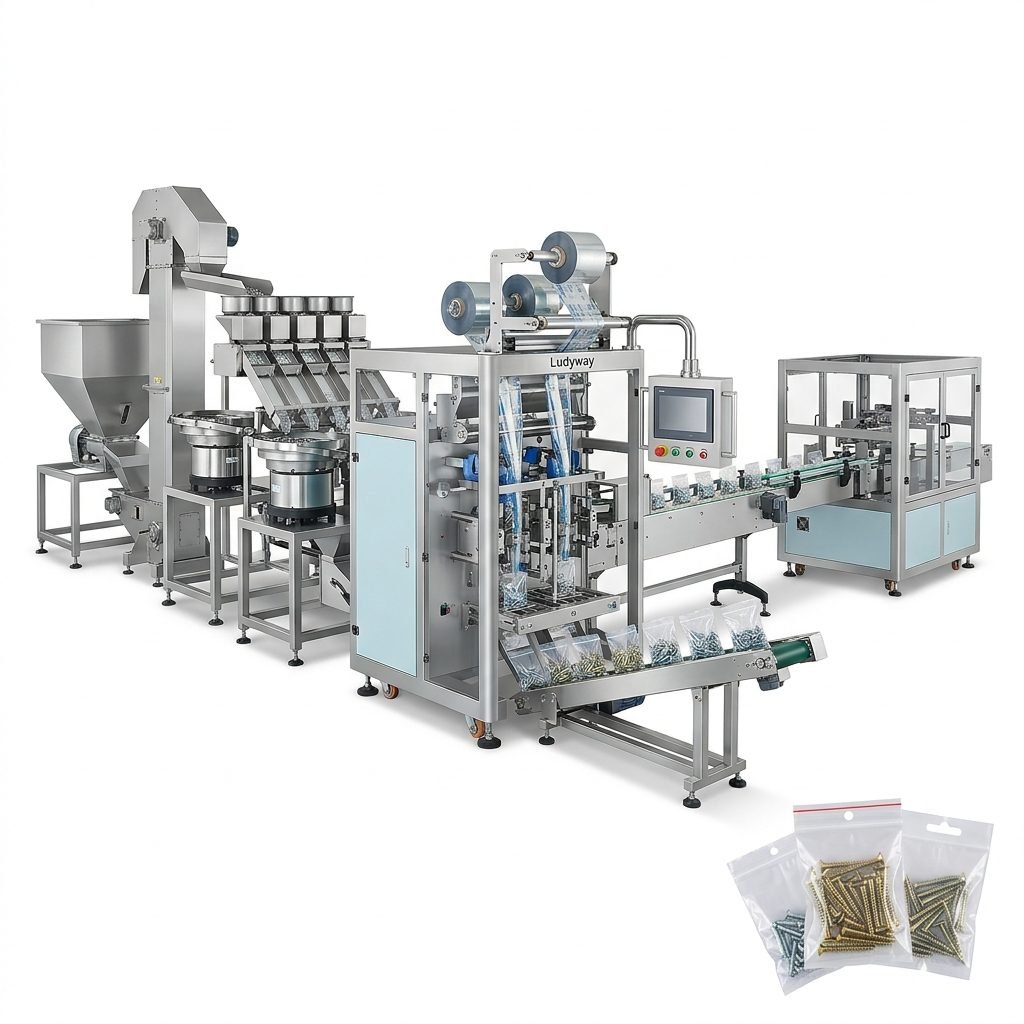
Think beyond the main packaging unit. A complete solution may include feeders, weighers, conveyors, metal detectors, date coding, checkweighers, cartoning, and case packing. Higher automation can reduce labor dependence and improve consistency.
What Features Matter Most for Efficient Dried Fruit Packaging
When comparing suppliers, prioritize features that directly impact packaging efficiency and product quality.
- Combination weighing system for irregular pieces and mixed products
- Servo control for stable film pulling and bag consistency
- Touchscreen parameter management for easier product changeover
- Nitrogen flushing option for freshness-sensitive dried fruit
- Date coding integration for traceability
- Metal detection and checkweighing for quality control
- Modular structure for line expansion later
Vertical Form Fill Seal vs Premade Pouch Machines
These are two of the most common options for dried fruit packaging. The best choice depends on your commercial positioning.
| Comparison Point | VFFS Machine | Premade Pouch Machine |
|---|---|---|
| Speed | Usually higher | Moderate to high |
| Packaging cost | Often lower | Often higher due to premade pouches |
| Shelf appearance | Good | Premium |
| Format flexibility | Strong for standard bags | Strong for specialty pouches |
| Best use case | High-volume retail production | Premium, resealable, export-focused products |
For brands selling dried fruit as a healthy snack in supermarkets, premium stores, or e-commerce channels, premade pouches can improve visual value. For manufacturers focused on volume and efficiency, VFFS is often the more economical route.
How to Match Machine Size to Your Business Stage
Small and growing businesses
Choose a flexible machine that supports multiple bag sizes, easy operation, and future upgrades. Avoid overcomplicated systems if your SKU volume is still limited.
Mid-size brands
Focus on balancing speed, stable weighing, and line integration. This is often the stage where adding conveyors, coding, inspection, and secondary packaging provides real efficiency gains.
Large factories and contract packers
Look for turnkey systems designed for continuous operation, high OEE, and centralized control. Multi-lane or parallel-line setups may be worth considering for very high-volume projects.
Questions You Should Ask a Packaging Machine Supplier
- What dried fruit products has this machine already handled?
- What is the actual speed range for my target bag size?
- What weighing accuracy can I expect with my product?
- Can the machine reduce breakage for fragile fruit pieces?
- How long does format changeover take?
- Which packaging films or pouch types are supported?
- What maintenance schedule is recommended?
- Are remote technical support and spare parts available?
- Can the machine connect with inspection, coding, and cartoning equipment?
- Is factory testing with my sample product available?
Common Buying Mistakes to Avoid
Many buyers focus too much on price and not enough on operating performance. The cheapest machine is rarely the most cost-effective solution over time.
- Choosing speed over product protection
- Ignoring future SKU expansion
- Underestimating cleaning requirements
- Not testing actual dried fruit samples before purchase
- Buying a machine without local or remote service support
- Failing to evaluate total cost of ownership
Think Beyond the Machine: Total Packaging Line Efficiency
The most efficient dried fruit packaging solution is often not a standalone machine, but an integrated line. Feeding, weighing, filling, sealing, coding, inspection, cartoning, and case packing all affect final productivity.
A supplier with complete line capability can help reduce compatibility problems and improve startup speed. Companies seeking scalable automation often work with experienced manufacturers such as dried fruit packaging machine supplier Ludyway, which provides packaging machines and turnkey line solutions for food and related industries.
Final Checklist for Choosing the Best Dried Fruit Packaging Machine
| Checklist Item | Why It Matters |
|---|---|
| Product type confirmed | Ensures proper feeding and weighing method |
| Pack format selected | Determines machine architecture |
| Output target calculated | Prevents under- or over-investment |
| Weight accuracy evaluated | Reduces giveaway and quality risks |
| Seal quality verified | Protects shelf life and freshness |
| Cleaning and maintenance reviewed | Improves uptime and food safety |
| Sample testing completed | Confirms real-world performance |
| After-sales support confirmed | Reduces operational risk after installation |
The best dried fruit packaging machine is the one that fits your product, packaging goals, and growth plan. When chosen correctly, it can help your business achieve better efficiency, lower waste, stronger pack quality, and higher long-term profitability.