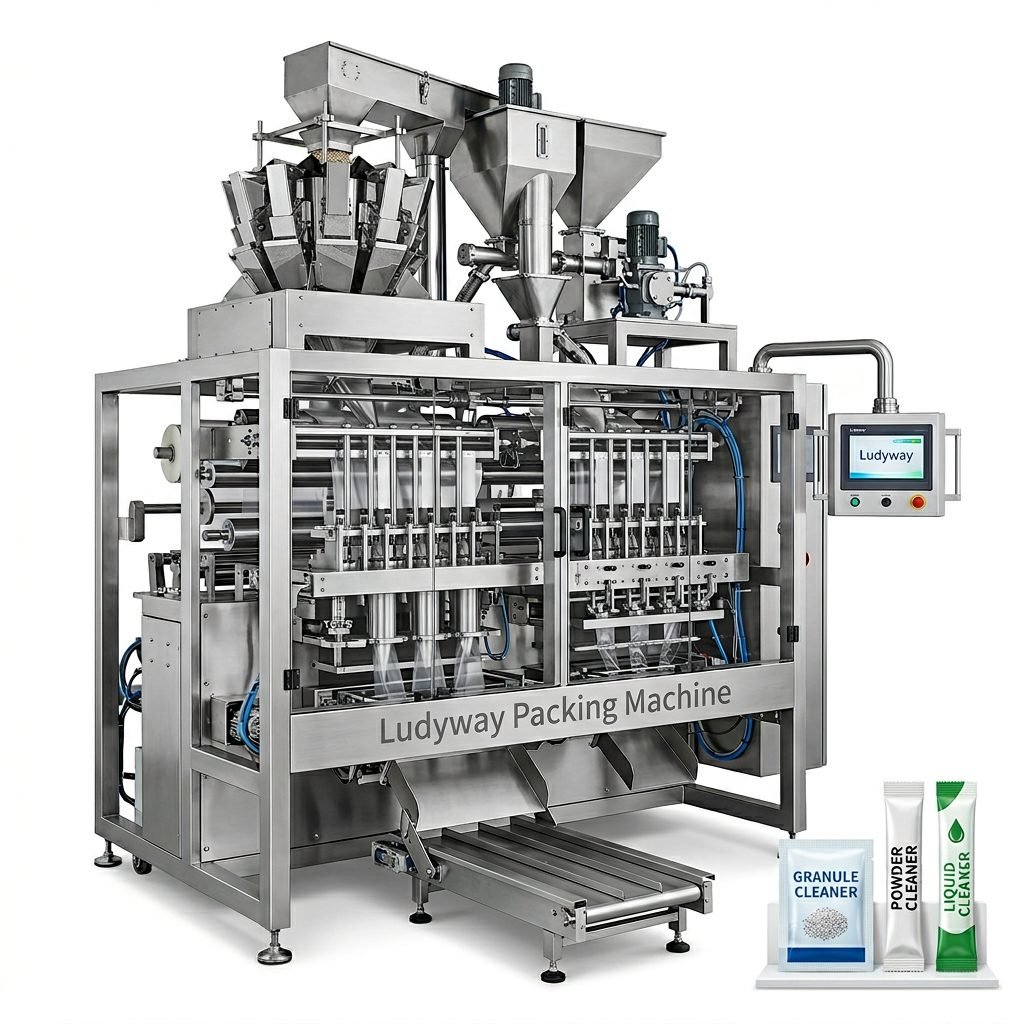
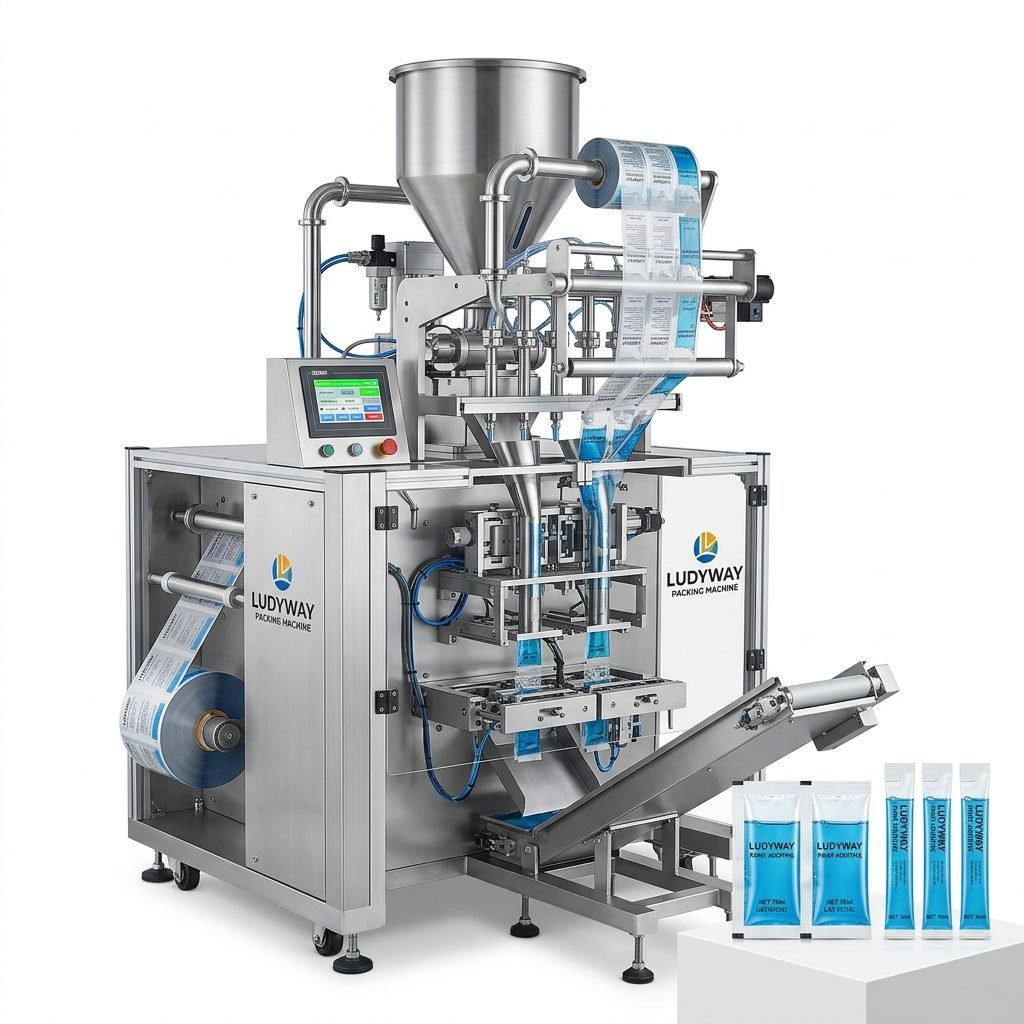
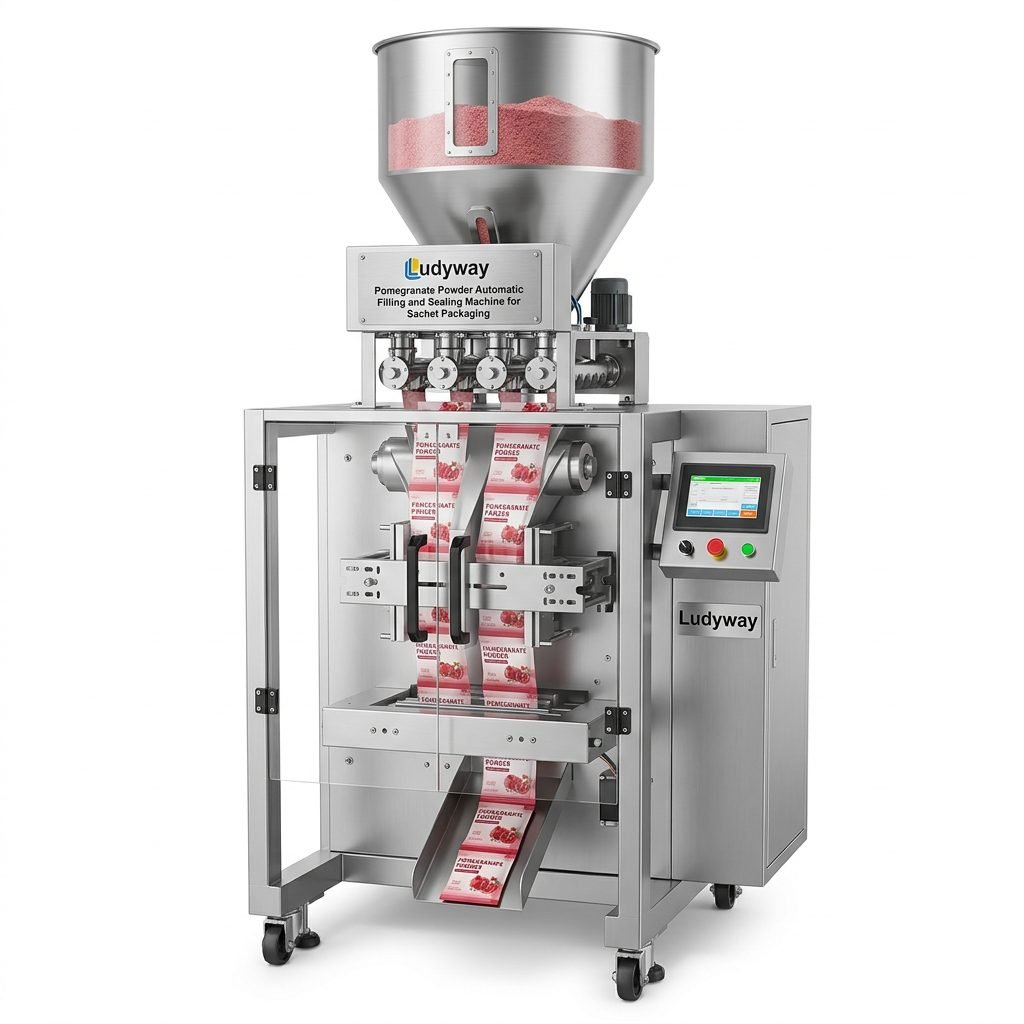
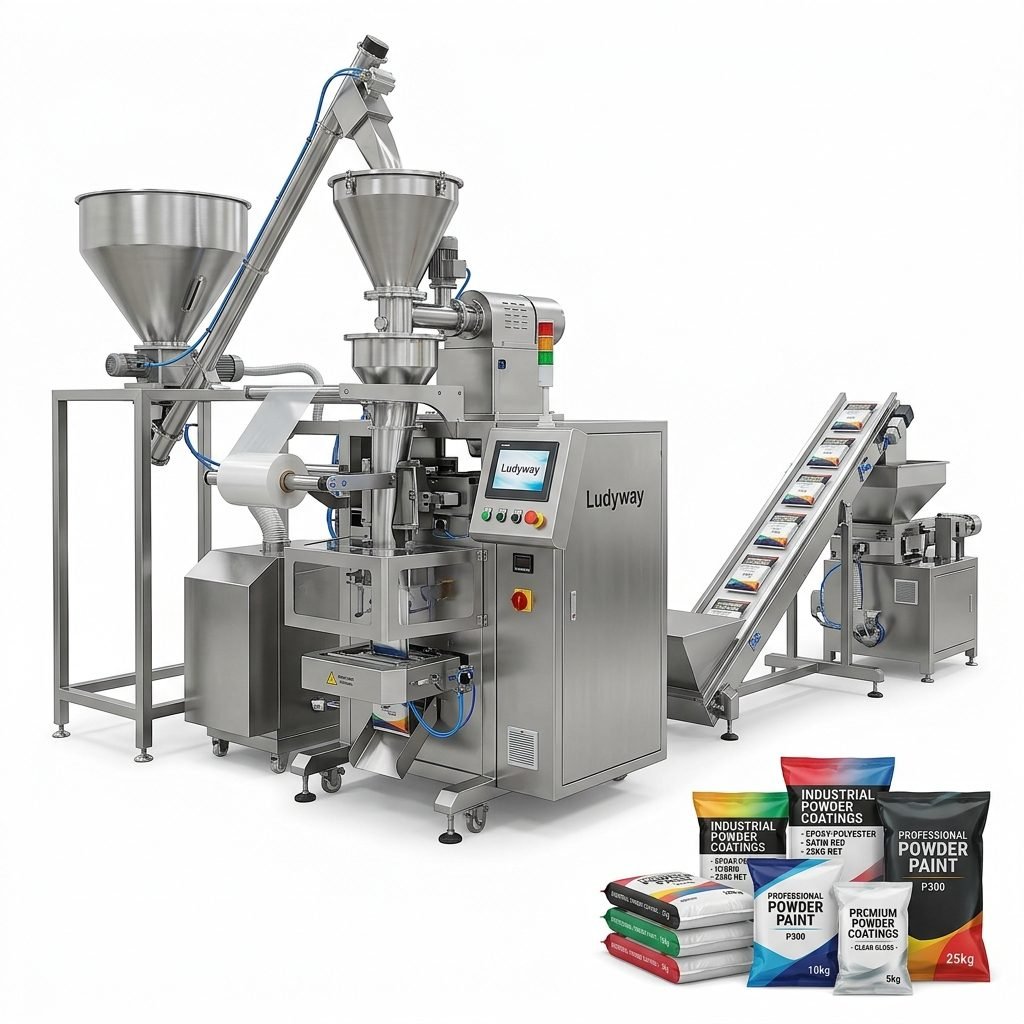
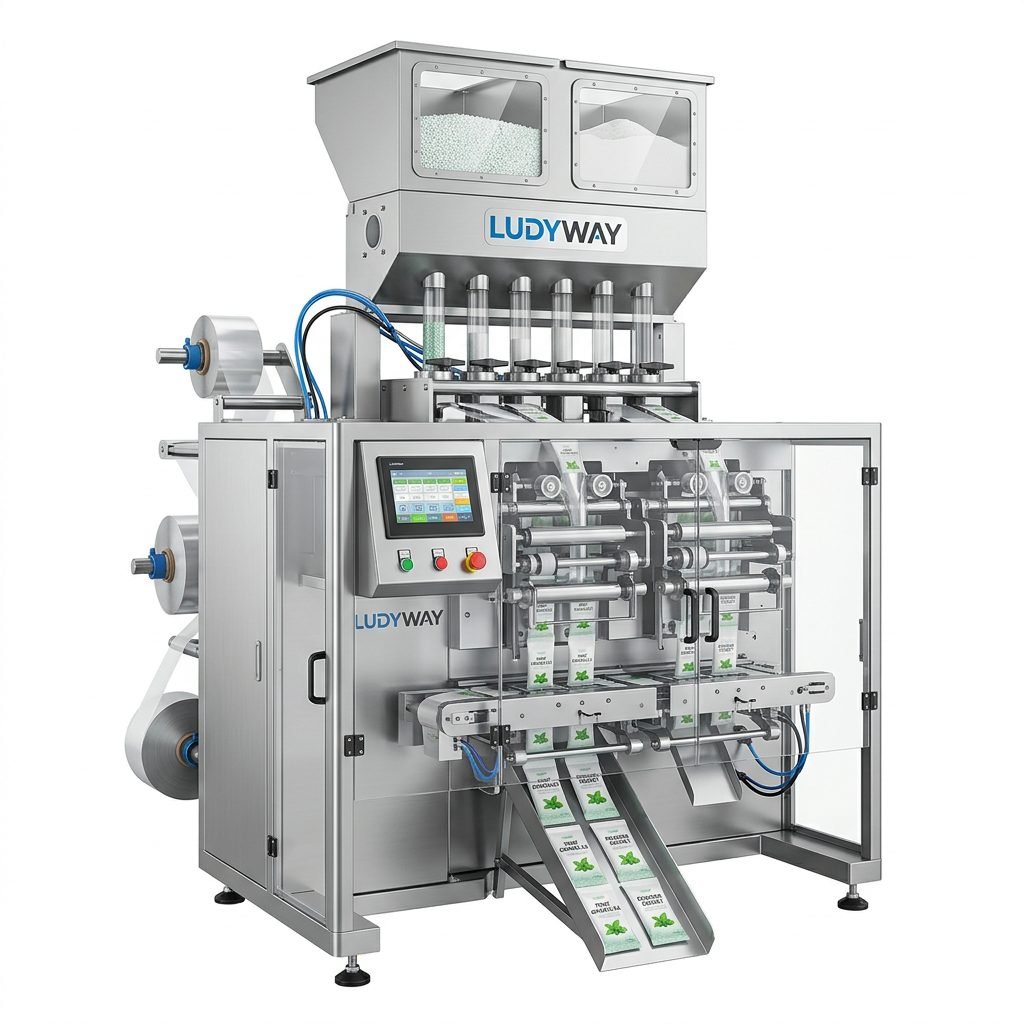
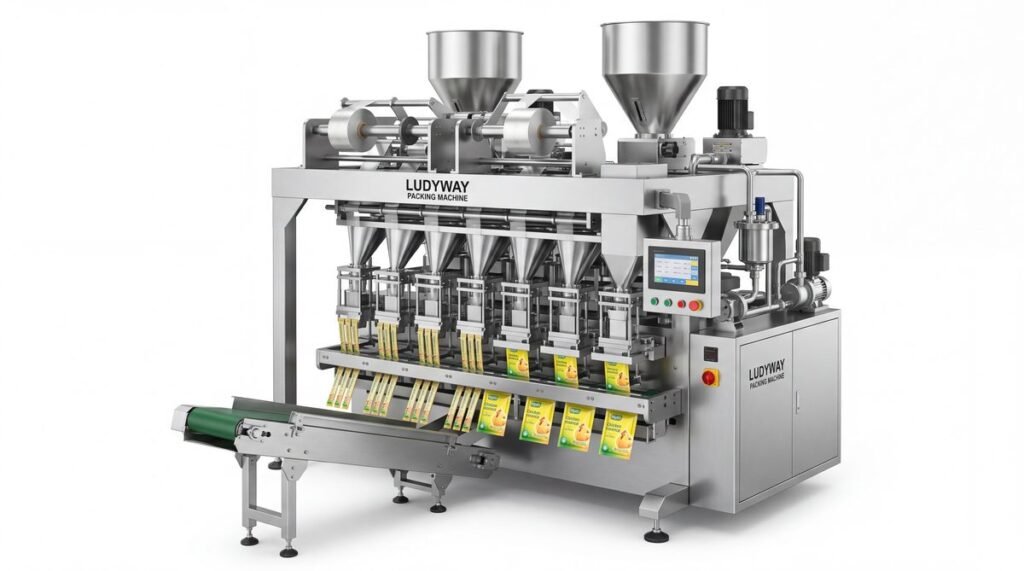
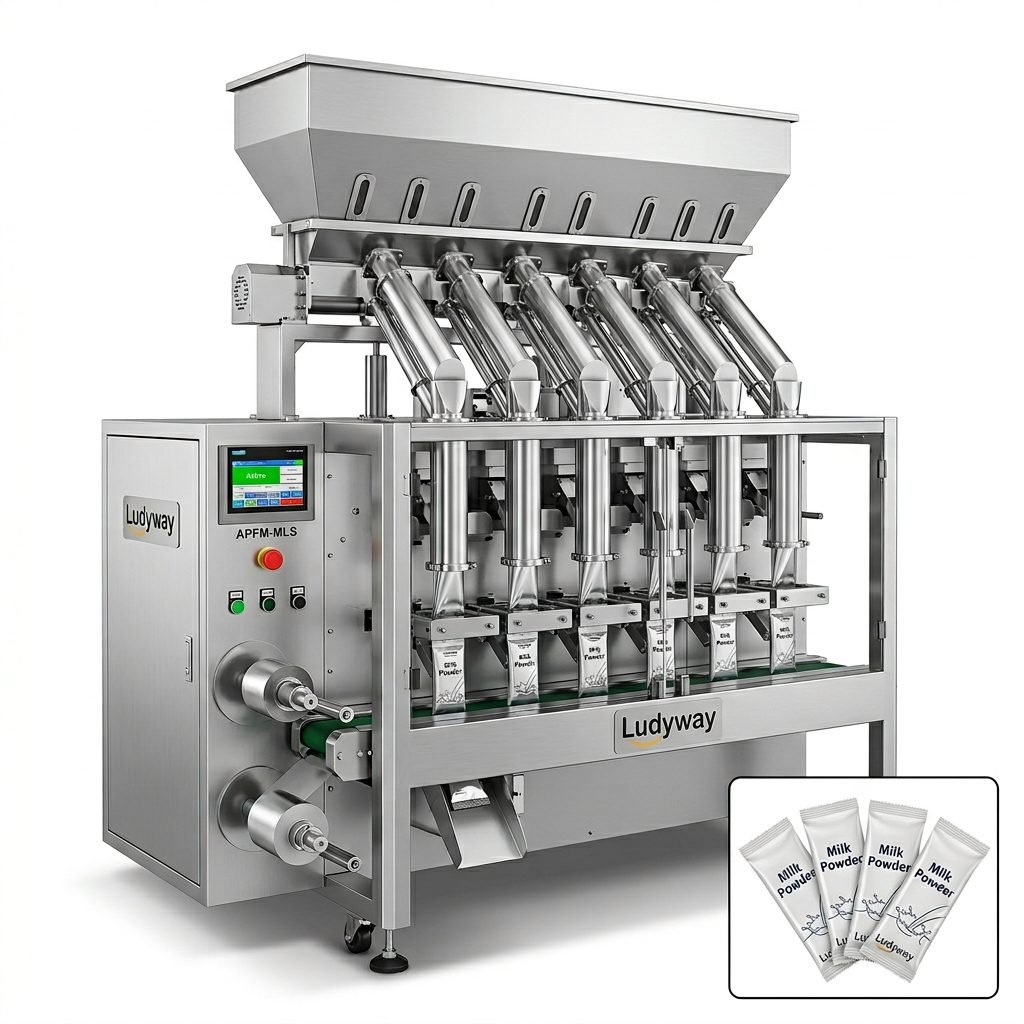
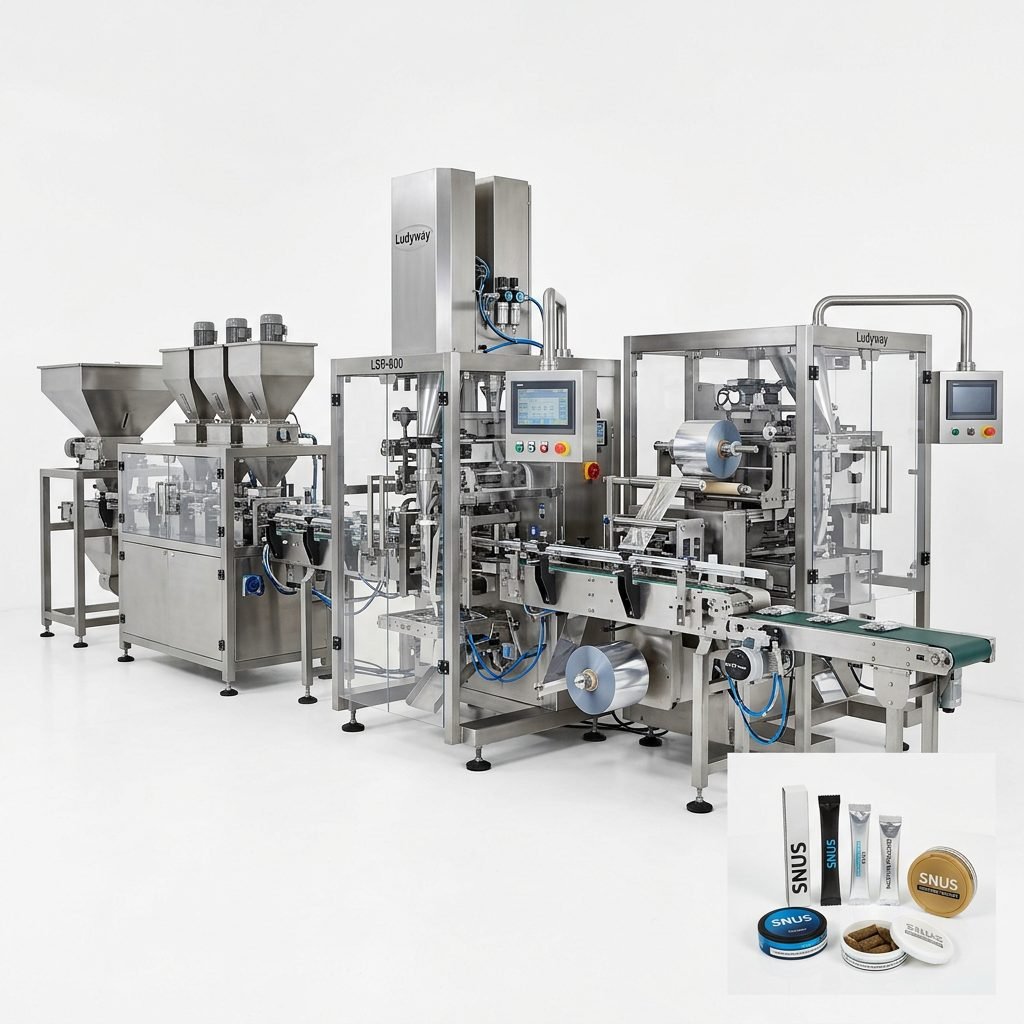
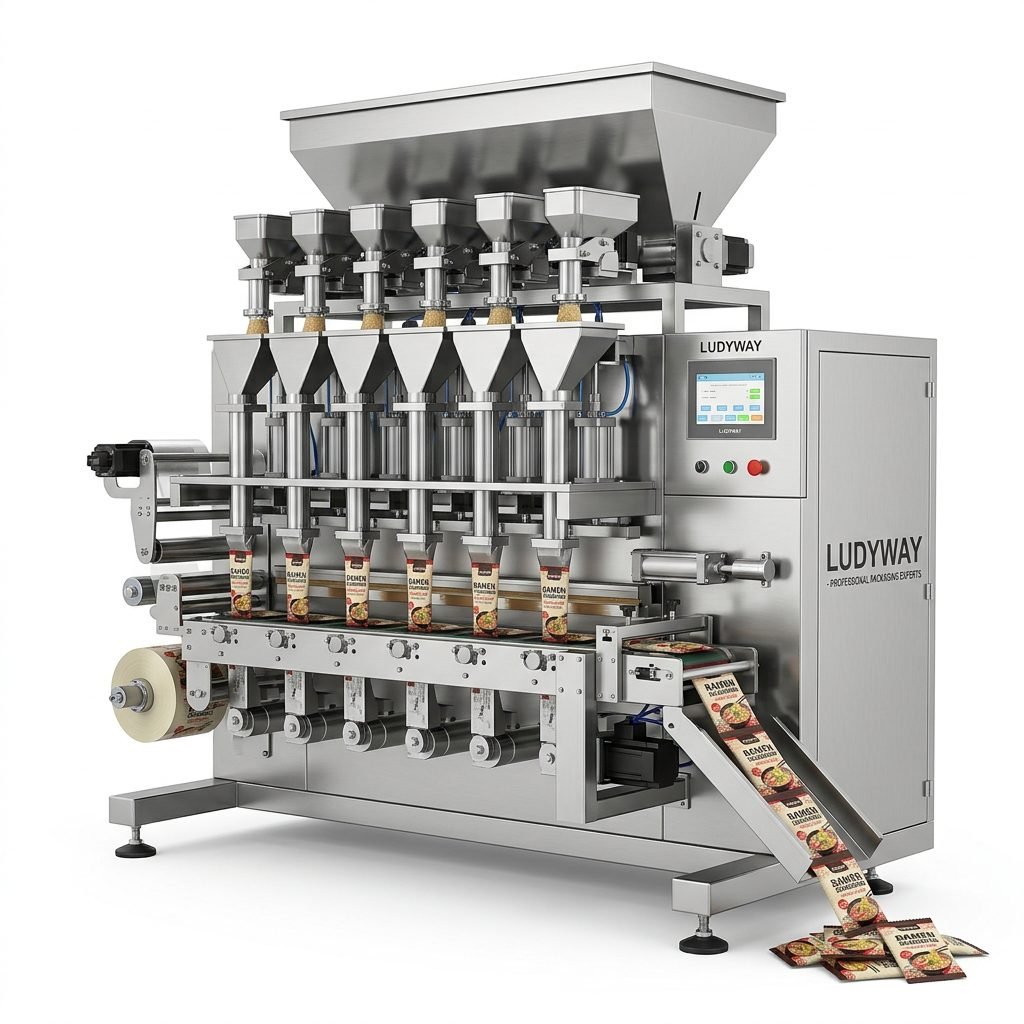
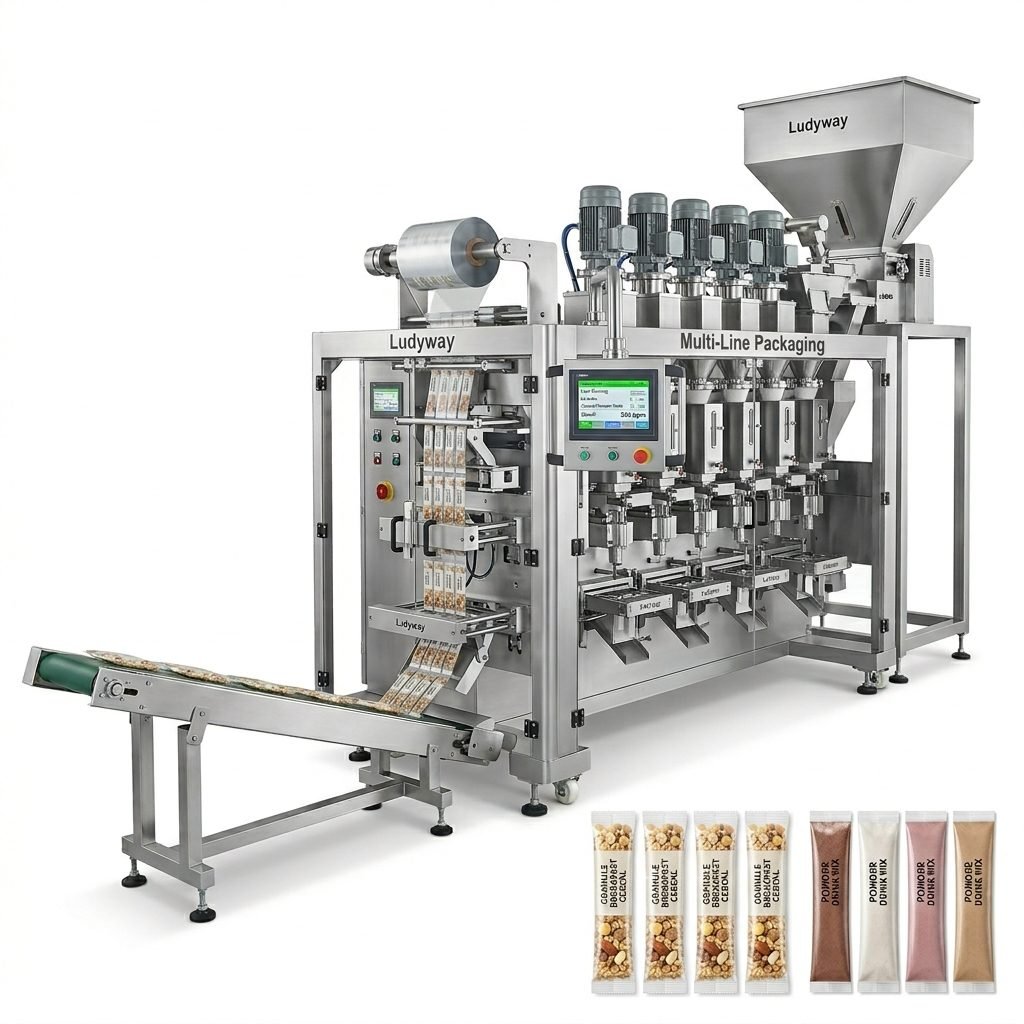
Choosing a small packaging machine is not simply about buying the most compact unit on the market. The right solution should match your product type, packaging format, output target, factory space, hygiene standard, and future expansion plan. For startups, growing brands, pilot production teams, and factories with limited floor space, a compact packaging system can deliver strong efficiency without the footprint of a large-scale line.
A well-selected machine helps reduce labor cost, improve sealing consistency, increase production speed, and maintain stable packaging quality. It also gives businesses the flexibility to test new SKUs, launch travel-size products, and serve niche markets more efficiently.
What Is a Small Packaging Machine?
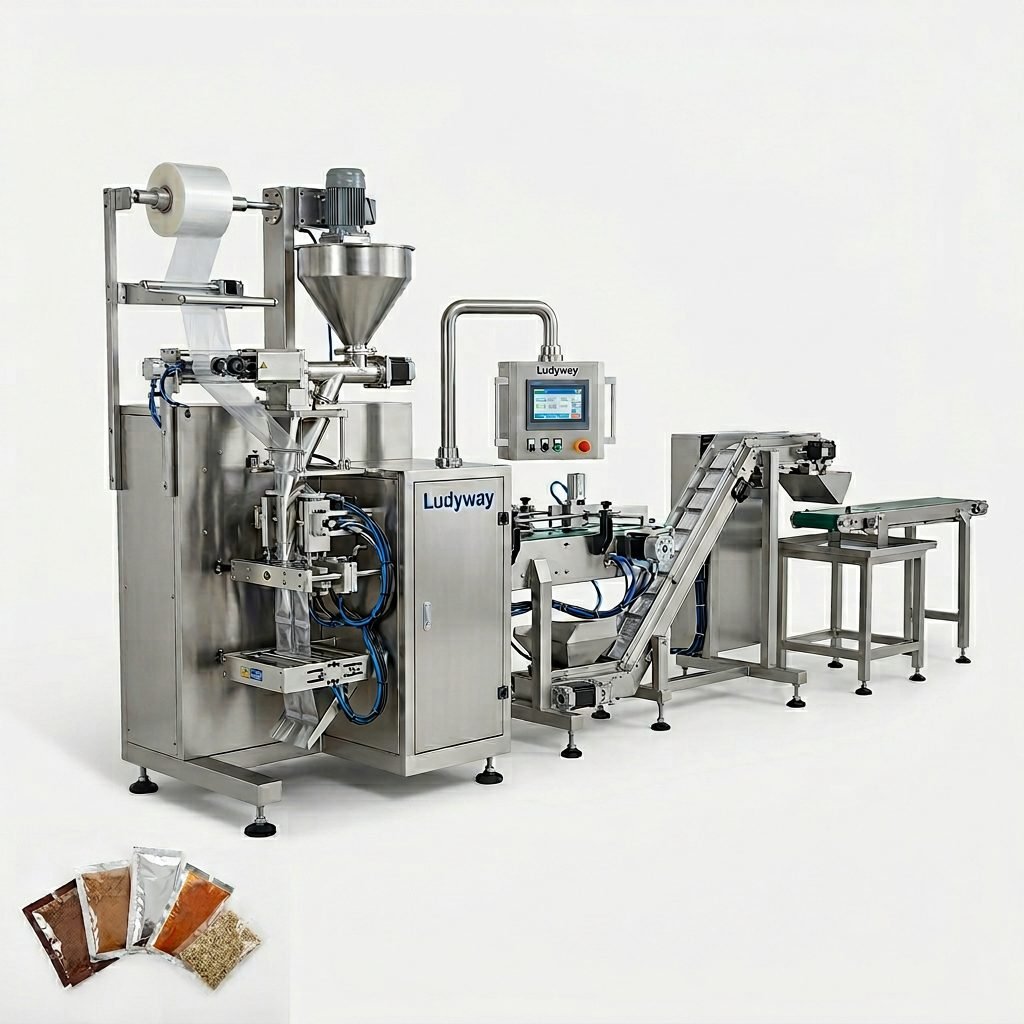
A small packaging machine is a compact packaging solution designed for lower to medium output requirements, limited workshop space, or specialized product packaging. These machines are often used for sachets, stick packs, pouches, bottles, tubes, or small bags in industries such as food, pharmaceuticals, cosmetics, chemicals, and health supplements.
Depending on the application, a compact machine may perform one or several tasks:
- Filling
- Weighing or dosing
- Sealing
- Date coding
- Counting
- Labeling
- Cartoning or secondary packaging
Why More Businesses Are Choosing Compact Packaging Solutions
Compact systems are increasingly popular because they offer a practical balance between automation and affordability. For many businesses, full-scale packaging lines are too large, too expensive, or unnecessary during the early growth stage.
- Space saving: Ideal for small workshops and flexible production areas
- Lower initial investment: Easier for startups and small manufacturers to adopt
- Faster deployment: Shorter installation and training time
- Flexible packaging: Suitable for multiple SKUs and batch sizes
- Scalable automation: Can often be expanded with feeders, conveyors, coding units, and cartoning modules
Key Factors to Consider Before Buying
1. Product Type
Your product characteristics determine the filling principle and machine design. Powders, granules, liquids, pastes, tablets, capsules, and irregular solids all require different handling methods.
| Product Type | Typical Filling Method | Common Packaging Format |
|---|---|---|
| Powder | Auger filler | Sachet, stick pack, pouch |
| Granules | Cup filler or weighing system | Sachet, pouch, bag |
| Liquid | Pump or piston filler | Sachet, stick pack, bottle |
| Paste/Cream | Piston or servo pump | Sachet, tube, pouch |
| Tablets/Capsules | Counting system | Bottle, blister, sachet |
2. Packaging Format
A compact machine should support the exact format your target market needs. Popular small-format packaging includes:
- Sachets for powders, sauces, gels, and supplements
- Stick packs for single-serve drink mixes and health products
- Pouches for food, nicotine alternatives, and chemicals
- Bottles for liquids, tablets, capsules, and personal care products
- Tubes for cream, gel, and cosmetic formulations
3. Production Capacity
Do not overbuy or underbuy. A machine that is too small may slow growth, while one that is too large may waste capital and space. Define your expected output in packs per minute, shift volume, and annual growth target.
Tip: Choose a machine that can handle your current output plus reasonable expansion for the next 2 to 3 years.
4. Available Floor Space
Compact does not only mean a small frame. You also need room for product feeding, operator access, maintenance, film loading, and finished goods discharge. Measure the real operating area, not just the machine footprint.
5. Automation Level
Some small packaging machines are semi-automatic, while others are fully automatic. Your choice depends on labor cost, operator availability, budget, and packaging consistency requirements.
| Type | Best For | Main Advantage |
|---|---|---|
| Semi-automatic | Startups, low-volume production | Lower cost |
| Automatic compact machine | Growing brands, contract packers | Higher consistency and efficiency |
| Modular compact line | Businesses preparing to scale | Future expansion flexibility |
How to Match the Machine to Your Industry
Food Industry
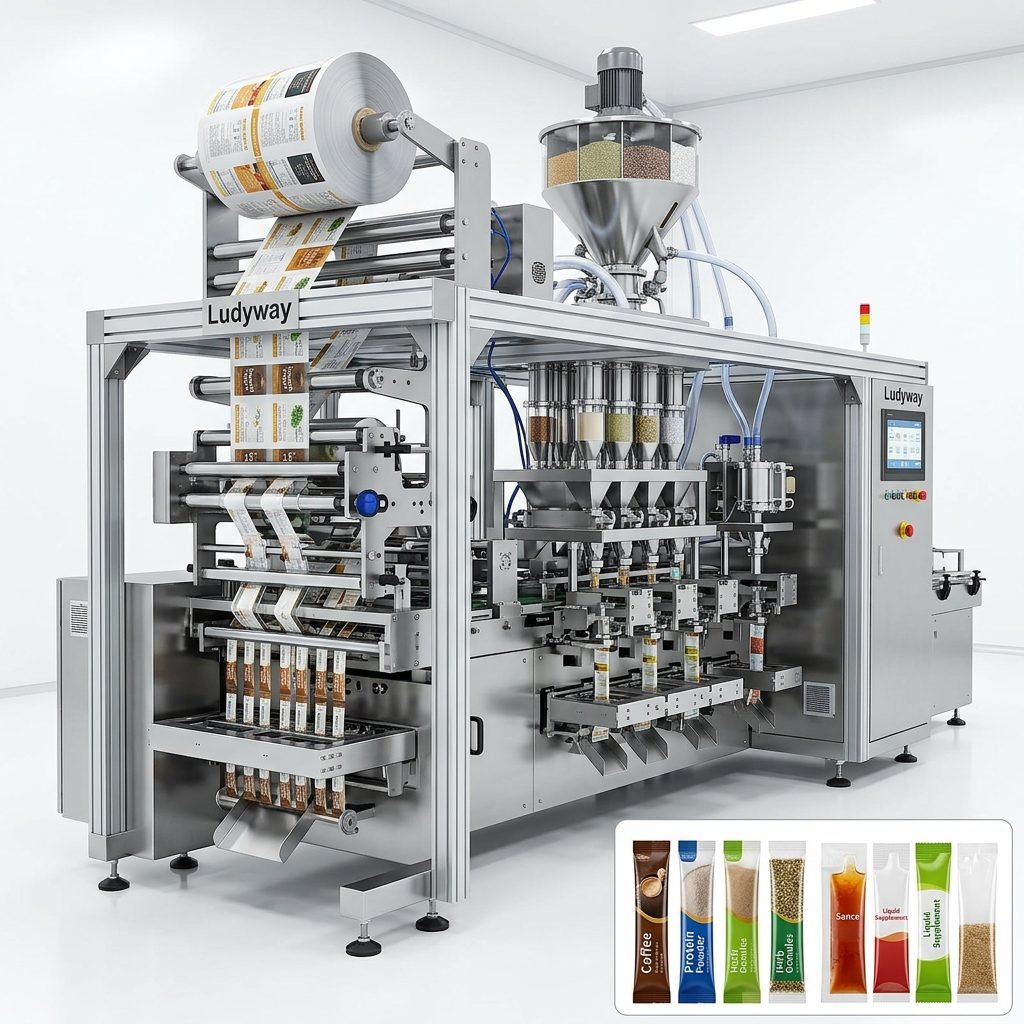
Food businesses usually need hygienic design, accurate dosing, and strong seal integrity. Compact machines are commonly used for spices, coffee, sugar, protein powder, snacks, seasonings, sauces, and nutritional mixes.
Pharmaceutical and Nutraceutical Industry
These applications require higher precision, cleanability, and compliance. A small pharmaceutical packaging machine should support stable dosing, traceability, and contamination control.
Cosmetics and Personal Care
Compact solutions are ideal for sachets and travel-size products such as lotion, serum, shampoo, sunscreen, face cream, and gel. Appearance quality and sealing consistency are especially important.
Chemical and Daily-Use Products
For detergents, cleaning powders, additives, and industrial chemicals, the machine should match the flow characteristics of the material and use corrosion-resistant contact parts when needed.
Important Technical Questions to Ask Suppliers
- What products has this model successfully packaged before?
- What packaging materials are supported?
- What is the actual speed range for my product?
- What filling accuracy can be achieved?
- How long does size changeover take?
- Can the machine connect to conveyors, coding systems, or cartoners later?
- What spare parts are recommended for the first year?
- What remote support or after-sales service is available?
Signs of a High-Quality Compact Packaging Machine
Not all compact systems are built equally. The best machines combine small footprint with reliable performance.
- Stable construction: Rigid frame and dependable component layout
- Accurate dosing: Reduced waste and improved product consistency
- Easy cleaning: Especially critical in food and pharma production
- User-friendly controls: Faster training and fewer operating errors
- Maintenance accessibility: Less downtime during servicing
- Upgrade compatibility: Ability to add printers, conveyors, checkweighers, and coding devices
Common Buying Mistakes to Avoid
- Choosing based on price alone
- Ignoring product characteristics such as dust, viscosity, or fragility
- Not checking sealing quality with real packaging material
- Underestimating future capacity requirements
- Buying a machine without service or spare parts support
- Failing to confirm compliance needs for food or pharma production
Should You Choose a Standalone Machine or a Compact Turnkey Line?
If your process only needs filling and sealing, a standalone machine may be enough. But if your workflow includes feeding, coding, inspection, conveying, counting, cartoning, or case packing, a compact turnkey solution can offer better efficiency.
For buyers looking for scalable automation, working with an experienced manufacturer such as Ludyway small packaging machine solutions can be a practical option. With more than 30 years of industry experience, a wide machine portfolio, and turnkey line capabilities, the company serves food, pharmaceutical, health supplement, cosmetic, chemical, and related sectors worldwide.
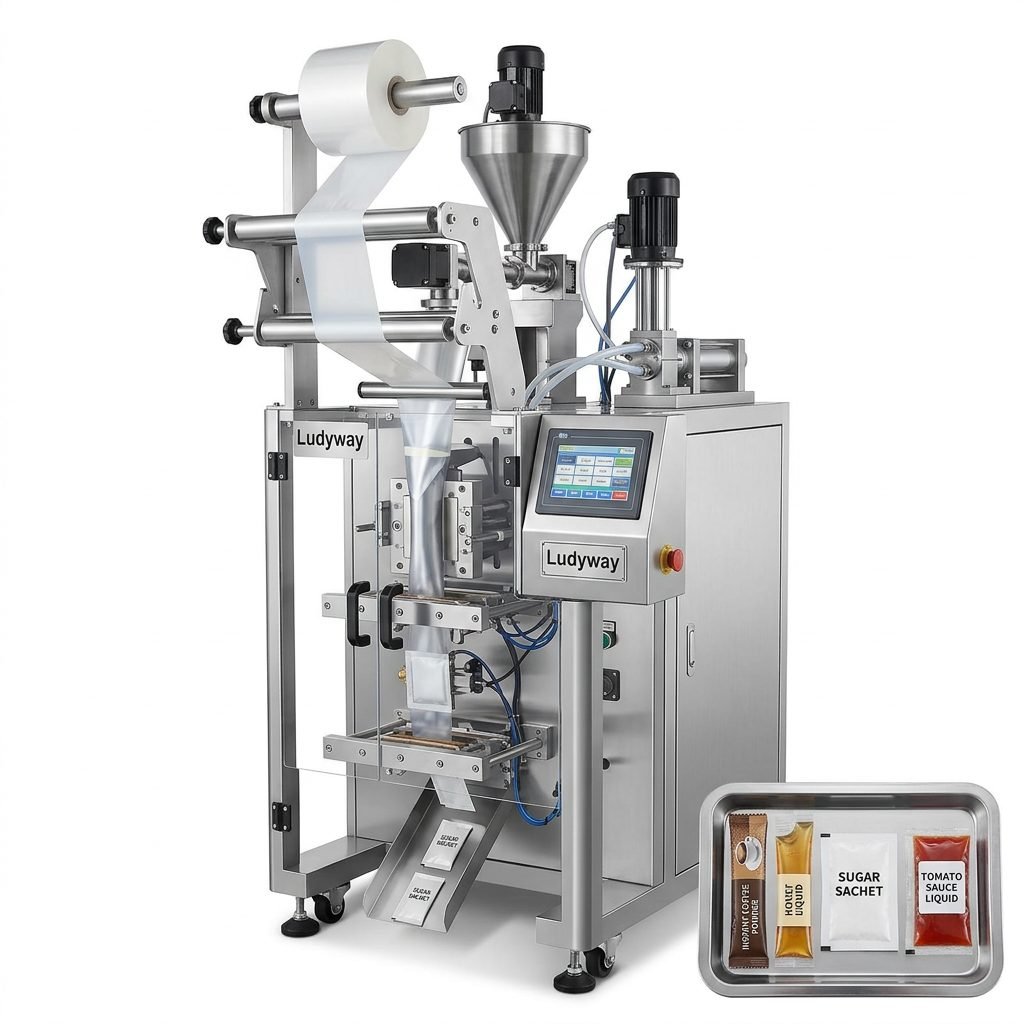
Best Applications for Small Packaging Machines
| Application | Recommended Compact Solution | Key Benefit |
|---|---|---|
| Drink powders | Stick pack or sachet machine | Single-dose convenience |
| Seasonings and spices | Powder sachet machine | Precise small-volume filling |
| Cream and gel samples | Liquid/paste sachet machine | Travel-size packaging |
| Health supplements | Stick pack or pouch system | Clean portion control |
| Detergents and cleaners | Sachet filler and sealer | Compact automated filling |
How to Make the Final Decision
The best compact packaging solution is the one that fits your real operating conditions, not just your wish list. Before buying, prepare samples of your product and packaging film, define your target output, list your utility requirements, and request a machine test if possible.
A smart buying process usually includes:
- Clarifying product and pack format details
- Comparing machine speed and filling accuracy
- Reviewing service support and spare parts availability
- Checking whether future upgrades are possible
- Evaluating total cost of ownership, not only purchase price
Final Buying Checklist
- Does the machine fit your product type?
- Does it support your required package size and format?
- Can it meet present and near-future capacity?
- Is it easy to operate, clean, and maintain?
- Does the supplier provide technical support?
- Can the system be integrated into a larger line later?
When chosen carefully, a small packaging machine can become a highly efficient asset for growing production, improving pack quality, and supporting product expansion without demanding excessive space or investment.