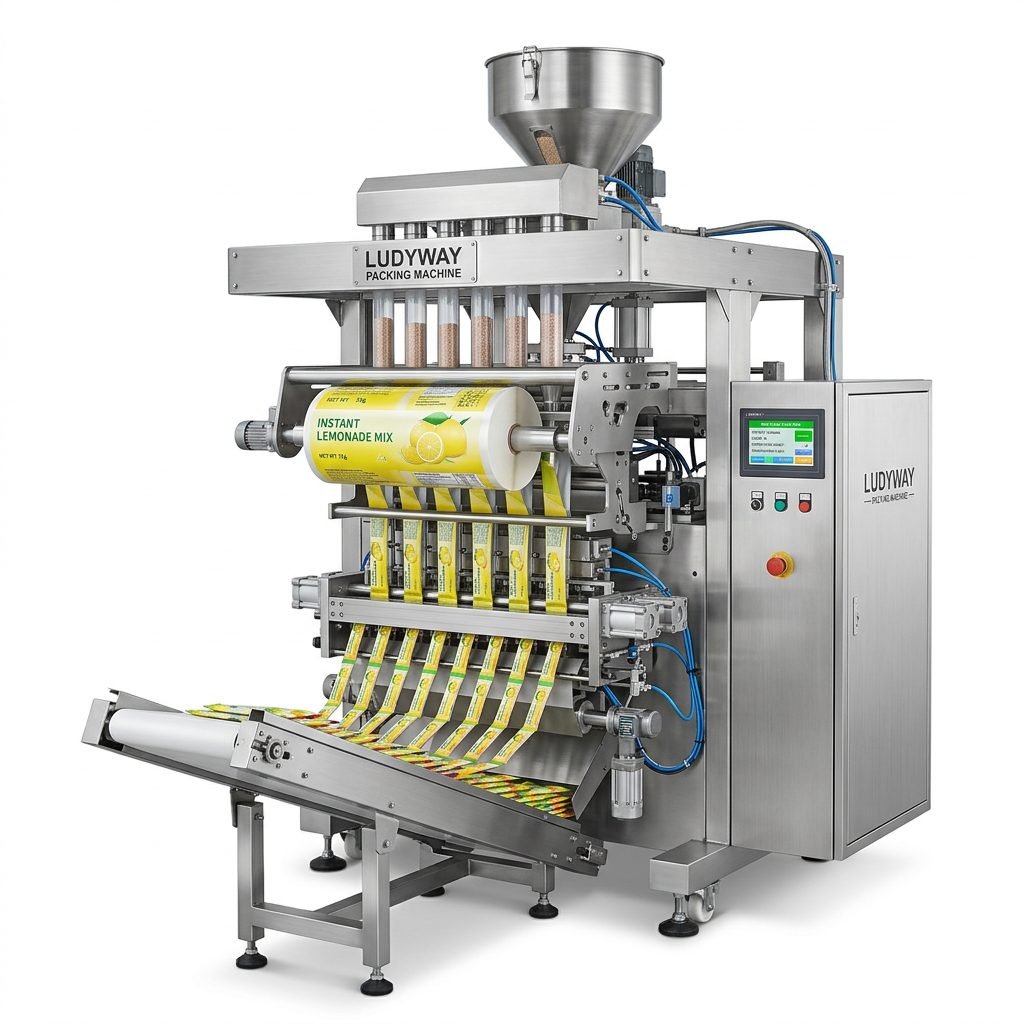
Modern packaging operations need more than speed alone. They need stable performance, precise filling, flexible formats, and scalable automation that can support daily production without unnecessary downtime. Edda packaging machines have become a practical choice for manufacturers looking to improve output, reduce labor dependence, and keep packaging quality consistent across food, pharmaceutical, cosmetic, chemical, and specialty product lines.
For businesses planning long-term automation upgrades, working with an experienced manufacturer such as Ludyway packaging machine solutions can help bridge the gap between standalone equipment and fully integrated turnkey packaging lines.
Why Edda Packaging Machines Matter in Modern Production
Packaging is often one of the most visible indicators of manufacturing efficiency. When machines are inaccurate, slow, or difficult to change over, the effects are immediate: product waste rises, labor costs increase, and delivery schedules become harder to maintain. Reliable packaging automation helps manufacturers solve these issues by creating a more predictable process from feeding and dosing to sealing, coding, inspection, and final packing.
Edda packaging machines are valued because they support:
- Higher packaging efficiency for growing production volumes
- Consistent fill accuracy for powders, granules, liquids, and pastes
- Cleaner sealing and improved package appearance
- Lower manual intervention and reduced labor intensity
- Better compatibility with upstream and downstream automation equipment
- Flexible adaptation to sachets, stick packs, pouches, bottles, and more
Core Advantages of Reliable Packaging Automation
When companies invest in well-designed packaging machinery, the benefits go beyond output. Automation improves process control, supports product safety, and creates a foundation for future expansion. This is especially important in sectors where traceability, hygiene, and dosing precision are critical.
| Automation Benefit | Business Impact |
|---|---|
| Accurate dosing and filling | Reduces product giveaway and maintains batch consistency |
| High-speed sealing and forming | Increases production capacity and shortens lead times |
| Multi-format compatibility | Supports SKU expansion and flexible packaging strategies |
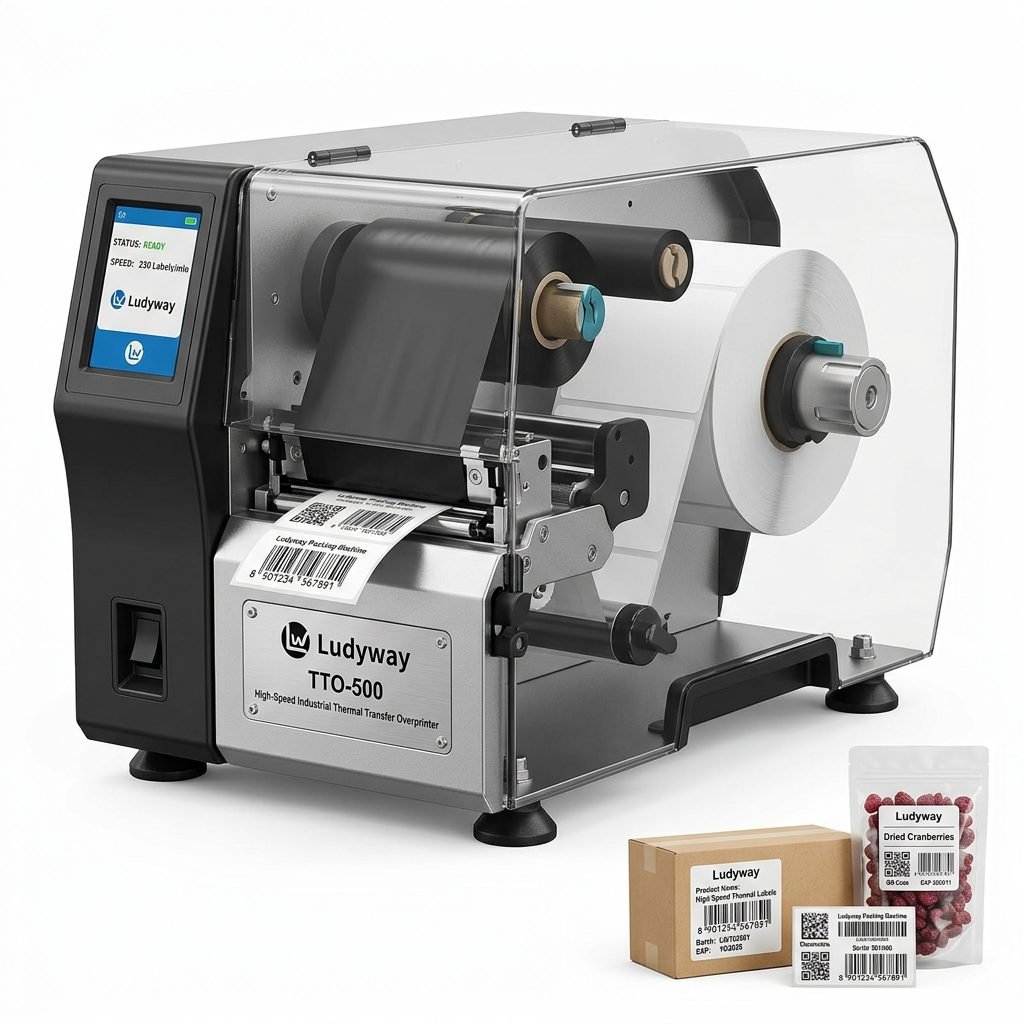
| Integrated inspection and coding | Improves compliance, traceability, and quality control |
| Turnkey line integration | Creates smoother flow from product feeding to final case packing |
Applications Across Multiple Industries
One reason advanced packaging systems are in demand is their ability to support multiple industries with different packaging requirements. A flexible machinery platform can be configured for low-density powders, free-flowing granules, viscous liquids, medical products, or consumer-packaged goods.
Food Industry
Food producers need efficient, hygienic, and repeatable packaging for products such as coffee, spices, protein powder, drink mixes, seasoning blends, sauces, sugar, flour, grains, snacks, and pet food. Reliable Edda packaging equipment helps maintain output while protecting product freshness and improving packaging consistency.
Pharmaceutical and Health Supplement Industry
Pharma and nutraceutical packaging requires accurate dosing, secure sealing, and dependable process control. Sachet and stick pack machines can be used for oral powders, granules, electrolyte formulations, supplements, and single-dose healthcare products where precision and cleanliness are non-negotiable.
Cosmetic and Personal Care Industry
Single-use and travel-size packaging continues to grow in cosmetics. Shampoo, lotion, cream, serum, cleanser, and gel products are commonly packed in sachets, stick packs, and small pouches. Fast changeovers and neat packaging presentation are key for this sector.
Chemical and Daily-Use Products
Detergents, cleaning agents, additives, industrial powders, and liquid chemicals require robust equipment that can handle different product behaviors while supporting stable output and secure seals.
Key Machine Types Commonly Used in Efficient Packaging Lines
Choosing the right solution depends on product form, package style, speed requirement, and factory layout. The most practical packaging projects often combine several machines into a coordinated line.
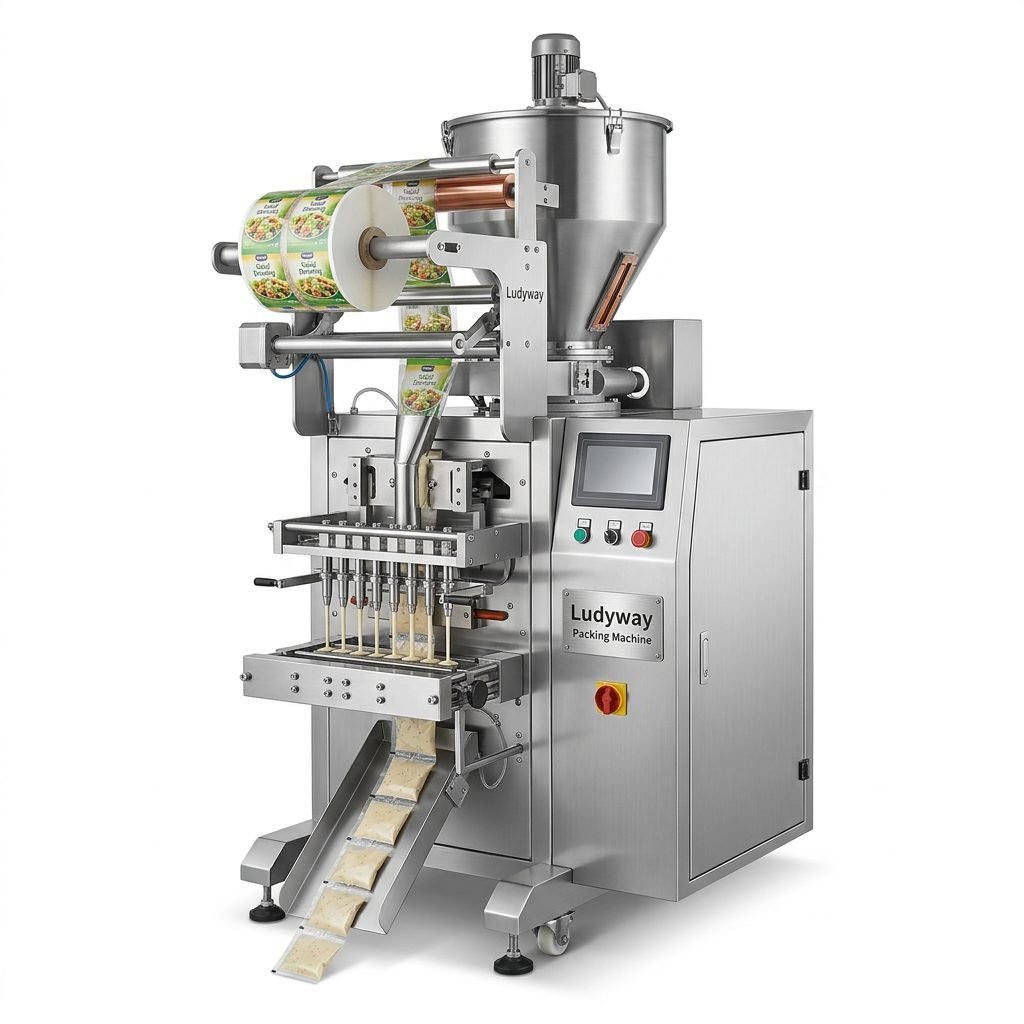
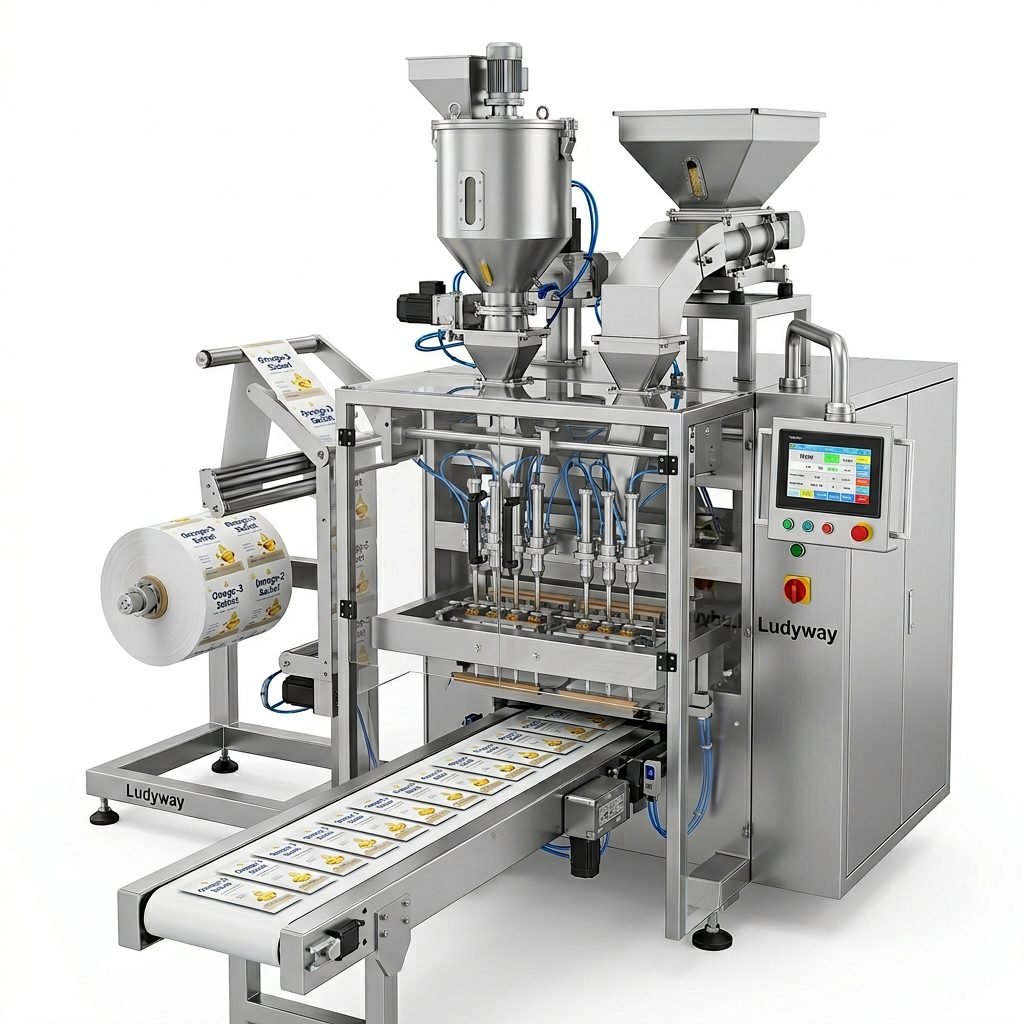
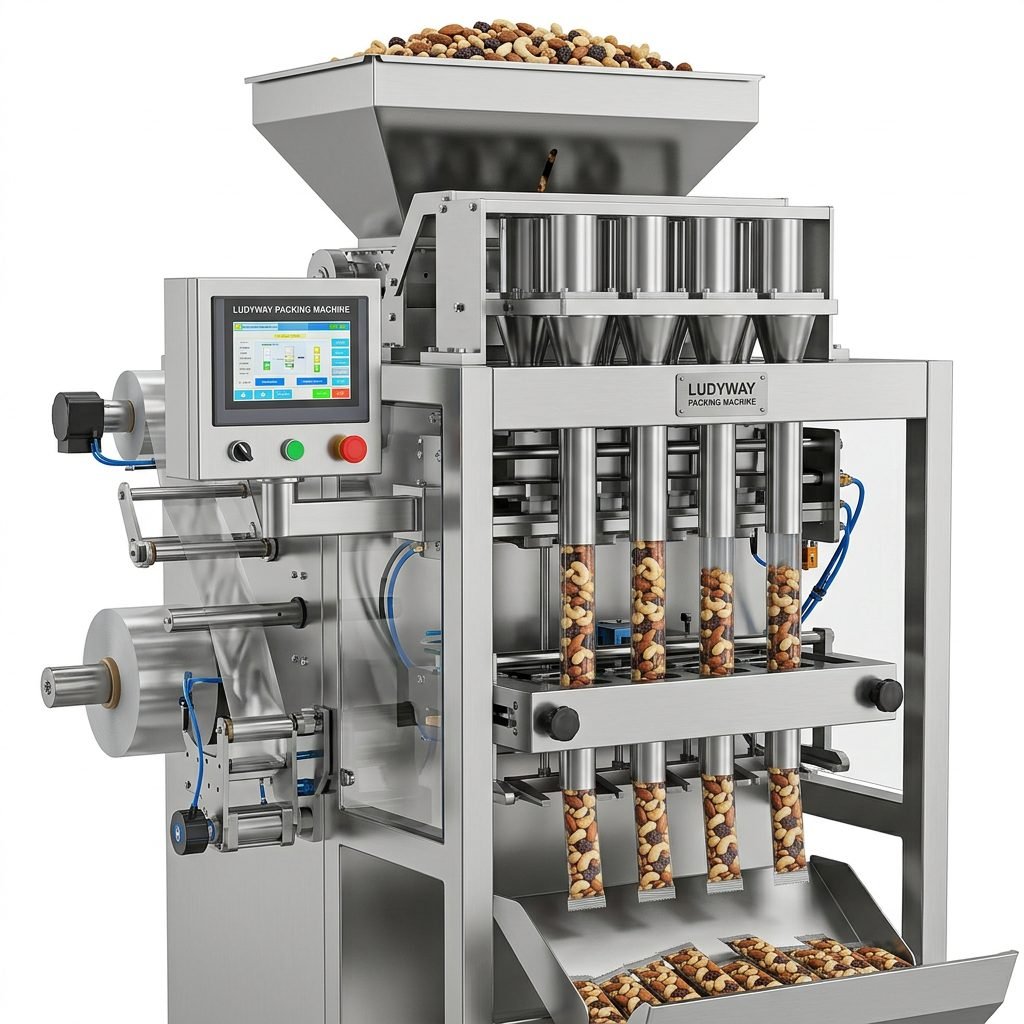
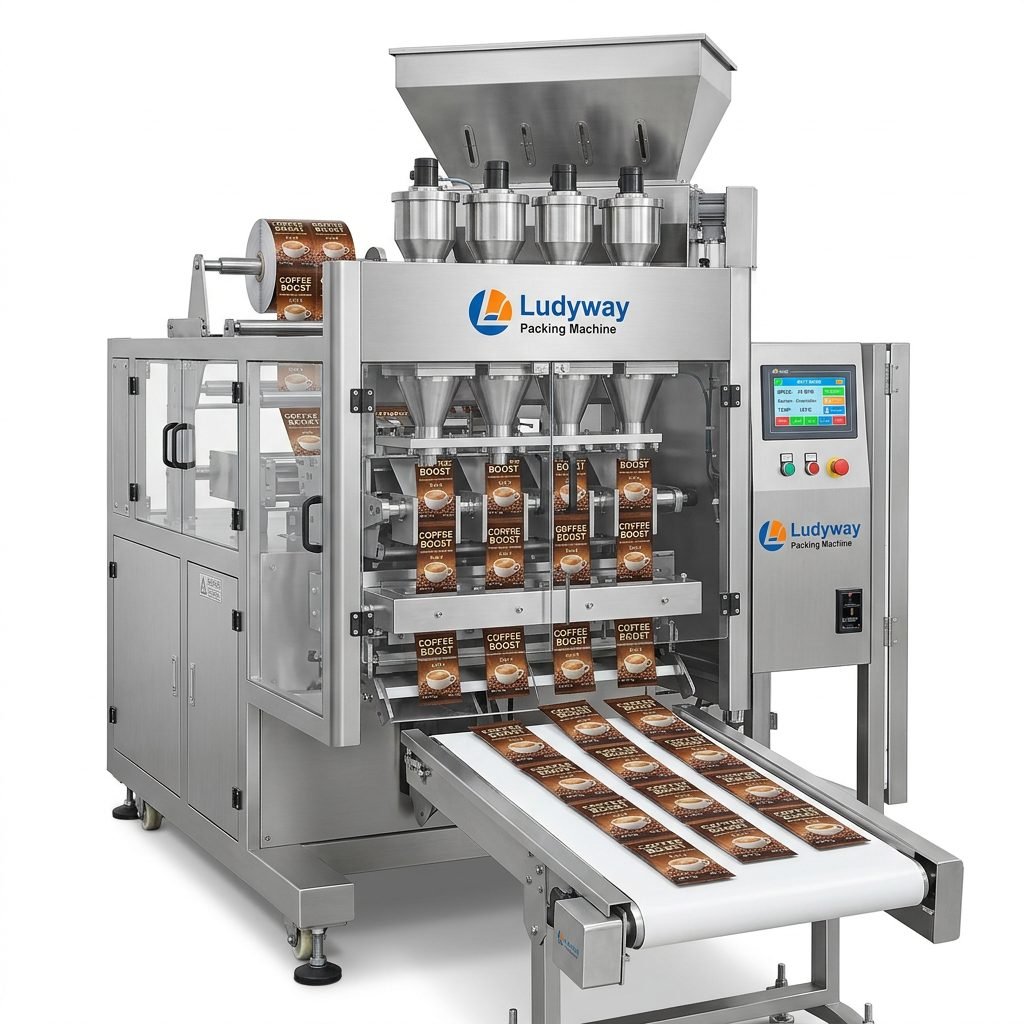
Multi-Lane Stick Pack Machines
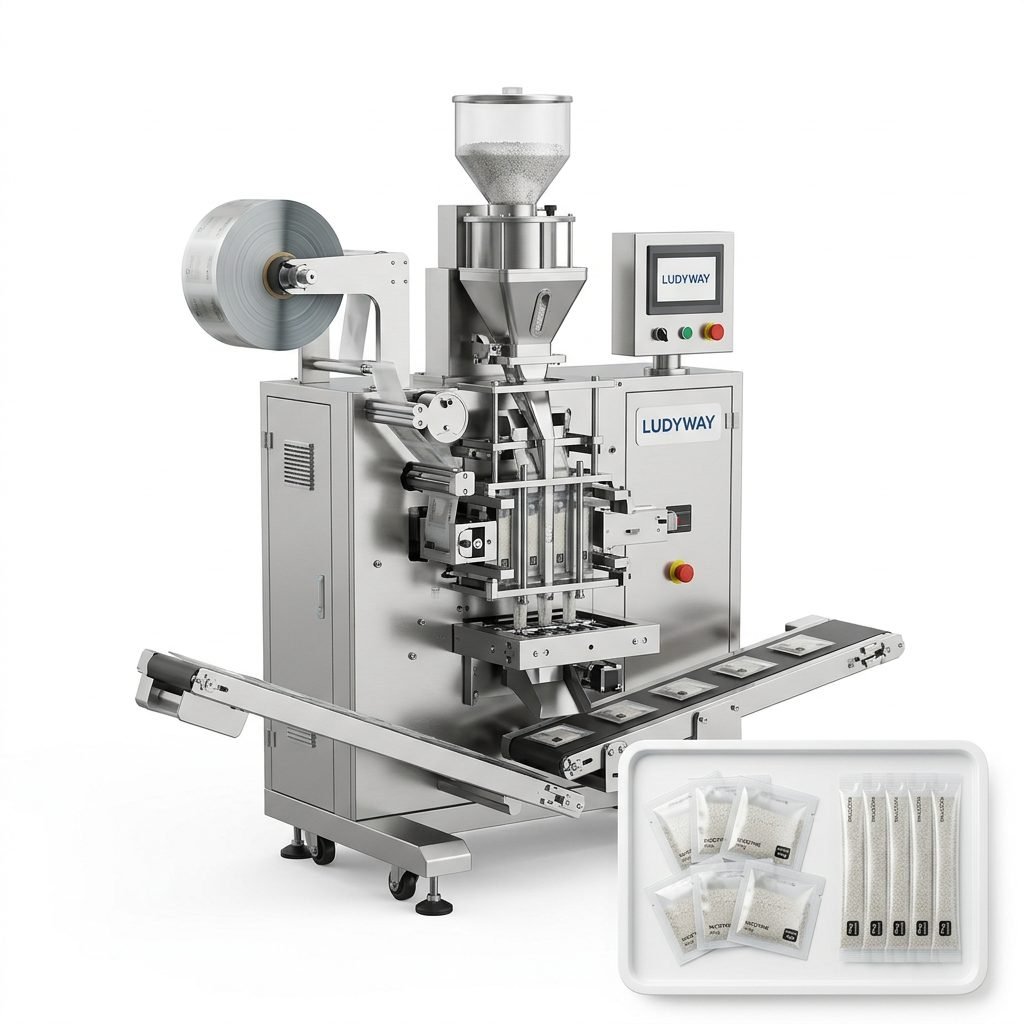
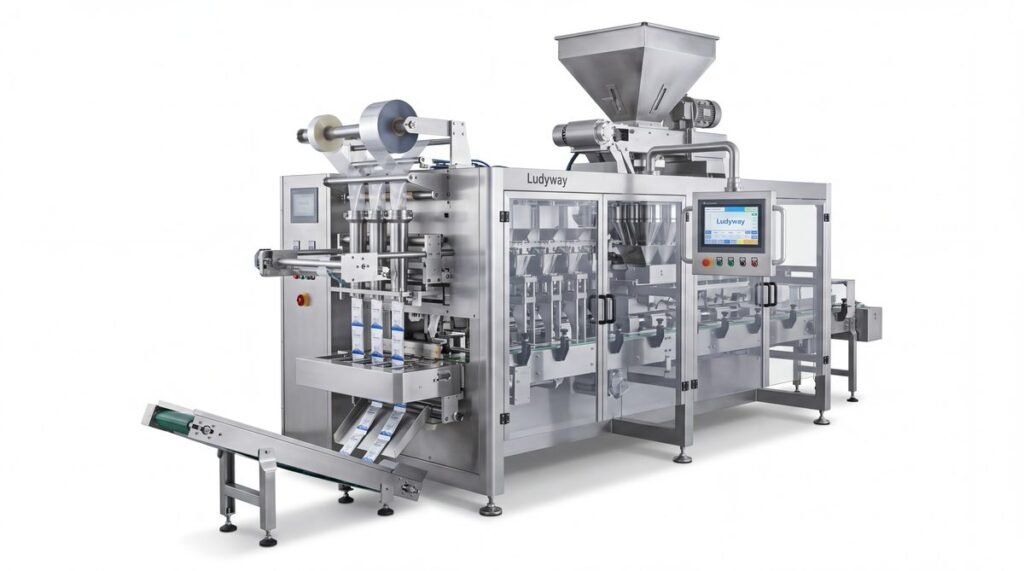
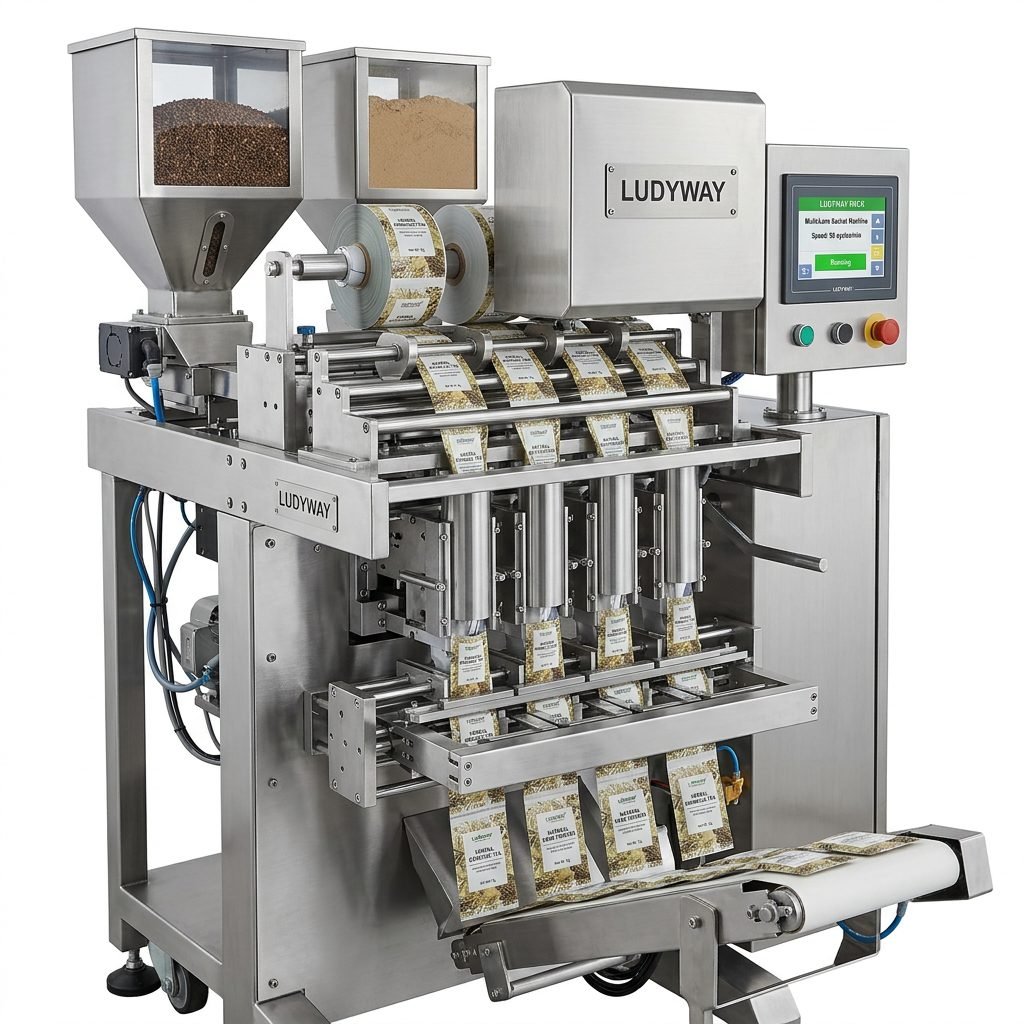
These systems are ideal for high-output packaging of powders, granules, and some liquids. They are popular for coffee, health supplements, pharmaceuticals, and instant beverages because they combine compact packaging with efficient throughput.
Sachet Packing Machines
Sachet machines are suitable for food, cosmetic, pharmaceutical, and chemical applications. They support a wide range of product types and offer strong flexibility for different seal styles and bag dimensions.
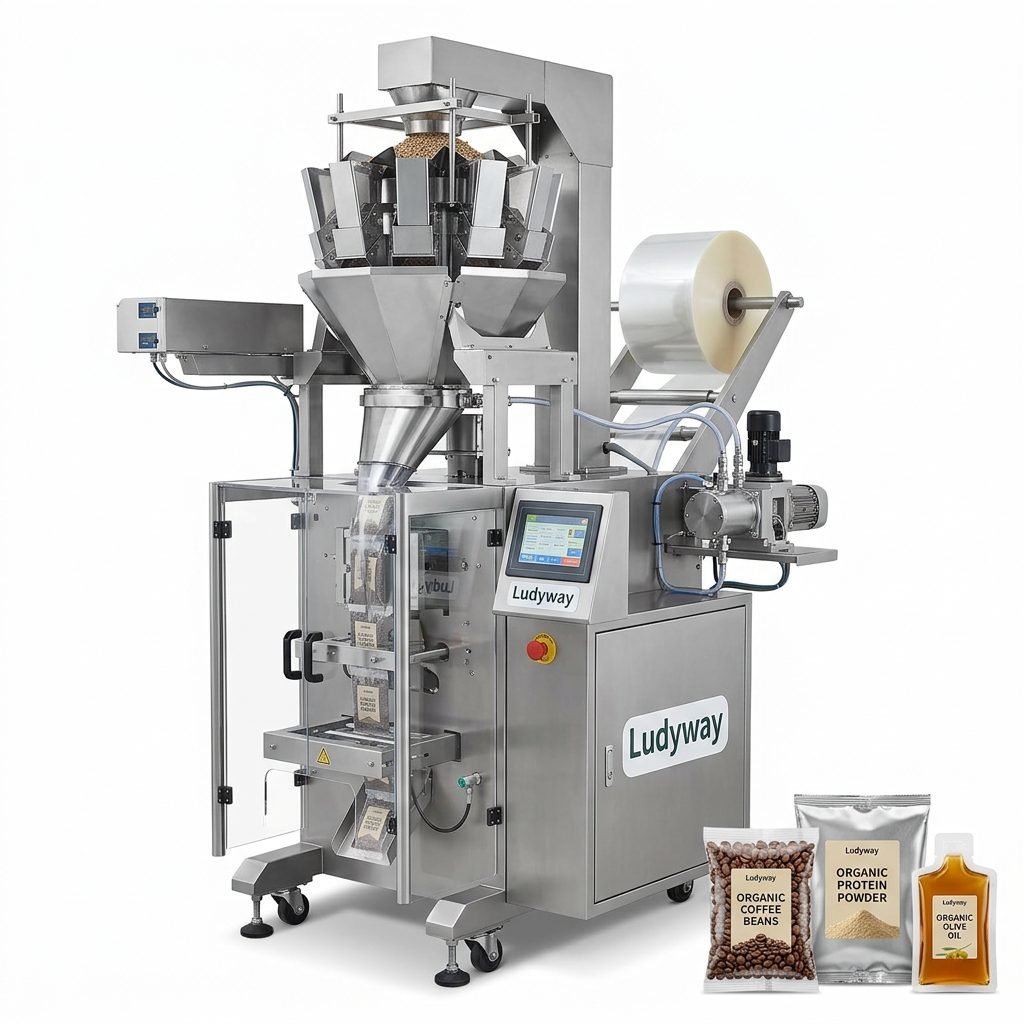
Vertical Packaging Systems
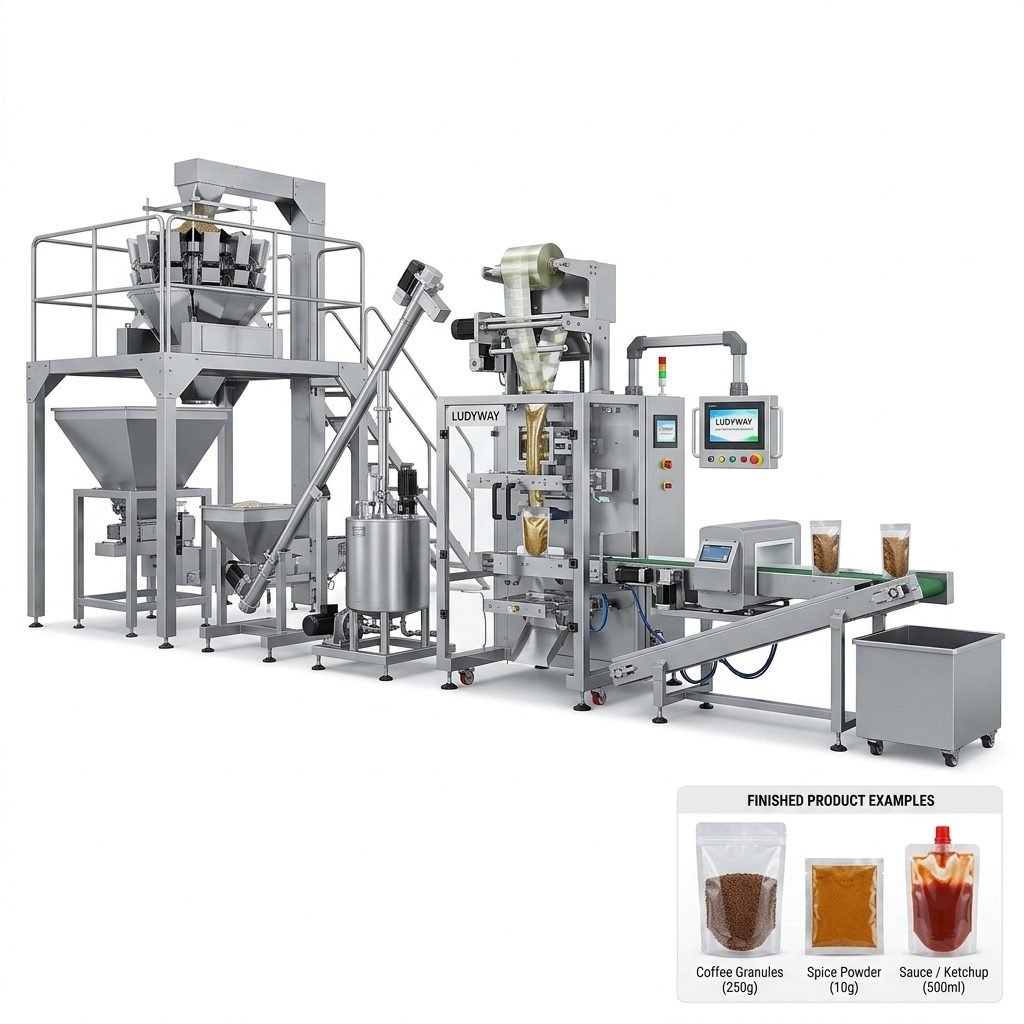
Vertical form-fill-seal machines are widely used for granules, powders, and other flowable products. They are practical for medium to high-volume packaging and can be integrated with weighing, feeding, and coding systems.
Filling and Sealing Machines
For liquids, pastes, creams, and viscous products, dedicated filling and sealing equipment ensures proper dosing and package integrity. This is essential for sauces, cosmetics, detergents, and pharmaceutical liquids.
Complete Turnkey Packaging Lines
Turnkey systems connect the full production chain, including feeding, conveying, dosing, bagging, sealing, coding, check weighing, cartoning, case packing, palletizing, and final handling. This gives manufacturers a stronger long-term automation advantage.
How to Evaluate the Right Packaging Machine for Your Factory
Not every packaging machine is the right fit for every operation. A better buying decision starts with a realistic review of production goals and application details.
- Define product characteristics — powder, granule, liquid, paste, or mixed material
- Confirm package format — sachet, stick pack, pouch, bottle, or bulk bag
- Estimate target speed — hourly and daily production requirements
- Review filling accuracy needs — especially for pharma and supplement applications
- Check material compatibility — film type, seal requirement, and barrier properties
- Plan future scalability — whether one machine or an expandable turnkey line is needed
- Assess service and technical support — installation, training, spare parts, and after-sales response
What Makes a Packaging Machine Supplier Reliable
Machine performance depends not only on design, but also on the manufacturer’s engineering depth, production capability, and export experience. Buyers should look for a supplier that can support both standard models and custom line integration.
A strong packaging equipment partner usually offers:
- Broad machine portfolio for different industries
- Customization based on product and package type
- Structured quality inspection before shipment
- Engineering support for line planning and integration
- Export experience in diverse markets
- Long-term spare parts and technical service support
| Selection Factor | Why It Matters |
|---|---|
| Manufacturing experience | Helps ensure mature engineering and practical machine design |
| Industry coverage | Allows better adaptation across food, pharma, cosmetics, and chemicals |
| Customization capability | Supports unique packaging formats and project requirements |
| Turnkey integration ability | Improves efficiency across the full production line |
| Global project experience | Reduces communication risks and supports international compliance needs |
Benefits of Turnkey Packaging Line Integration
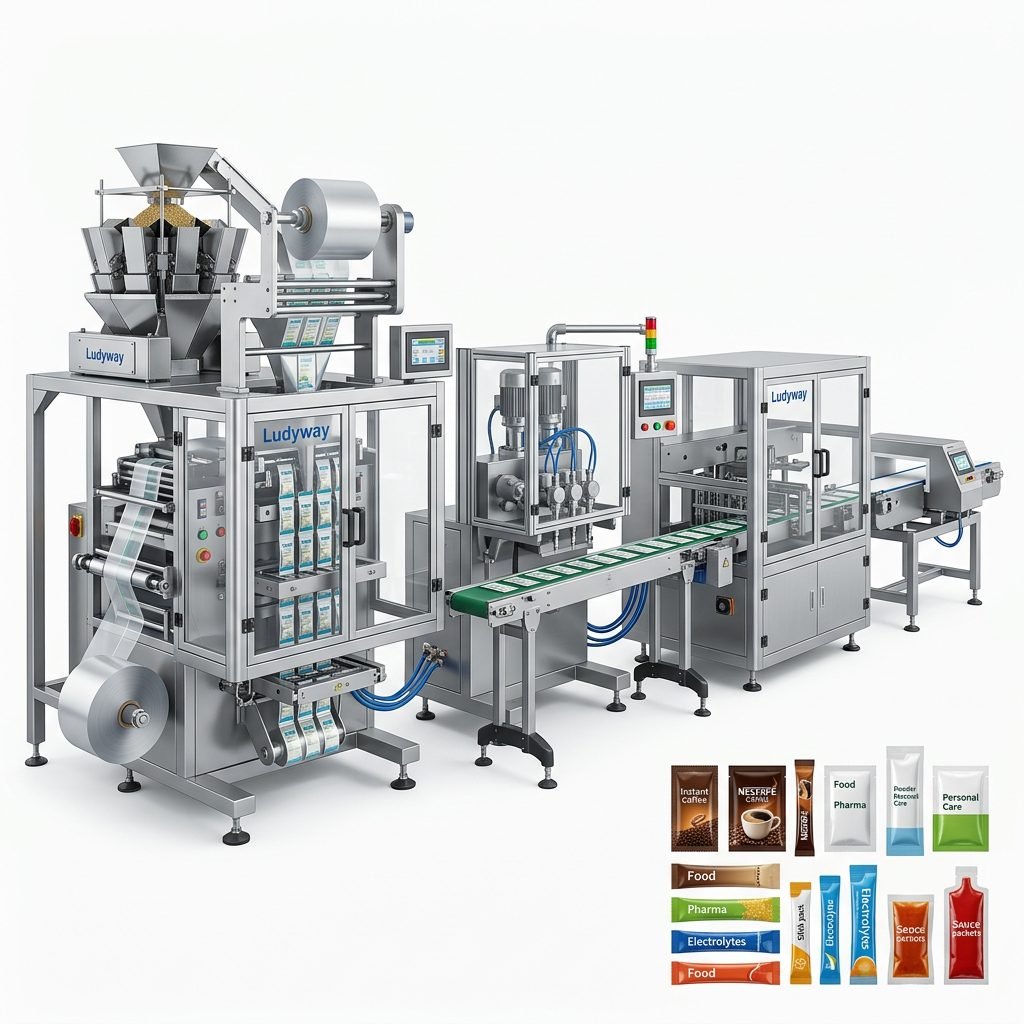
Many manufacturers start with a standalone machine, then later realize that line bottlenecks remain in feeding, transfer, coding, inspection, cartoning, or palletizing. A turnkey packaging line solves this by connecting equipment into one coordinated process.
Integrated automation can provide:
- Smoother material flow from product feeding to final packing
- Reduced handling errors between machines
- Improved production data visibility
- More stable packaging speed across the line
- Lower dependence on manual labor
- Better readiness for future capacity expansion
Long-Term Value of Investing in High-Quality Packaging Equipment
Price is important, but total value matters more. A machine with stable operation, easier maintenance, reliable parts support, and better integration potential often delivers stronger long-term returns than a lower-cost option with frequent interruptions.
Over time, the right packaging machine helps reduce:
- Unplanned downtime
- Packaging defects
- Material waste
- Excess labor costs
- Changeover inefficiencies
- Production delays caused by inconsistent performance
Final Considerations for Buyers
Choosing Edda packaging machines is not just about replacing manual work. It is about building a packaging process that can keep up with market demand, support product consistency, and create a stronger manufacturing foundation. Whether your business needs a multi-lane sachet machine, a stick pack system, a liquid filling solution, or a complete turnkey packaging line, the ideal solution should match both current output goals and future expansion plans.
Practical Questions to Ask Before Purchasing
- Can the machine handle my current and future product range?
- How fast can it run under real production conditions?
- What level of fill accuracy can it maintain?
- How easy is cleaning, maintenance, and changeover?
- Can it be integrated into a complete automated line later?
- What after-sales support and spare parts service are available?
For manufacturers seeking reliable solutions for efficient packaging automation, a well-engineered machine and a capable turnkey partner can make a measurable difference in productivity, consistency, and long-term operational success.