Choosing the right baby food packaging machine supplier is a critical decision for manufacturers aiming to ensure product safety, efficiency, and market competitiveness. This guide provides a comprehensive framework to evaluate potential suppliers, focusing on technical capabilities, quality assurance, and long-term partnership value.
Key Factors in Selecting a Baby Food Packaging Machine Supplier
The selection process should extend beyond initial price quotes. A holistic evaluation ensures your investment supports production goals and brand reputation.
1. Technical Expertise and Machine Range
Assess the supplier’s specialization in food-grade, particularly baby food, packaging. Key considerations include:
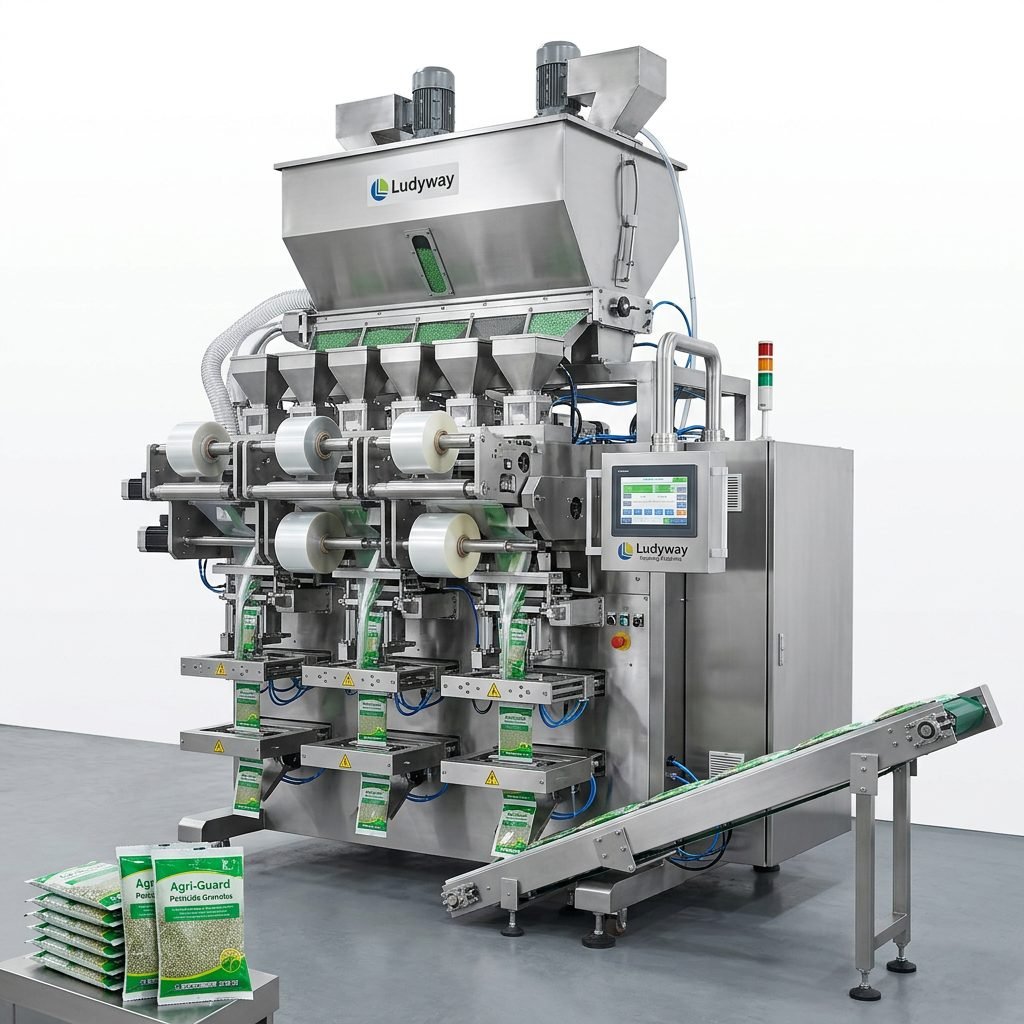
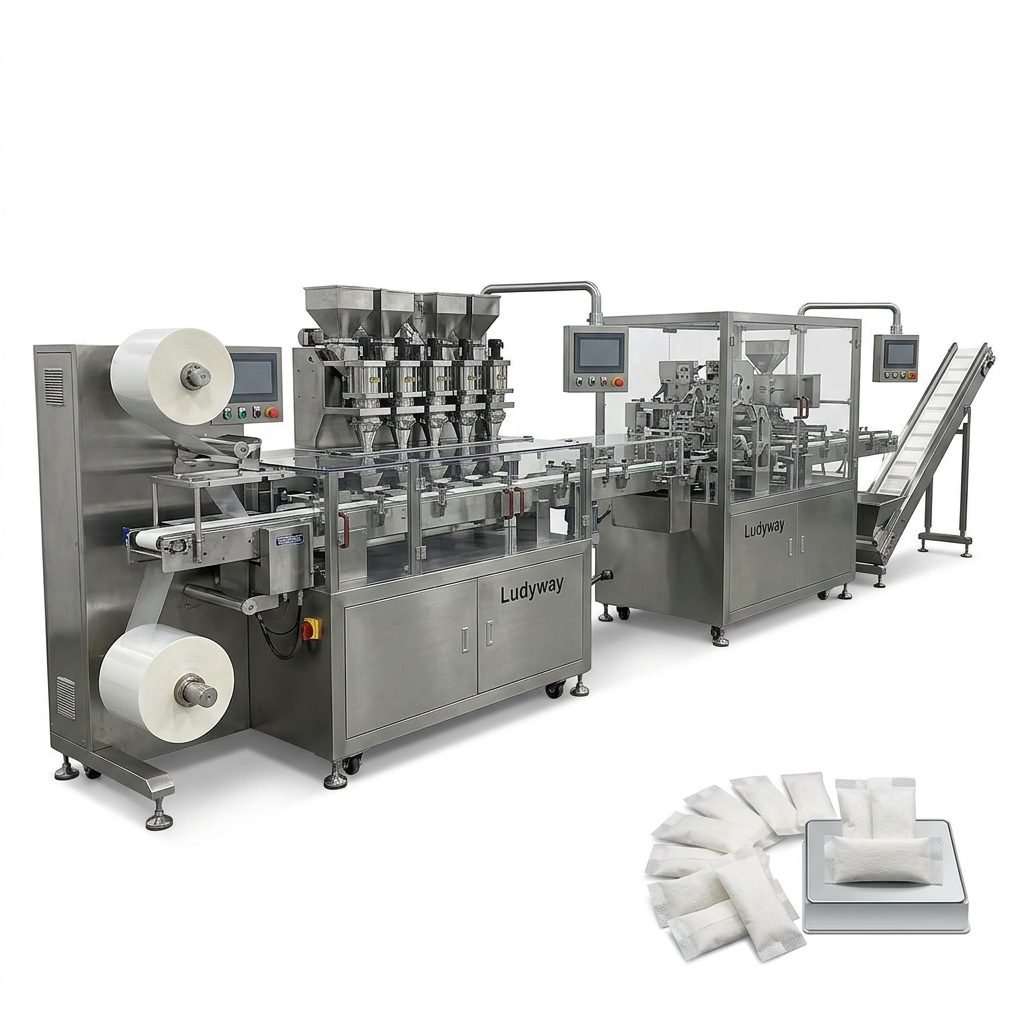
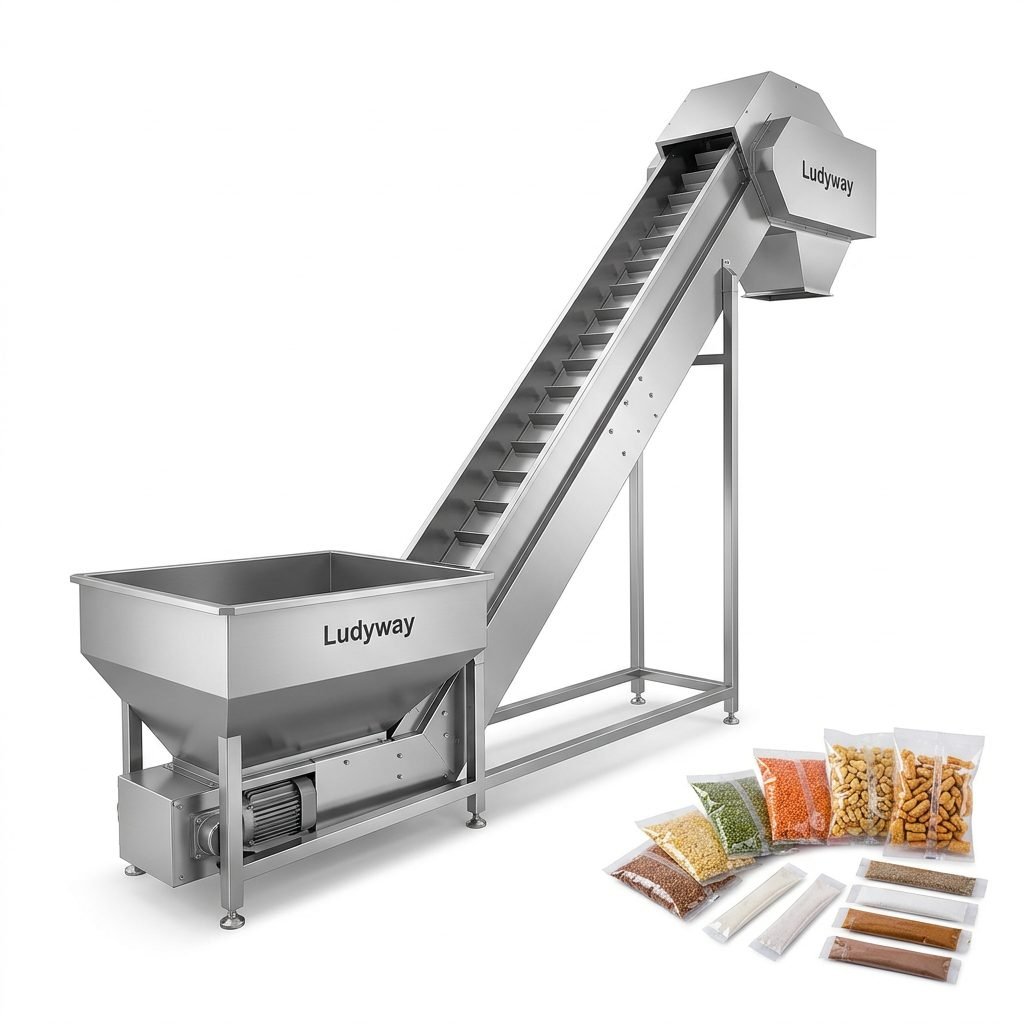
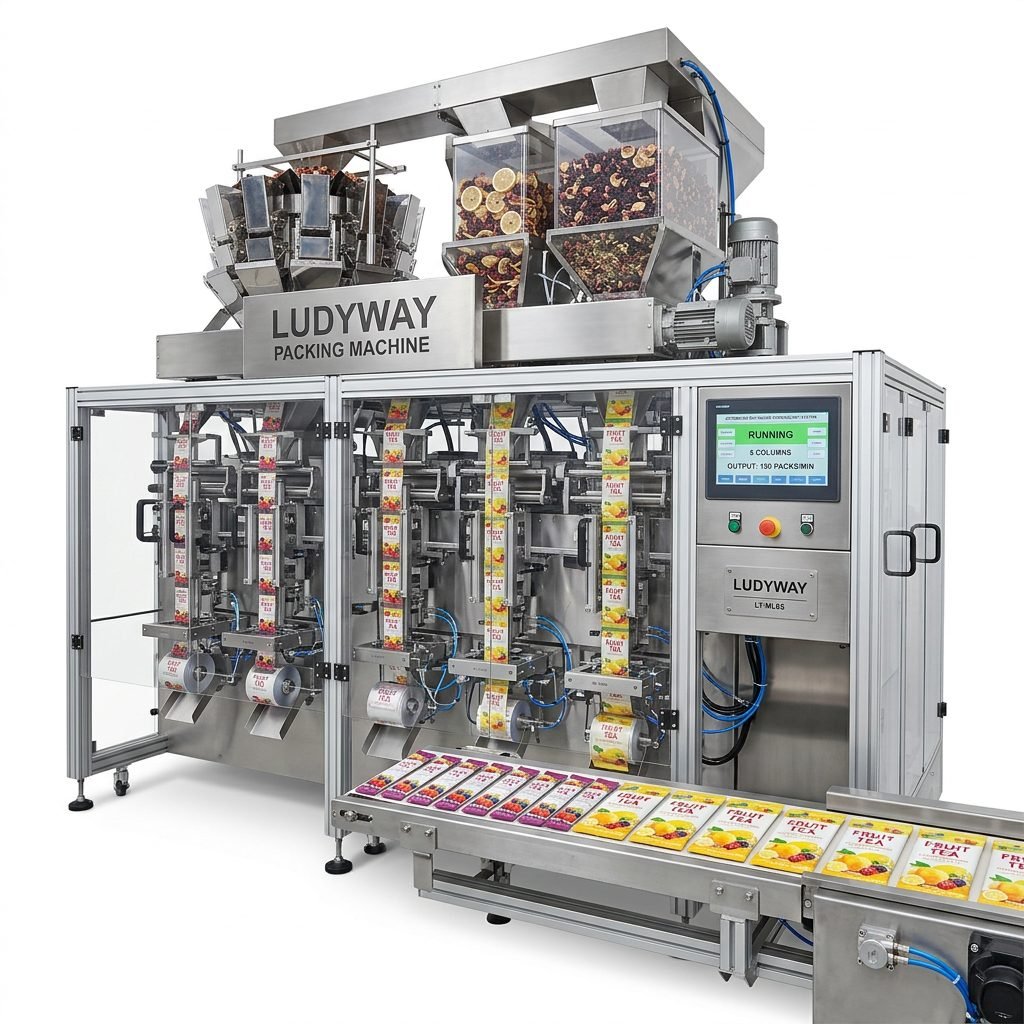
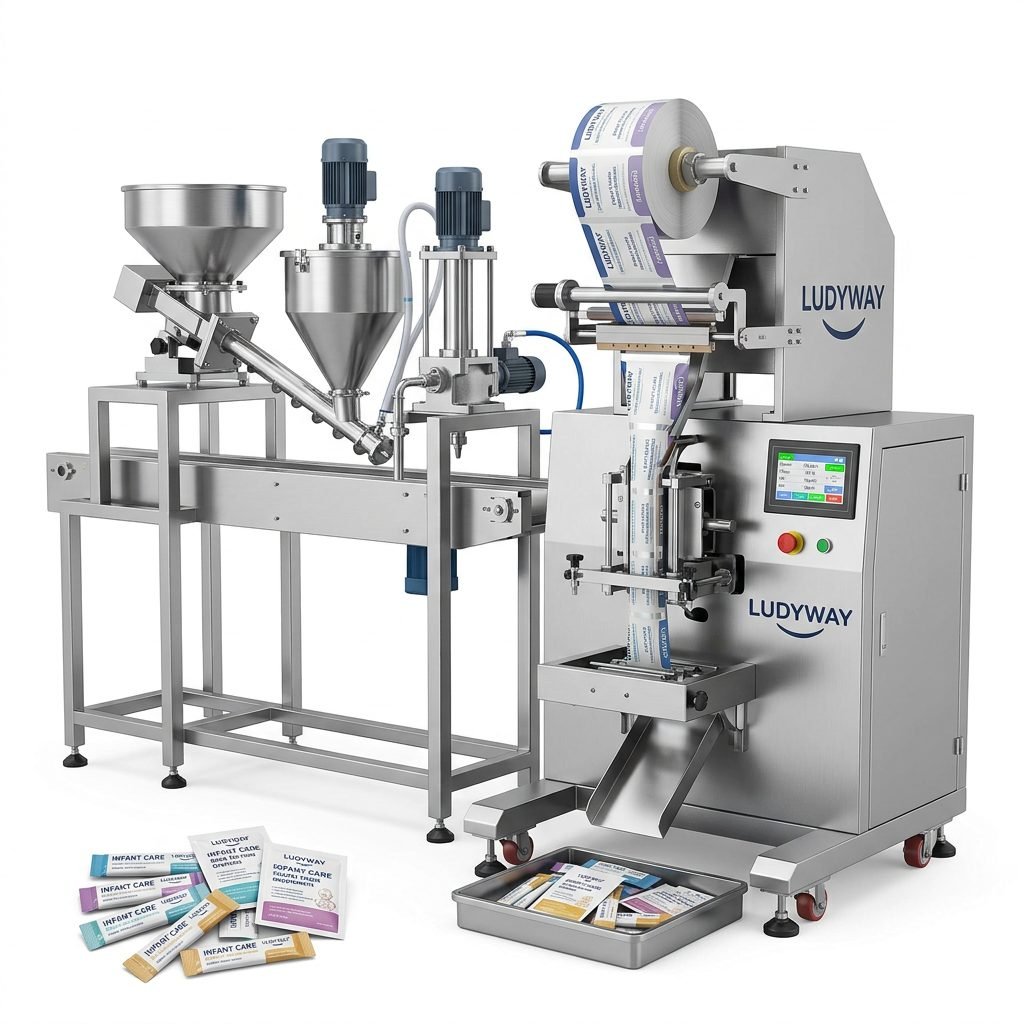
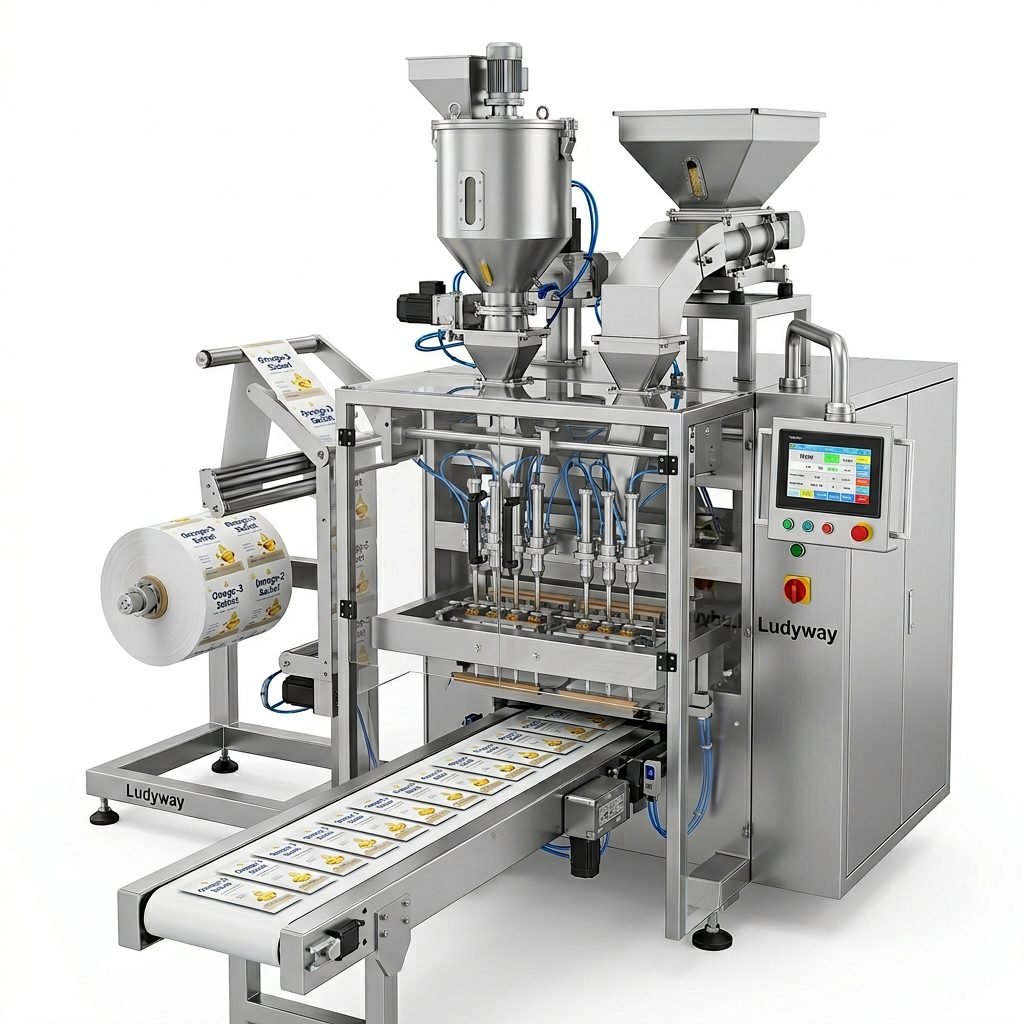
→ Machine Versatility: Can they provide solutions for various formats like stick packs, sachets, pouches, or cups suitable for purees, cereals, and snacks?
→ Technology Integration: Do they offer features like nitrogen flushing for extended shelf-life, precision filling for viscous products, and easy-clean (CIP/SIP) designs mandatory for baby food hygiene?
Suppliers with a broad portfolio, like those offering over 50 intelligent packaging models, can often provide more tailored solutions.
2. Manufacturing Quality and Compliance Standards
Baby food packaging demands the highest safety standards. Verify the following:
- Material Compliance: Machines must be constructed with food-contact surfaces using certified stainless steel (e.g., 304 or 316L).
- Certifications: Look for suppliers whose manufacturing processes and machines adhere to ISO standards, CE Marking, and relevant regional food safety regulations (like FDA guidelines for export).
- Quality Control: Inquire about their in-house testing, quality checks, and company history of consistent manufacturing.
3. Reliability and After-Sales Support Network
Downtime is costly. A supplier’s support system is as crucial as the machine itself.
Essential Support Services: Comprehensive support includes detailed installation, operator training, readily available spare parts, and responsive technical service. A global support network is vital for international manufacturers to minimize disruption.
Suppliers with decades of industry experience often have robust, proven support frameworks.
4. Customization and Scalability
Your needs may evolve. A good supplier acts as a partner for growth.
- Tailored Solutions: Can they modify machines for unique pouch shapes, specific filling accuracy, or integration with existing production lines?
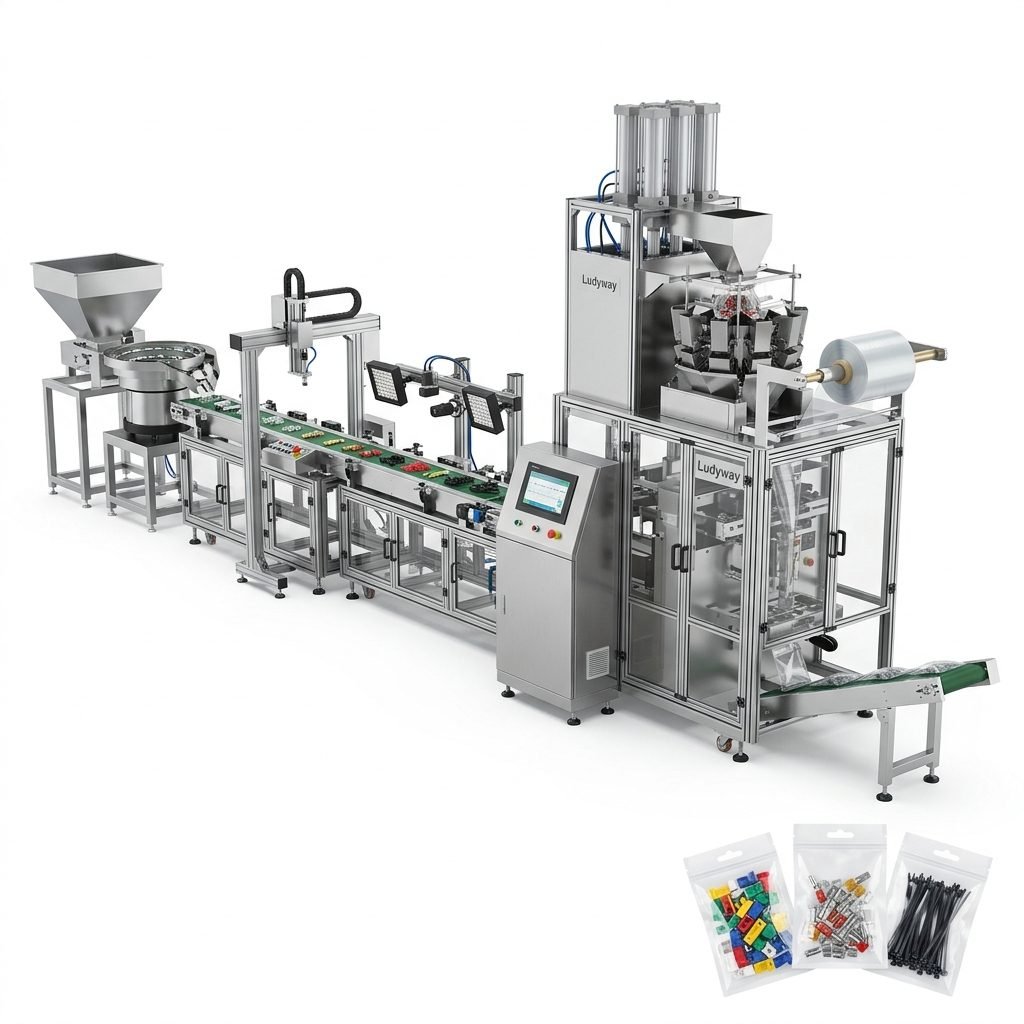
- Scalability: Do they offer solutions that can scale from pilot projects to high-speed, multi-lane production as demand grows?
This flexibility is a hallmark of a professional packaging expert focused on long-term client success.
5. Evaluating Supplier Credentials and Track Record
Conduct thorough due diligence before finalizing your choice.
Request and Verify:
- Client References: Speak directly with existing clients, especially those in the baby food or adjacent sectors.
- Factory Audit: If possible, visit the manufacturing facility to assess scale, cleanliness, and engineering capability. A modern facility is a strong positive indicator.
- Project Portfolio: Review case studies of completed turnkey production solutions for similar products.
Why Specialized Experience Matters in Baby Food Packaging
The baby food sector has unique challenges: extreme hygiene requirements, sensitive product characteristics, and high consumer trust stakes. Suppliers with focused experience understand these nuances deeply.
They are more likely to recommend appropriate packaging materials (barrier films), design sanitary machine interfaces, and suggest workflows that prevent cross-contamination. This specialized knowledge, gained over 30+ years in the industry, is invaluable and reduces your operational risk.
Making the Final Decision: Partnership Over Transaction
View your supplier as a strategic partner. The goal is to establish a relationship that provides not just a machine, but continuous innovation, support, and adaptation to future needs. A partner invested in your success will contribute significantly to your brand’s quality and reliability in the market.
Frequently Asked Questions (FAQs)
1. What is the most important feature to look for in a baby food packaging machine?
Hygienic design and easy cleaning (CIP/SIP capabilities) are paramount. The machine must be constructed to prevent bacterial growth and allow for thorough sanitation between production runs to meet strict food safety standards for infant nutrition.
2. How can I ensure the machine meets international safety standards?
Request and verify all relevant certification documents (CE, ISO, etc.) and ensure the machine’s design complies with the food safety regulations of your target markets (e.g., FDA, EFSA). A reputable supplier will transparently provide this documentation.
3. What kind of after-sales support should I expect?
Expect comprehensive support including on-site installation supervision, detailed training for your engineers and operators, a clear warranty policy, and access to a reliable spare parts supply chain. 24/7 remote technical support is a significant advantage.
4. Can a supplier help with the entire packaging line, not just one machine?
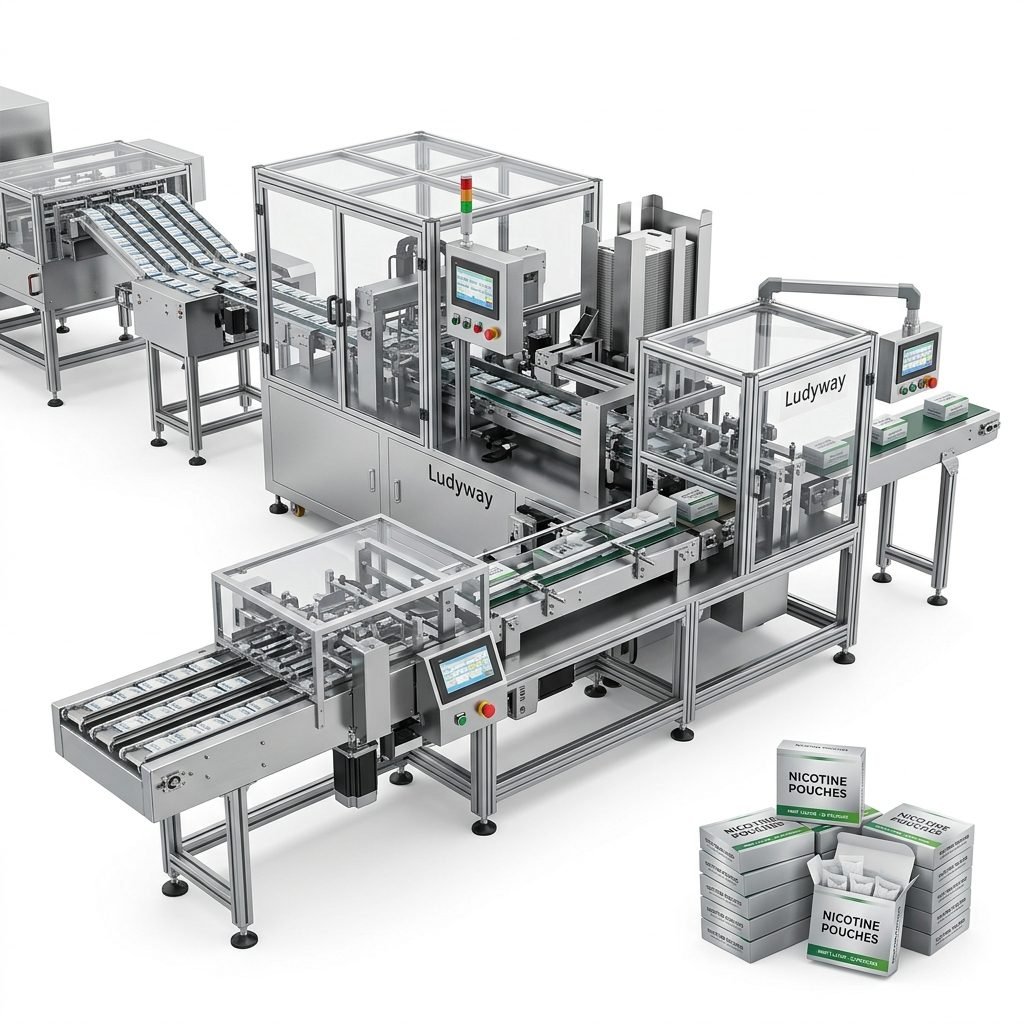
Yes, many established suppliers offer complete turnkey solutions. This includes integrating the packaging machine with upstream (mixing, cooking) and downstream (cartoning, case packing) equipment, ensuring seamless production flow and single-point accountability.
5. How do I balance cost with quality when choosing a supplier?
Focus on Total Cost of Ownership (TCO), not just the purchase price. Consider factors like energy efficiency, maintenance costs, expected lifespan, and potential production downtime. A slightly higher initial investment in a reliable, efficient machine from a proven supplier often leads to lower long-term costs and higher productivity.