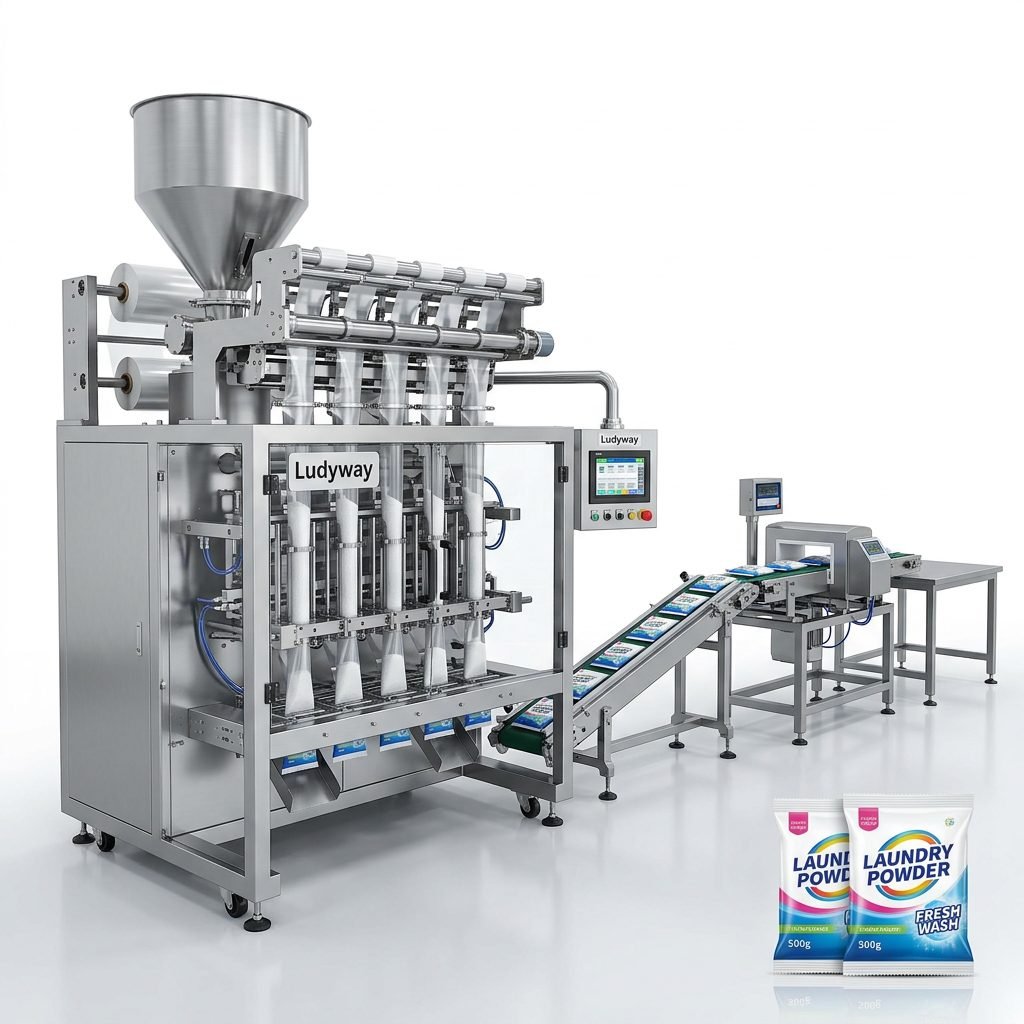
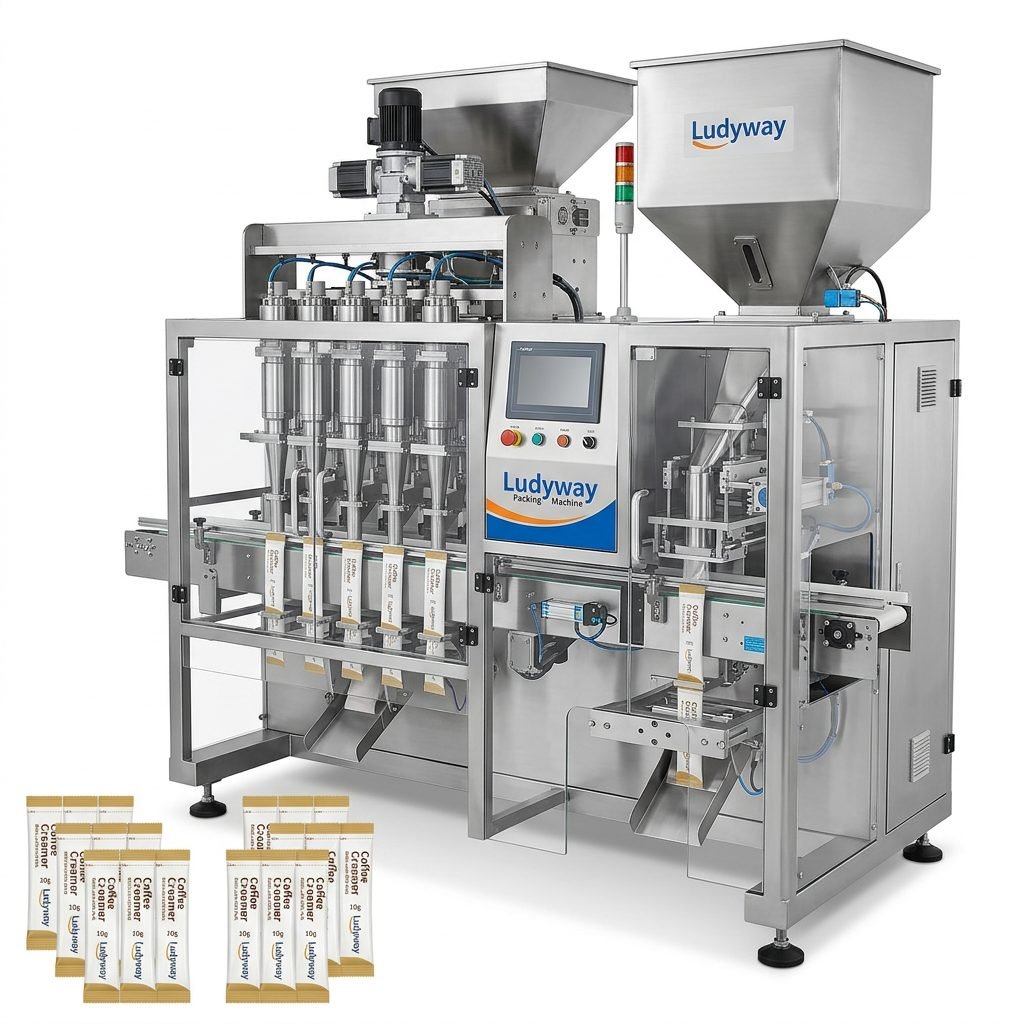
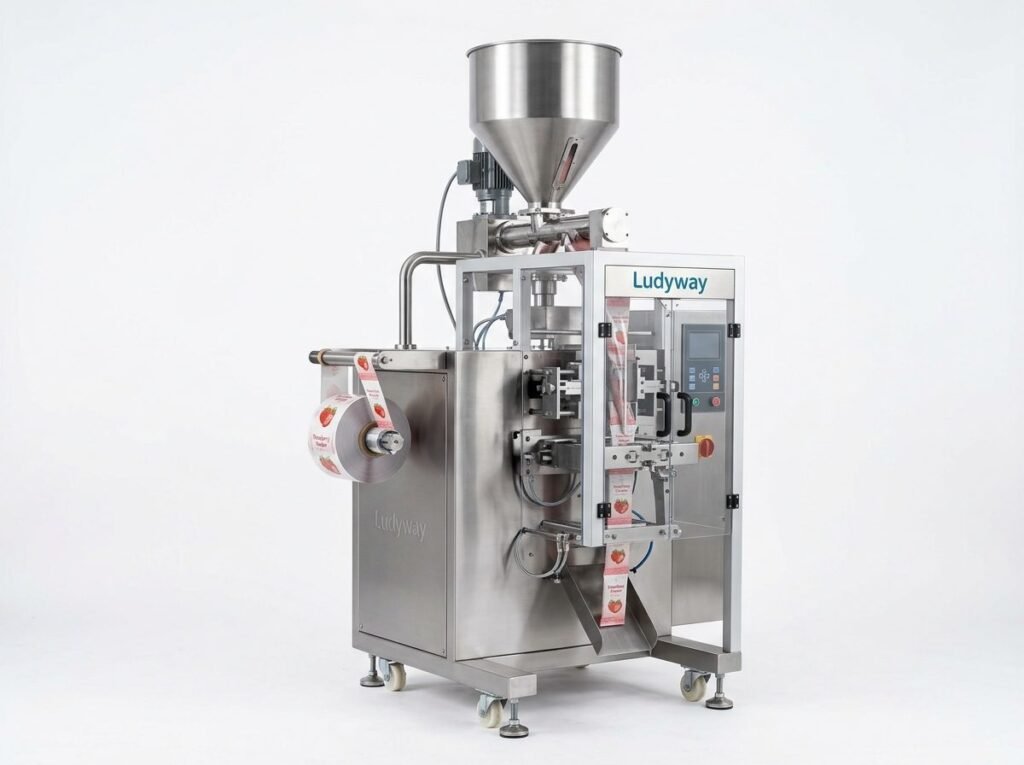
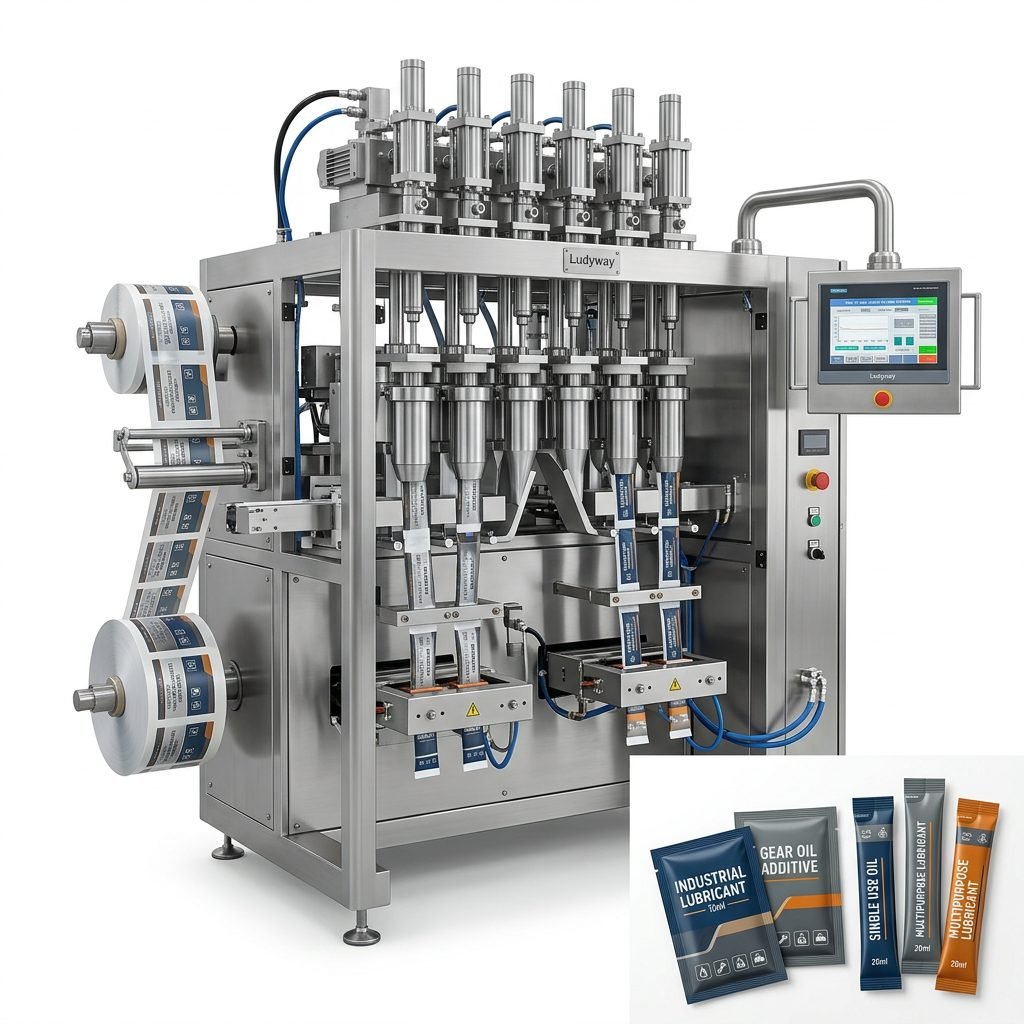
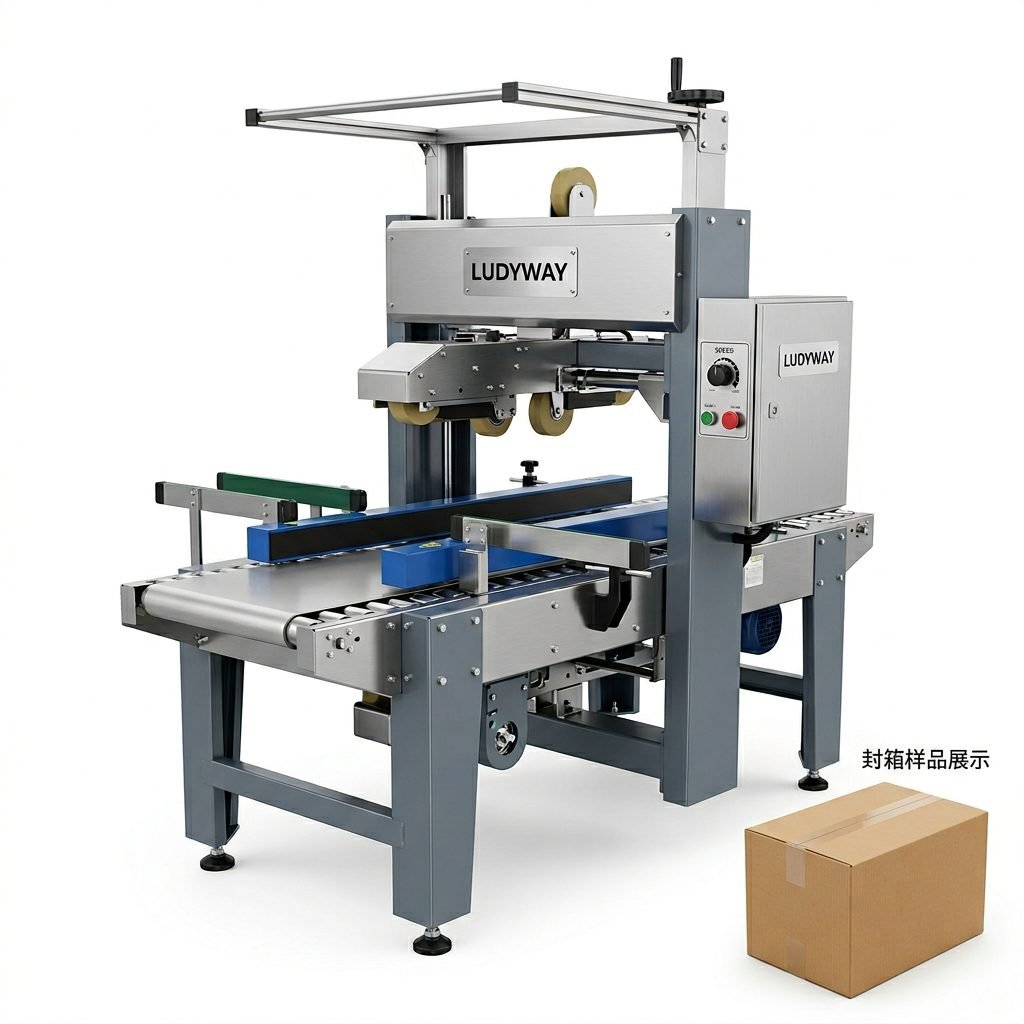
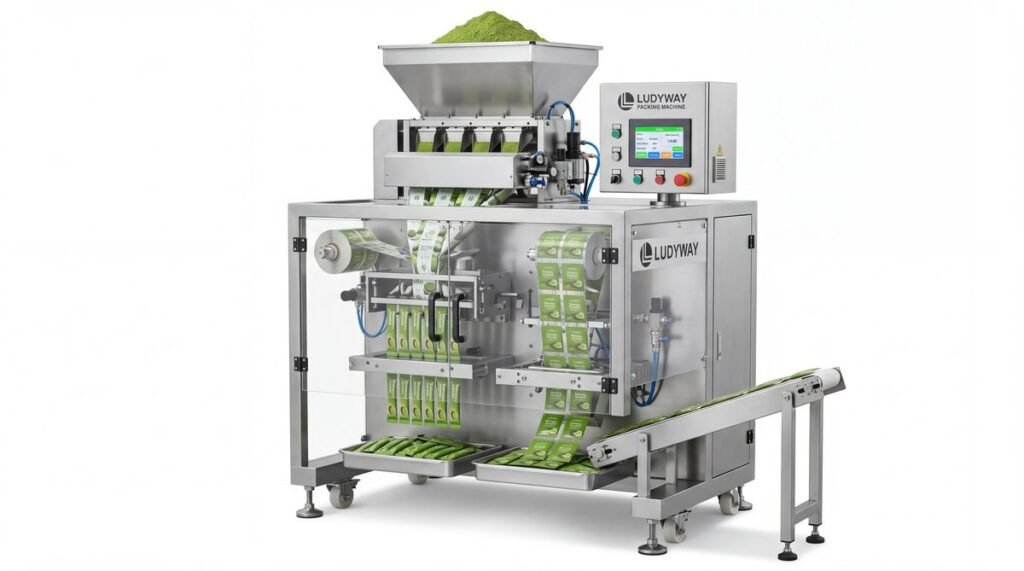
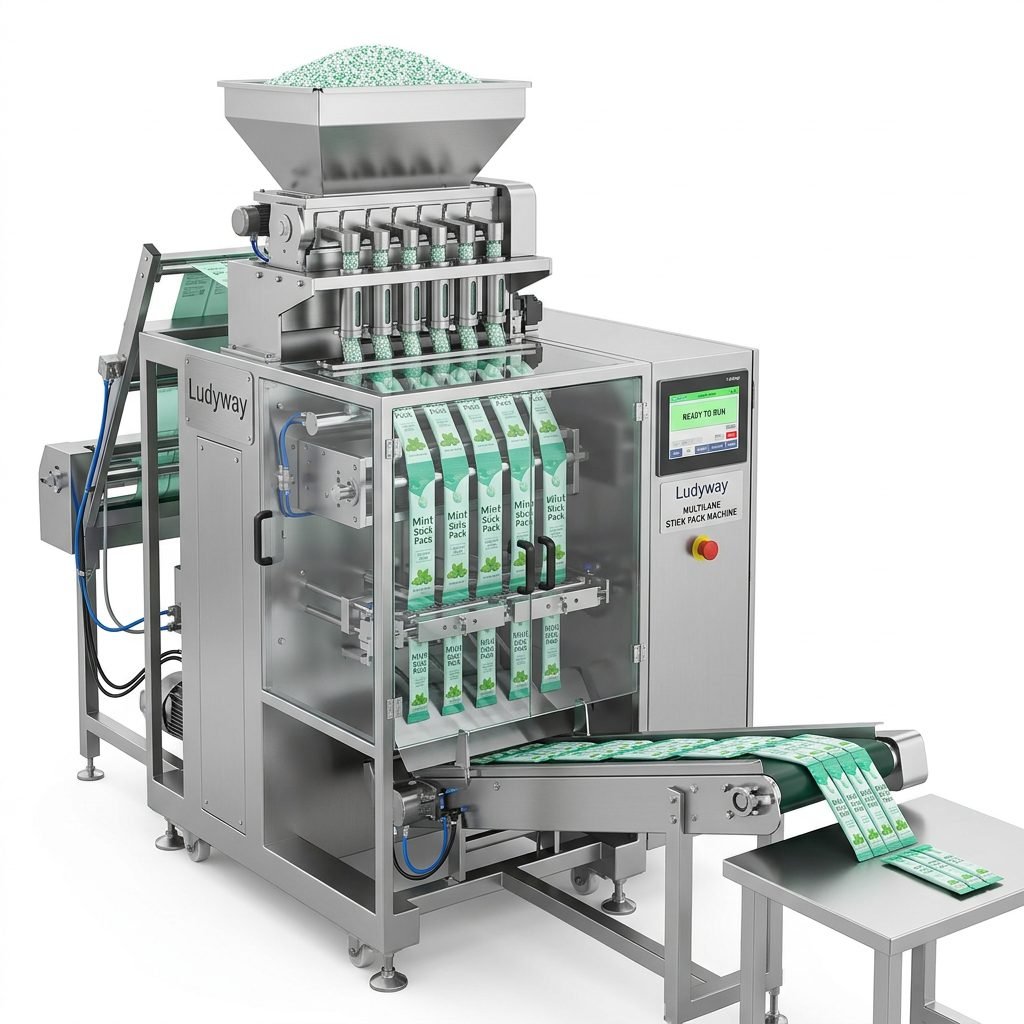
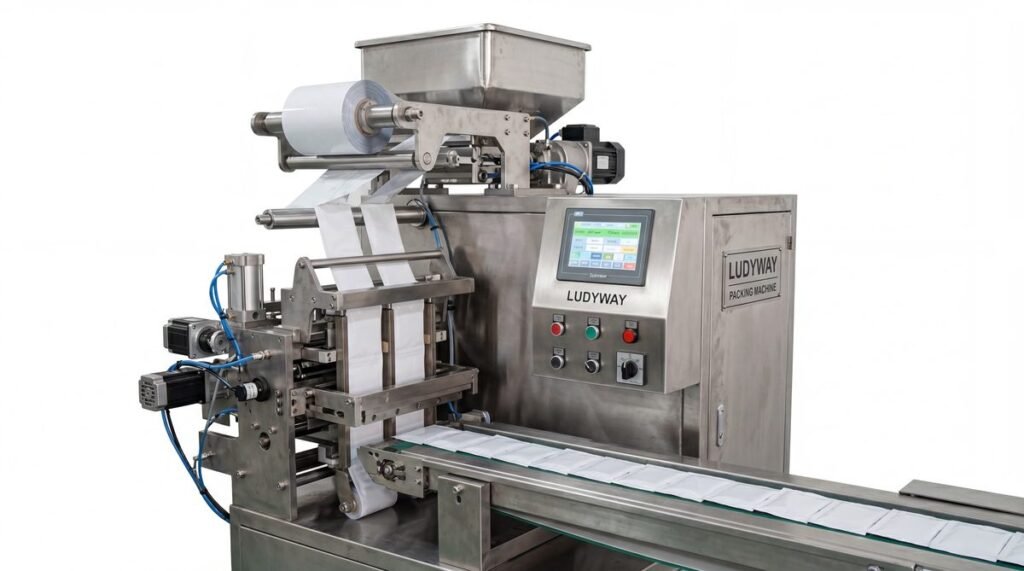
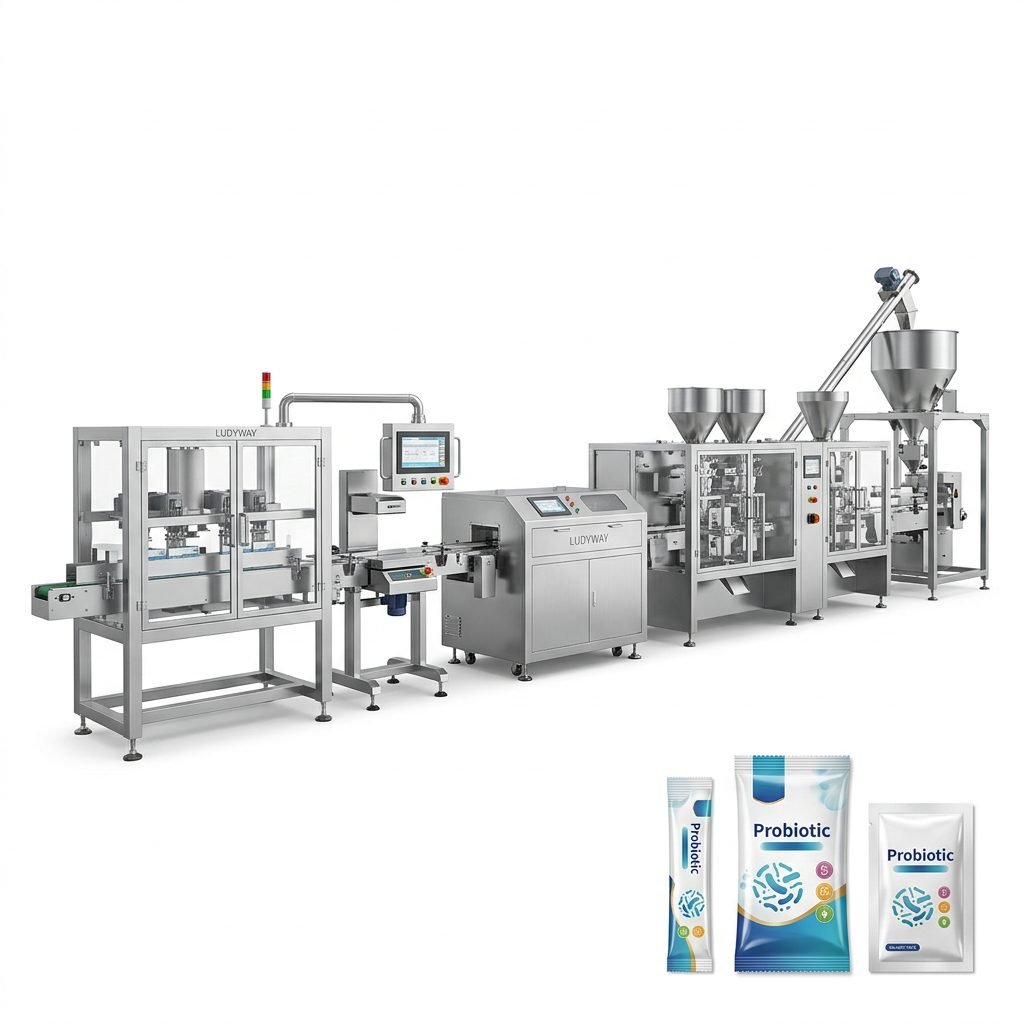
The global end of line packaging machinery market represents a critical segment within the industrial automation and packaging landscape. This equipment, which handles the final stages of packaging after primary and secondary processes—such as case packing, palletizing, stretch wrapping, and labeling—is essential for ensuring product integrity, optimizing logistics, and meeting the high-speed demands of modern supply chains. As industries worldwide push for greater efficiency, sustainability, and flexibility, the demand for advanced end-of-line solutions continues to grow, driven by technological innovation and evolving market needs.
Current Market Size and Valuation
Recent industry analyses indicate that the end of line packaging machinery market has achieved significant scale, with a global valuation reaching several billion dollars. This substantial market size reflects the indispensable role this machinery plays across diverse sectors, including food and beverage, pharmaceuticals, consumer goods, and e-commerce. The market’s robust valuation is underpinned by continuous capital investment from manufacturers seeking to automate their packaging lines to reduce labor costs, minimize errors, and increase throughput. The consistent growth in market size is a testament to the sector’s resilience and its critical function in global manufacturing and distribution networks.
Key Insight: The integration of Internet of Things (IoT) sensors and data analytics into end-of-line systems is a major value driver, enabling predictive maintenance and real-time performance optimization, which directly contributes to market expansion.
Primary Growth Drivers in the Market
Several powerful forces are propelling the expansion of the end of line packaging machinery market:
1. Automation and Industry 4.0 Integration
The relentless push towards full factory automation is perhaps the most potent driver. Manufacturers are integrating end-of-line systems with broader Industry 4.0 frameworks, creating smart packaging lines that communicate with upstream processes. This connectivity allows for seamless data flow, adaptive operations, and centralized monitoring, drastically improving overall equipment effectiveness (OEE).
2. E-commerce and Logistics Demands
The explosive growth of e-commerce has fundamentally changed packaging requirements. End-of-line systems must now handle a vast array of product sizes and shapes (the “infinite SKU” challenge) and prepare shipments for direct-to-consumer delivery. This necessitates highly flexible machinery capable of rapid changeovers and gentle handling to ensure products arrive in perfect condition, fueling demand for innovative robotic case packers and palletizers.
3. Sustainability and Material Reduction
Environmental regulations and consumer pressure are forcing brands to adopt sustainable practices. Modern end-of-line machinery addresses this by enabling right-sized packaging—using the minimal amount of corrugated board or film required. Advanced stretch wrappers optimize film use, and case erectors can work with a higher percentage of recycled content, helping companies reduce their carbon footprint and material costs simultaneously.
4. Labor Shortages and Safety Concerns
Persistent labor shortages in manufacturing and warehousing, coupled with a focus on worker safety—especially for repetitive or heavy tasks like palletizing—are accelerating the adoption of automated solutions. Robotic arms and automated guided vehicles (AGVs) are increasingly deployed at the end of the line to create safer, more consistent, and more productive work environments.
Emerging Key Opportunities for Stakeholders
Beyond current growth, the market landscape presents specific, high-potential opportunities for machinery manufacturers, integrators, and end-users.
Opportunity Spotlight: Modular and Scalable Systems
Small and medium-sized enterprises (SMEs) represent a vast, underserved market segment. There is a significant opportunity for machinery providers to develop modular, scalable, and cost-effective end-of-line solutions. These systems allow SMEs to start with basic automation and add modules (like a labeler or a second robotic arm) as their business grows, lowering the initial investment barrier and providing a clear upgrade path.
Integration of Advanced Robotics and AI
The next frontier lies in the sophistication of robotics. Vision-guided robots equipped with artificial intelligence can now identify unstructured piles of products, plan optimal grasping patterns, and build mixed-SKU pallets. This capability is crucial for e-commerce fulfillment centers and batch-of-one manufacturing. Companies that pioneer reliable, user-friendly AI-driven palletizing and depalletizing solutions will capture a commanding market lead.
After-Sales Services and Digital Twins
The shift from selling machinery to offering “packaging as a service” is a lucrative opportunity. This includes remote monitoring, predictive maintenance subscriptions, and performance guarantees. Utilizing digital twin technology—a virtual replica of the physical packaging line—allows providers to simulate changes, troubleshoot issues remotely, and optimize performance without downtime, creating a continuous revenue stream and deepening customer relationships.
Focus on Hygienic and Aseptic Packaging Lines
In the pharmaceutical and high-value food sectors, the demand for hygienic and aseptic end-of-line packaging is rising. Machinery designed with easy-clean surfaces, stainless-steel construction, and compliance with stringent standards (like FDA and EHEDG) commands a premium. This niche offers high margins for specialists who understand the critical clean-in-place (CIP) and sterilization protocols.
Future Outlook and Strategic Considerations
The trajectory for the end of line packaging machinery market points toward greater intelligence, flexibility, and sustainability. Future systems will be self-optimizing, capable of learning from production data to improve their own cycle times and energy consumption. Interoperability through open communication protocols (like OPC UA) will become standard, allowing machines from different vendors to work together seamlessly in a connected factory ecosystem.
For businesses looking to invest, the strategic imperative is to view end-of-line automation not as a standalone cost but as a core component of supply chain resilience. Partnering with providers who offer comprehensive lifecycle support and future-proof technology will be key to maintaining a competitive edge in a dynamic market.
Frequently Asked Questions (FAQs)
1. What is the biggest challenge when implementing new end-of-line packaging machinery?
The most significant challenge is often successful integration with existing upstream equipment (fillers, cartoners) and warehouse management systems (WMS). Ensuring seamless communication and material flow between different machines and software platforms requires careful planning and often the expertise of a systems integrator.
2. How does end-of-line automation impact return on investment (ROI)?
ROI is realized through multiple channels: direct labor savings, increased line speed and throughput, reduction in product damage and material waste, and improved safety leading to lower insurance costs. A well-planned system typically shows a payback period of 1 to 3 years, with ongoing savings thereafter.
3. Are robotic systems flexible enough for high-mix, low-volume production?
Absolutely. Modern collaborative robots (cobots) and vision-guided robotic arms are designed for flexibility. They can be quickly reprogrammed for different pack patterns or products, often via a simple touchscreen interface. This makes them ideal for environments with frequent changeovers and diverse product ranges.
4. What role does sustainability play in end-of-line machinery selection?
Sustainability is now a primary decision factor. Buyers look for machinery that reduces material use (e.g., through precise film stretching), handles recycled or lighter-weight packaging materials reliably, and is itself energy-efficient. Suppliers like Ludyway Packaging Machinery focus on designing equipment that supports customers’ environmental goals without compromising performance.
5. What should I look for in a machinery supplier beyond the equipment itself?
Prioritize suppliers with proven global service and support networks, comprehensive training programs, and a strong portfolio of spare parts. The ability to provide remote diagnostics, access to detailed documentation, and a commitment to long-term partnership are crucial for minimizing downtime and ensuring the longevity of your investment.