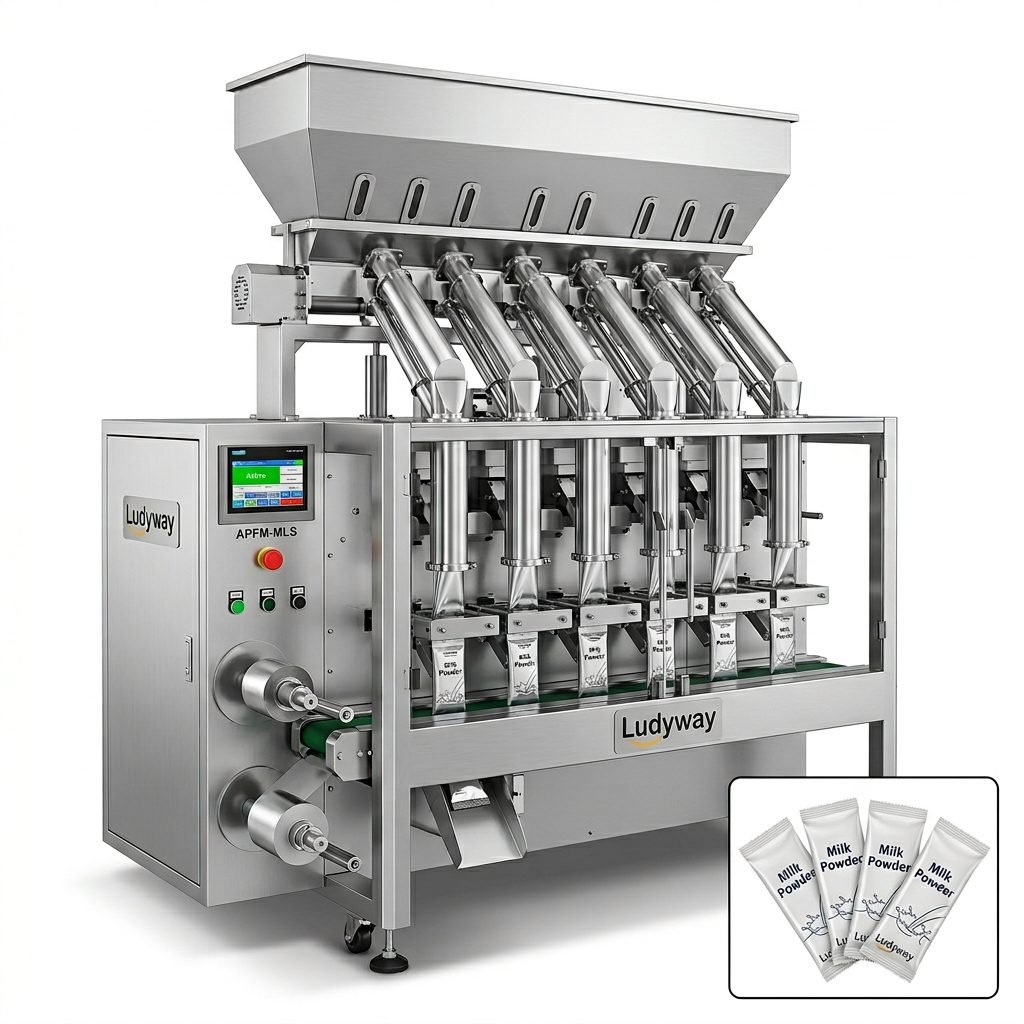
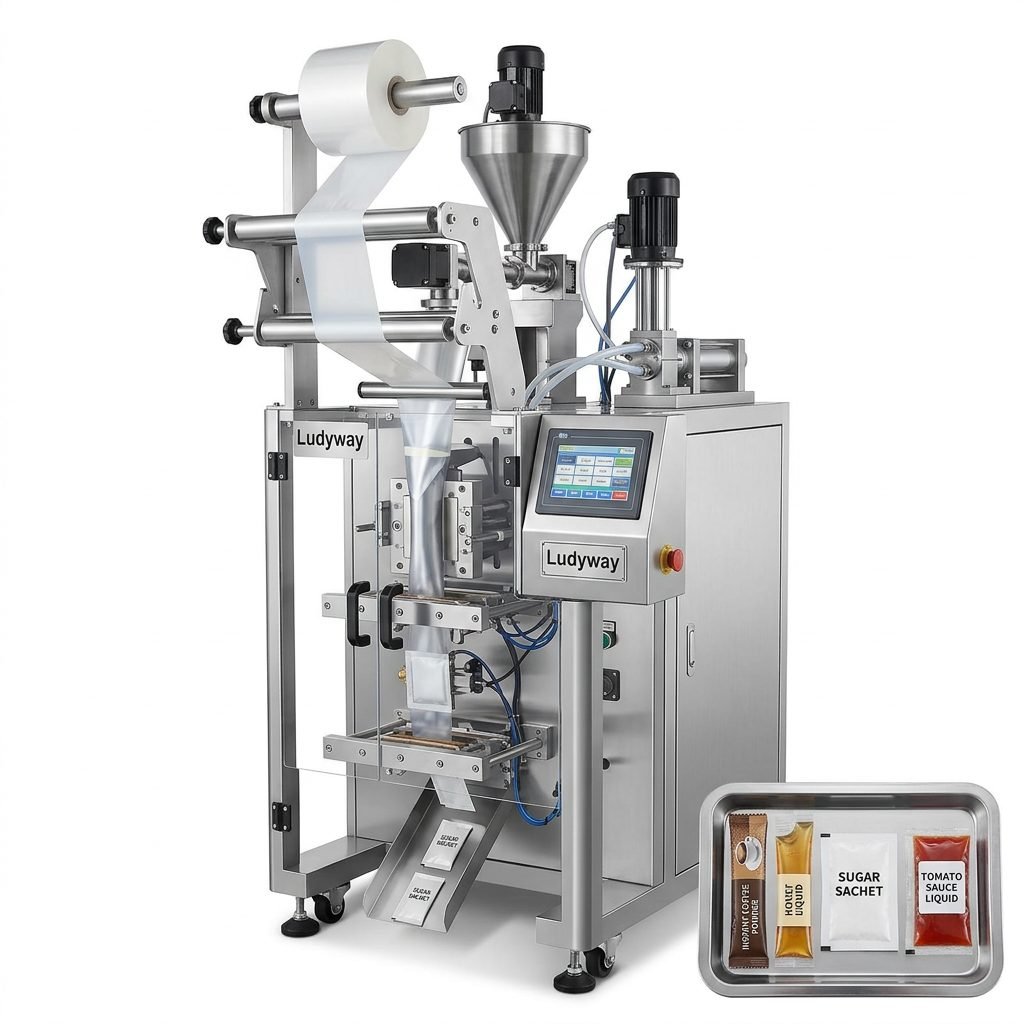
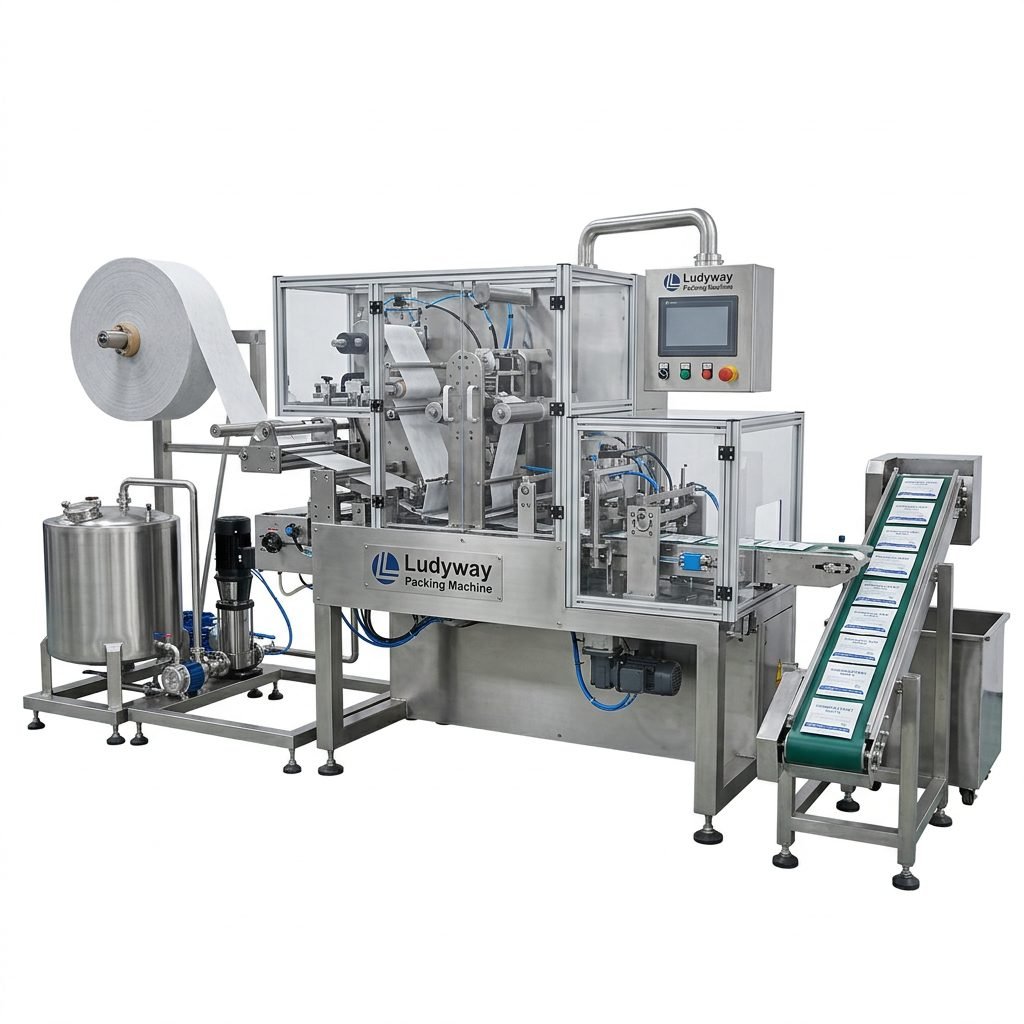
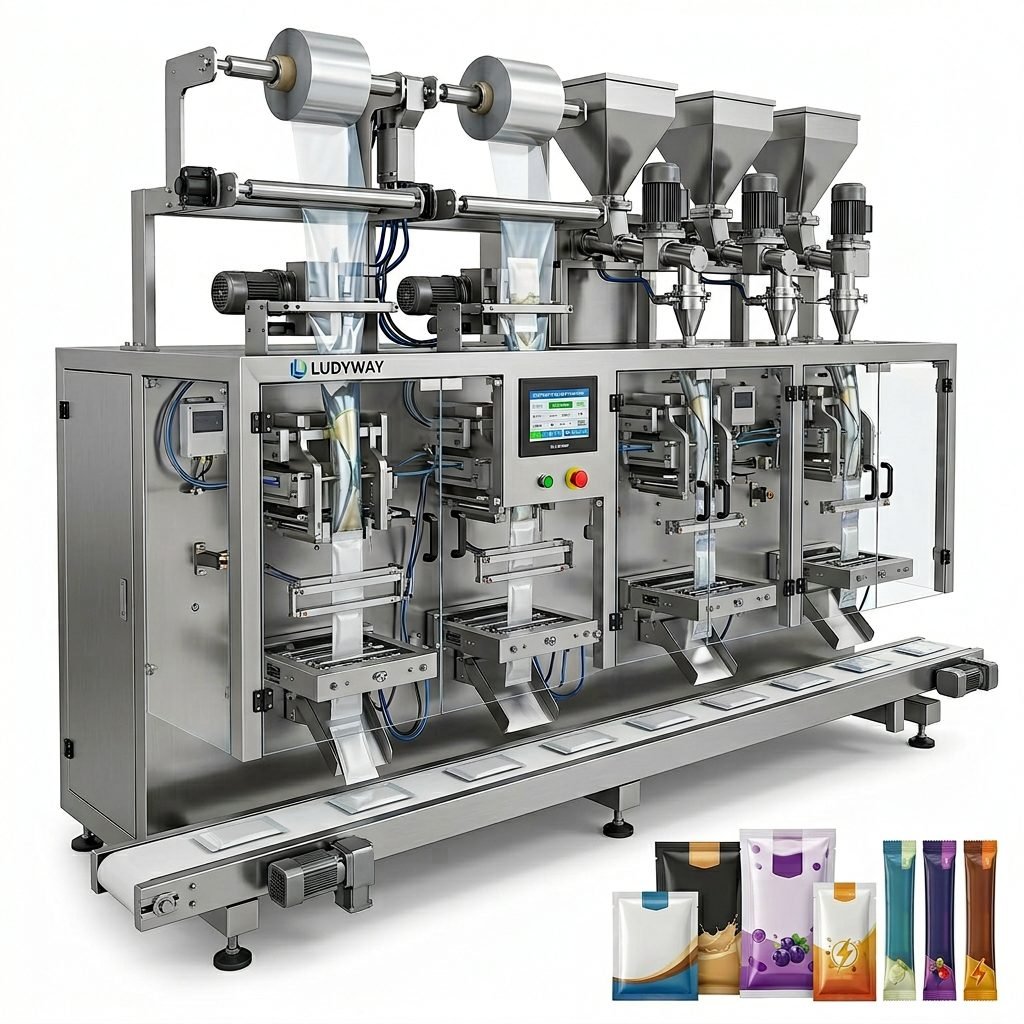
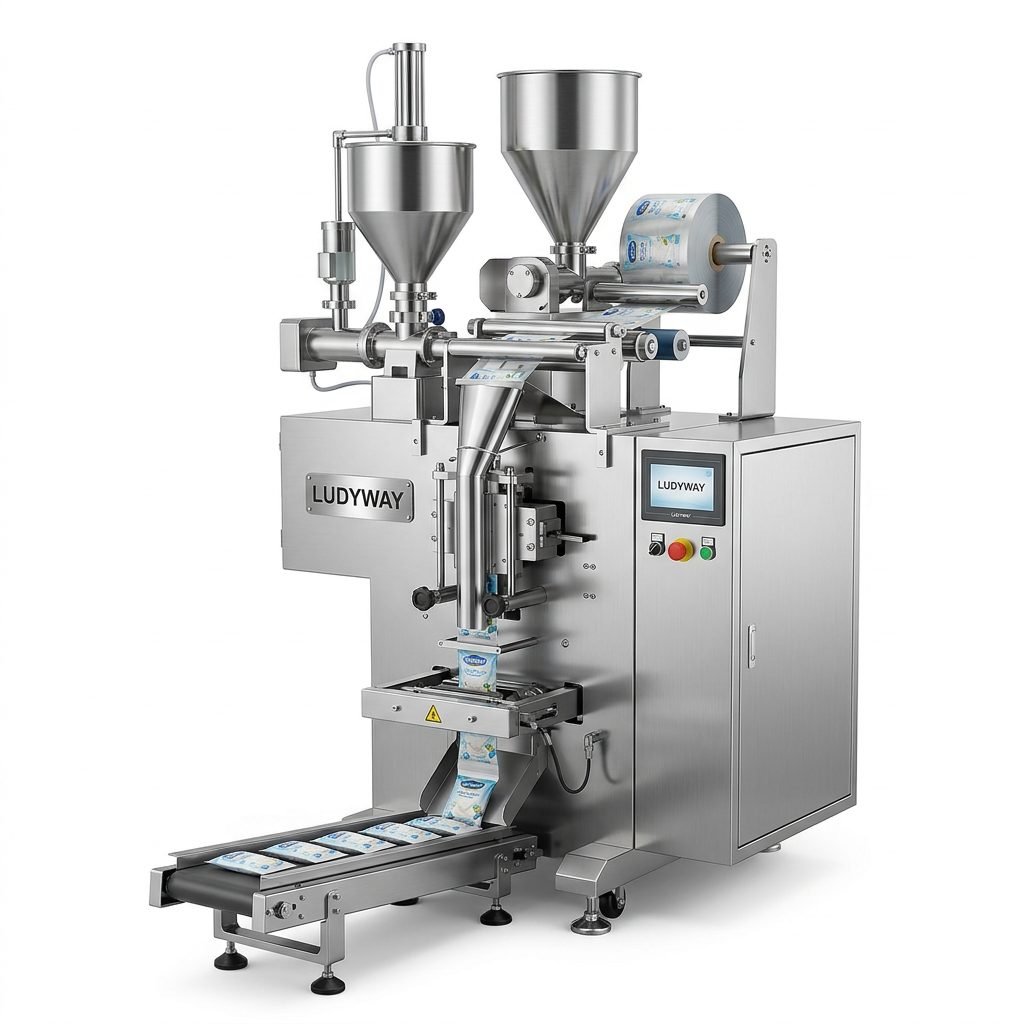
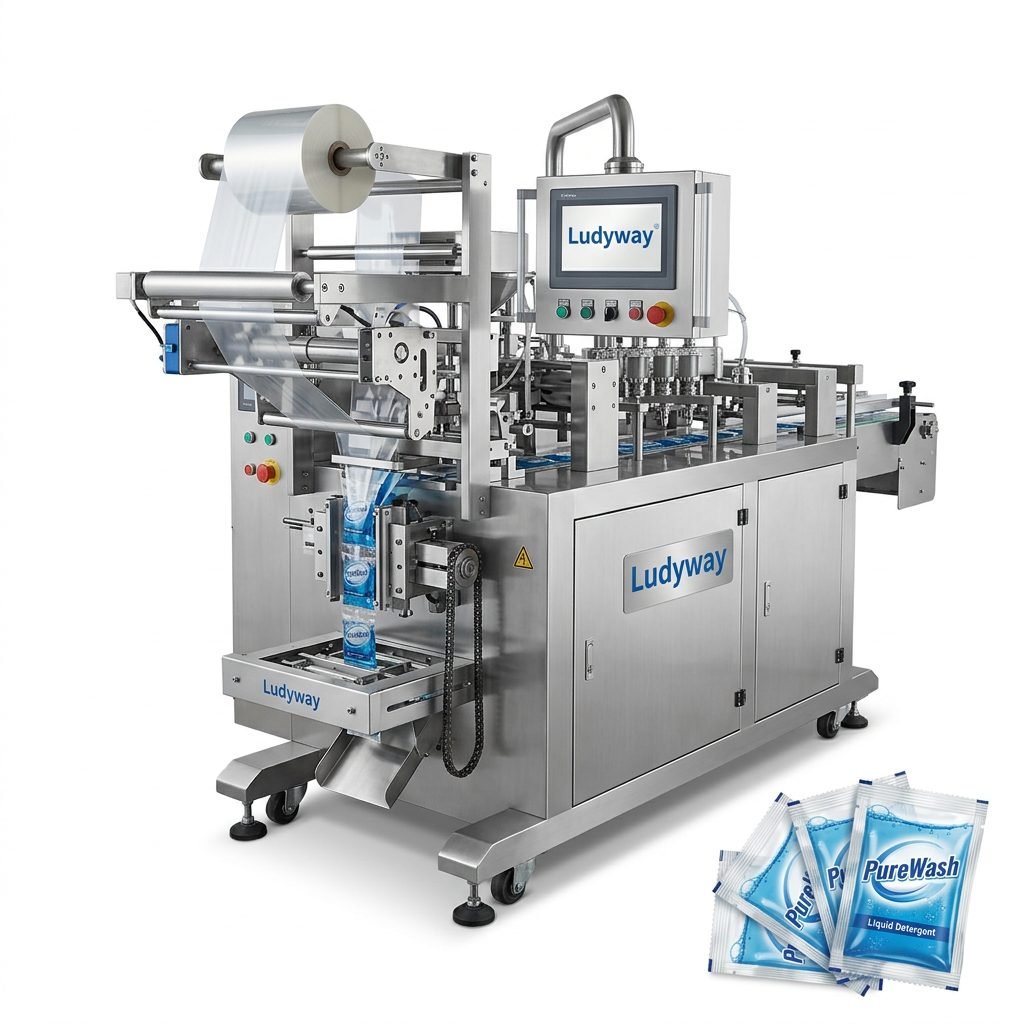
The packaging industry is undergoing a profound transformation, driven by technological advancements, evolving consumer demands, and the relentless pursuit of efficiency. Automated packing systems are at the heart of this change, moving beyond simple mechanization to become intelligent, adaptable, and sustainable production partners. This article explores the key trends and innovations that are actively shaping the future of automated packaging machinery.
Core Insight: The future of packaging automation is defined by intelligence, flexibility, and sustainability. Machines are evolving from isolated units into interconnected, data-driven systems that optimize the entire production flow.
1. The Rise of Smart, Connected Packaging Lines
The integration of Industrial Internet of Things (IIoT) sensors and data analytics is creating a new generation of “smart” packaging machines. These systems continuously monitor performance metrics like speed, temperature, seal integrity, and motor vibration in real-time.
This data is transmitted to centralized dashboards, enabling predictive maintenance. Instead of reacting to a breakdown, engineers can receive alerts about a potential bearing failure or calibration drift weeks in advance, scheduling repairs during planned downtime. This connectivity minimizes unplanned stoppages, extends equipment lifespan, and ensures consistent output quality. Furthermore, data analytics can reveal bottlenecks in the line, allowing for precise optimization of the entire packaging process for maximum throughput.
Key Innovation: AI-Powered Visual Inspection Systems
Advanced machine vision, supercharged by Artificial Intelligence (AI), is revolutionizing quality control. Modern systems go beyond checking for simple presence/absence. They can inspect for:
- Micro-defects: Tiny holes in seals, faint smudges on print, or subtle deformations in packaging.
- Content verification: Ensuring the correct number of items are in a multi-pack or verifying color/type consistency.
- Print and label accuracy: Checking barcodes, expiry dates, and lot codes for readability and correctness with 100% consistency.
These AI systems learn and improve over time, drastically reducing false rejects and ensuring that only perfect products reach the consumer.
2. Unprecedented Flexibility and Quick Changeover
Market trends like SKU proliferation, limited-edition runs, and personalized packaging demand machinery that can adapt swiftly. The future belongs to flexible packaging machines designed for rapid changeover (SMED – Single-Minute Exchange of Dies).
Innovations facilitating this include:
🔄 Tool-less Adjustments:
Hand wheels, digital servos, and quick-release clamps allow operators to change bag sizes, adjust filling heads, or switch labeling modules without specialized tools, often in under 10 minutes.
💾 Recipe Management Software:
Machine settings for different products are stored digitally. Switching from “Product A” to “Product B” involves loading a recipe, with the machine automatically adjusting parameters, drastically reducing human error and setup time.
🤖 Modular Design:
Machines are built with swappable modules (e.g., different types of fillers, cappers, or coders). This allows production lines to be reconfigured for new packaging formats without investing in an entirely new machine.
3. Sustainability-Driven Engineering
Sustainability is no longer a niche concern but a core driver of innovation. Packaging machine manufacturers are responding with solutions that help brands reduce their environmental footprint.
Material Reduction and Source Reduction
Advanced servo-driven forming and sealing technology allows for the use of thinner, lighter-grade films without compromising seal strength or barrier properties. This source reduction directly decreases plastic consumption and material costs. Machines are also being optimized to minimize trim waste during the bag-forming process.
Facilitating the Shift to Alternative Materials
As demand grows for compostable, biodegradable, and recyclable mono-material films, packaging machines are being adapted to handle these new materials. This often requires precise control over sealing jaws (temperature, pressure, dwell time) to effectively seal materials that may have different thermal properties than conventional plastics. Innovations in this area are critical for enabling the circular economy for packaging.
4. Collaborative Robotics (Cobots) in Packaging
Collaborative robots, or cobots, are becoming commonplace on packaging floors. Unlike traditional industrial robots that require safety caging, cobots are designed to work safely alongside human operators.
In packaging applications, cobots are ideal for repetitive, ergonomically challenging tasks such as:
- Tending: Loading empty bags, cups, or trays into a machine, and offloading finished packs onto a conveyor.
- Picking & Placing: Gently placing delicate products (like baked goods or confectionery) into primary packaging.
- Secondary Packaging: Assembling cartons, inserting products, and case packing.
Their flexibility and ease of programming allow them to be redeployed for different tasks as production needs change, making them a highly adaptable asset for mixed-product environments.
5. Enhanced Hygienic and Aseptic Design
Particularly in the food, pharmaceutical, and health industries, hygienic design is paramount. The latest trends focus on preventing contamination and enabling faster, more effective cleaning.
Key features include:
Smooth, Seamless Surfaces: Eliminating cracks, crevices, and ledges where product or microbes could accumulate.
Clean-in-Place (CIP) & Washdown-Rated Components: Machines designed with sealed electronics, stainless steel frames, and IP69K-rated components that can withstand high-pressure, high-temperature cleaning.
Easy Access & Disassembly: Quick-release panels and tool-free access to critical areas for inspection and cleaning, reducing sanitation downtime from hours to minutes.
For high-care products, advanced aseptic packaging machines create a sterile environment using techniques like hydrogen peroxide vapor or sterile air showers, allowing shelf-stable products to be packaged without preservatives or refrigeration.
6. The Push for Higher Speeds and Integrated Lines
The demand for greater productivity continues. Innovations in mechanical design—such as rotary motion systems, dual-lane processing, and ultra-precise servo technology—are pushing the boundaries of single-machine speeds for tasks like filling and sealing.
More significantly, the focus is shifting towards optimizing the entire line. This involves the seamless integration of different machines (form-fill-seal, cartoner, case packer, palletizer) through sophisticated synchronization and material handling systems. The goal is to create a continuous, uninterrupted flow from raw material to shipping pallet, maximizing Overall Equipment Effectiveness (OEE).
Conclusion: A Future Built on Adaptability and Intelligence
The trajectory for automated packaging machinery is clear. The winners will be those systems that are not just fast, but smart and adaptable. They will be connected, providing actionable data. They will be flexible, enabling manufacturers to respond to market changes rapidly. They will be sustainable, helping brands meet their environmental goals. And they will be hygienic and reliable, ensuring product safety