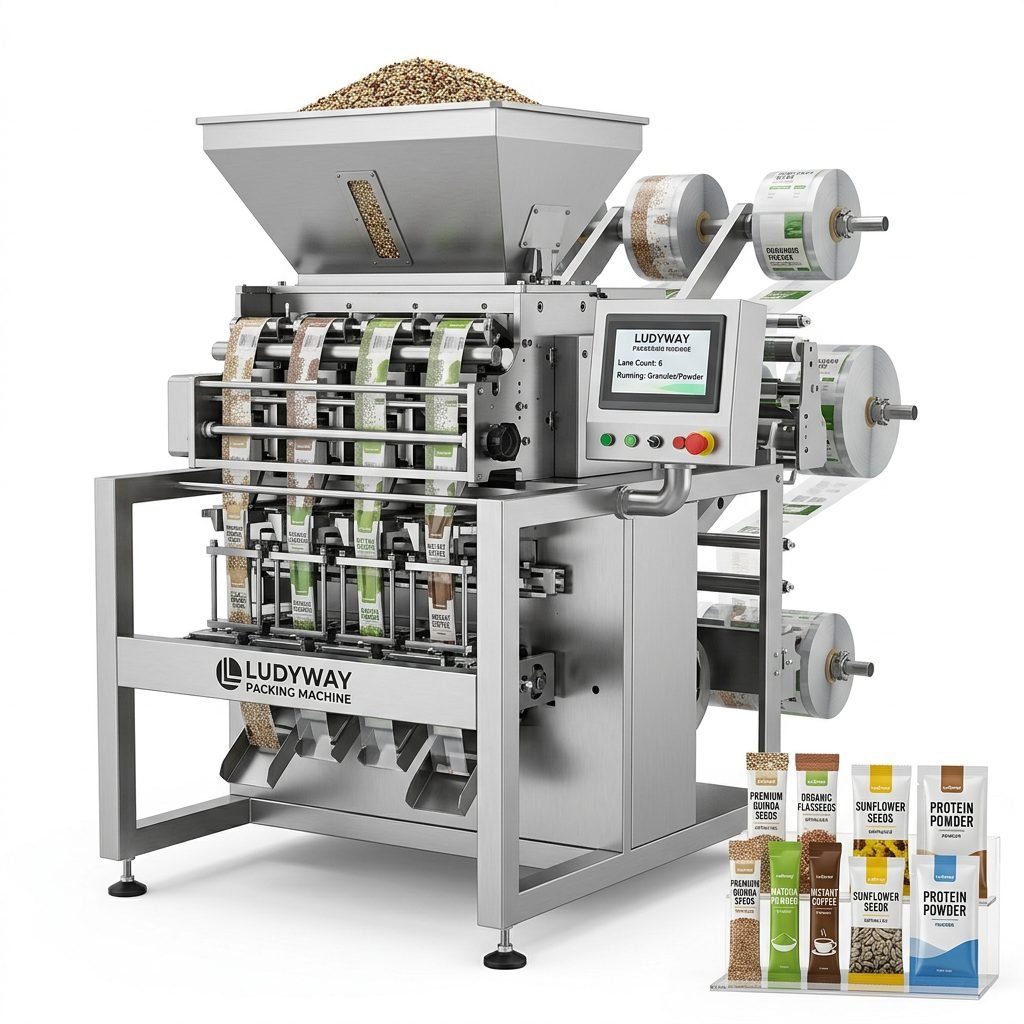
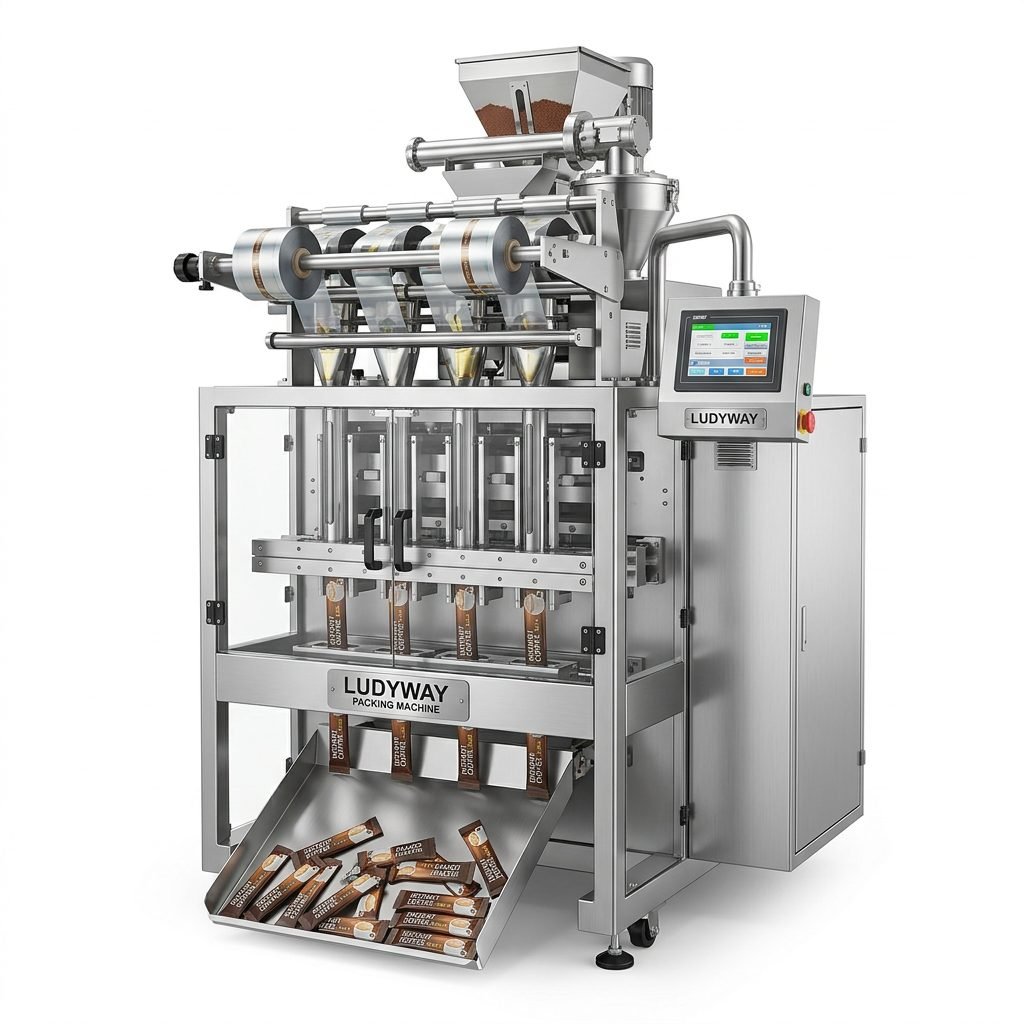
In the fast-paced world of manufacturing, packaging machinery is the backbone of production lines, ensuring products are sealed, protected, and ready for market. Just like any critical equipment, these machines require a steady supply of high-quality spare parts to maintain peak performance and minimize costly downtime. This guide delves into the world of packaging machinery spare parts, offering insights into their types, essential maintenance practices, and strategic buying advice to keep your operations running smoothly.
Understanding the Different Types of Spare Parts
Packaging machinery is complex, comprising numerous components that work in unison. Spare parts can generally be categorized into several key groups, each vital for different functions.
Wear and Tear Components
These are parts that degrade naturally with use and require regular replacement. Ignoring them leads to declining machine performance and product quality.
Sealing Jaws & Heating Elements: The heart of any heat-sealing machine. Worn jaws cause weak seals, leading to leaks and product spoilage.
Cutting Blades and Knives: Responsible for creating clean, precise cuts on packaging film. Dull blades result in jagged edges and misfeeds.
Gaskets, O-rings, and Seals: Critical for preventing leaks in liquid filling machines and pneumatic systems. They are often the first point of failure.
Electrical and Control System Parts
These components are the brains and nervous system of your packaging machine, controlling every action with precision.
→ Servo Motors and Drives: Control the precise movement of film feed, cutting, and filling. A failing servo can cause misalignment and inaccurate dosing.
→ Sensors (Proximity, Photoelectric): Detect film presence, product position, and fill levels. Faulty sensors are a common source of machine stoppages.
→ PLC Modules and Relays: The central logic controllers. Issues here can lead to complete machine shutdown or erratic behavior.
Mechanical Drive and Conveyance Parts
These parts handle the physical movement and transport of materials through the packaging line.
Belts, Chains, and Sprockets: Transfer motion within the machine. Wear and stretch cause timing errors and synchronization loss.
Bearings and Bushings: Reduce friction in rotating shafts. Failed bearings generate heat, noise, and can damage other components.
Pneumatic Components: Including cylinders, solenoid valves, and fittings. Essential for actuating movements; leaks or failures halt automation.
Proactive Maintenance Tips for Longevity
Reactive repairs are costly. A proactive maintenance strategy centered on spare parts management is key to operational excellence.
Implement a Scheduled Inspection and Replacement Plan
Don’t wait for parts to fail. Base your schedule on the manufacturer’s recommendations and your own operational data (hours run, cycles completed).
For example, establish a monthly checklist to inspect sealing jaws for scoring, check sensor alignment, and listen for unusual noises from bearings. Keep a log of all replacements to predict future needs.
Maintain a Strategic Spare Parts Inventory
Stocking every part is impractical, but a critical spares inventory prevents extended downtime. Focus on:
- High-wear items you replace frequently (e.g., seals, filters).
- Critical components whose failure stops the entire line (e.g., main drive motor, specific PLC card).
- Long-lead time parts that take weeks to source from overseas.
Proper Cleaning and Lubrication
Contamination is a major cause of part failure. Use recommended cleaning agents and follow OEM guidelines for lubricant types and intervals. Over-lubrication can attract dust and cause as much damage as under-lubrication.
Smart Buying Advice for Spare Parts
Choosing the right spare part supplier is as crucial as the maintenance itself. Here’s how to make an informed decision.
OEM vs. Compatible Parts: Weighing the Options
OEM (Original Equipment Manufacturer) Parts:
Pros: Guaranteed fit, performance, and quality. Often comes with a warranty and technical support from brands like Ludyway Machinery.
Cons: Typically higher priced. Delivery may be slower if shipping from the manufacturer’s central warehouse.
High-Quality Compatible Parts:
Pros: Significant cost savings. Can be readily available from local distributors.
Cons: Quality varies wildly. Poor-quality compatibles can damage other machine components and void machine warranties.
Recommendation: Use OEM parts for critical, high-precision components (servo motors, PLCs). Consider reputable compatible parts for generic, high-wear items (standard seals, common bearings) after thorough vetting.
How to Vet a Reliable Supplier
Your supplier is your partner in uptime. Look for these attributes:
Technical Expertise: Can they provide advice and troubleshoot issues, or just sell parts? A supplier with deep industry experience adds immense value.
Availability & Logistics: Do they have local stock or reliable supply channels? What are their standard and emergency delivery times?
Quality Assurance: Do they provide material certifications or test reports for their parts? Can they trace the origin of critical components?
Support & Service: Do they offer after-sales support, return policies for incorrect parts, and emergency service?
Total Cost of Ownership (TCO) Over Initial Price
The cheapest part is often the most expensive in the long run. Calculate TCO by considering:
- Purchase Price
- Expected Lifespan (How often will you need to replace it?)
- Impact on Downtime (Will it fail prematurely and halt production?)
- Impact on Other Components (Could a failing part cause a cascade of other failures?)
Investing in a more durable, reliable part usually yields a lower TCO, even with a higher initial price tag.
Frequently Asked Questions (FAQs)
How often should I replace common wear parts like sealing jaws?
There’s no universal answer—it depends on your machine’s runtime, packaging material, and maintenance. Monitor seal quality weekly. Most manufacturers provide a lifespan estimate in operating hours. Implementing a preventive replacement schedule based on this data is better than waiting for failure.
Is it safe to use non-OEM spare parts in my packaging machine?
It can be, but requires caution. For non-critical, standardized components (e.g., certain bearings, generic relays), high-quality compatible parts are often fine. However, for precision components integral to machine safety and performance (like servo drives or safety interlocks), OEM parts are strongly recommended to ensure reliability and maintain warranty coverage.
What are the most critical spare parts I should always have in stock?
Your “critical spares kit” should be unique to your machine and line. Generally, it includes: 1) Machine-specific fuses and circuit breakers, 2) The most frequently failing sensor on your line, 3) A set of all sealing jaws and cutting blades, 4) Common gaskets and O-rings for the filling system, and 5) A critical pneumatic valve or cylinder. Review your machine’s manual and downtime history to build your list.
How can I extend the lifespan of my packaging machine spare parts?
Beyond following the maintenance schedule, focus on the operating environment. Keep the machine clean and free from dust and product debris. Ensure stable power supply to protect electrical components. Train operators on correct startup, shutdown, and clearing procedures to avoid mechanical stress. Proper handling and storage of spare parts before installation also matter.
Where can I find technical documentation or part numbers for my machine?
The primary source is always the original Operation and Maintenance Manual provided by the manufacturer. If lost, contact the machine supplier or OEM directly. Reputable suppliers like Ludyway Machinery maintain archives and can provide documentation and part number cross-references for their equipment. Having this information on hand is crucial for accurate ordering.