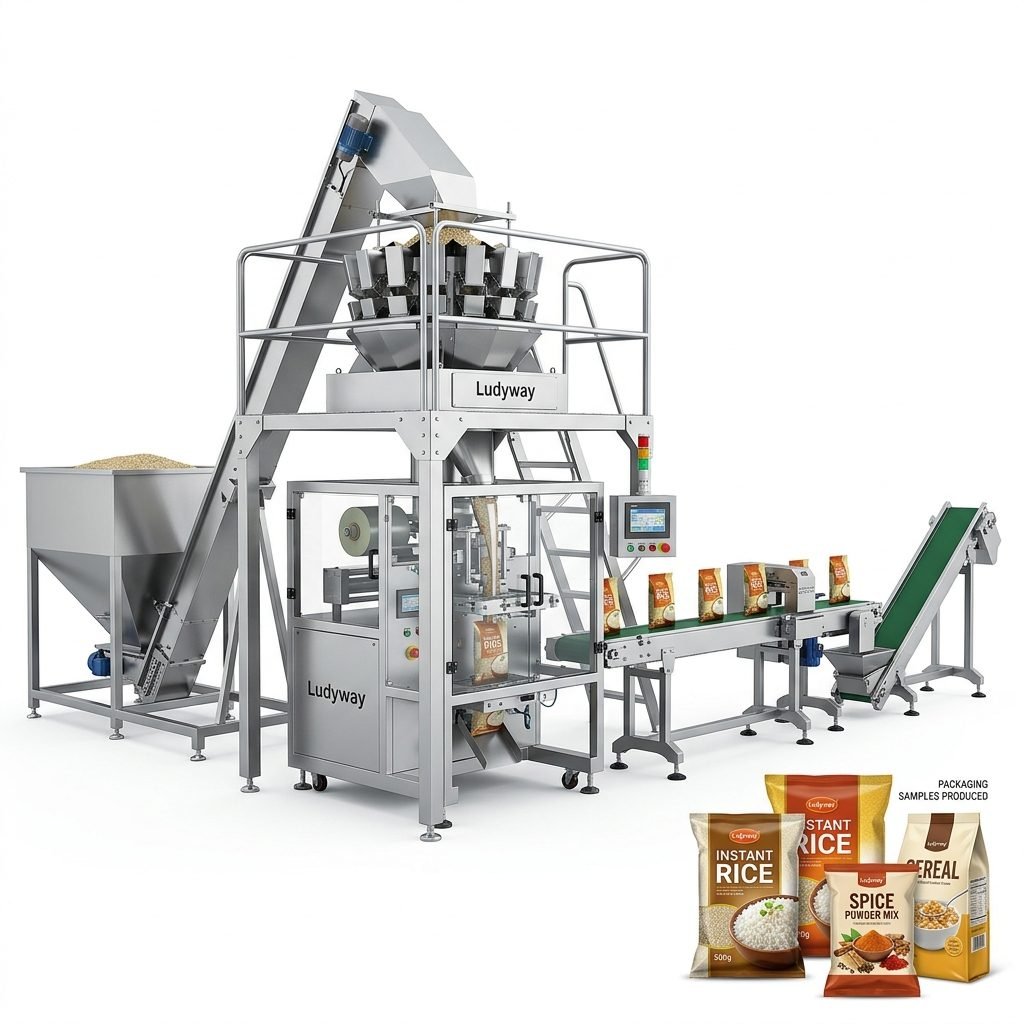
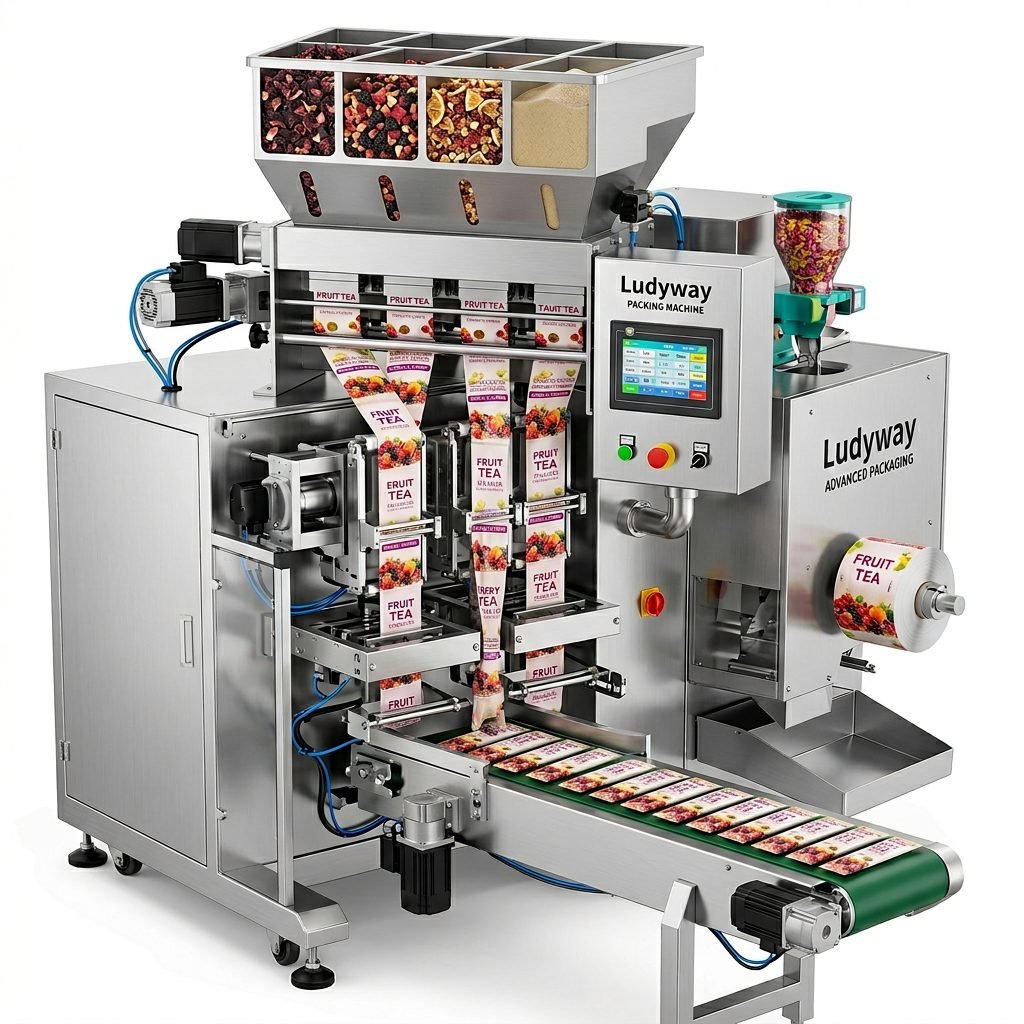
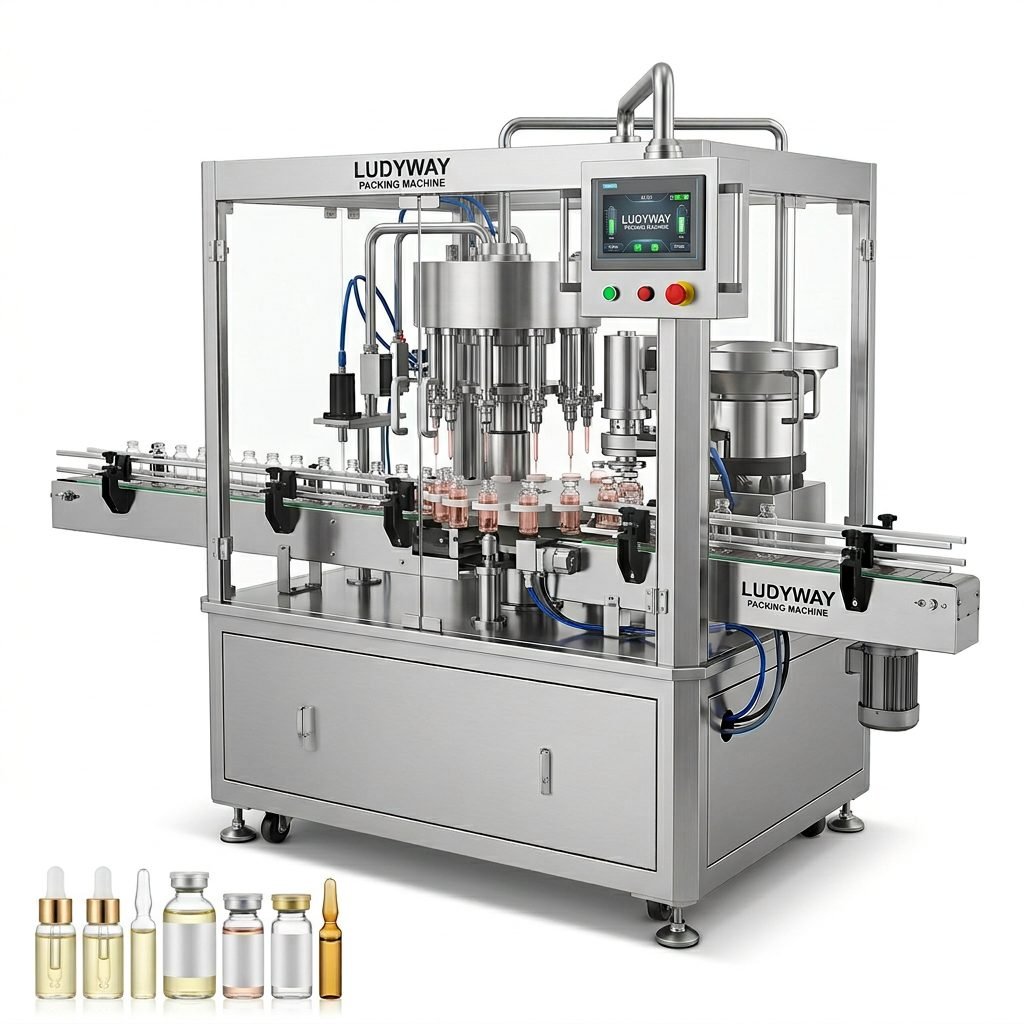
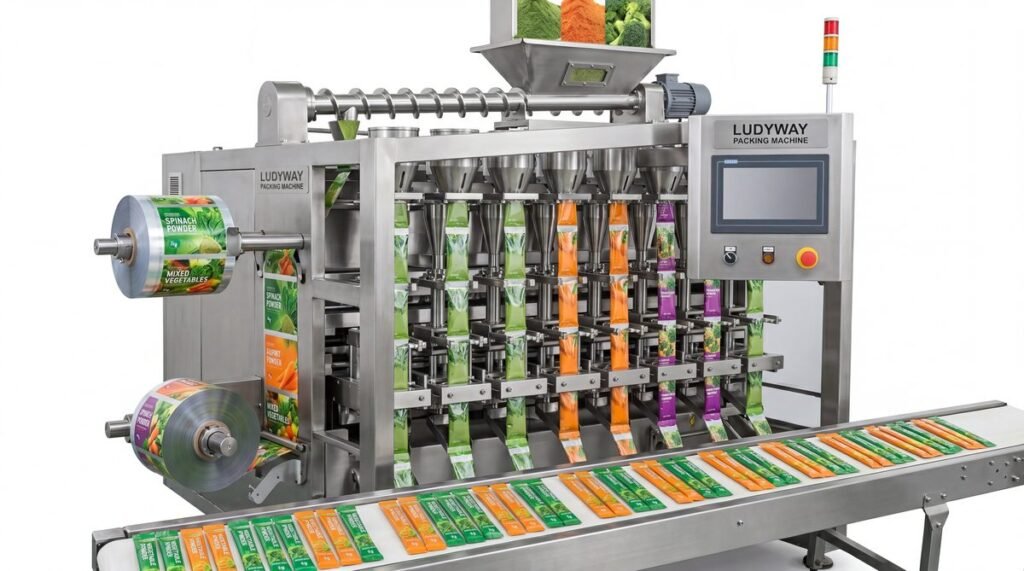
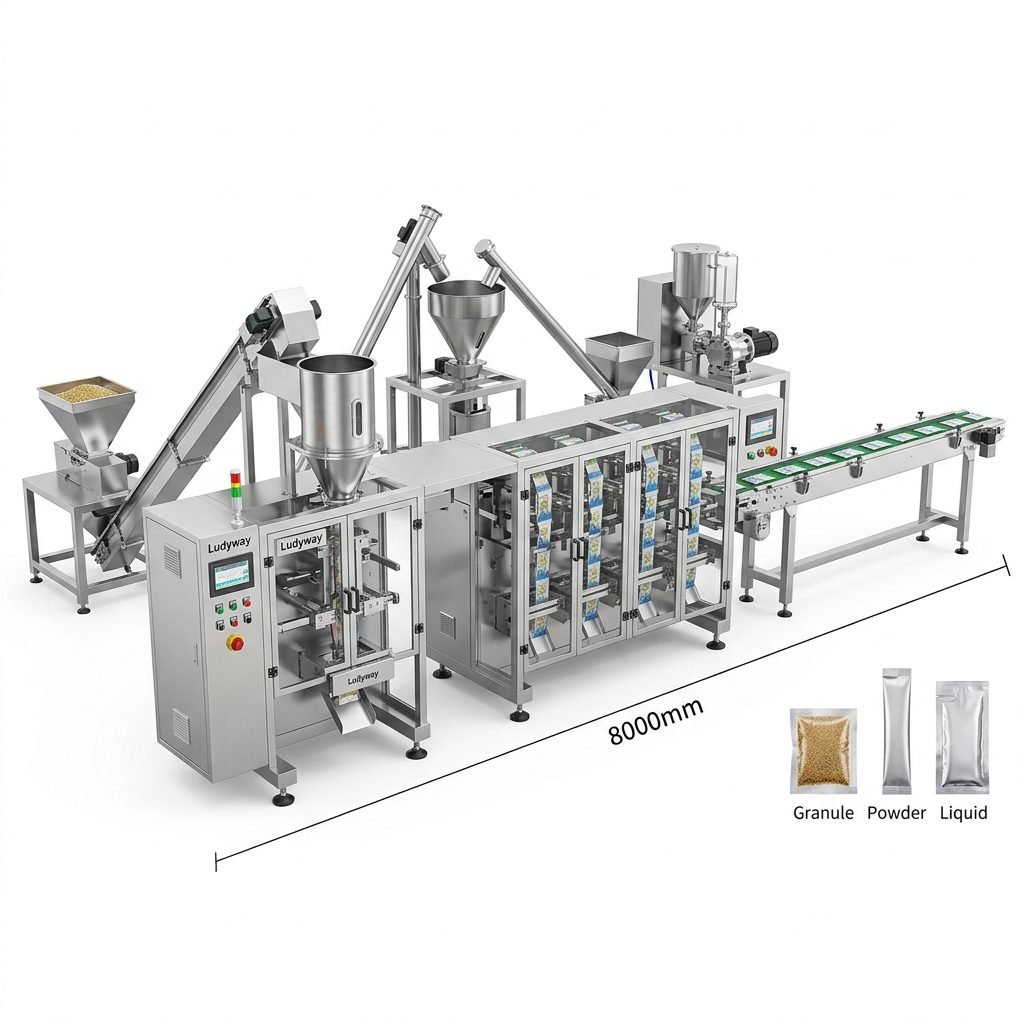
Packaging machines are the equipment systems used to fill, form, seal, label, count, wrap, and prepare products for storage, transport, and retail sale. They are essential in industries such as food, pharmaceuticals, cosmetics, chemicals, health supplements, and pet products because they improve speed, consistency, hygiene, and traceability.
Whether you produce powders, granules, liquids, pastes, tablets, capsules, or pouch products, the right packaging machine can help reduce labor costs, minimize product waste, and support scalable growth.
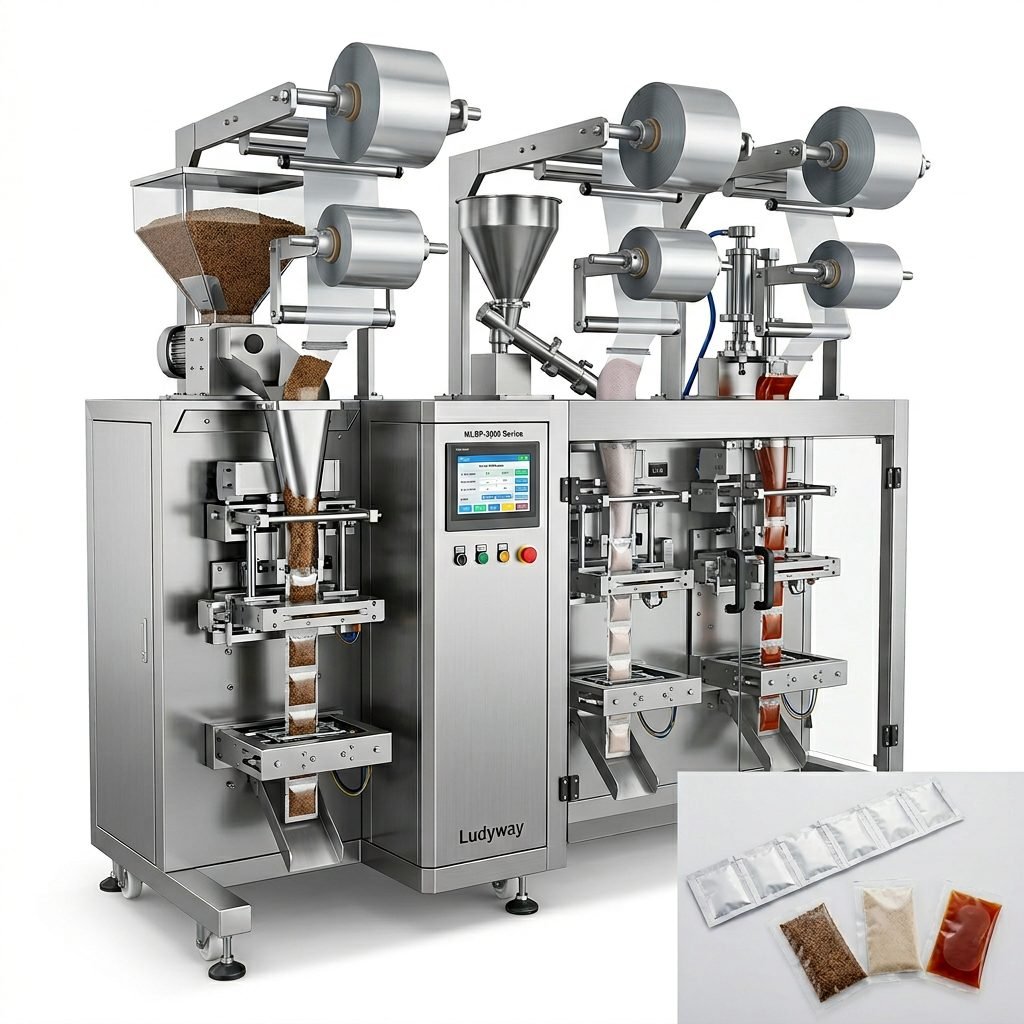
What Is a Packaging Machine?
A packaging machine is a mechanical or automated system that performs one or more packaging tasks. Depending on the application, it may:
- Measure or weigh the product
- Form bags, sachets, stick packs, pouches, or cartons
- Fill products into containers or flexible packaging
- Seal packages to protect freshness and prevent leakage
- Print dates, codes, or batch numbers
- Label, inspect, count, cartoning, or palletize finished goods
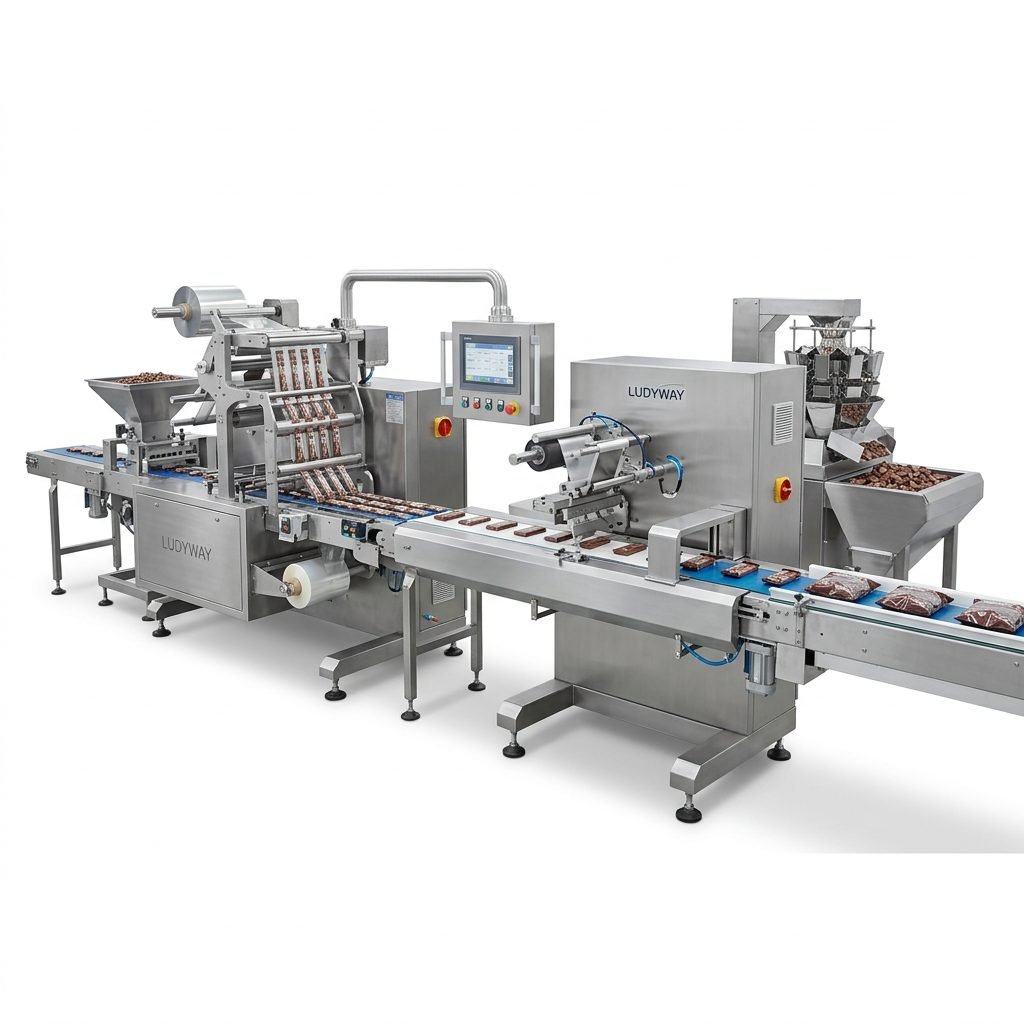
Packaging machines can be standalone units or part of a fully integrated turnkey packaging line. Modern systems are designed to support higher productivity while maintaining packaging quality and compliance requirements.
Why Packaging Machines Matter
For manufacturers, packaging is not just the final step. It directly affects product safety, shelf appeal, shipping efficiency, and brand reputation. A well-chosen machine can provide the following benefits:
| Benefit | How It Helps |
|---|---|
| Higher efficiency | Automates repetitive tasks and increases output per hour |
| Better consistency | Improves fill accuracy, seal quality, and pack appearance |
| Labor savings | Reduces manual handling and dependence on large teams |
| Product protection | Helps protect products from moisture, contamination, and damage |
| Scalability | Supports future growth with faster and more automated operations |
| Compliance | Supports traceability and hygiene standards in regulated industries |
How Packaging Machines Work
Although machine designs vary, most packaging systems follow a similar workflow. Understanding this process makes it easier to evaluate equipment.
1. Product Feeding
Raw product is delivered into the machine through hoppers, pumps, augers, conveyors, bucket elevators, or vibratory feeders. The feeding method depends on the product type:
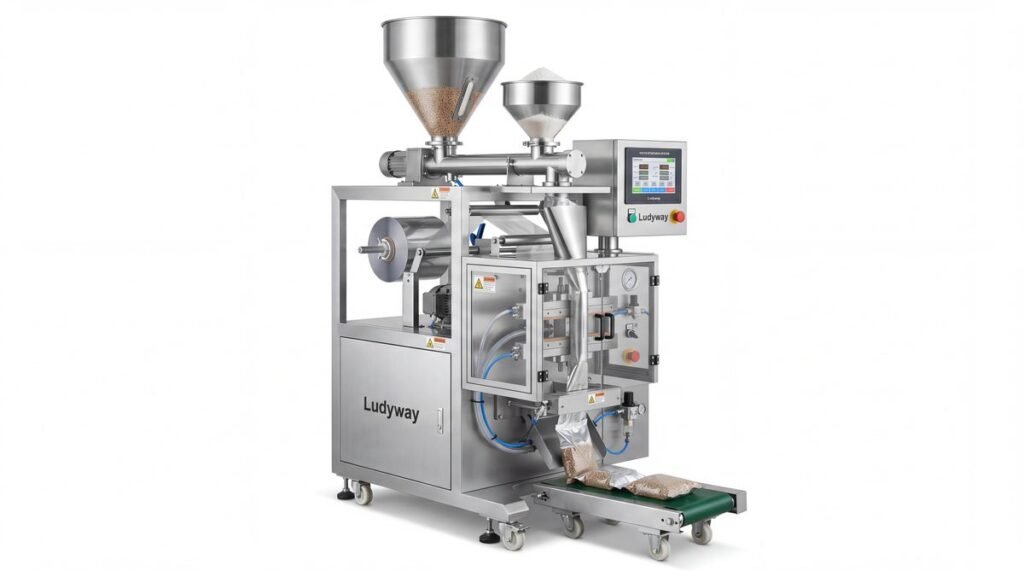
- Powders: often use auger fillers
- Granules: often use cup fillers, multi-head weighers, or counting systems
- Liquids and pastes: often use piston pumps, peristaltic pumps, or flow meters
2. Dosing or Measuring
The machine measures the correct amount of product for each package. This step is critical because inaccurate dosing can cause material waste, rejected packages, and customer complaints.
3. Package Forming
If the system uses film rolls, the machine forms the package shape automatically. This is common in vertical form fill seal machines, sachet machines, and stick pack systems. If premade pouches or bottles are used, the machine positions them for filling.
4. Filling
Once measured, the product is dispensed into the package. Accurate filling is especially important for pharmaceuticals, supplements, coffee, sauces, and high-value powders.
5. Sealing
The machine closes the package using heat sealing, ultrasonic sealing, capping, crimping, or other methods depending on the packaging material and product format.
6. Coding, Inspection, and Discharge
Finished packs may then move through coding systems, checkweighers, metal detectors, vision inspection systems, cartoners, case packers, or palletizers before leaving the line.
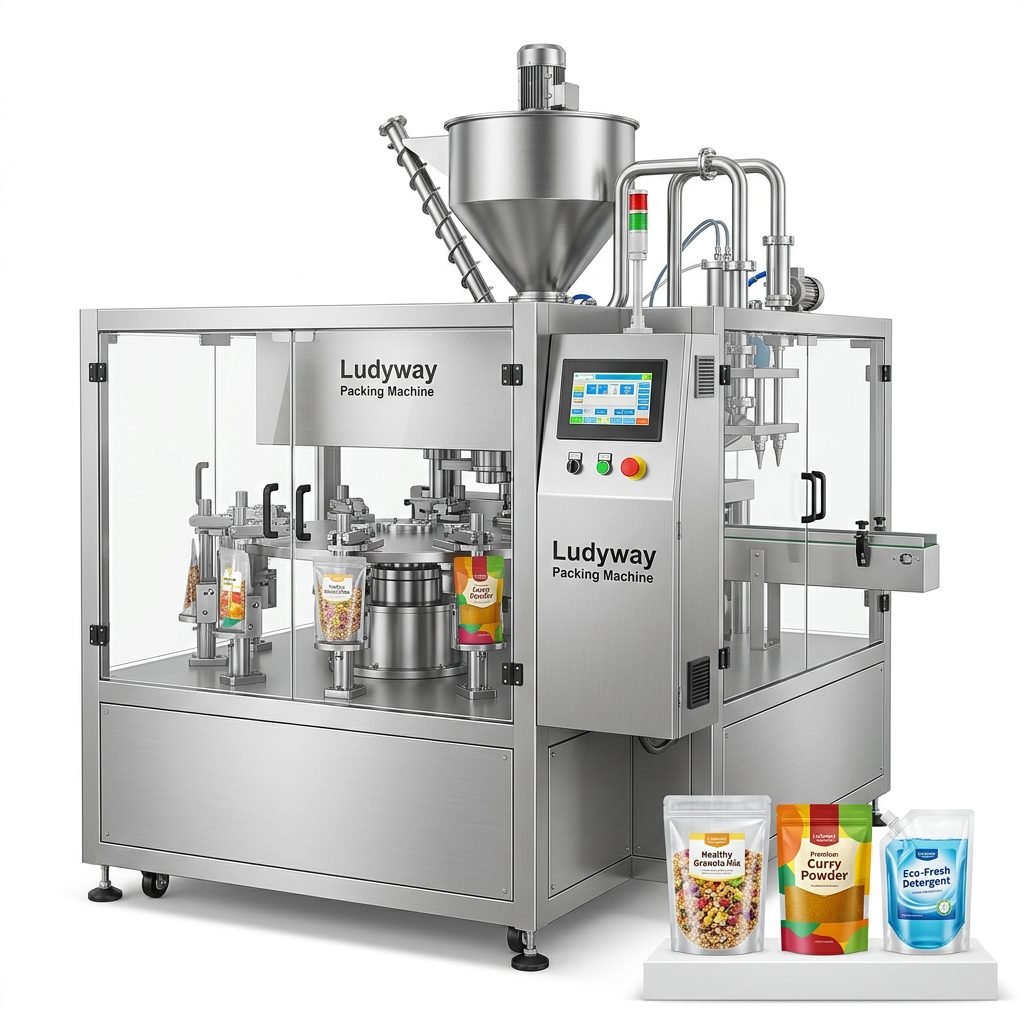
Common Types of Packaging Machines
Different products require different packaging equipment. Below are some of the most common machine categories.
Vertical Form Fill Seal Machines
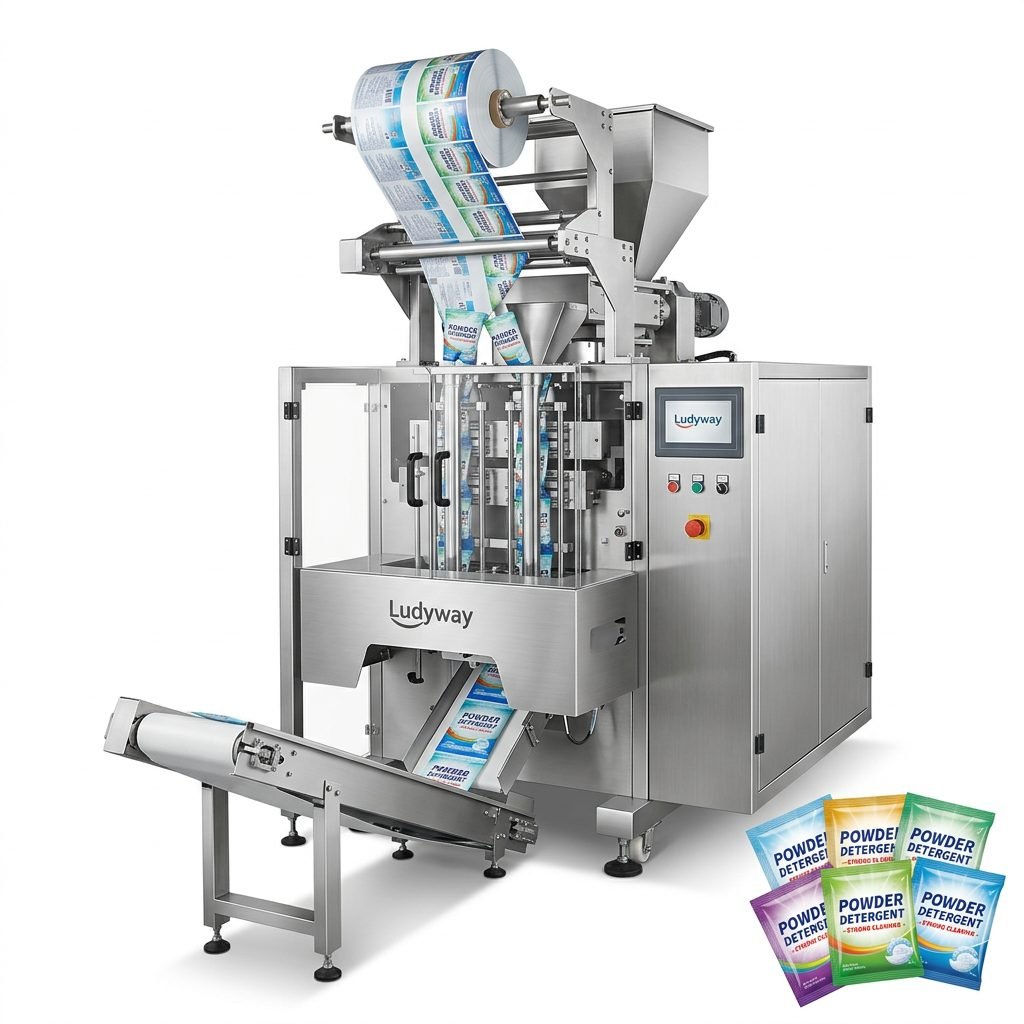
These machines form bags from roll film, fill them, and seal them in one continuous process. They are widely used for snacks, grains, powders, frozen foods, and many other products.
Sachet Packing Machines
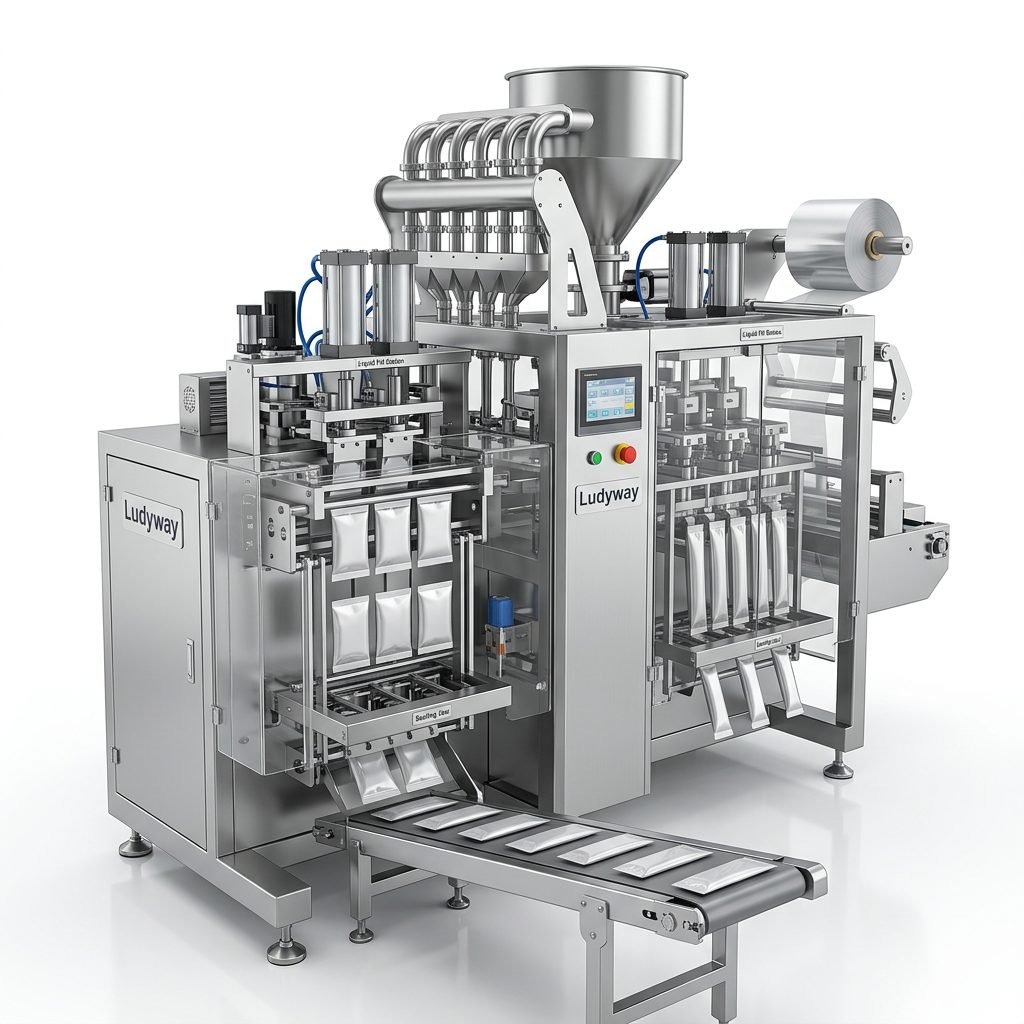
Sachet machines produce small, sealed packets for products such as sauces, seasonings, pharmaceuticals, cosmetic creams, detergents, and health supplements.
Stick Pack Machines
Stick pack machines create slim, narrow packs often used for drink powders, sugar, coffee, collagen, oral rehydration salts, and nutraceutical products. Multi-lane versions support high-volume output.
Premade Pouch Packing Machines
These systems fill and seal preformed pouches such as stand-up pouches, zipper pouches, and flat pouches. They are ideal for brands seeking stronger shelf presentation and consumer convenience.
Liquid Filling and Sealing Machines
Designed for liquids, gels, sauces, and pastes, these machines handle products with different viscosities. They are common in food, cosmetic, household chemical, and pharmaceutical sectors.
Bottle Filling Lines
These lines often include bottle unscrambling, filling, capping, labeling, and cartoning. They are suitable for syrups, oils, supplements, creams, shampoos, and oral liquids.
Cartoning and End-of-Line Equipment
After primary packaging, products may be packed into cartons, cases, or pallets using cartoners, case sealers, palletizers, and wrapping systems.
Packaging Machines by Product Type
One of the best ways to choose a machine is by starting with the material you need to pack.
| Product Type | Typical Packaging Machine | Common Applications |
|---|---|---|
| Powders | Auger filler, sachet machine, stick pack machine, VFFS | Milk powder, spices, supplements, pharma powders |
| Granules | Cup filler, weigher, multi-head weigher, pouch machine | Sugar, coffee, seeds, rice, pet food, fertilizer |
| Liquids | Liquid filler, pouch filler, bottle filling line | Sauces, oils, shampoo, detergent, oral liquid |
| Pastes / creams | Piston filling and sealing machines | Mustard, mayonnaise, face cream, ointment |
| Tablets / capsules | Counting, blister, bottling, cartoning equipment | Pharma, nutraceutical, healthcare products |
How to Choose the Right Packaging Machine
Choosing the right system is not only about speed. The best machine is the one that matches your product, package, production target, compliance needs, and future expansion plan.
Know Your Product Characteristics
Start by identifying:
- Is the product powder, granule, liquid, paste, tablet, or capsule?
- Does it flow easily or bridge and clump?
- Is it sensitive to dust, moisture, oxygen, or contamination?
- Is it corrosive, sticky, foamy, or abrasive?
These factors affect the filling method, machine material, sealing type, and cleaning requirements.
Define the Packaging Format
Ask what kind of package you need:
- Sachet
- Stick pack
- Pillow bag
- Stand-up pouch
- Bottle
- Tube
- Jar
- Carton or case
Your chosen format determines the machine structure and downstream equipment requirements.
Estimate Output Requirements
Think in terms of packs per minute, bags per hour, or tons per shift. A startup may only need moderate output, while a large factory may require multi-lane, high-speed automation. Buying a machine that is too small can limit growth; buying one that is too large can waste capital.
Consider Accuracy and Waste Control
For expensive products like pharmaceuticals, supplements, specialty chemicals, or premium foods, fill accuracy is critical. Better dosing systems often deliver faster return on investment through lower giveaway and reduced rejects.
Check Material and Hygiene Standards
Food and pharmaceutical applications usually require stainless steel contact parts, sanitary design, easy cleaning, and compliance-friendly construction. Hygienic machine design helps reduce downtime and contamination risk.
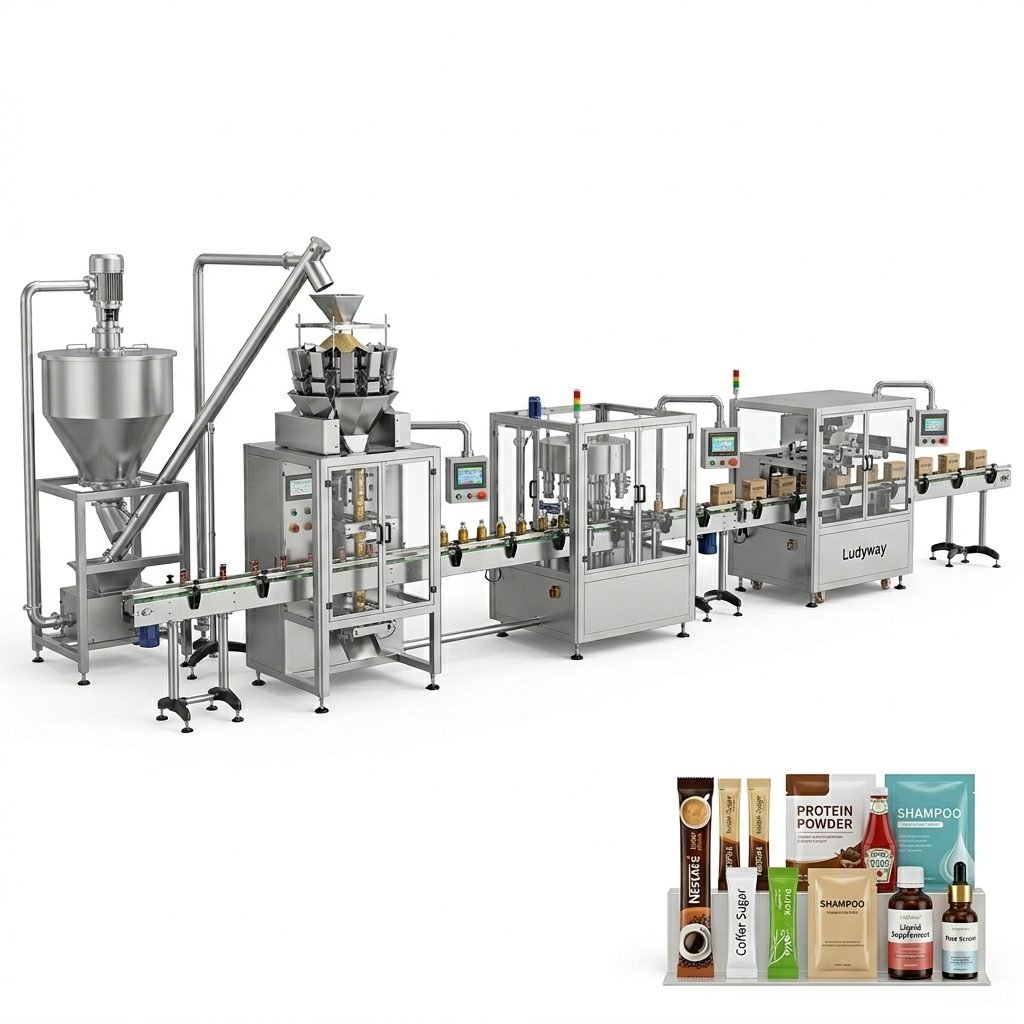
Think About Integration
Many buyers now prefer complete solutions rather than isolated equipment. A packaging machine may need to connect with:
- Feeders and conveyors
- Checkweighers and metal detectors
- Coding and labeling systems
- Cartoning and case packing equipment
- Palletizing systems
Key Questions to Ask Before Buying
- What products will I package now and in the future?
- What package sizes and materials will I use?
- What output do I need per shift or per day?
- How important are changeover speed and flexibility?
- Do I need a standalone machine or a full packaging line?
- What level of automation fits my labor situation and budget?
- What after-sales support, spare parts, and technical service are available?
Manual, Semi-Automatic, or Fully Automatic?
Packaging systems generally fall into three levels of automation.
| Type | Best For | Considerations |
|---|---|---|
| Manual | Very small batch operations | Low cost but low efficiency and inconsistent output |
| Semi-automatic | Growing businesses with moderate output | Balances investment and productivity |
| Fully automatic | High-volume factories and export-oriented production | Higher initial cost but stronger long-term efficiency |
Industries That Commonly Use Packaging Machines
- Food industry: coffee, sugar, spices, flour, snacks, sauces, seasonings, grains, instant beverages
- Pharmaceutical industry: granules, oral powders, sachets, tablets, capsules, medical consumables
- Health supplement industry: collagen, protein powder, electrolyte drinks, probiotics, vitamins
- Cosmetic industry: creams, lotions, serums, shampoos, facial cleansers
- Chemical industry: detergents, pesticides, additives, lubricants, cleaning agents
- Animal nutrition industry: pet food, feed premix, feed pellets, pet supplements
Common Mistakes When Choosing a Packaging Machine
- Choosing based only on price instead of total operating value
- Ignoring product behavior such as dusting, sticking, or irregular flow
- Buying a machine without room for future output growth
- Overlooking spare parts, support, and maintenance access
- Failing to confirm package size range and film compatibility
- Not testing the real product before final purchase
Tip: A successful machine selection usually comes from matching real production needs with realistic technical specifications, not from choosing the fastest or cheapest model on paper.
What to Look for in a Packaging Machine Manufacturer
Beyond equipment specifications, the manufacturer matters. A reliable supplier should offer:
- Experience in your target industry
- Custom configuration capability
- Stable manufacturing quality
- Testing support with your product samples
- Installation and commissioning guidance
- Training, spare parts, and after-sales service
- Ability to provide both single machines and integrated lines
For buyers looking for scalable automation, Ludyway packaging machine solutions are widely used for food, pharmaceutical, health supplement, cosmetic, chemical, and pouch-based production projects, with options ranging from standalone equipment to turnkey packaging lines.
When Does It Make Sense to Invest in Automation?
You should seriously consider upgrading to automated packaging equipment if you are facing any of the following:
- Rising labor costs
- Frequent filling errors or seal failures
- Production bottlenecks at the packaging stage
- Higher hygiene or compliance requirements
- Need for larger order volumes or export expansion
- Demand for more professional packaging appearance
Final Buying Checklist
- Product type: powder, granule, liquid, paste, tablet, capsule
- Pack style: sachet, stick pack, pouch, bottle, tube, bag, carton
- Capacity target: current and future output
- Accuracy requirement: acceptable tolerance and waste control
- Machine materials: sanitary, corrosion-resistant, durable
- Automation level: semi-auto or fully automatic
- Line integration: coding, inspection, cartoning, palletizing
- Service support: installation, training, spare parts, remote help
Conclusion
Packaging machines are the backbone of modern product finishing and distribution. They help manufacturers package faster, improve quality, reduce labor, and build a more reliable production system. The right machine depends on your product characteristics, package type, production volume, and long-term business plans.
If you take the time to evaluate your application carefully and choose a supplier with real engineering and integration experience, your packaging machine can become a long-term asset that improves both efficiency and competitiveness.