In the competitive landscape of modern manufacturing, the efficiency of a production line is paramount. At the heart of this efficiency lies packaging machinery—a critical component that directly impacts output speed, product quality, and operational costs. Understanding the essential concepts behind packaging machinery is not just for engineers; it is vital knowledge for production managers, plant operators, and business owners aiming to optimize their operations. This article delves into the core principles and machinery types that form the backbone of efficient packaging lines, providing a foundational guide for making informed decisions.
The Role of Packaging Machinery in Production Efficiency
Packaging machinery automates the process of placing products into containers, wrapping them, sealing, and preparing them for distribution. Its primary role is to bridge the gap between production and the market, ensuring products are protected, preserved, and presented correctly. An efficient packaging line minimizes manual labor, reduces material waste, increases throughput, and maintains consistent quality. By integrating seamlessly with upstream production processes, the right packaging system can become a significant competitive advantage, turning a potential bottleneck into a streamlined asset.
Key Efficiency Drivers:
Speed & Throughput: Measured in packages per minute (PPM), this defines the line’s capacity.
Changeover Flexibility: The ability to quickly switch between different product sizes or packaging formats reduces downtime.
Integration Capability: How well the machine communicates and synchronizes with fillers, conveyors, and labelers.
Uptime & Reliability: Consistent operation with minimal unplanned stoppages is crucial for overall equipment effectiveness (OEE).
Core Types of Packaging Machinery for Production Lines
Selecting the appropriate machinery depends on the product form (granule, powder, liquid), required package type, and desired production volume. Here are the fundamental categories:
1. Form-Fill-Seal (FFS) Machines
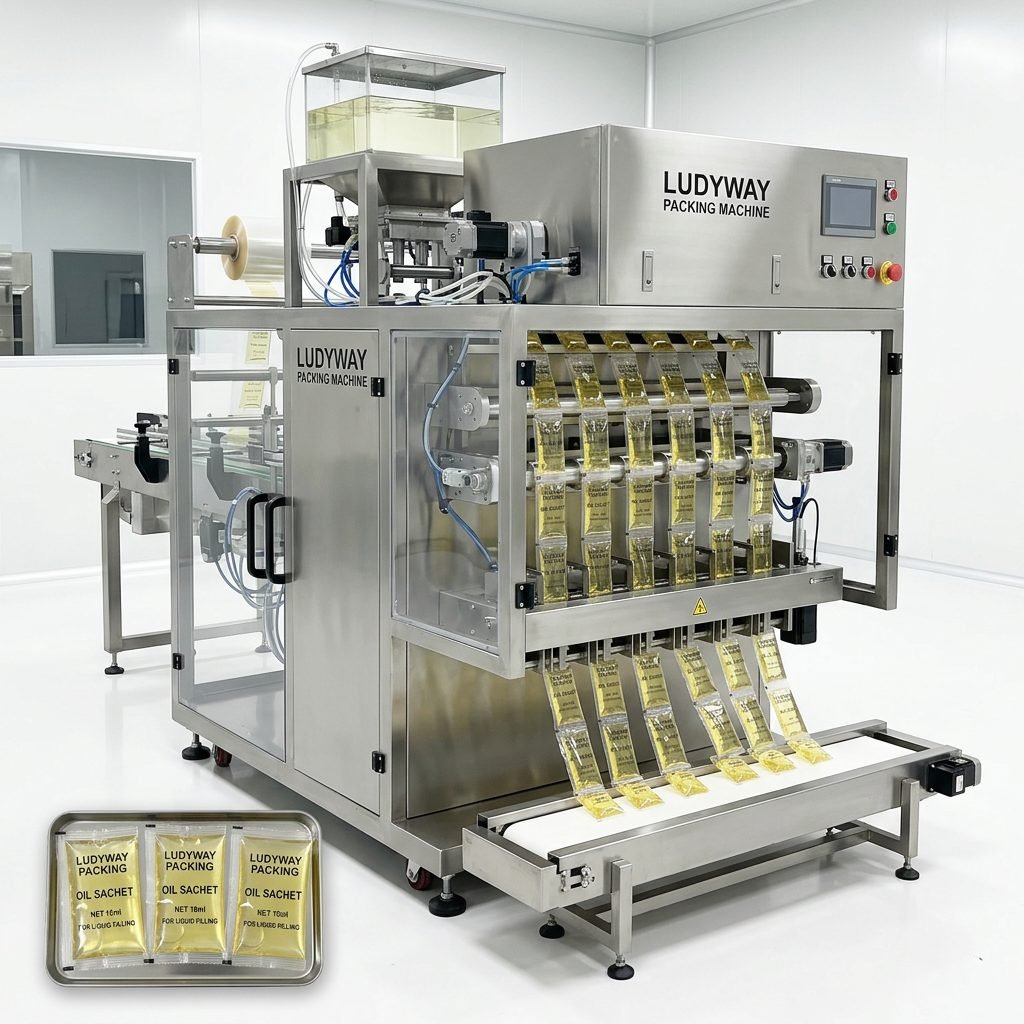
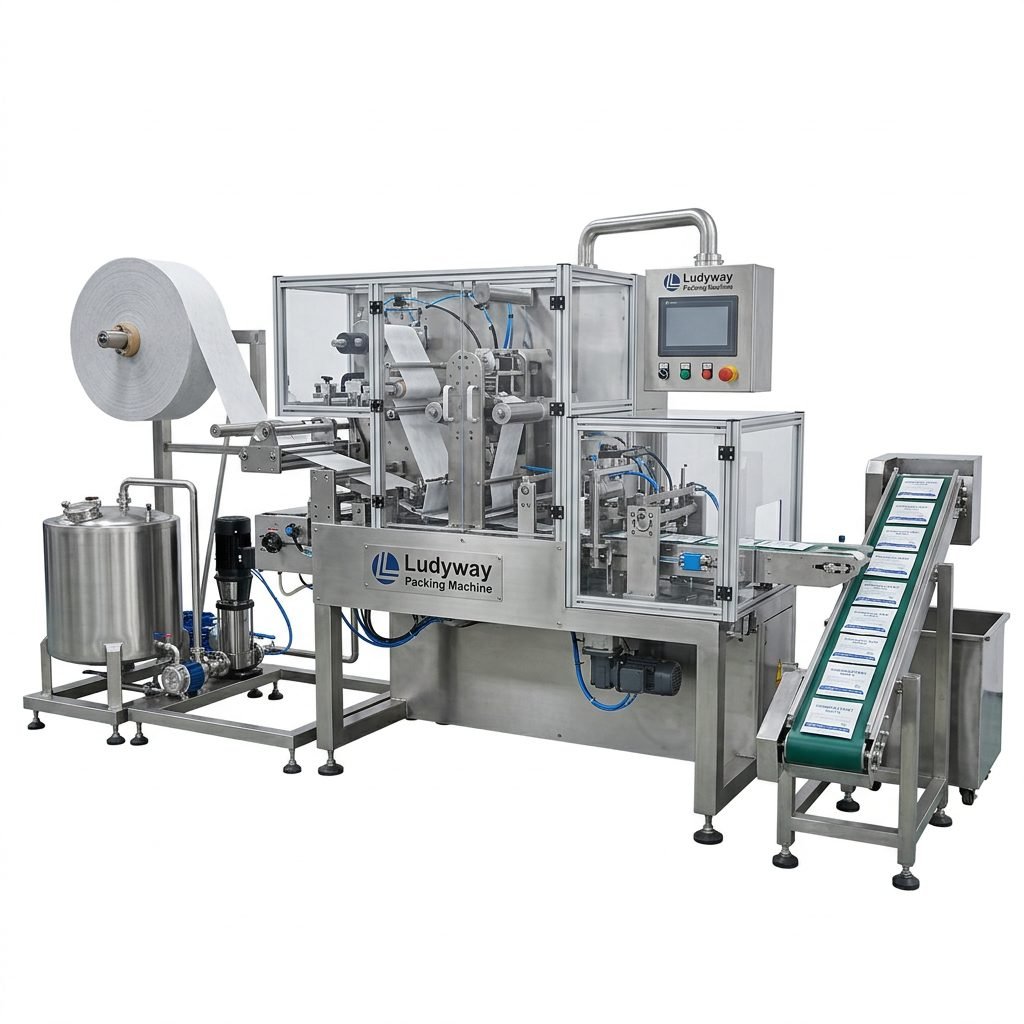
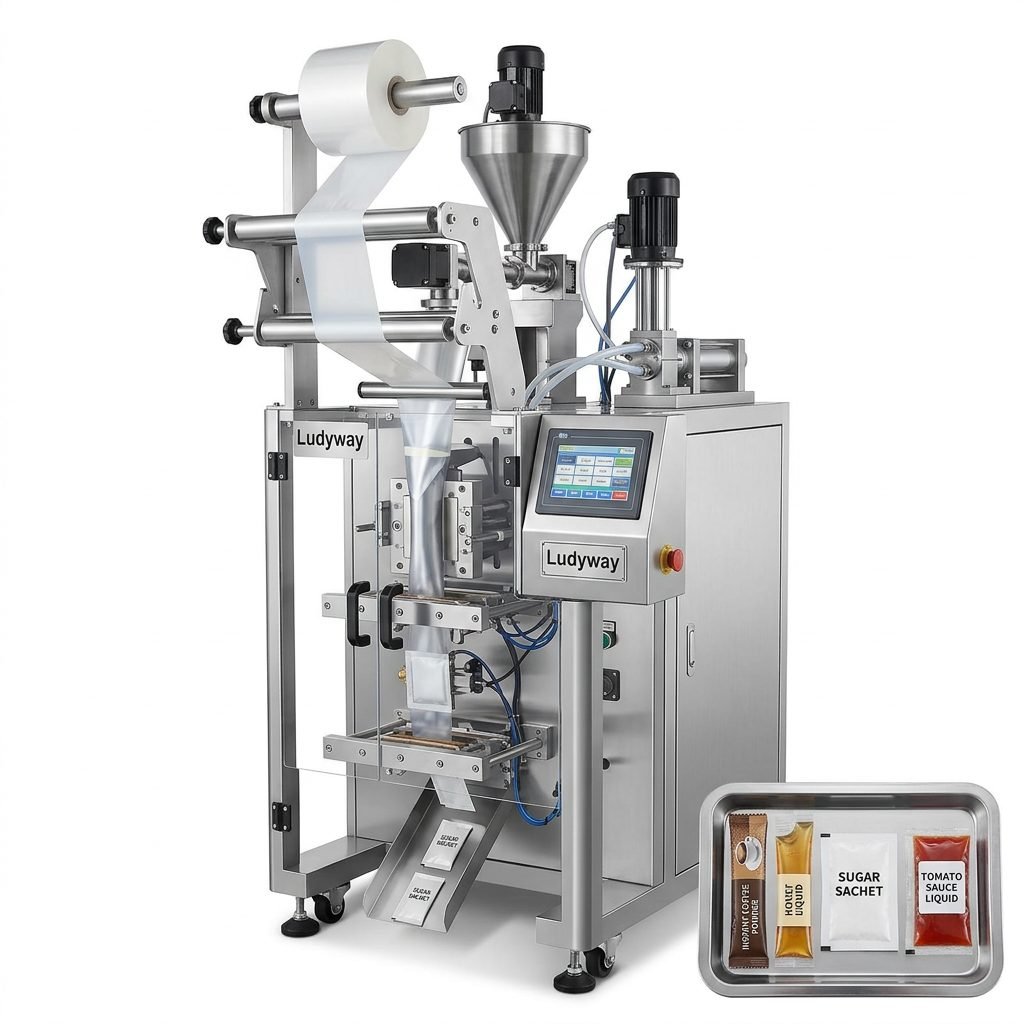
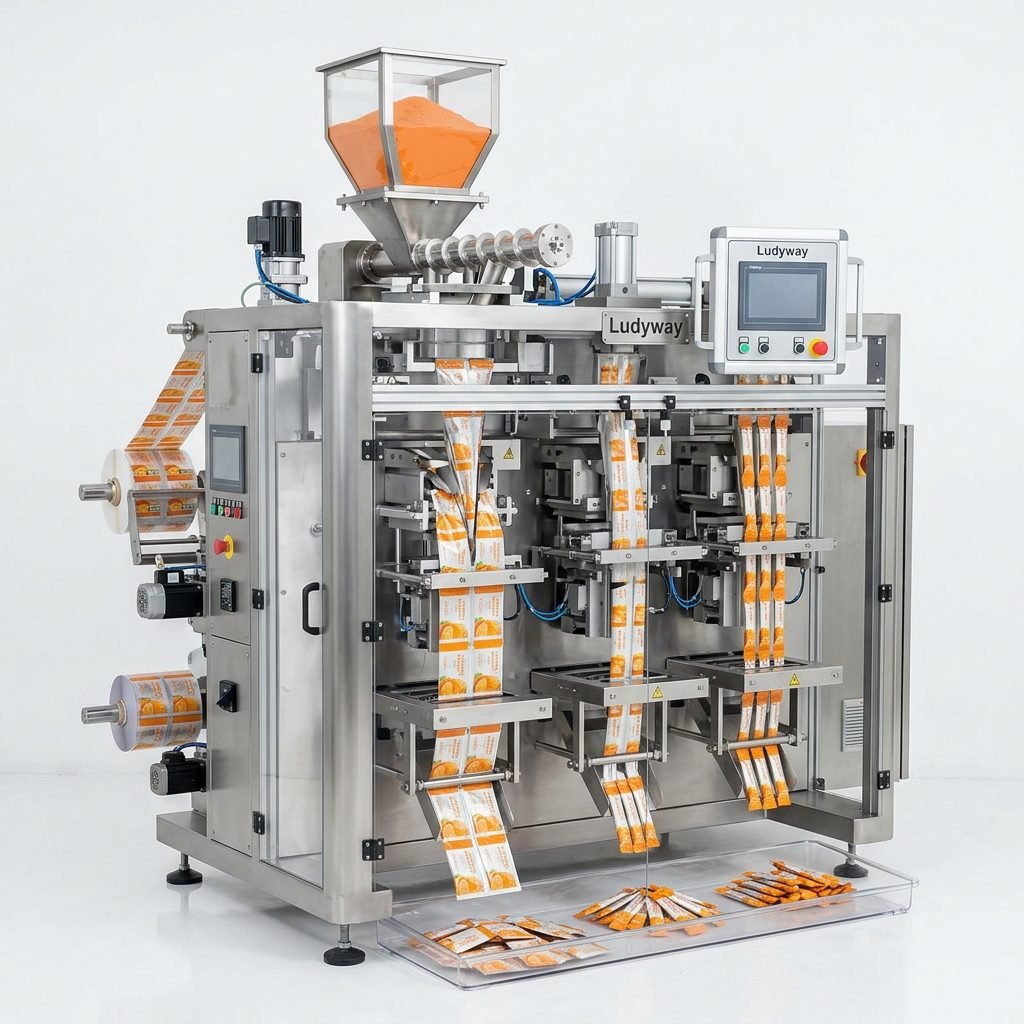
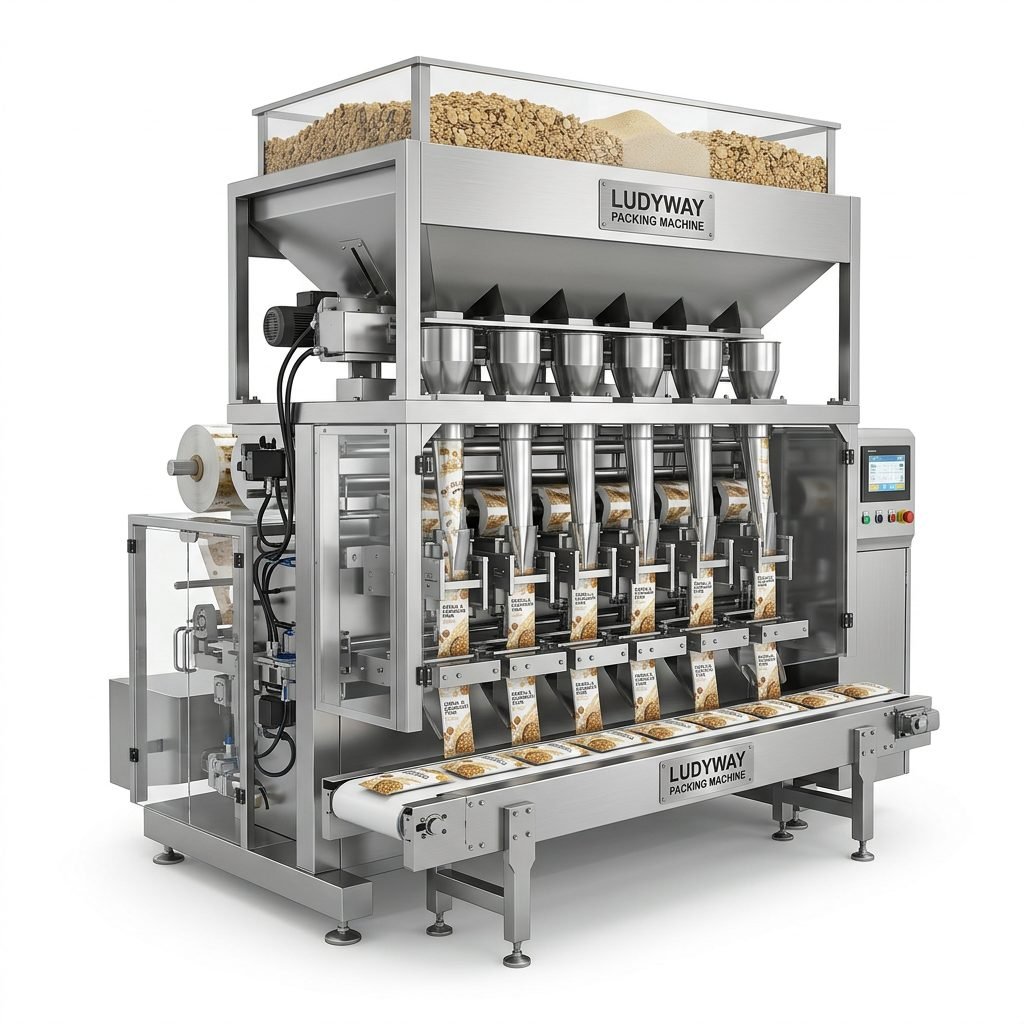
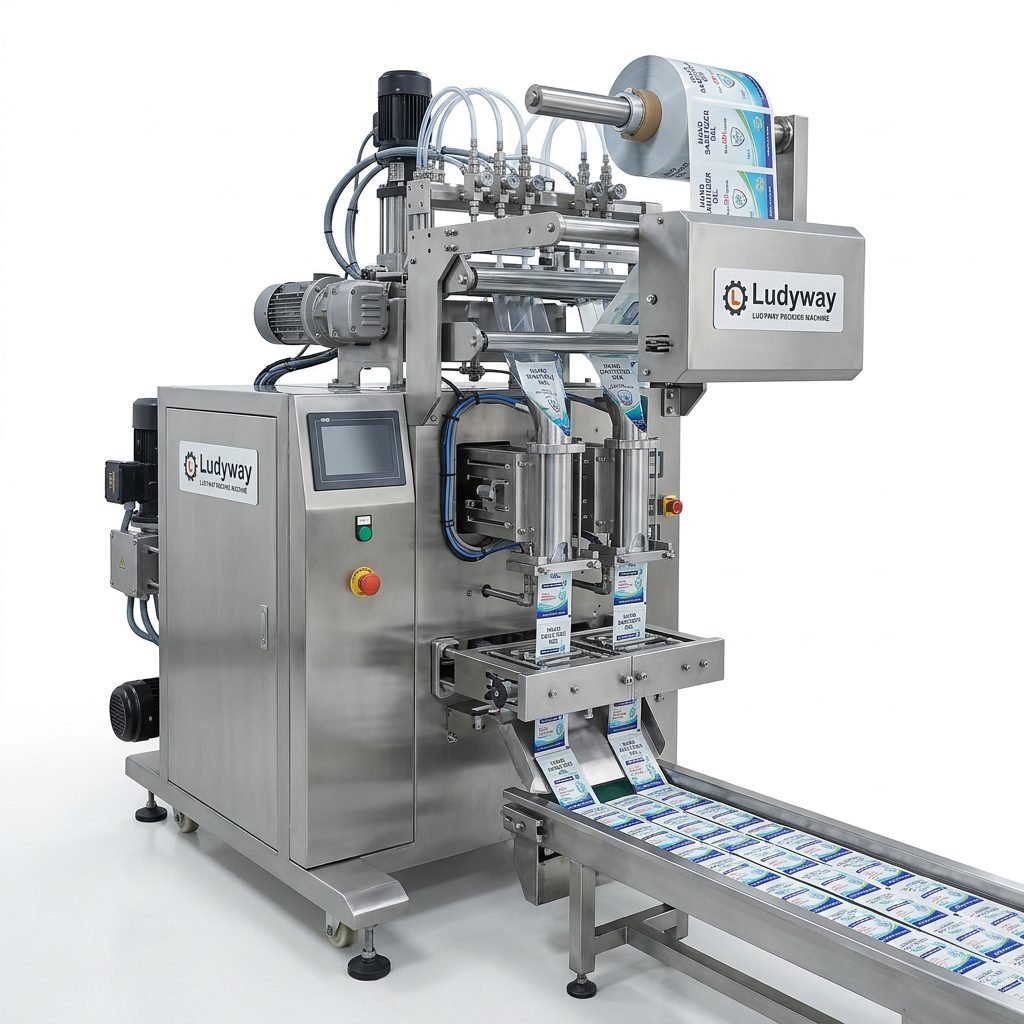
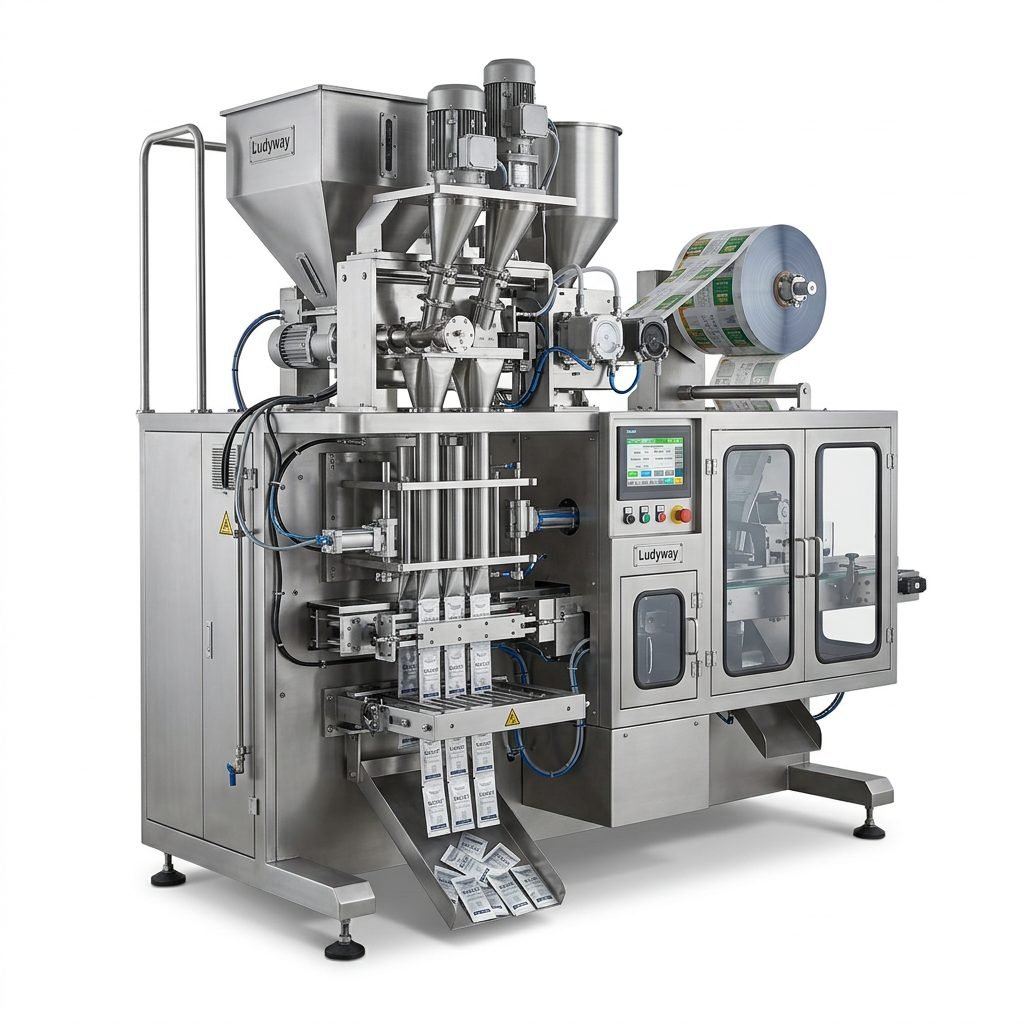
These are the workhorses of modern packaging. FFS machines create the package from a roll of film, fill it with product, and seal it—all in one continuous operation. They are highly efficient for producing sachets, stick packs, and pouches. Vertical Form-Fill-Seal (VFFS) machines are common for granular products like coffee or snacks, while Horizontal Form-Fill-Seal (HFFS) machines are often used for liquids or items that need to be laid flat.
2. Filling Machines
Designed to accurately dispense a specific volume or weight of product into pre-formed containers like bottles, cans, or jars. Types include:
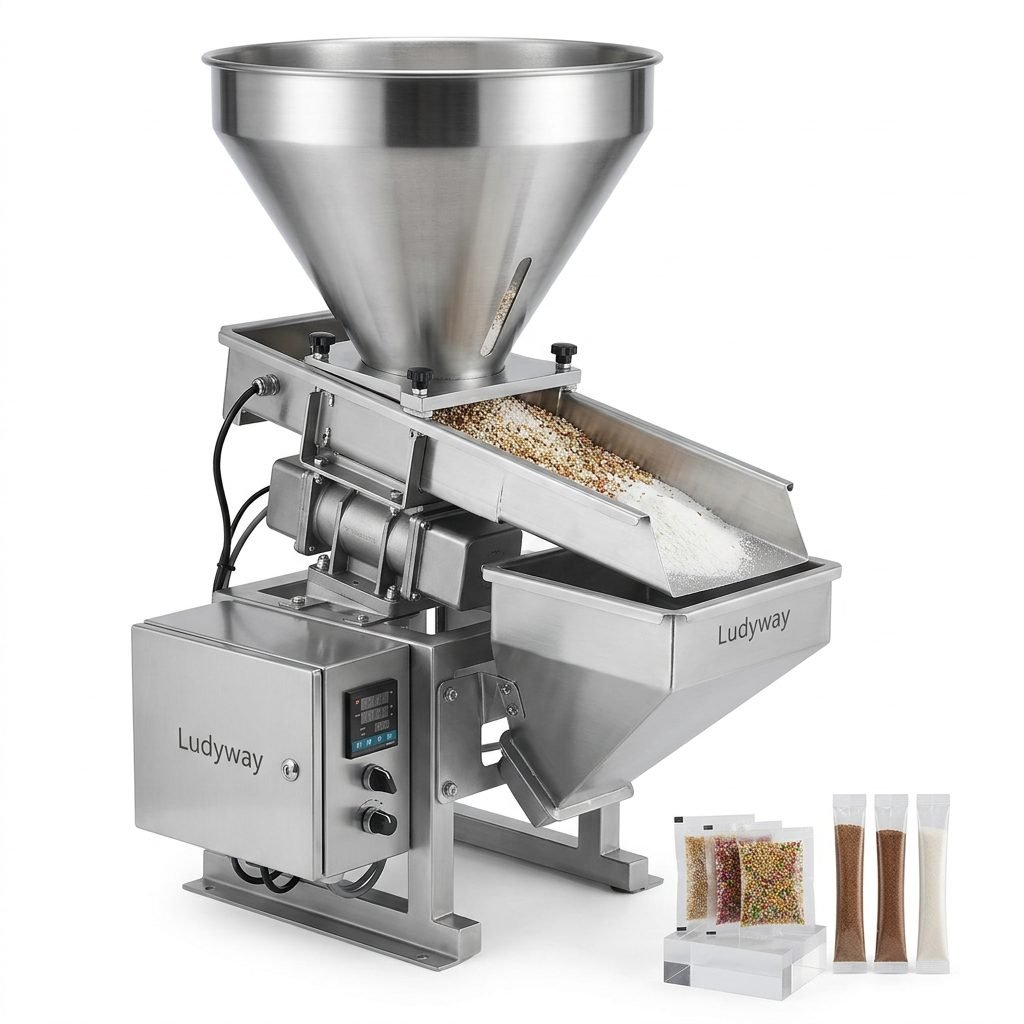
• Volumetric Fillers: Use cups, pistons, or augers for consistent volume.
• Net Weight Fillers: Utilize scales for precise weight control, critical for high-value products.
• Liquid Fillers: Employ gravity, pressure, or pump systems for beverages, oils, and chemicals.
3. Sealing & Capping Machines
After filling, containers must be securely closed. This category includes induction sealers for foil liners, cappers for screw tops, and heat sealers for pouches. A reliable seal is non-negotiable for product safety and shelf life.
4. Labeling & Coding Machines
These apply product information, branding, barcodes, and expiration dates. Options range from simple pressure-sensitive labelers to advanced inkjet or laser coders that print directly onto the packaging.
Designing an Integrated Packaging Line
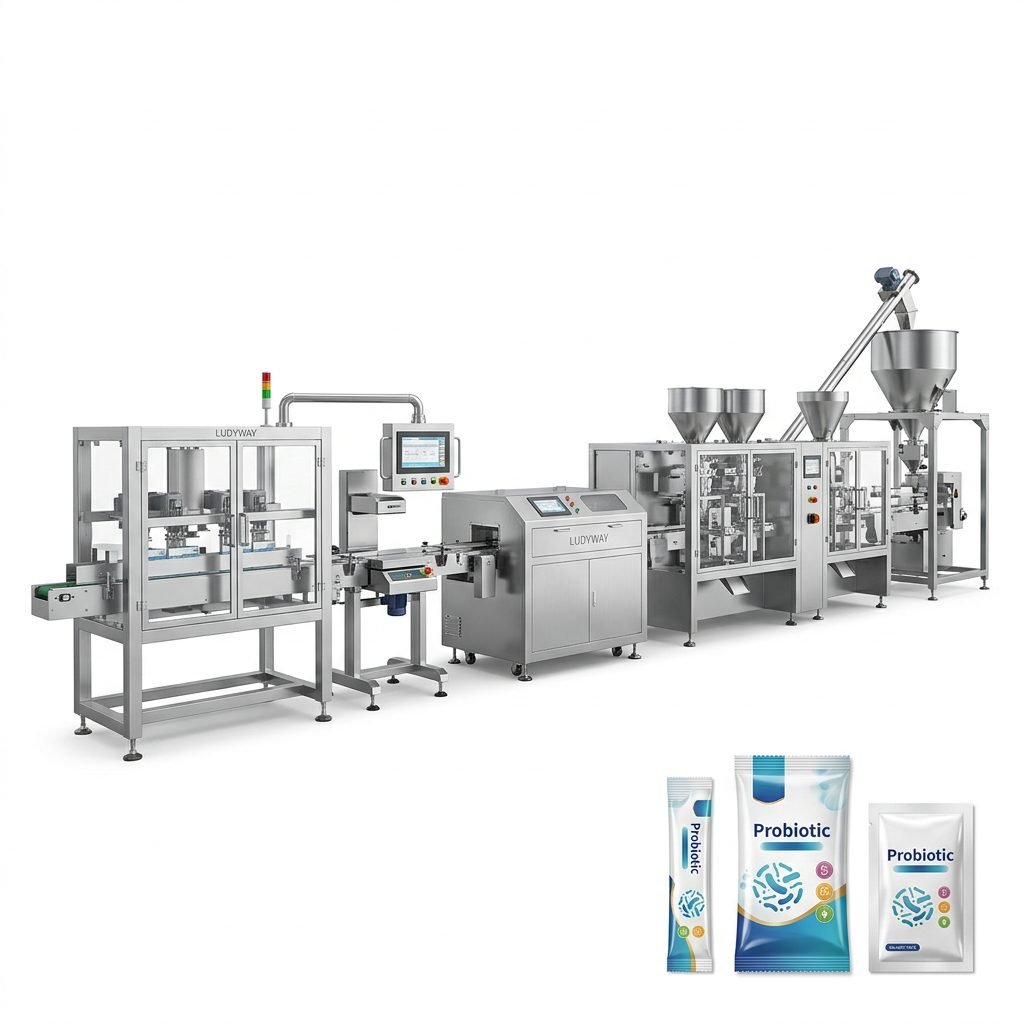
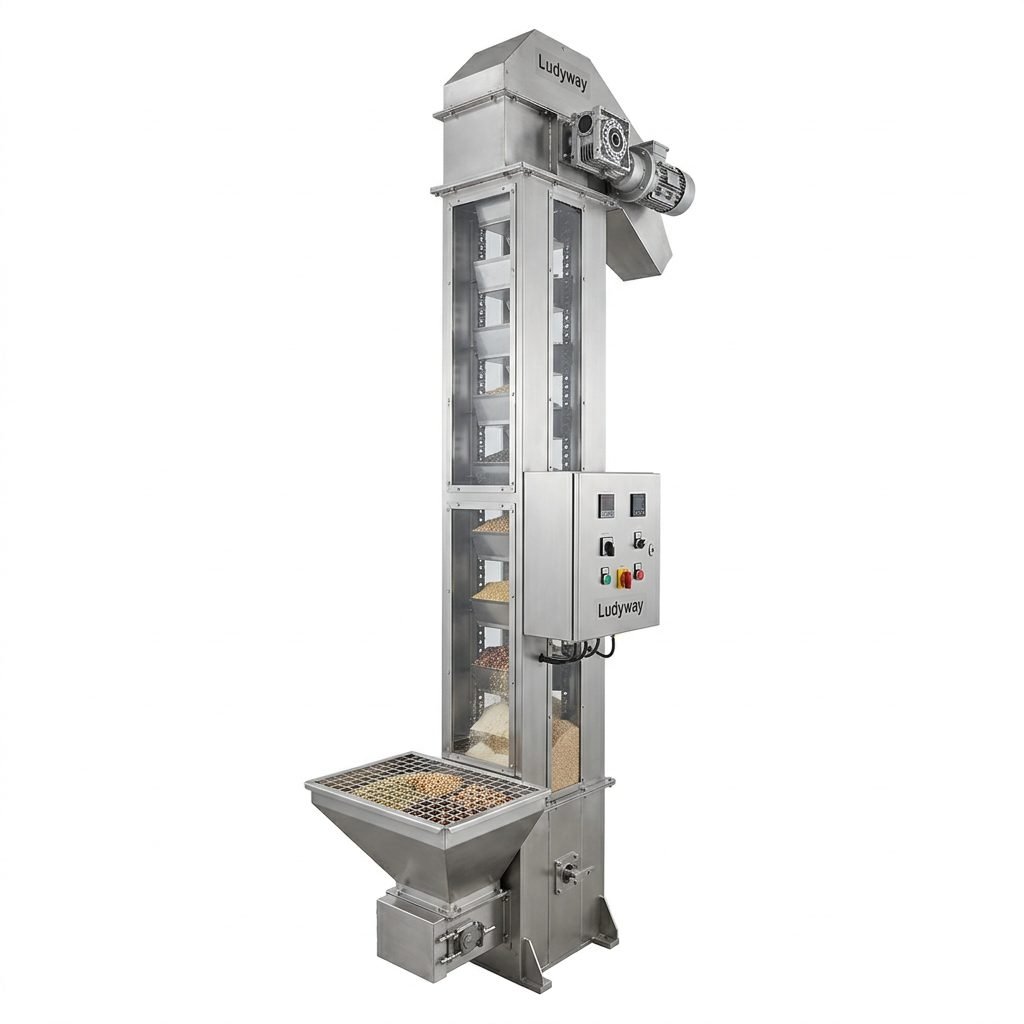
Efficiency is not achieved by a single machine but by a harmoniously integrated line. A typical automated line might sequence: an unscrambler to orient containers, a filler, a capper, a labeler, and a case packer. The key is ensuring smooth product transfer between stations with minimal accumulation or jamming. Modern lines use Programmable Logic Controllers (PLCs) and sensors for synchronized control and real-time monitoring. When planning a line, consider future scalability and the potential for customized automation solutions to adapt to new products or higher volumes.
📈 Optimization Tip: The Role of Turnkey Solutions
For businesses seeking a hassle-free path to efficiency, partnering with a provider of turnkey production solutions can be transformative. These providers, like Ludyway Packing Machine, handle everything from initial design and machinery selection to installation, commissioning, and training. This integrated approach ensures all components are compatible and optimized for your specific product, leading to faster ramp-up times and higher overall line performance.
Advanced Concepts: Smart Packaging & Industry 4.0
The frontier of packaging efficiency lies in connectivity and data. Industry 4.0 principles bring smart sensors, IoT (Internet of Things) connectivity, and data analytics to the packaging floor. Machines can self-diagnose issues, predict maintenance needs, and optimize their own performance in real-time. This shift from reactive to predictive maintenance drastically improves uptime. Furthermore, data on machine speed, yield, and waste provides actionable insights for continuous improvement, aligning packaging operations with broader smart factory goals.
Choosing the Right Machinery Partner
Investing in packaging machinery is a significant decision. Beyond specifications, the manufacturer’s reliability, service support, and industry experience are critical. A partner with deep application knowledge, such as one specializing in packaging machinery solutions for food and pharmaceutical industries, can prevent costly missteps. Look for a provider that offers comprehensive testing with your actual product, clear documentation, and readily available spare parts to ensure long-term operational success.
Mastering these essential packaging machinery concepts empowers you to design, operate, and maintain a production line that is not just functional, but truly efficient. From selecting the right machine type to embracing smart technologies, each decision contributes to lower costs, higher quality, and greater agility in responding to market demands. By viewing packaging as a strategic, integrated system, manufacturers can unlock significant value and build a robust foundation for growth.
Frequently Asked Questions (FAQs)
1. What is the most important factor when selecting packaging machinery?
The product itself is the starting point. Its physical form (powder, granule, liquid), characteristics (abrasive, oily, fragile), and required packaging format dictate the suitable machine type. Throughput requirements and budget are secondary deciding factors.
2. How can I improve the speed of my existing packaging line?
First, conduct a thorough audit to identify bottlenecks. Common improvements include upgrading key components (like faster servos on fillers), optimizing changeover procedures, improving line synchronization, and implementing preventive maintenance to reduce unplanned downtime.
3. What does “turnkey packaging solution” mean?
A turnkey solution means the supplier provides a complete, ready-to-operate system. They are responsible for the design, supply, integration, installation, and commissioning of the entire packaging line, often including staff training. The client essentially “turns a key” to start production.
4. Is automation always better than semi-automatic machines?
Not always. For low-volume production, pilot lines, or products with frequent changes, semi-automatic machines offer lower initial cost and greater flexibility. Full automation is justified for high-volume, stable products where labor savings and speed significantly impact the bottom line.
5. How do I ensure my packaging machinery remains reliable long-term?
Follow the manufacturer’s maintenance schedule rigorously, use genuine spare parts, and train operators properly. Partnering with a supplier that offers strong after-sales support, technical service, and readily available parts is crucial for sustaining reliability over the machine’s lifespan.