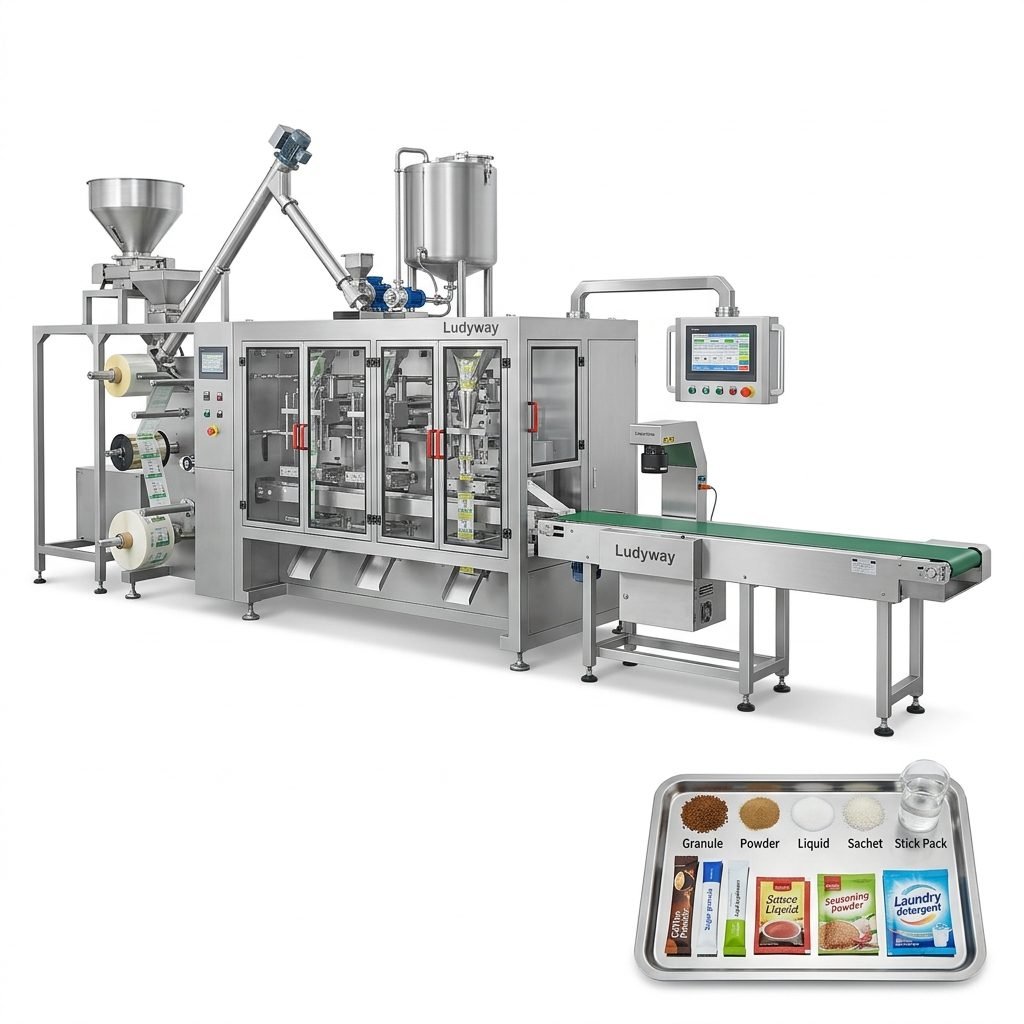
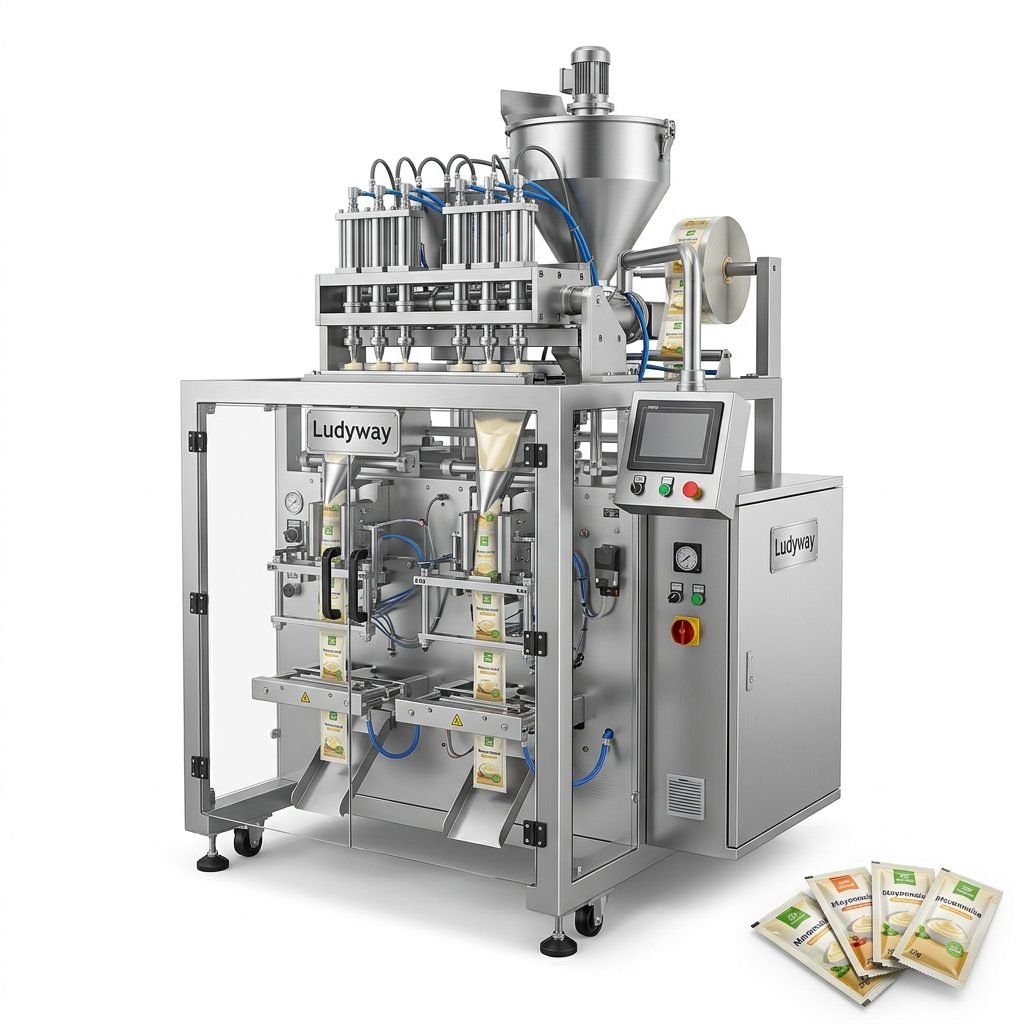
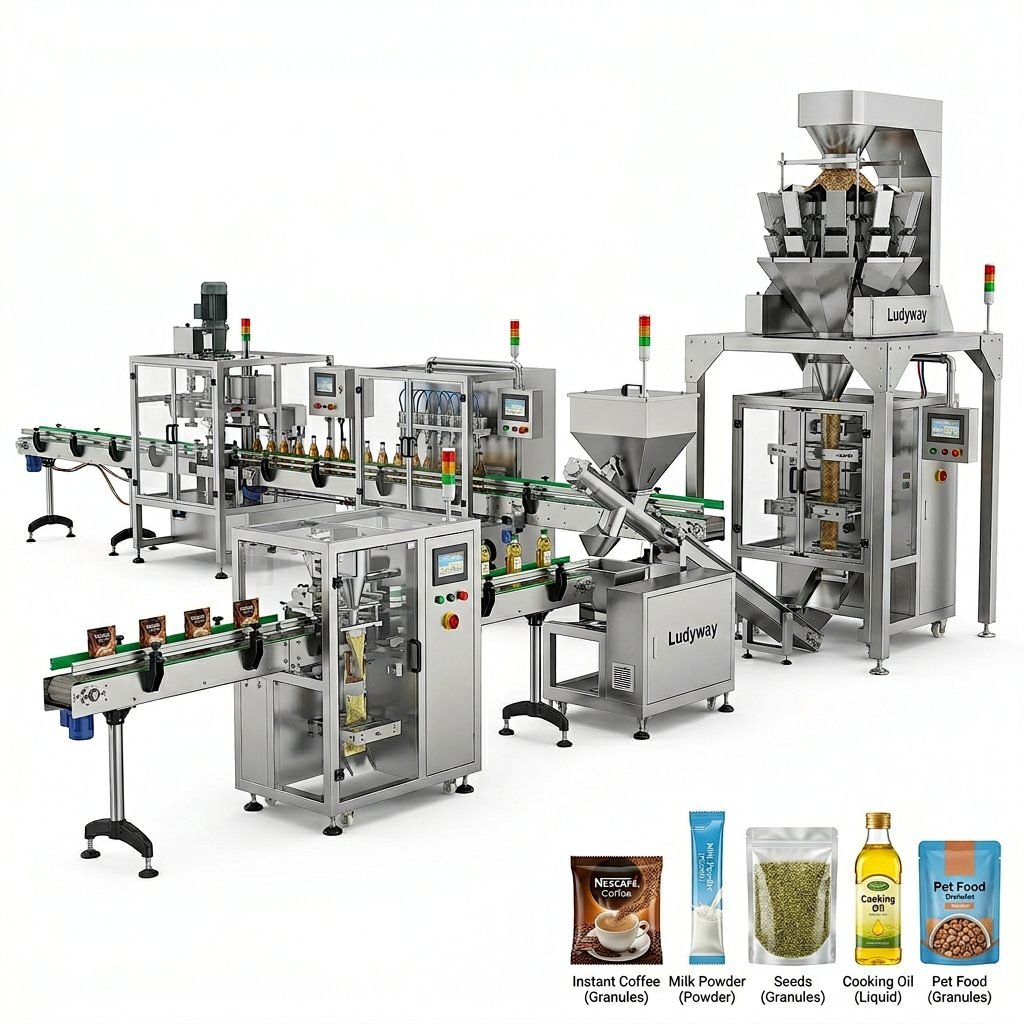
Investing in a Theli packing machine is a significant decision for any manufacturer. Whether you are upgrading an existing production line or automating a manual packaging process, selecting the right equipment directly impacts your production efficiency, product quality, and long-term operational costs. With so many configurations, formats, and technical specifications available, it can be challenging to identify the machine that best fits your requirements. This guide walks you through the essential factors to consider before making your purchase.
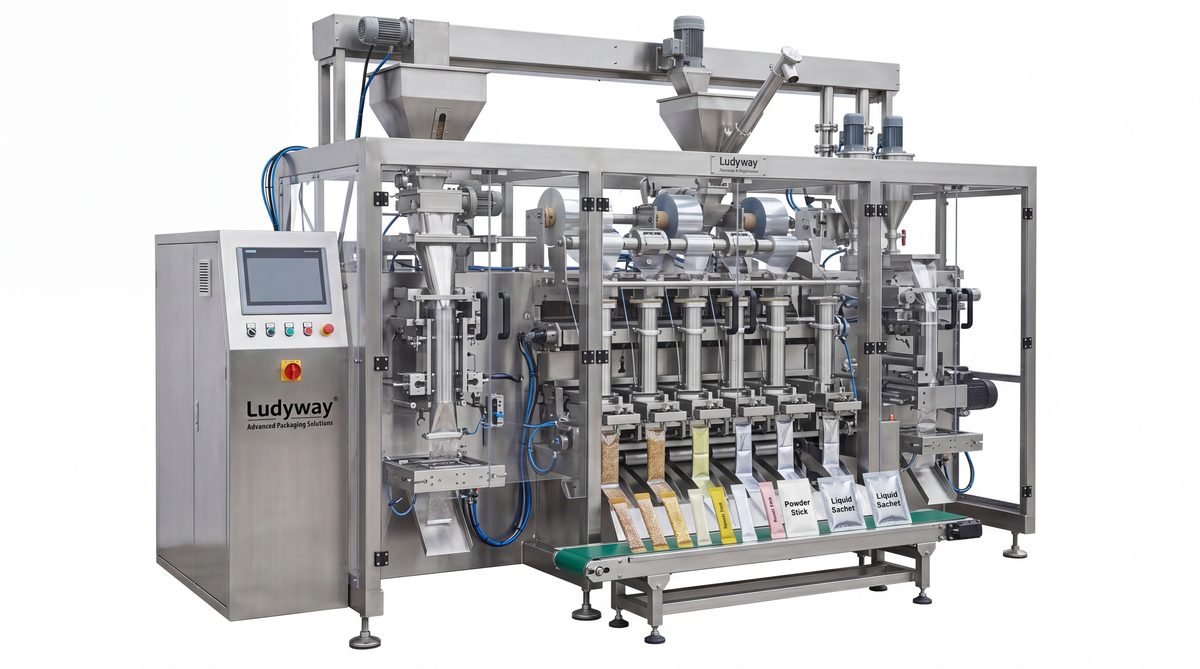
Understanding Your Production Requirements First
Before evaluating specific packaging machinery options, you need to clearly define your production goals. Start by asking these critical questions:
- What type of product are you packaging — powder, granule, liquid, paste, or solid items?
- What packaging format do you need — stick packs, sachets, pouches, bottles, or bulk bags?
- What is your target production speed — how many units per minute or hour?
- What are your filling volume requirements — single-dose or multi-dose packaging?
- What packaging materials will you use — film, foil, laminate, or pre-made pouches?
- What level of automation do you require — standalone machine or complete turnkey line?
Answering these questions helps narrow down the type of Theli packing machine that will work best for your application. A thorough needs assessment at this stage can prevent costly mismatches later.
Key Factors to Consider When Choosing a Theli Packing Machine
1. Product Characteristics and Compatibility
Every product behaves differently during the packaging process. Powder density, granule size, liquid viscosity, and flowability all influence which dosing and filling system is appropriate. A Theli packing machine configured for free-flowing granules may not perform well with sticky powders or high-viscosity liquids. Understanding your product’s physical properties is the foundation of proper machine selection. Refer to ISO packaging standards for guidance on material compatibility and performance requirements.
2. Packaging Format and Bag Style
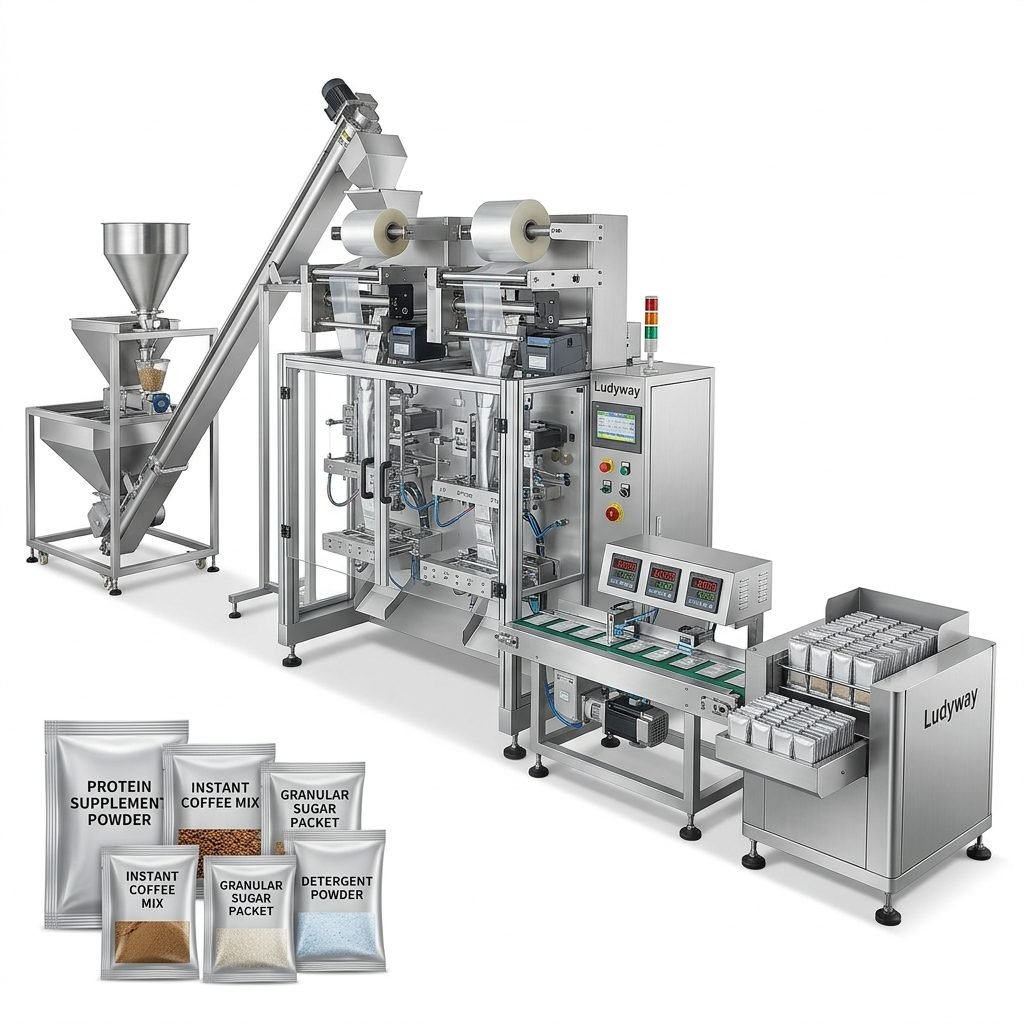
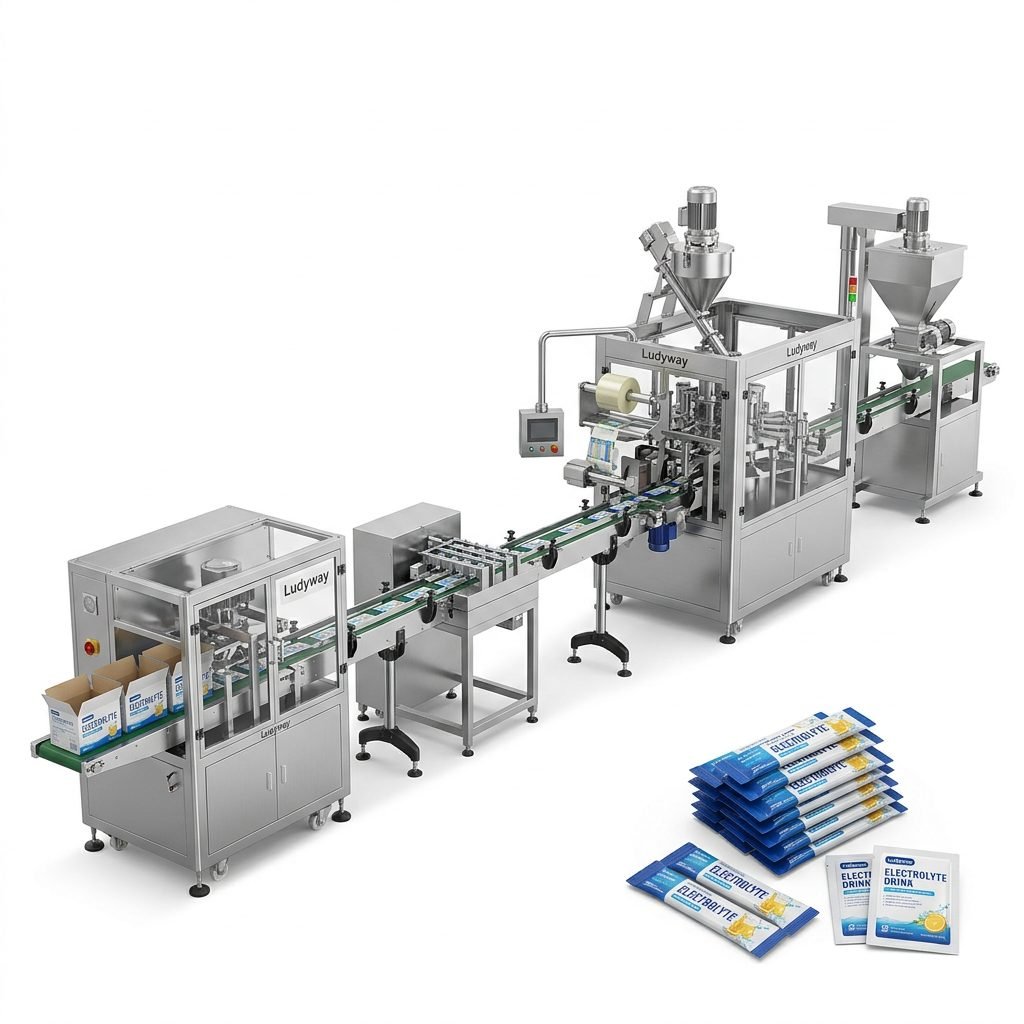
Different markets and products demand different packaging formats. The most common formats supported by Theli packing machines include:
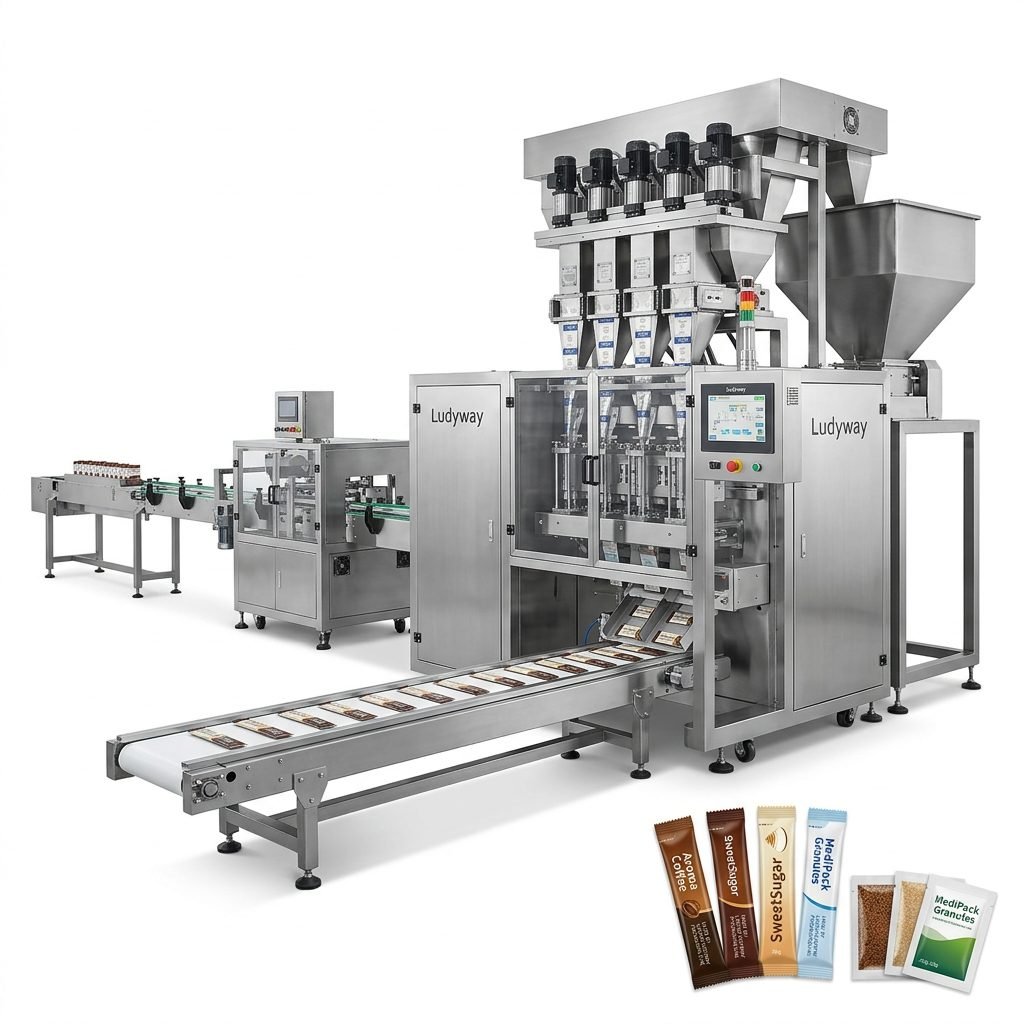
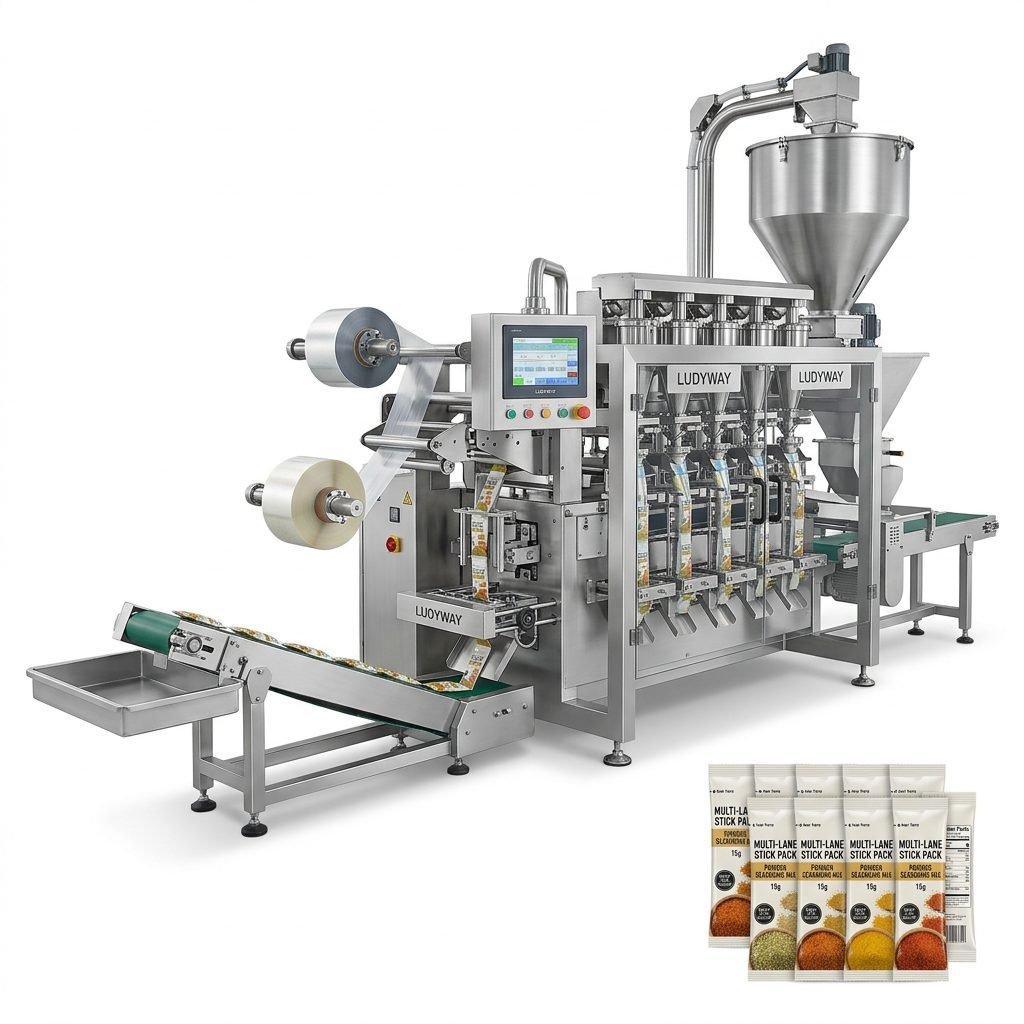
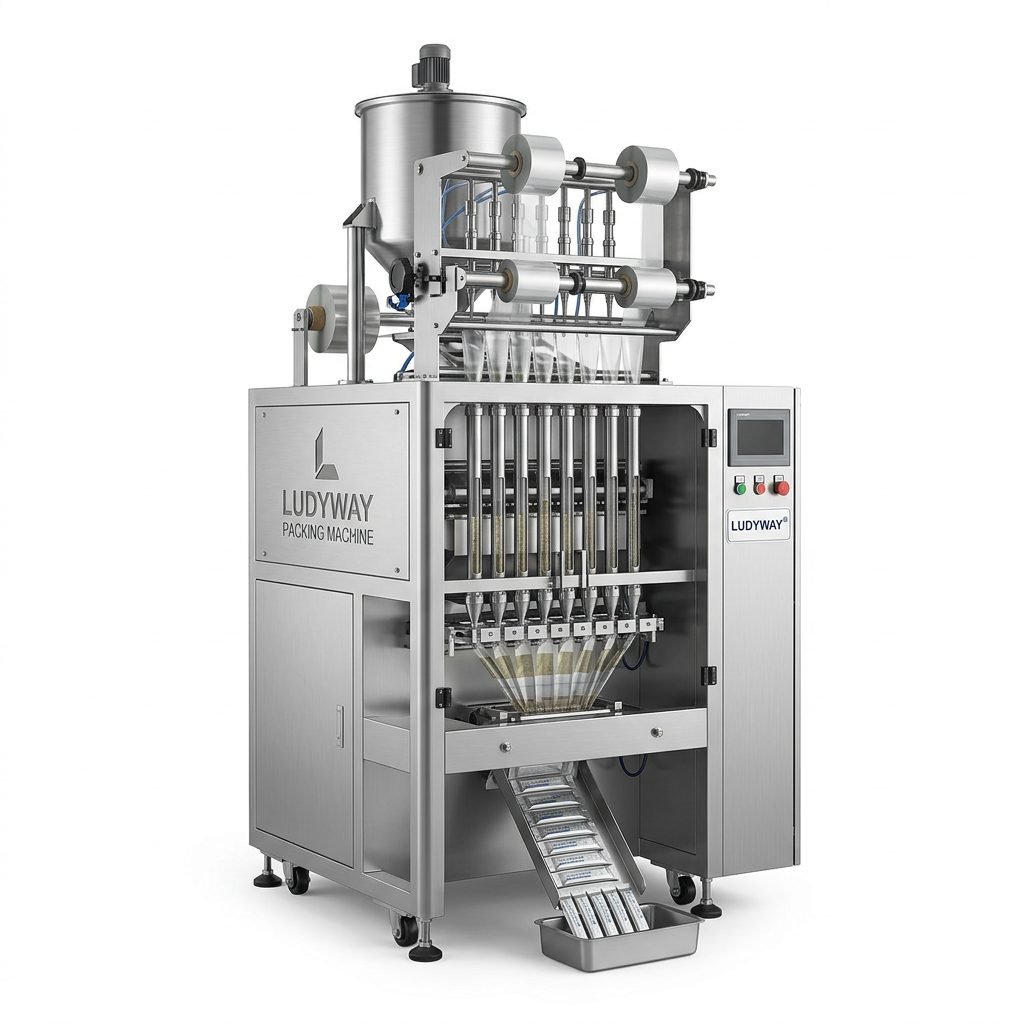
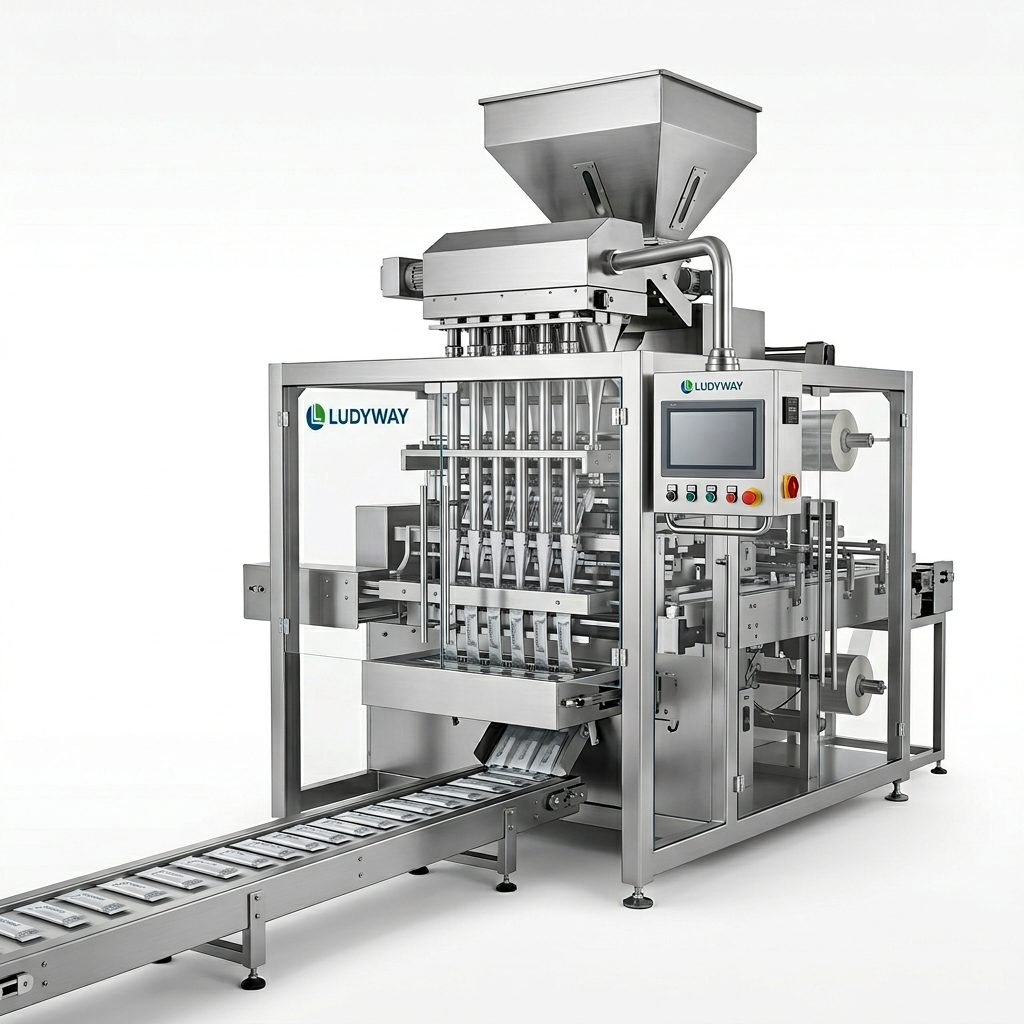
- Stick packs — ideal for single-serve powders, instant beverages, and pharmaceutical doses
- Sachets — widely used for sauces, shampoos, creams, and sample products
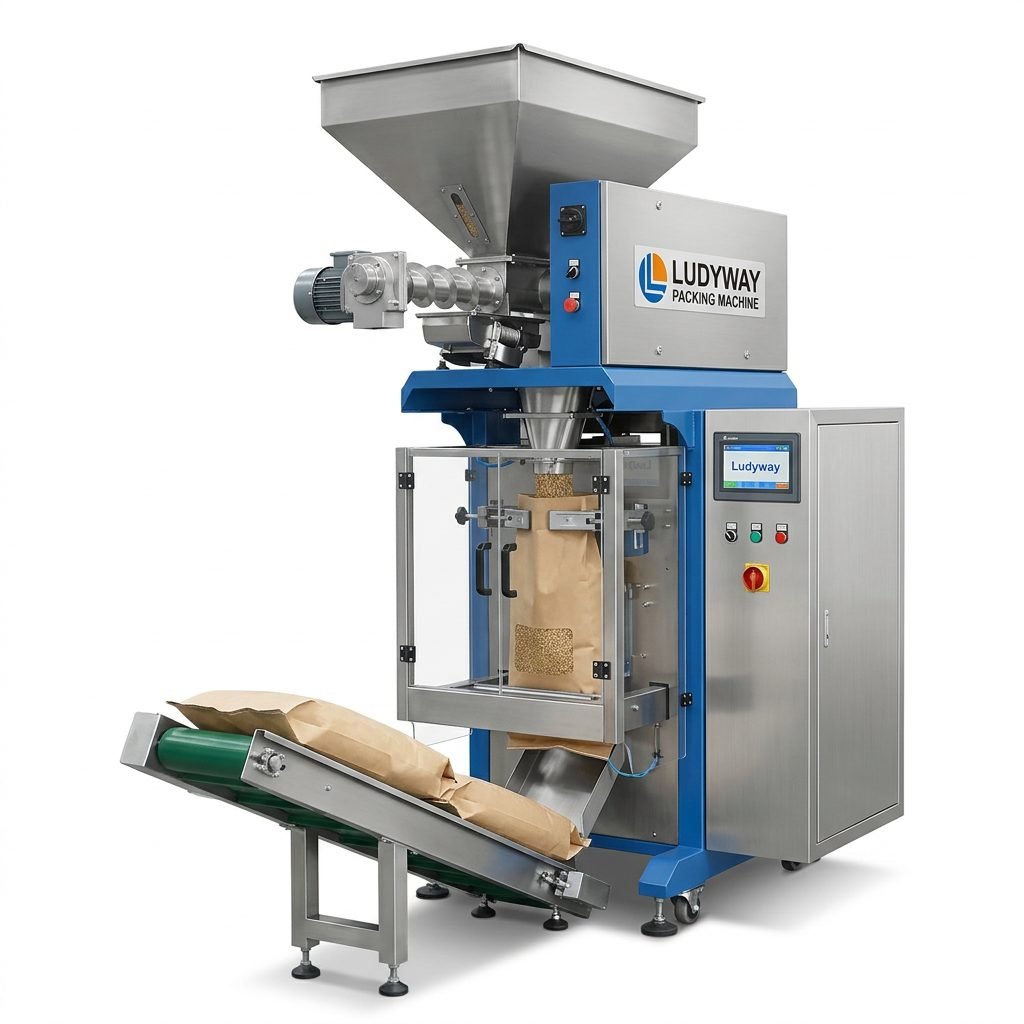
- Pouches — suitable for larger volumes, snacks, pet food, and bulk items
- Bottles and jars — for liquids, tablets, capsules, and cosmetic products
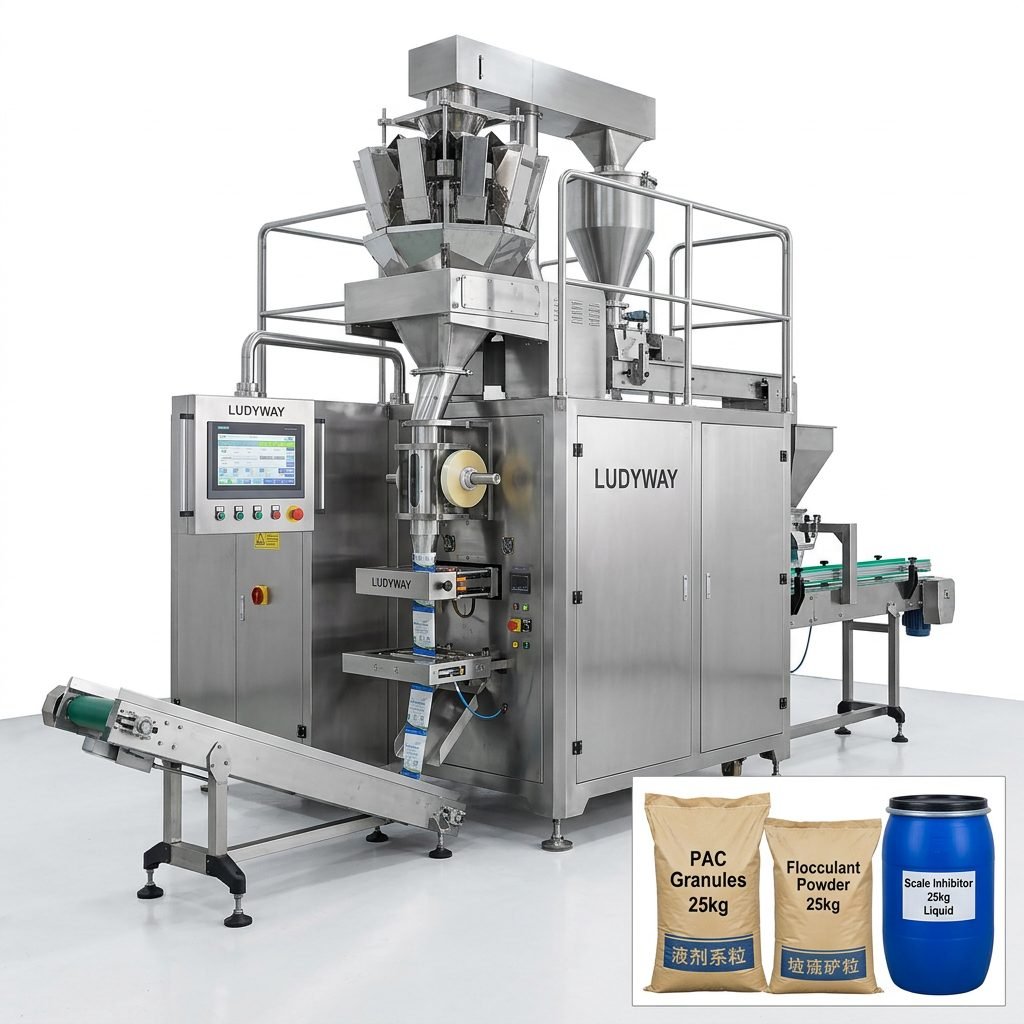
- Bulk bags — for industrial powders, fertilizers, and large-scale packaging
Selecting the right flexible packaging format is essential for both consumer appeal and production efficiency.
3. Production Speed and Output Capacity
Production speed requirements vary significantly across industries. A small-scale manufacturer may need a Theli packing machine capable of 30-60 packs per minute, while a high-volume food or pharmaceutical producer may require multi-lane systems delivering hundreds of units per minute. When evaluating speed, consider not just the rated maximum speed but also the sustained operating speed under real production conditions, including changeover time and cleaning requirements.
4. Filling Accuracy and Dosing Precision
For industries like pharmaceuticals, nutraceuticals, and high-value food products, dosing accuracy is non-negotiable. Modern Theli packing machines can be equipped with auger fillers, volumetric cup fillers, multi-head weighers, or piston fillers depending on the required precision. The FDA food packaging regulations and similar international standards often mandate strict tolerances that your equipment must consistently meet.
5. Automation Level and Line Integration
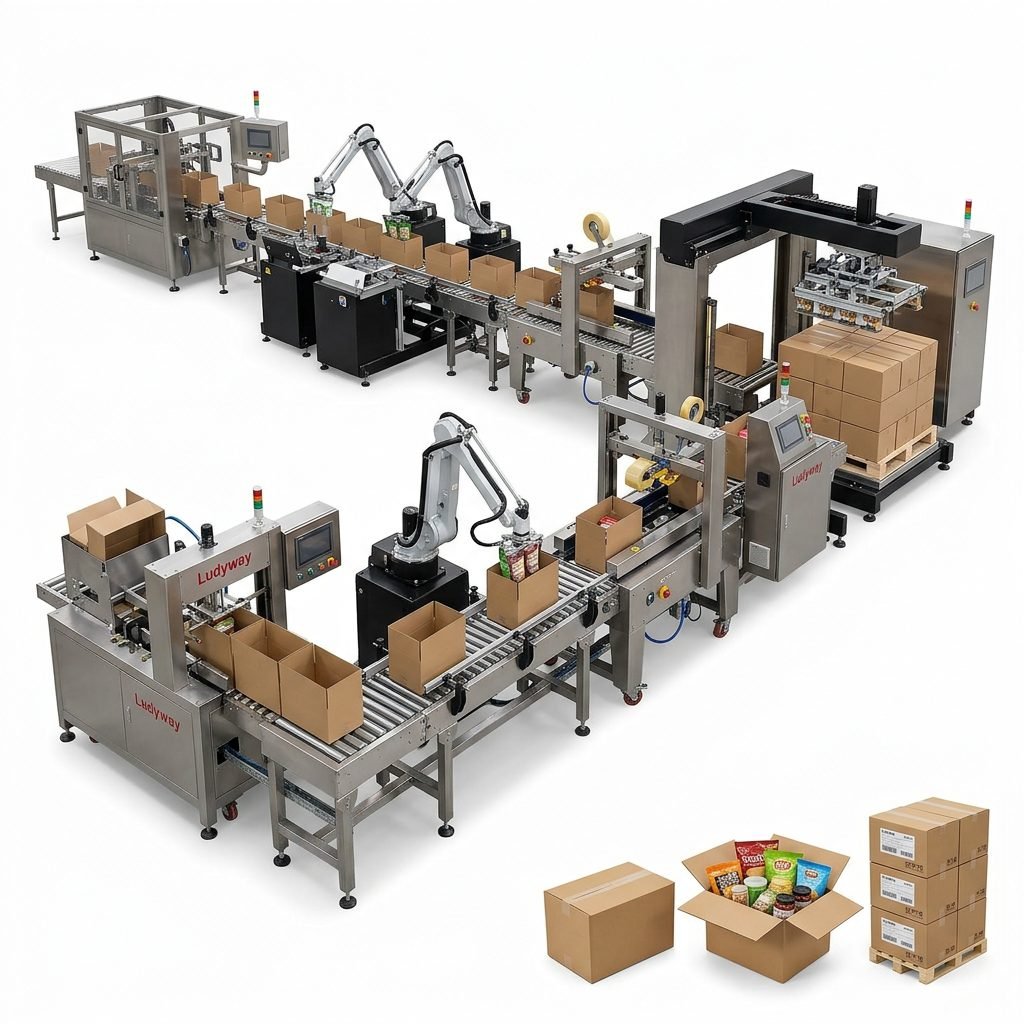
Consider whether you need a standalone packaging unit or a fully integrated system. A comprehensive Theli packing machine solution may include automatic feeding, dosing, filling, sealing, coding, inspection, cartoning, and palletizing. For manufacturers looking to scale production, investing in a turnkey packaging line from a single provider can reduce integration complexity and streamline technical support.
6. Budget and Return on Investment
While upfront cost is important, the total cost of ownership matters more. A cheaper machine that requires frequent maintenance, produces inconsistent output, or lacks after-sales support can end up costing far more over its lifetime. Evaluate Theli packing machine options based on build quality, energy efficiency, spare parts availability, and the manufacturer’s reputation for reliability.
Comparing Different Theli Packing Machine Configurations
The table below summarizes typical configurations available for different product types and packaging formats:
| Product Type | Recommended Configuration | Packaging Format | Typical Speed Range |
|---|---|---|---|
| Free-flowing granules | Multi-lane stick pack / sachet | Stick packs, sachets | 60-600 packs/min |
| Fine powders | Auger filler with dust control | Sachets, pouches | 30-200 packs/min |
| Liquids and pastes | Piston or pump filling system | Sachets, stick packs | 40-400 packs/min |
| Tablets and capsules | Counting and blister packaging | Blister packs, bottles | 50-500 units/min |
| Bulk solids | Weighing and bagging system | Bulk bags (25-50 kg) | 5-20 bags/min |
Evaluating Build Quality and Compliance Standards
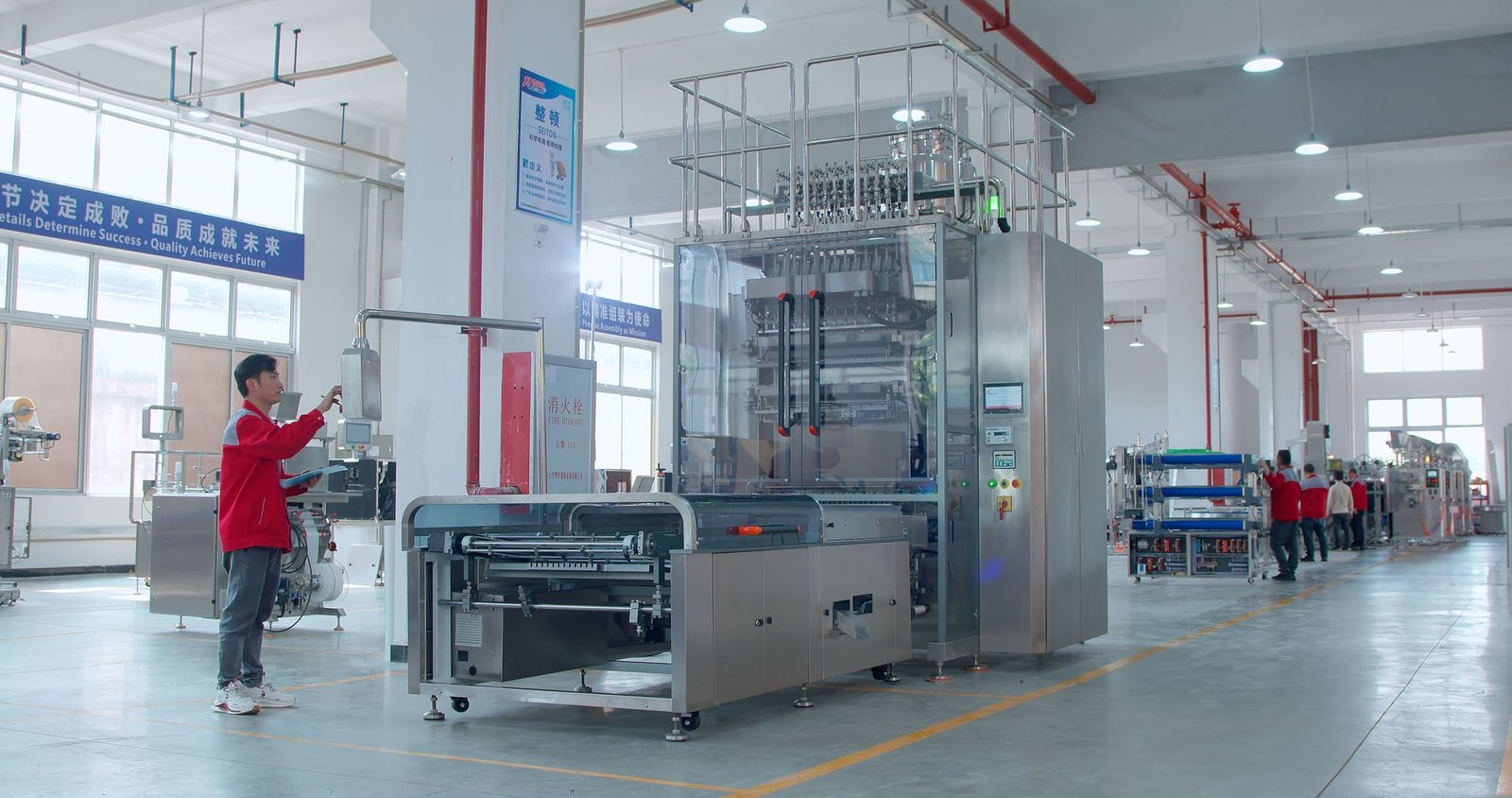
A high-quality Theli packing machine should be built with durable materials, precision-engineered components, and reliable automation systems. Look for manufacturers that work with established industrial automation and component suppliers for control systems, pneumatics, and electrical assemblies. If your products are destined for regulated markets, verify that the equipment can be configured to meet ISO 11607 packaging standards and other applicable packaging machinery standards and regulations.
After-Sales Support and Technical Service
Packaging equipment is a long-term investment, and the level of after-sales support you receive can significantly affect your operational uptime. When purchasing a Theli packing machine, evaluate the following support aspects:
- Installation and commissioning — does the manufacturer provide on-site setup?
- Operator training — is comprehensive training included for your team?
- Spare parts availability — how quickly can replacement parts be shipped?
- Remote technical assistance — can the manufacturer troubleshoot issues remotely?
- Warranty coverage — what is the warranty period and what does it cover?
- Ongoing maintenance support — are preventive maintenance programs available?
Manufacturers that provide global technical support and have experience serving customers in multiple countries are often better positioned to offer reliable long-term service.
Customization vs. Standardized Machines
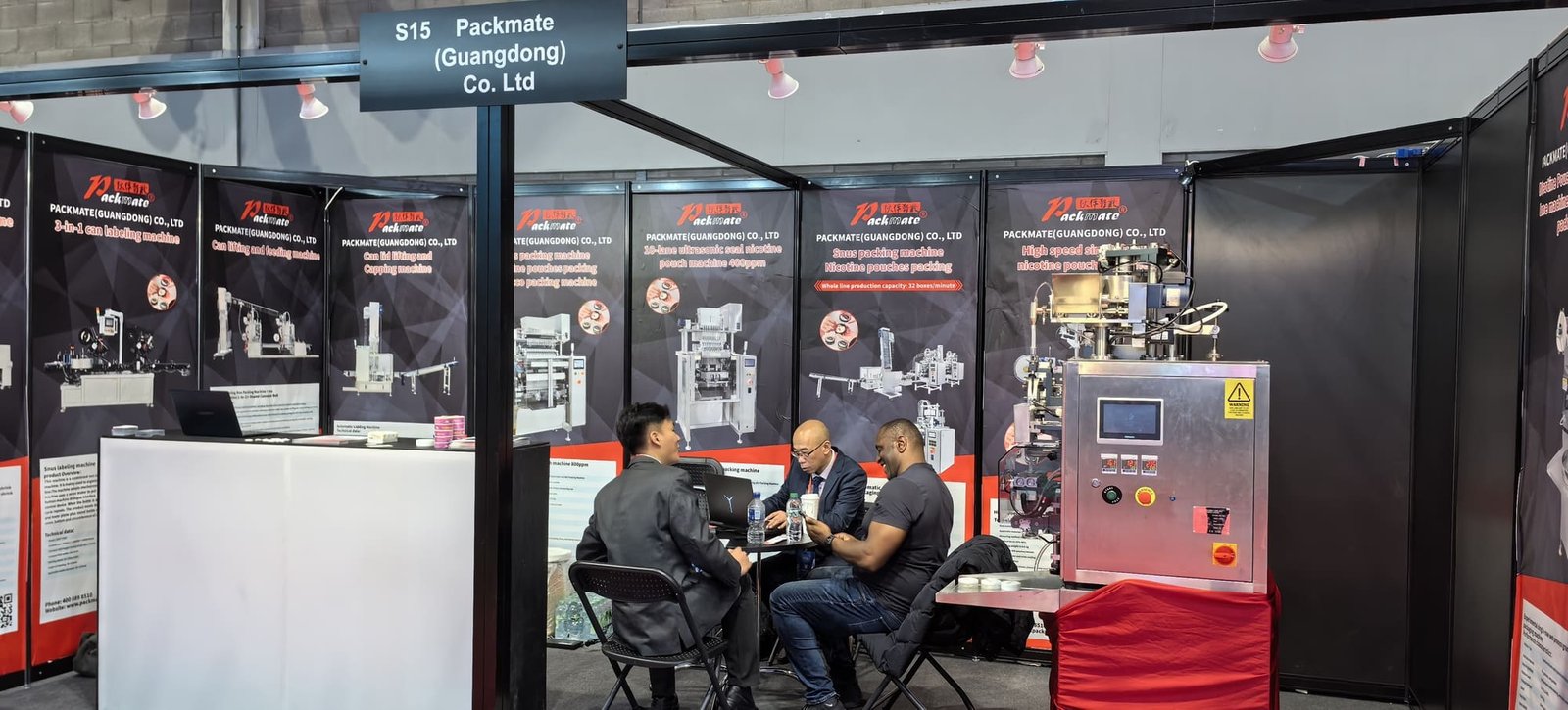
Not all packaging requirements can be met with off-the-shelf equipment. Product characteristics, bag sizes, filling volumes, and factory layouts can all affect the appropriate equipment configuration. A reputable Theli packing machine provider should offer customized engineering solutions rather than relying solely on standardized machines. The technical team should be able to evaluate your product and packaging requirements and recommend an appropriate machine configuration or complete packaging line tailored to your needs.
Working with a Reliable Packaging Machinery Partner
Choosing the right equipment partner is just as important as choosing the right machine. Ludyway Machinery is a China-based packaging machinery manufacturer with more than 30 years of experience in the packaging industry. With a 20,000-square-meter manufacturing facility, more than 130 professionals, and over 50 packaging machine models, the company provides automated packaging equipment and turnkey solutions for manufacturers worldwide. Ludyway serves customers in more than 100 countries and regions, with packaging machinery configured for powders, granules, liquids, stick packs, sachets, pouches, and other flexible packaging applications. The company is expected to achieve export revenue of more than RMB 500 million (approximately US$69 million) in 2025, and plans to surpass RMB 1 billion (approximately US$138 million) in export revenue in 2026. Whether you need a single Theli packing machine or a complete state-of-the-industry packaging line, partnering with an experienced manufacturer ensures you receive the right equipment, engineering support, and after-sales service for your production goals.
Final Checklist Before Making Your Purchase
- ✓ Define your product type, packaging format, and production speed requirements
- ✓ Verify machine compatibility with your packaging materials
- ✓ Assess dosing accuracy and filling precision for your application
- ✓ Evaluate build quality, automation components, and compliance certifications
- ✓ Review after-sales support, warranty, and spare parts availability
- ✓ Consider customization needs and the manufacturer’s engineering capabilities
- ✓ Request references, visit the facility if possible, and review real-world performance data
Selecting the right Theli packing machine requires careful consideration of your product, production goals, budget, and the manufacturer’s capabilities. By following this guide and working with an experienced packaging machinery partner, you can make an informed decision that supports your long-term production success. For further reading, explore resources from the PMMI Association for Packaging and Processing Technologies and the Flexible Packaging Association to stay current with industry trends and standards.