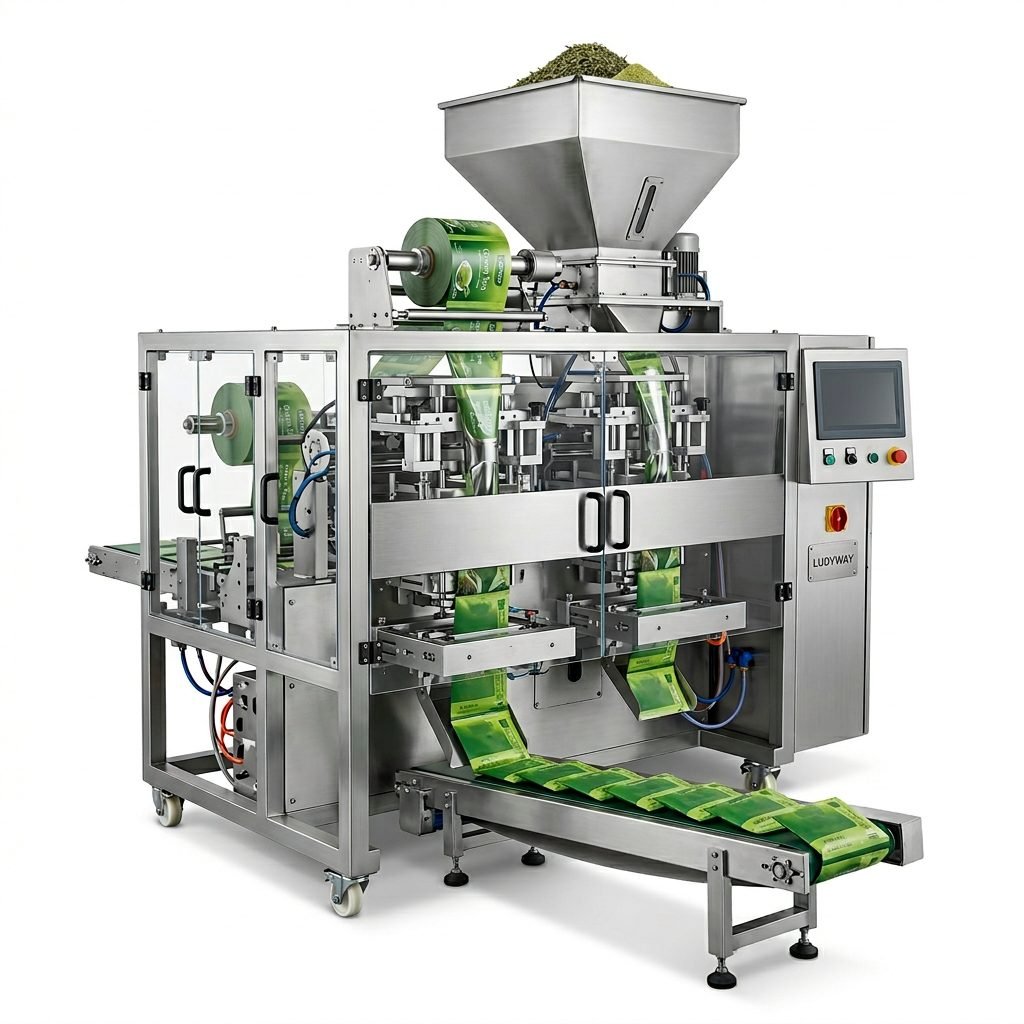
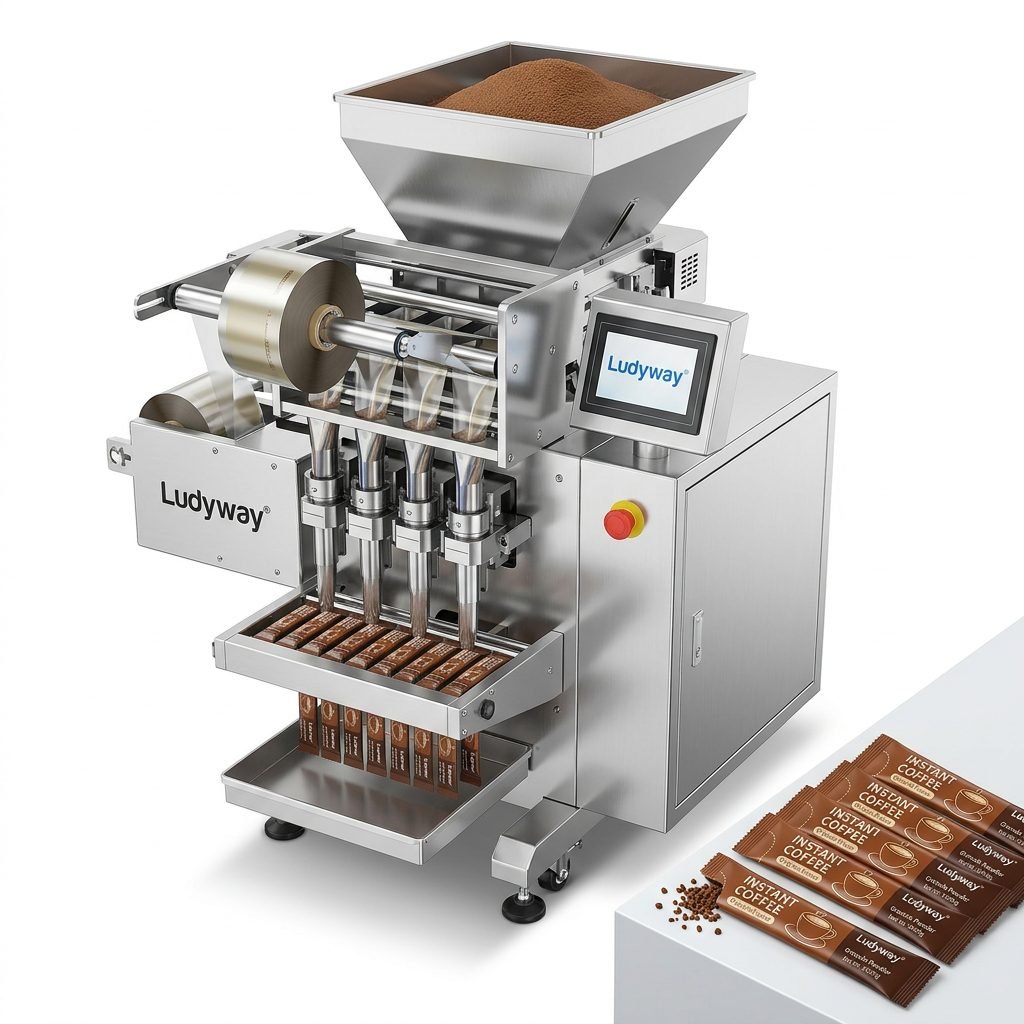
In modern agriculture, fertilizer producers need packaging equipment that can handle high throughput, precise dosing, and stable sealing performance across different product types. Whether you are packing organic fertilizer powder, compound fertilizer granules, or blended soil nutrients, the right packaging solution can directly improve output, reduce waste, and support a more professional product presentation in the market.
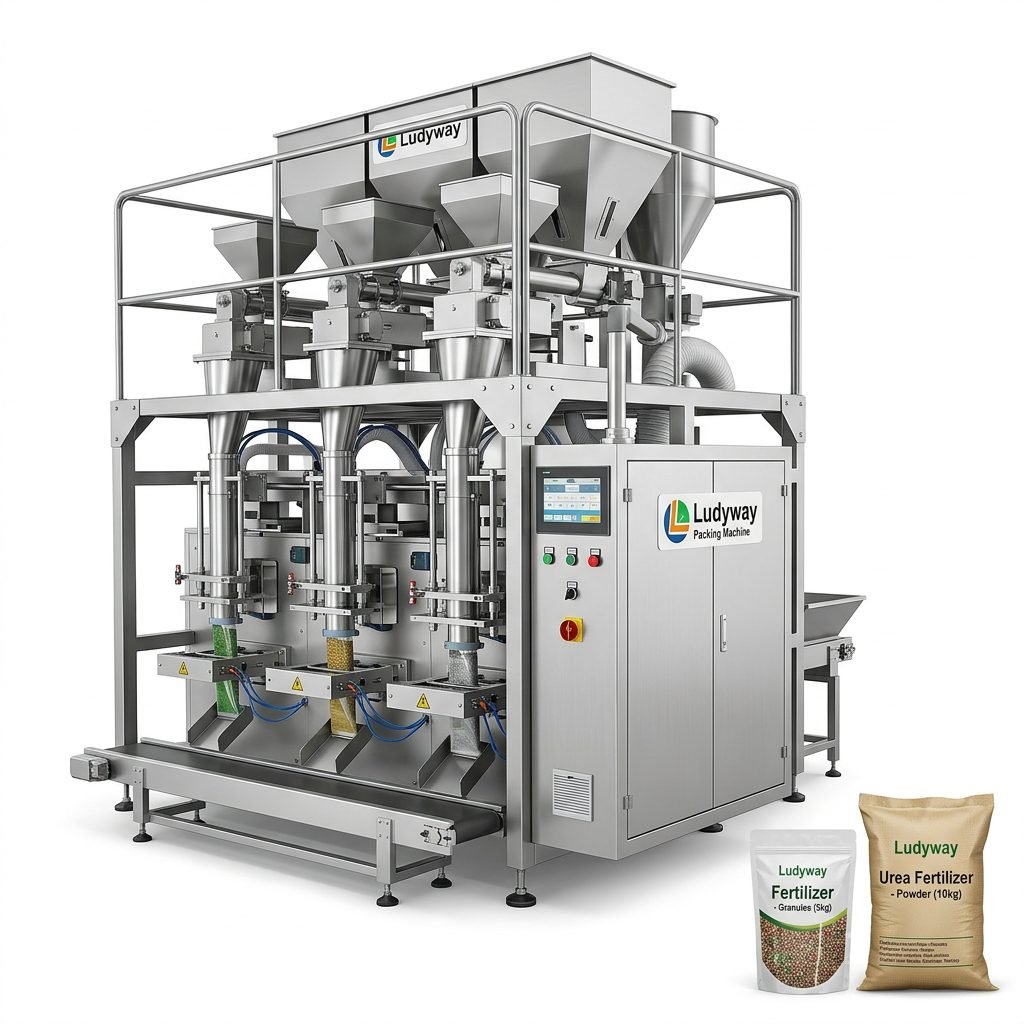
A well-designed fertilizer packaging machine helps manufacturers and distributors maintain consistent bag weights, lower labor dependence, and adapt to different bag sizes for wholesale, retail, or export requirements. For operations seeking scalable automation, working with an experienced supplier such as Ludyway fertilizer packaging machine solutions can provide a practical path toward efficient and reliable packaging performance.
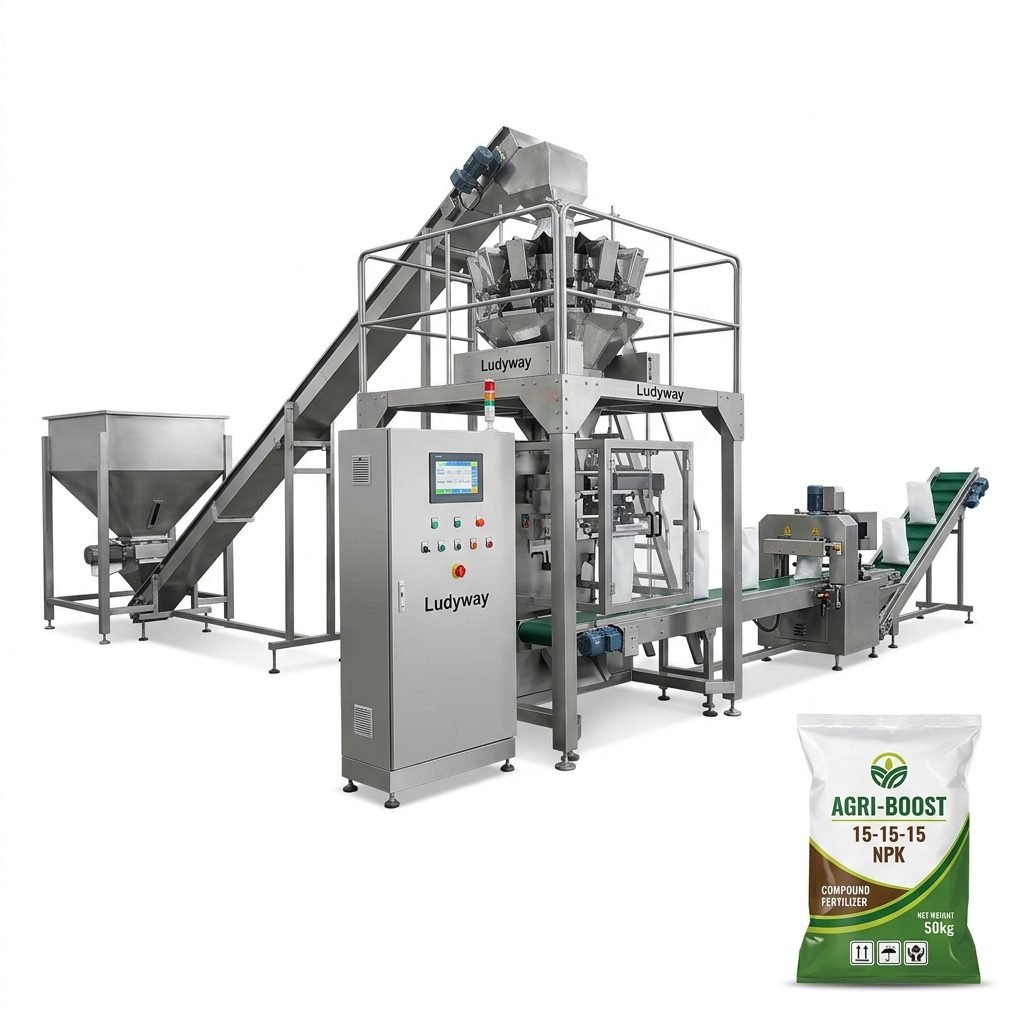
Why fertilizer packaging accuracy matters
Fertilizer is sold by weight, so even small filling deviations can affect cost control, compliance, and customer trust. Accurate packaging is especially important for:
- Retail-ready bags where consistency influences shelf appeal and brand credibility
- Bulk agricultural supply where overweight bags increase material loss over time
- Export packaging where packaging standards and labeling precision are closely checked
- Specialty fertilizers such as micronutrient blends or water-soluble powders that require tighter filling control
Precise weighing and filling also reduce dust, spillage, and manual correction during production. This creates a cleaner workshop and a more stable packing process, especially in medium- and large-scale fertilizer plants.
Common fertilizer products suitable for automated packing
Fertilizer packaging machines are designed for a wide range of agricultural materials. The ideal configuration depends on product flowability, particle size, moisture level, bag type, and production target.
| Fertilizer Type | Typical Form | Recommended Packaging Approach |
|---|---|---|
| Compound fertilizer | Granules | Automatic weighing, bagging, sealing, and palletizing |
| Organic fertilizer | Powder or granules | Screw or gravity feeding with dust-control support |
| Water-soluble fertilizer | Fine powder | High-precision powder filling with sealed discharge |
| Bio-fertilizer | Powder or micro-granules | Gentle handling and accurate low-weight filling |
| Soil conditioner | Powder / granules | Open-mouth bagging or valve bag packaging system |
Key features of an efficient fertilizer packaging machine
Not all machines offer the same productivity or long-term value. A high-performance system should combine speed, stability, and flexibility. Important features include:
1. Accurate weighing control
Advanced load-cell weighing systems help maintain target bag weight and reduce giveaway. This is essential for products sold in 5 kg, 10 kg, 25 kg, or 50 kg bags.
2. Adaptability to powders and granules
Fertilizer materials vary greatly in density and flow behavior. Machines should support different feeding methods such as screw feeding, gravity feeding, or belt feeding for stable filling results.
3. Fast bagging and sealing
High-speed operation supports larger production demands while maintaining seal quality. Reliable closing methods include heat sealing, sewing, and ultrasonic or specialized closure options depending on bag material.
4. Dust control and cleaner production
Fine fertilizer powders can create airborne dust during filling. Enclosed systems and dust extraction interfaces improve workplace cleanliness and reduce material loss.
5. Modular automation
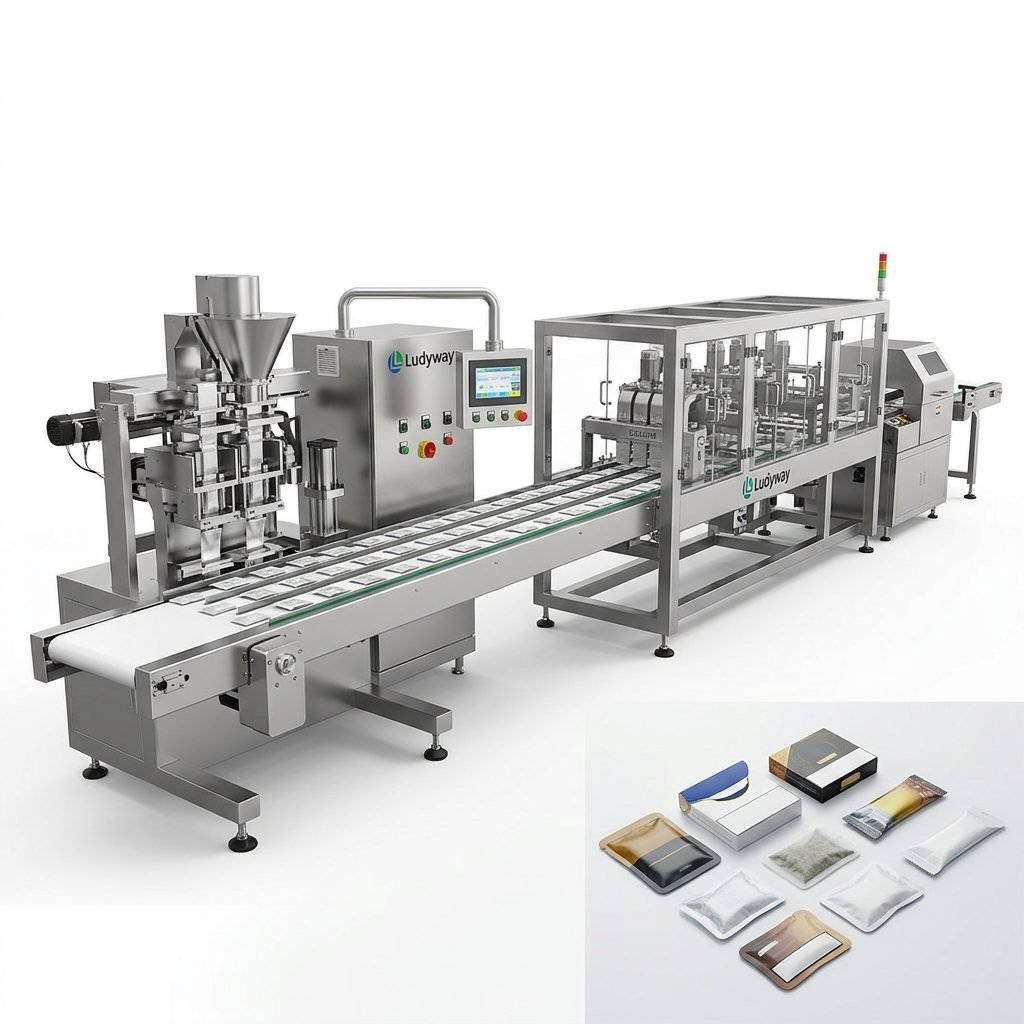
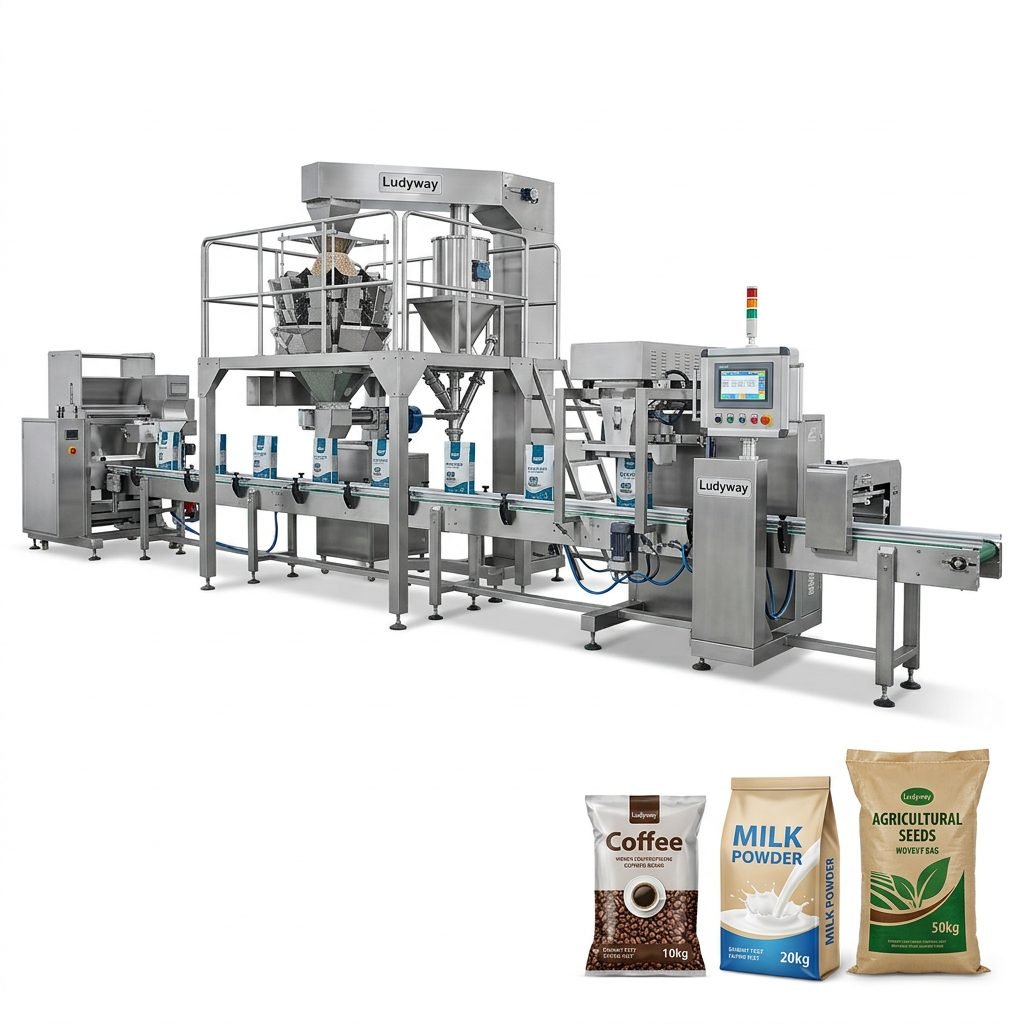
Many producers prefer equipment that can start with automatic filling and later expand to include conveying, metal detection, checkweighing, coding, cartoning, palletizing, or full line integration.
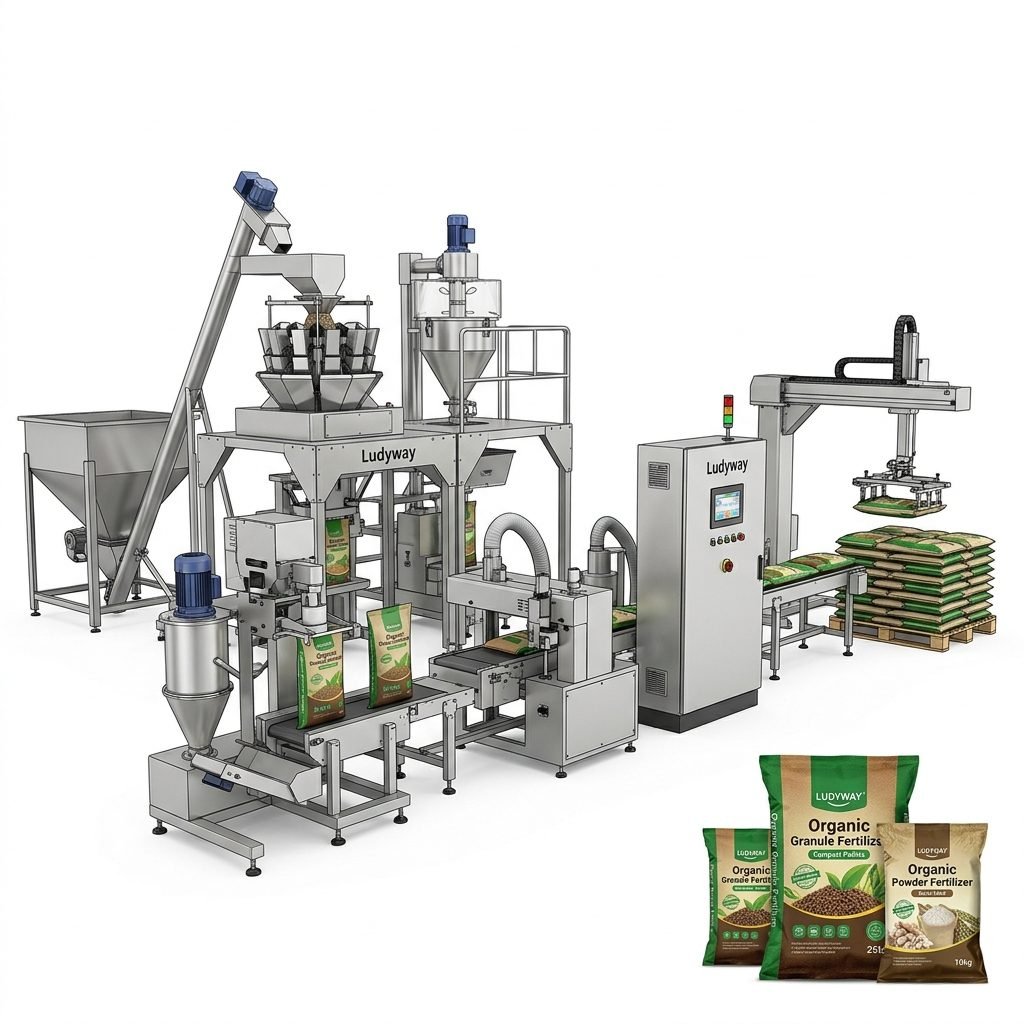
Types of fertilizer packaging machines
The most suitable machine depends on your product format, packaging style, and production volume. Below are some common solutions used in the fertilizer industry.
Open-mouth bag packaging machine
This type is widely used for larger fertilizer bags. It is suitable for granular and powder products packed into pre-made open-mouth bags. The machine can be integrated with automatic weighing, bag clamping, filling, bag transfer, sewing, and palletizing.
Valve bag filling machine
Valve bag systems are commonly chosen for powdered fertilizers where sealed, dust-reduced filling is important. They are often used for fine and dry products that benefit from compact bag presentation and efficient transport.
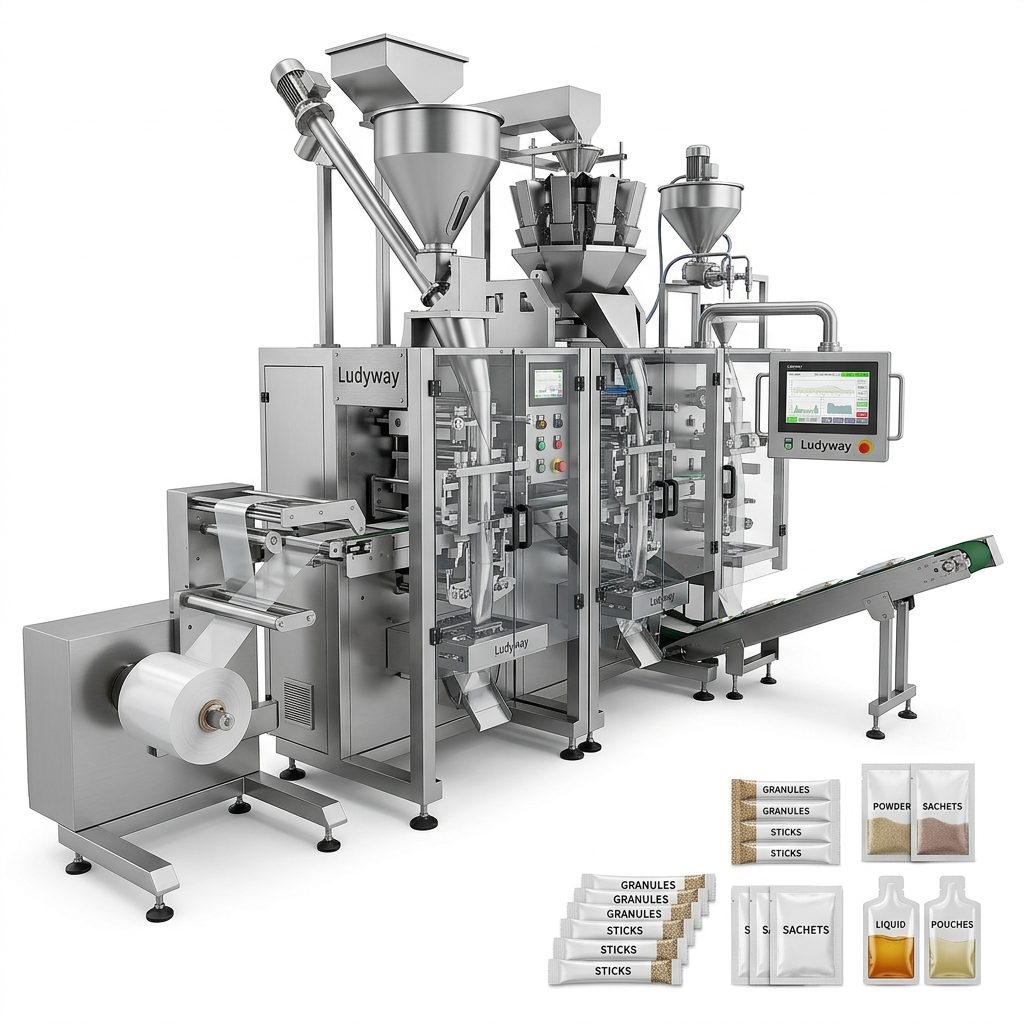
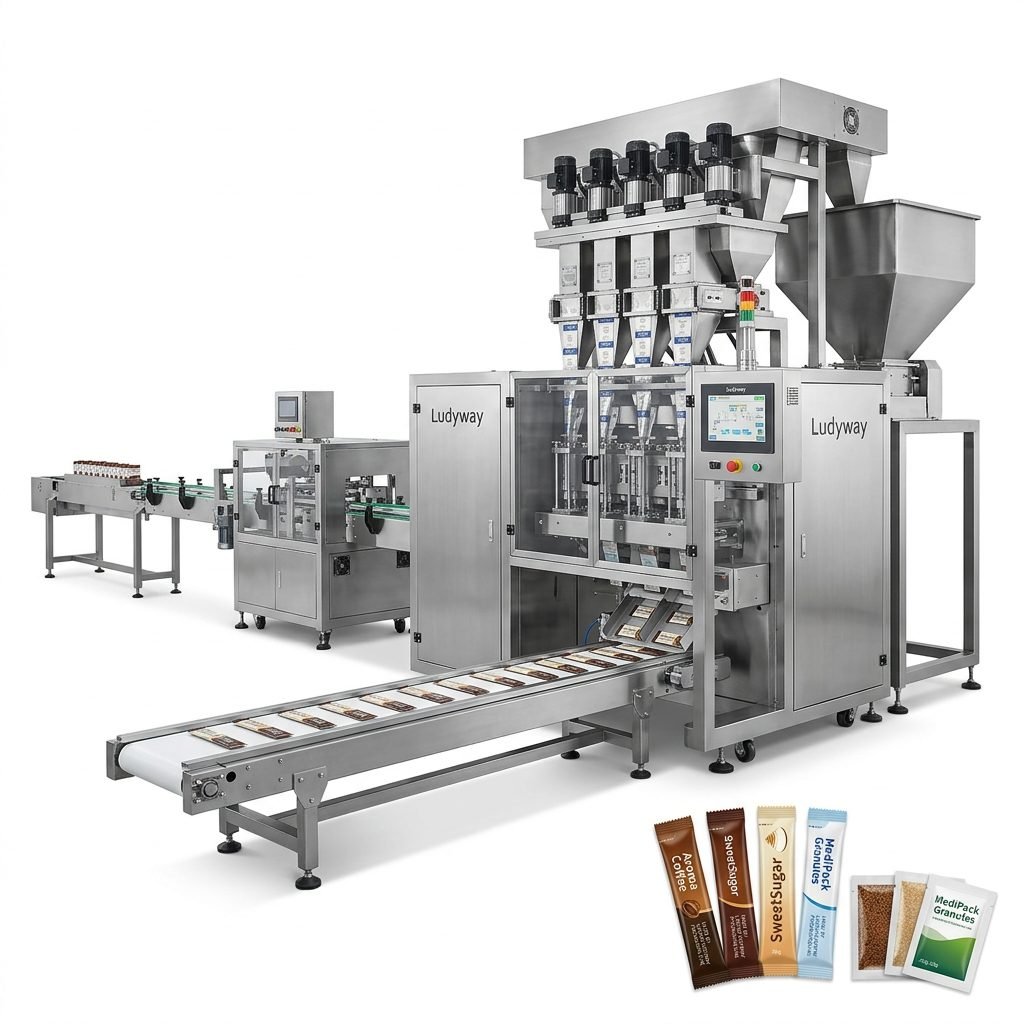
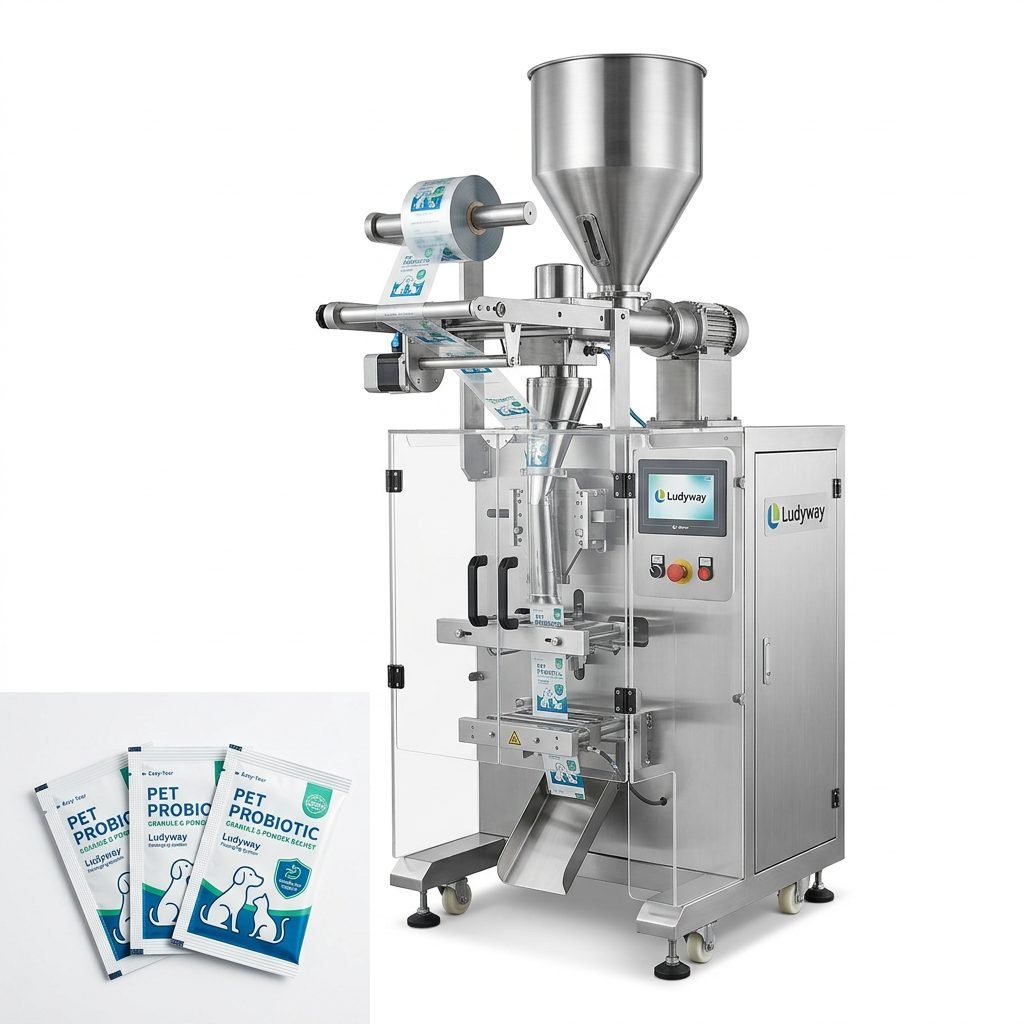
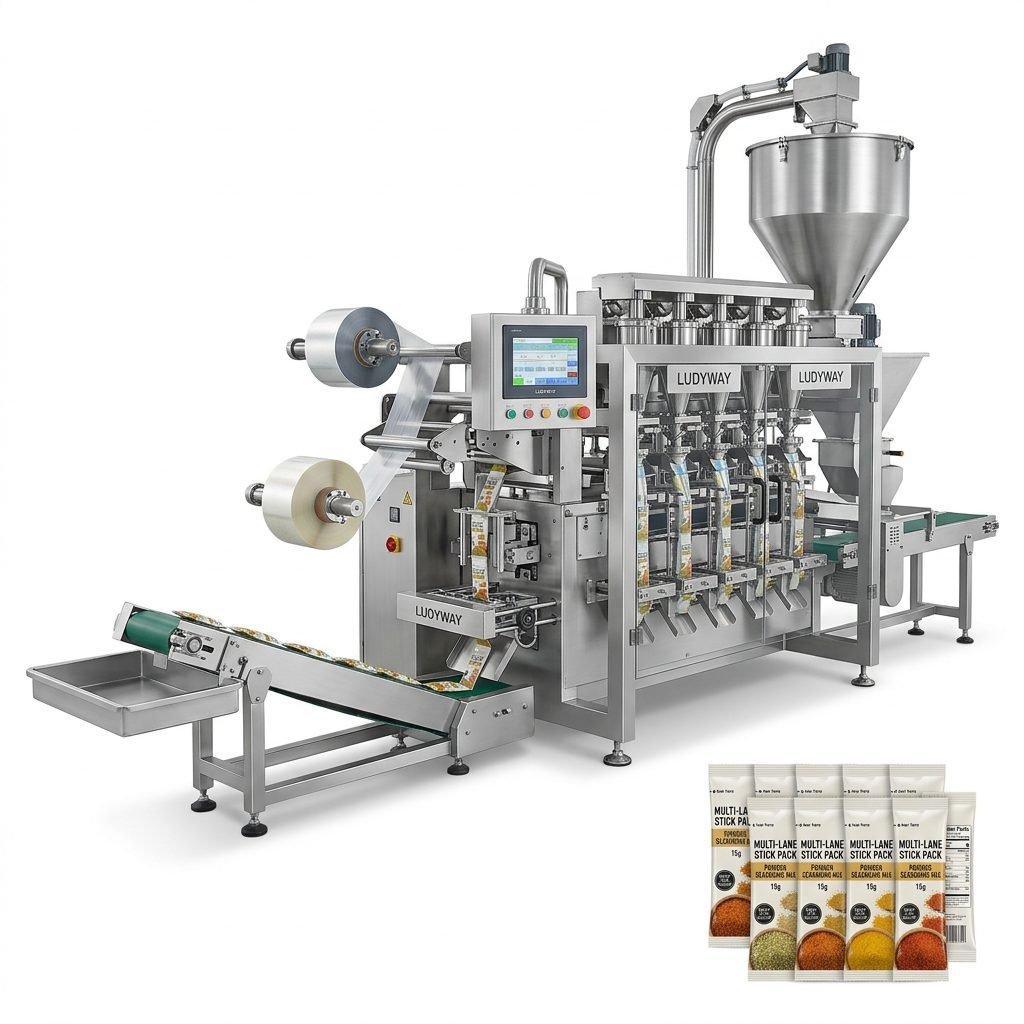
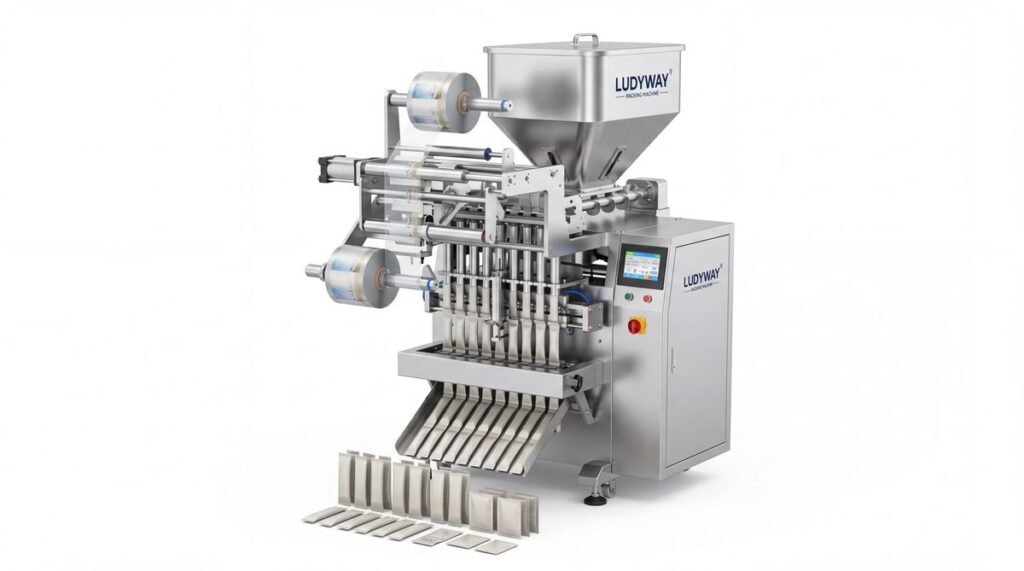
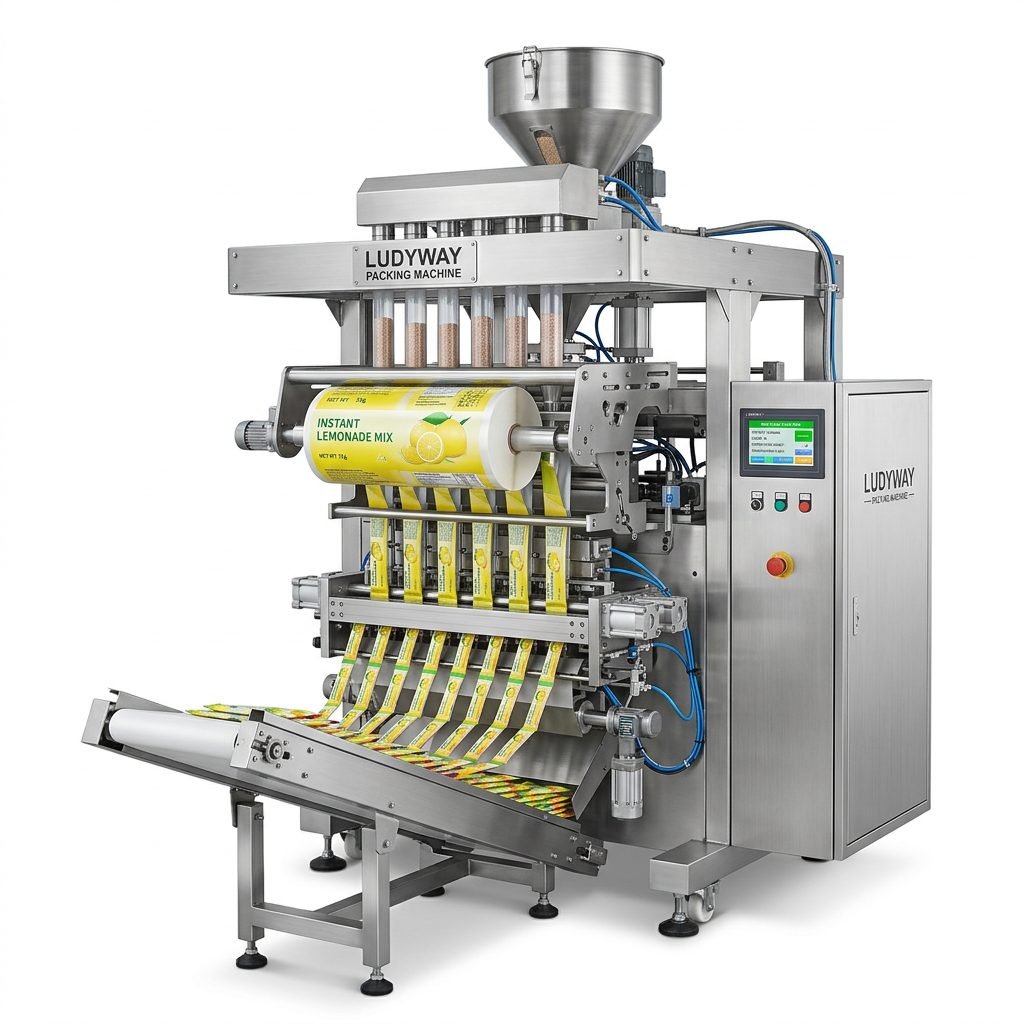
Form-fill-seal systems for smaller packs
For specialty fertilizer products, seed treatment additives, or retail garden nutrients, form-fill-seal machines can create smaller sachets or pouches automatically. These systems are useful for promotional, consumer, or e-commerce packaging formats.
Bulk bag filling systems
For high-volume industrial agriculture supply, bulk bag fillers are ideal for jumbo bags. These systems are designed to improve speed and reduce labor in warehouse and distribution environments.
How automation improves fertilizer packing speed
Manual or semi-automatic packaging may be acceptable for very small operations, but scaling up usually requires a more automated workflow. A complete fertilizer packaging line can include:
- Raw material feeding and conveying
- Automatic weighing and dosing
- Bag placing or bag forming
- Filling and compaction
- Sealing or sewing
- Printing and coding
- Checkweighing and inspection
- Robotic palletizing and end-of-line handling
By reducing manual handling between each stage, manufacturers can achieve faster cycle times, more consistent bag quality, and better labor efficiency. This is especially valuable during peak farming seasons when packaging demand rises sharply.
Choosing the right machine for your fertilizer business
Before selecting equipment, it is important to evaluate technical and commercial requirements carefully. The following factors can help guide the decision.
| Selection Factor | Why It Matters |
|---|---|
| Material characteristics | Flowability, dust level, moisture, and granule size affect feeder and weighing design |
| Bag size range | Impacts machine structure, discharge speed, and sealing method |
| Output target | Determines whether a semi-auto or full-auto solution is more suitable |
| Packaging material | Woven bags, PE bags, paper bags, and valve bags need different handling systems |
| Future expansion | A modular line supports growth without fully replacing equipment |
Benefits of investing in a modern fertilizer packaging line
- Reduced product loss through better weighing accuracy and cleaner filling
- Higher packaging speed for seasonal and high-volume demand
- Lower labor costs with automated bagging and handling
- Improved bag appearance for stronger distributor and retail acceptance
- More stable production with less dependency on manual operation
- Easier quality control through consistent pack weights and integrated inspection
Industries and users that benefit most
Fertilizer packaging equipment is suitable for a wide range of users across the agricultural supply chain, including:
- Fertilizer manufacturers
- Organic input producers
- Agricultural chemical companies
- Soil amendment and nutrient blending plants
- Garden care and retail fertilizer brands
- Export-oriented packaging and contract manufacturing businesses
What to expect from a reliable packaging machine supplier
Beyond the machine itself, supplier capability is a major part of project success. A dependable partner should offer:
- Application-based machine recommendation
- Custom configuration for bag size and fertilizer type
- Factory testing before shipment
- Installation guidance and operator training
- After-sales service and spare parts support
- Turnkey line planning when needed
For fertilizer companies planning to improve production efficiency, selecting a packaging system with the right automation level, weighing technology, and line integration capability is a smart long-term investment. The right equipment supports both current output goals and future expansion while helping maintain packaging quality across every bag.
Final considerations before purchase
When comparing fertilizer packaging machines, focus on total operational value rather than only initial price. Equipment that delivers stable performance, accurate filling, strong sealing, and easy maintenance often creates a better return over time. A machine built for your exact fertilizer characteristics can significantly improve production reliability and reduce avoidable losses.
If your production includes different fertilizer formulas, multiple bag sizes, or plans for integrated automation, a customized solution is often the most efficient option. From standalone bagging units to complete turnkey packaging lines, modern fertilizer packaging systems can help agricultural businesses pack faster, more accurately, and with greater consistency.