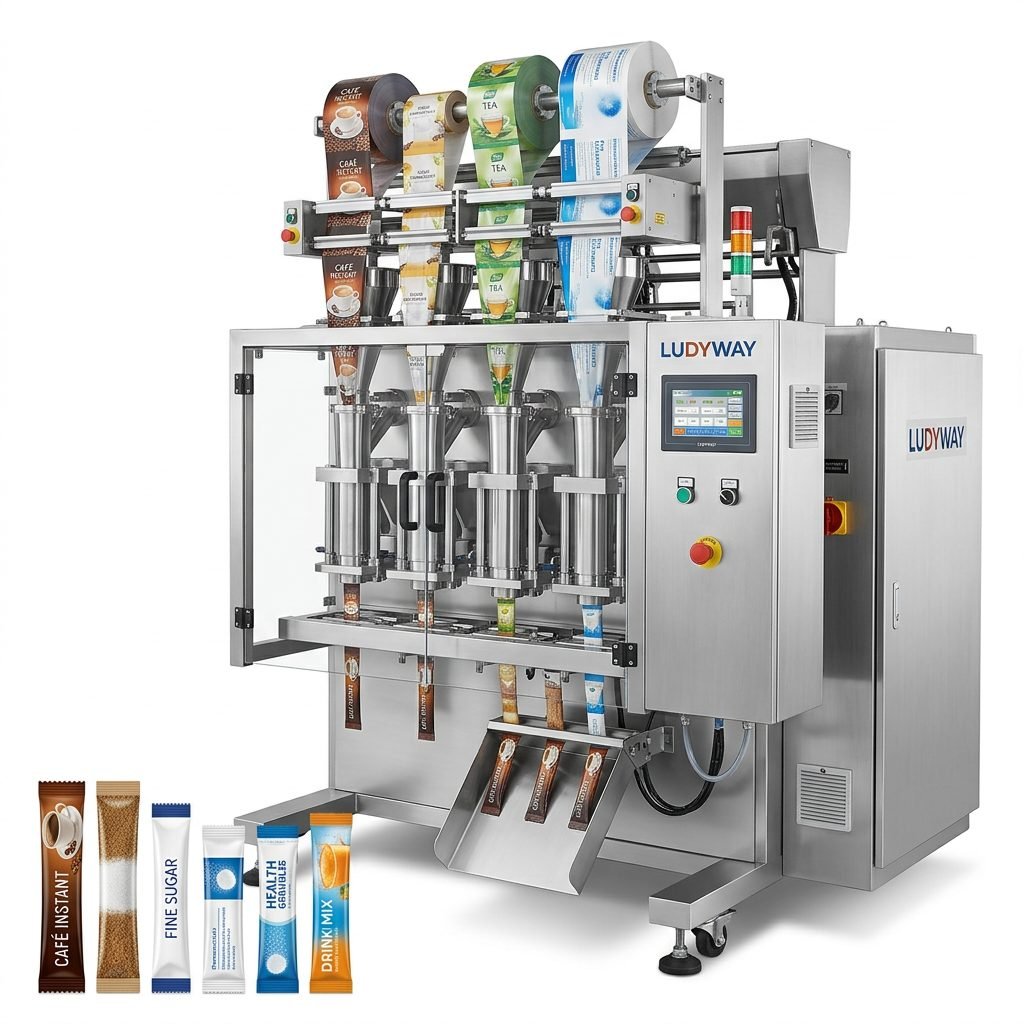
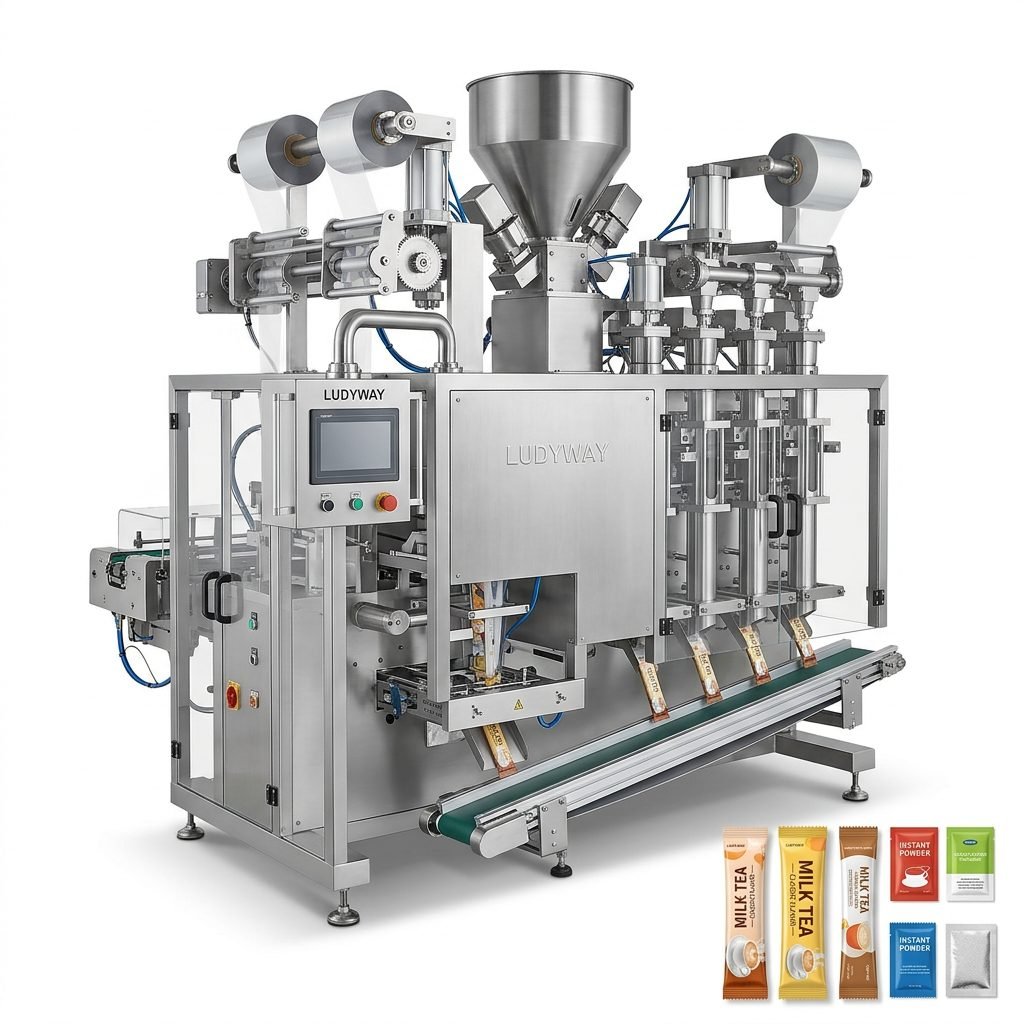
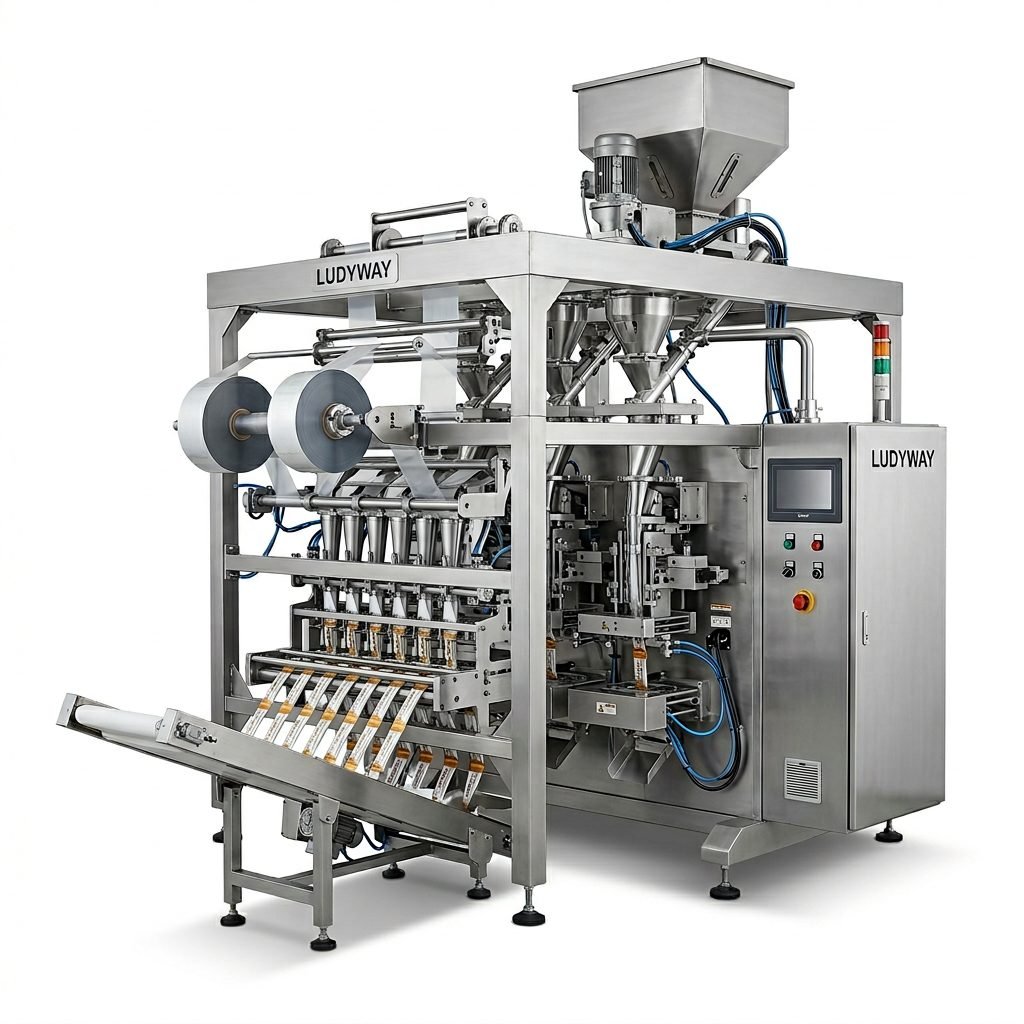
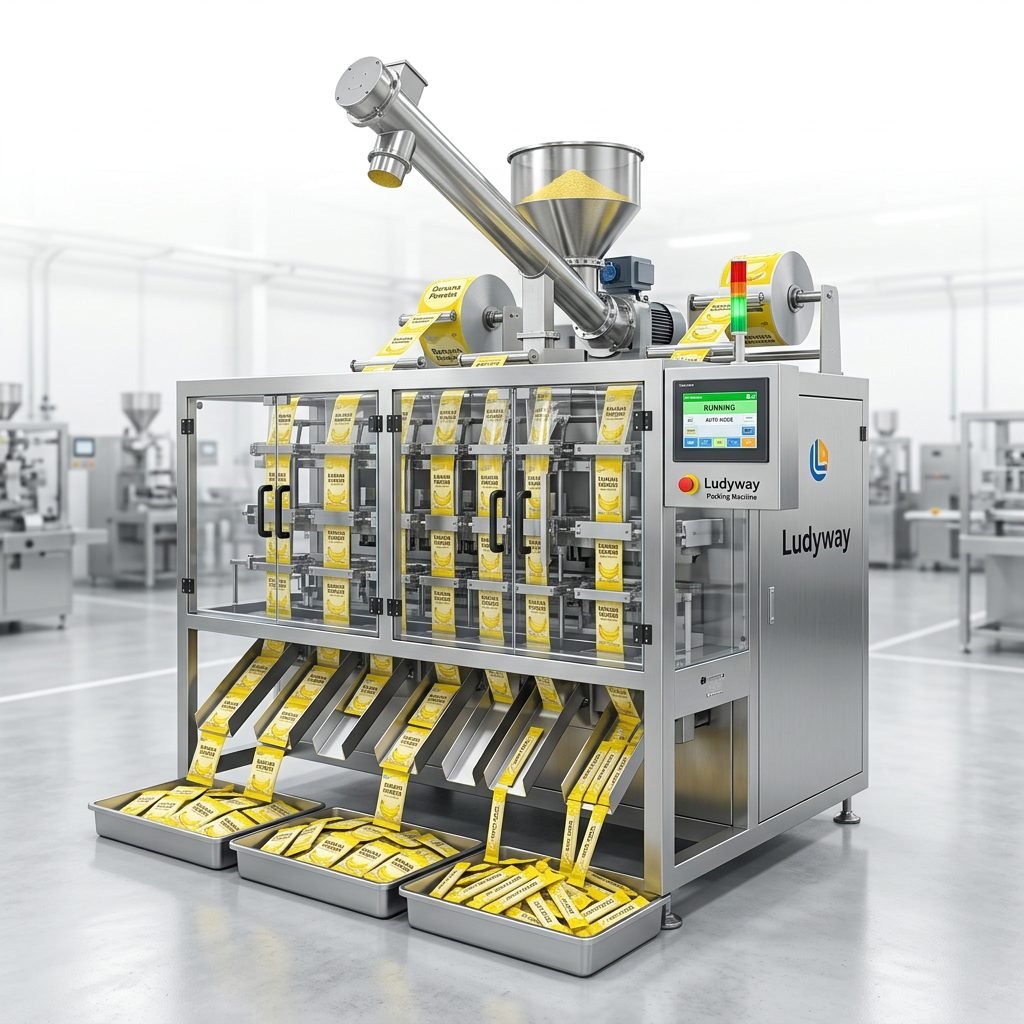
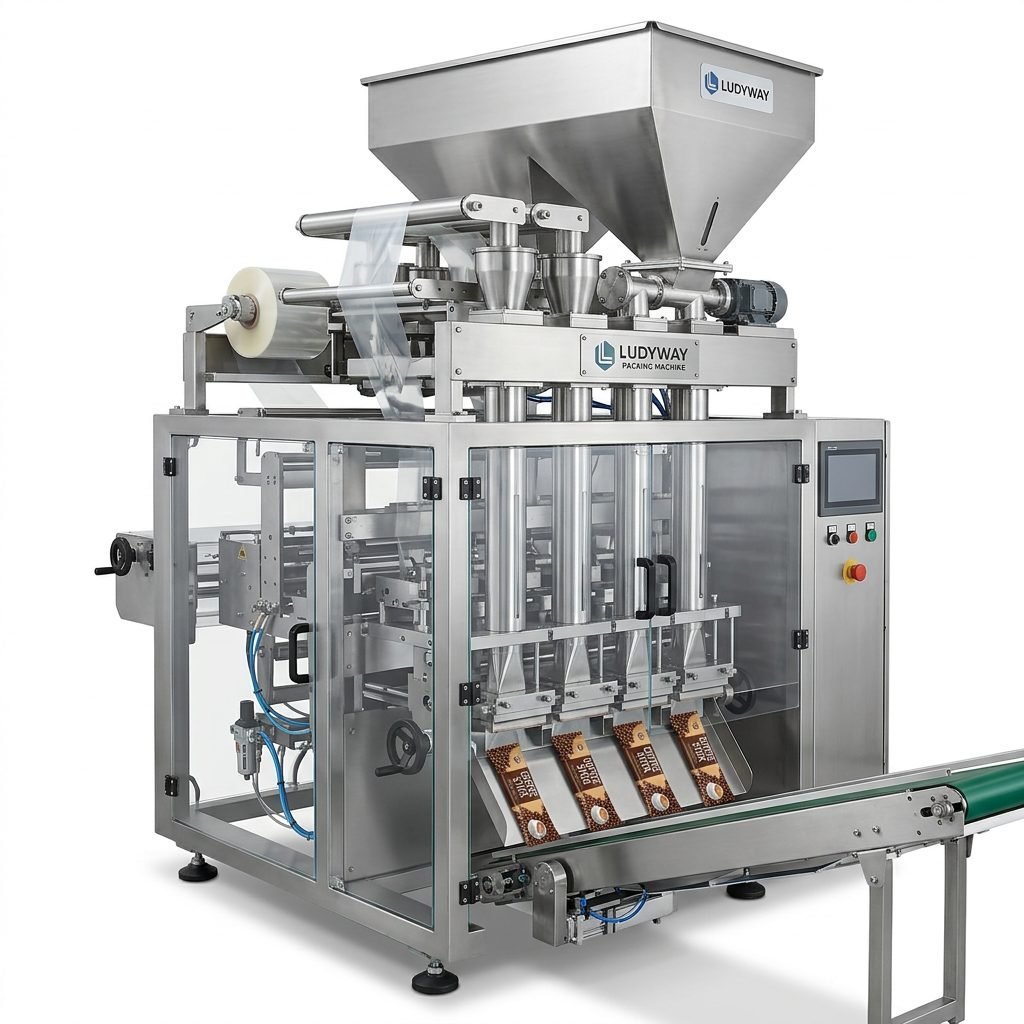
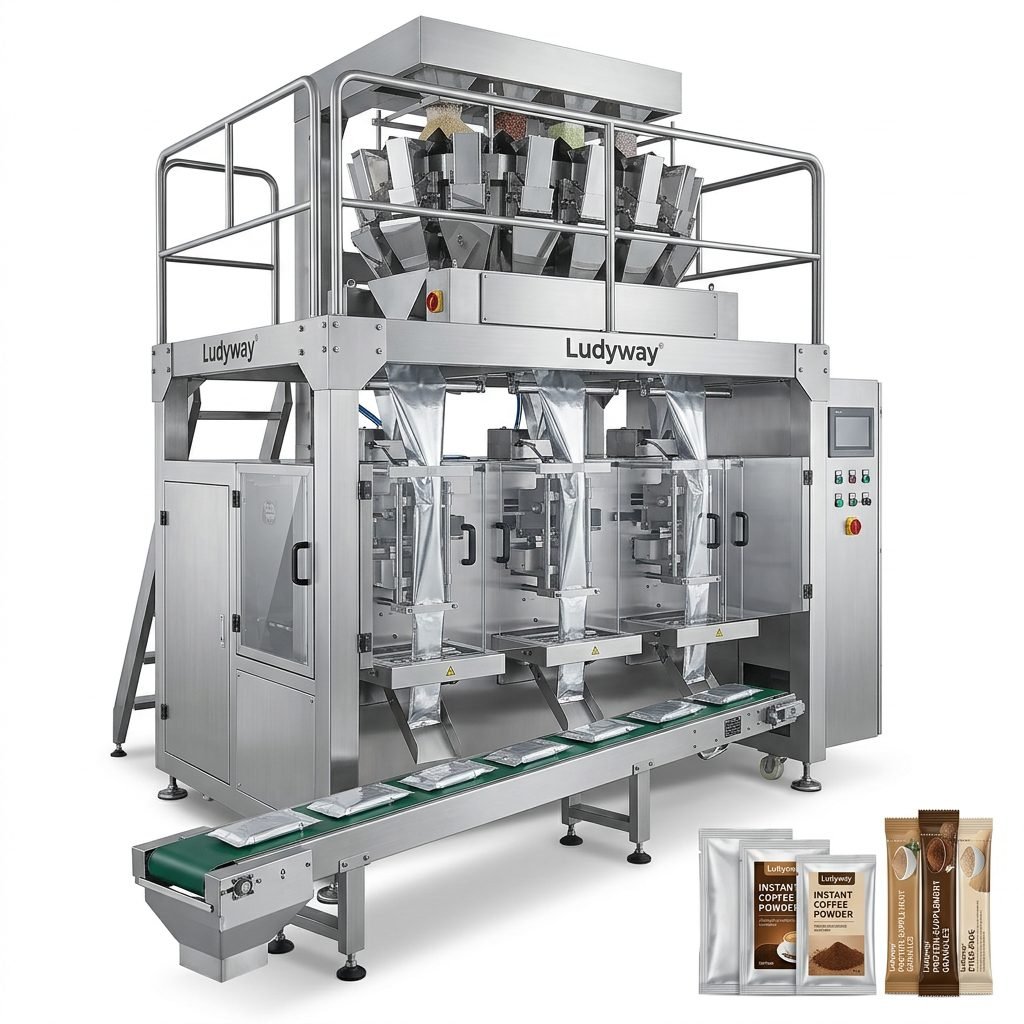
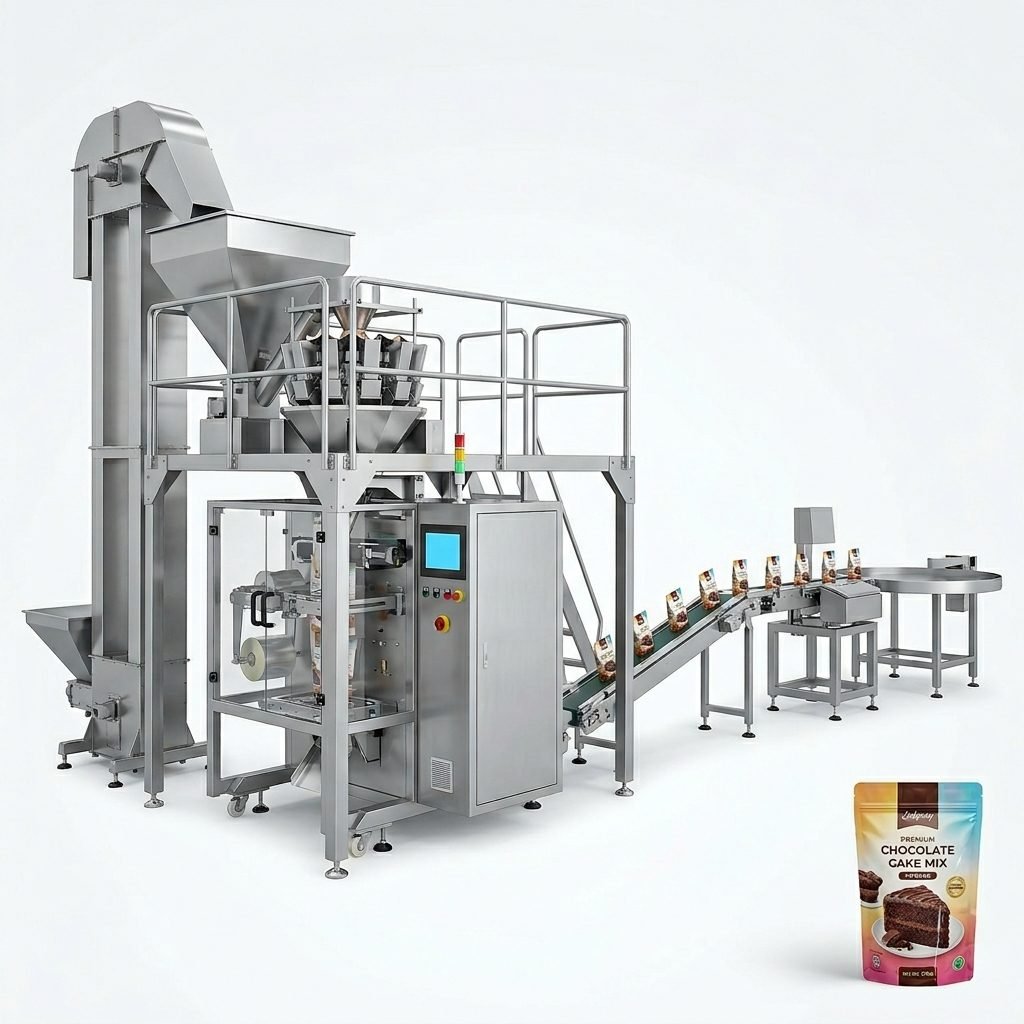
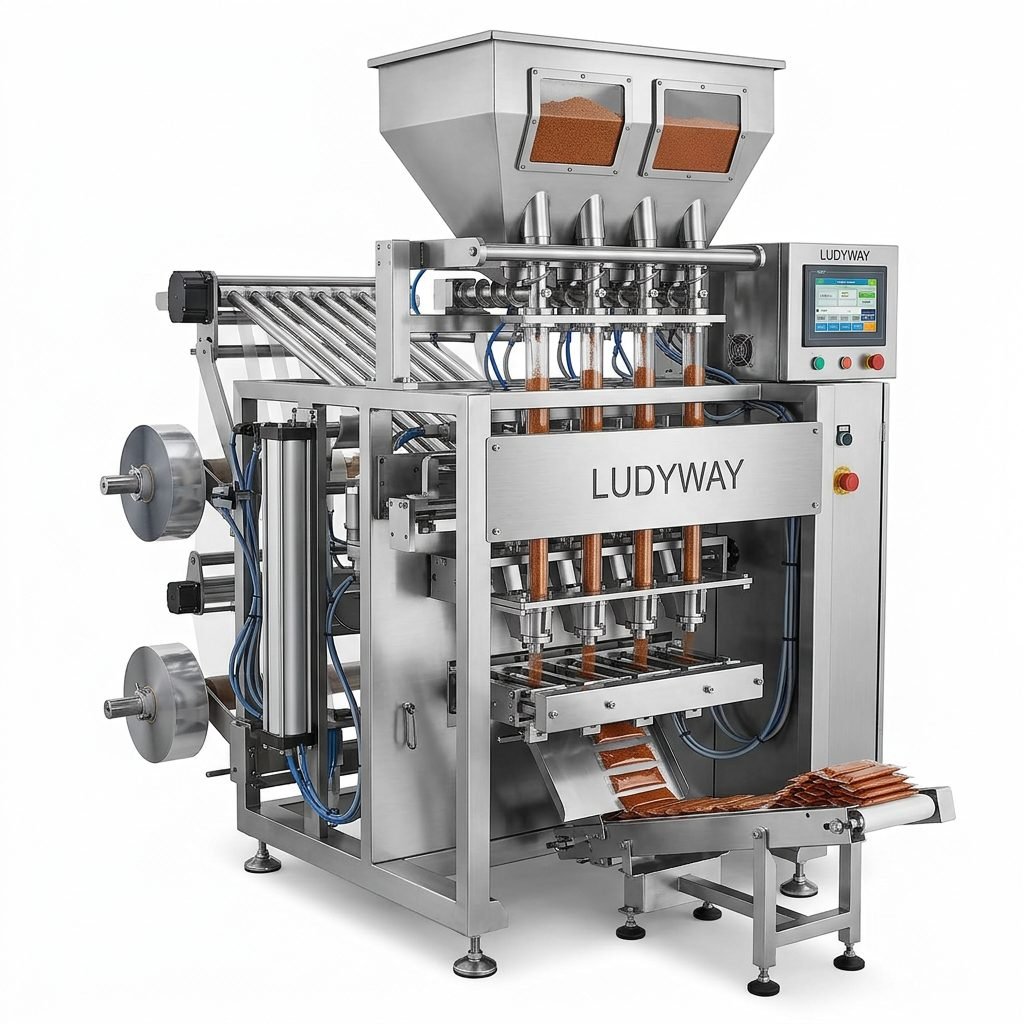
A film packaging machine is a core piece of equipment used to wrap, seal, form, fill, and protect products with flexible film materials. It plays an essential role in modern manufacturing because it helps businesses improve packaging speed, product consistency, shelf appeal, and transportation safety across food, pharmaceutical, cosmetic, chemical, and consumer goods sectors.
Whether you are packing powders, granules, liquids, pastes, sticks, sachets, pouches, bottles, trays, or cartons, choosing the right machine can directly affect productivity, downtime, labor costs, and packaging quality. This guide explains the main machine types, benefits, applications, buying factors, and maintenance tips to help you make a smarter investment.
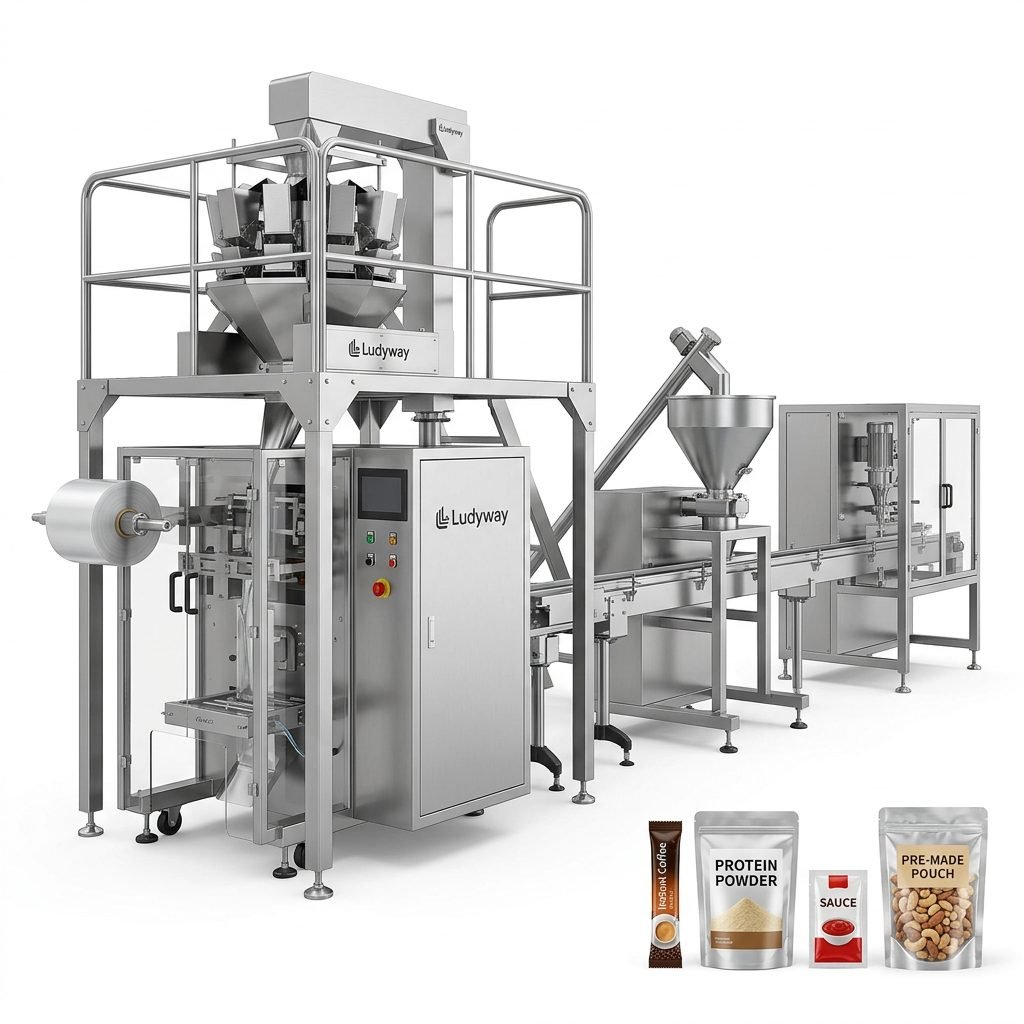
What Is a Film Packaging Machine?
A film packaging machine uses packaging film—such as laminated film, PE, PET, CPP, aluminum foil composite film, or other flexible materials—to create sealed packages around products. Depending on the design, the machine may:
- Form bags or pouches from roll film
- Fill products into the package
- Seal the package by heat, pressure, or ultrasonic methods
- Print dates, batch numbers, or traceability codes
- Cut, count, group, label, cartoning, or transfer products downstream
In many factories, film packaging machines are integrated into automated lines with conveyors, feeders, checkweighers, metal detectors, coding devices, cartoners, case packers, and palletizing systems.
How a Film Packaging Machine Works
While the exact process varies by machine type, most systems follow a similar sequence:
- Film unwinding: The film roll is fed into the machine under controlled tension.
- Forming: The film is shaped into a tube, pouch, sachet, or wrap configuration.
- Product feeding: Powder, liquid, granule, solid item, or grouped product enters the package area.
- Sealing: Longitudinal and cross seals are made to close the package.
- Cutting and discharge: Individual packs are separated and sent to the next station.
- Inspection or secondary packaging: Optional coding, weighing, cartoning, and case packing follow.
Main Types of Film Packaging Machines
1. Vertical Form Fill Seal Machines
Vertical form fill seal machines, often called VFFS machines, create bags from roll film in a vertical direction. These machines are widely used for powders, granules, snacks, seeds, coffee, sugar, pet food, supplements, and many free-flowing products.
- Suitable for pillow bags, gusset bags, and some special bag shapes
- High efficiency for bulk and retail packaging
- Works well with auger fillers, multihead weighers, cup fillers, and liquid pumps
2. Horizontal Flow Wrapping Machines
Flow wrappers are used to wrap solid products horizontally with film. Common applications include biscuits, bakery items, medical products, tissues, bars, and hardware parts.
- Ideal for single items or grouped products
- Neat appearance and fast output
- Often used for retail-ready packs
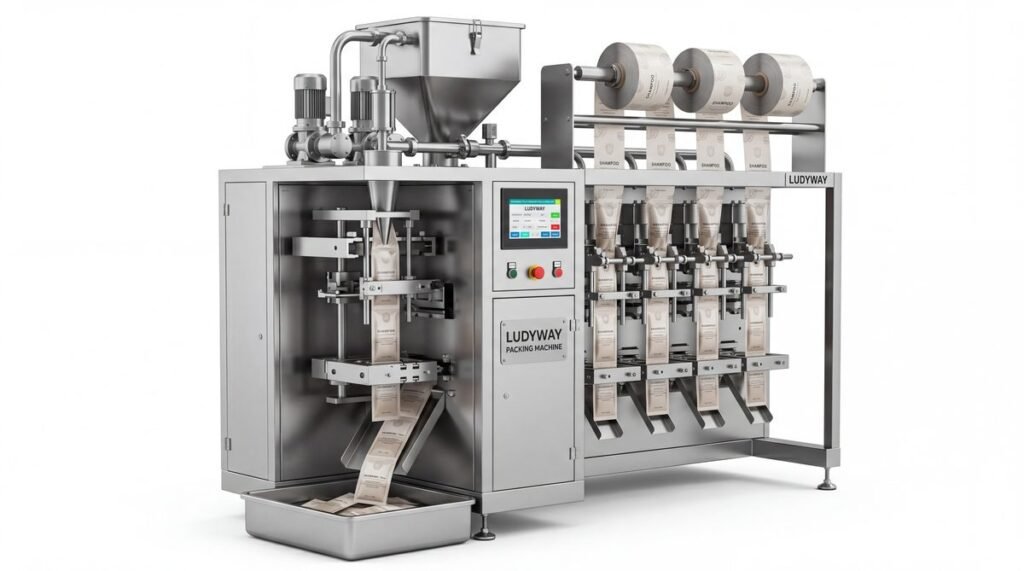
3. Sachet Packaging Machines
Sachet machines produce small flat packs for powders, creams, gels, liquids, and granules. They are common in food service, pharmaceuticals, cosmetics, and household products.
- Single-lane and multi-lane options available
- Suitable for ketchup, shampoo, serum, sauces, seasonings, and medicine powders
- Excellent for trial packs, travel packs, and single-dose products
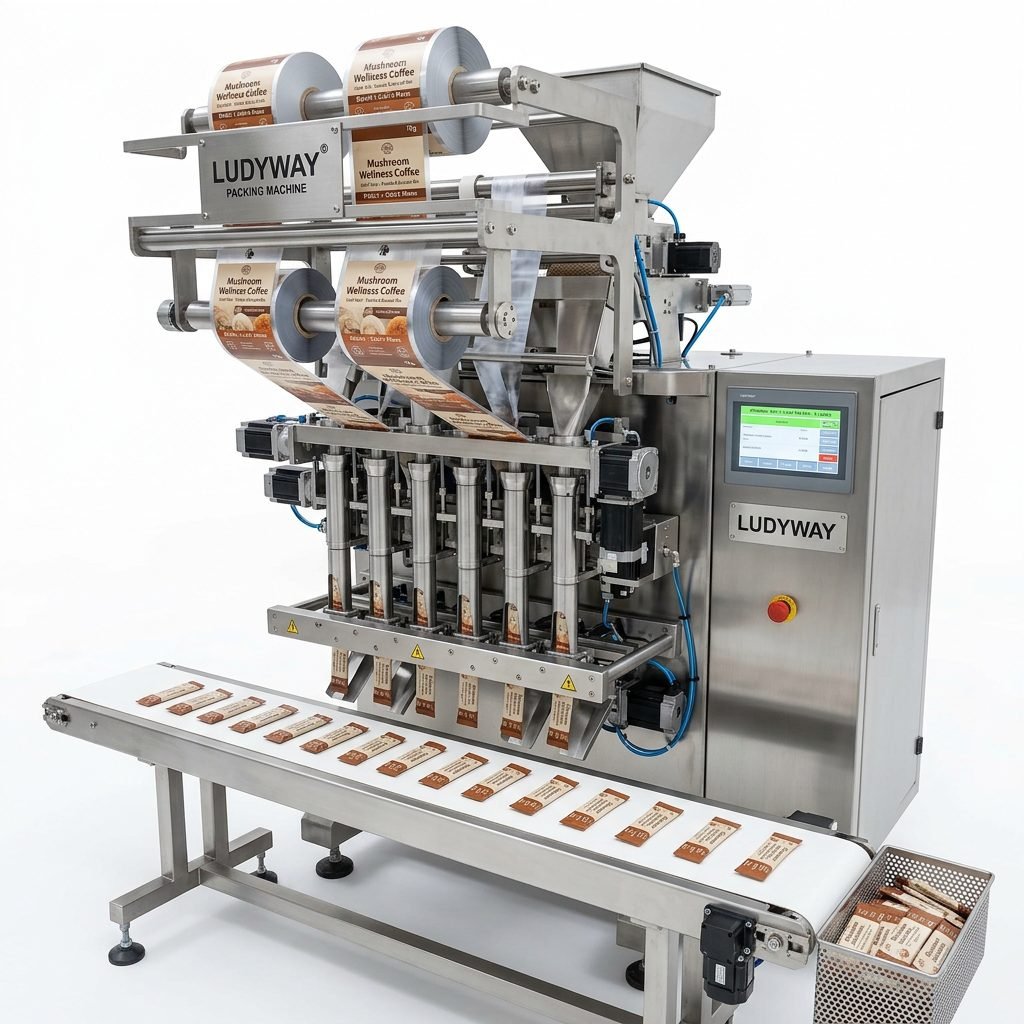
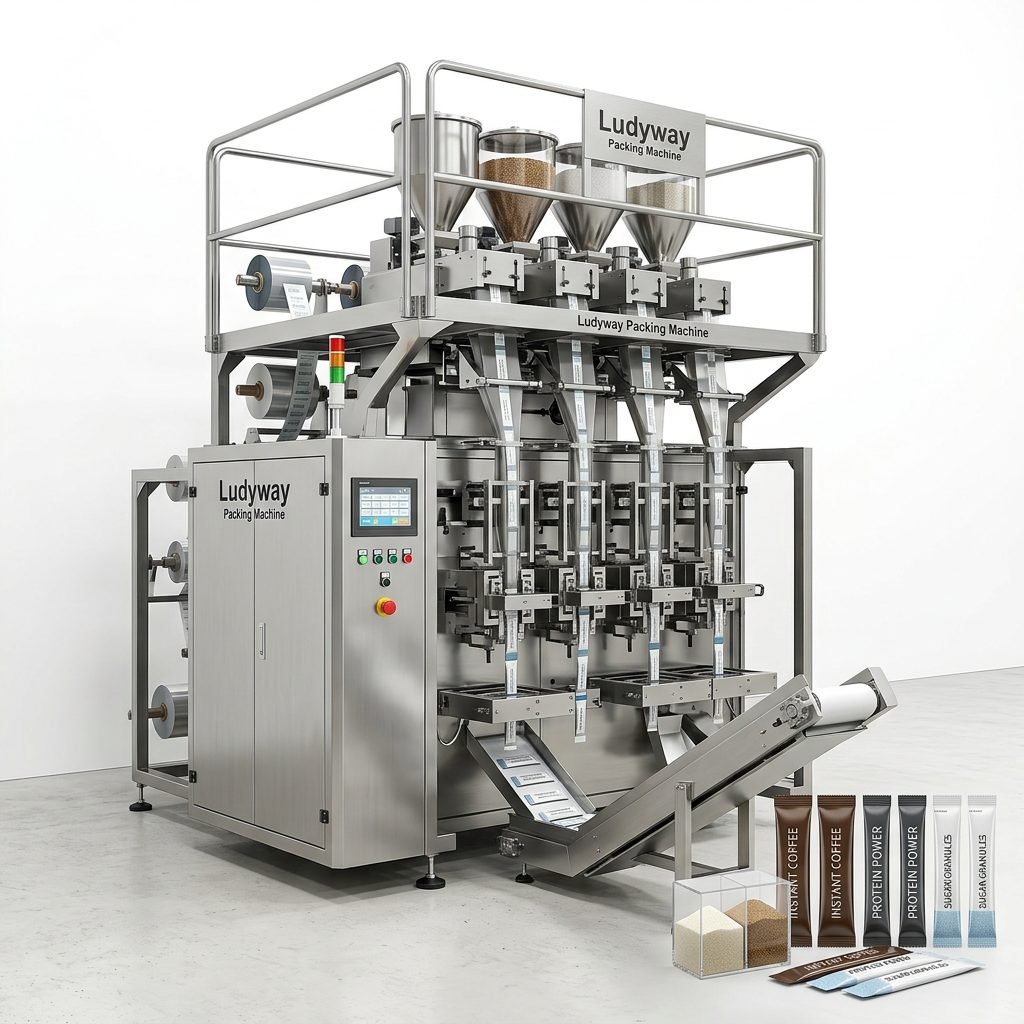
4. Stick Pack Machines
Stick pack machines create narrow, elongated packs that are convenient for on-the-go consumption. These machines are widely used for drink mixes, coffee, sugar, collagen, electrolyte powder, honey, and liquid supplements.
- Compact, consumer-friendly pack format
- High-speed multi-lane production available
- Strong fit for food, nutraceutical, and personal care products
5. Premade Pouch Packaging Machines
These machines fill and seal ready-made pouches instead of forming them from roll film. They are suitable for stand-up pouches, zipper pouches, shaped pouches, and specialty packaging.
- Premium packaging appearance
- Flexible for liquids, powders, granules, and solids
- Common in snacks, pet food, coffee, sauces, and chemical products
6. Shrink Wrapping Machines
Shrink wrapping systems apply shrink film around products and use heat to tighten the film. They are often used for bottles, cartons, trays, and multipacks.
7. Vacuum and Modified Atmosphere Film Packaging Machines
These systems remove air or replace it with protective gases to extend shelf life. They are commonly used for fresh food, meat, seafood, ready meals, and selected medical or technical products.
Comparison of Common Film Packaging Machine Types
| Machine Type | Best For | Film Source | Main Advantage |
|---|---|---|---|
| VFFS | Powders, granules, snacks | Roll film | Efficient and versatile |
| Flow Wrapper | Solid items, grouped products | Roll film | Fast wrapping and clean presentation |
| Sachet Machine | Single-dose packs | Roll film | Compact and high-speed small pack output |
| Stick Pack Machine | Drink mixes, sugar, liquids | Roll film | Consumer-friendly portion packs |
| Premade Pouch Machine | Premium pouches | Premade bags | High-end packaging appearance |
Key Benefits of Using a Film Packaging Machine
Higher Packaging Efficiency
One of the biggest advantages is speed. Automated systems can package far more units per minute than manual processes, helping businesses meet rising production demand.
Consistent Packaging Quality
Film packaging machines maintain repeatable sealing, filling, and cutting performance. This leads to more uniform pack dimensions, fewer defects, and a stronger brand image.
Lower Labor Dependence
Automation reduces the need for repetitive manual tasks. This can lower labor costs, improve workplace efficiency, and reduce operator fatigue.
Better Product Protection
Properly sealed flexible packaging helps protect products from moisture, oxygen, dust, contamination, leakage, and tampering.
Flexible Packaging Formats
Modern machines can support multiple bag types, fill ranges, and product viscosities, which is especially useful for manufacturers managing diverse SKUs.
Scalability
A well-selected machine can support future growth by allowing upgrades such as extra lanes, faster drives, coding modules, inspection units, or full turnkey integration.
Industries That Commonly Use Film Packaging Machines
| Industry | Typical Products | Common Machine Formats |
|---|---|---|
| Food | Coffee, sugar, spices, sauces, snacks, grains | VFFS, sachet, stick pack, pouch |
| Pharmaceutical | Powders, granules, medical devices, oral liquids | Sachet, strip, sterile film packaging systems |
| Cosmetic | Creams, serums, lotions, masks, shampoos | Sachet, stick pack, pouch, tube line integration |
| Chemical | Detergents, additives, powders, liquids | Sachet, VFFS, heavy-duty pouch lines |
| Pet Care & Feed | Supplements, feed pellets, powders, treats | VFFS, stick pack, bulk bagging systems |
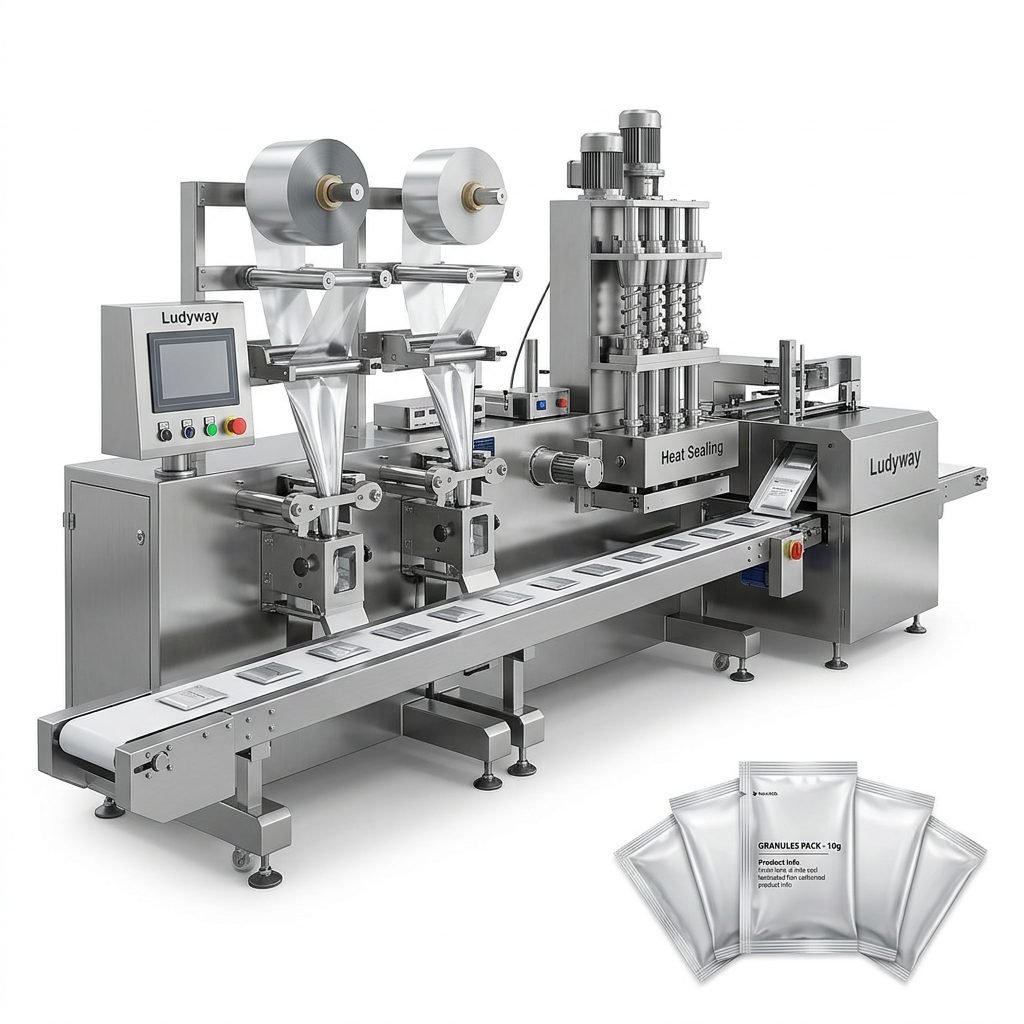
Important Features to Look For
- Film compatibility: Confirm the machine supports your film structure and thickness.
- Filling accuracy: Critical for pharmaceuticals, supplements, and high-value ingredients.
- Sealing reliability: Poor seals lead to leakage, contamination, and product returns.
- Output speed: Match machine capacity to your current and future production targets.
- Changeover time: Important if you run many SKUs or pack sizes.
- Control system: Touchscreen HMI, PLC control, recipe storage, and alarms improve usability.
- Integration ability: The machine should connect smoothly with upstream and downstream equipment.
- Sanitary design: Especially important for food and pharma applications.
How to Choose the Right Film Packaging Machine
Understand Your Product Characteristics
Start with the basics: Is your product a powder, granule, liquid, paste, or solid item? Does it flow freely? Is it sticky, dusty, fragile, corrosive, or sensitive to oxygen or moisture?
Define the Required Pack Format
Choose the final packaging style you need, such as sachet, stick pack, pillow bag, stand-up pouch, vacuum pack, or shrink-wrapped bundle.
Estimate Capacity Requirements
Consider current output targets and long-term expansion plans. A machine that is too small may quickly become a production bottleneck.
Review Compliance Needs
Food and pharmaceutical packaging often require stricter standards for hygiene, validation, traceability, material contact safety, and inspection.
Evaluate Total Cost of Ownership
The purchase price matters, but so do film waste, spare parts, maintenance needs, energy consumption, operator training, and after-sales support.
Common Applications by Product Type
Powders
Milk powder, protein powder, seasoning powder, pharmaceutical powder, collagen, coffee, cocoa, and detergent powder are commonly packed using multi-lane sachet or stick pack machines with auger fillers.
Granules
Sugar, salt, seeds, coffee granules, pet supplements, snack granules, and chemical granules are often handled by cup fillers, linear weighers, or multihead weighing systems.
Liquids and Pastes
Shampoo, ketchup, honey, sauces, oral liquids, lotion, serum, oil, and detergent require liquid pumps or piston filling systems combined with reliable sealing technology.
Medical and Sterile Products
Medical devices, wound dressings, and sterile consumables often need specialized film packaging systems with validated sealing control and strict process reliability.
Maintenance Best Practices
- Clean sealing jaws, forming tubes, and product contact parts regularly
- Check film tracking and tension settings daily
- Inspect cutters, heaters, sensors, and drive components
- Calibrate dosing systems to maintain fill accuracy
- Keep spare parts for wear items in stock
- Train operators to identify seal defects and abnormal noise early
Common Problems and Solutions
| Problem | Possible Cause | Suggested Fix |
|---|---|---|
| Weak sealing | Wrong temperature, contaminated seal area | Adjust heat settings and clean sealing parts |
| Inaccurate filling | Poor calibration or unstable product flow | Recalibrate filler and optimize feeding |
| Film misalignment | Tension or tracking issue | Reset tracking and inspect rollers |
| Machine downtime | Lack of preventive maintenance | Implement scheduled inspection routines |
Why Turnkey Integration Matters
Many manufacturers no longer buy a standalone machine only. Instead, they look for a complete packaging solution that includes feeding, filling, film packaging, coding, inspection, cartoning, case packing, and palletizing. A turnkey approach can reduce integration risks and improve line coordination.
For businesses seeking scalable packaging automation, Ludyway film packaging machine solutions can support a wide range of applications across food, pharmaceutical, cosmetic, chemical, and pouch-based production lines, with over 30 years of manufacturing experience and strong turnkey line capability.
Final Thoughts Before Buying
The best film packaging machine is not simply the fastest one. It is the system that matches your product properties, film structure, output goals, packaging format, factory space, and compliance requirements. Before making a decision, it is wise to compare sample packs, sealing performance, changeover speed, maintenance access, and supplier support.
A well-chosen machine can deliver better efficiency, reduced waste, stronger package quality, and long-term production stability. For manufacturers planning to upgrade packaging operations, investing in the right film packaging system can create measurable value across the entire line.