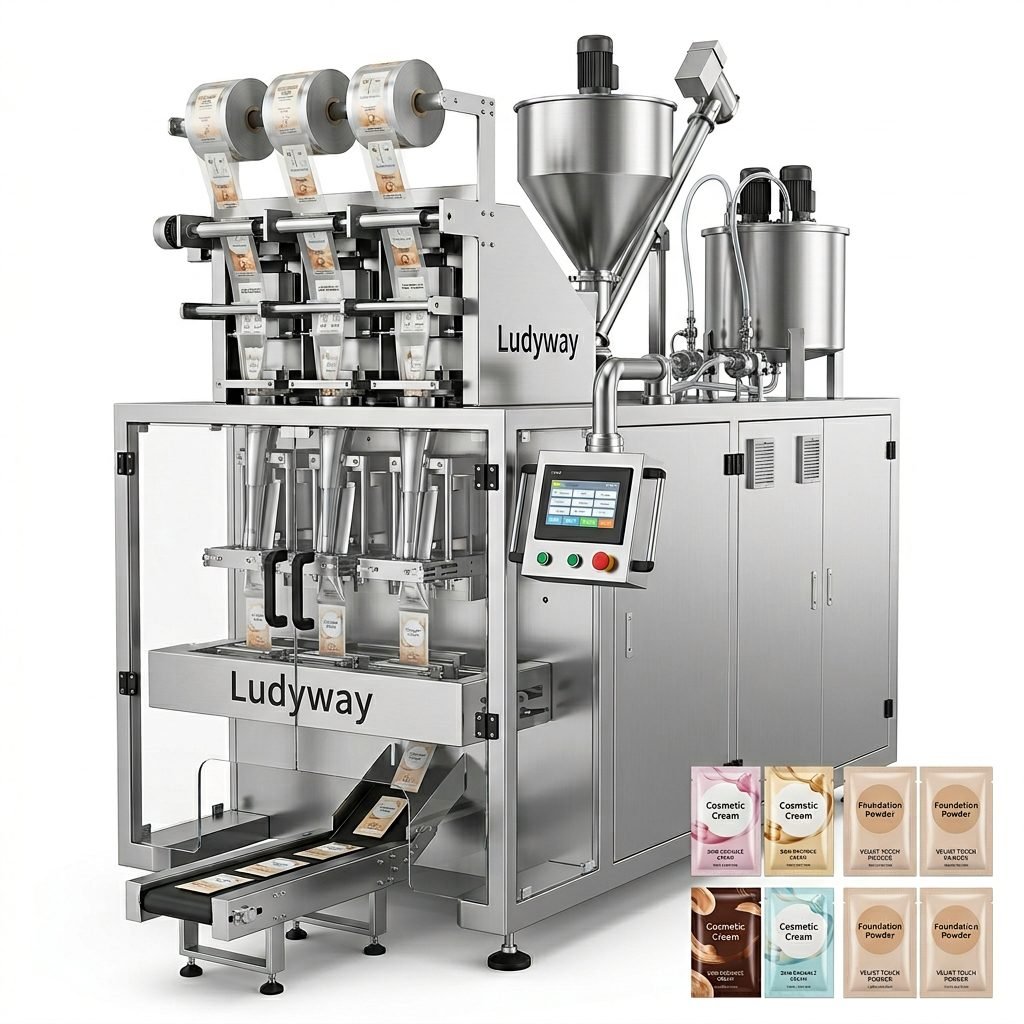
In today’s fast-paced manufacturing environment, efficient and reliable packaging is crucial for product protection, brand presentation, and supply chain logistics. Foam packaging machines play a vital role in this process, automating the creation of protective foam cushions, inserts, and void-fill materials. This guide delves into the types of foam packaging systems, their diverse applications, and key considerations for selecting the right equipment to optimize your business operations.
Understanding Foam Packaging Machinery
Foam packaging machines are specialized devices designed to produce on-demand protective foam from liquid chemical components. The primary types are polyurethane (PU) foam systems and starch-based biodegradable foam systems. These machines mix two liquid components—typically polyol and isocyanate for PU foam—in a precise ratio, which then react and expand into a lightweight, cushioning foam. The foam can be dispensed directly into boxes, around products, or into molds to create custom-shaped inserts.
Core Advantage: The on-demand production of foam eliminates the need for pre-manufactured, bulky packaging materials like bubble wrap or loose fill peanuts, saving significant storage space and reducing material waste.
Primary Types of Foam Packaging Systems
The market offers several configurations to suit different production volumes and needs:
1. In-Box Foam Dispensing Systems
These are the most common type. The machine’s dispensing head is positioned over an open shipping carton. With the push of a button or an automated signal, the machine injects a measured amount of foam into the box. The foam expands to fill voids and encapsulate the product, creating a custom cushion in seconds. This method is ideal for high-volume e-commerce fulfillment and warehouses shipping products of varying sizes and shapes.
2. Foam-in-Bag Systems
This technology creates sealed bags filled with soft foam. The machine dispenses the liquid foam mixture between two layers of plastic film, which are immediately sealed together. The bag is then cut and dropped into the shipping container. The foam expands inside the sealed bag, creating a clean, dry, and non-abrasive cushion. This is perfect for protecting moisture-sensitive or high-finish items like electronics, furniture, and medical devices.
3. Molded Foam Systems
For products requiring precise, repeatable cushioning, molded foam systems are used. Liquid foam is injected into a custom aluminum or composite mold, where it expands to take the exact shape of the product or a specific cavity. Once cured, the rigid or semi-rigid foam insert provides superior, form-fitting protection. This is common in the automotive, aerospace, and high-value industrial component sectors.
Key Applications Across Industries
The versatility of foam packaging makes it indispensable across numerous sectors:
- E-commerce & Retail: Protecting everything from glassware and ceramics to small appliances during transit. The ability to create custom cushioning for any item size drastically reduces damage rates.
- Electronics & Technology: Shielding sensitive components from shock, vibration, and electrostatic discharge (ESD-safe foams are available).
- Pharmaceutical & Medical Devices: Ensuring sterile, tamper-evident, and temperature-stable packaging for sensitive products. Companies like Ludyway Machinery provide solutions tailored to these stringent requirements.
- Industrial & Automotive: Securing heavy, irregularly shaped parts during shipping and storage, preventing scratches and impact damage.
- Food & Beverage: While less common for direct food contact, foam is used for secondary packaging of bottles, jars, and gourmet gift sets.
How to Choose the Right System for Your Business
Selecting the optimal foam packaging machine requires a careful analysis of your operational needs. Here is a decision framework:
📊 Selection Checklist:
Production Volume: Low-volume operations may benefit from a compact, manual system, while high-speed automated lines are necessary for large-scale fulfillment centers.
Product Variety: If you ship a wide range of product sizes and shapes, an in-box dispensing system offers maximum flexibility. For uniform products, a foam-in-bag or molding system may be more efficient.
Material Requirements: Consider if you need standard PU foam, biodegradable/water-soluble foam (like starch-based), or anti-static foam for electronics.
Floor Space & Utilities: Assess the available footprint for the machine, chemical drums, and air compressors. Ensure you have the necessary electrical and air supply.
Total Cost of Ownership (TCO): Look beyond the initial machine price. Factor in chemical cost per cubic foot of foam, maintenance, potential downtime, and the labor savings from automation.
Partnering with an experienced supplier is critical. A provider with deep industry knowledge, like Ludyway Packaging Machinery, can offer more than just a machine—they deliver a turnkey production solution. This includes site assessment, machine configuration, installation, operator training, and ongoing technical support. Their expertise in serving global markets ensures the system integrates seamlessly into your specific workflow.
Maximizing ROI and Operational Efficiency
Implementing a foam packaging system is an investment that yields returns through multiple channels:
- Reduced Material Costs: Foam uses up to 90% less storage space than pre-formed materials and generates foam only as needed, minimizing waste.
- Lower Shipping Costs: Lightweight foam can reduce parcel weight compared to heavier alternatives, and well-protected items reduce costly returns due to damage.
- Enhanced Labor Productivity: Automation speeds up the packaging process, allowing workers to pack more orders per hour with consistent quality.
- Improved Sustainability Profile: Many modern systems use bio-based or recyclable foam materials. Reduced material usage and waste contribute to greener operations, a key concern for modern consumers and businesses. Explore advanced packaging solutions that align with sustainability goals.
Frequently Asked Questions (FAQs)
1. What is the typical payback period for a foam packaging machine?
Payback periods vary based on volume and previous packaging methods, but many businesses see a return on investment within 12 to 24 months. Savings are realized through reduced material costs, lower shipping fees from lighter packages, and decreased labor hours.
2. Is the foam messy or difficult for operators to handle?
Modern systems are designed for clean, user-friendly operation. Foam-in-bag systems contain the foam entirely within a sealed film. For in-box dispensing, the foam is tack-free within 10-20 seconds, and operators quickly learn the optimal dispensing patterns. Proper training from your supplier ensures a smooth workflow.
3. Can foam packaging machines handle high-volume, automated production lines?
Absolutely. High-speed systems can be integrated with conveyor belts, automated box erectors, and weighing systems to create a fully automated packaging cell. These systems are controlled by PLCs and can be tailored to meet specific output targets, making them ideal for large-scale e-commerce and manufacturing facilities.
4. Are there eco-friendly foam options available?
Yes, the industry has responded to environmental concerns. Options include water-soluble foam (dissolves in water), starch-based biodegradable foam (compostable), and foam made with a percentage of renewable plant-based materials. Discuss your sustainability objectives with your equipment provider to find the right material fit.
5. What kind of maintenance do these machines require?
Routine maintenance is straightforward and primarily involves cleaning the mixing head to prevent clogging, checking hose integrity, and ensuring fluid levels and ratios are correct. Reputable suppliers offer comprehensive service plans and remote support to minimize downtime and keep your operation running smoothly.