Choosing the right packaging equipment in the Southeastern United States is more than a technical decision—it’s a strategic investment in your production’s future. The region’s unique blend of traditional industries, like textiles and agriculture, with booming modern sectors such as pharmaceuticals and specialty foods, creates a diverse manufacturing landscape. This diversity means a one-size-fits-all approach to packaging simply doesn’t work. For businesses from the Carolinas down to Florida, selecting machinery requires careful consideration of local production rhythms, workforce expertise, and even the climate, which can influence material handling and machine performance.
Understanding Your Core Production Requirements
Before comparing machine specifications, you must have a crystal-clear understanding of your own needs. This foundational step prevents costly mismatches and ensures the equipment you choose can grow with your business.
Key Factors to Analyze:
→ Product Characteristics: Is your product a granule (like coffee or seasoning), a fine powder (protein or spice), a viscous liquid (sauce, honey), or a solid? Each type demands specific dosing mechanisms, sealing methods, and material compatibility.
→ Desired Output Speed (Packages Per Minute): Be realistic about your current and near-future volume. A small-batch artisanal hot sauce producer in Georgia has vastly different speed requirements than a large-scale supplement manufacturer in Tennessee.
→ Packaging Format & Material: Are you aiming for stand-up pouches, stick packs, sachets, or bottles? The choice of film (mono-layer, multi-layer, biodegradable) directly impacts the type of forming, sealing, and cutting systems needed.
Aligning with Southeastern Market Dynamics
The Southeast’s manufacturing sector is known for its agility and growing emphasis on advanced, automated production. There’s a strong appreciation for machinery that offers both robustness for long runs and flexibility to switch between product lines—a common need for companies catering to seasonal demand or producing multiple product varieties. Furthermore, with a skilled but sometimes limited technical labor pool in certain rural areas, equipment that is user-friendly, easy to maintain, and backed by strong local service support is highly valued.
A Deep Dive into Primary Packaging Machine Types
Once your needs are defined, you can effectively evaluate the main categories of packaging equipment prevalent in the market.
Vertical Form-Fill-Seal (VFFS) Machines
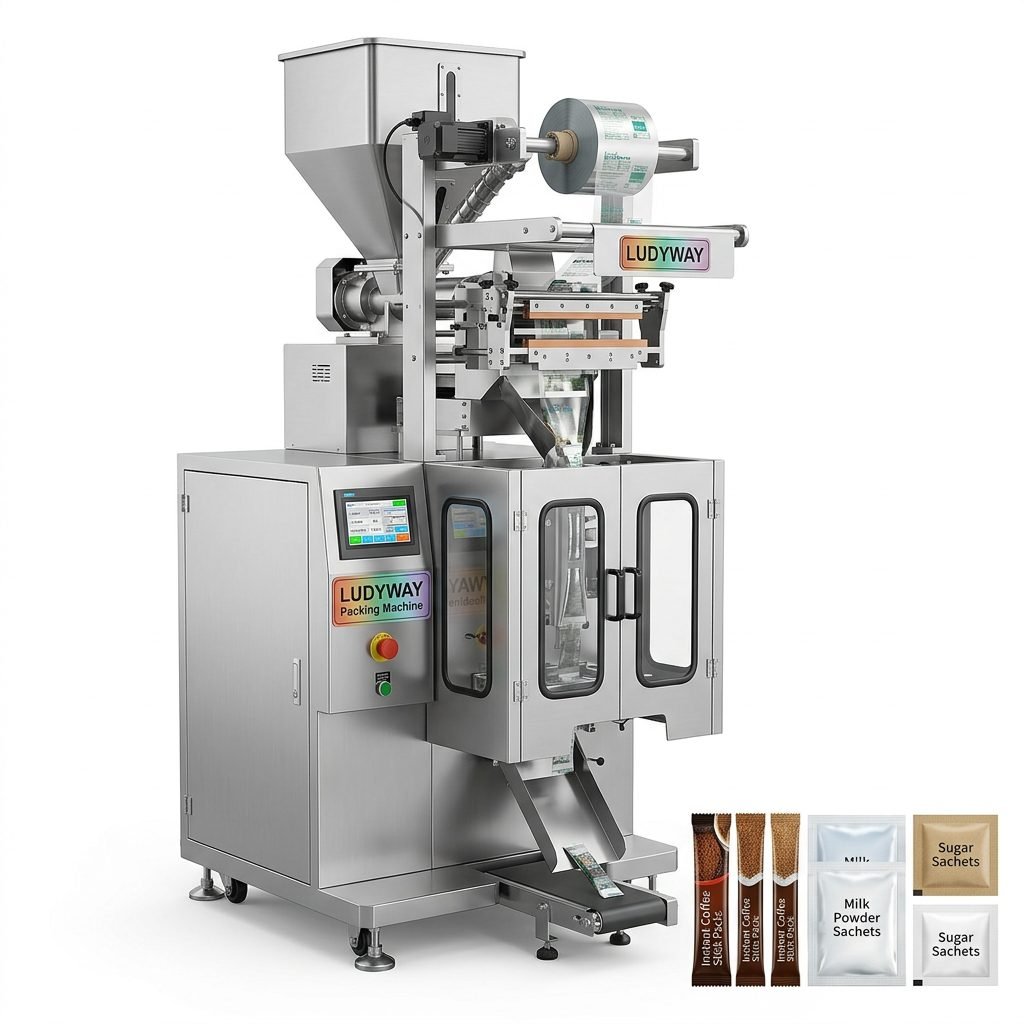
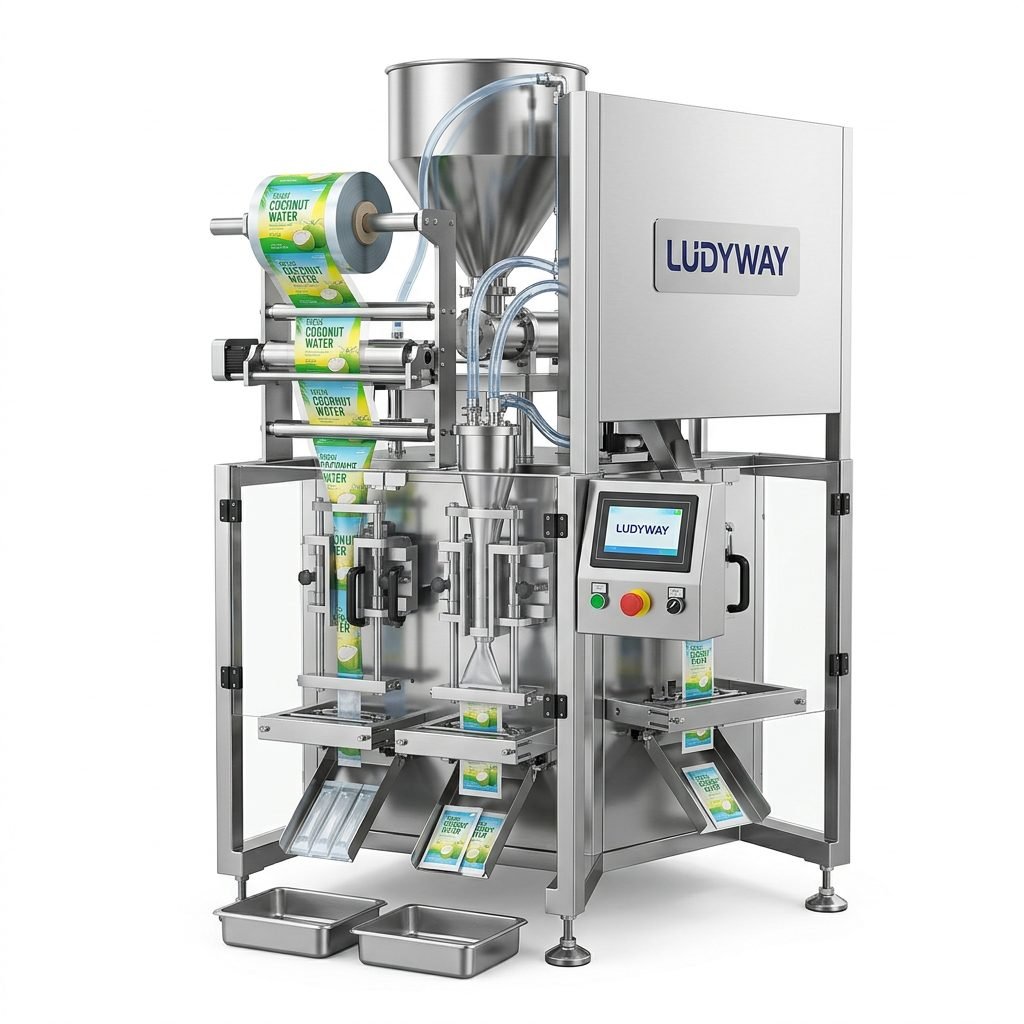
The workhorse of flexible packaging. A VFFS machine forms a bag from a roll of film, fills it with your product, and seals it—all in one continuous vertical motion. Ideal for granules, powders, and certain liquids.
Best for: High-volume production of items like snack foods, coffee, powdered drinks, and pet food. Their efficiency and relatively small footprint make them a popular choice for expanding Southeastern manufacturers.
Horizontal Form-Fill-Seal (HFFS) Machines
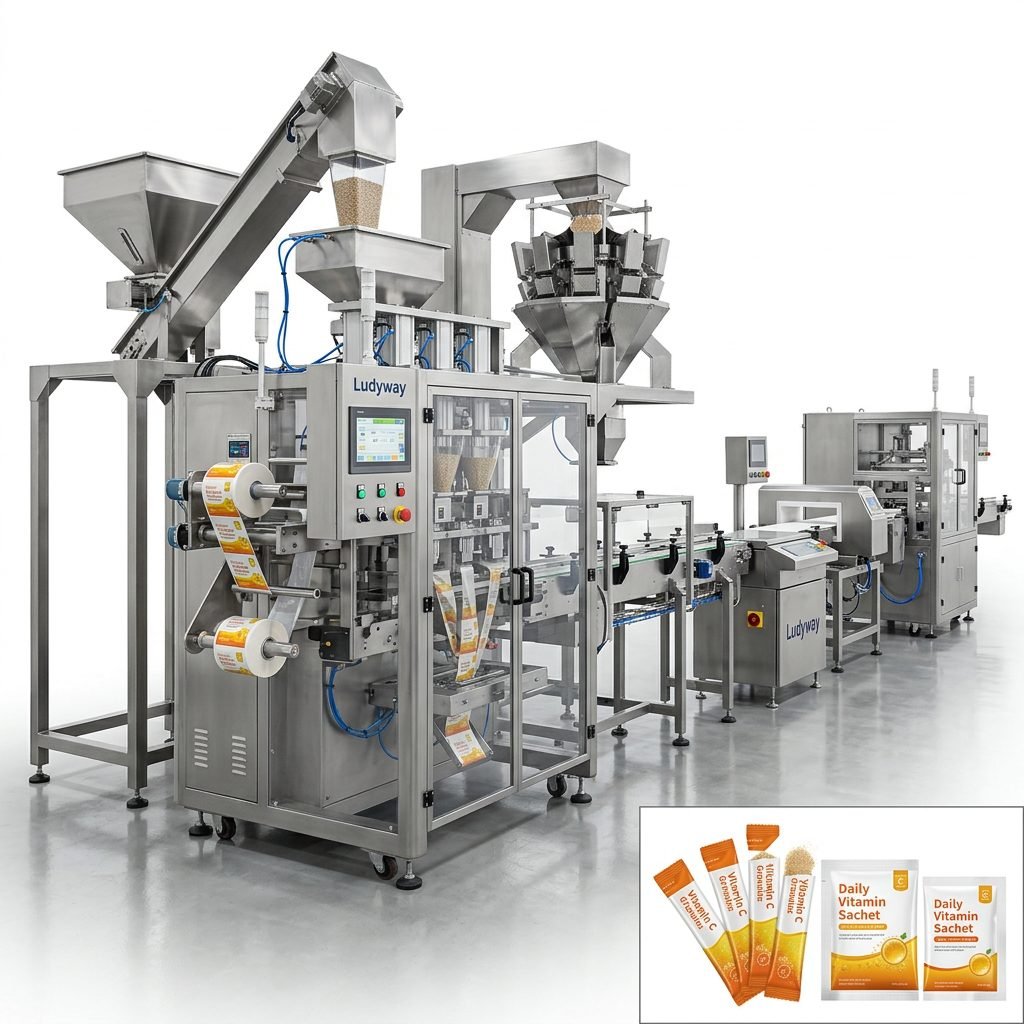
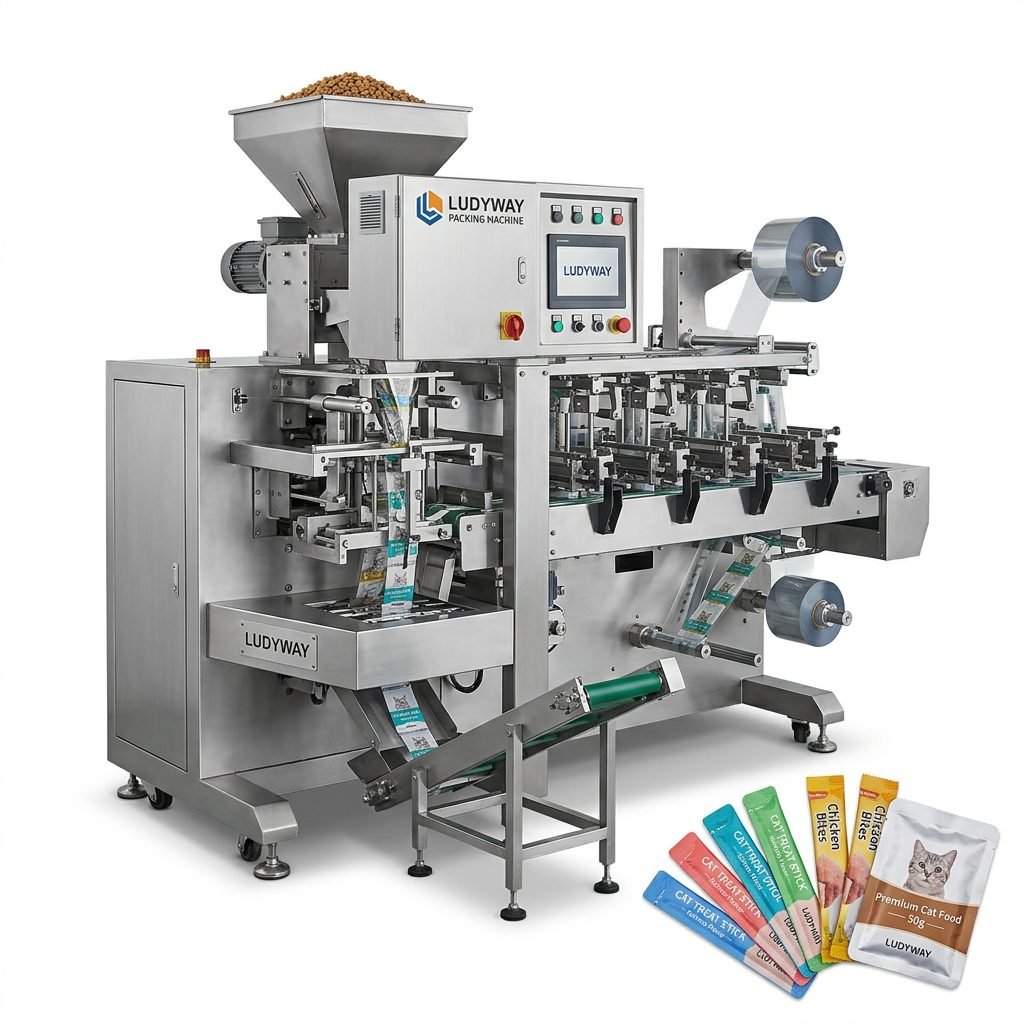
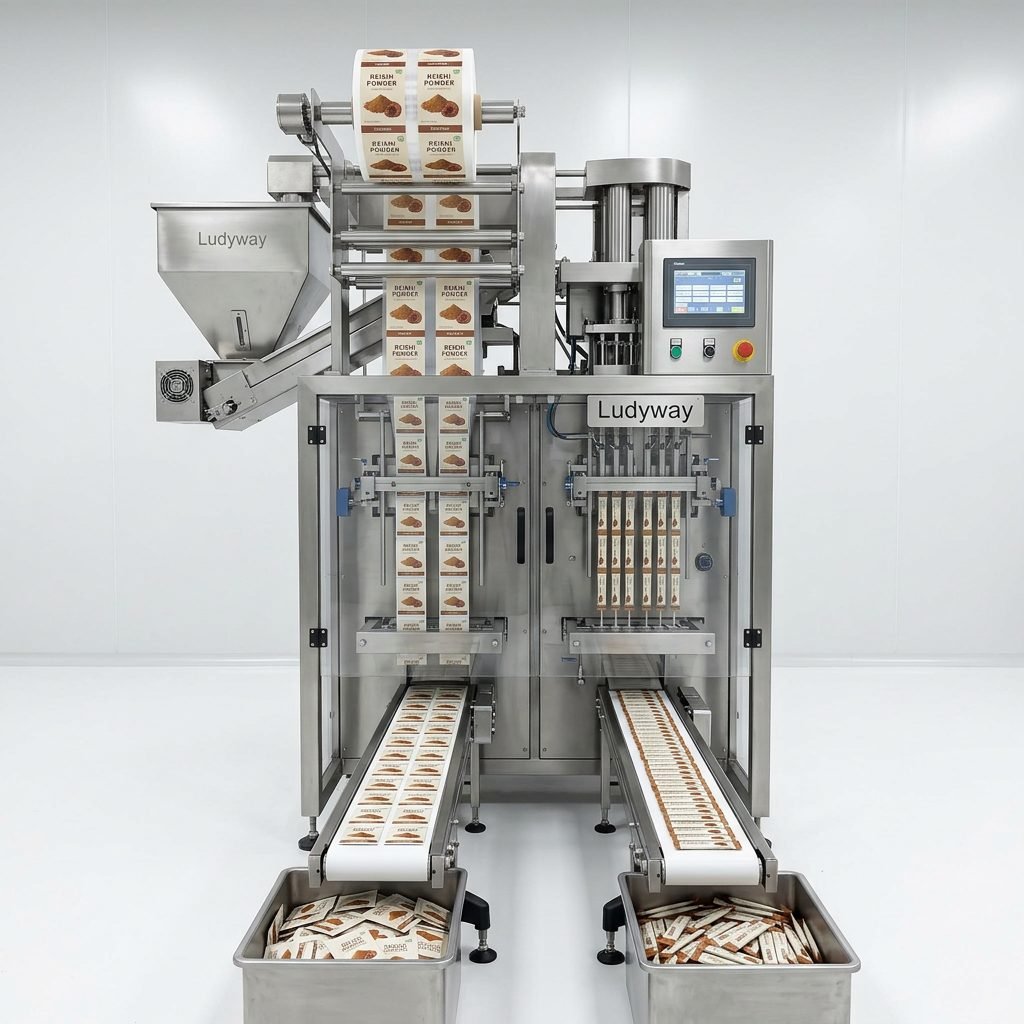
These machines form pouches horizontally and are often used for more complex packaging shapes, multi-lane production (like stick packs for sugar or sweetener), or when placing items into pre-formed pouches.
Best for: Creating stick packs, sachets for condiments or pharmaceuticals, and portion-control packs. Their versatility suits the region’s growing health, nutrition, and specialty food sectors.
Pro Tip: The Turnkey Line Advantage
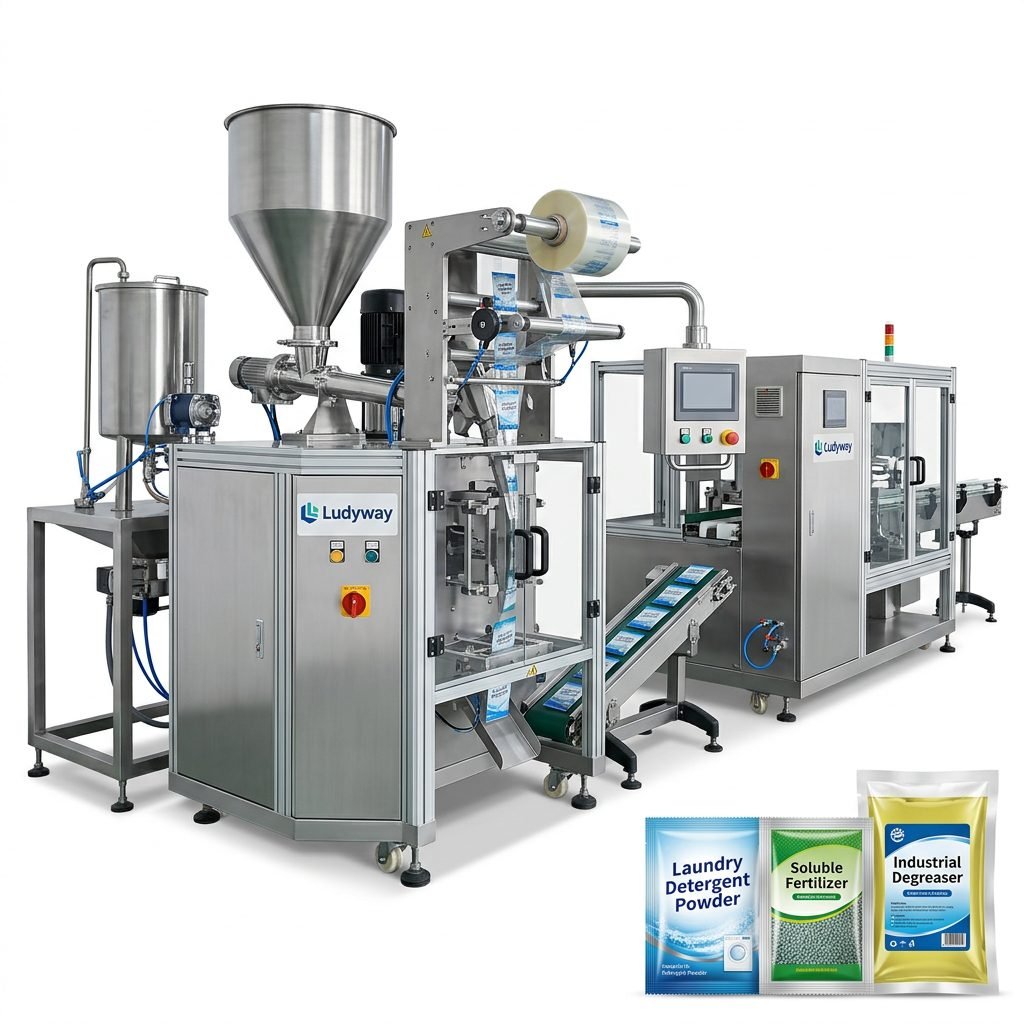
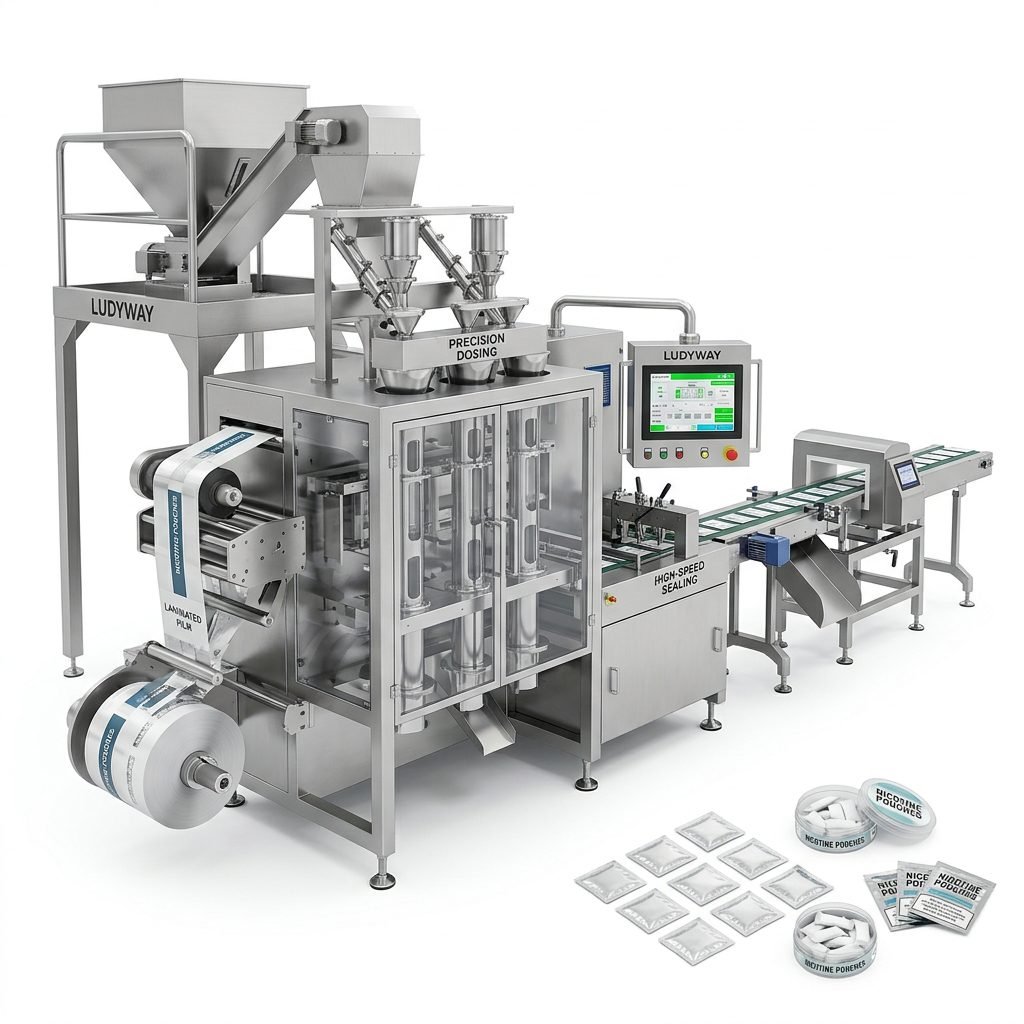
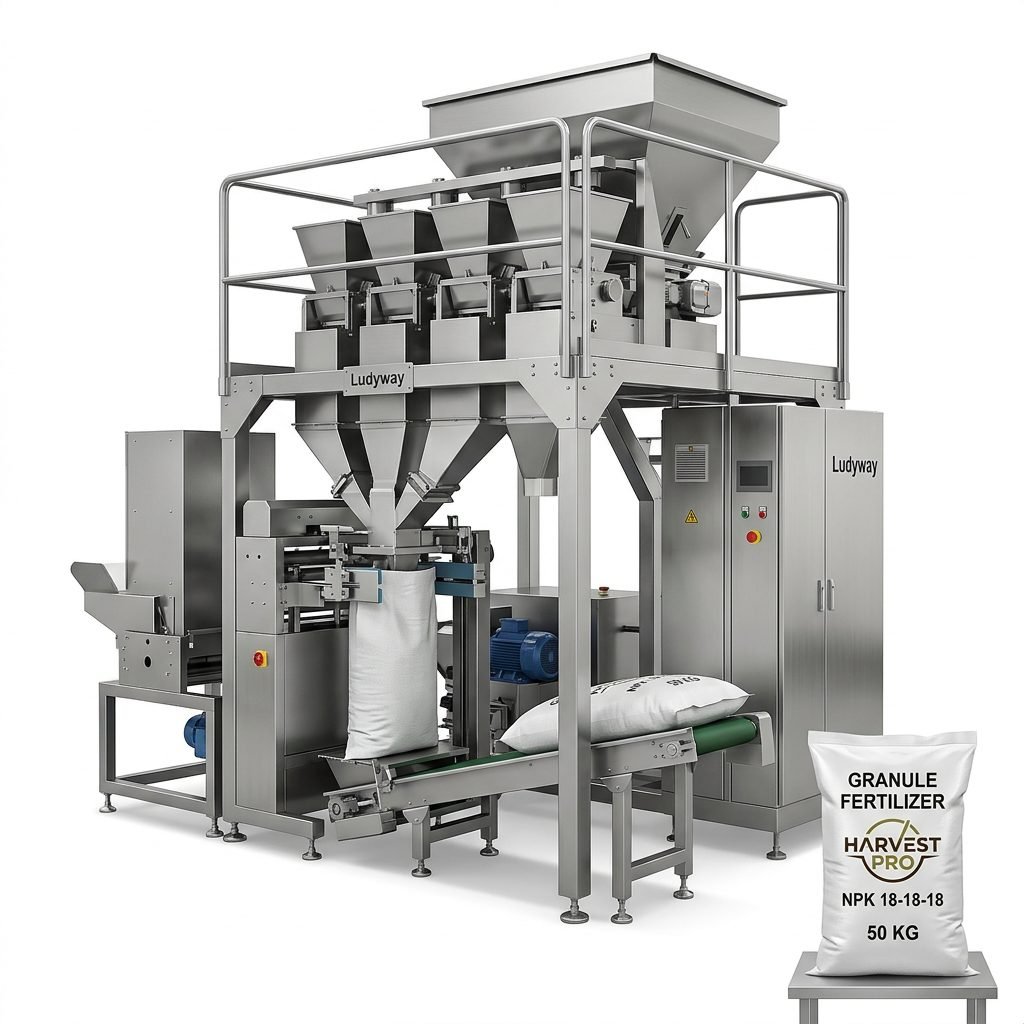
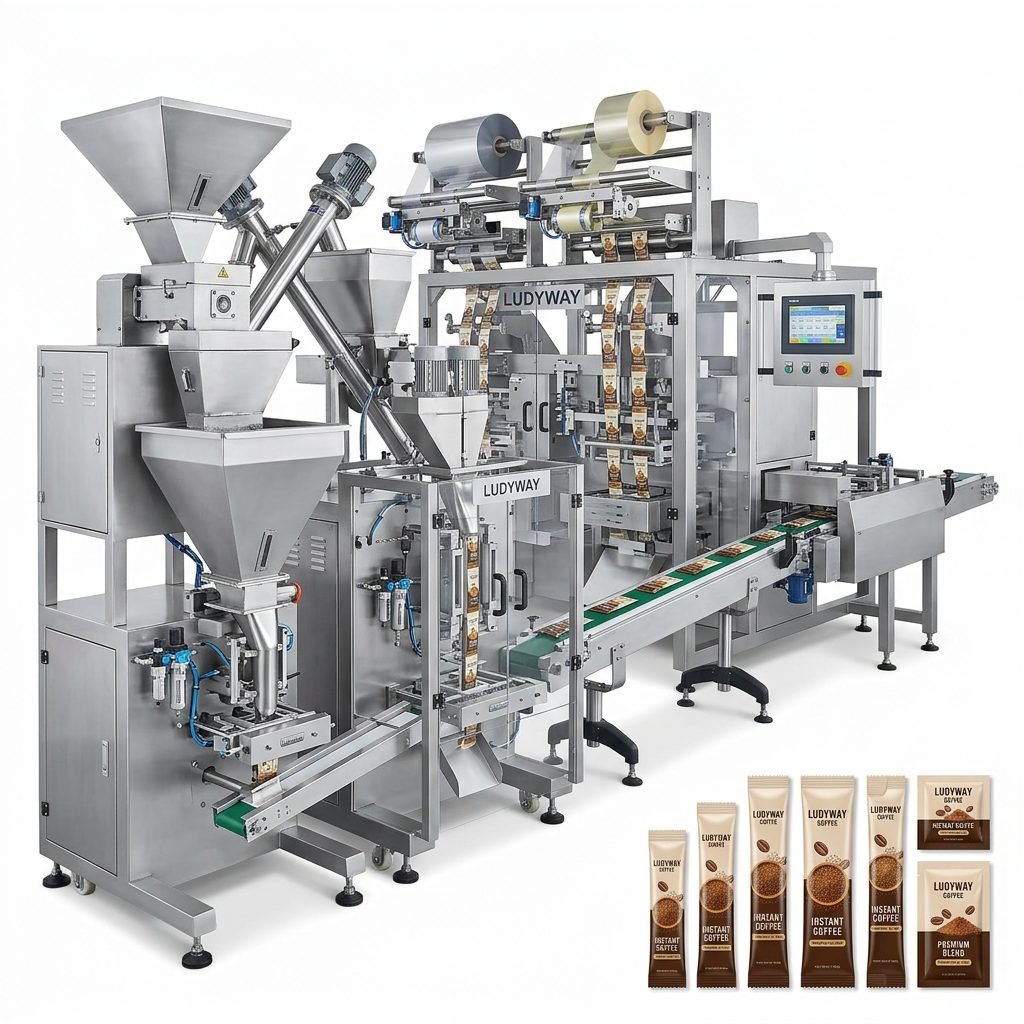
For many Southeastern businesses, especially those scaling up, investing in a coordinated turnkey production line—where all components from feeding and weighing to packaging and cartoning are designed to work in harmony—can be more effective than piecing together individual machines. This approach minimizes integration headaches, optimizes overall efficiency, and often results in better long-term support from a single provider like Ludyway Packaging Machinery.
Liquid & Piston Fillers
Designed specifically for free-flowing and viscous liquids, these machines use precise piston or pump mechanisms to dose product into bottles, pouches, or other containers. Accuracy and cleanliness are paramount.
Best for: Sauces, dressings, oils, dairy products, and liquid supplements. With the South’s strong culinary and beverage culture, precision liquid filling is in high demand.
Critical Selection Criteria Beyond the Machine Type
The machine category is just the start. These operational and support factors are often what separate a good investment from a great one.
1. Automation Level & Ease of Use
Consider how much manual intervention is required. Modern machines with intuitive Human-Machine Interface (HMI) touchscreens, recipe storage, and quick-changeover features reduce downtime and training time. This is crucial for managing variable production schedules common in the region.
2. Build Quality & Durability
Look for robust construction with food-grade stainless steel in critical areas. A machine built to run 24/7 with minimal wear will have a lower total cost of ownership, even if the initial price is higher. Durability is key for handling the high humidity often experienced in the Southeast.
3. Supplier Support & Local Service
This cannot be overstated. Does the supplier offer comprehensive training, clear documentation, and readily available spare parts? What is their response time for technical support? A reliable partner, such as Ludyway’s expert team, provides peace of mind and protects your production from extended stoppages.
4. Scalability & Future-Proofing
Can the machine handle a 20-30% increase in speed with minor upgrades? Is it compatible with future trends like sustainable packaging materials or IoT connectivity for data monitoring? Choosing a forward-compatible platform safeguards your investment.
Implementing Your New Packaging System
Successful implementation involves careful planning beyond the purchase order.
→ Site Preparation: Ensure your facility has the correct power supply, compressed air, floor space, and material handling workflow to accommodate the new equipment.
→ Staff Training: Schedule thorough operator and maintenance training with the supplier. Well-trained staff maximize uptime and machine lifespan.
→ Pilot Run & Validation: Always run a full production pilot with your actual materials and product. This validates performance, seals, and speed before full-scale commitment.
Partnering with an experienced provider who guides you through this process, like those with decades of experience in building global packaging solutions, dramatically increases the success rate of your project.
Frequently Asked Questions (FAQs)
1. What is the typical lead time for a new packaging machine?
Lead times vary based on machine complexity and customization. Standard models may ship in 8-12 weeks, while fully customized turnkey lines can take 4-6 months. Always discuss timelines in detail with your supplier during the quoting process.
2. How do I ensure the machine will work with my specific packaging film?
Provide film samples to the machine supplier for testing during the evaluation phase. Reputable manufacturers have lab facilities to test seal integrity, film traction, and forming capabilities to guarantee compatibility before purchase.
3. What kind of after-sales service and warranty should I expect?
Expect a comprehensive warranty (often 12 months on parts) covering manufacturing defects. More importantly, ensure the supplier offers accessible technical support via phone, email, and remote diagnostics. Ask about their policy for on-site service visits and spare parts availability.
4. Can I get a machine that handles both powders and granules?
Yes, many versatile machines, particularly certain VFFS models with interchangeable dosing systems (like auger fillers), can handle both product types. However, a complete product changeover may require cleaning and some part changes. Discuss your multi-product needs explicitly with the engineer.
5. How do I calculate the Return on Investment (ROI) for a new packaging machine?
ROI is calculated by considering the machine cost against savings and gains: increased output speed (labor savings), reduced material waste (better accuracy), lower maintenance costs, and the value of improved packaging quality leading to higher sales. Your supplier should help you build this financial model.