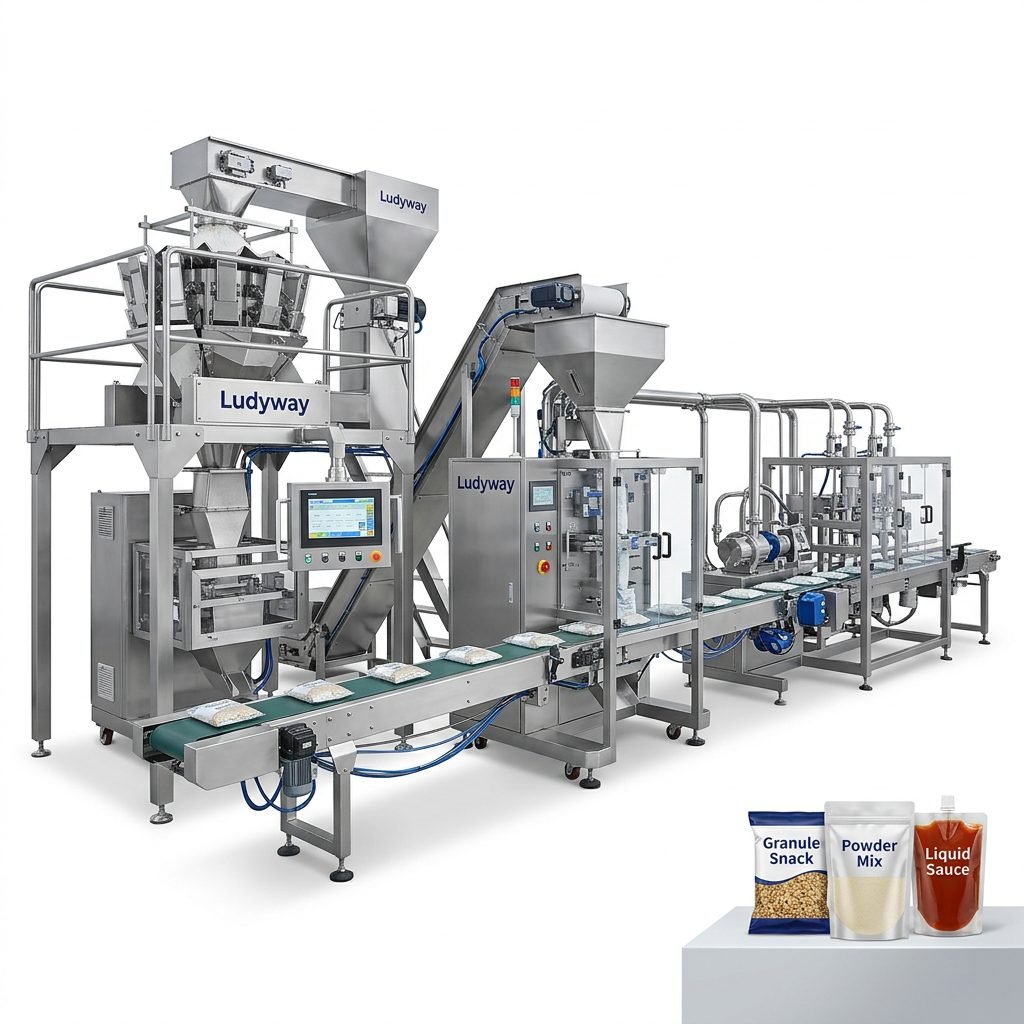
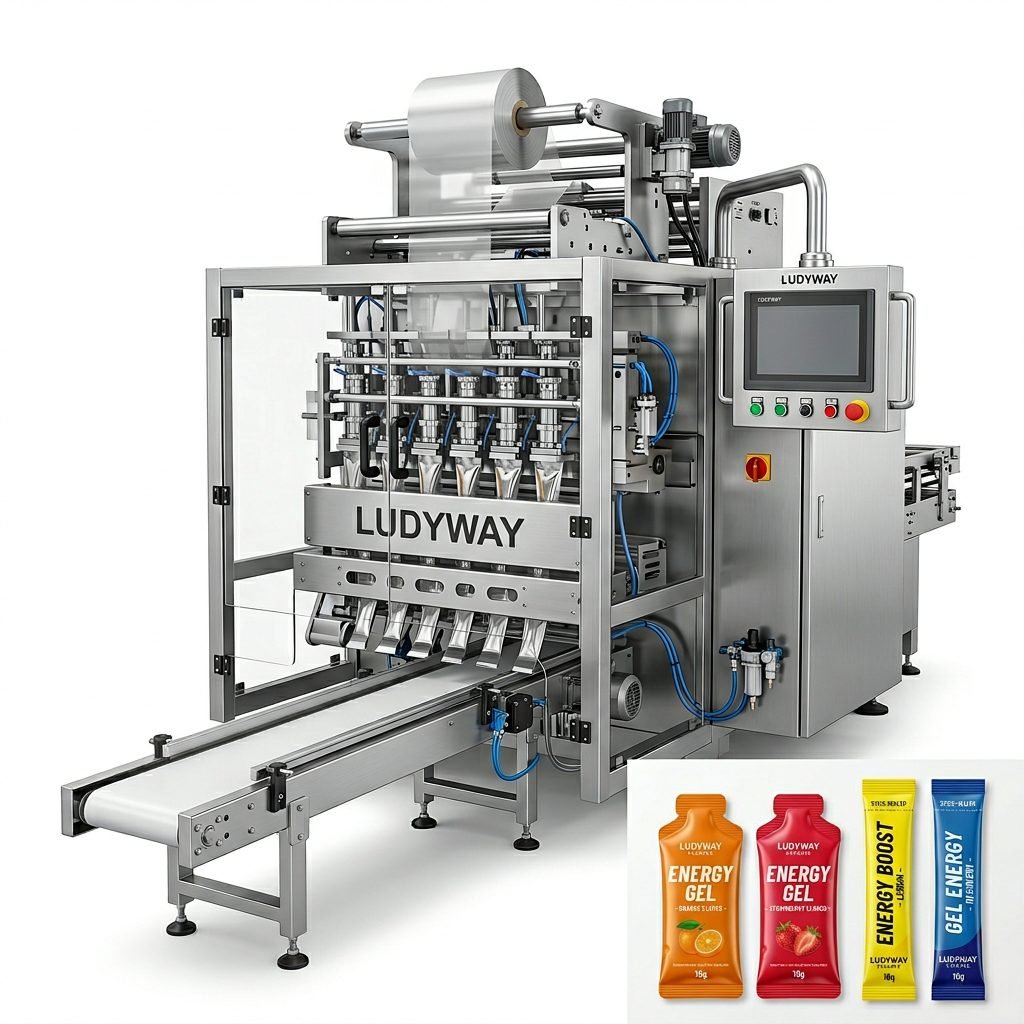
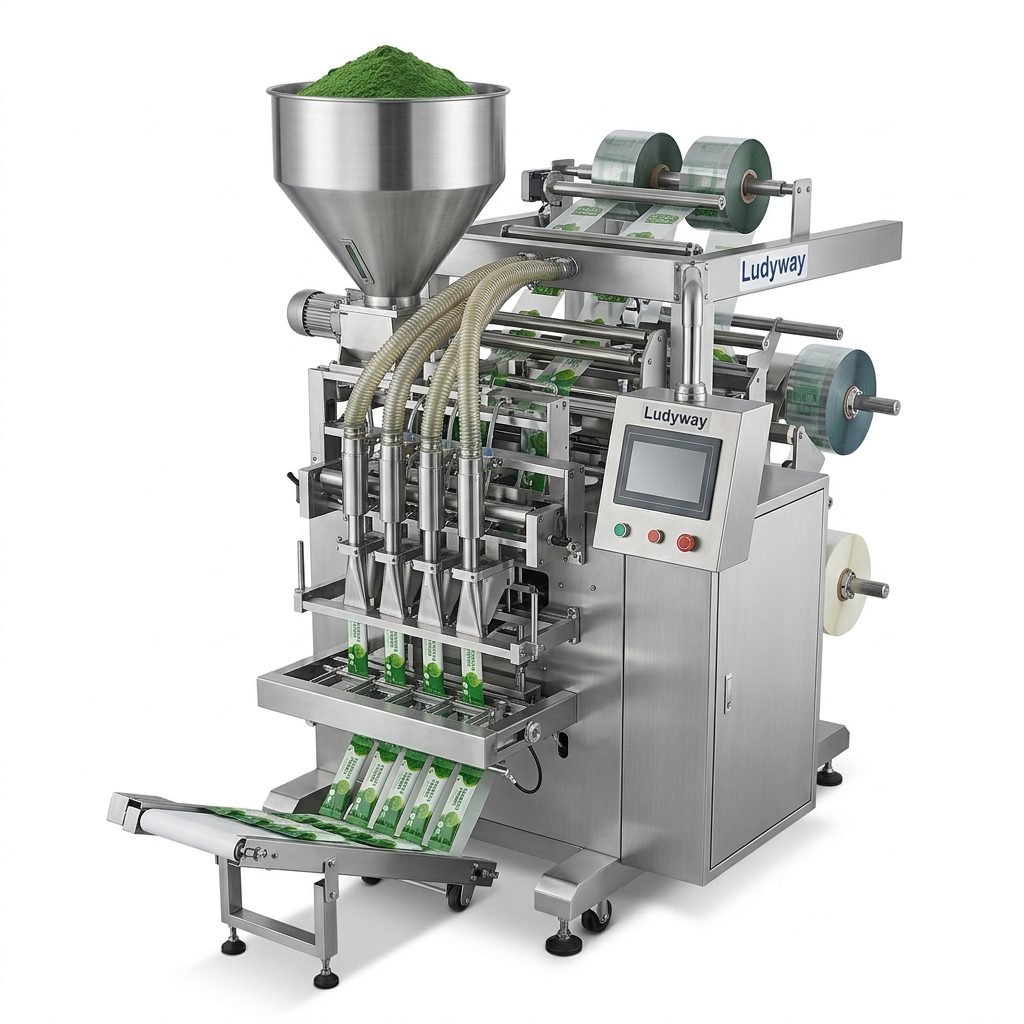
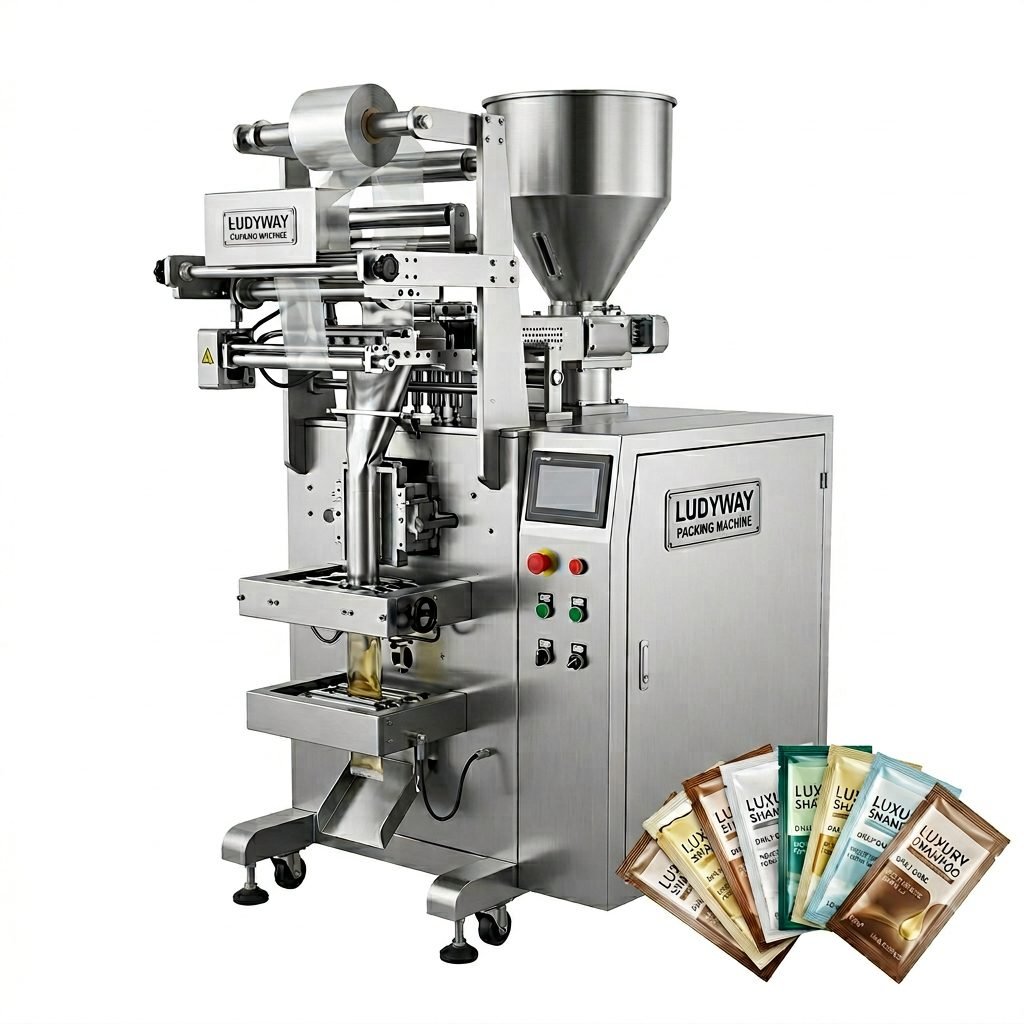
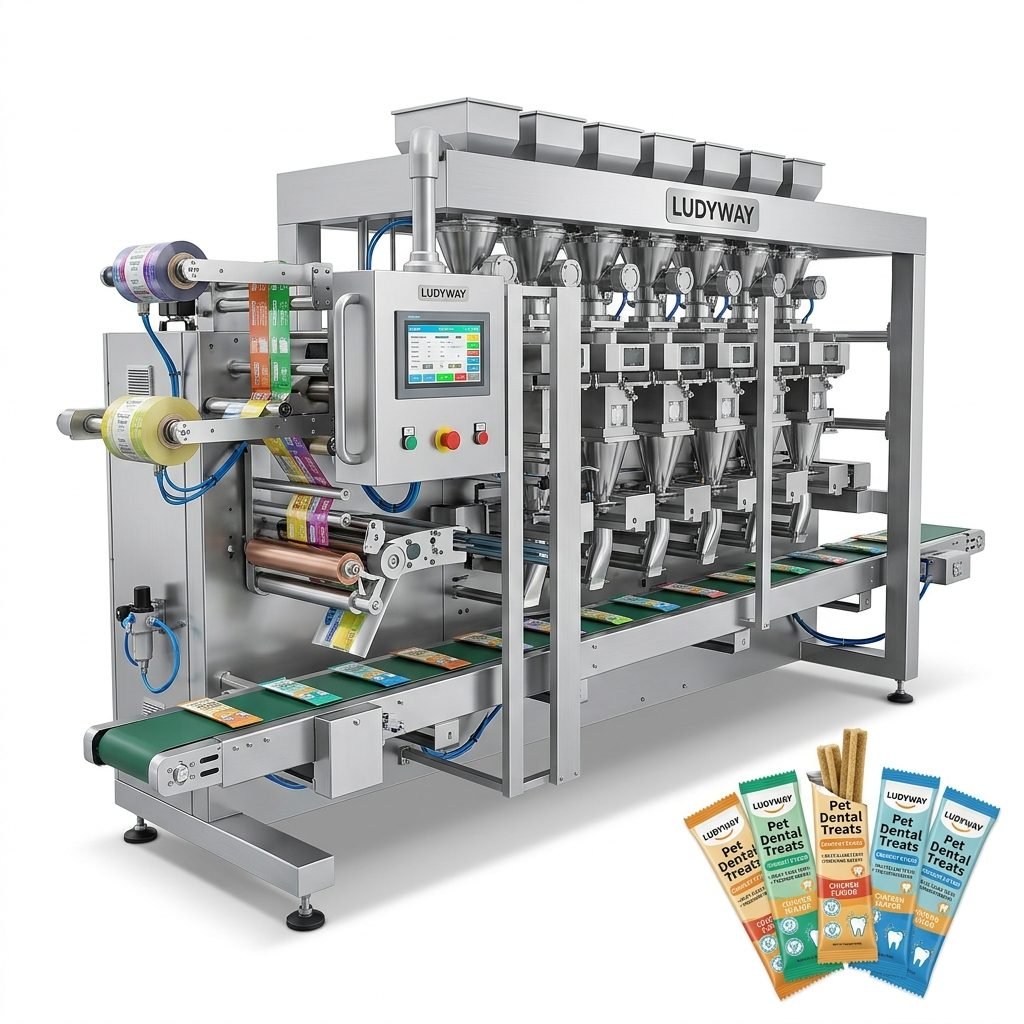
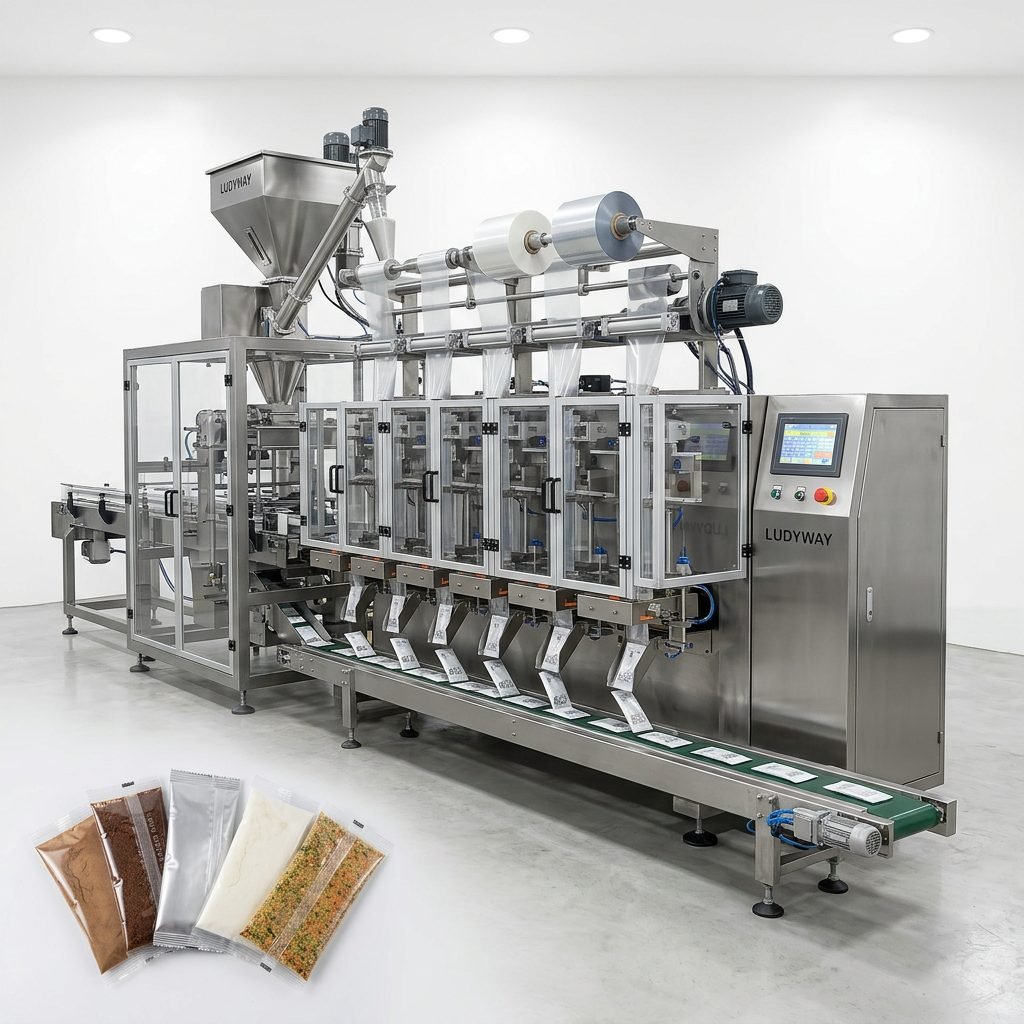
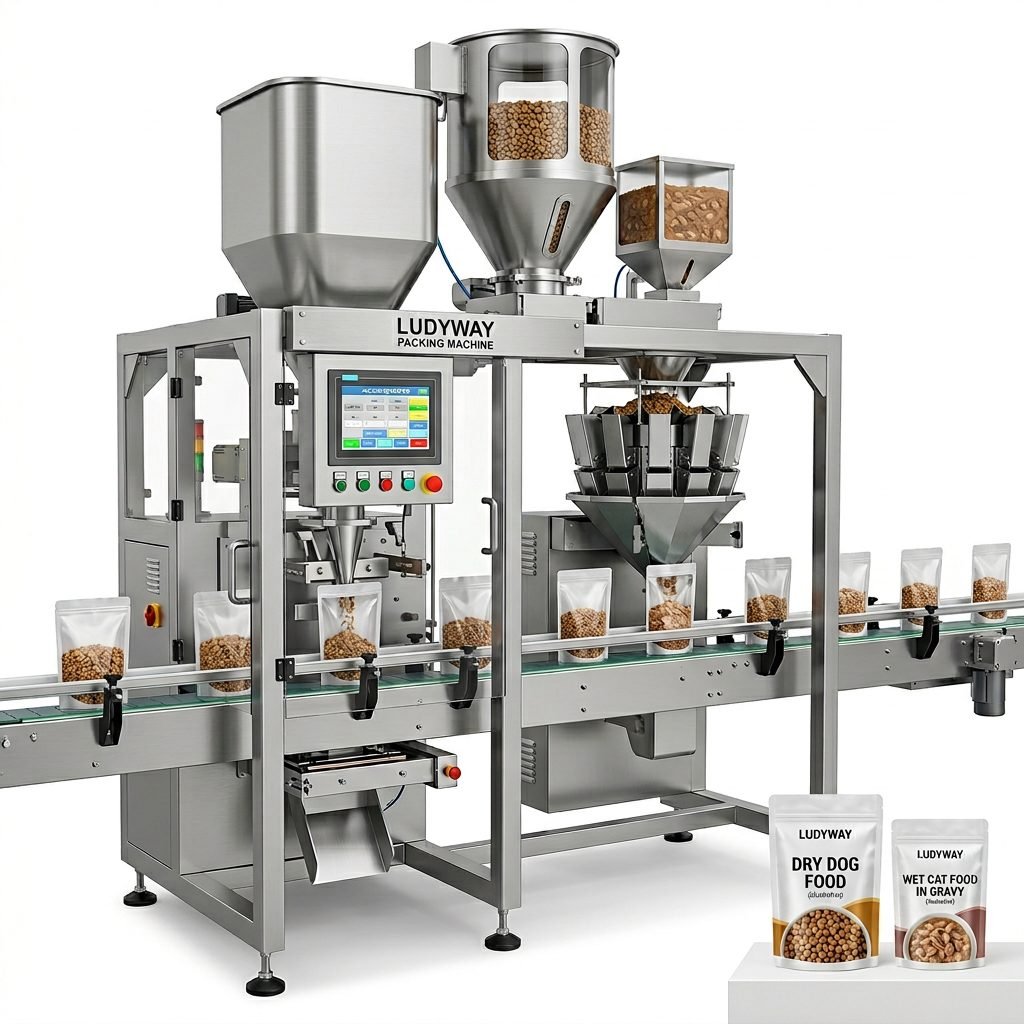
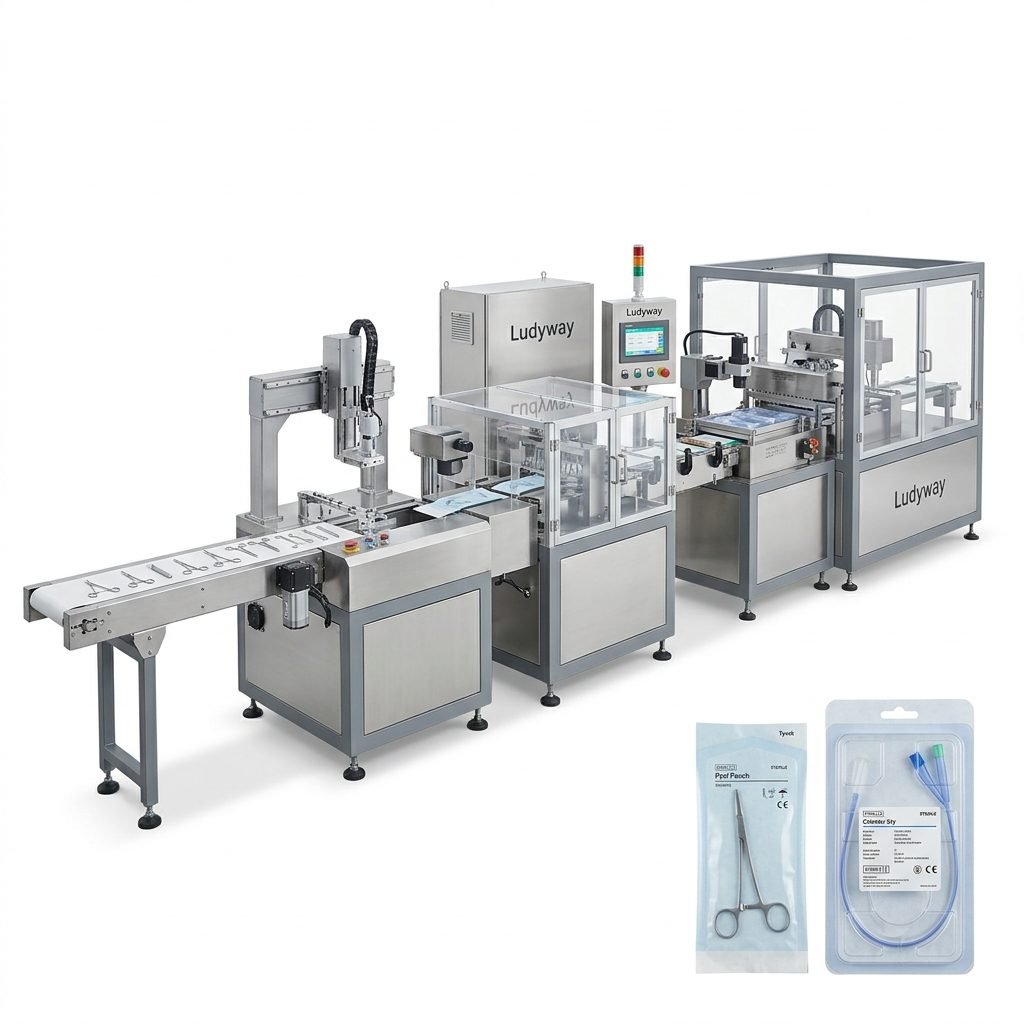
Investing in a foam packaging machine is a significant decision for any business involved in shipping, logistics, or product manufacturing. The cost is rarely a single, fixed number, as it fluctuates based on a complex interplay of machine specifications, production requirements, and additional operational factors. Understanding this pricing landscape is crucial for making an informed purchase that aligns with your budget and long-term production goals.
Core Factors Determining the Machine Price
The price tag of a foam packaging machine is primarily shaped by its core technical capabilities and construction. These are the fundamental elements that define its performance and, consequently, its market value.
Machine Type and Automation Level
The spectrum of automation is the most significant price determinant. Manual or semi-automatic foam baggers are entry-level options where operators place products and sometimes initiate the foam-in-bag process. These are the most affordable, suitable for low-volume operations. Fully automatic systems integrate product feeding, bag placement, foam dispensing, sealing, and cutting into one seamless operation. They command a higher price but deliver vastly superior speed, consistency, and labor savings, offering a faster return on investment for medium to high-volume settings.
Key Price Drivers:
Output Speed (Bags/Hour): Machines are rated by their cycles per hour. A unit producing 300 bags per hour will be considerably less expensive than one capable of 1,200 bags per hour. The higher the required throughput, the more robust the mechanics and controls need to be.
Foam Type and Density Compatibility: Machines are often designed for specific foam types (e.g., polyethylene, polyurethane) or densities. A system engineered to handle a wider range of specialized foams, including higher-density materials for heavy-duty protection, will involve more complex metering and dispensing technology, increasing the cost.
Technical Specifications and Build Quality
Beyond speed, the machine’s technical heart dictates its price. The precision and durability of components like the foam dispensing system (pumps, valves, mixers for multi-component foam), the sealing mechanism (heat, impulse, or ultrasonic), and the control system (basic PLC vs. advanced touchscreen HMI with recipe storage) are major cost factors. Machines built with high-grade stainless steel on critical contact points and industrial-grade components from reputable brands ensure longevity and reliability, reflecting a higher initial investment but lower lifetime cost.
Secondary Cost Influencers
Once the base machine price is considered, several ancillary factors can substantially affect the total cost of ownership and implementation.
Customization and Integration Needs
Off-the-shelf models are cost-effective. However, if your production line requires custom bag sizes far outside standard ranges, integration with existing conveyors or robotic arms, or special safety enclosures, engineering and fabrication costs will rise. A turnkey solution that includes installation, commissioning, and training, while adding to the upfront cost, ensures optimal performance from day one.
Operational and Ancillary Costs
The purchase price is just the beginning. Operational expenses include:
- Raw Material (Foam Chemicals): The ongoing cost of foam resin and activator. Consumption rates vary by machine efficiency and bag size.
- Bag Film: The cost of the plastic film used to create the bags. Options include standard polyethylene or higher-barrier, anti-static films.
- Utilities: Power consumption for motors, heaters, and controls, plus compressed air if the machine is pneumatic.
- Maintenance: Regular servicing, replacement of wear parts (sealing jaws, cutting blades), and potential downtime costs.
The Brand and Support Premium
Choosing a machine from an established manufacturer like Ludyway Packing Machine often involves a premium justified by proven reliability, comprehensive technical support, and readily available spare parts. With over 30 years of industry experience, such brands offer more than just hardware; they provide production solutions. Their expertise in granule, powder, and liquid packaging translates into robust foam system design. Investing in a reputable brand mitigates risk, reduces long-term downtime, and ensures access to professional service—a critical consideration for maintaining continuous production flow.
Price Range Expectations
While exact prices require a specific quotation, general ranges can be outlined based on automation:
- Semi-Automatic Machines: $5,000 – $20,000. Ideal for startups or businesses with sporadic, low-volume needs.
- Standard Fully Automatic Machines: $25,000 – $80,000. This is the most common range for mainstream production, offering a balance of speed, reliability, and features.
- High-Speed & Custom Turnkey Lines: $80,000 – $200,000+. For large-scale operations requiring ultra-high speed, complex integration with other packaging systems, or fully customized solutions.
Maximizing Your Investment Return
To ensure your foam packaging machine is a profitable asset, look beyond the initial price. Calculate the Total Cost of Ownership (TCO) over 3-5 years, including all operational costs. Analyze how the machine’s speed and automation will reduce labor expenses and minimize material waste through precise dispensing. A slightly higher upfront investment in a more efficient, reliable machine from a supplier with strong engineering capabilities often yields the lowest TCO and fastest payback period.
Final Recommendations
Begin by conducting a thorough analysis of your current and projected packaging volume, product sizes, and foam requirements. Obtain detailed quotes from multiple suppliers that break down machine specs, optional features, and post-sale support terms. Prioritize suppliers who offer robust warranties, accessible training, and have a track record of supporting customers worldwide. Remember, the cheapest machine can become the most expensive if it leads to production bottlenecks, inconsistent packaging quality, or frequent breakdowns.
Frequently Asked Questions (FAQs)
What is the typical payback period for a foam packaging machine?
The payback period varies widely but often ranges from 12 to 36 months. It depends on the machine’s cost, the labor savings achieved through automation, the reduction in material waste, and the increase in packaging throughput. High-volume users of a fully automatic system can frequently achieve payback on the lower end of this scale.
Can one machine handle different foam densities and bag sizes?
Many modern machines offer flexibility. They can be adjusted for different bag lengths and widths within a defined range. Handling different foam densities usually requires recalibration of the chemical ratio and dispensing system. It’s crucial to discuss your specific material and size variability with the supplier to ensure the machine can be easily adapted or if changeover parts are needed.
How important is after-sales service and technical support?
Extremely important. Technical support for installation, operator training, and troubleshooting is vital for a smooth startup. Access to timely maintenance services and genuine spare parts from the manufacturer, like the support backbone offered by experienced brands, is critical for minimizing downtime and ensuring the machine’s longevity and consistent performance over many years.
Are there significant differences in operating costs between machine types?
Yes. Fully automatic machines generally use foam chemicals and film more efficiently due to precise, repeatable dispensing, reducing material waste. They also consolidate a multi-person manual process into a single automated system, drastically cutting direct labor costs, which is often the largest operational saving.
What are the key safety features to look for?
Essential safety features include emergency stop buttons, protective guarding around moving parts and heating elements, proper ventilation systems for fume extraction (if required for the foam type), and clear safety interlocks that prevent operation if guards are open. A reputable supplier will design and build safety into the machine in compliance with relevant industry standards.