Understanding the price of a foam packaging machine is not as simple as looking at one number on a quotation. Costs can vary significantly based on machine type, production speed, automation level, material compatibility, customization, and after-sales support. For manufacturers, distributors, and growing brands, the right buying decision is not about finding the cheapest model—it is about choosing the machine that delivers the best long-term value.
If you are comparing equipment for protective packaging, foam-in-place applications, cushioning inserts, or automated packing workflows, this guide explains what affects pricing, typical cost ranges, and how to select a machine that matches your production goals.
What Is a Foam Packaging Machine?
A foam packaging machine is equipment designed to create protective foam packaging for products during storage, shipping, or distribution. Depending on the application, the machine may:
- Mix foam components on demand
- Create foam cushions or foam-in-place protective forms
- Dispense packaging material around fragile products
- Integrate with conveyors, bagging systems, or end-of-line packaging stations
- Support manual, semi-automatic, or fully automatic production
These systems are widely used in electronics, automotive parts, medical products, household appliances, industrial components, glassware, and e-commerce fulfillment.
Foam Packaging Machine Price Range
The market price depends heavily on specifications and project complexity. As a general reference, buyers may see the following ranges:
| Machine Type | Typical Price Range | Best For |
|---|---|---|
| Entry-level manual or compact unit | US$3,000 – US$10,000 | Low-volume operations, small workshops |
| Semi-automatic foam packaging machine | US$10,000 – US$30,000 | Medium production, growing packaging lines |
| Automatic high-speed system | US$30,000 – US$80,000+ | Industrial-scale packaging |
| Customized turnkey foam packaging line | US$80,000 – US$200,000+ | Integrated automated production environments |
Important: these are broad reference figures. Final pricing will vary based on configuration, brand, export destination, certification requirements, and optional modules.
Main Factors That Affect Foam Packaging Machine Cost
1. Automation Level
One of the biggest price drivers is whether the machine is manual, semi-automatic, or fully automatic. A basic machine may require frequent operator involvement, while a fully automatic model can dose, form, fill, and discharge foam packaging with minimal labor input.
- Manual systems cost less upfront but need more labor
- Semi-automatic systems balance budget and efficiency
- Automatic systems cost more initially but improve throughput and consistency
2. Output Capacity and Speed
Higher-speed machines naturally cost more because they need more advanced dosing control, faster actuation, stronger structural design, and more precise automation. If you only package a few hundred products per day, a compact model may be enough. If you run multiple shifts, investing in high output often makes more financial sense over time.
3. Foam Material Compatibility
Different machines are designed for different foam formulations and packaging processes. Some systems handle only standard materials, while others support specialty foams, variable densities, or unique curing requirements. The more flexible the machine, the higher the price tends to be.
4. Product Size and Packaging Format
A machine designed for small electronics cushioning is different from one intended for large industrial components. Larger formats usually require:
- Higher dispensing volume
- More robust pumps and mixers
- Bigger workstations or fixtures
- Heavier-duty conveyors or handling modules
5. Customization Requirements
Custom engineering can noticeably increase quotation value. Typical custom features include:
- Special mold or fixture design
- PLC and HMI customization
- Multi-station operation
- Integration with case packing or sealing lines
- Robot loading or unloading
- Customized voltage and electrical standards
6. Control System and Smart Features
Modern machines with touchscreen controls, recipe memory, fault alarms, remote diagnostics, and data monitoring cost more than conventional units. However, these functions can reduce downtime, improve setup speed, and support quality control.
7. Machine Construction and Component Brand
Materials and parts matter. Stainless steel frames, international electrical components, precision pumps, servo systems, and premium sensors all increase cost. Yet they can also improve reliability and service life.
8. Compliance and Certification
If your market requires CE, UL-related compliance considerations, GMP-oriented design, or industry-specific safety standards, expect the machine price to increase. Certification work affects engineering, documentation, and validation.
9. Installation, Training, and Technical Support
Some quotations include only the machine itself, while others include commissioning, operator training, spare parts, and long-term support. A lower initial quote may not always mean lower total ownership cost.
Hidden Costs Buyers Often Overlook
When evaluating a foam packaging machine price, look beyond the factory quote. Additional costs may include:
- Shipping and insurance
- Import duty and local taxes
- Installation and commissioning
- Air compressor or utility requirements
- Consumables and foam raw materials
- Maintenance parts and wear components
- Downtime risk from poor supplier support
A smart purchase decision should compare total cost of ownership, not only purchase price.
How to Choose the Right Foam Packaging Machine
Clarify Your Packaging Application
Start by defining exactly what you need the machine to do. Ask:
- What products are being protected?
- Are they fragile, heavy, irregular, or high-value?
- What level of cushioning is required?
- What packaging output do you need per hour or per shift?
- Do you need standalone equipment or a complete line?
Match Capacity to Real Demand
Avoid both underbuying and overbuying. If the machine is too small, production bottlenecks will appear quickly. If the machine is far beyond current needs, capital efficiency suffers. A practical strategy is to choose equipment with reasonable room for growth rather than maximum possible output.
Evaluate the Supplier’s Engineering Ability
Foam packaging projects often require process understanding, not just machine assembly. Buyers should evaluate whether the supplier can adapt the machine to product dimensions, packaging flow, and factory layout. This is especially important for automated or semi-automated installations.
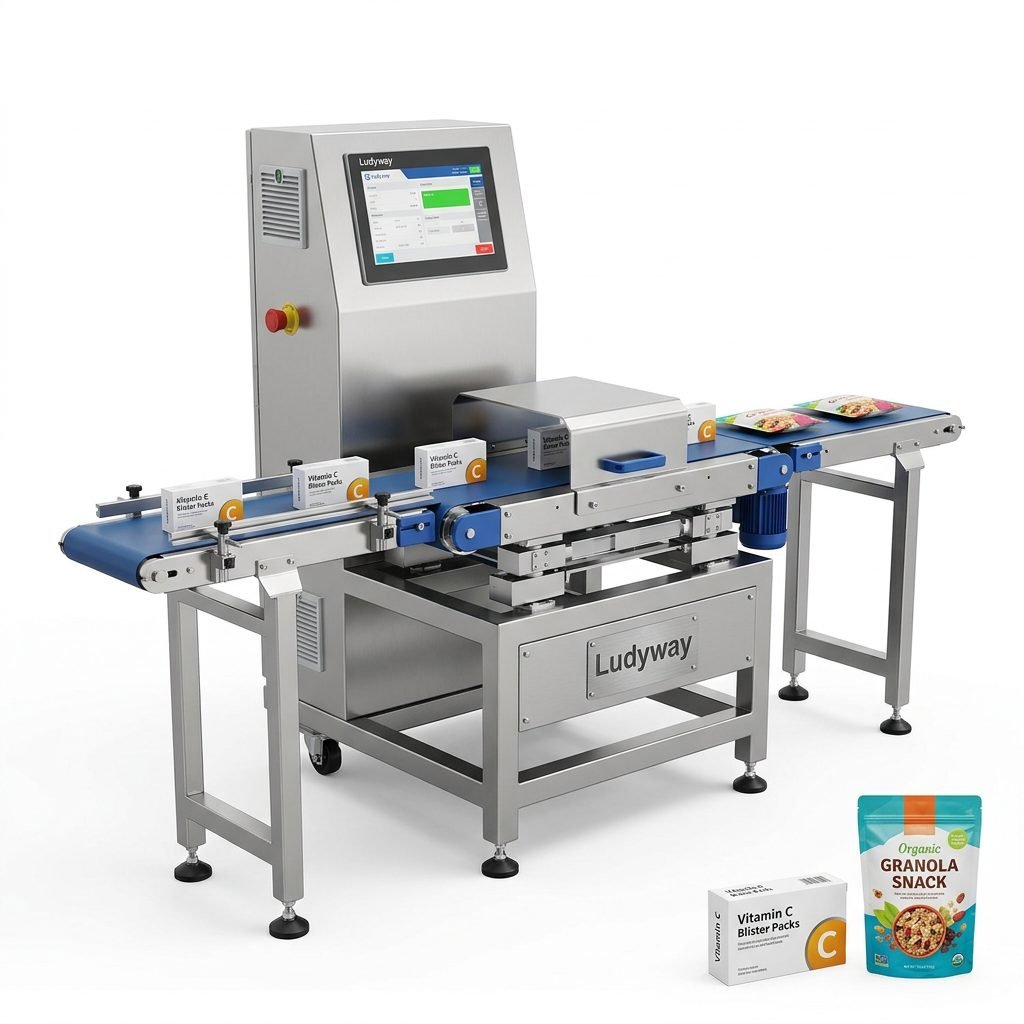
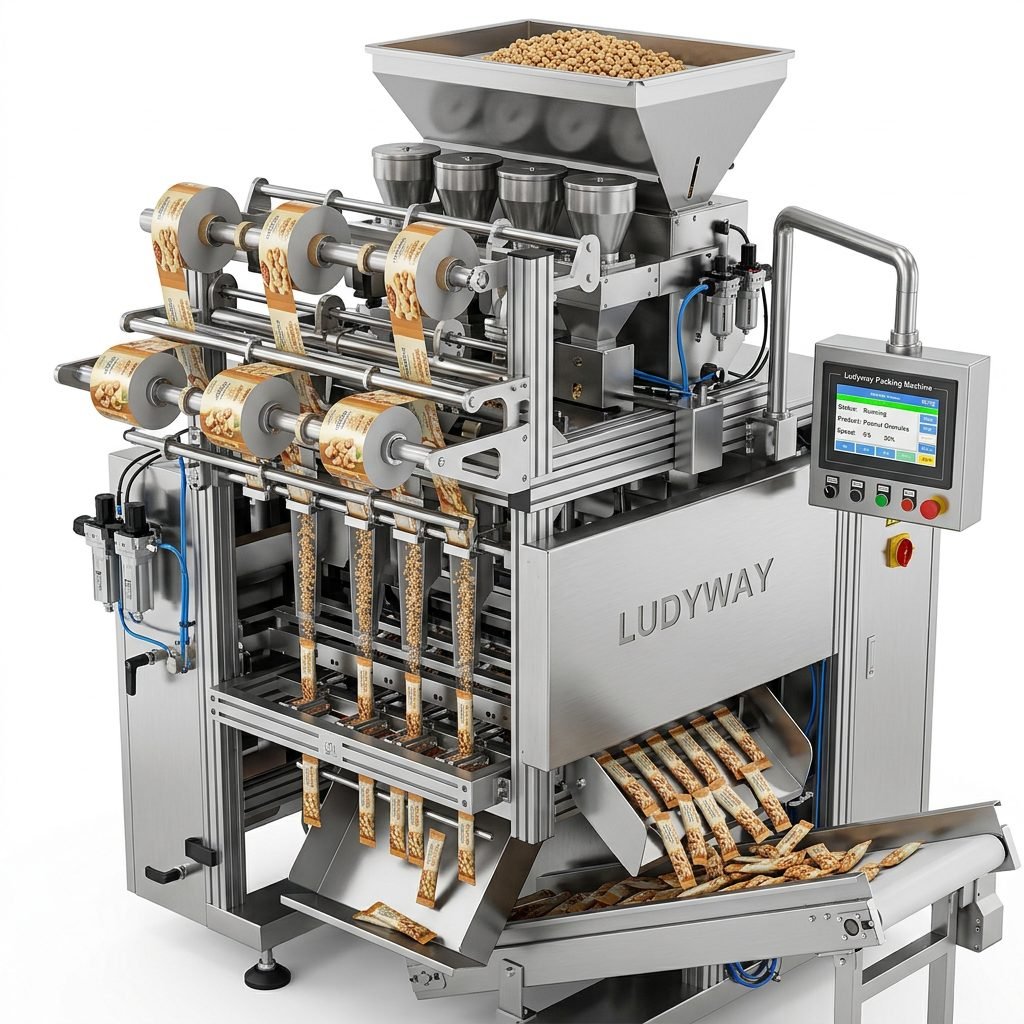
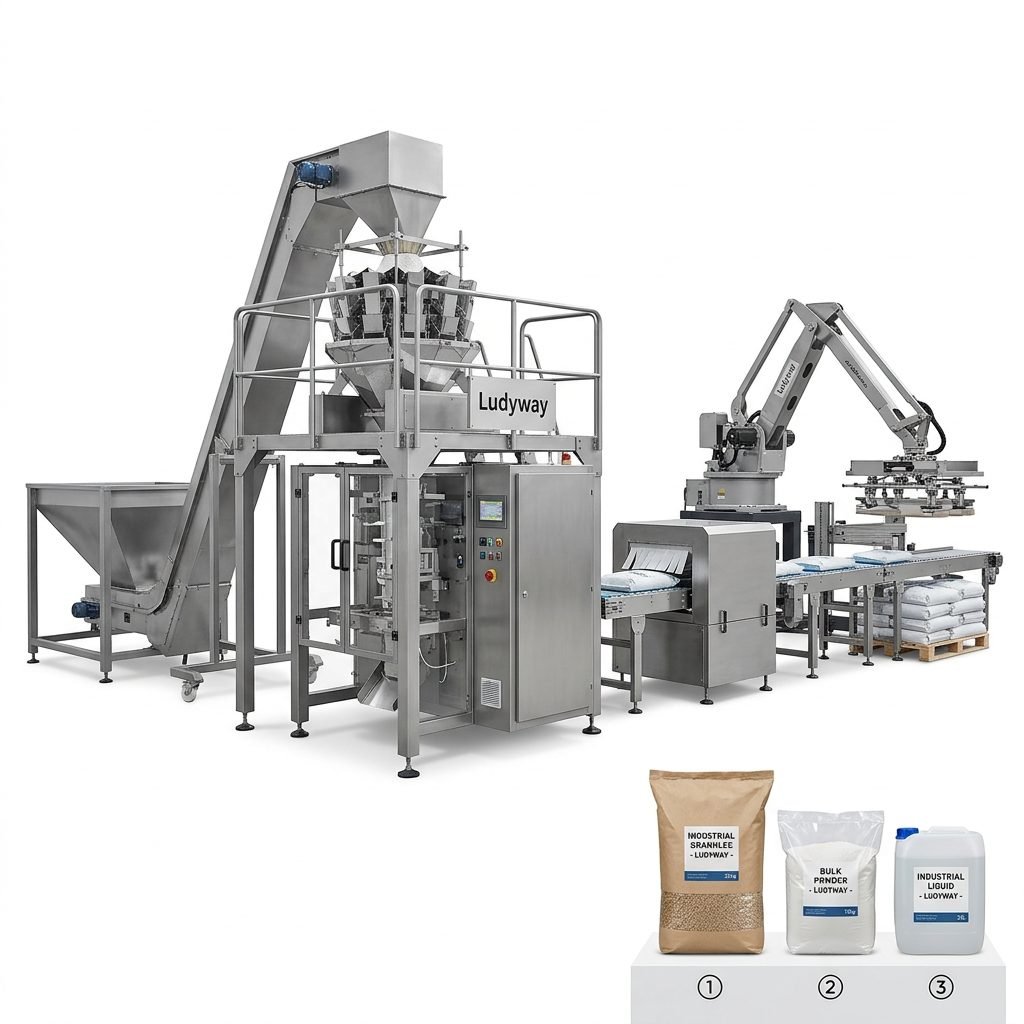
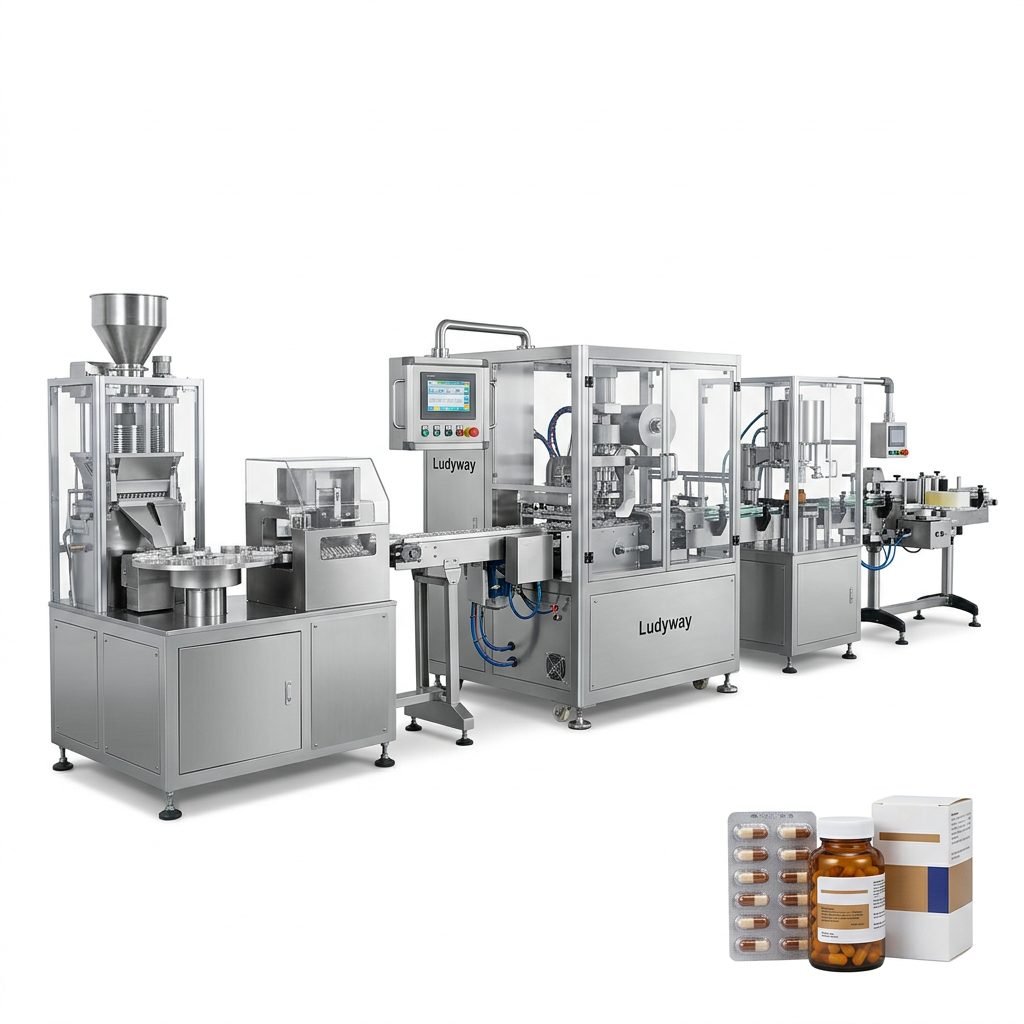
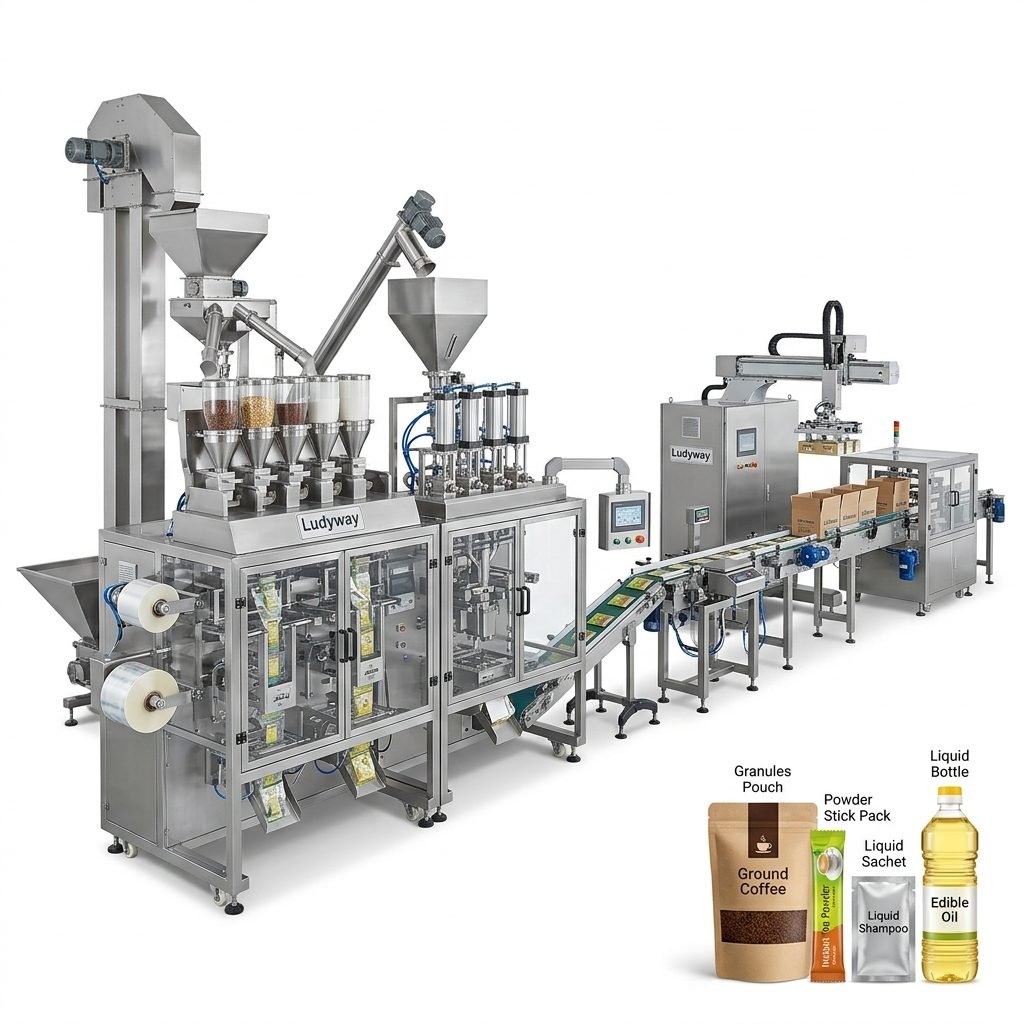
For businesses seeking wider packaging automation support, Ludyway packaging machine solutions are often considered by international buyers looking for scalable equipment and turnkey line integration across food, pharmaceutical, health supplement, and related sectors.
Check After-Sales Support Carefully
A reliable supplier should offer:
- Clear manuals and electrical drawings
- Remote troubleshooting support
- Spare parts availability
- Operator training
- Installation guidance
- Response time commitments
Ask for Video Proof and Case References
Before placing an order, request machine videos, customer application examples, and material test results. If your product is unusual, sample testing is highly recommended.
Comparing Low-Cost vs High-Value Machines
| Comparison Point | Low-Cost Machine | High-Value Machine |
|---|---|---|
| Initial Price | Lower | Higher |
| Stability | May vary | Usually better |
| Maintenance Frequency | Often higher | Often lower |
| Automation Options | Limited | More flexible |
| Support Quality | Uncertain | More complete |
| Long-Term ROI | Can be weaker | Usually stronger |
Who Should Invest in a More Advanced Foam Packaging Machine?
A higher-end system is often the right choice if your business has one or more of the following needs:
- High daily packaging volume
- Fragile or premium products requiring consistent protection
- Multiple product sizes
- Labor cost pressure
- Strict packaging quality targets
- Planned production expansion
- Need for integration with automated packaging lines
Questions to Ask Before Requesting a Quote
To get a more accurate foam packaging machine quotation, prepare these details for the supplier:
- Product dimensions and weight
- Daily or hourly output requirement
- Foam packaging type needed
- Manual, semi-automatic, or automatic preference
- Available factory space
- Power supply and air supply conditions
- Target market certifications
- Need for custom fixtures, conveyors, or robotic integration
Tips for Getting the Best Value
- Compare specification against price, not price alone
- Request a full configuration list in the quotation
- Confirm included services before payment
- Ask about spare part lead time
- Review warranty terms carefully
- Check whether future upgrades are possible
- Ask for production videos using similar products
Final Buying Insight
The best foam packaging machine is the one that fits your product, throughput, budget, and long-term production strategy. A lower-priced machine may look attractive at first, but if it creates downtime, inconsistent packaging, or support problems, the real cost becomes much higher. On the other hand, a well-matched machine with dependable performance can reduce labor, improve protection quality, and deliver stronger ROI over the years.
When comparing options, focus on application fit, reliability, supplier capability, and total ownership cost. That approach will help you choose a foam packaging machine that supports both current production and future growth.