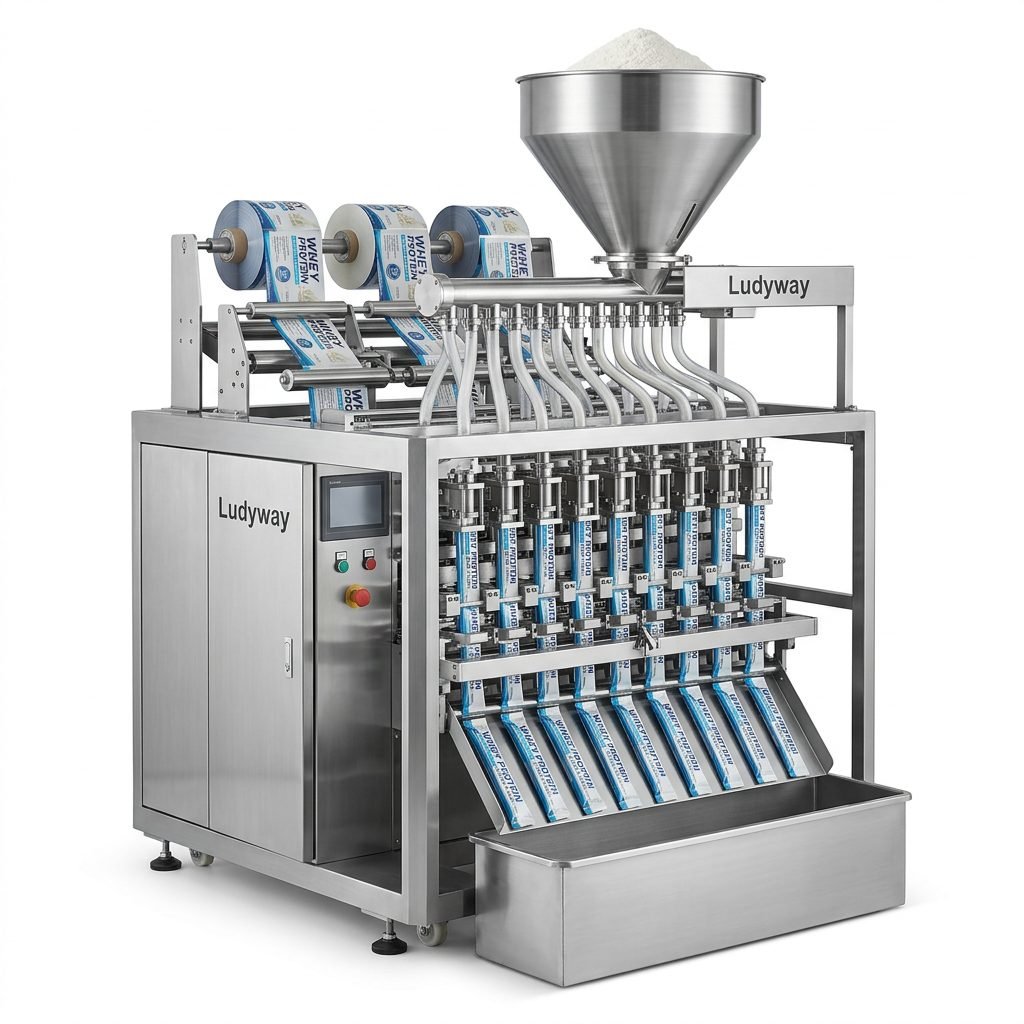
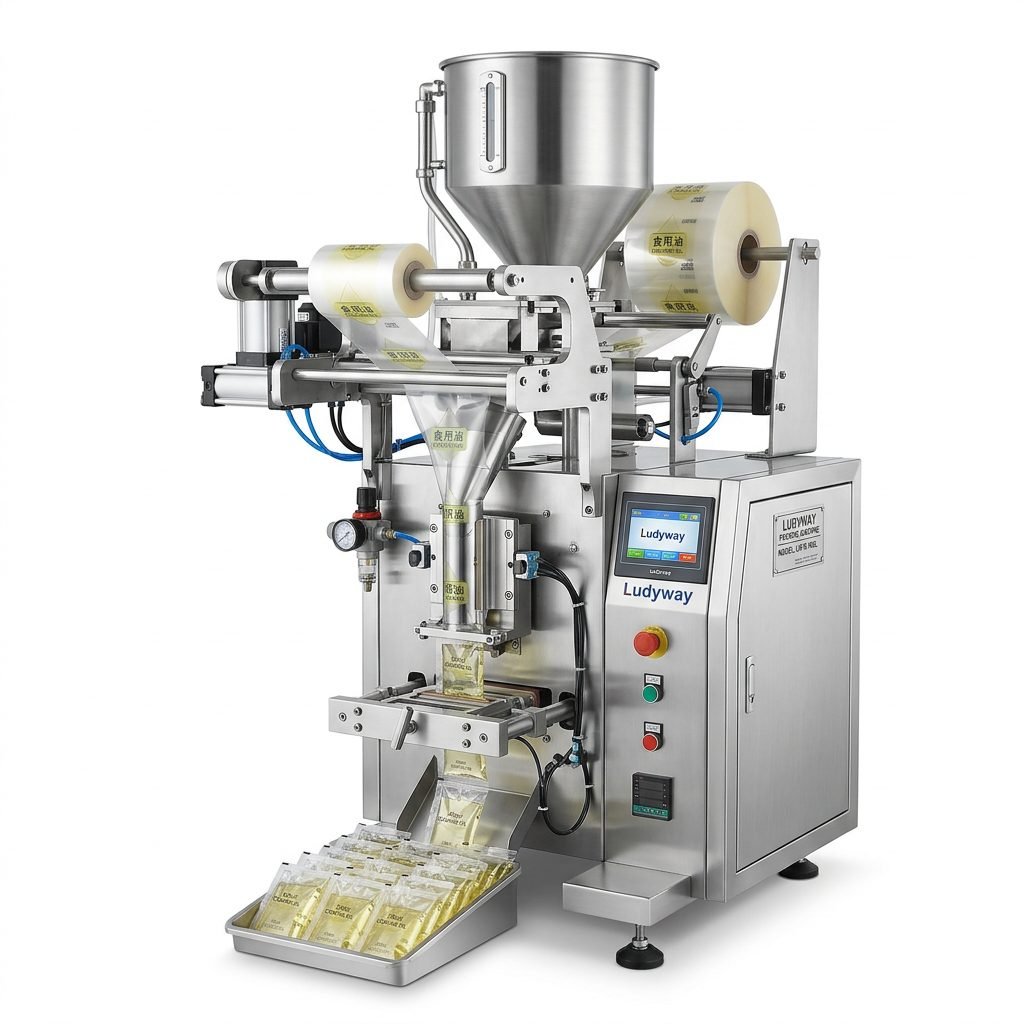
Food manufacturers today face constant pressure to increase throughput, reduce labor dependency, improve package consistency, and maintain strict hygiene standards. Food packaging automation has become a practical way to solve these challenges by combining smart filling, sealing, conveying, weighing, coding, and inspection technologies into one streamlined process.
From powders and granules to sauces and liquid products, automated systems help factories package faster with fewer errors. They also create a stronger foundation for traceability, compliance, and scalable growth in highly competitive markets.

Why Food Packaging Automation Matters More Than Ever
Manual packaging may work for very small operations, but it often creates bottlenecks as production demand grows. Automated food packaging systems are designed to deliver repeatable performance across long production runs while supporting better resource control.
- Higher speed: Machines can run continuously with stable output.
- Better accuracy: Precise dosing and weighing reduce overfill and underfill.
- Improved hygiene: Less manual contact lowers contamination risk.
- Lower labor pressure: Teams can focus on supervision and quality control.
- Consistent packaging quality: Better sealing, coding, and presentation.
- Data visibility: Smart systems support monitoring, alarms, and production optimization.
Core Smart Solutions Used in Automated Food Packaging
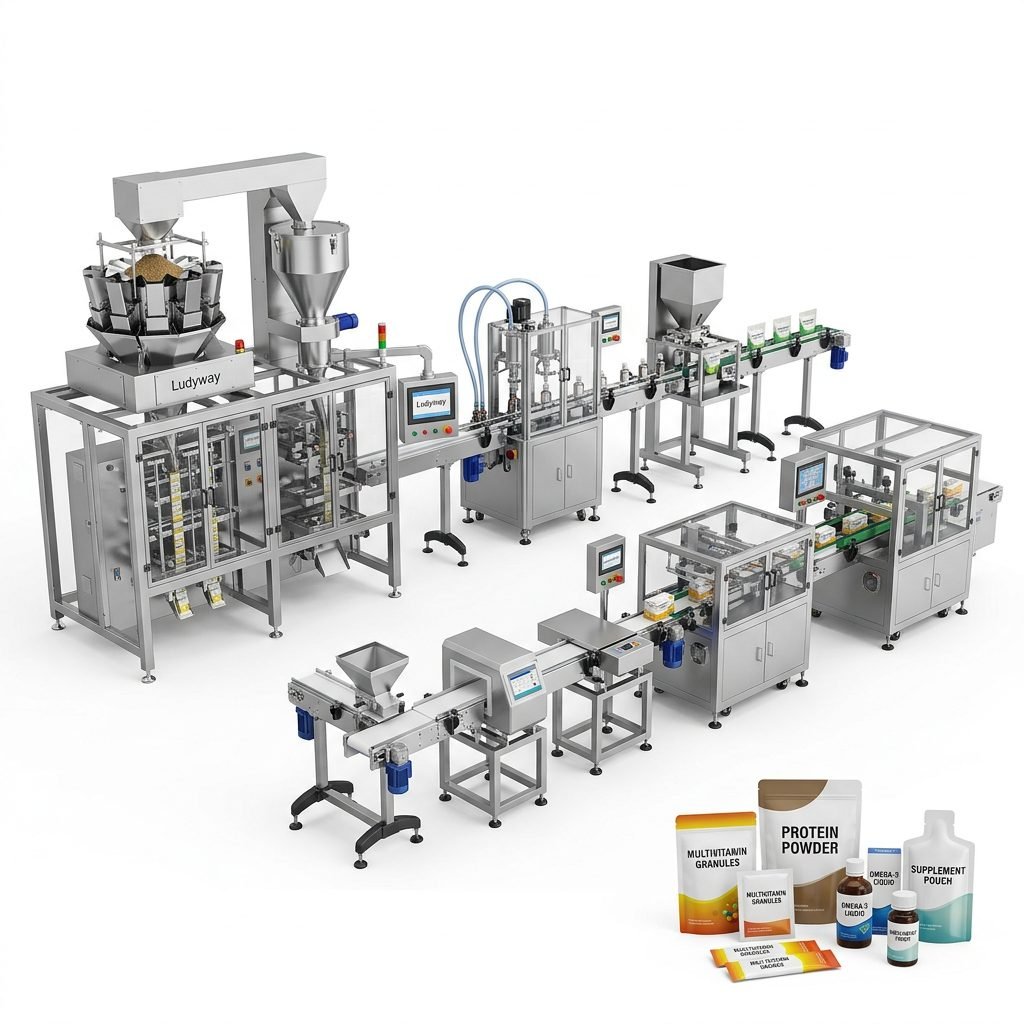
A modern packaging line is rarely just one machine. The best results come from connecting multiple automated modules so that material handling, filling, sealing, and final packing work together without interruption.
1. Automatic Feeding and Conveying Systems
Powders, granules, and snacks must reach the packaging machine smoothly and consistently. Smart feeding equipment such as screw conveyors, bucket elevators, and vacuum feeders helps maintain a stable product supply and prevents downtime caused by uneven material flow.
2. Precision Weighing and Dosing
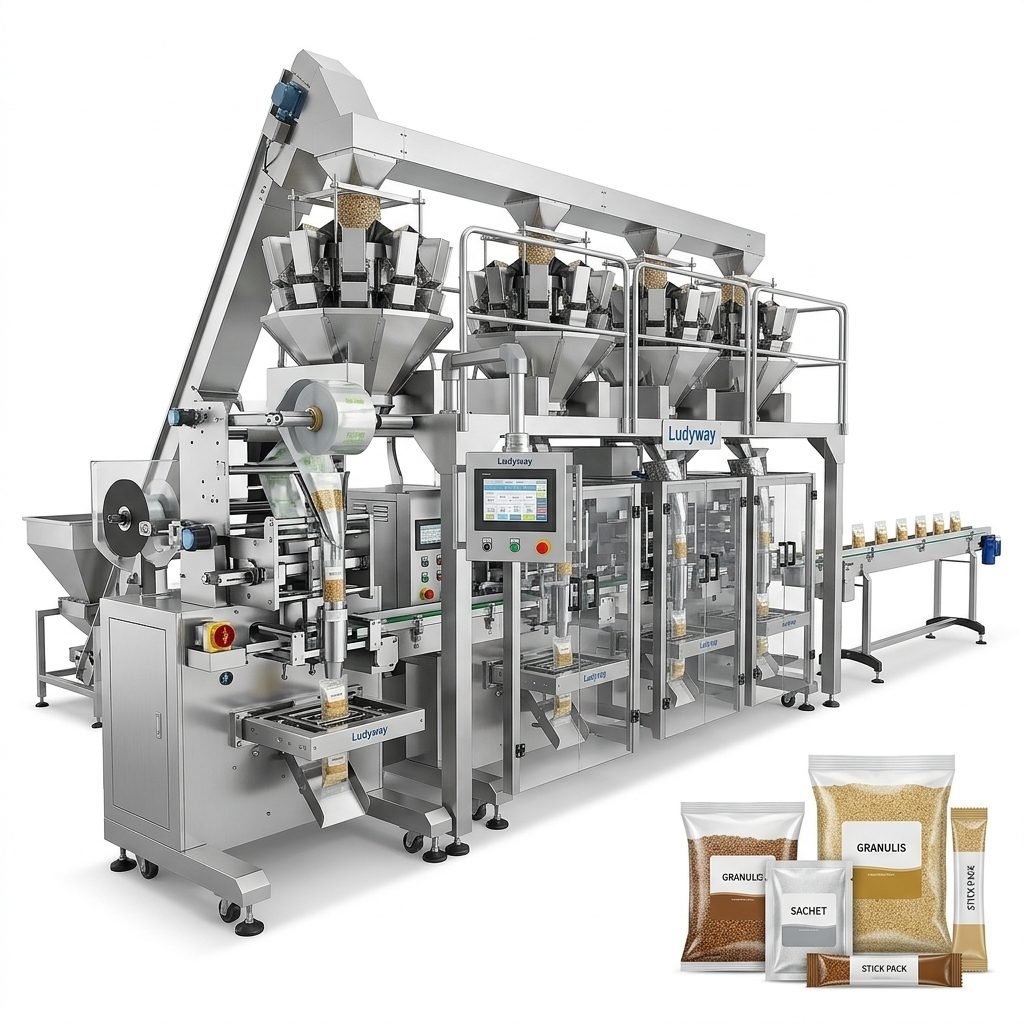
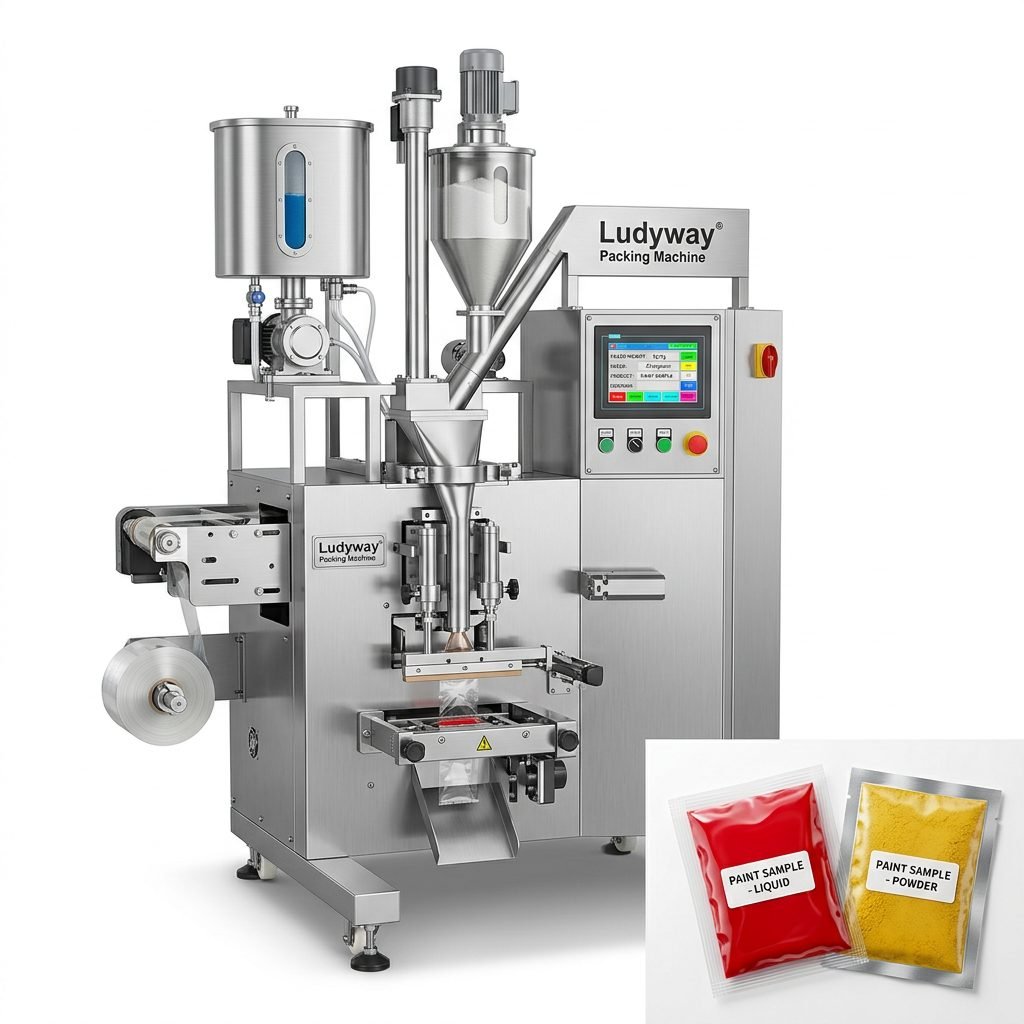
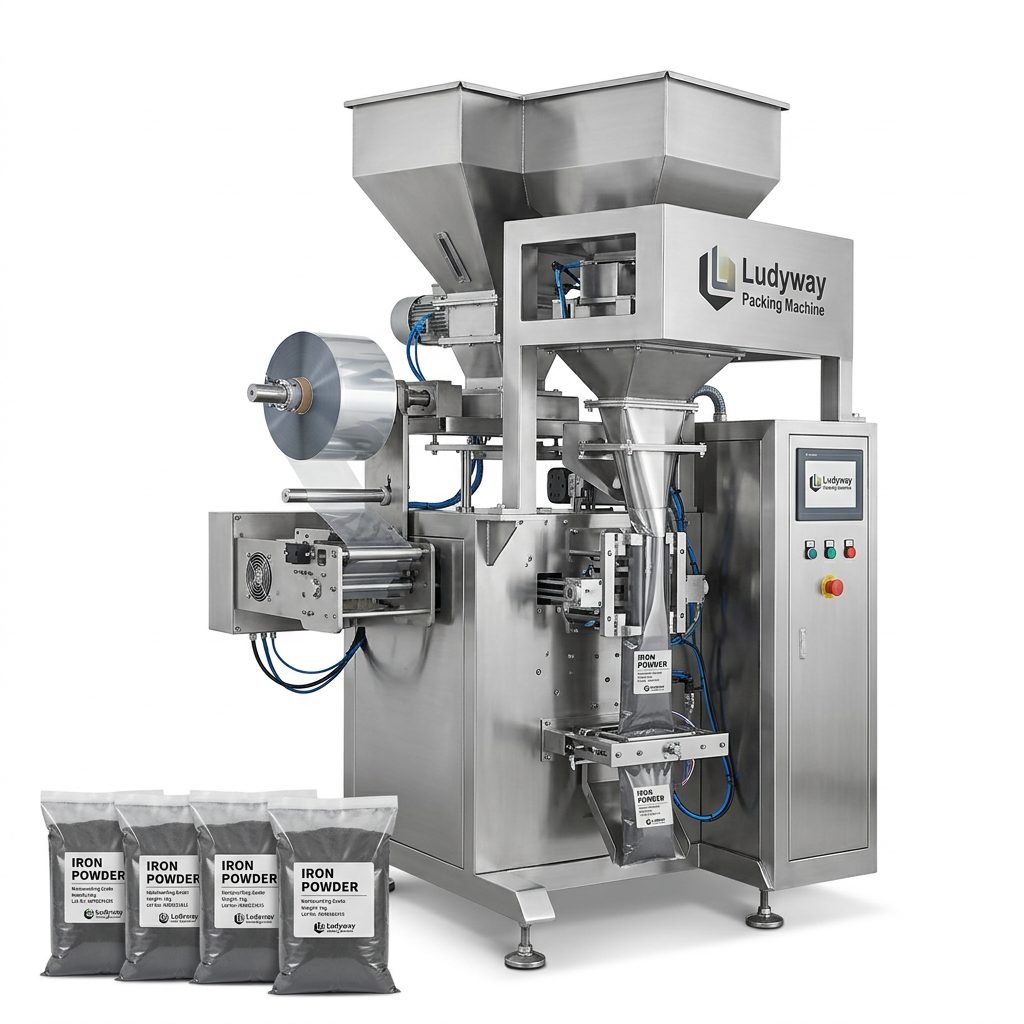
Accurate filling is essential in food packaging. Multi-head weighers, auger fillers, piston fillers, and volumetric dosing systems help ensure each pouch or sachet contains the correct amount of product. This improves cost control and protects brand trust.
3. High-Speed Form-Fill-Seal Technology
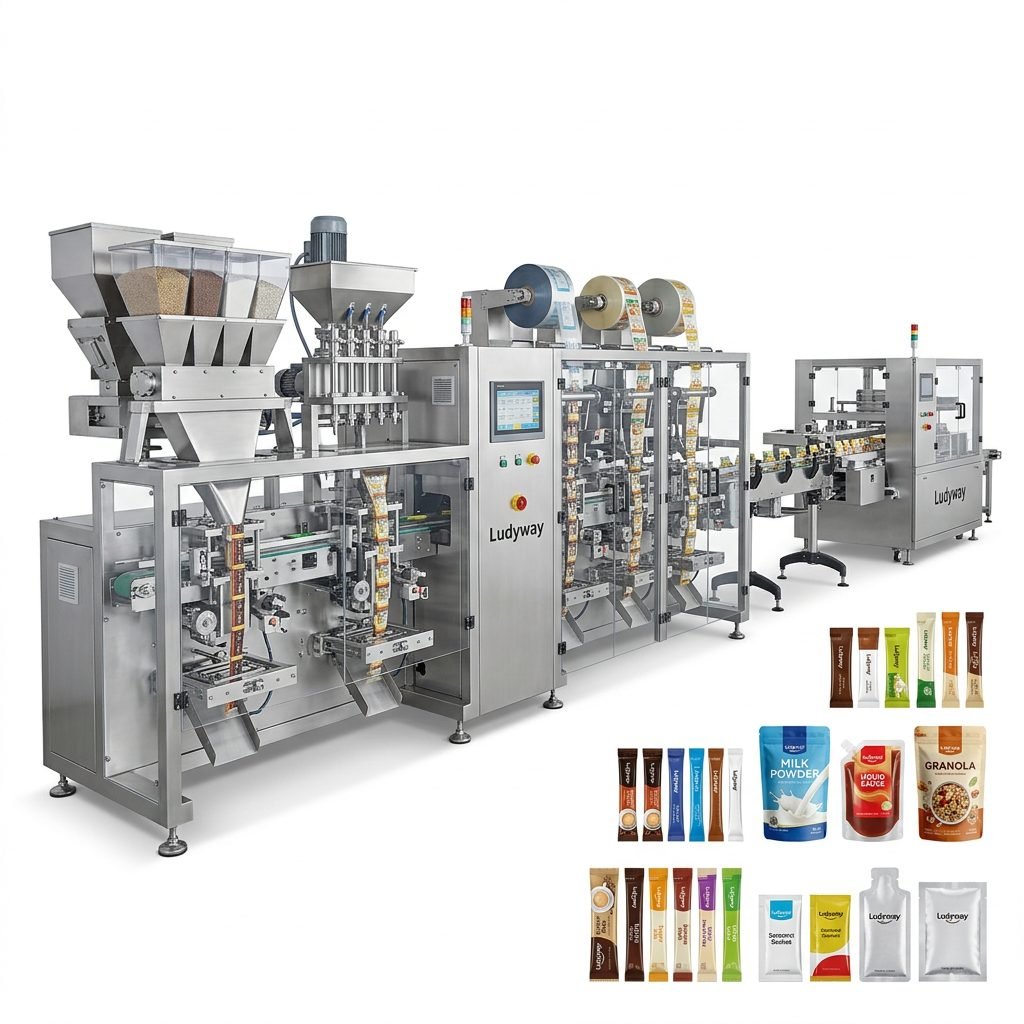
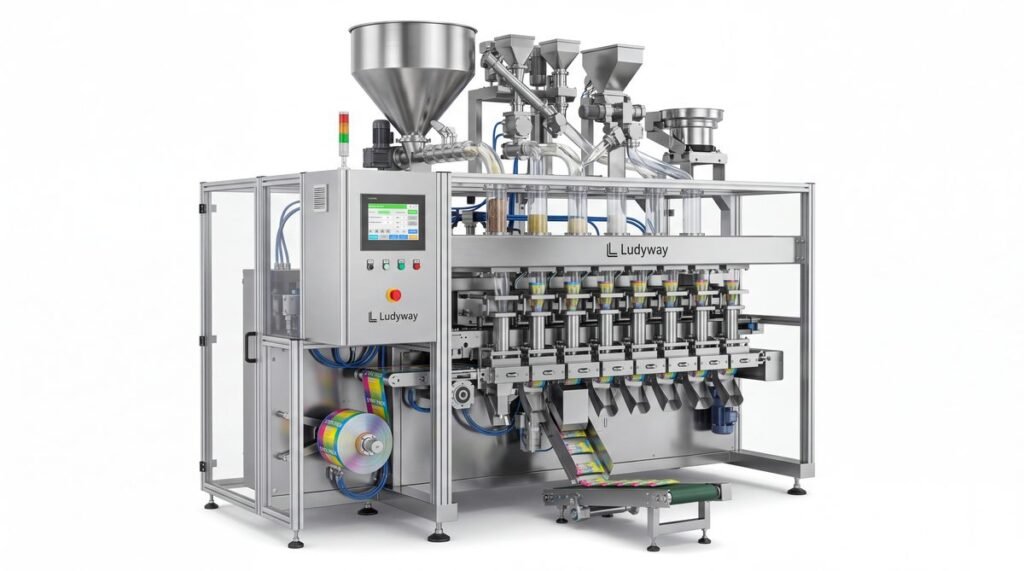
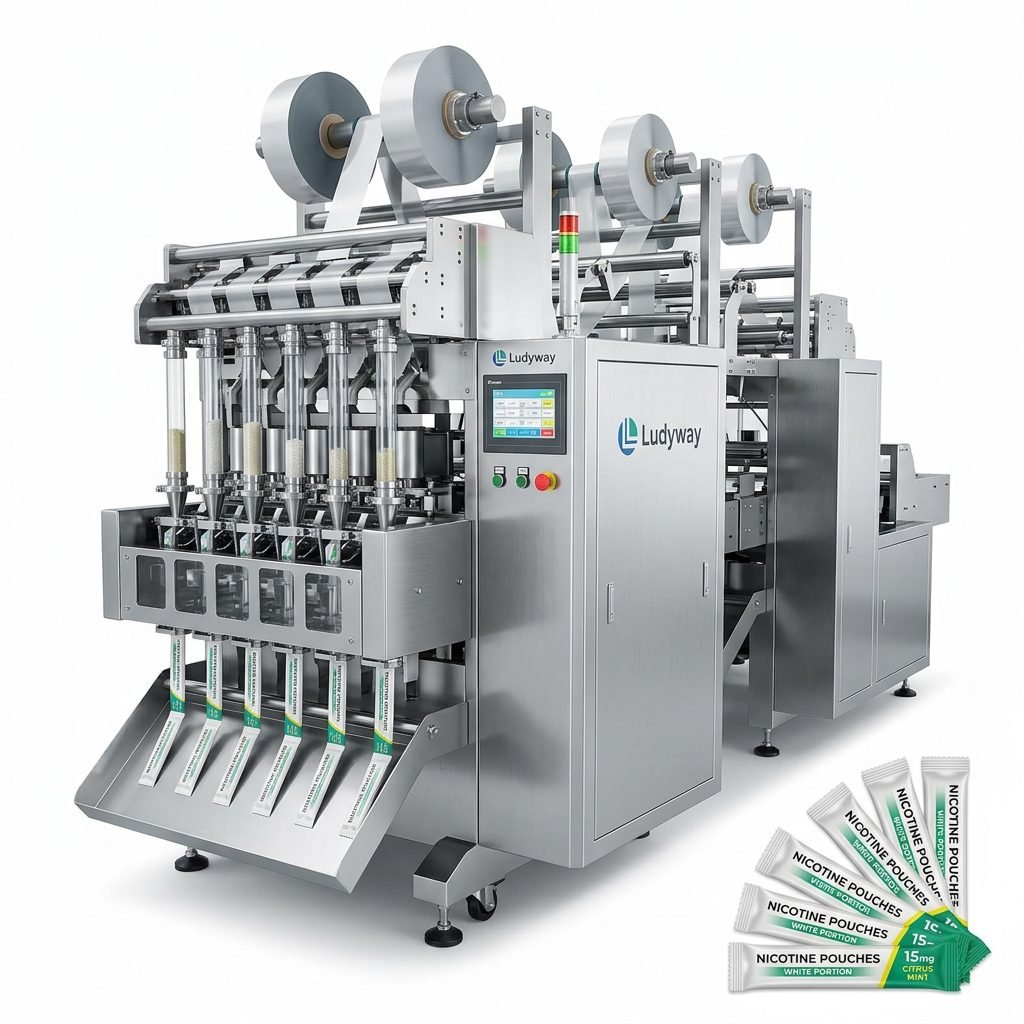
Vertical and multi-lane form-fill-seal systems can automatically create the package, fill it, and seal it in one continuous process. These systems are ideal for stick packs, sachets, pouches, and other flexible packaging formats used widely in the food industry.
4. Intelligent Inspection and Rejection
Vision systems, metal detectors, checkweighers, and reject units help manufacturers detect issues before products leave the line. This reduces waste, improves compliance, and supports food safety programs.
5. Coding, Labeling, and Traceability
Automated coding and labeling equipment adds batch numbers, expiry dates, QR codes, and traceability information. This is especially valuable for growing brands that need stronger inventory and quality management.

How Automation Improves Speed, Accuracy, and Efficiency
| Performance Area | Manual Packaging | Automated Packaging |
|---|---|---|
| Production speed | Limited by operator pace | Continuous, high-output operation |
| Fill accuracy | More variation between units | Stable and repeatable dosing |
| Labor demand | High | Reduced and easier to manage |
| Package consistency | Variable | Uniform seals and appearance |
| Waste control | Higher product loss | Lower giveaway and fewer rejects |
| Traceability | Mostly manual records | Integrated coding and data tracking |
The biggest advantage of automation is not only faster packaging output. It is the ability to create a more predictable production environment. When every process step is synchronized, the whole factory becomes easier to manage.
Best Food Products for Automated Packaging Systems
Food packaging automation can be adapted to many product types. The right equipment depends on product flowability, particle size, viscosity, packaging format, and required output.
Common applications include:
- Milk powder, protein powder, coffee powder, and seasoning powder
- Sugar, salt, seeds, nuts, grains, cereals, and snack granules
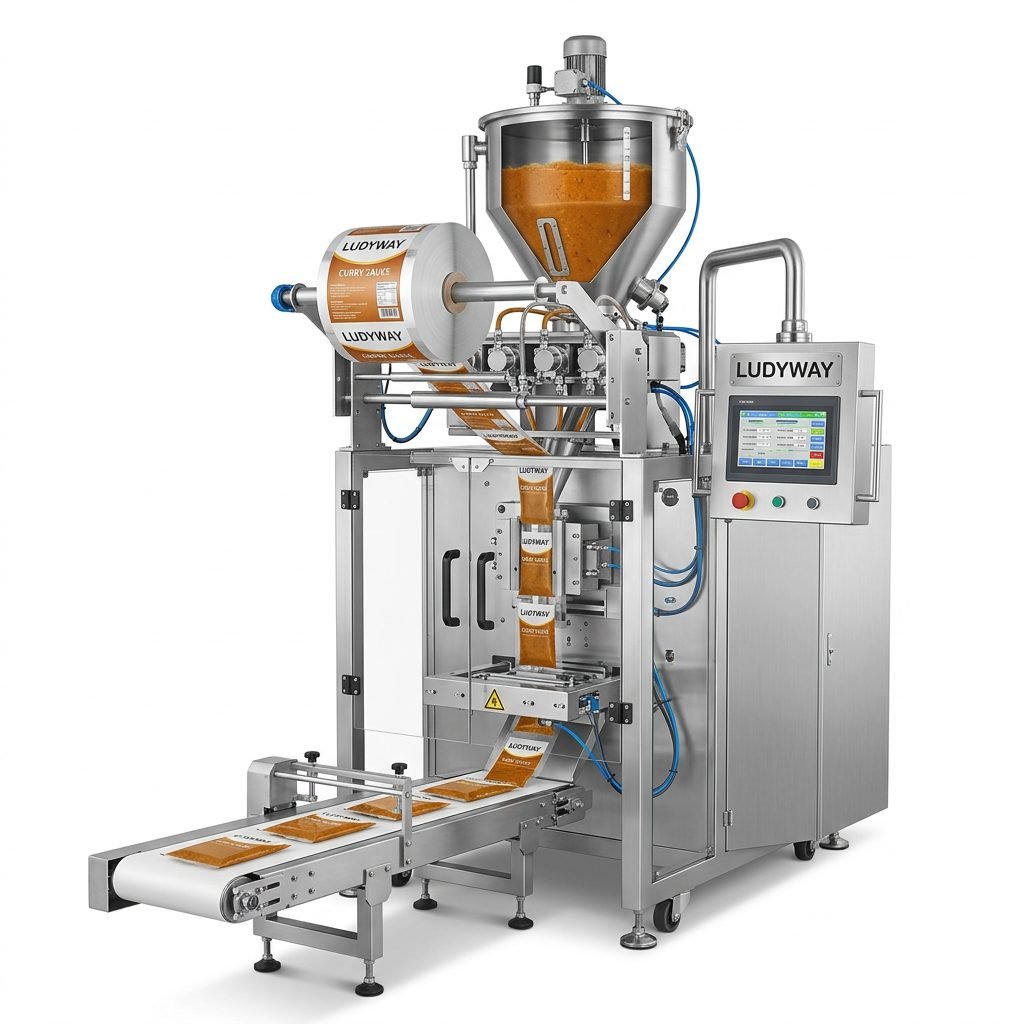
- Sauces, oils, honey, ketchup, mayonnaise, and syrup
- Instant drink mixes, soup mixes, and functional food sachets
- Frozen food components and vacuum-packed specialty foods
Key Features to Look for in a Smart Food Packaging Line
When choosing automation equipment, buyers should look beyond headline speed. The most effective solution balances speed with usability, maintenance accessibility, hygiene, and future flexibility.
- Recipe-based parameter settings for faster changeovers
- Touchscreen controls for easier operation
- Servo-driven motion for better precision and control
- Stainless steel contact parts for food safety and easy cleaning
- Modular design for future expansion
- Alarm and fault diagnostics for less downtime
- Compatibility with inspection systems for quality assurance
Benefits for Growing Food Brands and Large Manufacturers
Food packaging automation is valuable for both established factories and fast-growing brands. Smaller manufacturers can reduce dependence on labor and improve consistency. Larger operations can scale more efficiently, standardize quality, and manage higher SKU complexity.
| Business Type | Main Automation Advantage |
|---|---|
| Startups and emerging brands | Professional packaging quality and easier scale-up |
| Mid-sized food manufacturers | Labor savings and stronger process control |
| Large industrial producers | Maximum throughput, traceability, and line integration |
| Contract packers | Fast format changeover and multi-product flexibility |
Challenges Automation Can Solve
Many food factories invest in automation only after experiencing repeated operational problems. In reality, the right packaging system can solve many issues before they become expensive.
- Inconsistent product weights
- Leaking or poorly sealed packs
- Frequent operator errors
- High rework and material waste
- Difficulty meeting delivery deadlines
- Limited floor productivity
- Weak batch control and traceability
How to Choose the Right Automation Partner
Selecting the right supplier is just as important as choosing the machine itself. Buyers should evaluate equipment reliability, customization capability, technical support, export experience, and the ability to deliver a complete line rather than just standalone equipment.
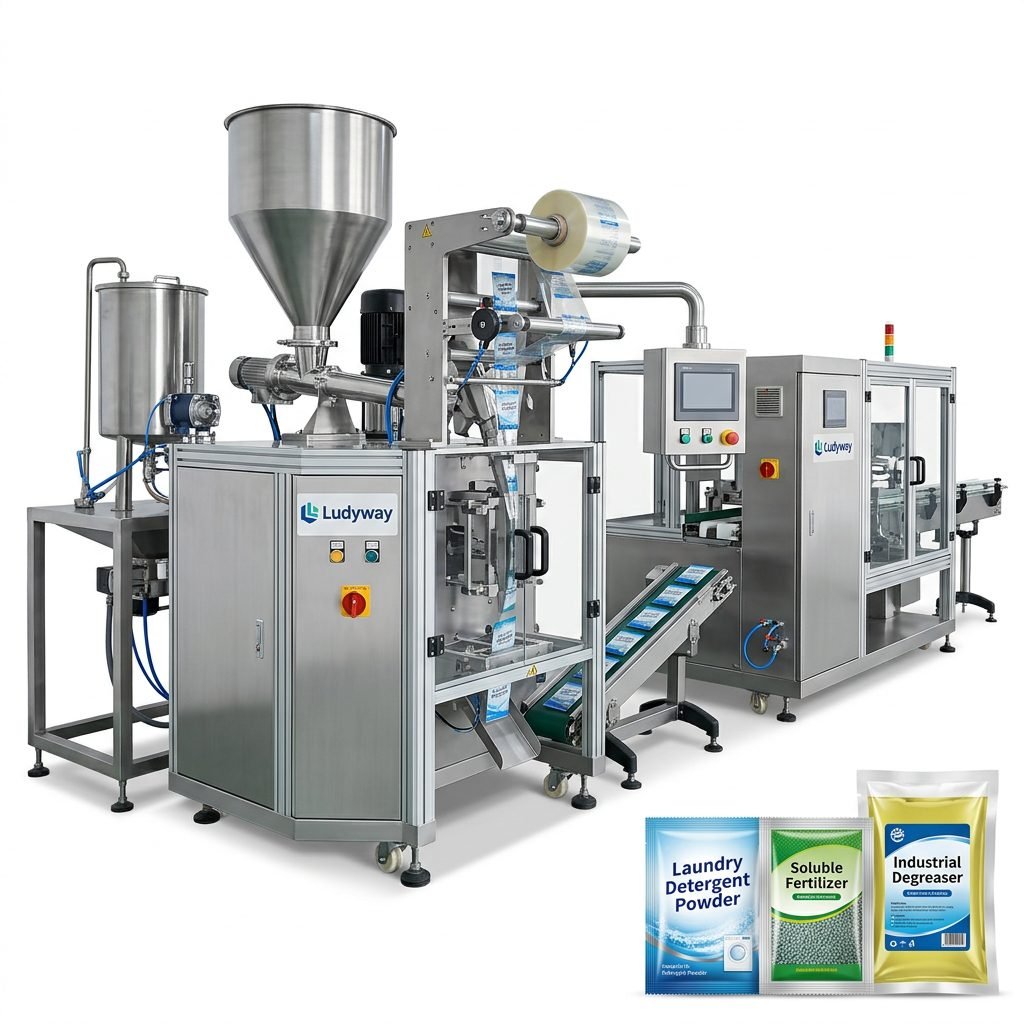
For businesses seeking scalable and customized packaging solutions, Ludyway food packaging automation solutions offer a broad range of machines and turnkey lines for powders, granules, liquids, sachets, stick packs, and integrated production applications.
Future Trends in Smart Food Packaging Automation
The next phase of packaging automation will focus even more on intelligence and flexibility. Manufacturers are increasingly looking for systems that can respond faster to market changes while keeping production stable.
Emerging trends include:
- Remote diagnostics and maintenance support
- Real-time production monitoring
- Smart sensors for predictive maintenance
- More compact multi-function equipment
- Integration with robotic cartoning and palletizing
- Faster changeovers for multi-SKU production
Final Considerations for Food Manufacturers
Investing in food packaging automation is not only about replacing manual work. It is about building a faster, more accurate, and more efficient production model. The right system helps reduce waste, improve output, protect product quality, and support long-term business growth.
For manufacturers packaging powders, granules, liquids, or ready-to-use food products, smart automation delivers measurable value across the entire line—from feeding and filling to sealing, coding, inspection, and final packing.