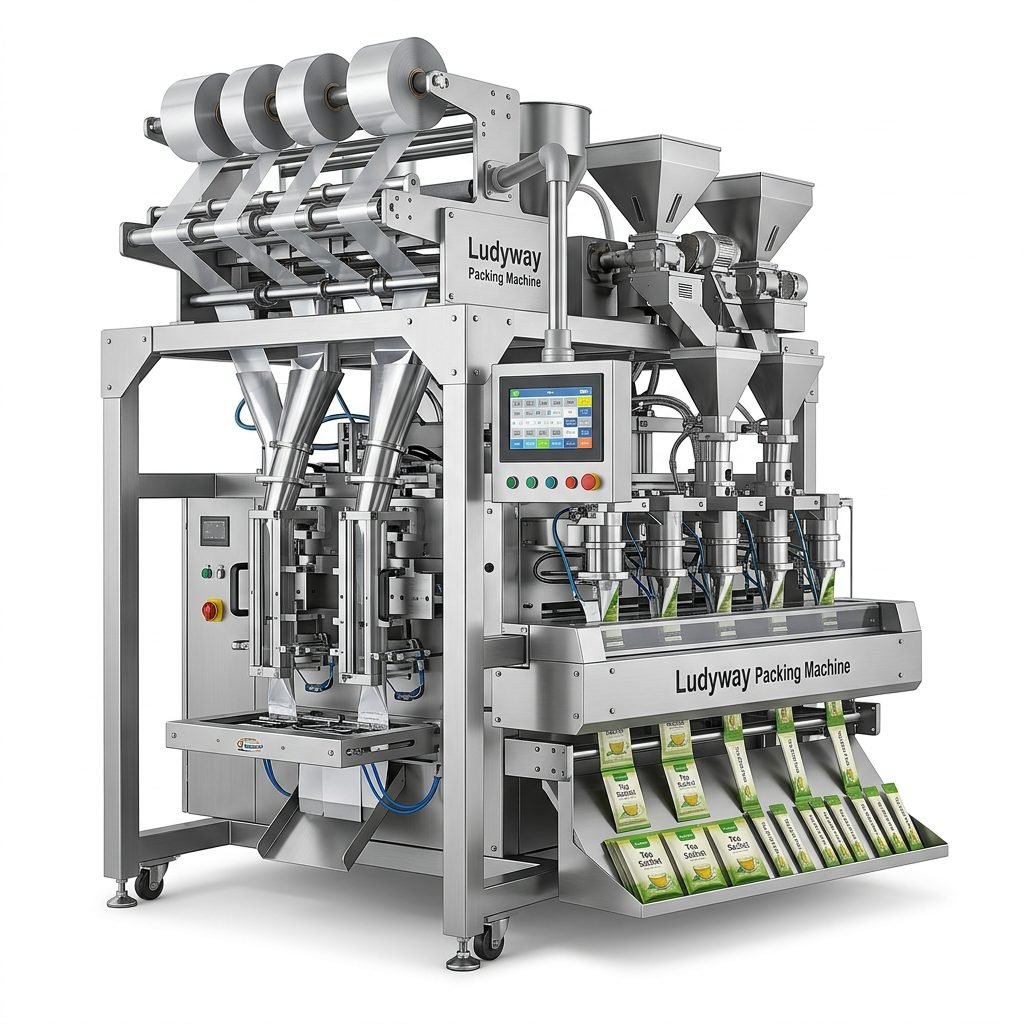
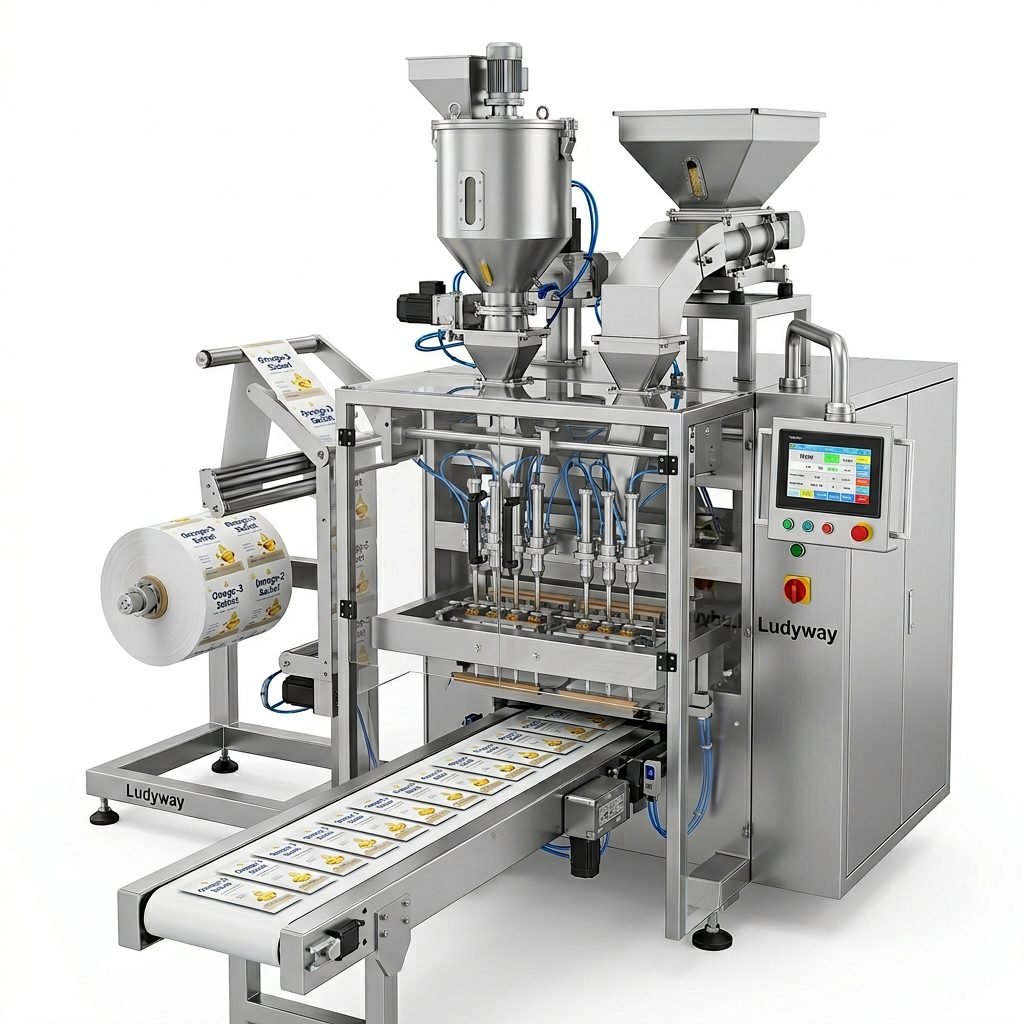
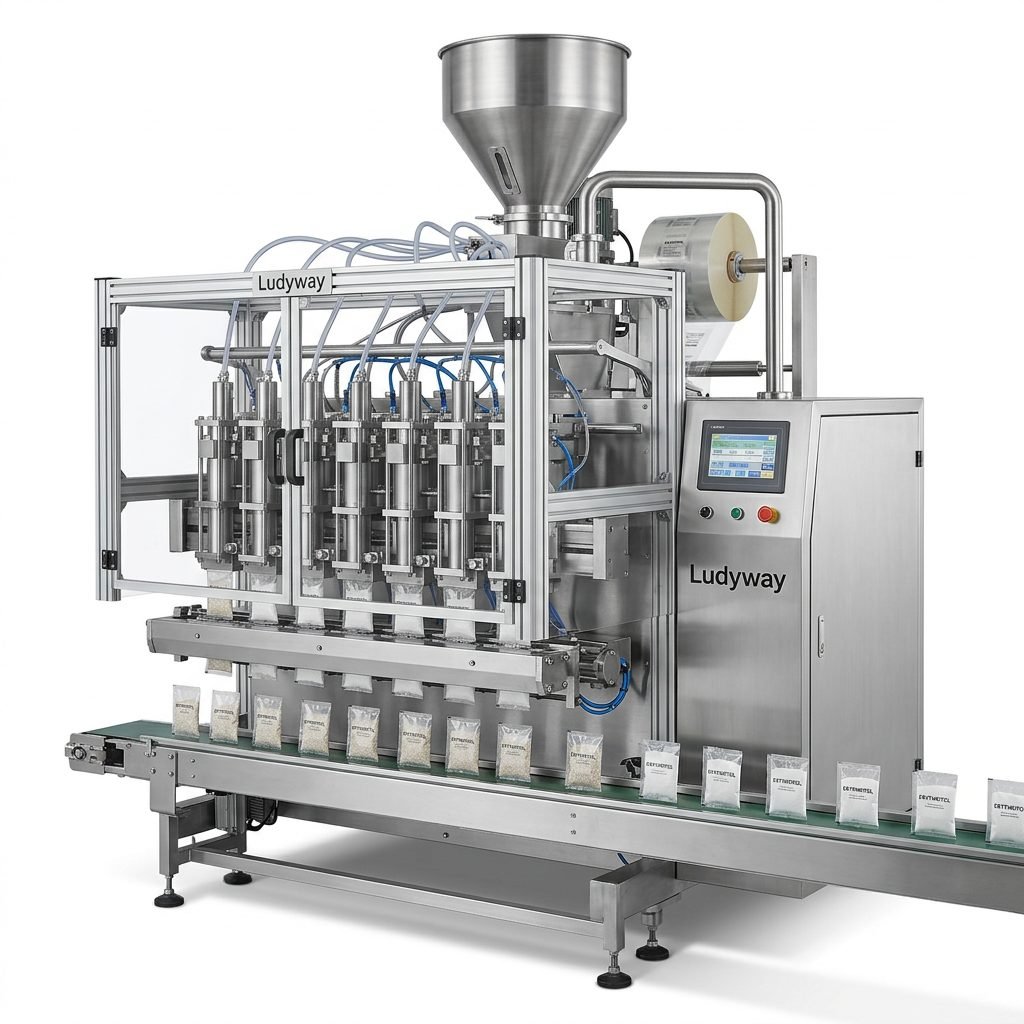
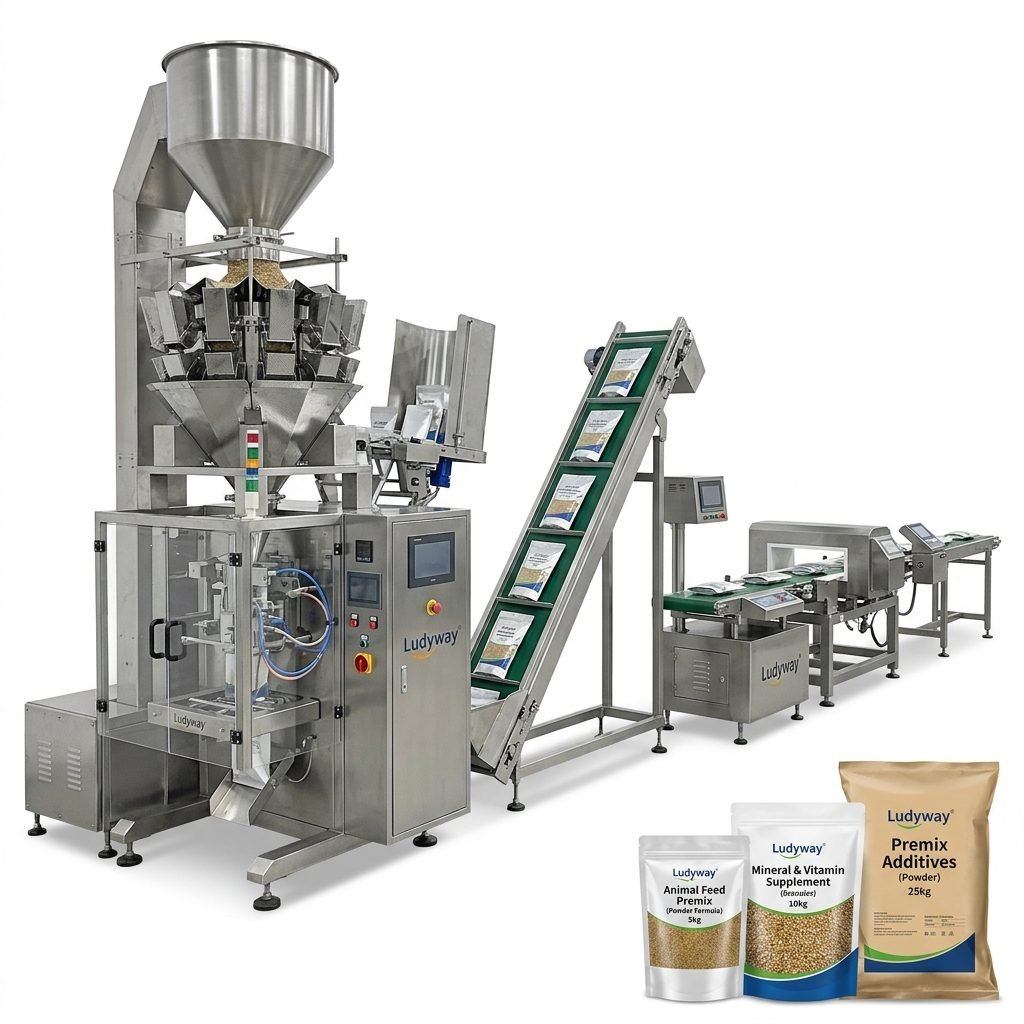
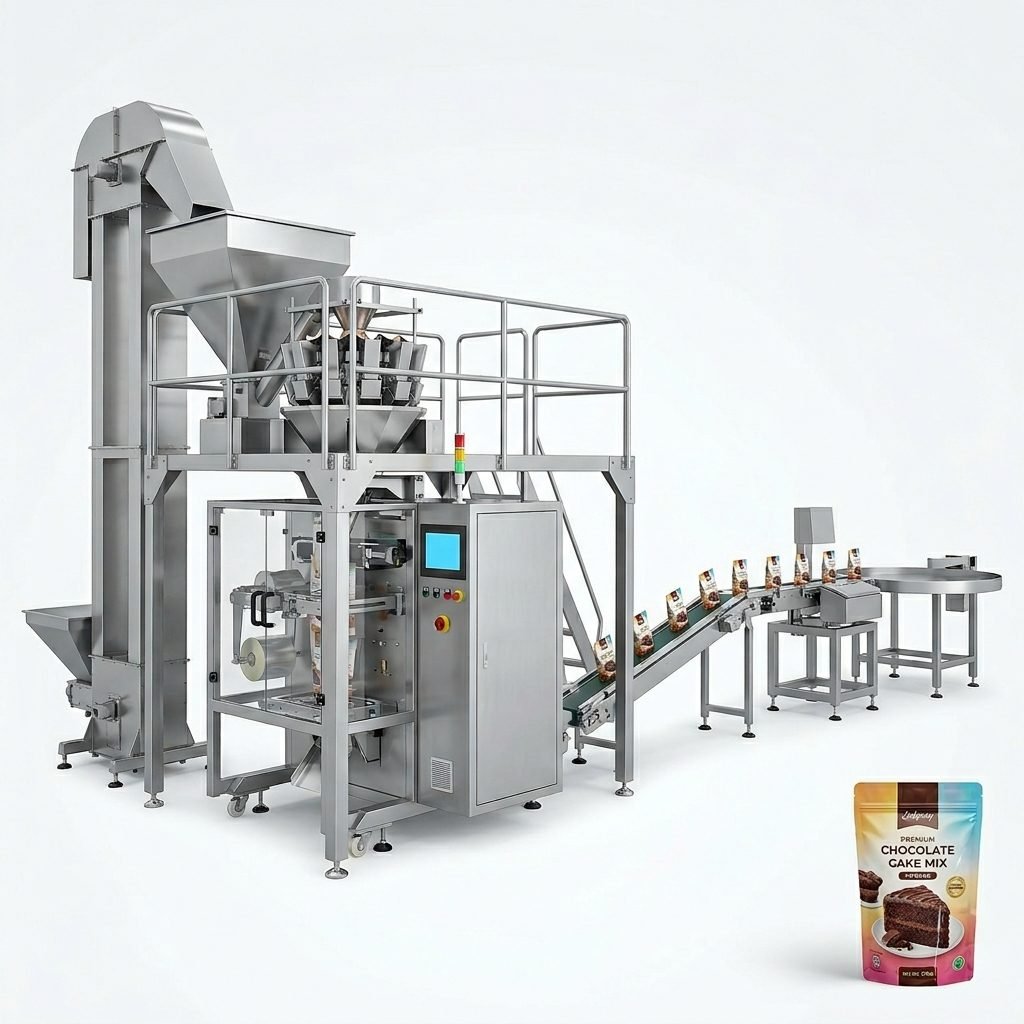
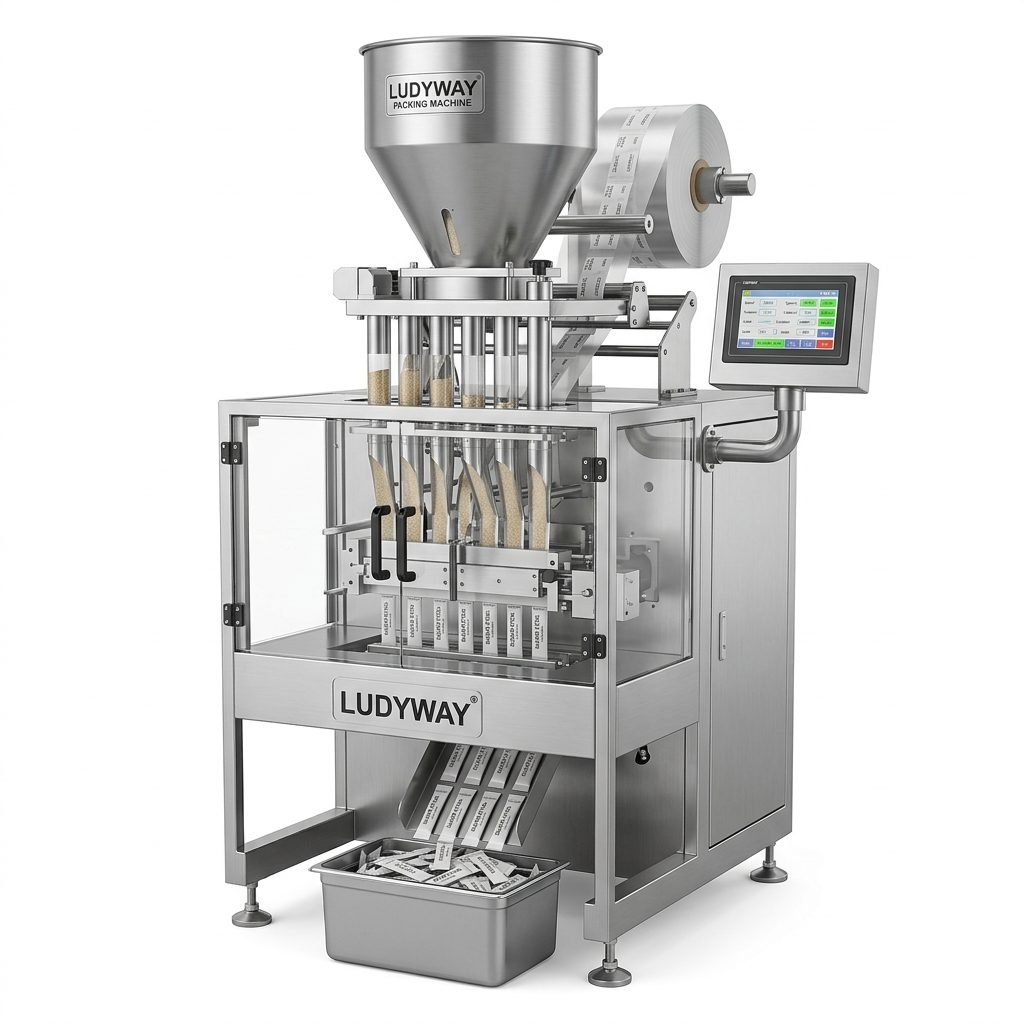
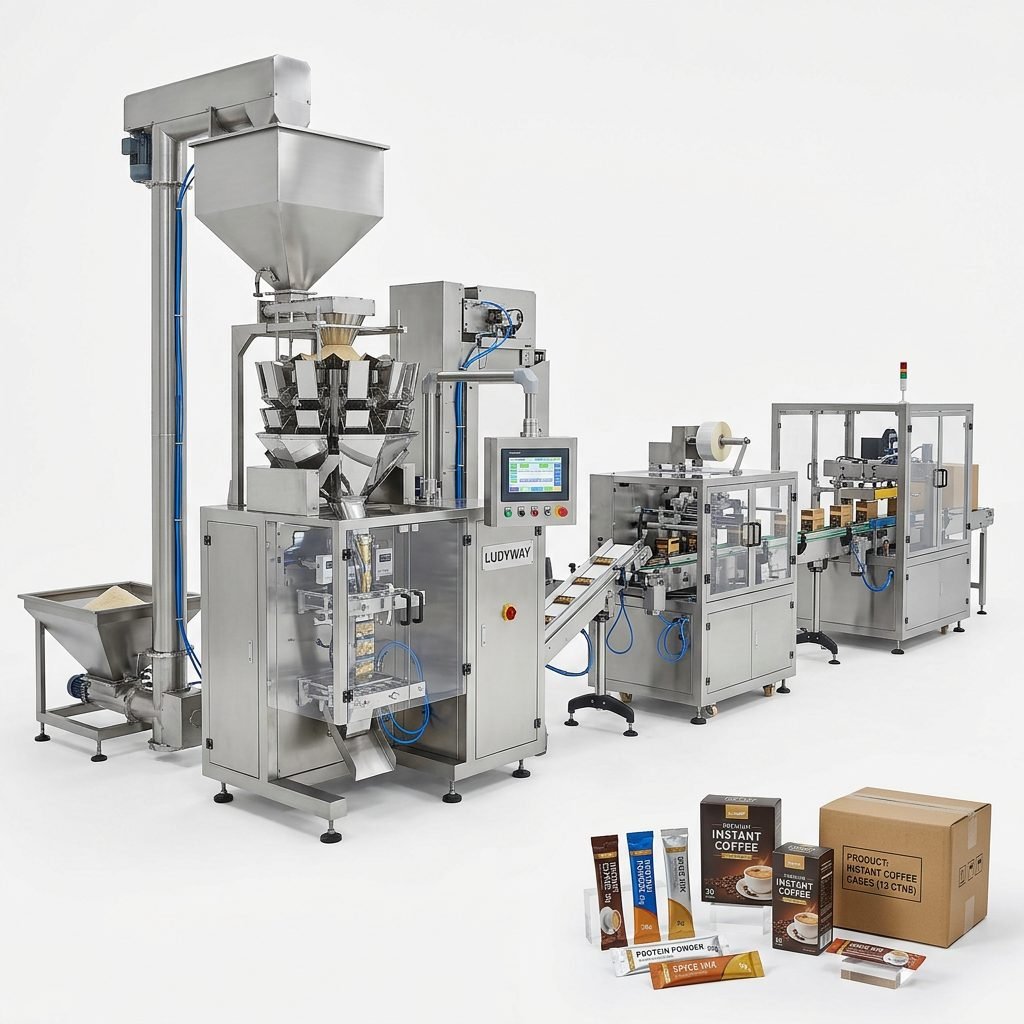
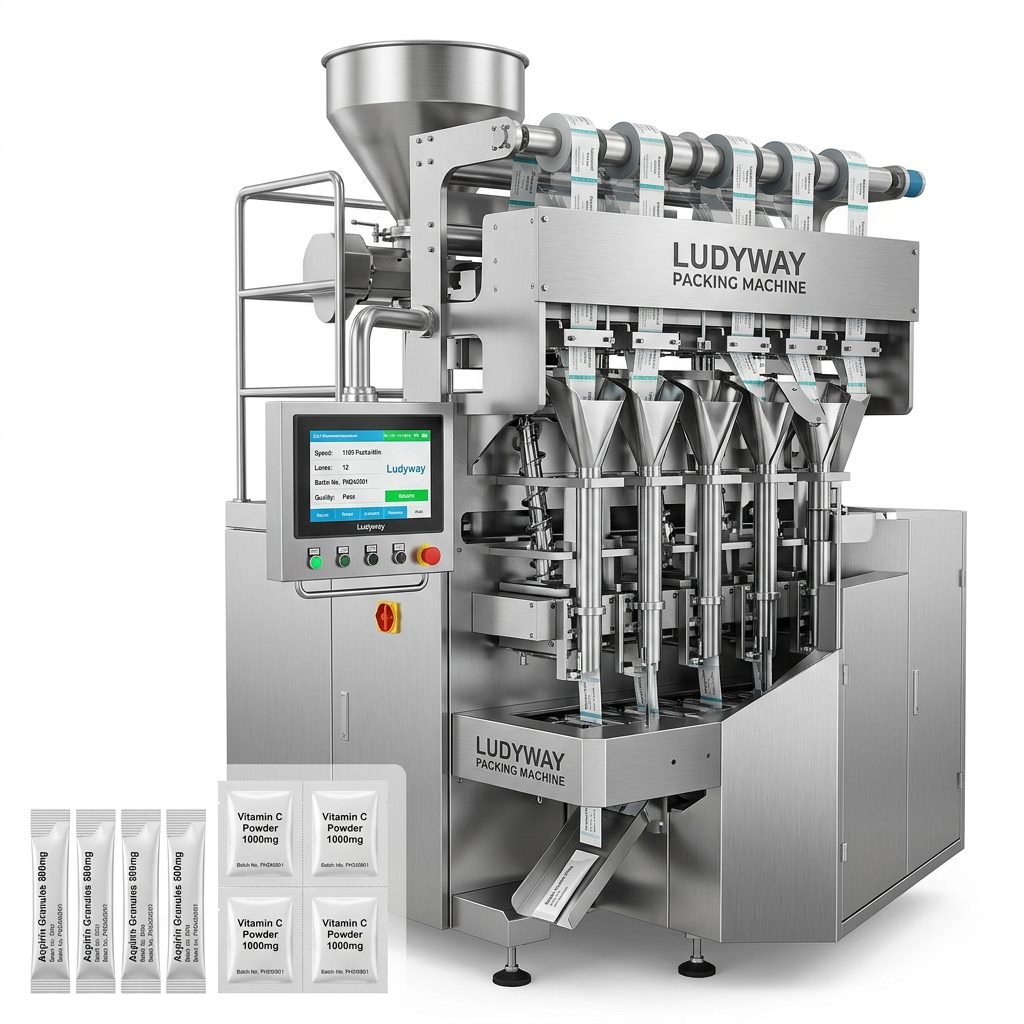
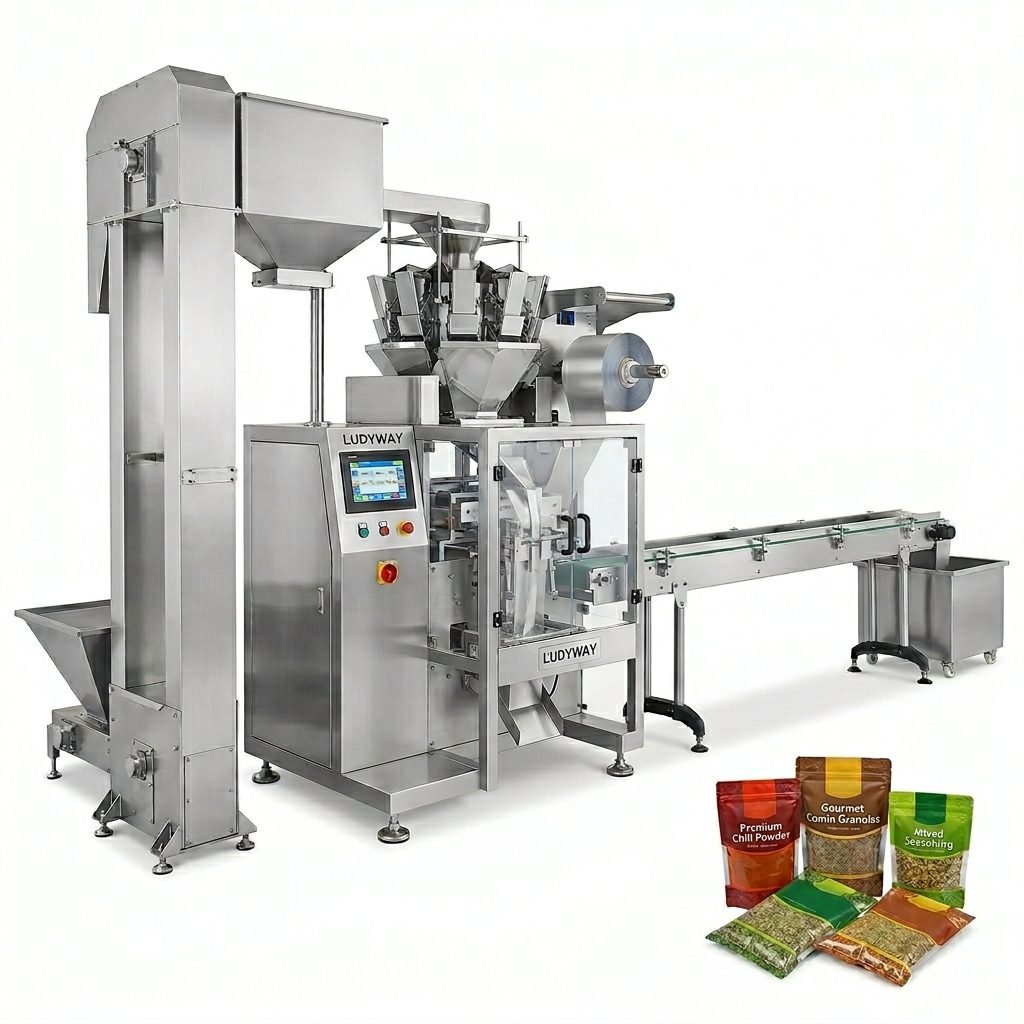
Investing in a tea sack packing machine is a strategic decision for any tea producer or contract packager. Whether you are packing premium loose-leaf tea, herbal blends, or powdered tea mixes, the cost of the equipment is naturally one of the first questions that comes to mind. However, the price of a tea sack packing machine is not a single fixed number — it varies widely depending on your desired output level, the number of lanes, the degree of automation, and the physical characteristics of your tea product (such as granule size, dust content, and flowability). A basic semi-automatic unit represents a completely different investment than a fully automated, multi-lane, high-speed system integrated with weighing, filling, and cartoning modules.
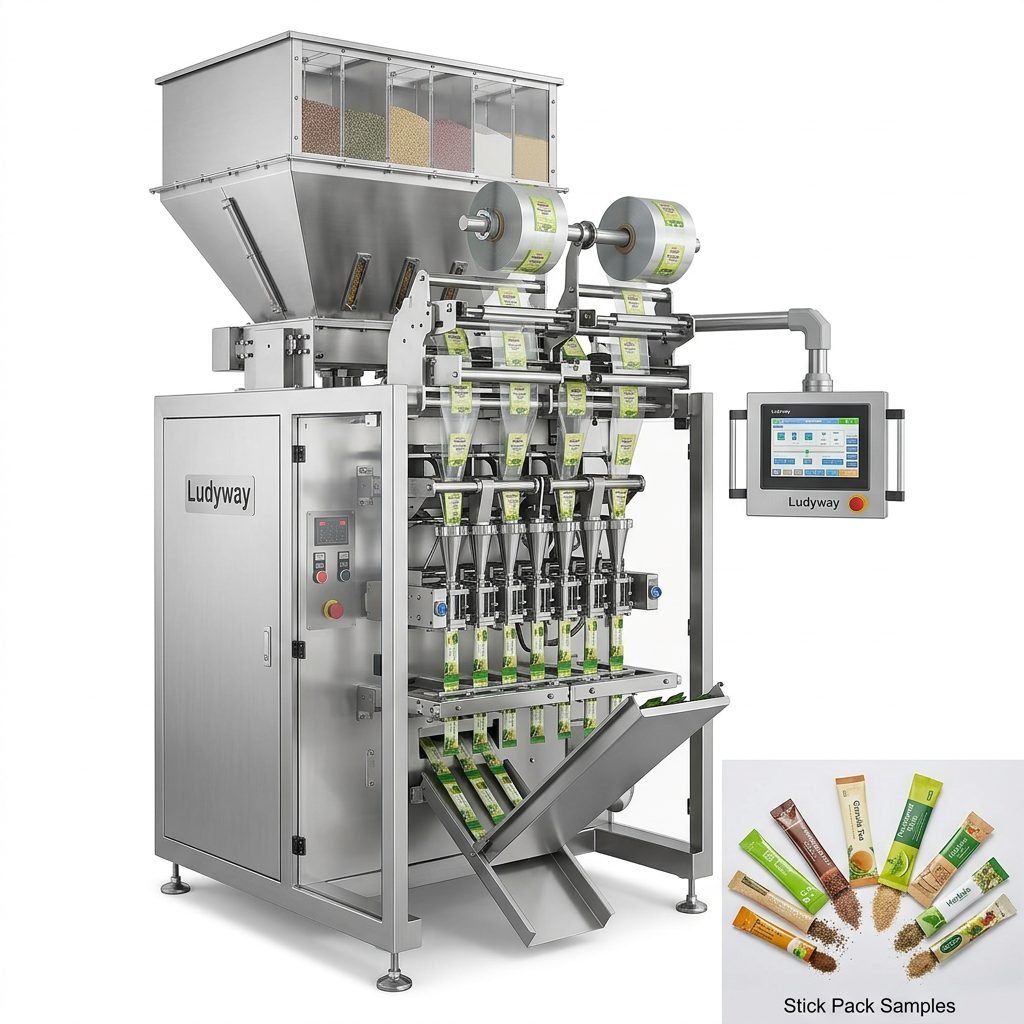
Key Factors That Determine Tea Sack Packing Machine Price
Understanding the variables that influence cost is essential for making an informed purchasing decision. Here are the primary factors that will affect your final quotation:
1. Level of Automation: Semi-Automatic vs. Fully Automatic
The most significant price differentiator is automation level. A semi-automatic machine requires manual intervention for tasks like pouch loading or product feeding, making it more affordable upfront. In contrast, a fully automatic tea packaging line integrates automatic feeding, weighing, filling, sealing, cutting, and optional cartoning — offering higher throughput with minimal labor, but at a considerably higher capital cost. The long-term savings in labor and the increase in consistency often justify the premium for medium to large-scale operations.
2. Speed and Output Capacity
Speed, typically measured in sachets or stick packs per minute, is directly correlated with price. Machines are generally classified into low-speed (up to 60 packs/min), medium-speed (60-150 packs/min), and high-speed (150+ packs/min). A high-speed packaging machinery system requires advanced servo drives, sophisticated control systems, and robust sealing mechanisms, all of which increase the manufacturing cost.
3. Machine Configuration and Number of Lanes
A single-lane machine has a lower entry price but limited output. Multi-lane tea sack packing machines — featuring 4, 6, 8, 10, 12, or even more lanes — multiply your production capacity proportionally. However, each additional lane adds complexity in terms of film tracking, sealing stations, and cutting synchronization, which escalates the total equipment cost.
4. Material Construction and Build Quality
Machines constructed with food-grade stainless steel 304 or 316 and certified electrical components from global brands (such as Siemens, Omron, or Schneider) will be more expensive but offer superior longevity and hygiene compliance. For tea products, especially those with high aromatic oil content or fine dust, durable construction is non-negotiable to prevent corrosion and cross-contamination.
5. Additional Features and Customization
Optional enhancements like nitrogen flushing systems for extended shelf life, perforation for easy-open tear notches, inline coding and printing, checkweighers, and custom bag shapes significantly impact the tea sack packing machine price. Turnkey solutions that include packaging line integration systems, automated case packing, and palletizing modules represent the top tier of capital investment.
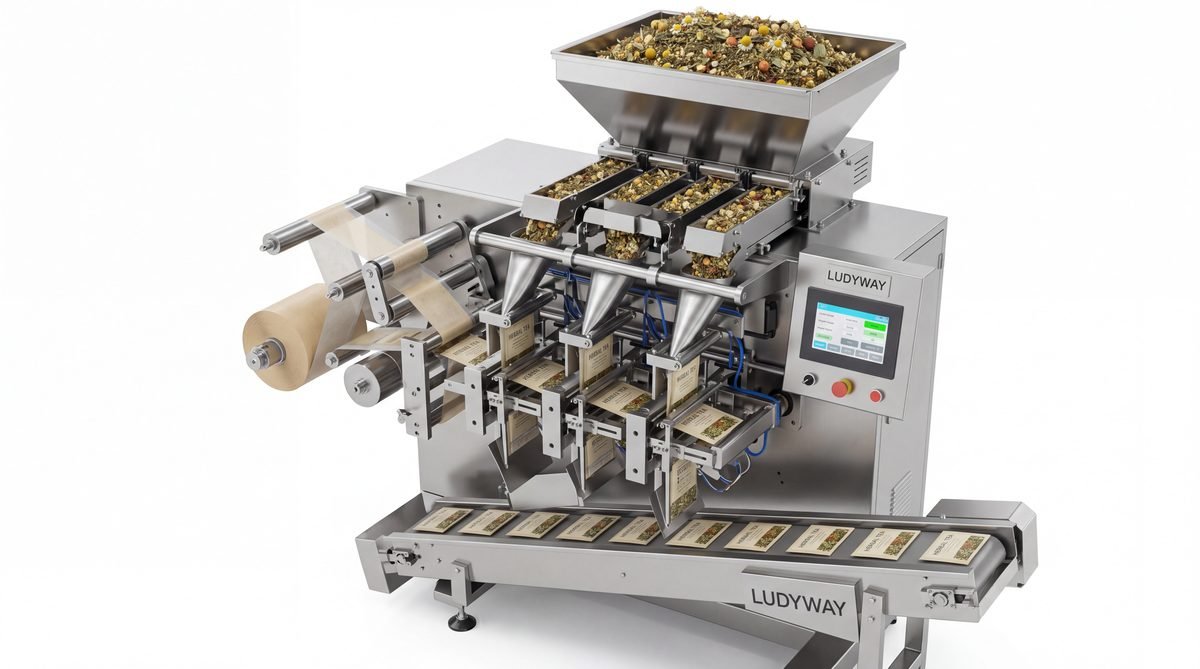
Tea Sack Packing Machine Price Ranges
While exact pricing depends on detailed specifications, the following table provides a general benchmark for budgeting purposes based on machine type and capability:
| Machine Category | Output Capacity (Packs/Min) | Estimated Price Range (USD) |
|---|---|---|
| Entry-Level Semi-Automatic | 15 – 30 | $3,000 – $10,000 |
| Single-Lane Automatic | 30 – 80 | $8,000 – $25,000 |
| Multi-Lane (4-6 Lanes) Automatic | 150 – 400 | $20,000 – $60,000 |
| High-Speed Multi-Lane (8-12 Lanes) | 400 – 800+ | $50,000 – $120,000+ |
| Complete Turnkey Packaging Line | Fully Integrated System | $100,000 – $500,000+ |
Note: Prices are approximate and influenced by configuration, brand, and regional market conditions.
How to Select the Right Tea Sack Packing Machine Within Your Budget
Choosing the optimal machine requires balancing upfront cost with long-term operational efficiency. Here is a practical approach to narrowing down your options:
- Define Your Production Scale: Calculate your required daily or monthly output. Small artisanal tea brands might thrive with a single-lane automatic machine, while established contract packagers need high-speed multi-lane systems.
- Evaluate Product Characteristics: Free-flowing tea granules are easier to handle than dusty powders or sticky herbal blends. Machines designed for challenging product types often require specialized auger fillers or volumetric cup systems, affecting the base price.
- Plan for Growth: A slightly higher initial investment in a scalable tea stick pack machine with additional lane capability can prevent the need for a complete replacement when demand increases.
- Consider Total Cost of Ownership: Beyond the purchase price, factor in maintenance, spare parts availability, energy consumption, and film material waste rates.
- Verify Compliance: For export-oriented tea businesses, ensure that the machine meets relevant standards outlined by organizations like the Flexible Packaging Association and adheres to FDA food packaging regulations where applicable.
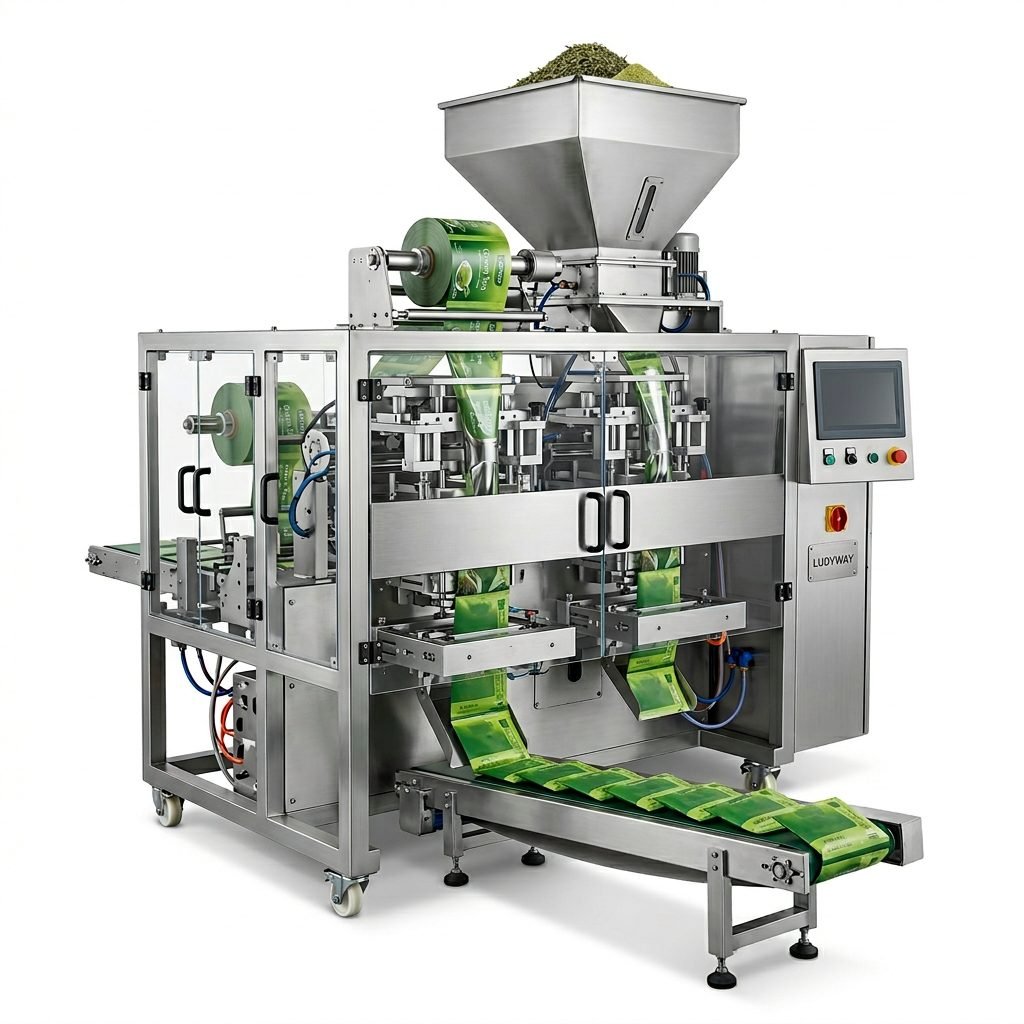
Return on Investment: Why Quality Matters
Opting for the cheapest available machine can be a false economy. A robust, well-engineered tea sack packing machine delivers measurable returns through higher uptime, consistent seal integrity, minimal product giveaway, and reduced film waste. In the packaging industry, precision and reliability directly translate to profitability. A machine that operates with ±0.1g accuracy on a 2g tea sachet can save thousands of dollars in product loss over a year compared to a less precise system.
For tea companies processing multiple SKUs — such as premium black tea, chamomile blends, and instant tea powders — investing in a flexible machine with quick changeover capabilities reduces downtime and supports diverse market demands without the need for multiple dedicated lines.
Where to Source Cost-Effective Tea Packaging Machines
Global sourcing provides access to a broader range of technologies and price points. When evaluating suppliers, prioritize manufacturers with a proven track record in granule and powder packaging systems, comprehensive after-sales support, and the ability to provide turnkey solutions tailored to your specific production requirements. Ludyway, with over 30 years of industry experience, specializes in advanced multi-lane stick pack and sachet packaging systems for tea, offering scalable solutions from entry-level automatic machines to fully integrated high-speed production lines supported by a modern 20,000㎡ manufacturing facility. Evaluating multiple suppliers and conducting on-site factory acceptance tests ensures that your investment aligns with both your budget and your long-term operational goals.