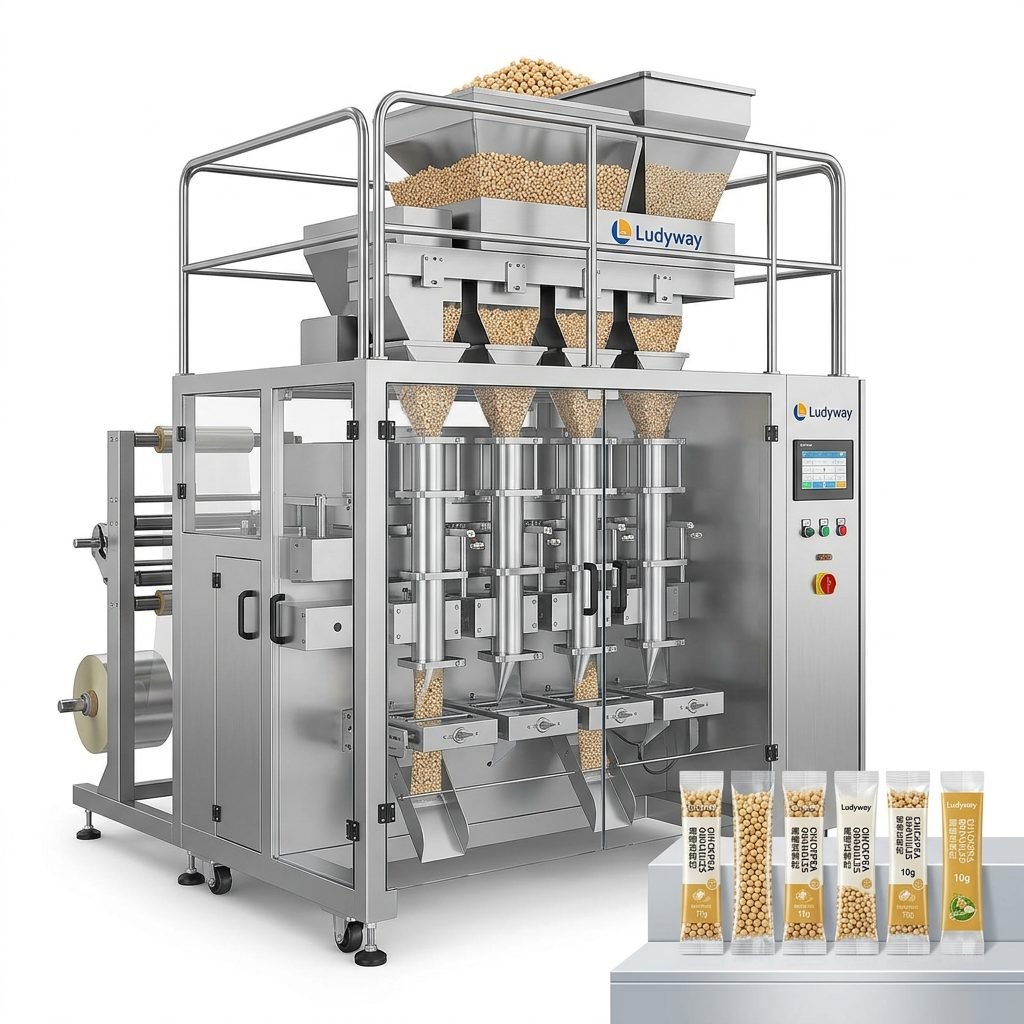
Selecting the right food packaging equipment is a critical decision for any manufacturer. The right system enhances efficiency, ensures product safety, maintains freshness, and strengthens your brand on the shelf. This guide provides a comprehensive overview of the types of equipment available, their key features, and the essential criteria to consider when making your investment.
Core Types of Food Packaging Equipment Systems
The food industry utilizes a diverse range of packaging machinery, each designed for specific product forms and packaging styles. Understanding these core types is the first step in identifying the right solution for your production line.
1. Primary Packaging Systems
These machines handle the direct contact packaging that contains the food product.
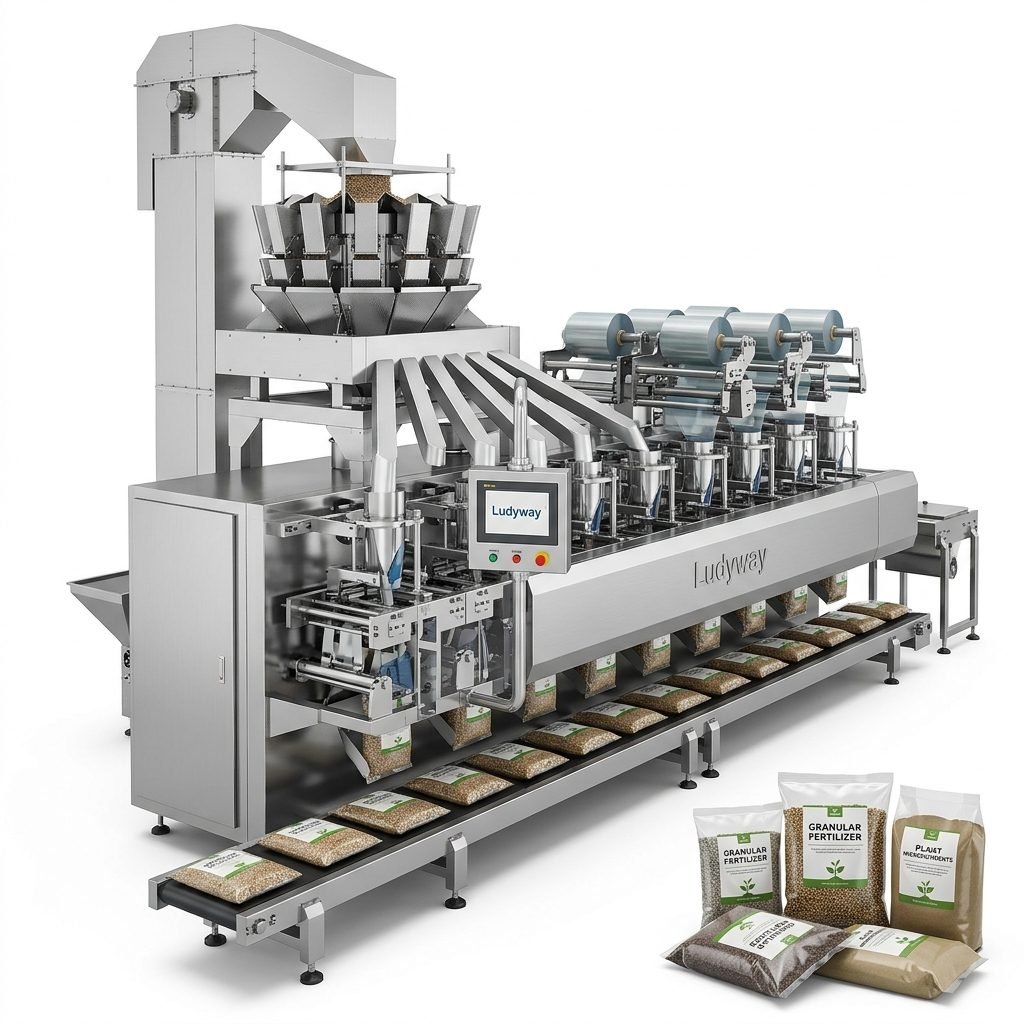
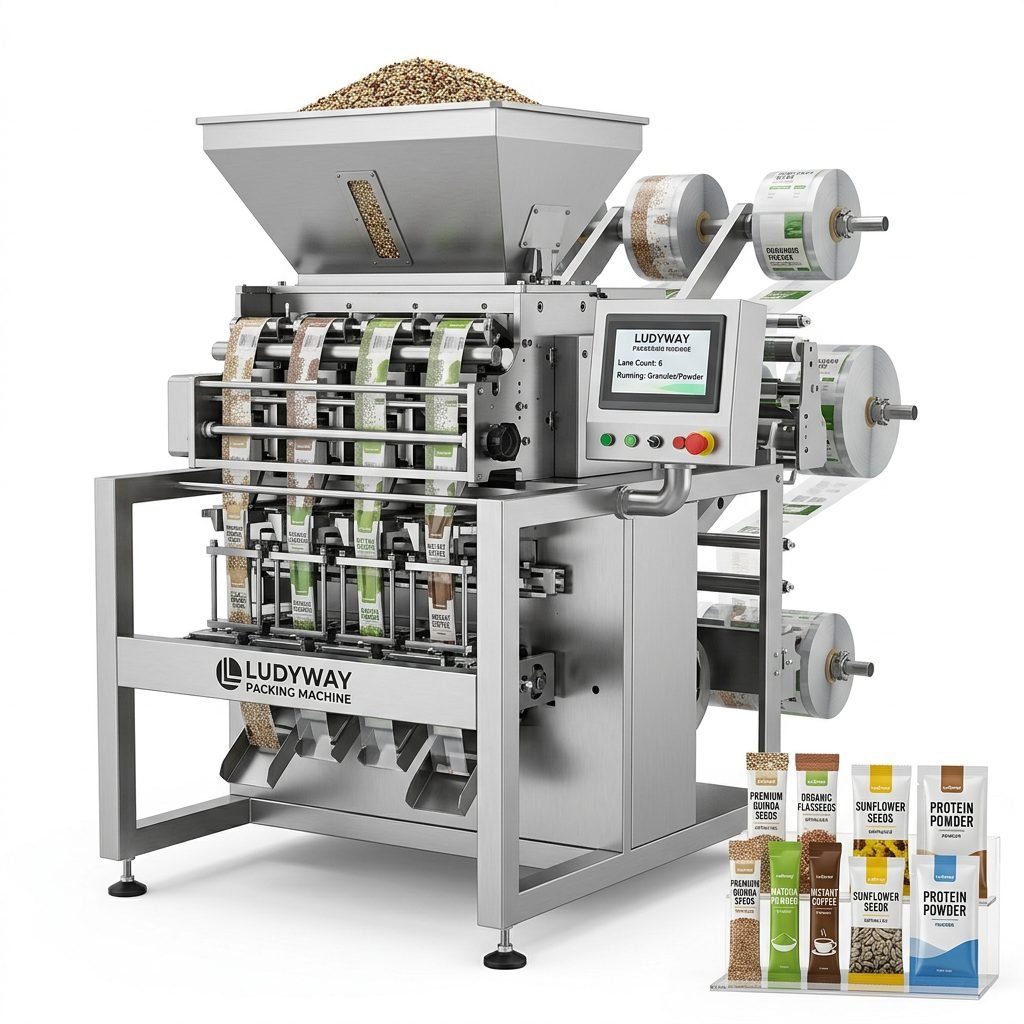
- Vertical Form-Fill-Seal (VFFS) Machines: Highly versatile and common, they form a bag from a roll of film, fill it with product, and seal it. Ideal for granules, powders, snacks, and liquids.
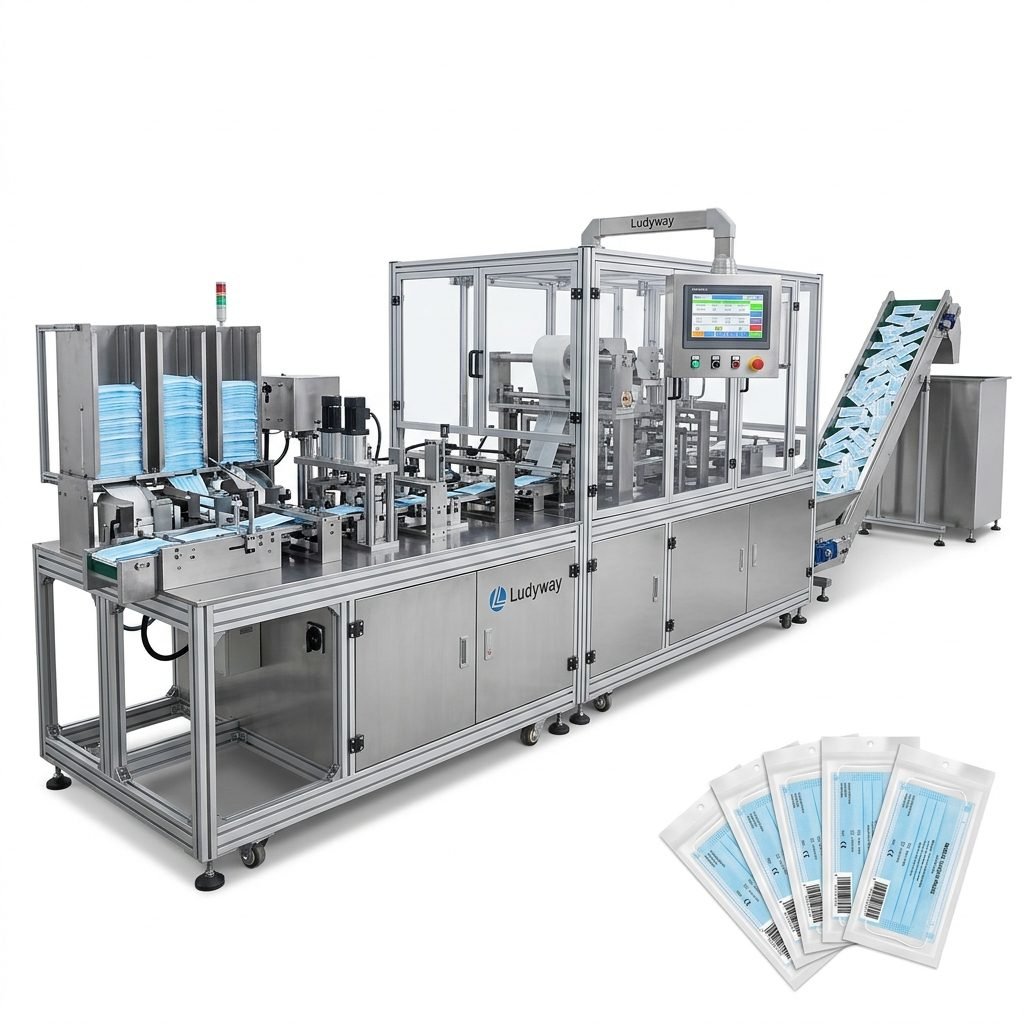
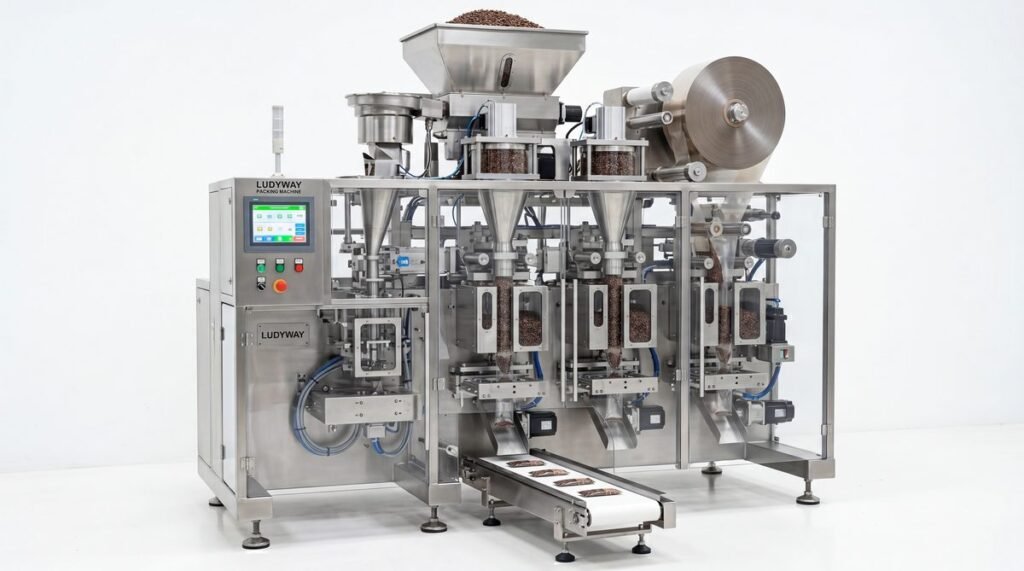
- Horizontal Form-Fill-Seal (HFFS) Machines: Used for products that are difficult to drop-fill, like delicate biscuits or arranged items. The film is formed horizontally around the product.
- Thermoforming Machines: Heat a plastic sheet to form cavities, fill them with product (often liquids or semi-solids like yogurt), and seal with a lidding material. Perfect for portion control and high-visibility packaging.
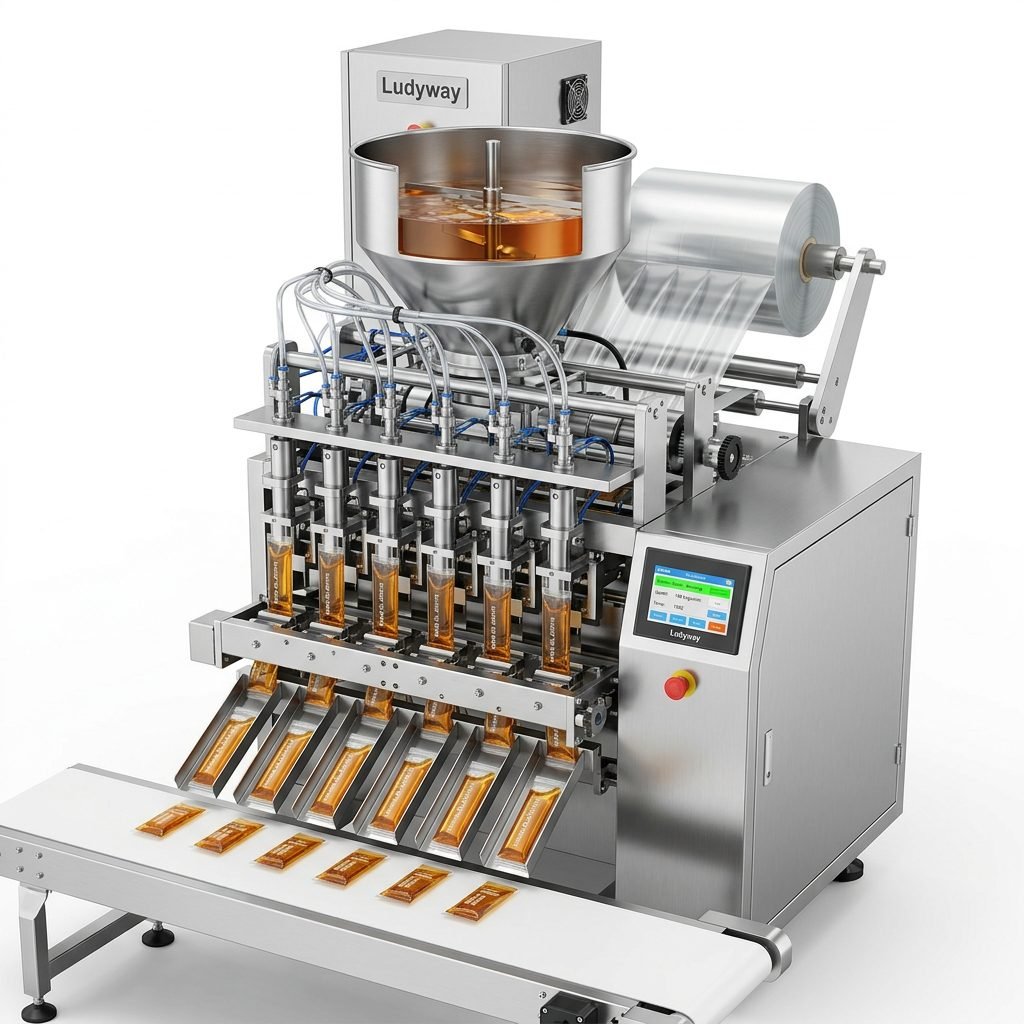
- Liquid & Paste Filling Machines: Specialized systems for accurate filling of bottles, pouches, or tubes with sauces, oils, dressings, or dairy products.
2. Secondary Packaging Systems
This equipment groups primary packages for distribution and retail sale.
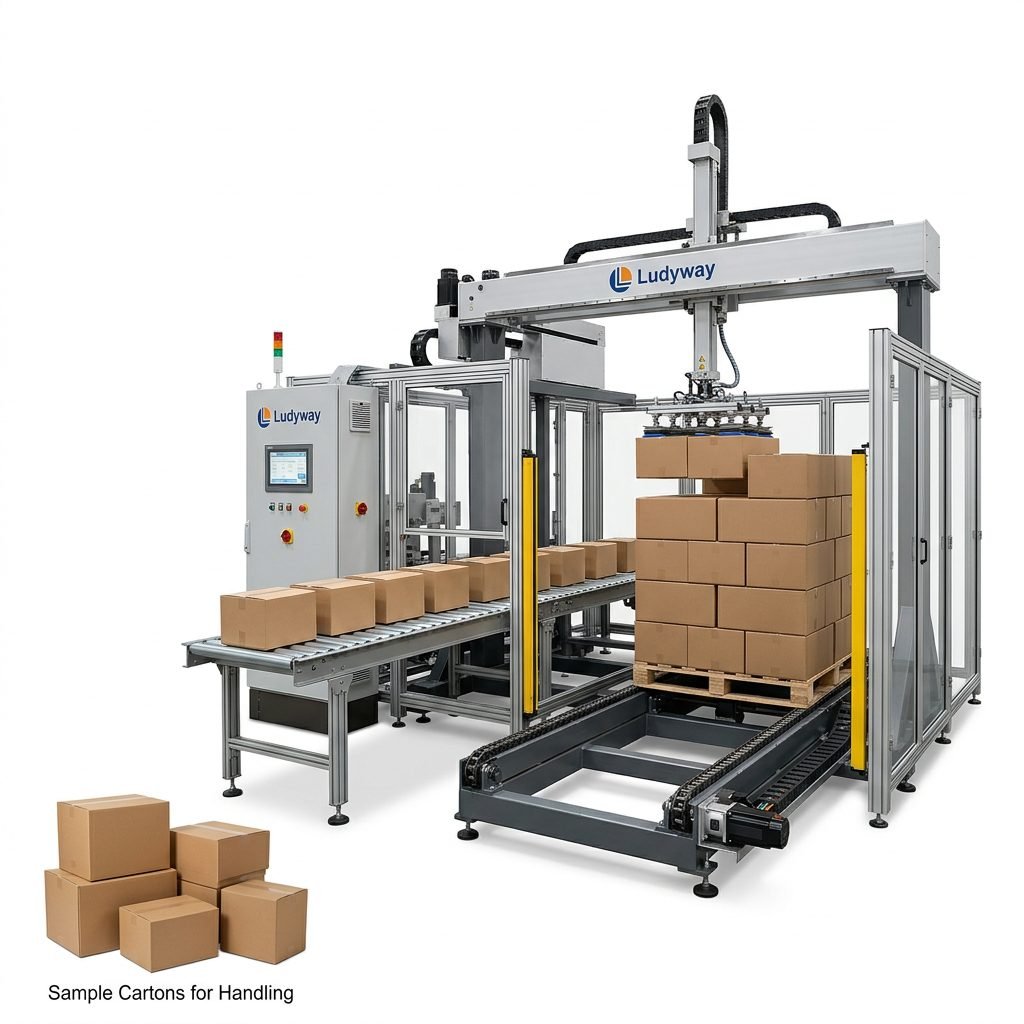
- Cartoning Machines: Automatically erect, load, and close cartons around primary packages.
- Case Packers & Tray Formers: Group and load products into shipping cases or trays efficiently.
- Bundling & Shrink Wrapping Machines: Bundle multiple products together using shrink film, providing stability and tamper evidence.
3. Specialized & Flexible Format Systems
These address niche markets and modern packaging trends.
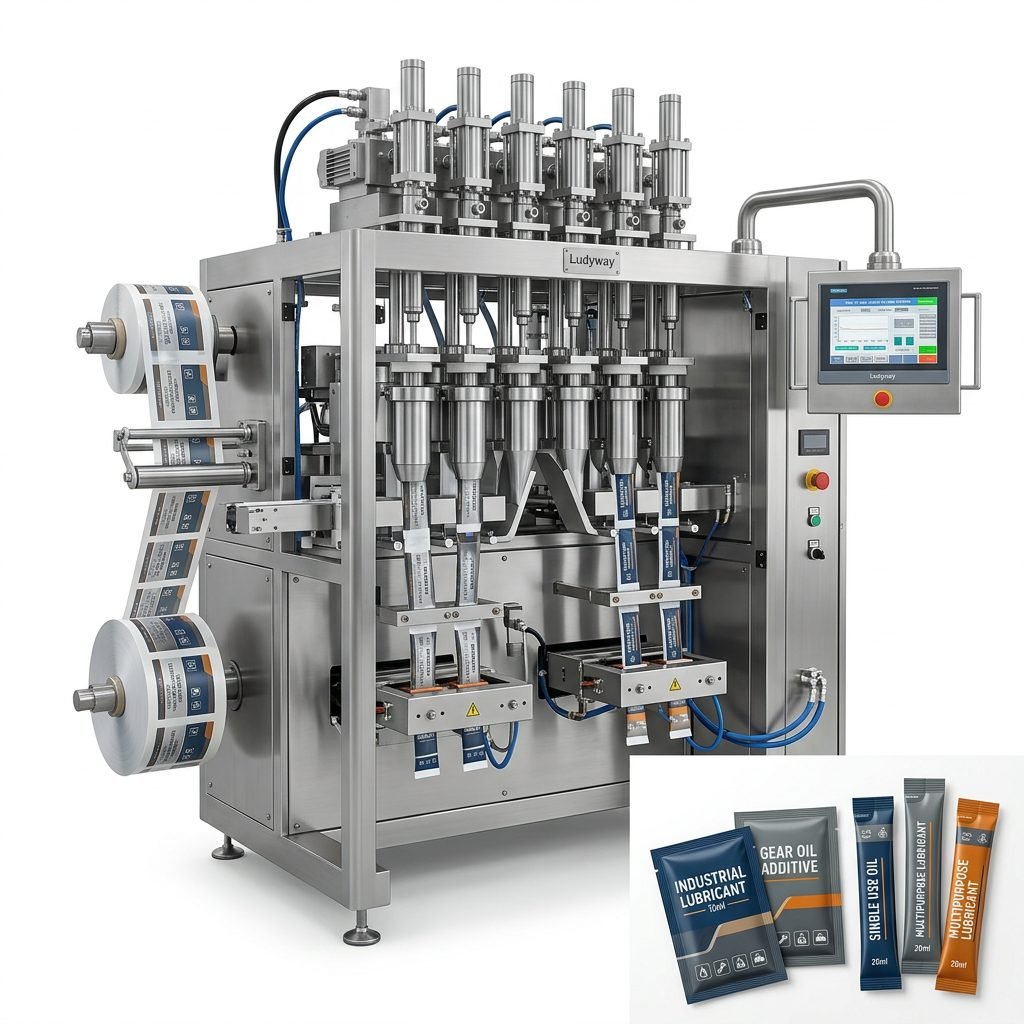
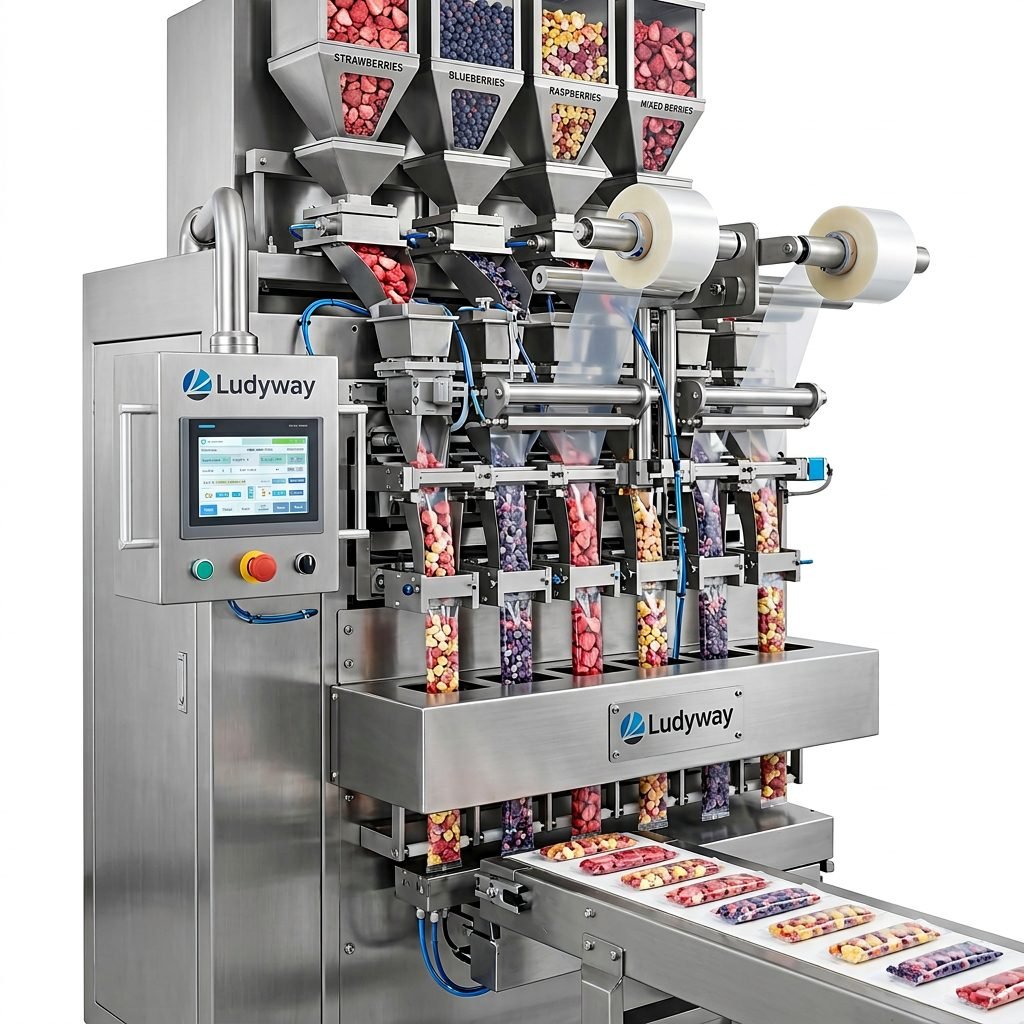
- Stick Pack & Sachet Machines: Compact, single-serve packaging ideal for coffee, sugar, condiments, supplements, and pharmaceutical powders. They are space-efficient and consumer-friendly.
- Multi-Lane Packaging Systems: Dramatically increase output by running multiple packaging lines (e.g., 4, 8, or 16 lanes) in parallel from a single feeder, perfect for high-volume stick pack or sachet production.
- Vacuum & Modified Atmosphere Packaging (MAP) Machines: Extend shelf life by removing air (vacuum) or replacing it with a protective gas mix (MAP), crucial for meats, cheeses, and fresh produce.
Why Specialization Matters
Brands like Ludyway Packaging Machinery focus on specific segments like stick pack and sachet systems. This deep specialization allows for engineering machines that offer superior speed, precision, and reliability for these formats compared to generic, multi-purpose equipment. It translates to less downtime and higher quality packaging for your products.
Key Features & Technological Advancements
Modern packaging equipment goes beyond basic functionality. Here are the features that define today’s high-performance systems.
Automation & Control
The level of automation directly impacts labor costs and consistency.
- PLC & HMI Controls: Programmable Logic Controllers with intuitive Human-Machine Interface touchscreens allow for easy recipe changes, monitoring, and troubleshooting.
- Servo-Driven Motors: Provide precise control over film movement, filling, and sealing, leading to higher accuracy, less waste, and smoother operation than traditional mechanical drives.
- Automatic Film & Reel Changeovers: Minimize downtime between production runs for different packaging materials.
Hygiene & Construction
Food safety is non-negotiable.
- Stainless Steel Contact Parts: Essential for easy cleaning, corrosion resistance, and compliance with food safety regulations (e.g., FDA, EU standards).
- Sanitary Design: Smooth surfaces, rounded corners, and minimal crevices to prevent bacterial harborage.
- CIP/SIP Capabilities: Clean-in-Place or Sterilize-in-Place systems for automated cleaning without full disassembly.
Accuracy & Flexibility
These features affect your bottom line and market responsiveness.
- High-Precision Fillers: Weighing scales, auger fillers, or volumetric pumps that ensure each package contains the exact specified amount, reducing give-away.
- Quick-Change Tooling: Allows the same machine to handle different package sizes or shapes with minimal changeover time.
- Vision Inspection Systems: Integrated cameras check for fill levels, seal integrity, print registration, and label presence, ensuring 100% quality control.
Essential Buying Criteria for Your Business
Evaluating equipment requires a strategic approach aligned with your business goals.
1. Define Your Product & Output Requirements
Product Characteristics: Is it a free-flowing powder, a sticky paste, a granular solid, or a liquid? This determines the filling technology.
Packaging Format & Material: What type of pouch, stick pack, sachet, or tray do you need? What film or laminate is required for barrier properties?
Production Speed (Output): Calculate your required packages per minute (PPM) or per shift, considering both current needs and future growth. A multi-lane system might be the answer for scaling high-volume sachet production.
2. Evaluate Total Cost of Ownership (TCO)
Look beyond the initial purchase price:
Operational Costs: Energy consumption, required compressed air, and film waste rates.
Maintenance & Downtime: Availability of spare parts and ease of service. Reliable brands with strong support networks minimize costly production stops.
Labor Requirements: How many operators are needed? Higher automation reduces long-term labor costs.
3. Assess Manufacturer Support & Reliability
The machine is only as good as the company behind it.
Technical Support & Training: Is comprehensive installation, training, and ongoing technical support provided?
Warranty & Spare Parts: What is the warranty period? Is there a global supply chain for critical spare parts?
Industry Experience: Choose a supplier with a proven track record in your specific packaging sector. A partner with decades of experience, like the experts behind our brand, brings invaluable practical knowledge to your project.
4. Consider Compliance & Future-Proofing
Ensure the equipment meets all relevant safety and hygiene standards for your target markets. Also, consider if the machine can be integrated with upstream (mixers, depositors) and downstream (cartoners, case packers) equipment for a complete line. Can it adapt to new packaging trends or formats in the future?
Conclusion
Investing in food packaging equipment is a significant step that impacts your operational efficiency, product quality, and scalability. By thoroughly understanding the different system types, prioritizing key technological features like servo drives and sanitary design, and carefully evaluating buying criteria based on your specific product and output needs, you can make a confident decision. Partnering with a knowledgeable and reliable equipment provider who offers robust support is crucial for long-term success and maximizing your return on investment.
Frequently Asked Questions (FAQs)
What is the main difference between VFFS and HFFS machines?
VFFS machines form bags vertically from a single roll of film and are best for free-flowing products that can be dropped. HFFS machines form film horizontally around a product and are used for non-free-flowing, delicate, or pre-arranged items that need to be placed in the web.
How do I choose between a single-lane and a multi-lane sachet machine?
The choice depends entirely on your required output. Single-lane machines are suitable for lower to medium production volumes or frequent product changeovers. Multi-lane systems are designed for high-volume production, running multiple filling heads in parallel from a common product feeder to achieve very high speeds (e.g., over 1000 sachets per minute).
What are the most important hygiene features for packaging dry food powders?
For dry foods, look for machines constructed with food-grade stainless steel (especially for product contact parts), a fully enclosed design to prevent dust contamination, and easy-access panels for thorough cleaning. Smooth surfaces without ledges where powder can accumulate are critical.
Can one packaging machine handle different package sizes?
Yes, most modern machines offer flexibility through quick-change tooling. This includes interchangeable forming tubes, sealing jaws, and film guides. The speed and complexity of the changeover vary by machine, so discuss your specific size range requirements with the supplier.
Why is after-sales support so important when buying packaging equipment?
Even the most reliable machinery requires maintenance, occasional spare parts, and operator training. Strong after-sales support ensures minimal downtime, helps maintain optimal machine performance, extends the equipment’s lifespan, and provides peace of mind. It is a vital part of the total cost of ownership.