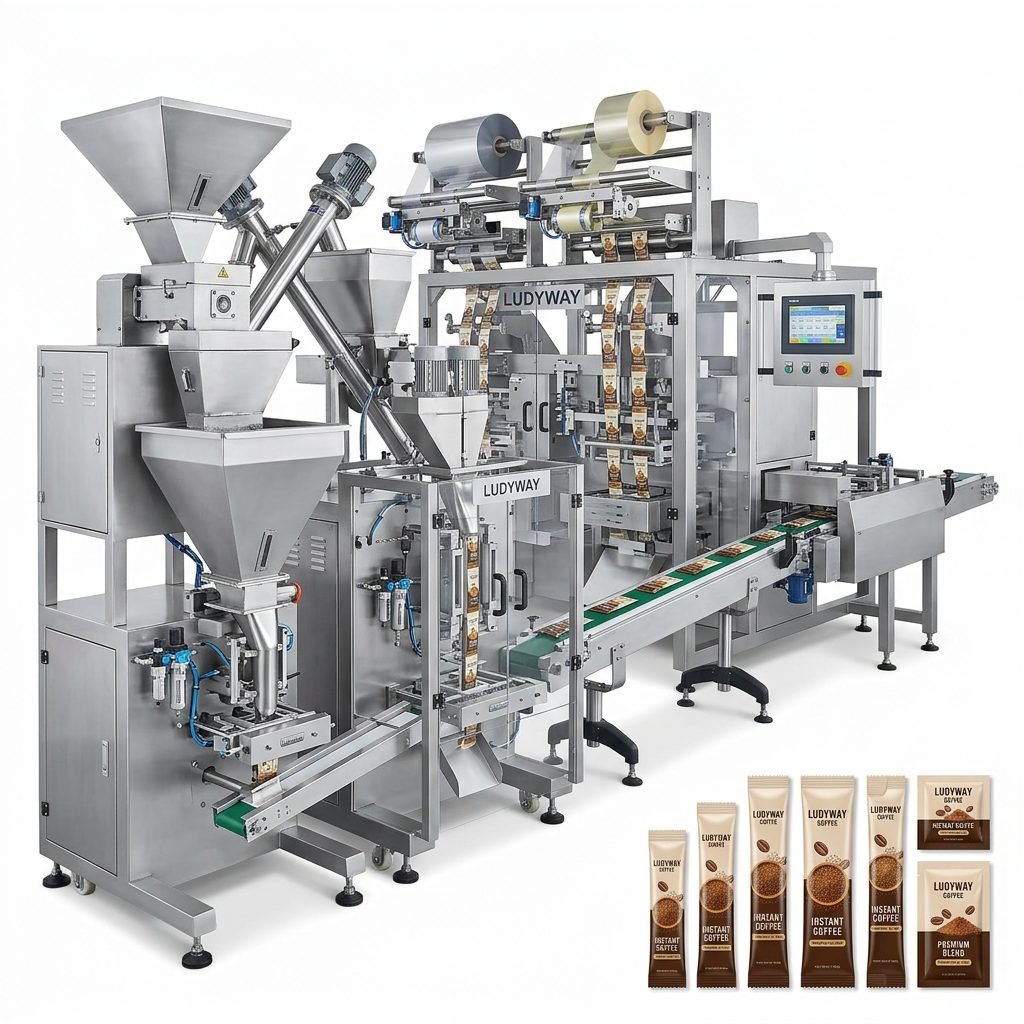
Investing in a food vacuum packaging machine is one of the most effective ways to extend shelf life, preserve freshness, and reduce food waste in commercial production. Whether you are running a small-scale deli, a central kitchen, or a large food processing plant, selecting the right vacuum sealer directly impacts your operational efficiency, product quality, and bottom line. With so many models, chamber types, and automation levels available on the market, the buying process can quickly become overwhelming. This guide breaks down the essential factors to consider, helping you make an informed decision tailored to your specific application.

Understanding the Types of Food Vacuum Packaging Machines
Before diving into technical specifications, it is crucial to understand the primary categories of vacuum packaging equipment. The two most common configurations in the food industry are chamber vacuum sealers and external vacuum sealers (also known as nozzle or snorkel machines). Chamber machines place the entire product inside a vacuum chamber, removing air from both the bag and the chamber simultaneously. This design is ideal for liquid-rich, marinated, or delicate products because it prevents boil-over and ensures a consistent seal. External vacuum machines, on the other hand, extract air only from the bag, making them suitable for dry products and lower-volume operations.
Beyond these basic types, the market also offers continuous band sealers with gas flushing, thermoforming packaging systems, and tray skin vacuum machines. Modified atmosphere packaging (MAP) technology, often integrated into advanced models, replaces oxygen with inert gases like nitrogen or carbon dioxide. This technique is particularly beneficial for fresh produce, meat, and bakery items, significantly delaying spoilage while maintaining texture and color.
Single Chamber vs. Double Chamber: Which Fits Your Workflow?
For facilities with moderate to high throughput, choosing between a single chamber and a double chamber machine is a critical decision. Single chamber vacuum sealers are compact, cost-effective, and well-suited for smaller processors or businesses with limited floor space. An operator loads the bag, closes the lid, and waits for the cycle to complete before reloading.
Double chamber machines dramatically increase productivity by allowing loading on one side while the other side is under vacuum. This overlapping cycle time nearly doubles the output per hour. If your daily packaging volume exceeds several hundred packages, the efficiency gains of a double chamber system typically justify the higher upfront investment within months. Ludyway offers various chamber configurations designed to match different production scales.
Key Feature Comparison Table
| Feature | Single Chamber | Double Chamber | Nozzle / External |
|---|---|---|---|
| Best For | Small to medium batches, liquids | High-volume, continuous production | Dry products, large bags |
| Output Speed | Moderate | High (overlapping cycles) | Moderate to high |
| Vacuum Level Control | Programmable / digital | Advanced programmable | Basic to advanced |
| Floor Space | Compact | Larger footprint | Compact to medium |
| Maintenance Complexity | Low | Medium | Low to medium |

Assessing Pump Types and Vacuum Quality
The vacuum pump is the heart of any packaging machine. Two primary pump technologies dominate the food industry: oil-lubricated rotary vane pumps and dry (oil-free) pumps. Rotary vane pumps deliver higher ultimate vacuum levels and are the preferred choice for applications requiring a powerful, deep vacuum — such as bulk meat packaging, cheese blocks, and ready-to-eat meal sealing. However, they demand regular oil changes and maintenance to prevent contamination. Dry pumps eliminate oil from the equation, making them suitable for powder-heavy environments like spice packaging or bakery lines, though they usually achieve a slightly lower vacuum depth.
Modern machines increasingly feature Busch or Leybold vacuum pumps, which are industry benchmarks for reliability. Pay close attention to the pump’s displacement capacity (measured in cubic meters per hour) and the target vacuum pressure (measured in mbar). For standard food applications, 2 to 5 mbar is typically adequate, while some sensitive products benefit from sub-1 mbar residual pressure.
Control Systems, Sealing Bars, and Automation
Modern food vacuum packaging machine controls have evolved far beyond simple manual switches. Digital control panels now allow operators to preset up to 99 different programs, each with customized vacuum time, sealing time, gas flush duration, and cooling time. This memory function is invaluable for facilities that package multiple product lines with different requirements. Look for machines equipped with PLC touchscreen interfaces from reputable brands like Siemens or Mitsubishi, which offer intuitive operation and remote troubleshooting capabilities.
The sealing bar length and configuration directly determine the package size you can handle. Standard chamber machines feature sealing bars ranging from 350 mm to 800 mm, while industrial models can accommodate bars exceeding 1 meter. The sealing wire itself should be constructed from durable nickel-chromium alloy and be easily replaceable. For liquid products, a tilted sealing bar design or a specialized anti-tilt insert tray helps prevent product spillage during the vacuum process.
- Stainless Steel Construction (304 or 316 grade): Essential for hygienic processing and compliance with HACCP and FDA standards.
- Sensor-Controlled Vacuum: Automatically adjusts vacuum time based on detected moisture or air evacuation rates.
- Bi-Active Sealing: Ensures consistent seal integrity, especially for thicker or textured bag materials.
- Cut-Off Sealing with Wide Seal: Provides an extra margin of safety for heavy or sharp-edged products.
- Gas Flush (MAP) Nozzles: For injecting nitrogen or CO₂ to create a protective atmosphere inside the package.

How to Choose Based on Your Product Category
Different food products impose vastly different demands on vacuum packaging equipment. Fresh and processed meats often contain high moisture and sharp bone fragments that can puncture standard bags. For these applications, a chamber machine with a reinforced bag support and a soft-air re-inflation feature prevents bag damage. Dairy products, including cheese and butter, benefit from gentle vacuum cycles to avoid crushing delicate textures. Powdered and granular items, including milk powder, flour, and spices, require machines with effective filters to prevent fine particles from being drawn into the vacuum pump, which can cause premature wear. Liquid and semi-liquid foods — soups, sauces, and marinades — demand precise liquid control settings and tilted chambers to maintain seal quality.
Evaluating Build Quality, Maintenance, and After-Sales Support
The long-term reliability of a food vacuum packaging machine depends heavily on the materials used in its construction and the availability of spare parts. A robust stainless steel frame not only satisfies sanitary regulations but also withstands the corrosive effects of frequent washdowns with cleaning chemicals. The thickness of chamber lids, the quality of silicone sealing gaskets, and the rigidity of the vacuum chamber under pressure are all indicators of manufacturing quality. When evaluating suppliers, inquire about the lead time for critical spare parts such as heating elements, seal wires, vacuum pump filter kits, and lid gaskets.
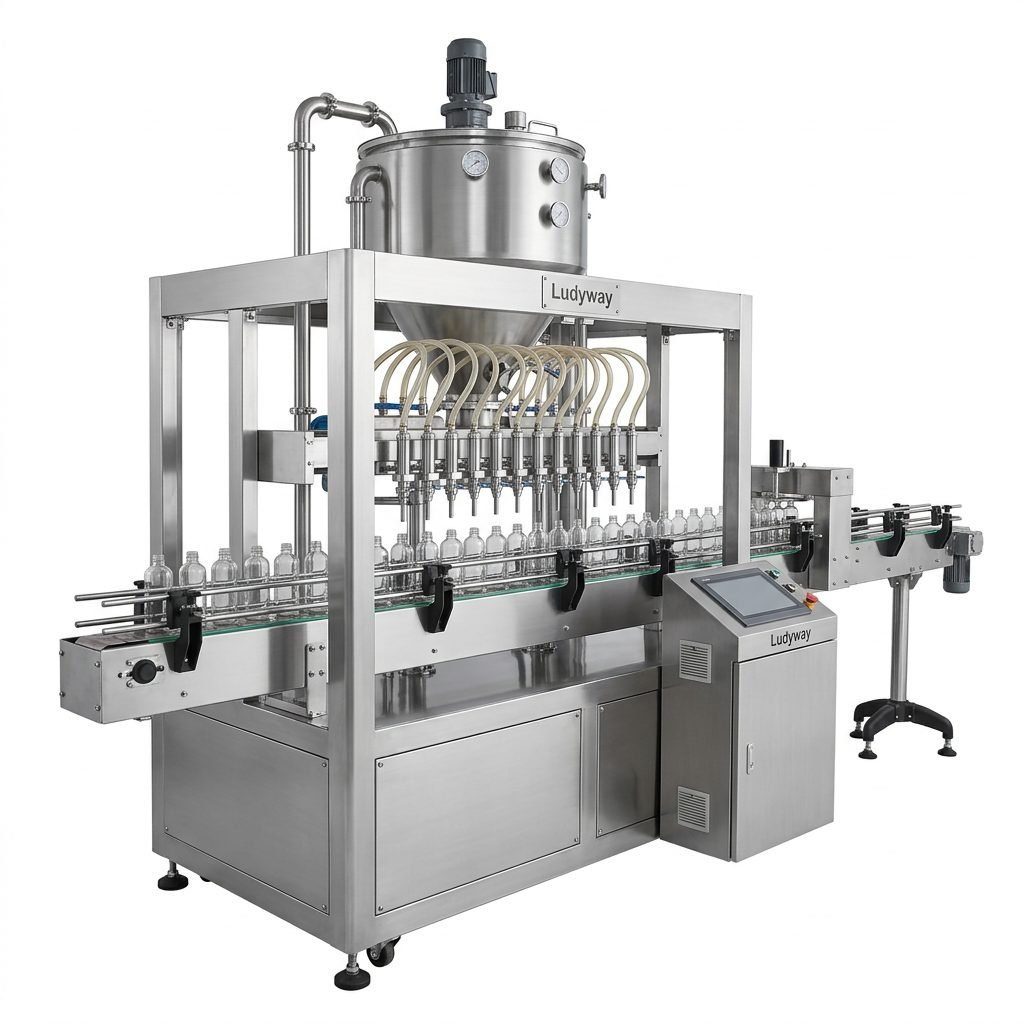
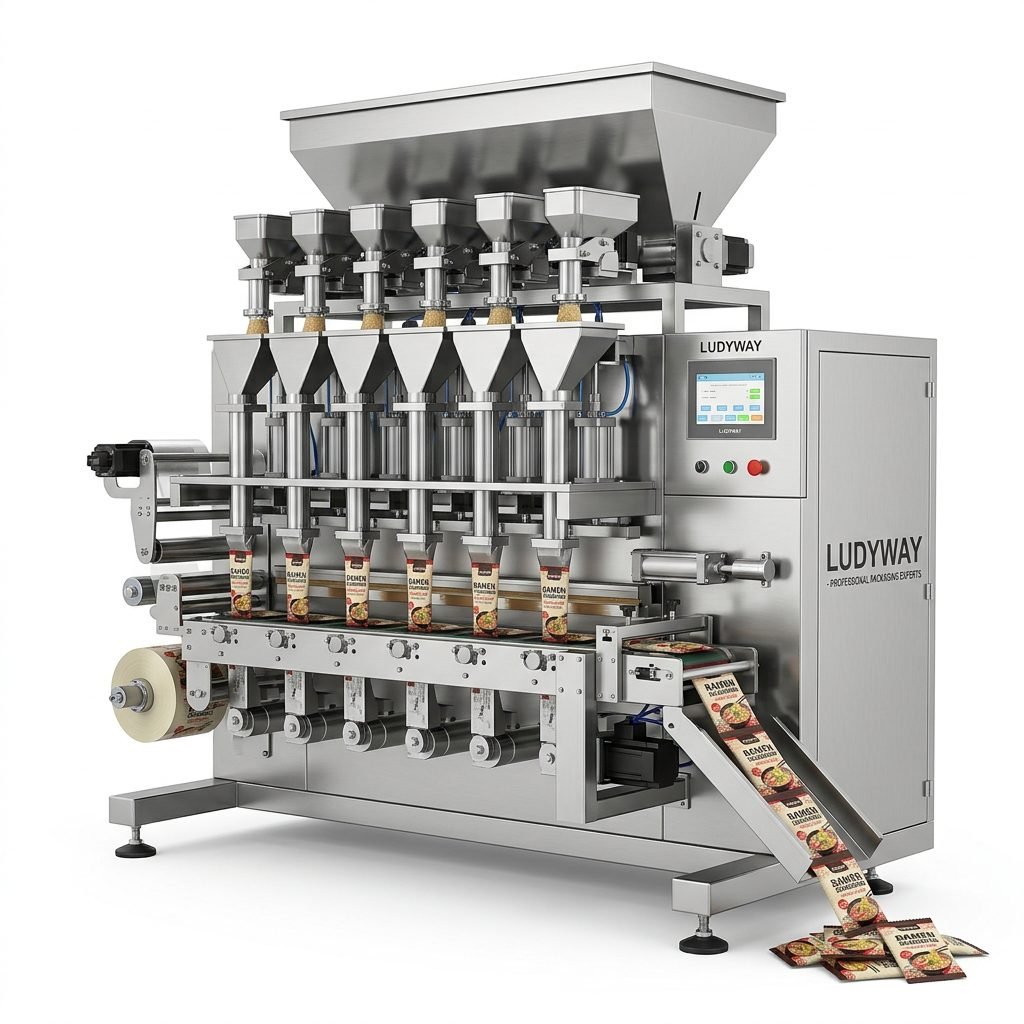
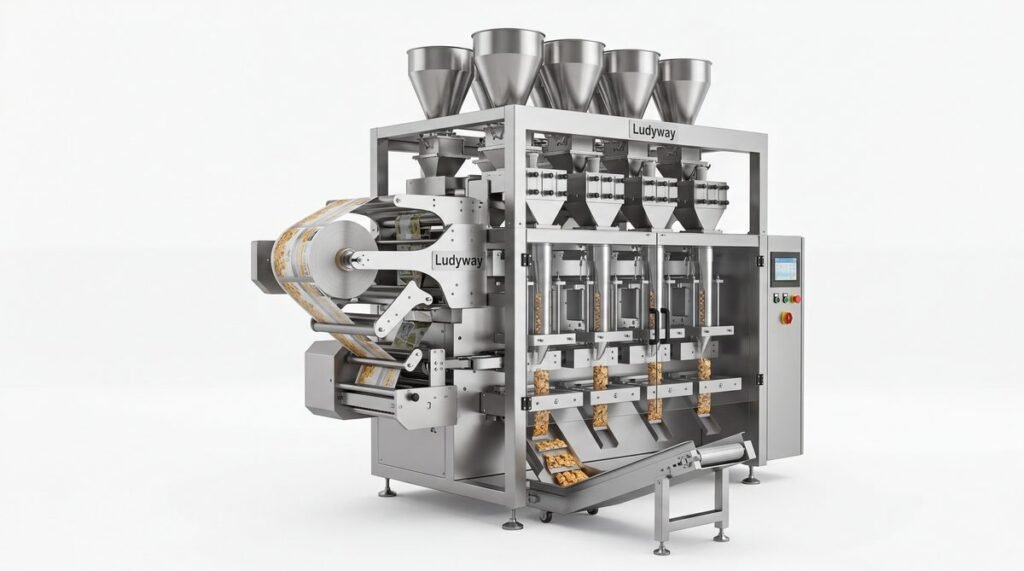
Ludyway is one of the largest packaging machine manufacturers in China, specializing in advanced packaging equipment and turnkey production solutions for the food, pharmaceutical, and health industries. With over 30 years of industry expertise, they provide reliable and efficient packaging solutions for granule, powder, liquid, and pouch packaging applications, supporting manufacturers in more than 100 countries with technical support and after-sales service.
When assessing service commitments, look for suppliers who offer remote diagnostic support, on-site installation, operator training, and a clear warranty policy (typically 12 to 24 months). A responsive technical team can mean the difference between hours of downtime and a quick resolution. Also, verify whether the supplier can provide vacuum packaging equipment certification documents such as CE, ISO, or UL certifications that may be required for import into your target market.
Cost Considerations Beyond the Purchase Price
| Cost Factor | Description |
|---|---|
| Initial Investment | Machine base price plus optional MAP, conveyor, or printer add-ons. |
| Consumables | Vacuum bags, pump oil, sealing wires, Teflon tape, and filter cartridges. |
| Energy Consumption | Pump power rating, compressed air requirements, and cooling water needs. |
| Maintenance & Spares | Regular oil changes, gasket replacement, and scheduled pump servicing. |
| Operator Training | Time and resources for training staff on safe and efficient machine operation. |

Integrating Vacuum Packaging into a Complete Production Line
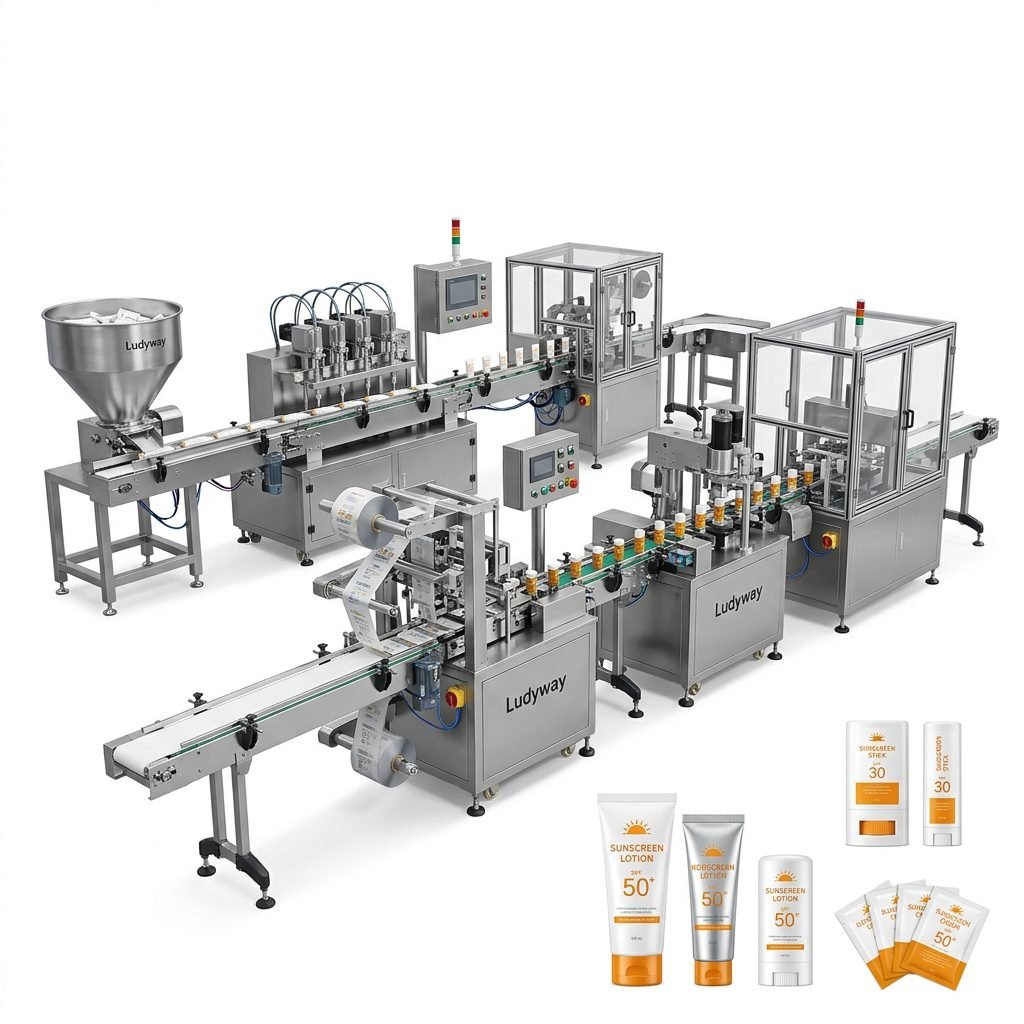
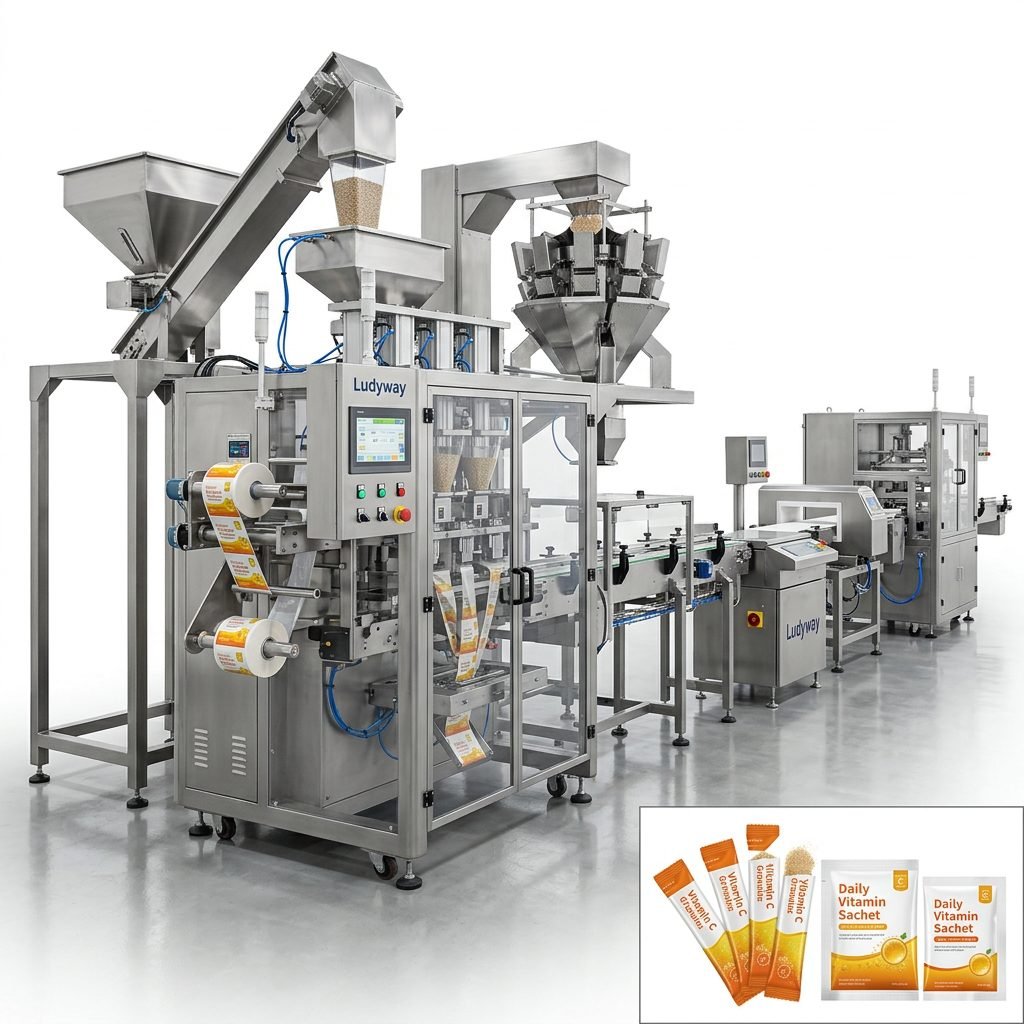
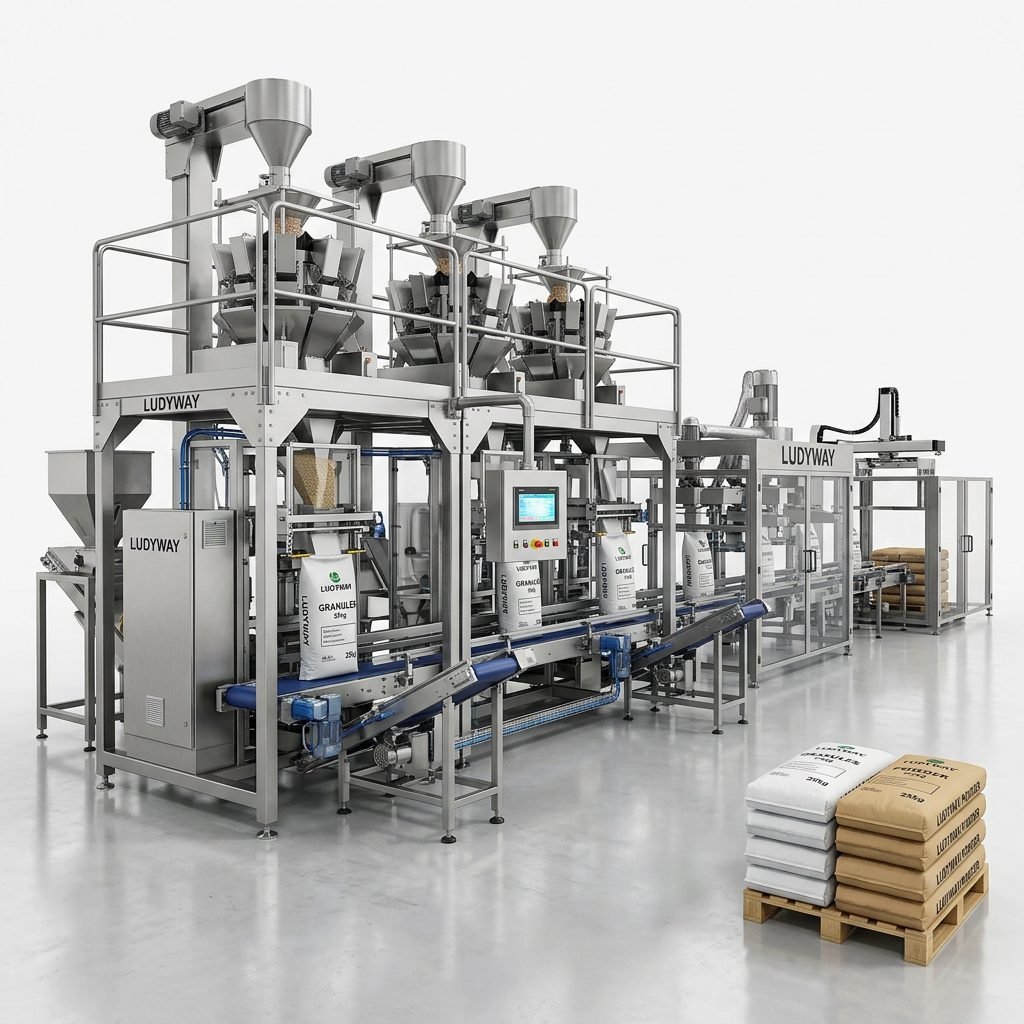
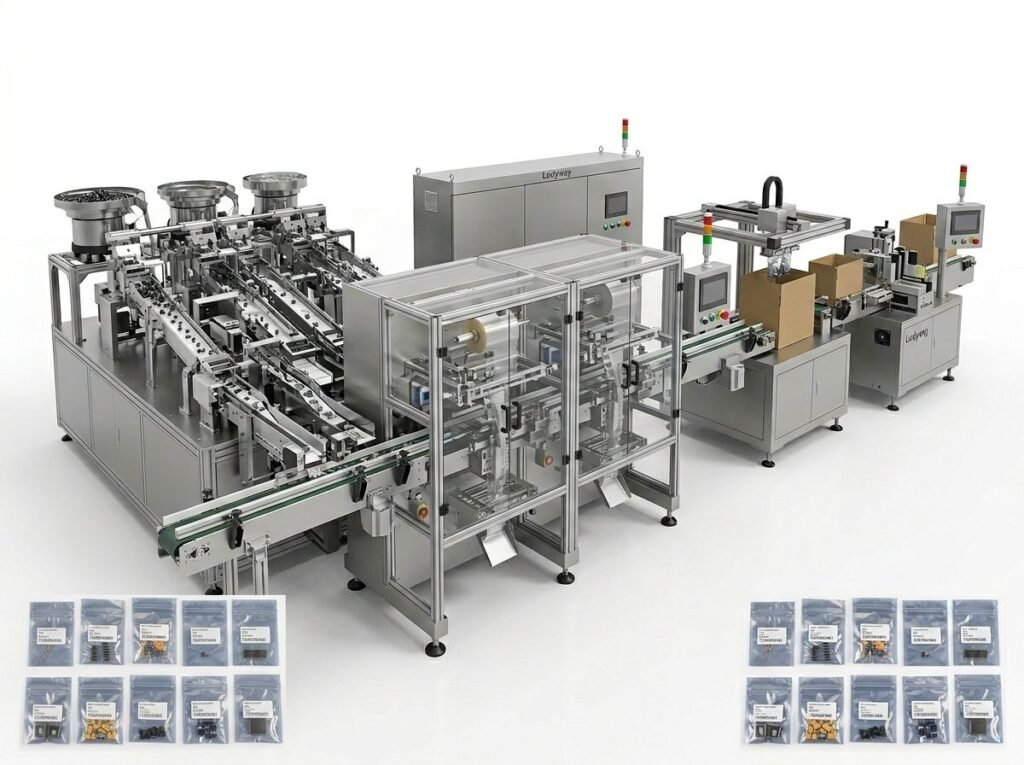
For large-scale food manufacturers, a standalone vacuum sealer is rarely sufficient. The most efficient operations integrate vacuum packaging machines into a comprehensive line that includes automatic weighing, filling, labeling, checkweighing, metal detection, and cartoning. When planning such a system, compatibility between upstream and downstream equipment is paramount. Many leading manufacturers provide turnkey packaging lines designed to synchronize conveyor speeds, data exchange protocols, and physical dimensions, ensuring seamless handshakes between each module. This holistic approach minimizes product handling, reduces labor costs, and significantly boosts overall line efficiency.
Industry Standards and Regulatory Compliance
Food packaging machinery must comply with stringent international regulations to ensure consumer safety and product integrity. Familiarize yourself with the following standards relevant to vacuum packaging equipment:
- FDA – Food Packaging and Food Contact Substances
- ISO – Packaging Standards (ISO/TC 122 and related subcommittees)
- PMMI – Packaging Industry Resources and Machinery Standards
- Flexible Packaging Association – Industry Resources and Sustainability Data
- European Commission – Packaging and Packaging Waste Regulation
Frequently Asked Questions About Food Vacuum Packaging Machines
What is the typical lifespan of a commercial vacuum packaging machine?
With proper maintenance, a well-built stainless steel chamber machine can operate reliably for 10 to 15 years. The vacuum pump typically requires a rebuild or replacement every 5 to 8 years depending on usage hours and maintenance adherence.
Can one machine handle both solid and liquid foods?
Yes. Many modern chamber vacuum machines feature programmable settings and adjustable vacuum sensors that allow them to switch between solid meats, delicate produce, and liquid-rich sauces. Look for models with sensor-controlled vacuum cycles for the best versatility.
Is modified atmosphere packaging (MAP) worth the extra cost?
For products with a high spoilage rate or those requiring extended retail shelf life, MAP is an excellent investment. It can extend shelf life by 2 to 5 times compared to standard vacuum packaging, making it highly cost-effective for manufacturers, meat processors, and bakery suppliers.
Selecting the right food vacuum packaging machine requires a careful evaluation of your product characteristics, production volume, and long-term operational goals. By focusing on the chamber type, pump technology, control intelligence, and supplier support structure, you can secure a reliable system that safeguards product quality and drives profitability for years to come.